The beauty of misbehaviour: what 3daysofdesign revealed about imperfect interiors

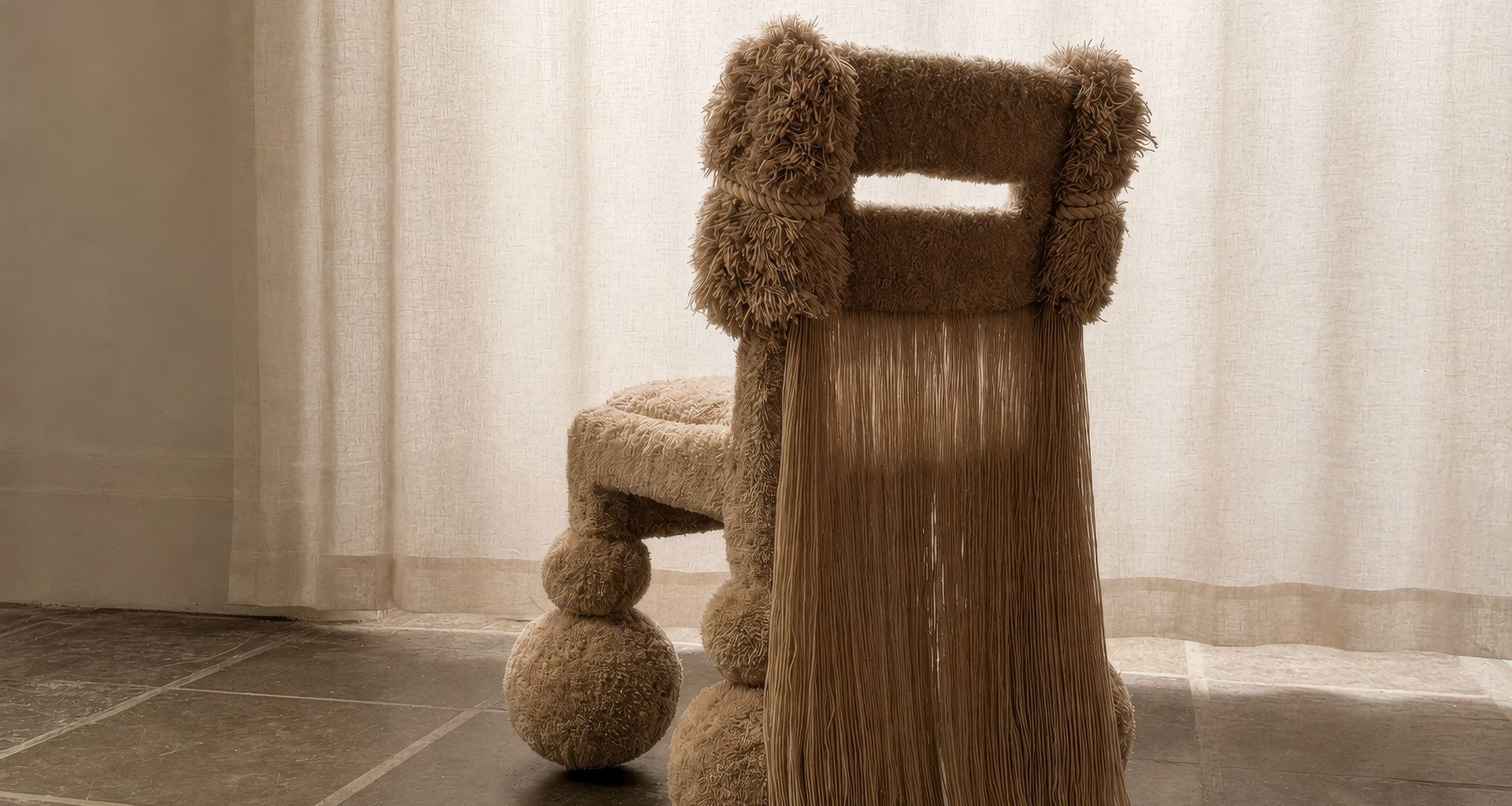
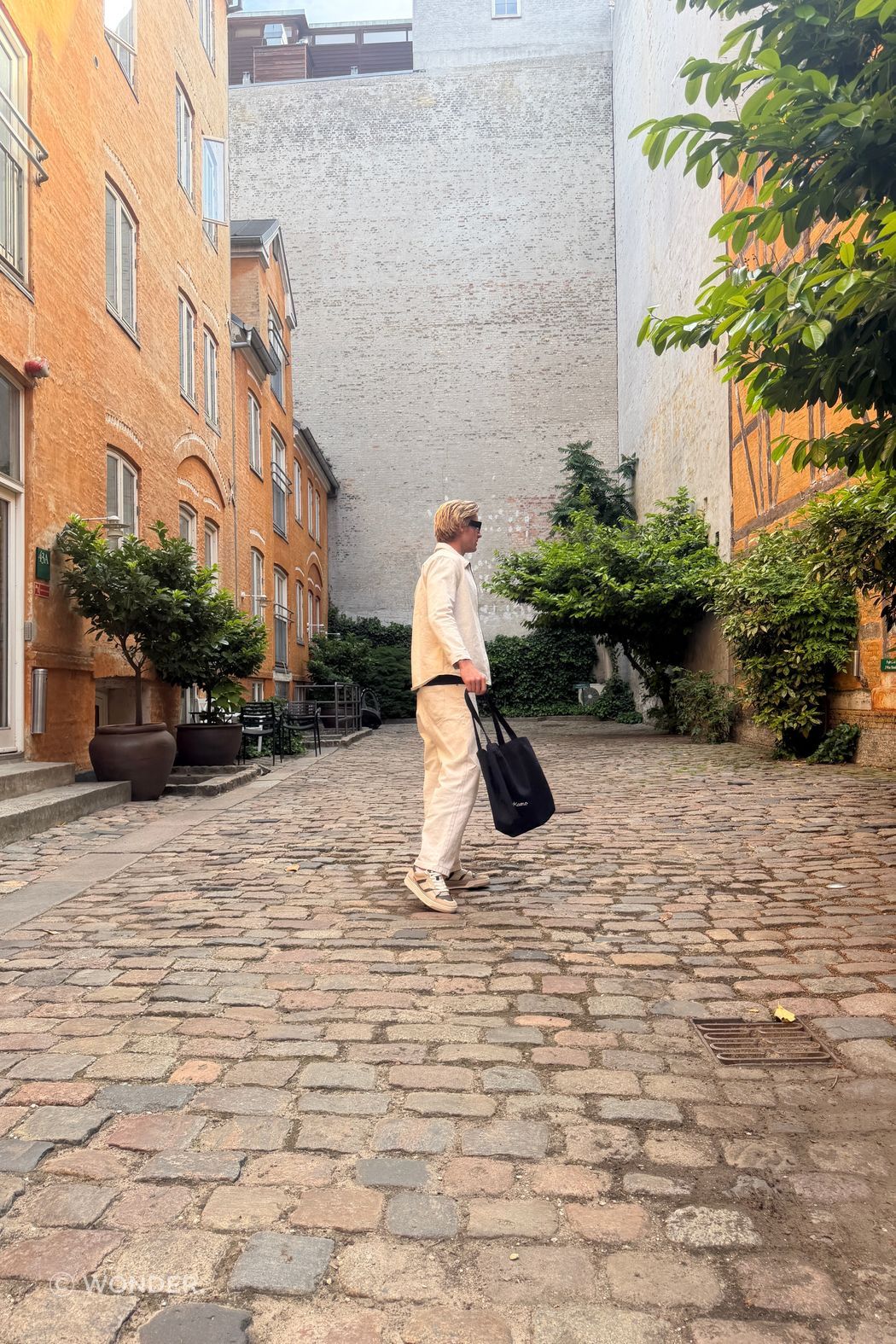
3daysofdesign was a rollercoaster of imperfection.
The strongest ideas were not sitting under big trend headings. They were found in the playful small misbehaviours… metal made swollen and soft, a rug lifted upright to divide a room, an old art piece given new flavour by its adorned frame, a restrained table given momentum with mountainous slabs of butter, loosely foraged flowers and gutsy forged metal craft.
We saw far less perfection and much more confidence to be rougher, looser, more personal, less commercial. To let materials carry marks, objects carry memory and interiors feel less like finished images and more like living collections.
1. Raw metal everything
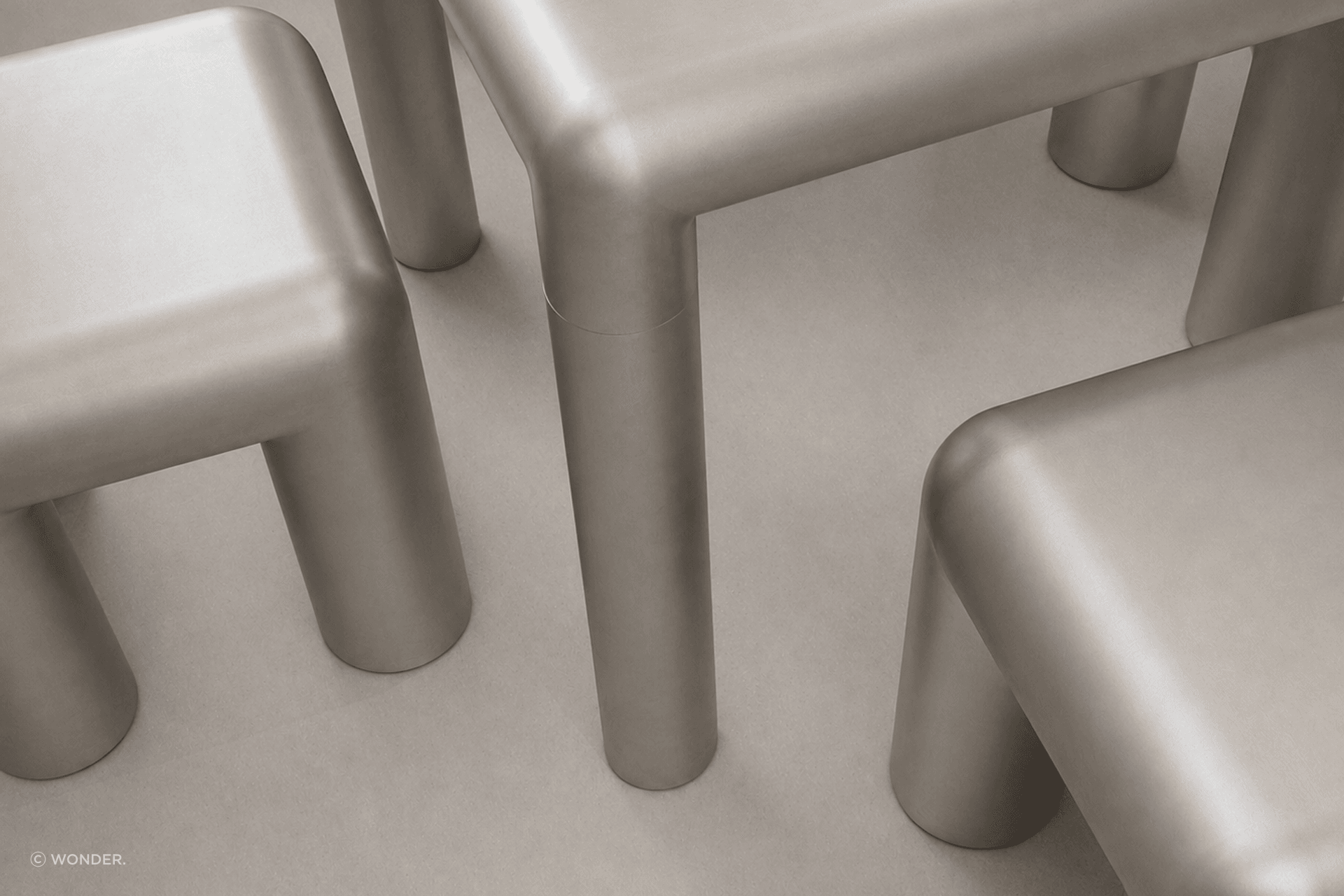
Metal was everywhere in Copenhagen, but we saw it get really pushed around.
At Formakivet, it appeared swollen, bubbled and inflated, turning something tinny into something bodily and soft. New Works handled stainless steel with precision, showing stools and chairs alongside a full-wall shelving system, ready to stretch any space you could dream up.
Younger designers were folding it, tacking it and bending it into chairs, shelves, lights and objects of desire. Aluminium, stainless, galvanised steel, chrome, shiny, dull, scratched, brushed, raw. After years of mute upholstery, timber and quiet stone, metal-left-raw brought edge back into the room.
2. Stone beyond the benchtop
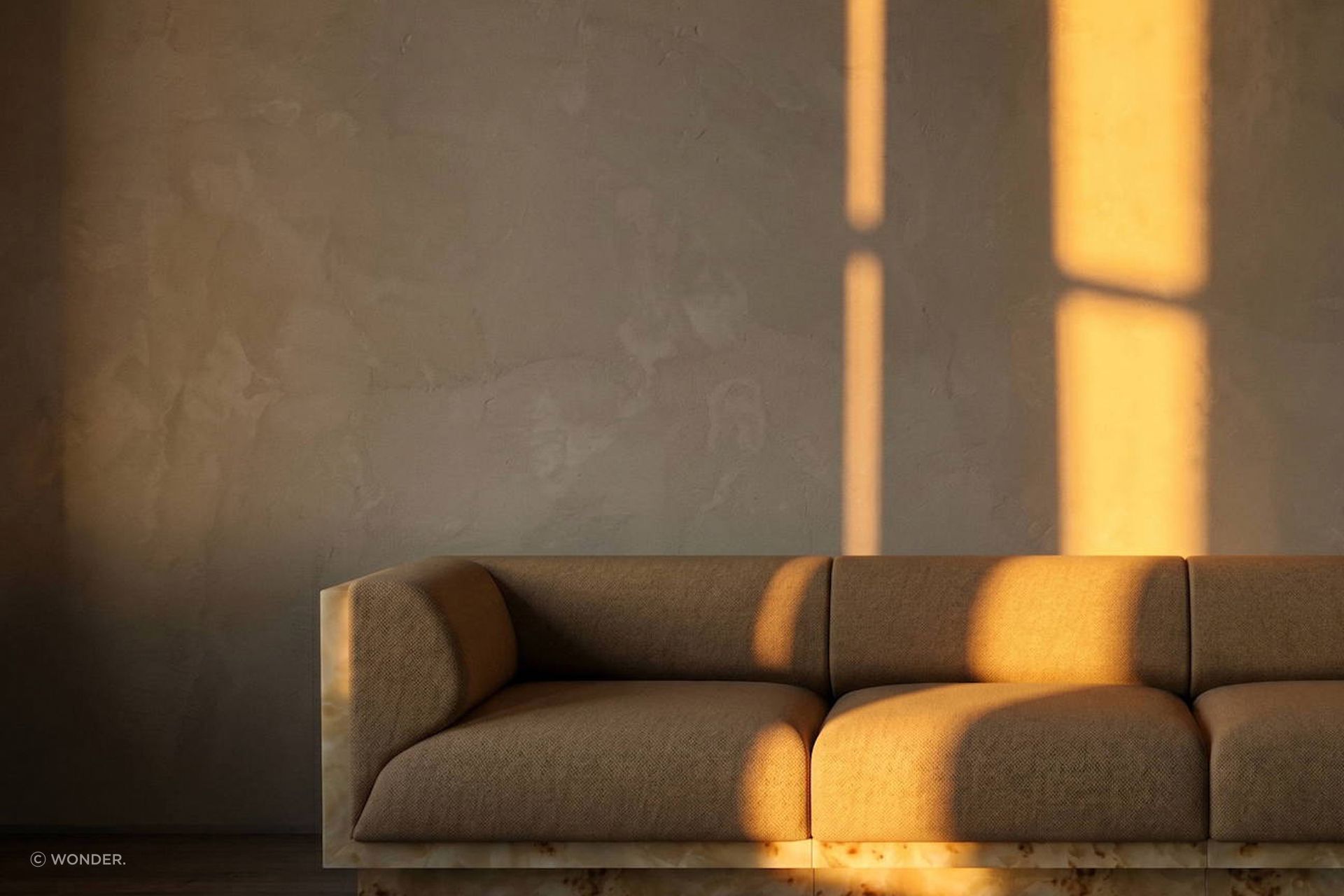
Stone has been locked inside the kitchen and left as a slab for too long.
In Copenhagen, it was getting loose… inlay, edging, furniture detail, skirting, entrance matting, tabletop, accessory. This feels alive with materials like Fibonacci stone, where the abstract texture is already doing half the work. Take off-cuts and push them into your floor. Frame a piece and hang it on the wall. Slice it into tiles and give a tired table a second life.
Stone is showing itself as a material to cut, collage, frame, tile and get mischievous with.
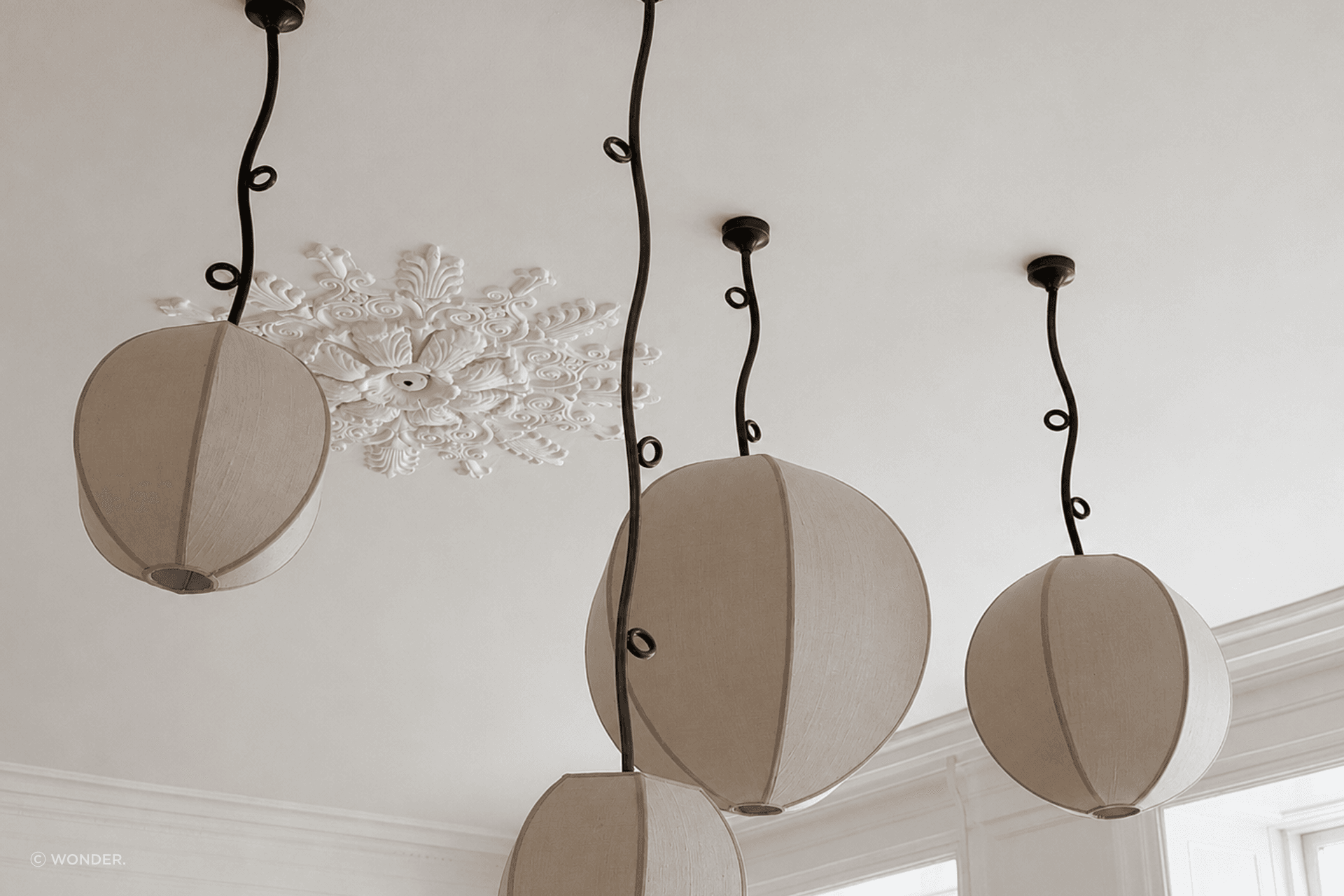
3. Cast metal to add charm.
Cast metal appeared in the places you would expect… handles, pulls, hooks, knobs, hinges, latches.
It’s honest, has weight, is nicely rough to touch and changes the way your hand meets a door, drawer or cabinet. Think Bankston or Studio Henry Wilson, where hardware becomes less of a finishing item and more of a small sculptural event.
The most seducing pieces were confident with evidence of their maker… pits, shadows, weight, edge. We saw it used to break up rhythm, add grit to a clean elevation or sit like jewellery against timber, stone and plaster.
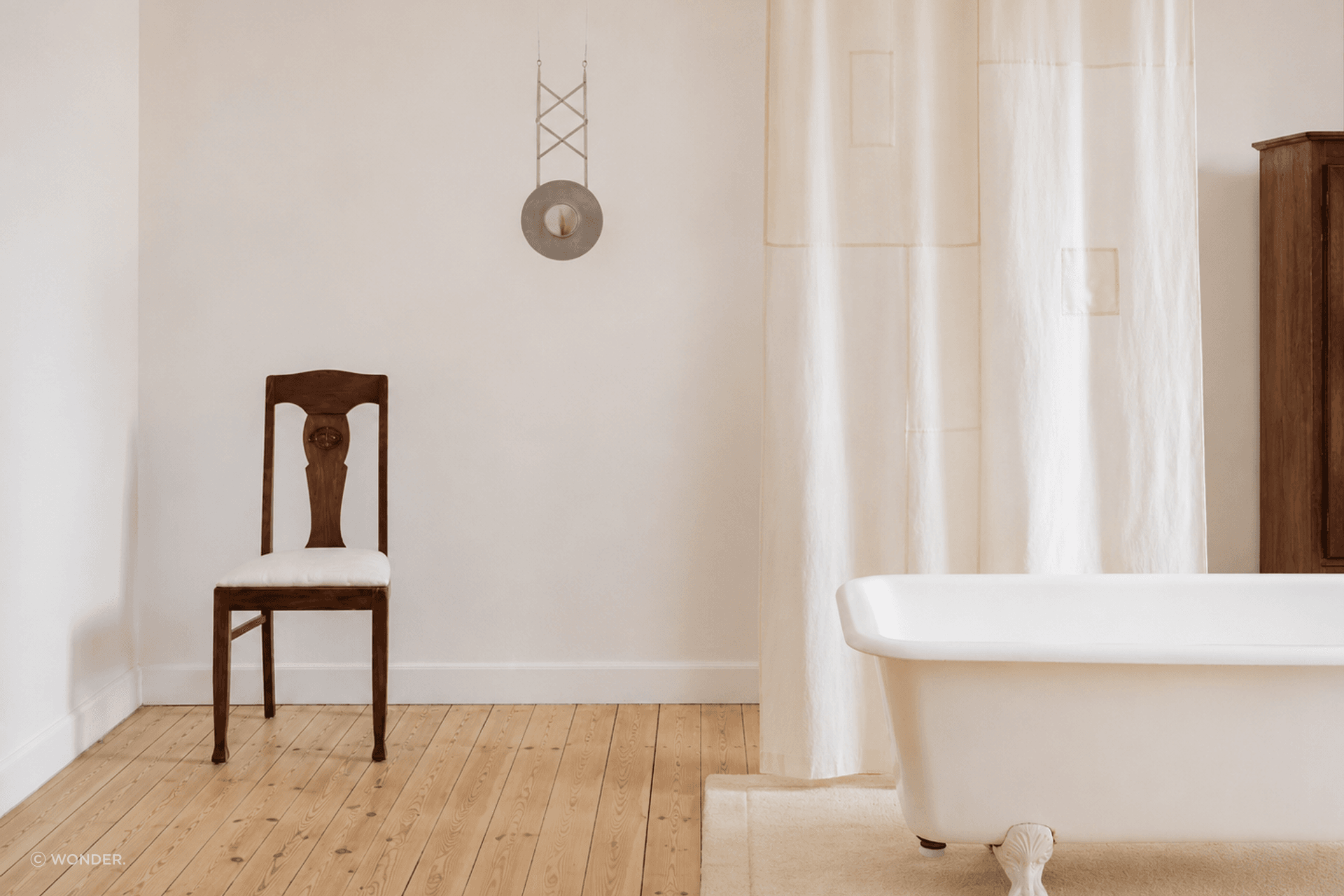
4. The family heirloom is back
The clean interior is being interrupted, thankfully.
A strange lamp with a chip. A cabinet with fabric hung across its front. A barbaric candelabra on the tabletop.
At Aarticles, that energy felt alive… odd things from basement makers and artisans, one-offs you cannot buy off the shelf, objects with chaos at their heart that become remarks in a room. Design Preowned was pulling Danish furniture out of storage and placing it back into a contemporary context.
Closer to home, Handcrafted Modern carries a similar charge. An assembly of objects-of-desire that are strange on their own, but elevating in an otherwise clean context. Perfectly imperfect, precisely the point.
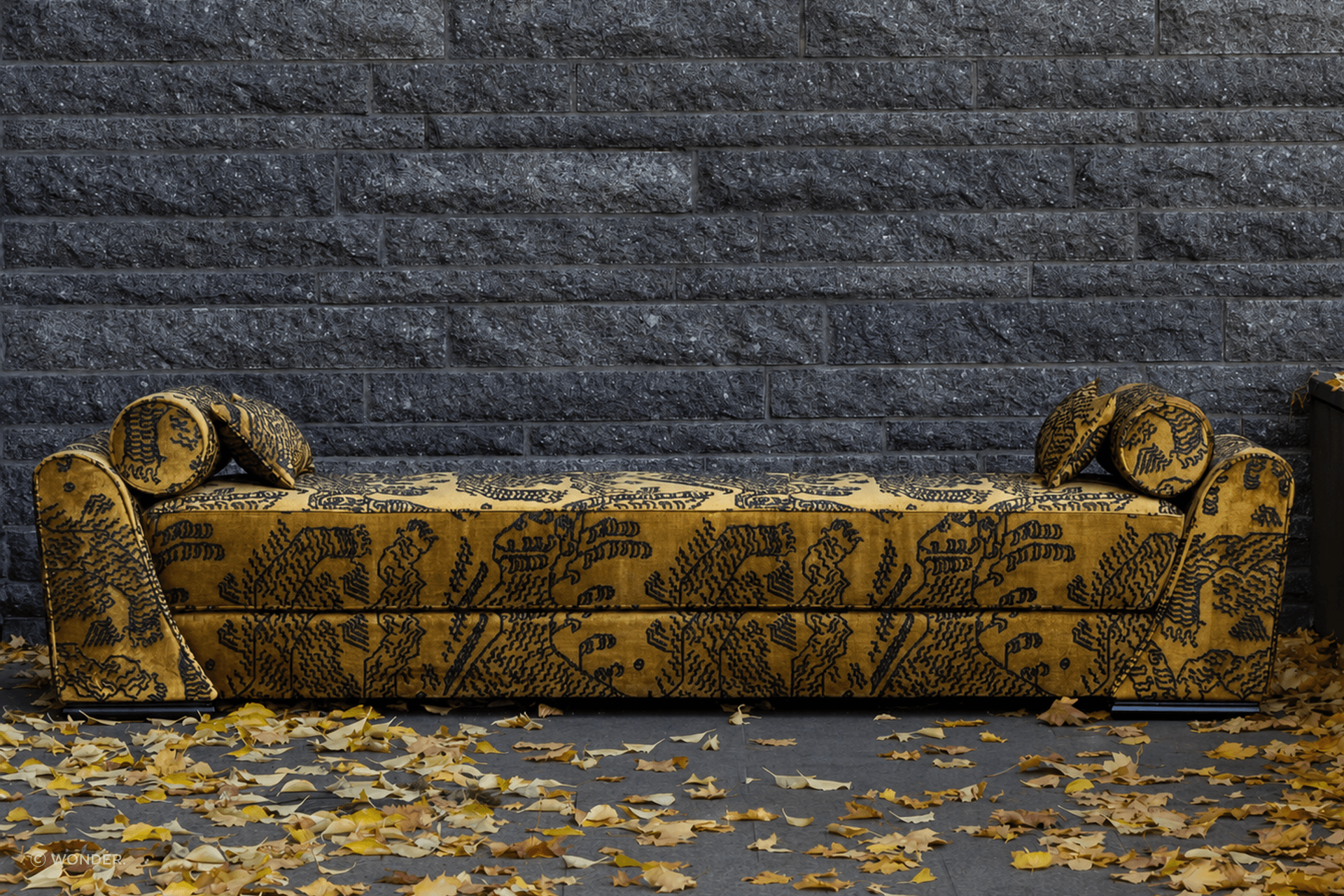
5. Fabric got brave
There was a visible move away from safe, nubbly, beige comfort. Boucle has had a successful run, but the more exciting textile moments were bolder, rougher, more personal.
Mohair. Suede. Leather with hand-stitched edges and exposed seams. Raggier sheepskin, more off-the-sheep than processed. Rytsola, a mother-and-son furniture duo with Finnish and Italian roots, threw Roman Renaissance velvet across an otherwise modern sofa and suddenly the whole thing had voltage. Velvet with trumpets!
Closer to home, work with makers to fabricate the sofa in something others may say is wrong. Choose the textile that feels like yours, the one that gives the room noise.
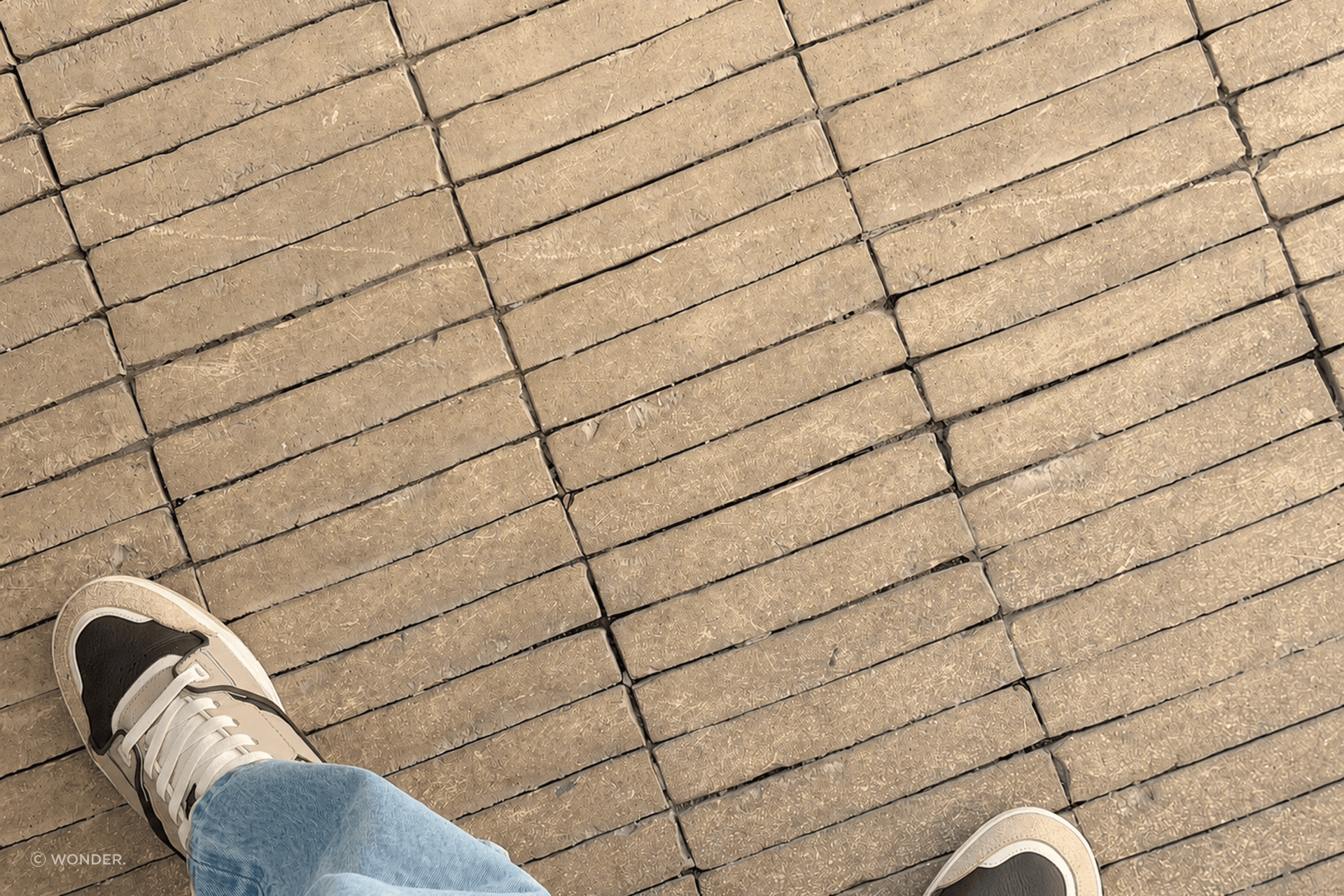
6. Unfinished was beautiful
I could not stop taking photos of the floors.
Timber planks laid without a perfect glue line. Tiles left without grout, with gaps you could lose crumbs in. Loosely installed, uneven, mottled, a mop’s nightmare, better for it. Clay was left unglazed. Timber was left unstained, unoiled, ready to mark.
Dinesen encouraged it… mop unfinished timber with soap, let the stains stay and the dents rise.
Carpet wasn’t beige, looped and common. It was texturally rich and potent with colour, wrapping across built furniture and up walls to dado-lines. VIPP went butter-yellow, Polish Collective went hot burgundy. Not precious nor careless, but carefully loose.
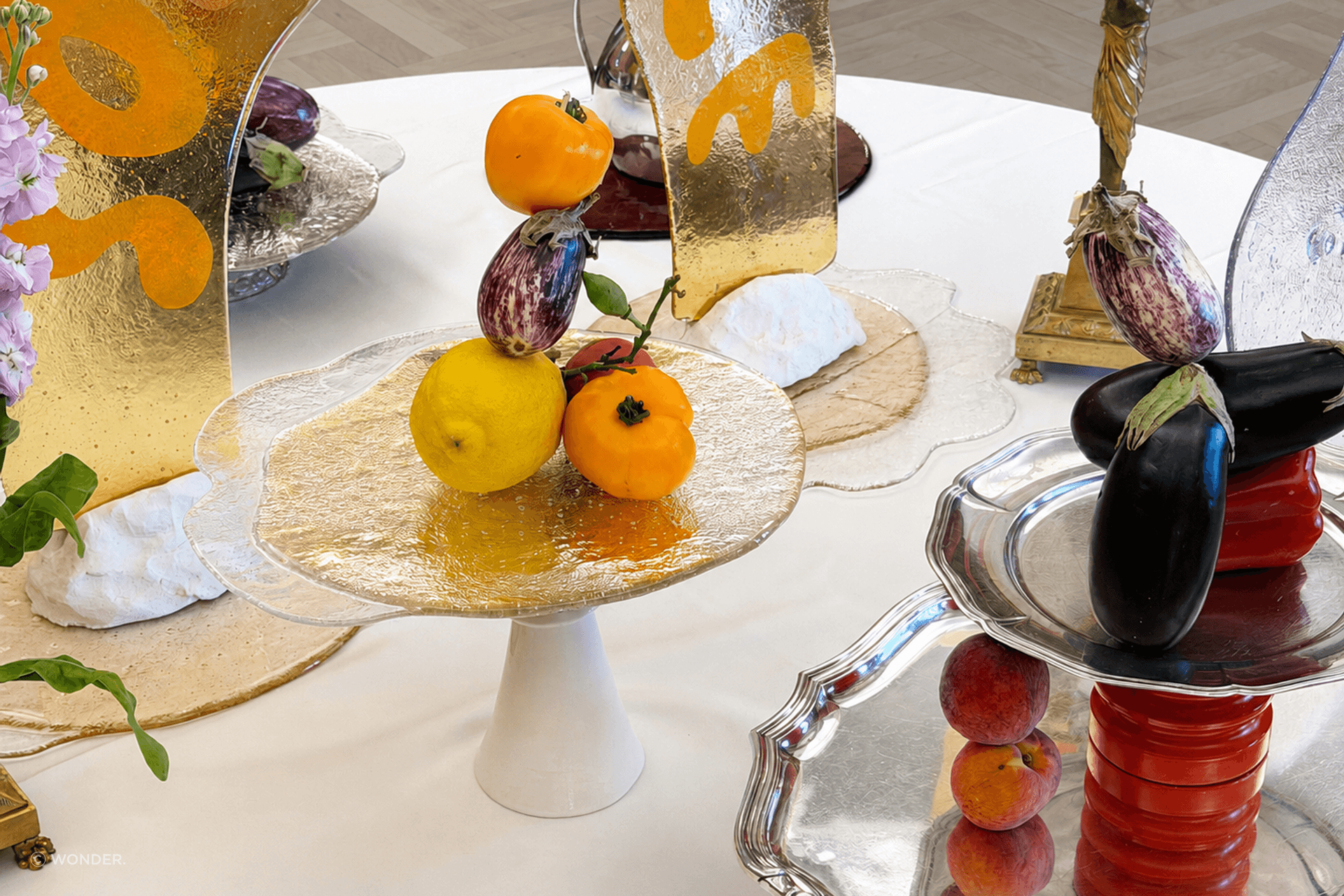
7. The table became theatrical
The dressed table was everywhere, but not in the stiff, over-styled sense.
These were tables with appetite, where people might sit, eat, spill, argue, lean in and stay too long. Butter arrived in soft mounds on old plates, scattered with herbs and flowers as if someone had finished the arrangement with a hand still in the garden. Embroidery was back. So were hand-beaten martini glasses, vintage cutlery forged rather than polished, gothic candlesticks and cast-metal trivets.
Baina showed this well: hand-stitching table coverings with layered frilly edges and an iron-flat top. A reminder that the table is the stage of the space.
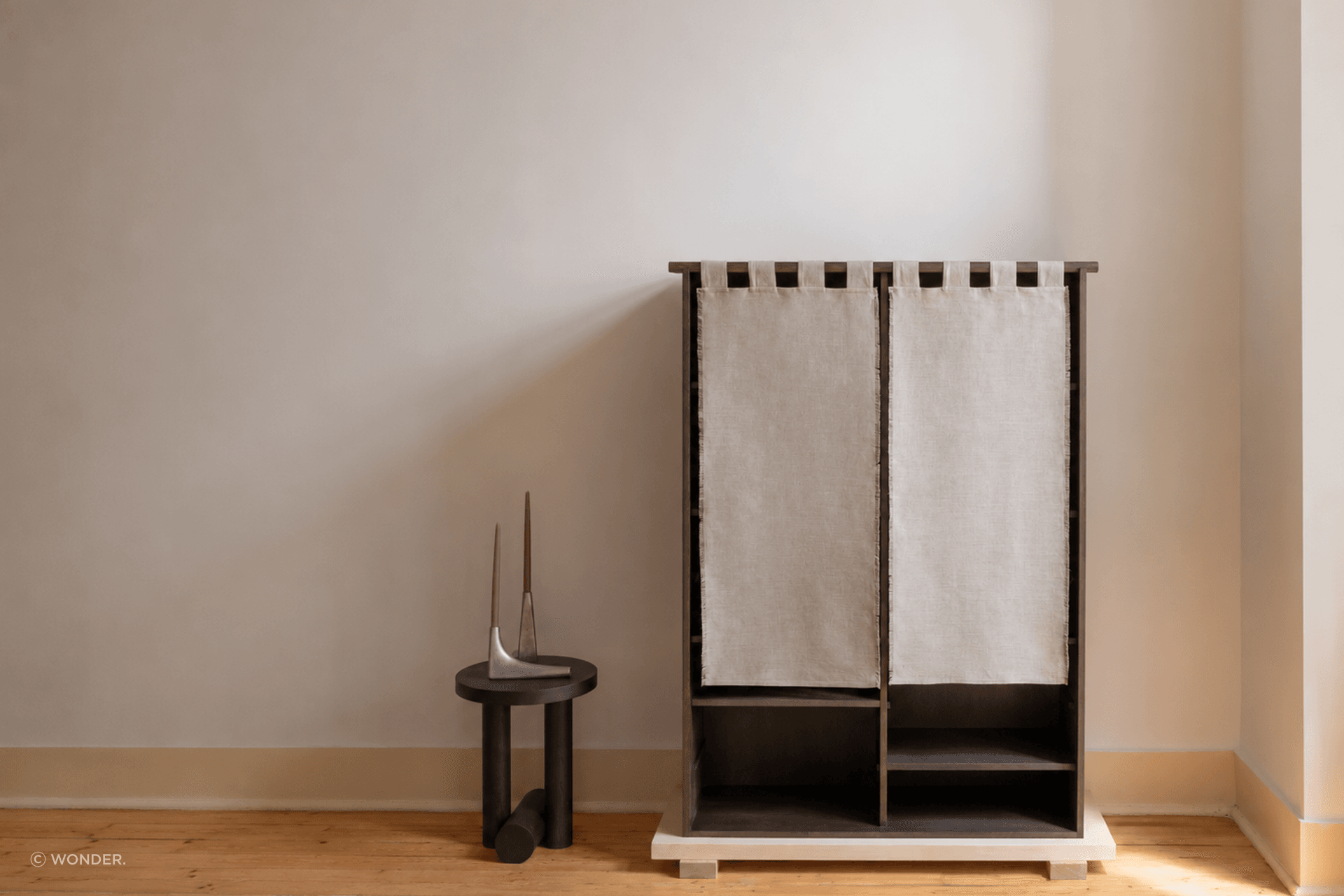
8. Soft division replaced hard separation
Textile was being used architecturally. Not just as curtain, cushion or upholstery, but as division, concealment and art.
At Ferm Living, rough textiles were held neatly at the top with a timber cross-bar. They read as architectural panels first, only a rug once we were told so by staff. At Kvadrat, suspended textiles felt closer to large-scale embroidery than fabric display. Edged, pinched, sewn, tensioned, the cloth had structure while still softening and screening space.
Not every division needs plasterboard. A hanging textile can conceal storage, soften shelving or shift the pace of a room.
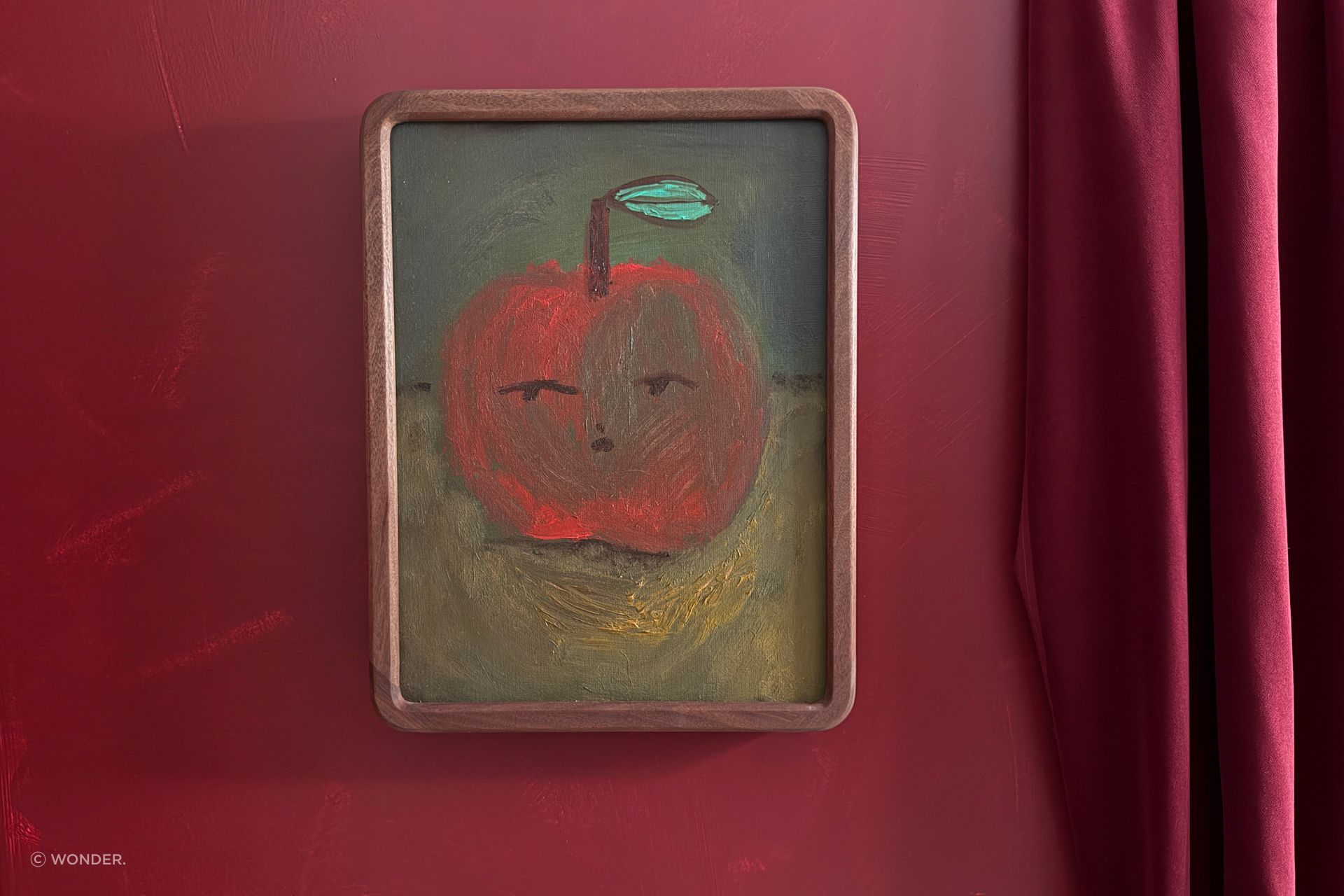
9. Old art was given new frames
Frames were no longer quiet little borders. They were welded, tacked together, oversized, carved, sculpted, burnt back, hand-painted and deliberately overworked, becoming part of the object, not just the thing around it.
Take the small old painting that feels lost. Reframe it in something heavy, strange or oversized. Put a child’s drawing in a proper frame. Treat a found textile, family photograph or loose sketch with the same care you would give an expensive artwork.
It brings to mind Tom Mackie, where the border can be the feature.
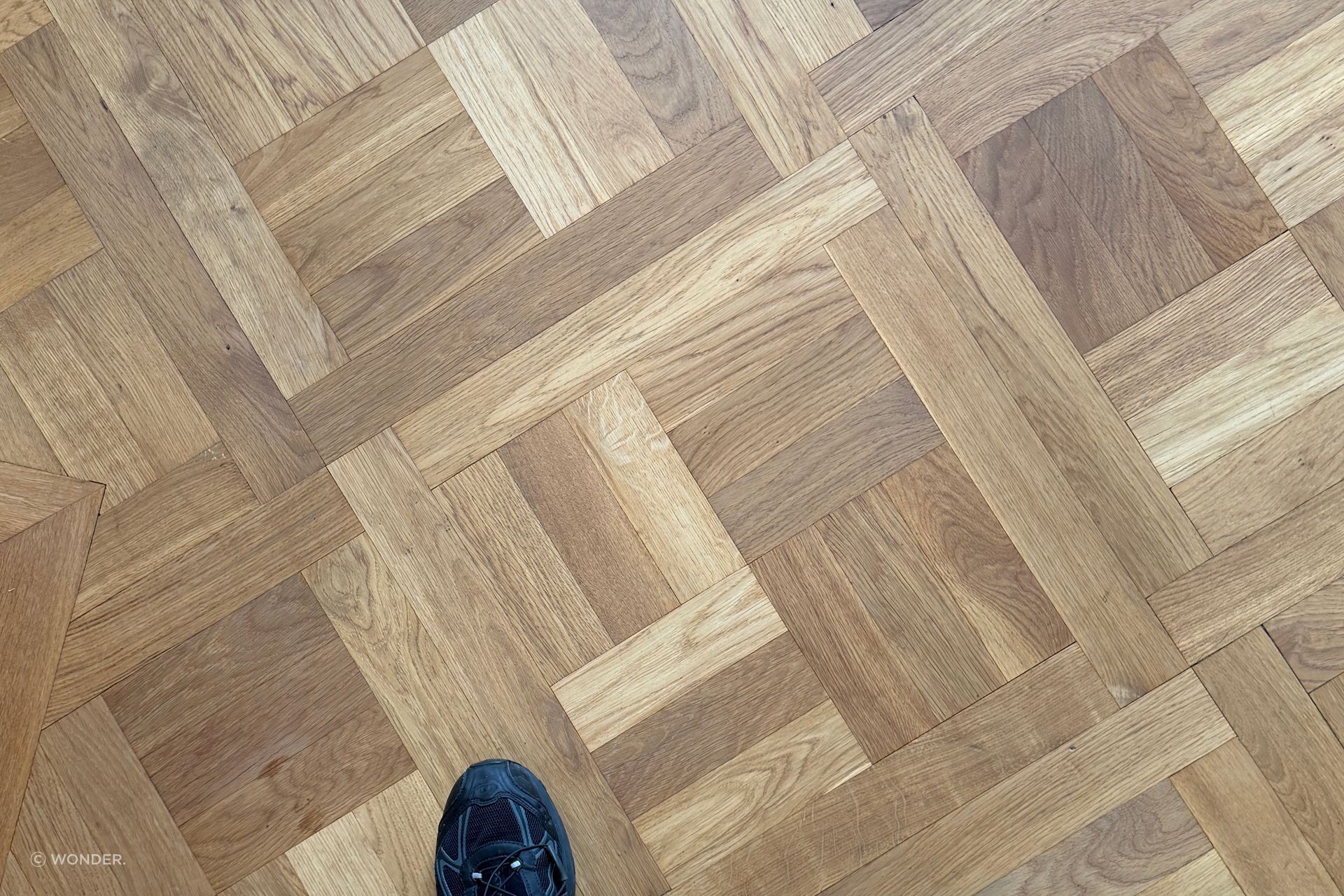
10. Timber floors started playing games
The straight plank is not dead, but it suddenly looked very well behaved (and maybe a little boring!).
Even herringbone felt conservative compared with floors on show… mansion weave, criss-cross patterns, small cut pieces, mixed tones, directional shifts at thresholds, dark pieces dropped into pale floors in regular rhythms. Let the floor mark a transition. Let it shift direction. Use a variety of Forte planks, let different timbers meet.
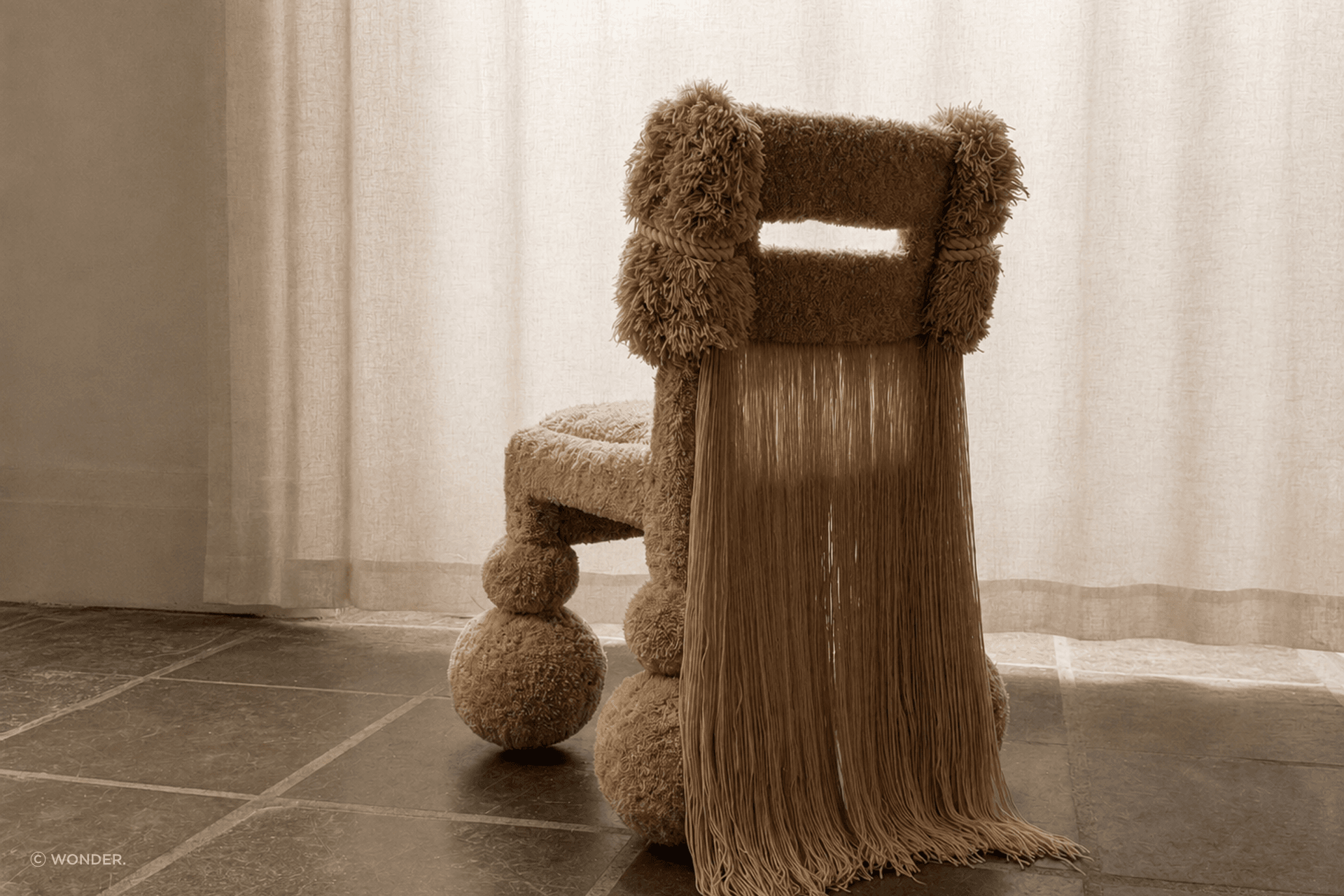
Across all of this, interiors felt less obedient. Sustainability was less performative and more embedded. Craft was allowed to collide with design. The home was treated less as a finished image and more as a living archive. For designers, suppliers and makers, maybe the question should be what story does the design carry, how does it age, what does it allow, and how might someone make it their own?
That was the energy of 3daysofdesign for me. We’re away from perfection and polish. We’re into a more textured intelligence, one that makes room for scratches, heirlooms, heavy cloth, strange hooks, old paintings, raw floors and the kind of beauty that arrives when a space stops trying so hard.
That same energy runs through the homes, products and makers we return to on ArchiPro: the ones with texture, evidence and a point of view. Explore interiors, objects and professionals that make space for character over polish.