AI and the changing role of the architect
Written by
22 February 2026
•
5 min read


For much of architecture’s recent history, technological change has arrived incrementally. New software platforms have refined workflows, improved accuracy and increased efficiency, but the core processes of design and documentation have remained largely intact. Artificial intelligence, however, is prompting a much more fundamental shift. At Chan Architecture, AI is not viewed as a replacement for architectural thinking, but as a tool that is already reshaping how ideas are generated and communicated.
Currently, the practice is using AI primarily at the beginning of the design stage, particularly for interior projects where speed and visual clarity are critical.
“We are using AI in concept design when we need to do something very quickly. Especially for interiors, it can help us to test out ideas to share with the client without investing too much time,” says director Anthony Chan.
The ability to take a photograph of an existing space, combine it with reference imagery and generate a visual concept within minutes has altered the early stages of client engagement.
Traditionally, these exploratory conversations would rely on time-intensive modelling and rendering processes. AI has compressed that timeline significantly.
“In the past, we would model a space in 3D, find the furniture, the light fittings and the finishes, and then render it, and all that takes time,” Chan explains. “With AI, you can bring all of that together really quickly and create a visual concept in less than an hour.”
For clients who are uncertain about direction, this immediacy can be transformative. One recent example was a small cafe refurbishment in Ballarat, where the client wanted ideas rather than a fully resolved design package. Using AI-generated concept imagery, Chan was able to demonstrate how modest changes to furniture, lighting and finishes could completely alter the atmosphere of the space.
“We took a photo from the site visit, found inspiration images and gave it a reference mood, like a cosy modern cafe,” he says. “When I showed it to the client, he said, ‘That’s fantastic. Let’s move to the next stage.’”


The entire exercise took less than an hour and cost a fraction of what a traditional concept package would have required.
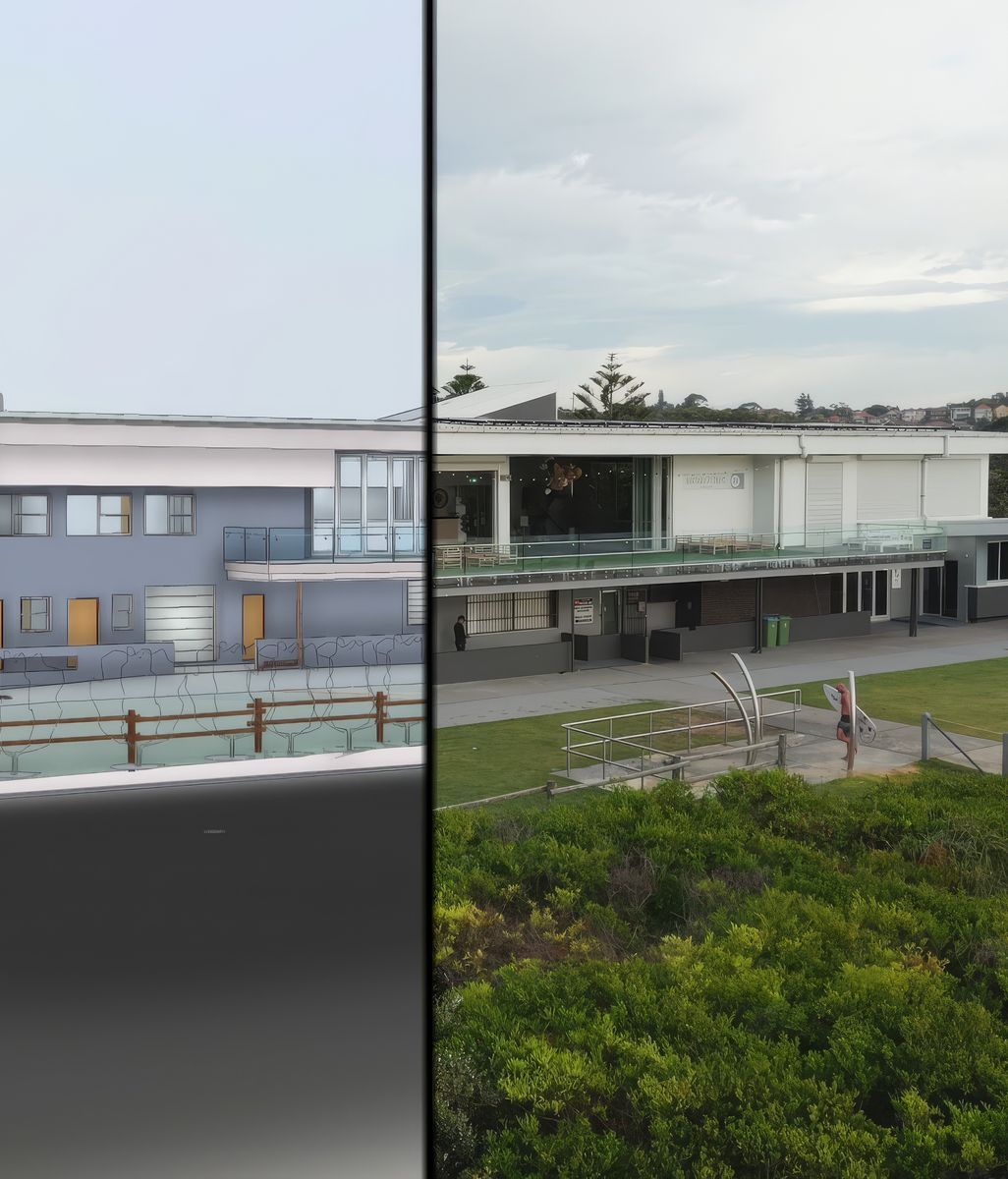
Beyond concept generation, AI is also being used to streamline presentations, enhance renders and support early feasibility work. The practice often produces base models in conventional software before using AI to add realism, people and movement.
“We’ll render something and then use AI to take the rendering to the next level, making it more realistic,” Chan says. “It’s also very easy to animate now, so you can create a walk-through almost instantly.”
These tools are not replacing architectural modelling, but augmenting it in ways that improve communication and save time.
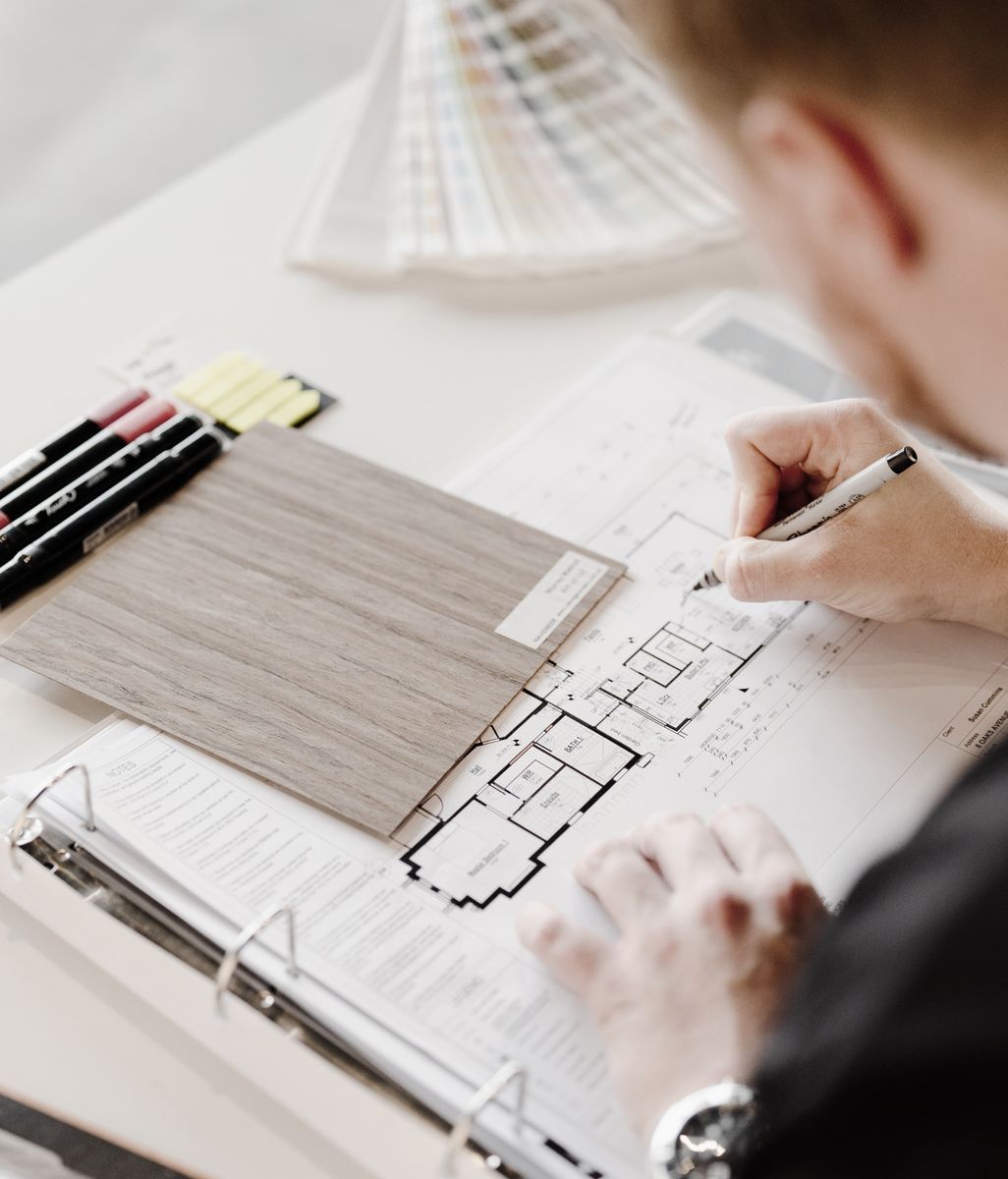
This shift is also changing the skillset required of architects. Prompt writing, image curation and critical editing are becoming as important as drawing and modelling.
“It’s a very different way of designing with prompts and images,” Chan notes. “You really have to change your thought process.”
Rather than designing entirely from within a space, architects are increasingly moving between reference and synthesis, assembling ideas before refining them through traditional architectural processes.
Importantly, Chan is clear that AI has limits, particularly when it comes to technical accuracy.
“Sometimes it’s wrong, and that’s really dangerous,” he says. “There’s a temptation to trust everything it says, but you have to fact-check.” For this reason, the practice does not rely on AI for compliance, technical detailing or documentation, areas where precision and accountability are essential.


Where AI has proven unexpectedly valuable is in administrative and strategic tasks, such as assessing large tender documents.
“Sometimes we put an 80 or 90-page tender document into AI and ask for an executive summary and whether it’s worth pursuing,” Chan explains.
In one instance recently, the tool suggested that a heritage project would be better approached through collaboration with a specialist firm, saving hours of review time and reframing the opportunity.
Looking ahead, Chan believes AI will continue to encroach on more traditional architectural territory, including documentation.
“What it can’t do yet is produce a full set of drawings, but I think that’s just a matter of time,” he says.
While that prospect can feel unsettling, Chan sees it as a prompt to rethink the architect’s role rather than resist change.
“Architects will focus more on critical thinking and high-level decision making, and the rest will be using tools.”
Rather than diminishing the profession, Chan believes AI could refine it. Smaller teams, deeper thinking and a greater emphasis on judgment, ethics and context may emerge as automation takes on more production-based tasks.
“A lot of people think it’s doom and gloom, but I actually think there are a lot of opportunities,” he says. “It’s really exciting what the possibilities are.”