An inside look at ColorCote: Why durability starts long before installation

Written by

26 May 2026

 • 

3 min read

banner
Durability is proven before installation, not just years later. While long-term indicators like warranties, corrosion resistance and paint performance are standard specification criteria, they don’t always reflect how materials perform in the early stages of a project when design intent is most exposed.

Before a roof is installed, steel is treated, coated, transported, rollformed, transported again, and handled across multiple touchpoints. At each stage, materials must maintain their integrity. Durability is shaped not only by how the material performs years after installation, but also by how reliably it behaves before it even reaches the building.

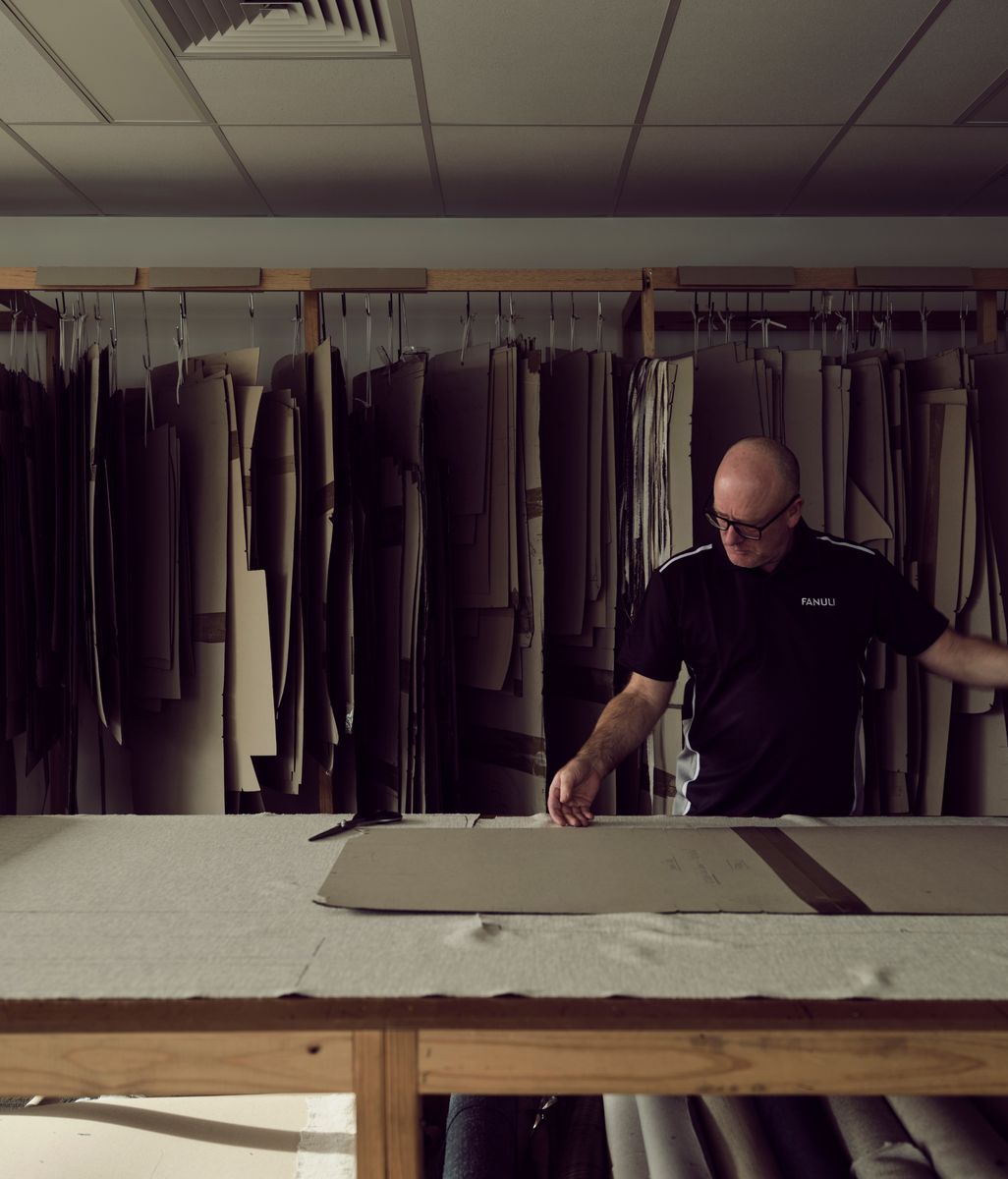
According to Ka Lok Leung, Quality and Technical Manager at ColorCote, durability-related issues can often arise before installation rather than years later.

“From the point the steel is painted, it goes through many steps before it ends up on a building. Throughout those stages, the product has to endure physical handling and still arrive on site performing as intended.”

Steel being primed and cured through ColorCote’s
infrared ovens.

Issues such as paint pickoff, surface marring or handling damage can disrupt progress before a roof is complete. These issues can create delays, add coordination complexity, and force decisions outside the original design intent. While often unseen once a project is finished, their impact on programme, budget and delivery is immediate. This is where durability is proven — in how well a product withstands handling, fabrication and installation from the outset.

For architects and specifiers working within compressed timelines and tighter budgets, predictability matters. Materials that perform consistently reduce rework, protect programme, and help protect design intent. Rather than limiting creativity, reliability enables creative intent to continue without unnecessary compromise.

“Durability is defined not just by long-term performance, but by how well a product withstands handling, fabrication and installation from the outset.” says Ka Lok.

Durability is defined not just by long-term performance, but by how well a product withstands handling, fabrication and installation from the outset.
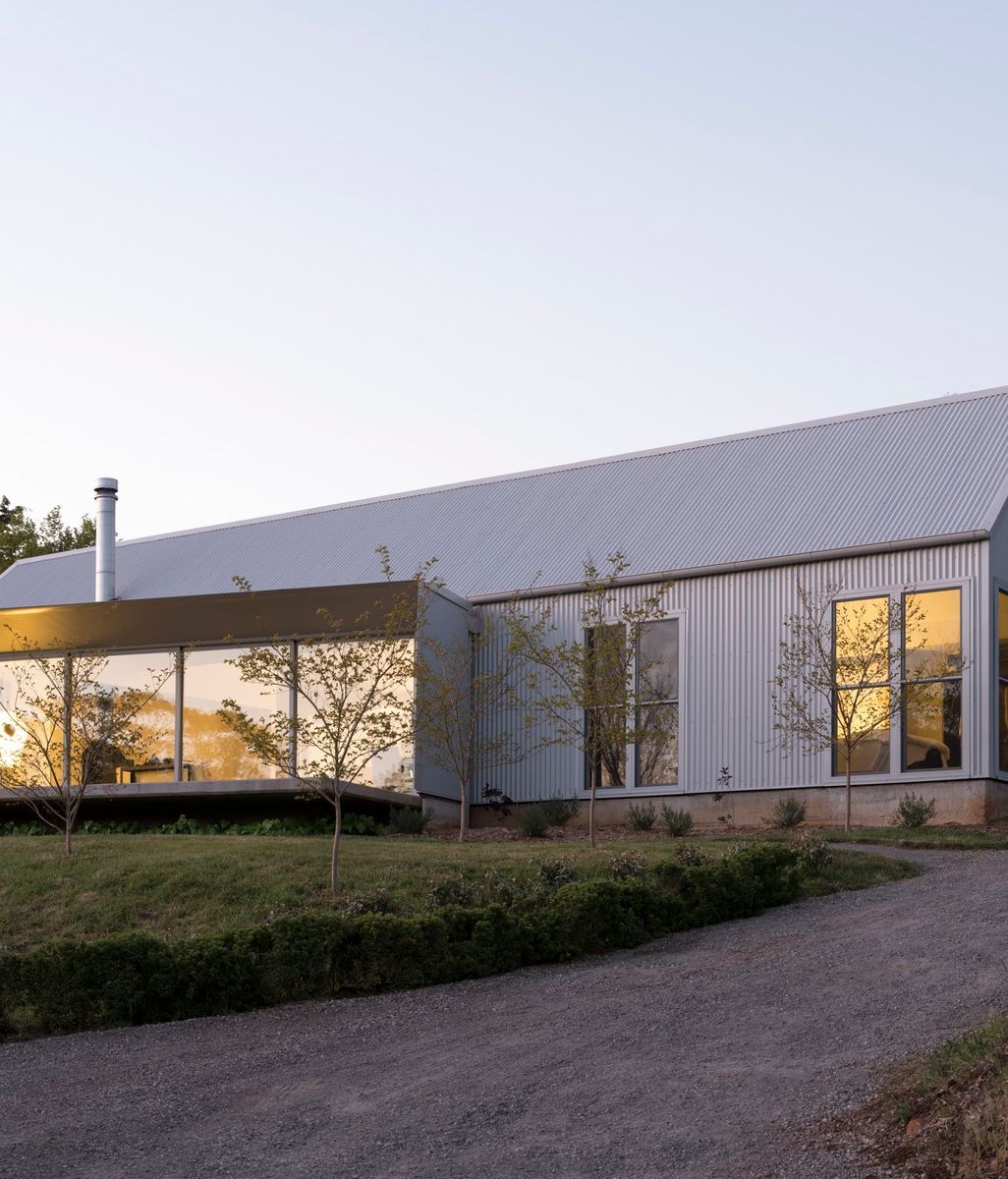
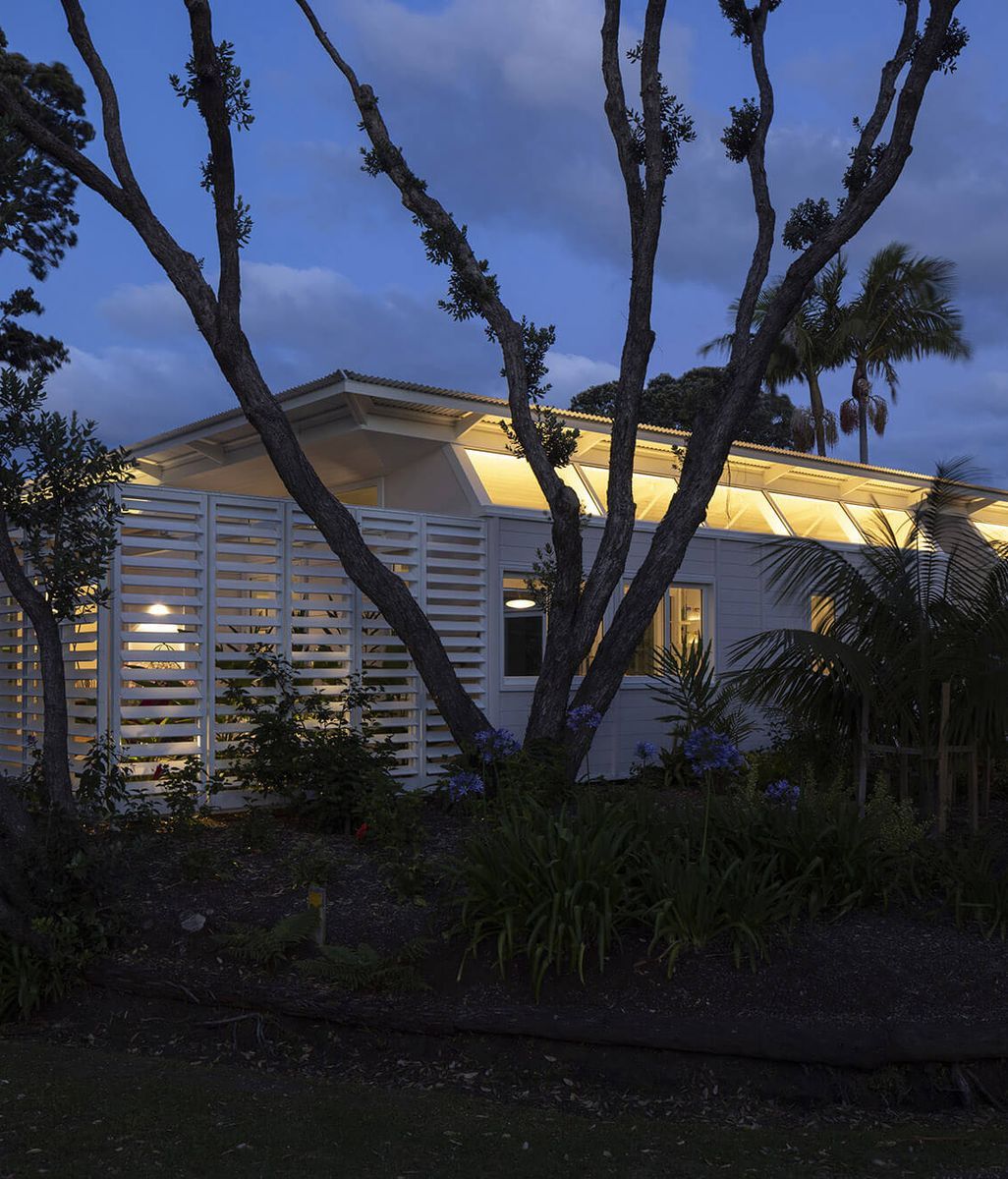
ColorCote’s AlumiGard substrate in the colour
Storm Blue, located in the Coromandel Peninsula.

At ColorCote, durability is approached as a system. Infrared curing and water-borne coatings work together as a part of a considered durability system. The coating type, whether it be standard or PLUS range, are selected to suit the environmental and performance demands of each project. This integrated approach supports consistent performance throughout the stages where materials are most exposed to handling and variation.

“One thing people may not realise is how much testing and quality control go into pre-painted steel,” says Ka Lok. “People can think steel is simple, that you just paint it, but there are multiple coating layers, different substrate combinations, and many environmental conditions we need to understand.”

Steel going through the pre-treatment process via
ColorCote’s infrared ovens.
Steel going through the pre-treatment process via
ColorCote’s infrared ovens.
Durability can’t be measured by warranties alone. It’s defined by how a material performs when it matters most — under pressure, across multiple touchpoints, and in real-world conditions.

A key part of this system is ColorCote’s water-borne coating technology. While often associated with sustainability outcomes, they also offer practical advantages during handling and forming.

“Water-based coatings are generally harder and tougher, which means they survive fabrication and handling better. That’s one of the unique advantages of water-based topcoats. They’re less prone to damage through those downstream processes,” says Ka Lok. “The whole system works together. The substrate, the coatings, the curing process… we have to understand how all those parts interact to create a robust and consistent product.”

Solvent‑based coatings remain part of this offering where required, while water‑borne systems are selected where conditions allow, supporting greater consistency through the handling‑intensive stages of a build.

Durability can’t be measured by warranties alone. It’s defined by how a material performs when it matters most — under pressure, across multiple touchpoints, and in real-world conditions. For architects and specifiers, that means specifying materials that behave predictably, support smoother delivery, and reduce risk during construction.

Great outcomes don’t begin once construction is complete. They begin much earlier: with products that protect vision, time, budgets and trust.