At Home Design Evening, the future of the home became a trans-Tasman conversation

Written by

24 May 2026

 • 

8 min read
banner
As Home Design Evening Auckland filled Shed 10 with homeowners, designers, architects and suppliers, two established Australian practitioners took to the stage to share a timely provocation with New Zealand’s professional community: the homes of the future must be more beautiful, more sustainable, more precise and more accountable.

Before the professional panel had even begun, the room had to make space for itself.

Seats were full. Guests shuffled along, drinks carefully in hand, making room for the next wave of people arriving at the edge of the crowd. Beyond the panel room, Home Design Evening was already in full motion: homeowners, architects, designers, builders and suppliers moving between stands, samples, surfaces and conversations.

That is the particular energy of Home Design Evening. It takes the early, often abstract stage of a project and gives it weight, texture and immediacy. Decisions that can feel distant online. A window system, a timber floor, a stone finish, a lighting strategy, become something to touch, compare and question. For homeowners, it is a chance to understand what they are really drawn to. For professionals, it is a rare opportunity to meet people at the point where curiosity is still open and decisions have not yet hardened.

132605ArchiPro22MayDSC9072-ap-compressed-v2.jpg
1052605ArchiPro22MayDSC9359-ap-compressed-v2.jpg

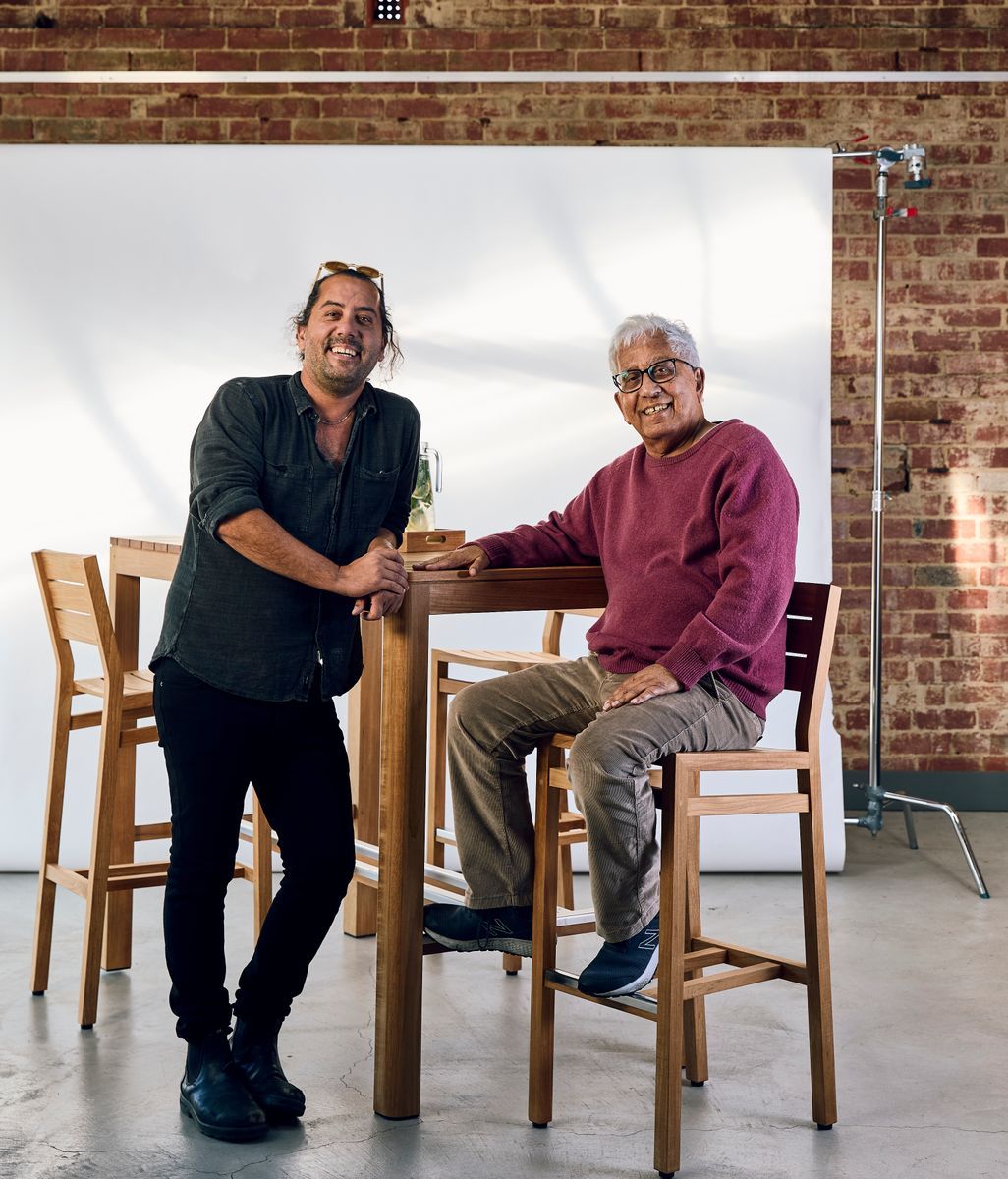
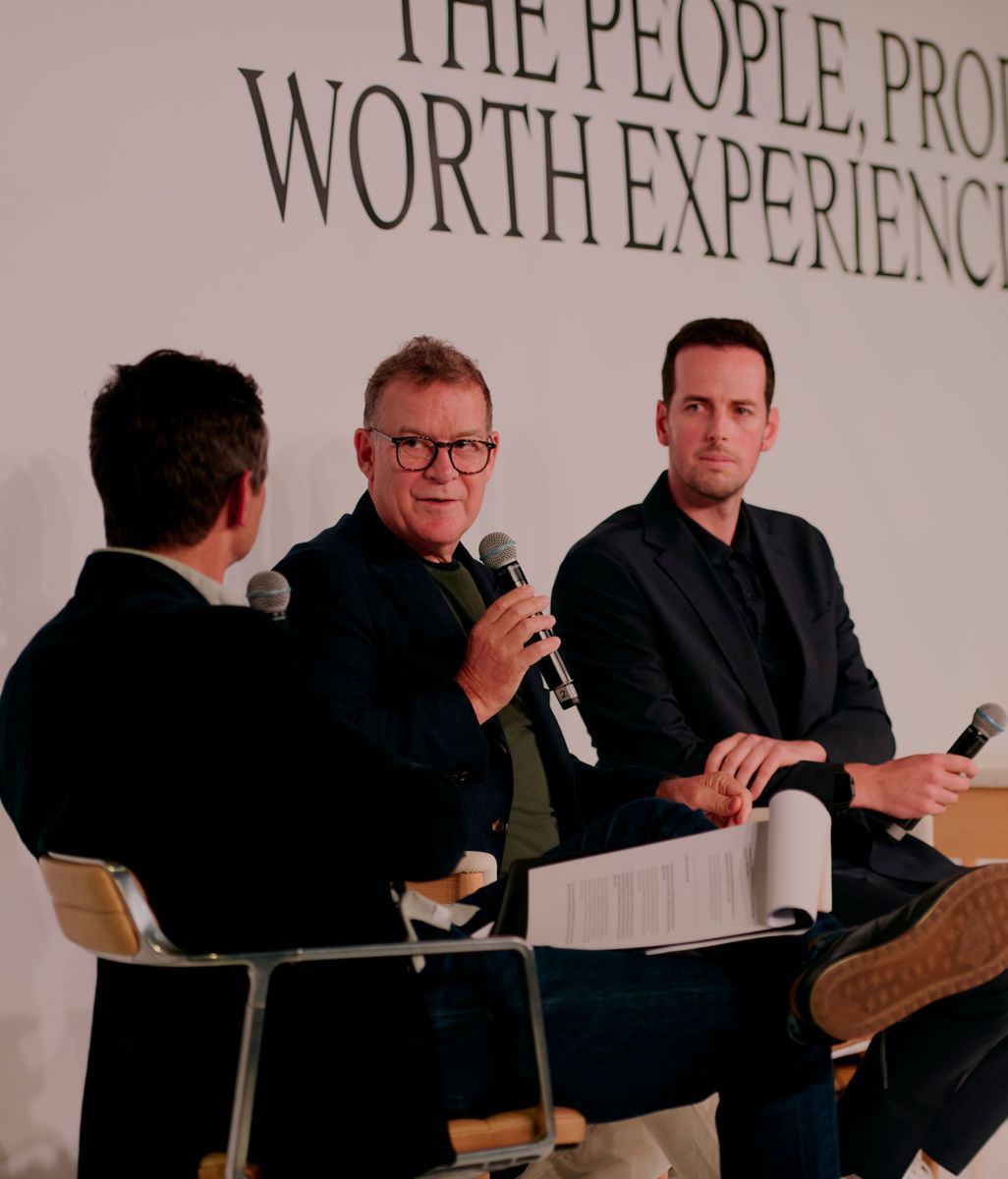
Held in Auckland, hosted by Tom Webster (Grand Designs NZ host) the evening had a distinctly New Zealand energy, but the conversation on stage quickly became trans-Tasman. ArchiPro had brought two established Australian practitioners into the room, each with a different provocation for the professionals gathered before them.

Rob Mills, founder of Rob Mills Architecture & Interiors, spoke from the world of high-end residential design, challenging the long-held idea that luxury and sustainability sit in opposition.

Josh FitzGerald, co-founder of Archier and Candour, approached the future of housing through process, precision and technology, asking why architects so often hand over the very parts of a building that determine how a home performs.

1082605ArchiPro22MayDSC9369-ap-compressed-v2.jpg
1092605ArchiPro22MayDSC9372-ap-compressed-v2.jpg
1102605ArchiPro22MayDSC9373-ap-compressed-v2.jpg

At first, their positions appeared distinct. Mills’ provocation centred on healthy, sustainable living within the luxury residential market. FitzGerald’s focused on automation, prefabrication and the opportunity for technology to protect design intent. But as the conversation unfolded, the overlap became clear. Both were asking architects to take greater responsibility for the outcome, not only in how a home looks, but in how it is built, how it performs and how it feels to live in.

For Mills, the issue is not that clients reject sustainability. It is that sustainability is too often presented as a compromise, an add-on or a technical burden. In the high-end residential market, he argued, there remains a perception that sustainable design means giving something up: comfort, elegance, ease or beauty.

His response is to reframe the conversation entirely. Sustainability, in his view, belongs alongside liveability and health. A well-designed home should be warm in winter, cool in summer, filled with fresh air and connected to its setting. Passive design principles, high-performing systems and considered material choices should not sit outside the idea of luxury. They should be central to it.

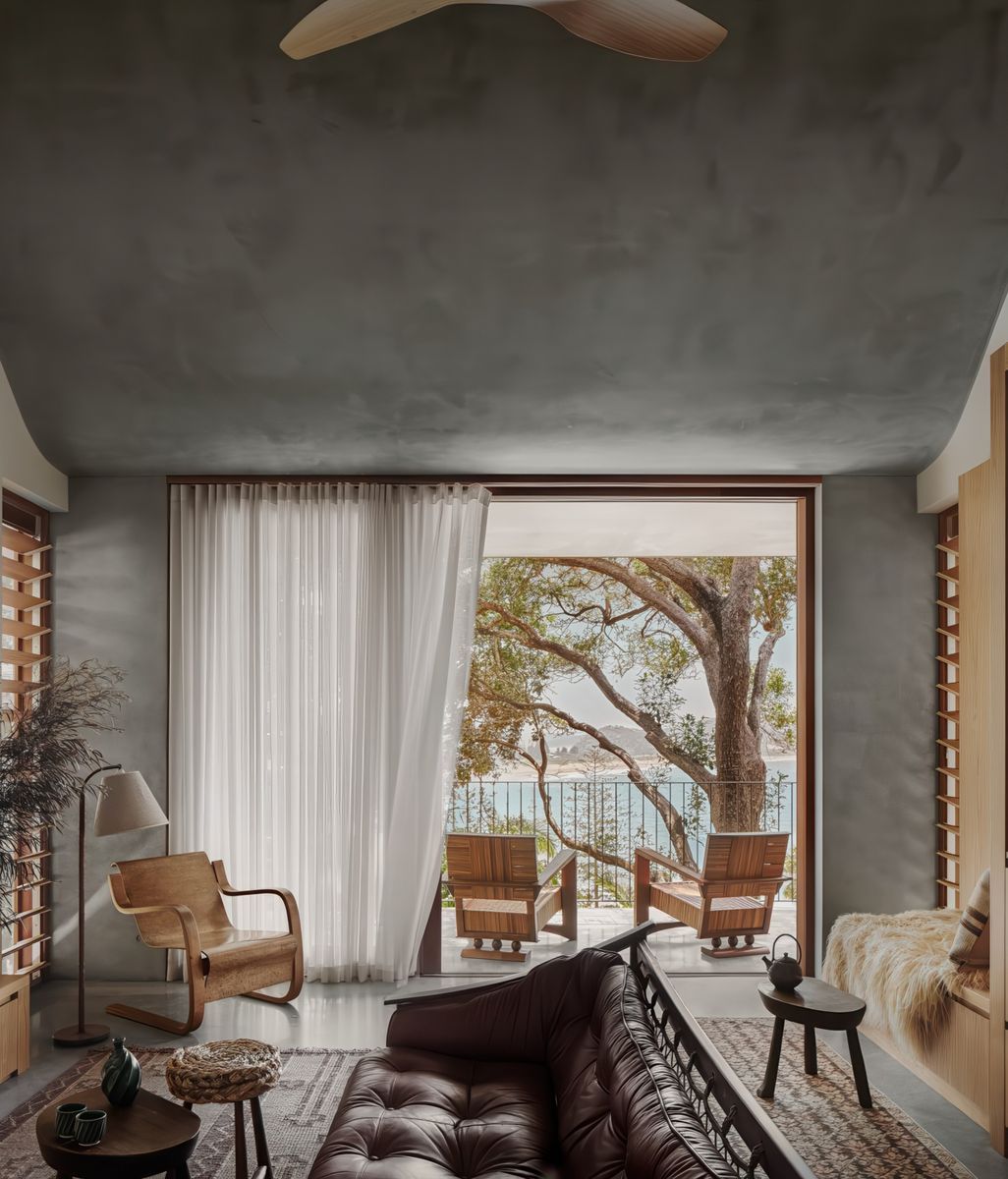
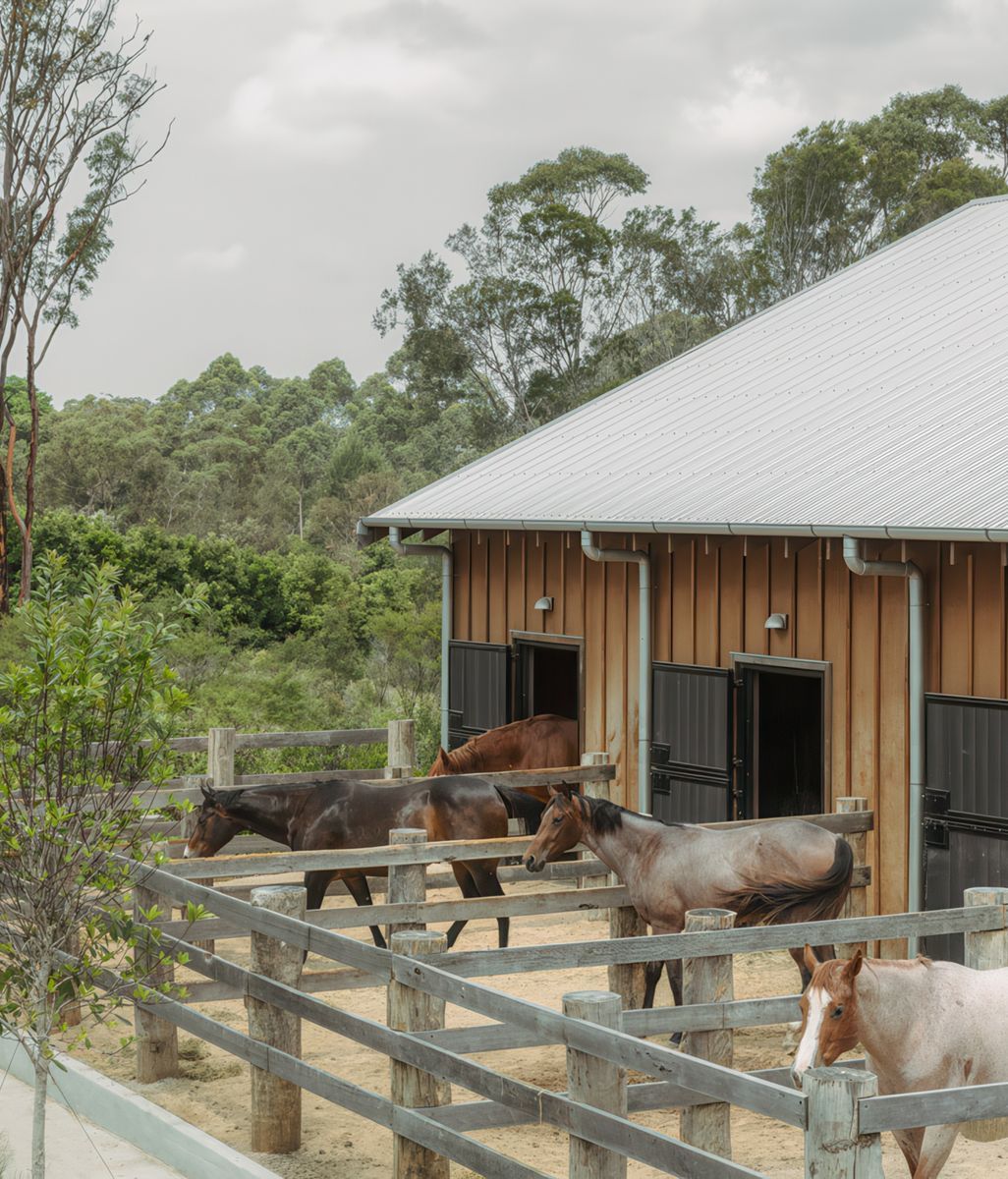
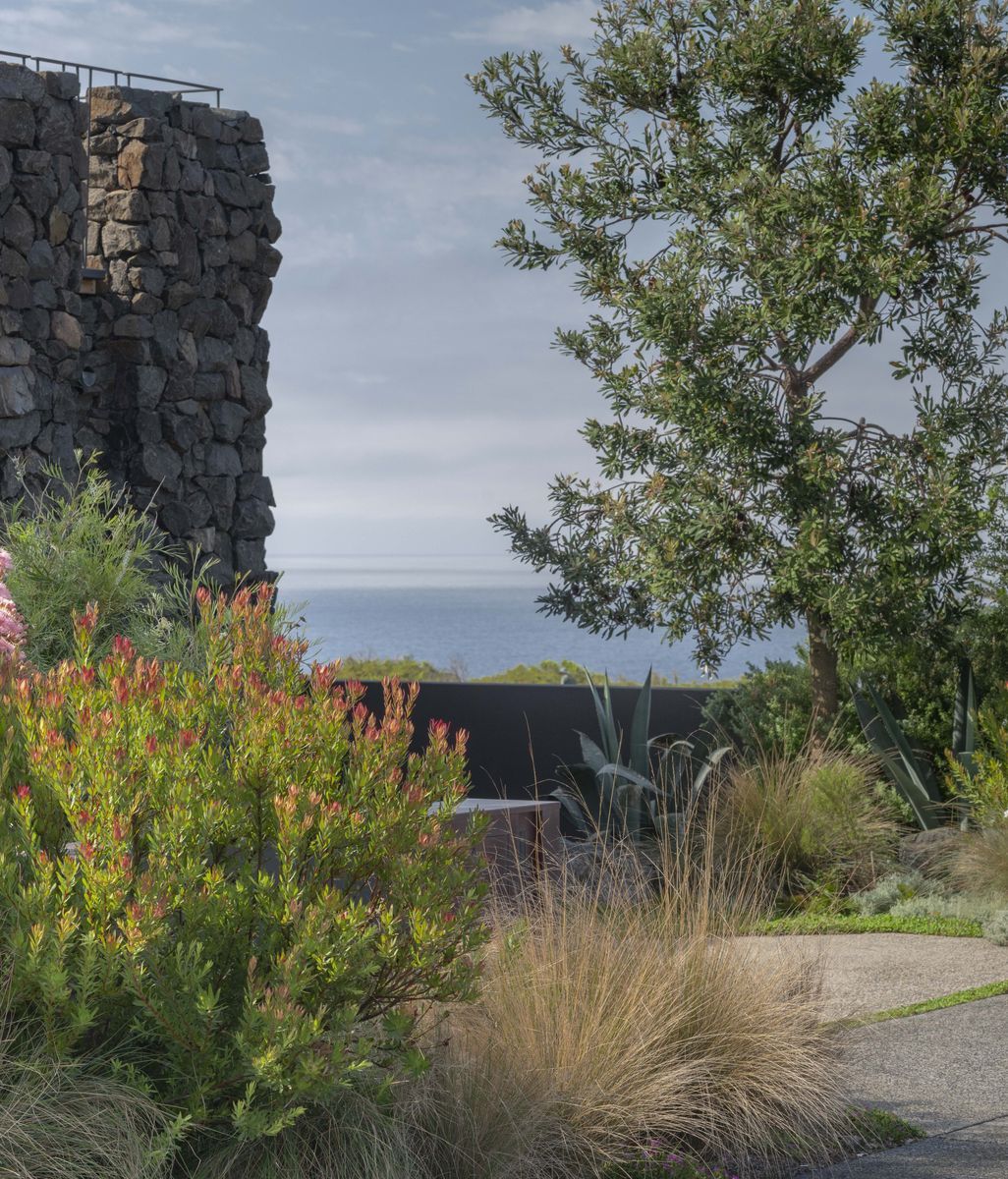
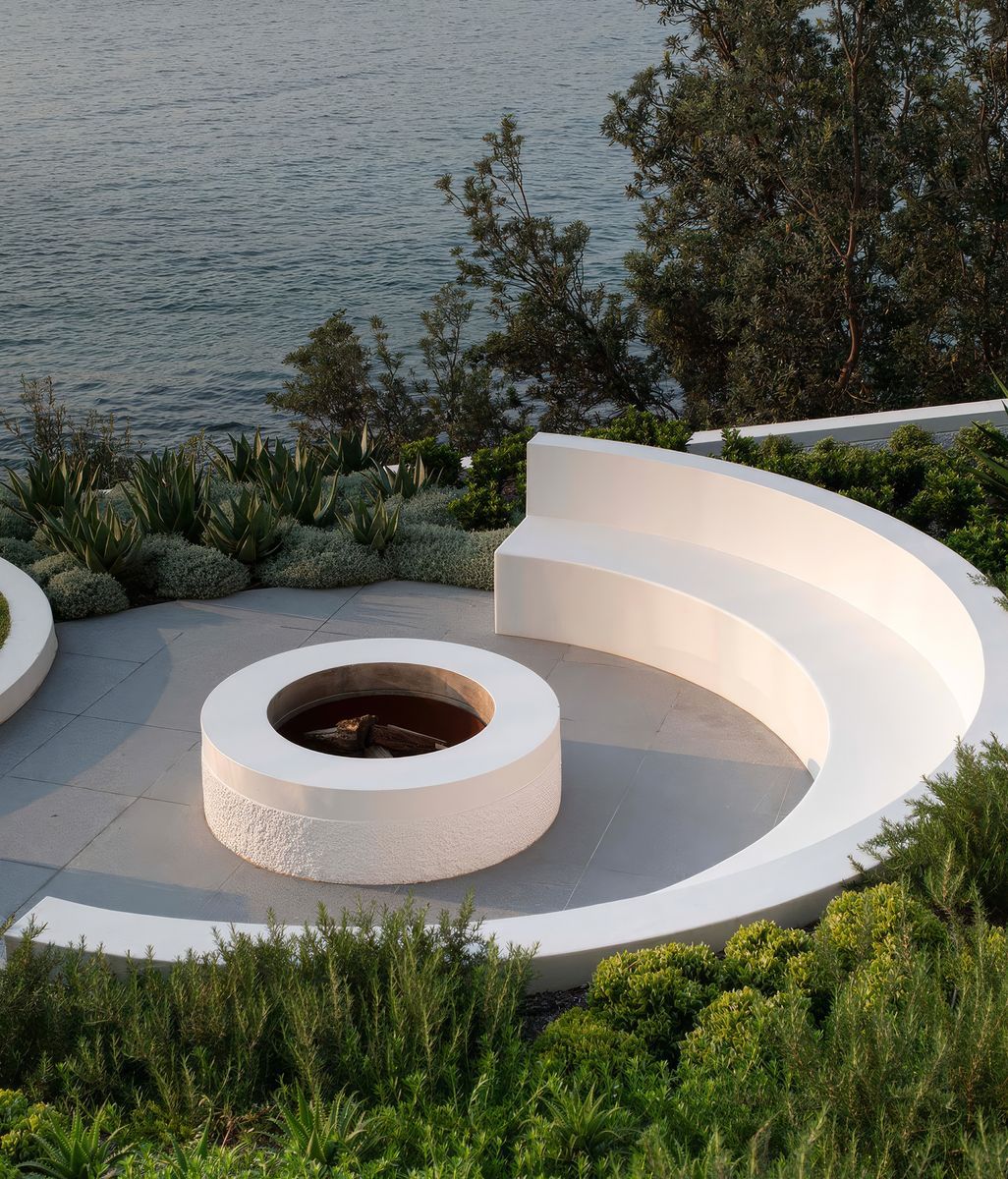
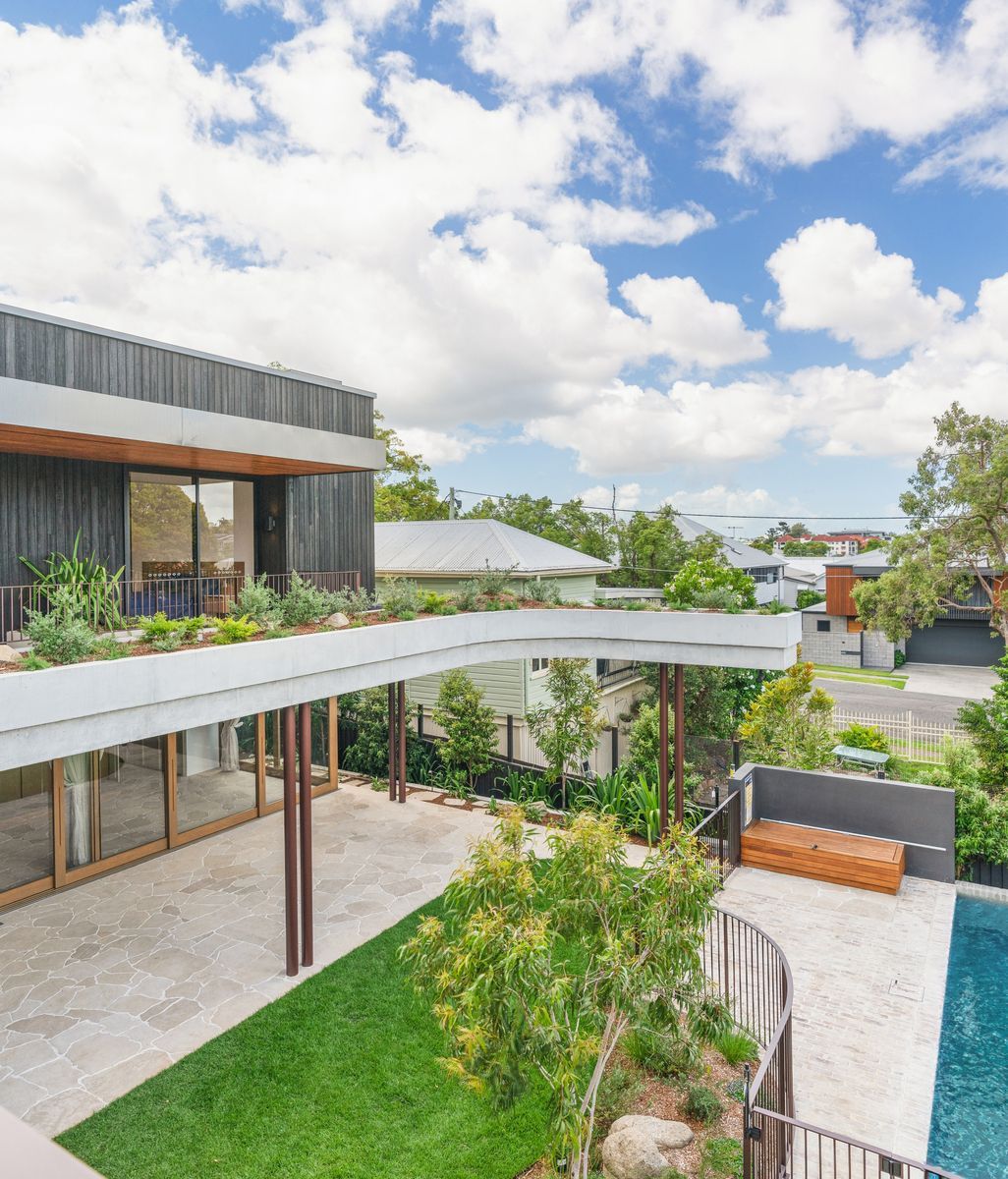
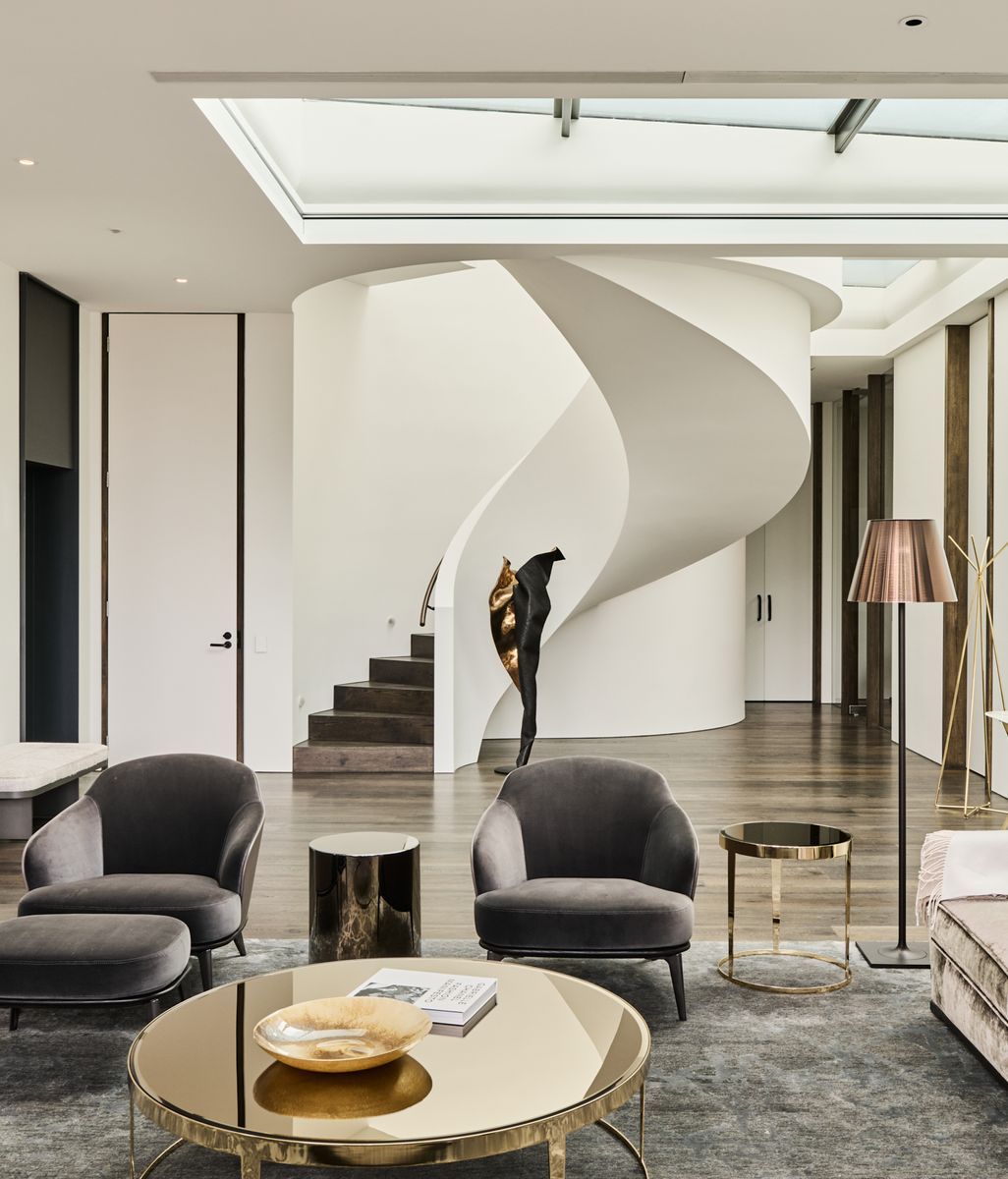
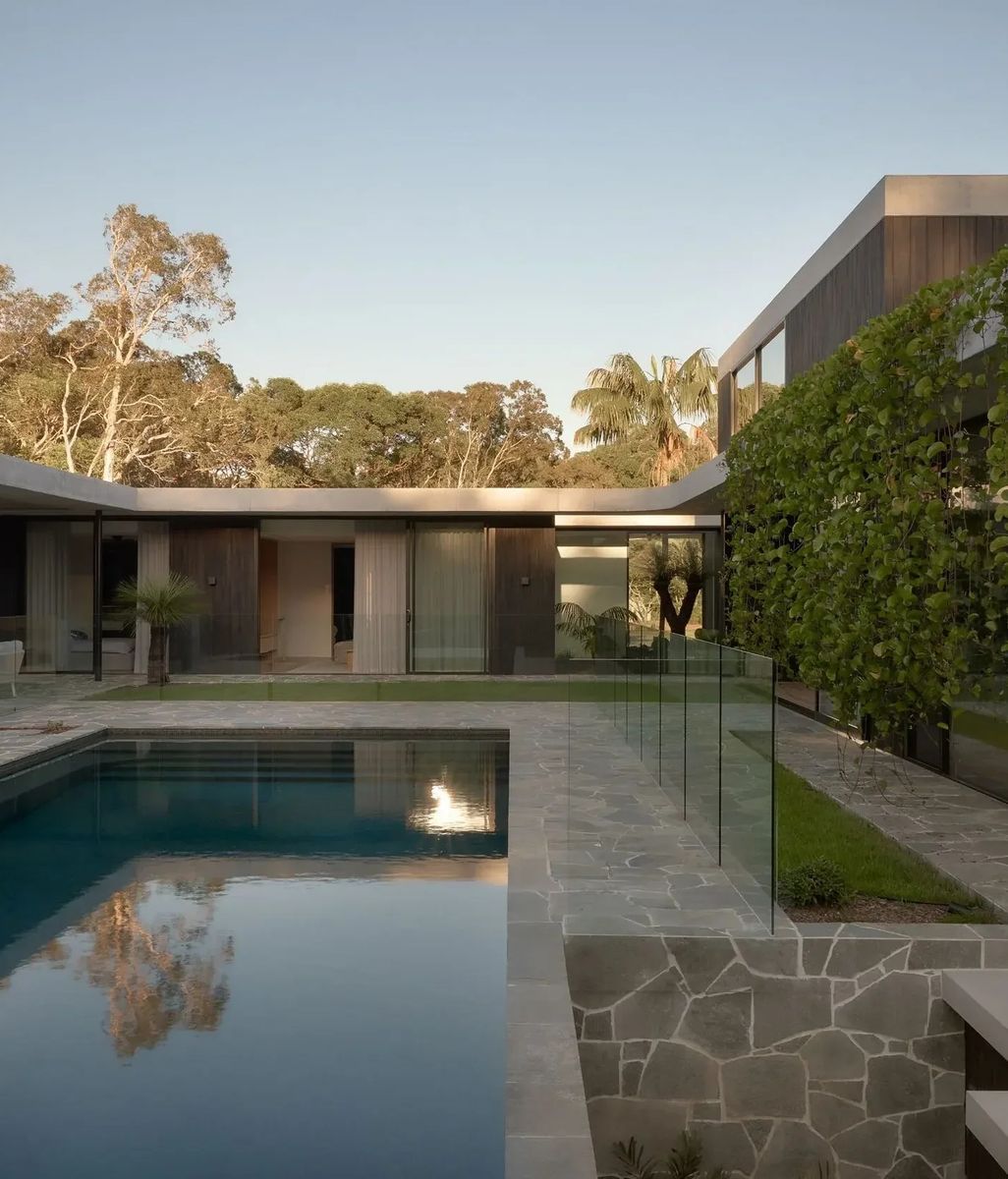
Mills spoke about Howqua River Lodge, his own family retreat in the Victorian Alps, as an example of that thinking. Remote, off-grid and designed without compromising comfort, the lodge became a way to discuss a different kind of luxury: one grounded in fresh air, family life, craft and a deep relationship to landscape.

It also allowed Mills to make a more nuanced point about scale and use. Large houses are easily criticised, and not without reason. But when a home is designed to be loved, occupied and sustained across generations, its value shifts. For Mills, endurance matters. A building that is nurtured, used and passed down carries a different responsibility from one conceived as a short-term object of display.

RMAHowqua210125090-v6.jpg
Howqua River Lodge by Rob Mils Architecture & Interiors
RMAHowqua210125101-v3.jpg

FitzGerald approached responsibility from another angle: process.

Through Archier, he had seen how carefully resolved design intent can become diluted once it moves from the drawing set to site. This was especially true on remote projects, where the practice was often working with builders they had not collaborated with before. The issue was not necessarily a lack of skill. It was that the construction process repeatedly required education, correction and compromise around the very parts of the building that most affect comfort and performance.

The building envelope became central to this frustration. If the quality of a home depends on how well it is wrapped, insulated, sealed and detailed, FitzGerald asked, why is that layer so often handed off with the hope that it will be interpreted correctly?

Candour emerged as a response to that problem. Rather than treating prefabrication as a fixed product or a limitation on design, FitzGerald described it as a way to standardise the parts of construction that benefit from precision, while preserving space for bespoke architecture. Technology, in this sense, does not flatten the work. It removes friction from the parts of the process that are repetitive, error-prone or inefficient, so designers can spend more time on the details that genuinely require judgement.

His provocation was simple but powerful: technology can return architects to craft.

This was not a defence of rigid prefabricated boxes or mass-produced homes. FitzGerald was clear that Candour does not suit every project. The process begins with triage: is this project right for offsite construction, panelisation or a kit-of-parts approach? Where can the system add value, and where would it create unnecessary complexity?

That honesty was part of what made the panel compelling. The conversation resisted easy answers. Prefabrication has constraints, particularly around transport, assembly and design suitability. Sustainability also has complexities, including cost, embodied carbon and the uncomfortable reality that the most sustainable building may be the one that is never built. But the value of the discussion was in refusing to use complexity as a reason for inaction.

One of the strongest points of convergence came when the discussion turned to how these ideas are communicated to clients. FitzGerald noted that rather than beginning with products, systems or technical terminology, his practice often begins with the desired outcome. How does the client want to live? What does comfort mean to them? How should the home respond to the seasons? From there, performance becomes part of good design, not a separate sustainability pitch.

08WaioraRdArchier2026-v3.jpg
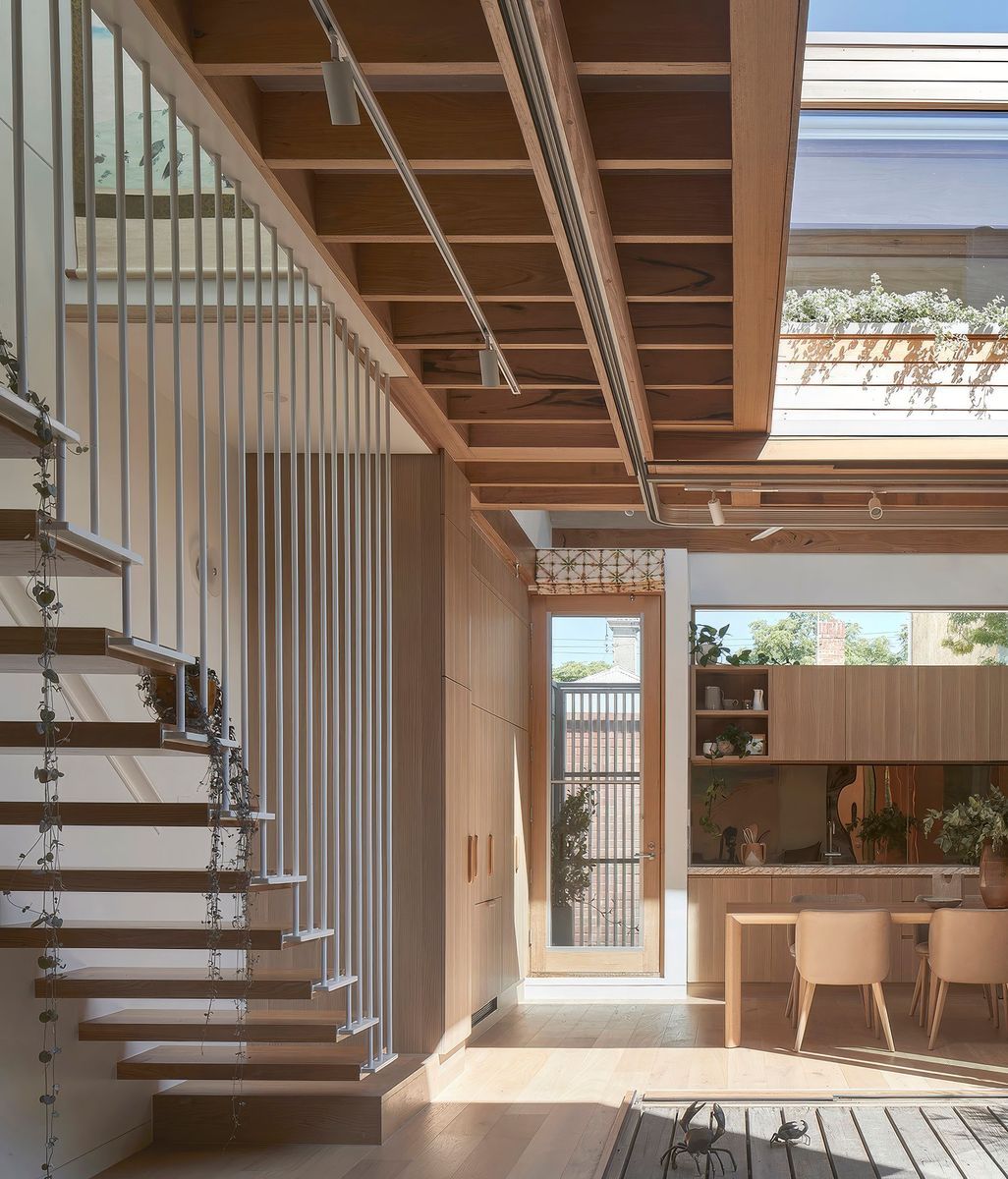
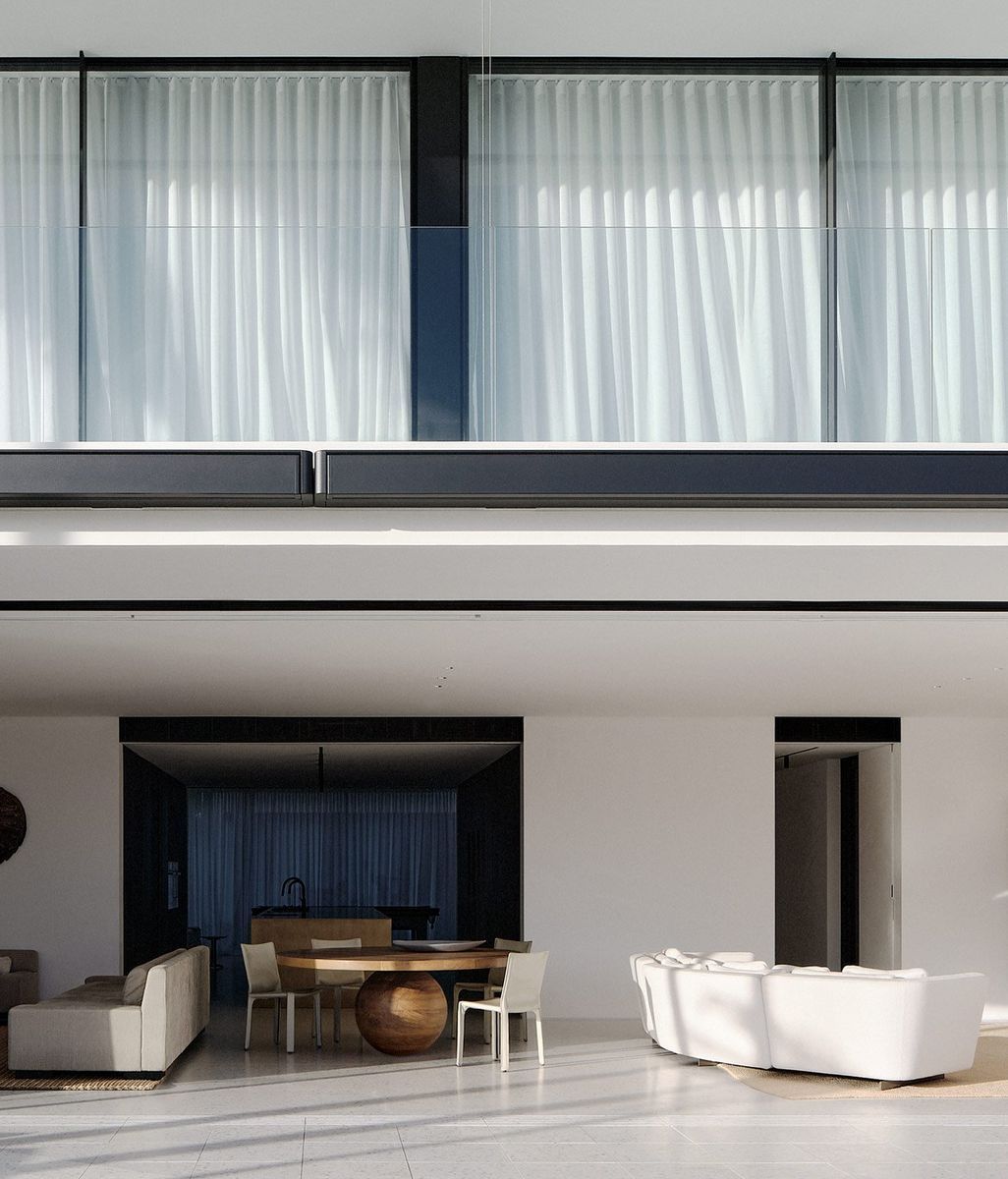
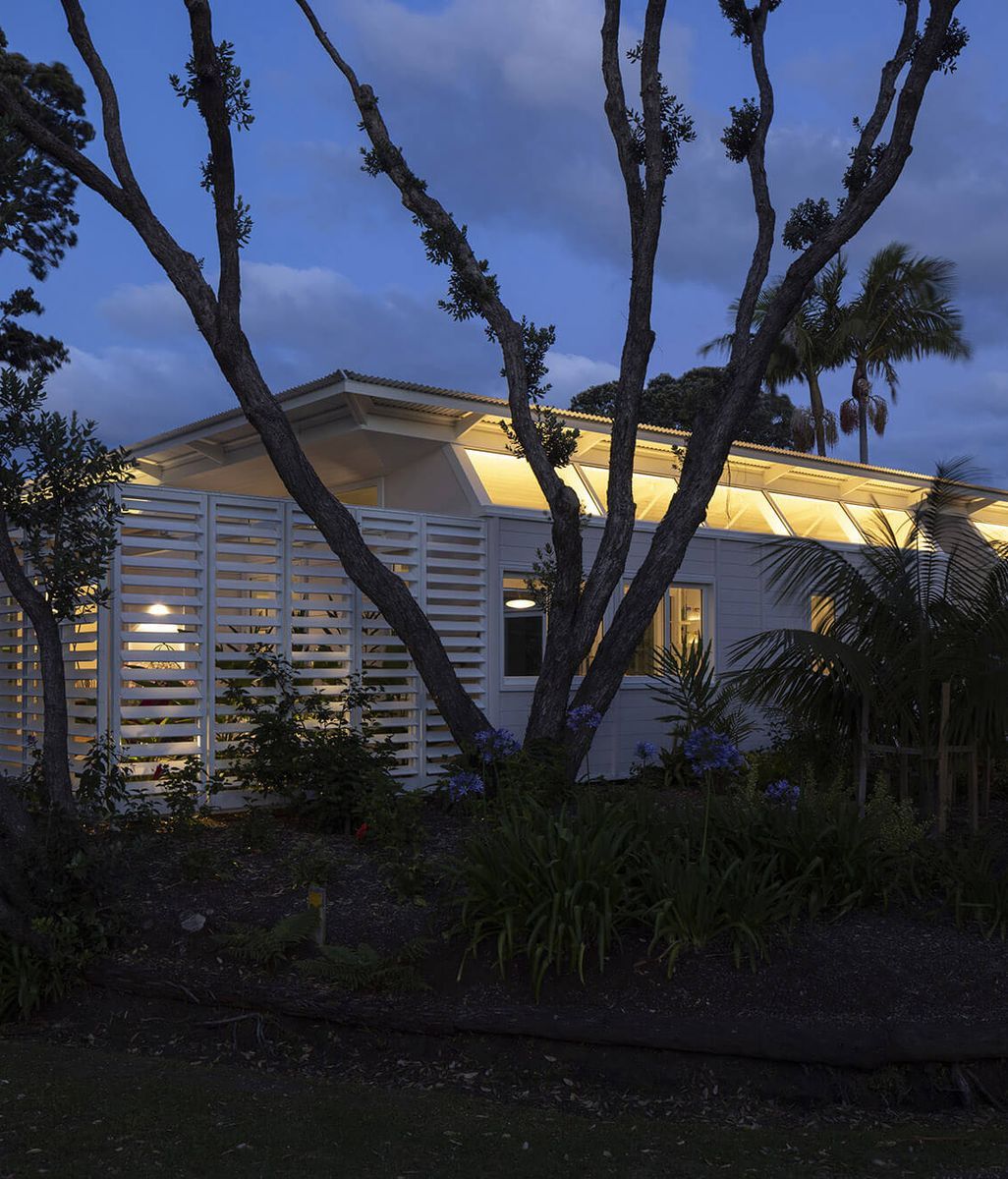
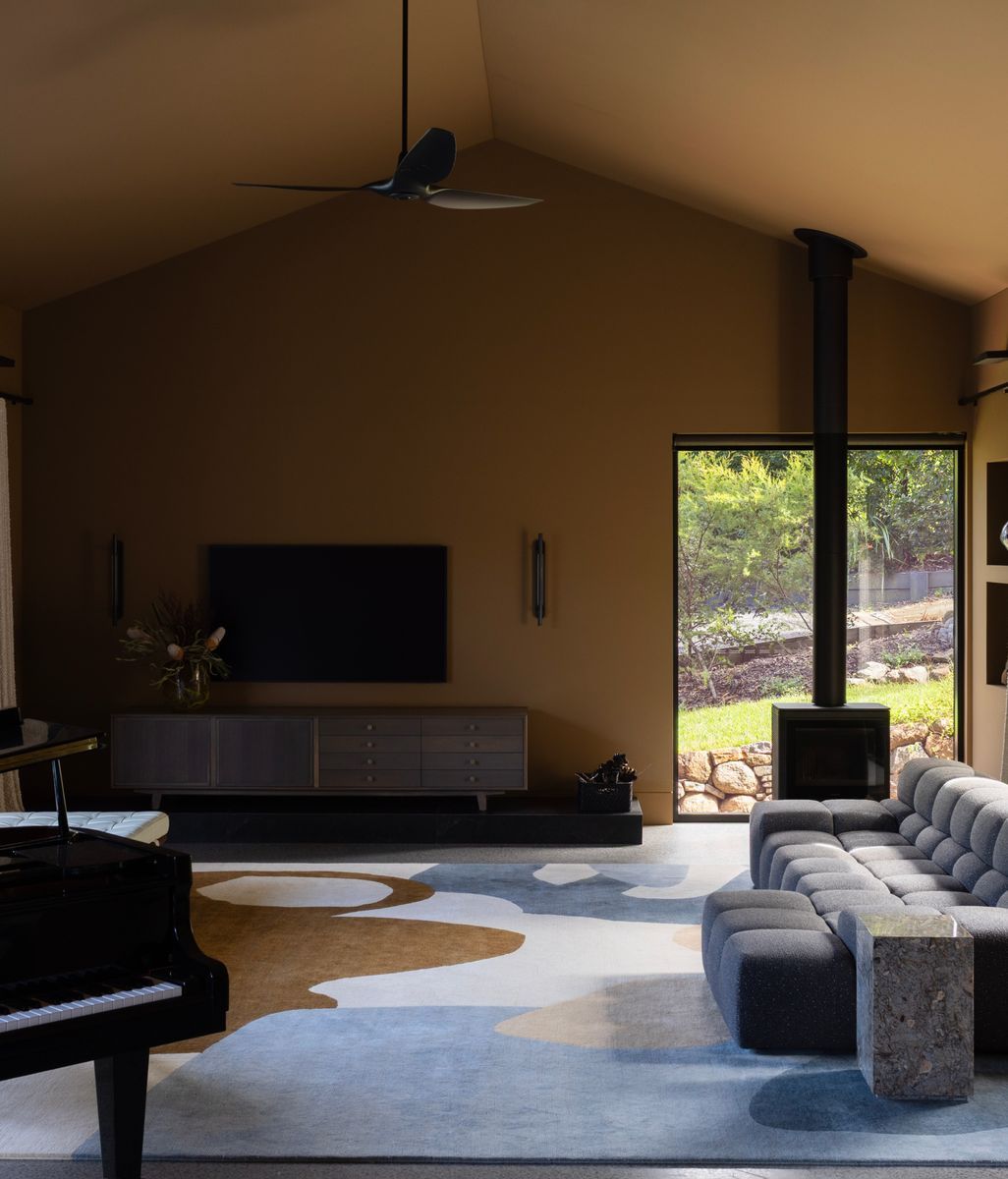
Ora House by Archier
WaioraRd12-v2.jpg

Mills’ own process also sits between the intuitive and the technical. He described a design method that combines contemporary tools with the immediacy of hand sketching. His team establishes the constraints of a site through digital modelling and technical analysis, then he sketches freely within those parameters, often evolving the design in real time with the client in the room. That act of listening, drawing and responding builds trust quickly. With trust, decisions can move with clarity.

In that moment, the distance between the two practitioners narrowed. One speaks through hand sketching, craft and luxury. The other through digital fabrication, precision and systems. But both are interested in certainty: certainty of cost, quality, performance and intent. Both are using technology not as a substitute for design, but as a way to protect it.

For the New Zealand professionals in the room, the value of the panel was not simply in hearing from two Australian voices. It was in seeing familiar pressures reflected back with fresh perspective. The challenge of balancing beauty and performance is not unique to one market. Neither is the difficulty of protecting design intent through procurement, fabrication and construction. Across both sides of the Tasman, the questions are becoming harder to ignore.

Great homes are not only designed in plan or elevation. They are shaped through early decisions, clear communication, technical rigour and a willingness to take responsibility for the full life of the building. They must be beautiful, but also healthy. Precise, but still human. Efficient, but not generic. Built for now, but with enough depth and durability to be loved for decades.

2092605ArchiPro22MayDSC9826-ap-compressed-v2.jpg
2532605ArchiPro22MayDSC0031-ap-compressed-v2.jpg
2492605ArchiPro22MayDSC0013-ap-compressed-v2.jpg

At Home Design Evening, that conversation did not feel theoretical. It was happening everywhere: on the floor, between material samples and supplier stands; in the panel room, between two practitioners with different methods but shared convictions; and in the questions being asked by homeowners and professionals alike.

The buzz of the evening came from more than the scale of the crowd. It came from the sense that everyone in the room was there to move closer to better decisions. And if the professional panel made one thing clear, it is that better homes do not come from choosing between beauty, comfort, sustainability and craft.

They come from expecting all of them.

With Melbourne next, that conversation is set to continue. Following the energy of Auckland, Home Design Evening will soon bring together another room of homeowners, architects, designers, builders and leading brands, this time in Australia, to explore the ideas, materials and professional perspectives shaping the next generation of homes. More details will be released soon, so watch this space.

Explore more from ArchiPro, from the latest projects and products to trusted professionals and design-led articles created to help you plan, design and build with confidence.