Behind the artistry of Stonini’s sculptural surfaces

Written by

14 July 2026

 • 

4 min read

banner
Long before Stonini panels find themselves in hotel lobbies, restaurants, workplaces and homes, they pass through countless pairs of hands, each surface designed by Fernando Quiroga.

The first thing you notice about a finished Stonini panel is the texture, the way it invites you to reach out and touch it. 

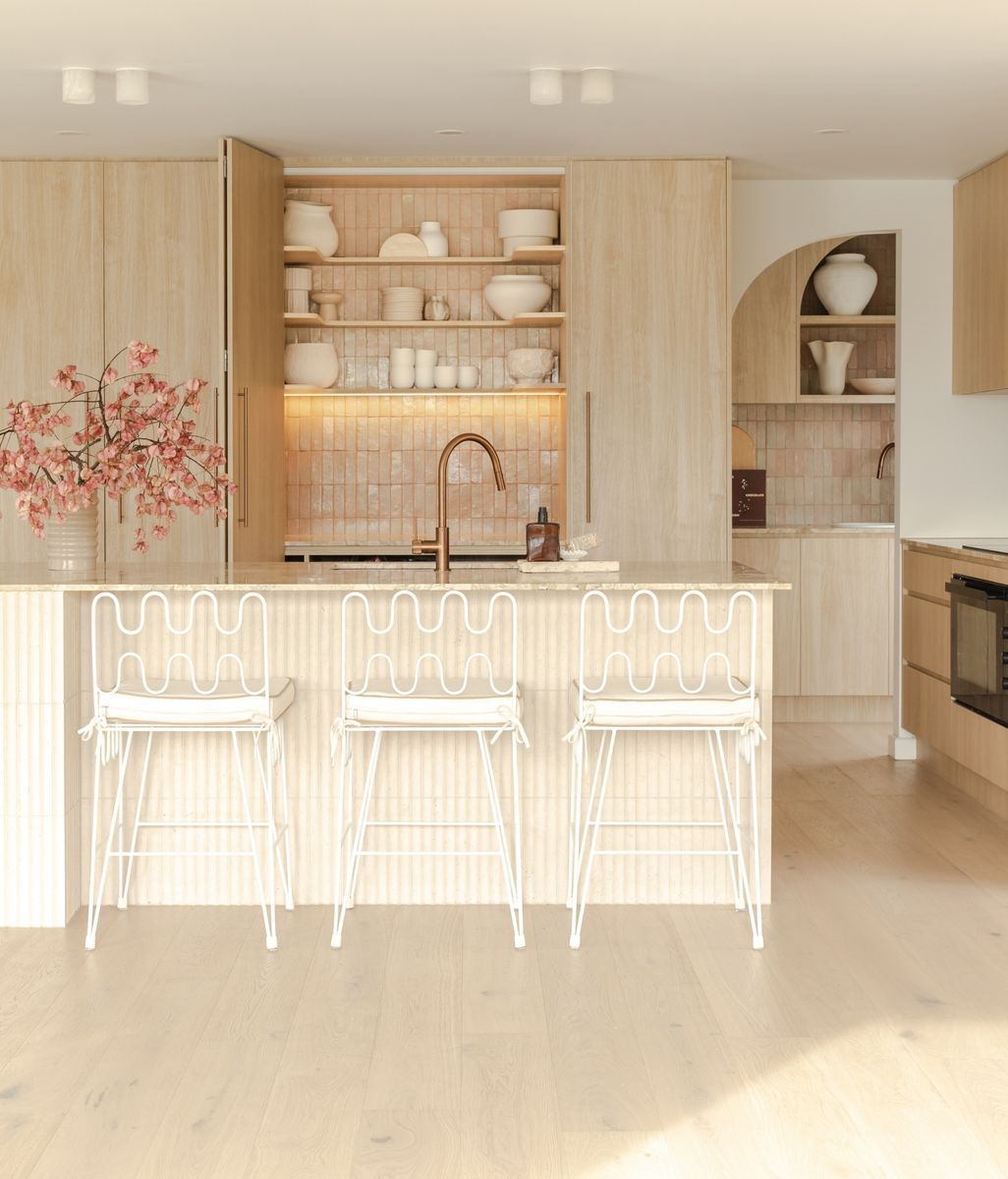
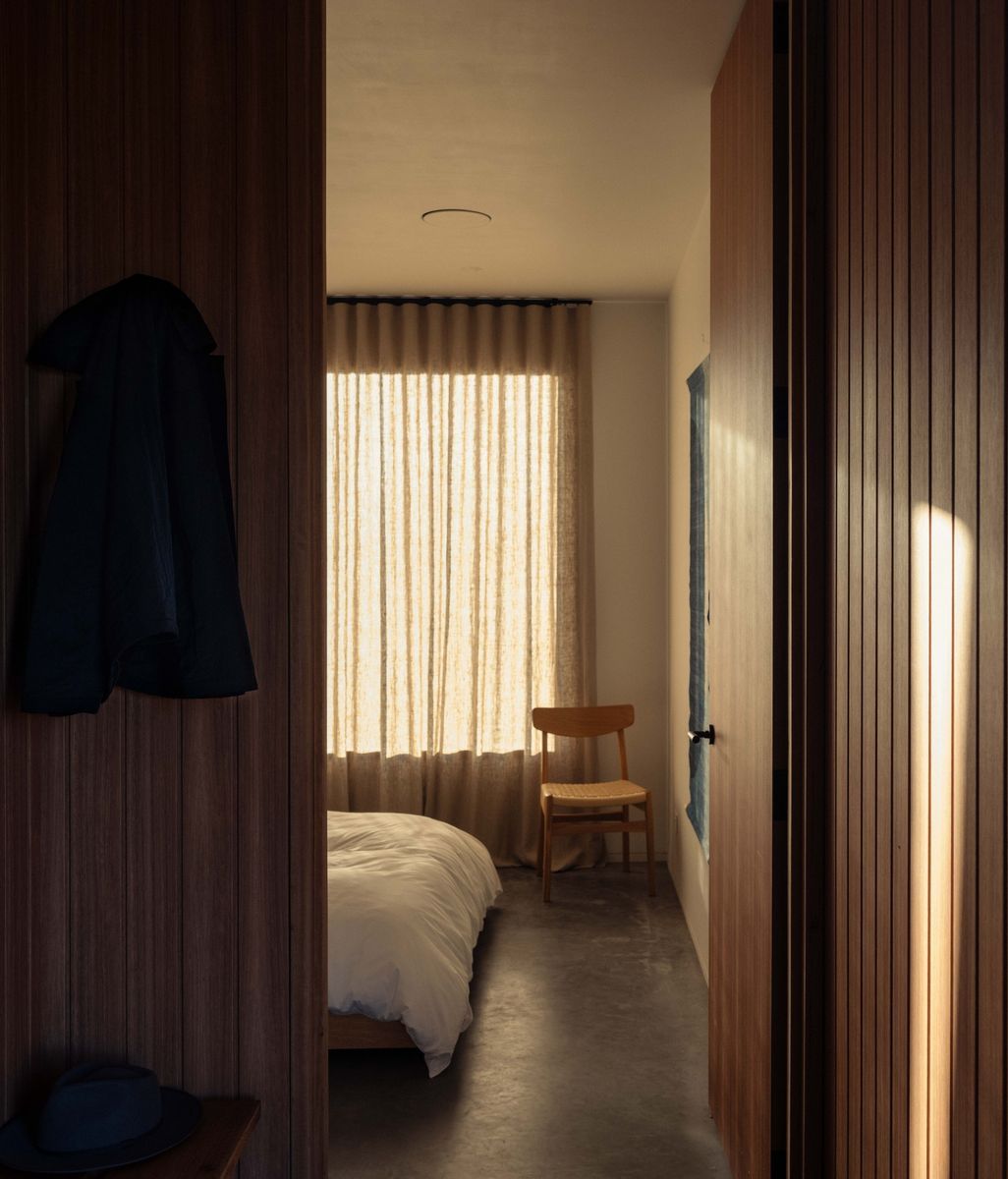
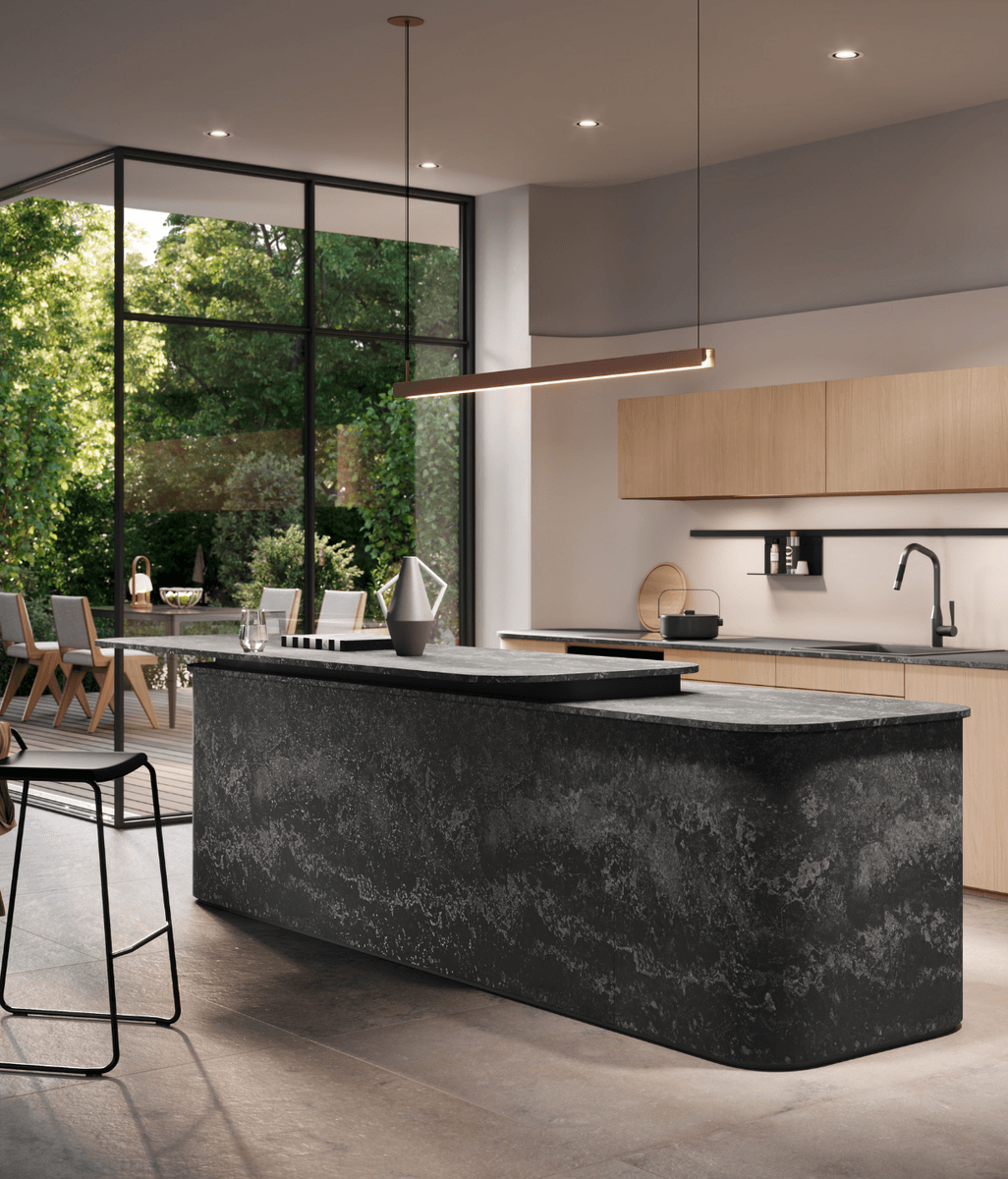
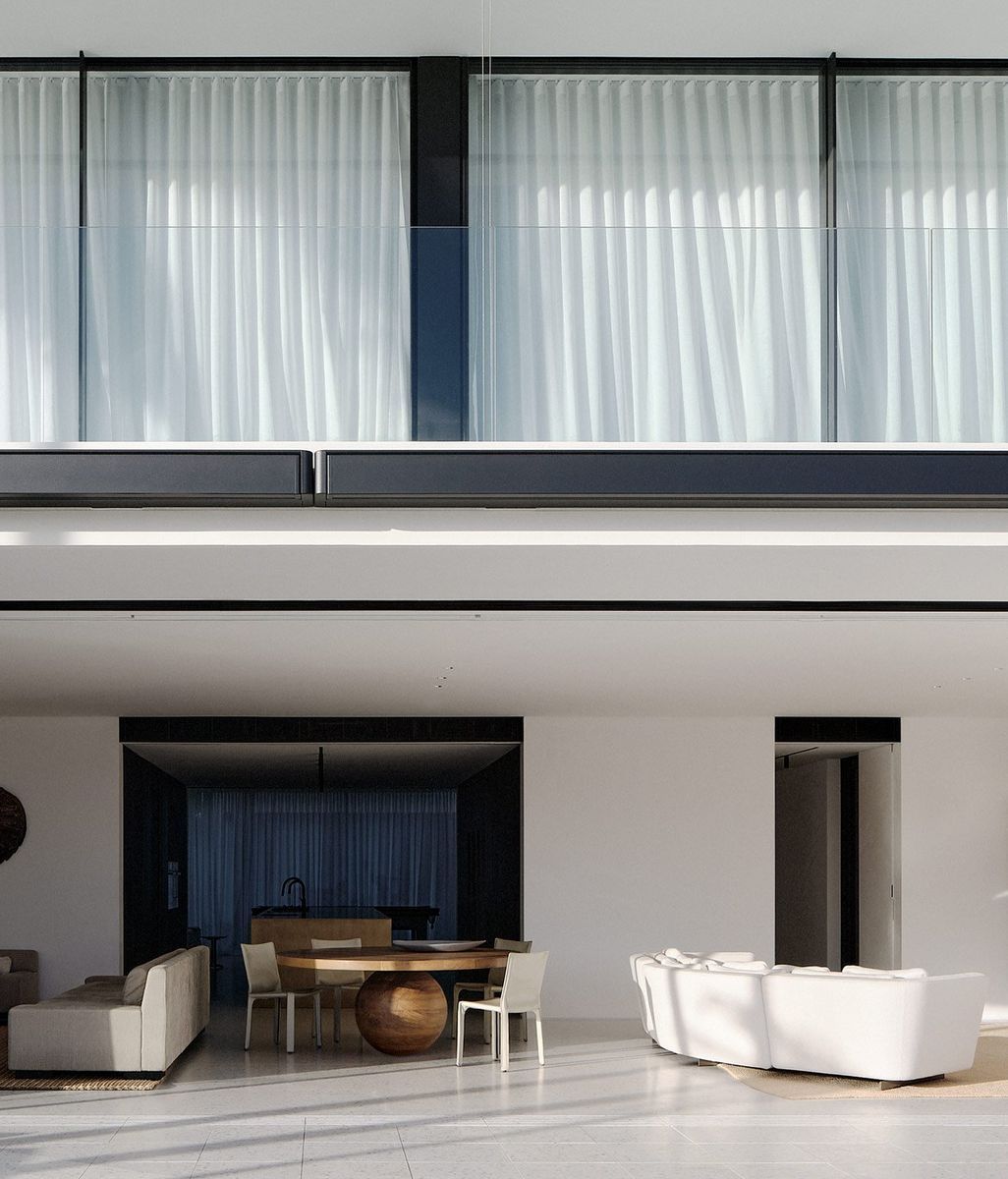
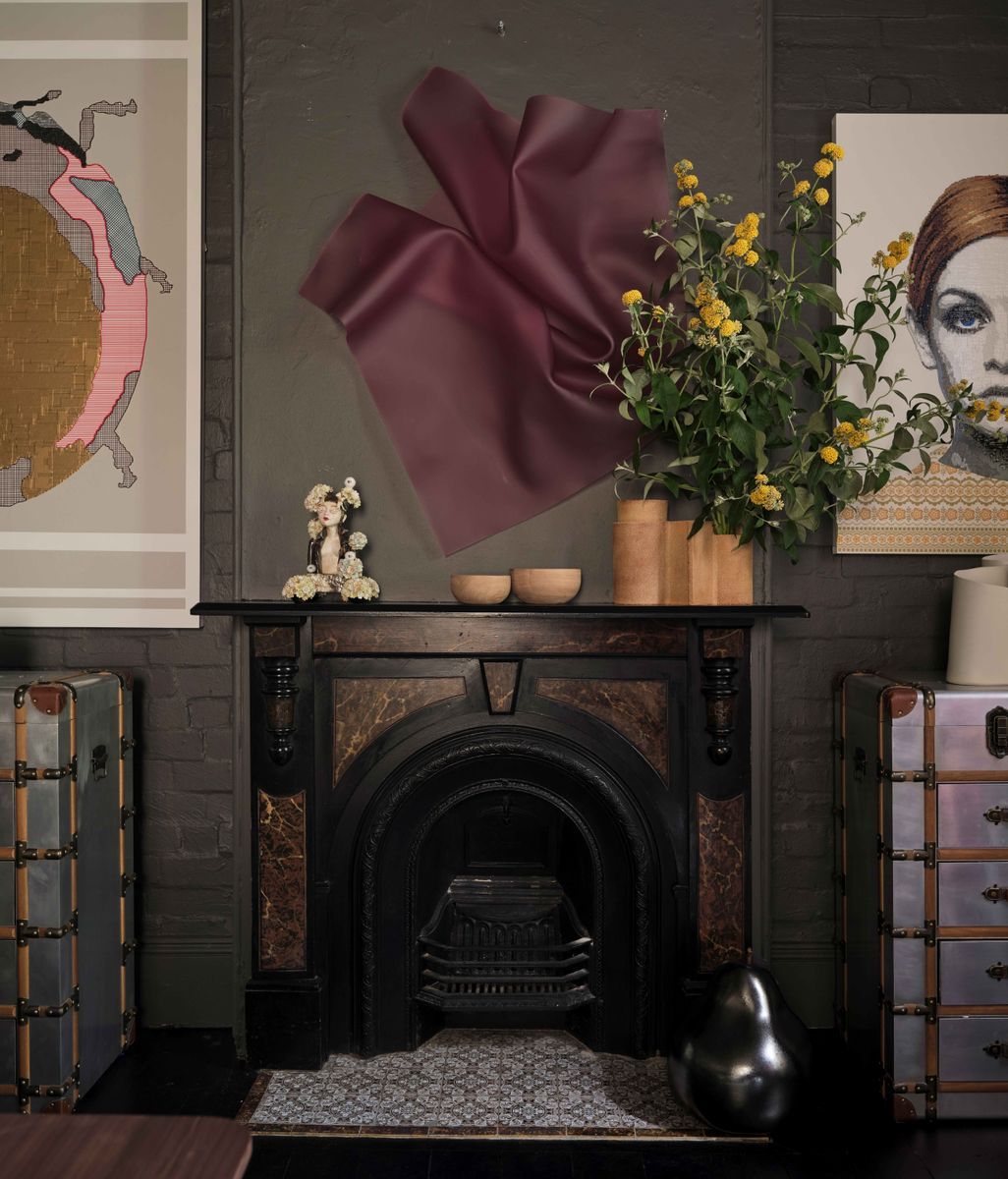
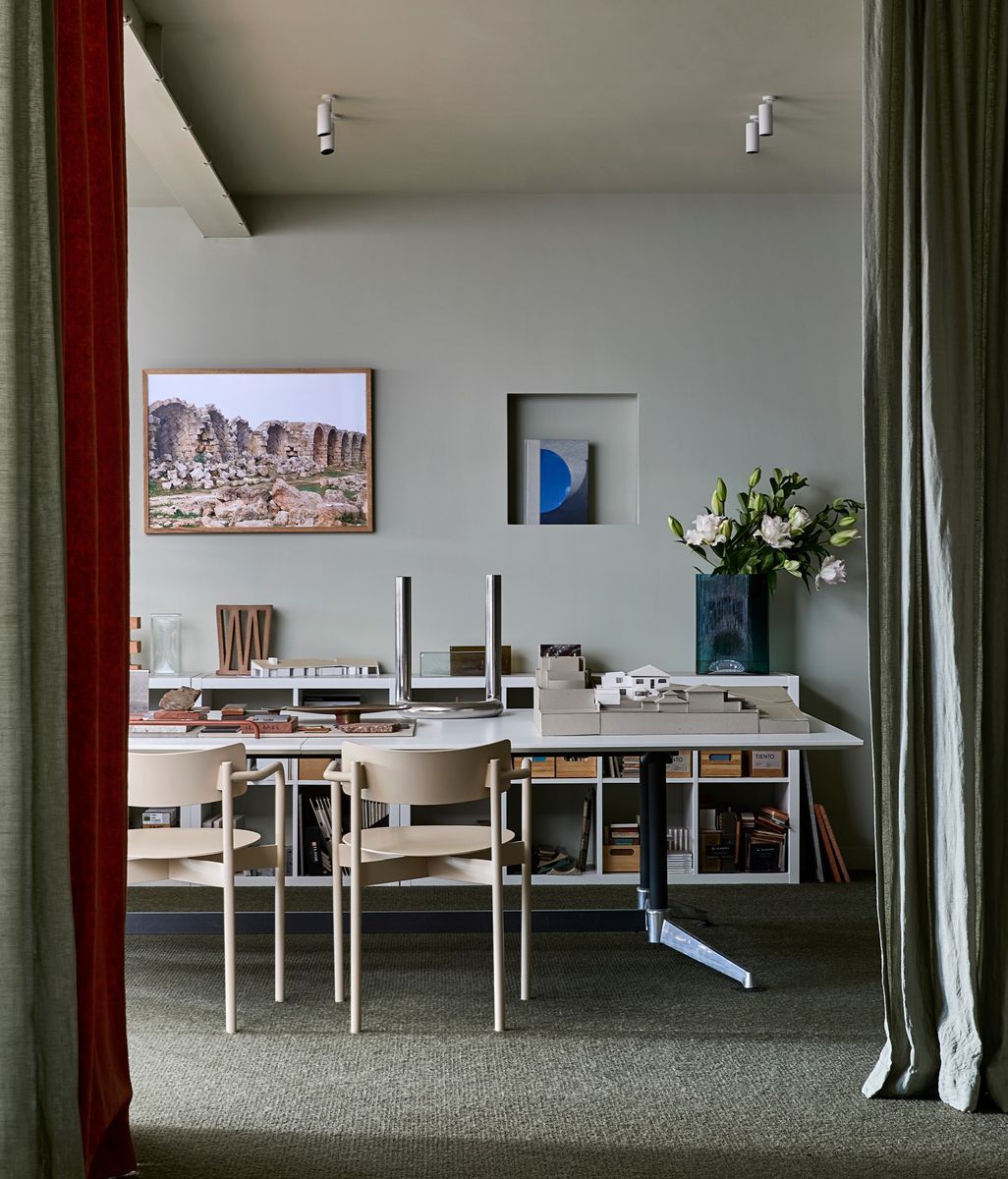
The best surfaces do more than finish a room; they shape the way it’s experienced. They catch the morning light, revealing shadow and movement as the day unfolds. In hospitality spaces, they help create the atmosphere. In workplaces and homes, they soften and bring character to otherwise understated spaces. They become part of the architecture rather than competing with it. 

To achieve this, Stonini’s designs don’t start as a sketch, but instead as textures that have had an impact on Fernando. Travelling through cities or walking past buildings, he instinctively reaches out to touch the surfaces around him.

“I’ve always been very tactile,” says Fernando, Director of Stonini. “If I’m walking anywhere in the world, I like to touch surfaces. Sometimes it’s not the look that I like, but the feel of them.”

Those observations become ideas and, eventually, finished architectural wall panels.

“What I really enjoy is taking an idea that’s only in my head and trying to make it work.”

DSC08005-ap-compressed-v2.jpg

For someone who spent much of his career believing he was more analytical than creative, taking over Stonini six years ago has turned into an unexpected discovery. 

“I always thought my path was numbers, strategy and analysing things. I never considered myself creative. But obviously everybody has a degree of creativity... Sometimes you just need an avenue to express it. I didn’t have an avenue for that, but I’m glad I do now because it brought something out that I didn’t think was part of my psyche.”

That creativity marks the beginning of every Stonini surface. Once an idea has been finalised, each panel starts its journey as a freshly mixed composite hand-poured into a mould. The curing process begins almost immediately, the panel soon ready to be released before finding its place among rows of newly cast pieces, slowly air drying before being cut and refined. 

“I still enjoy watching the product go from a liquid to a solid. Within about 45 minutes, you’ve gone from something you can pour into a mould to a finished panel beginning its drying process,” says Fernando.

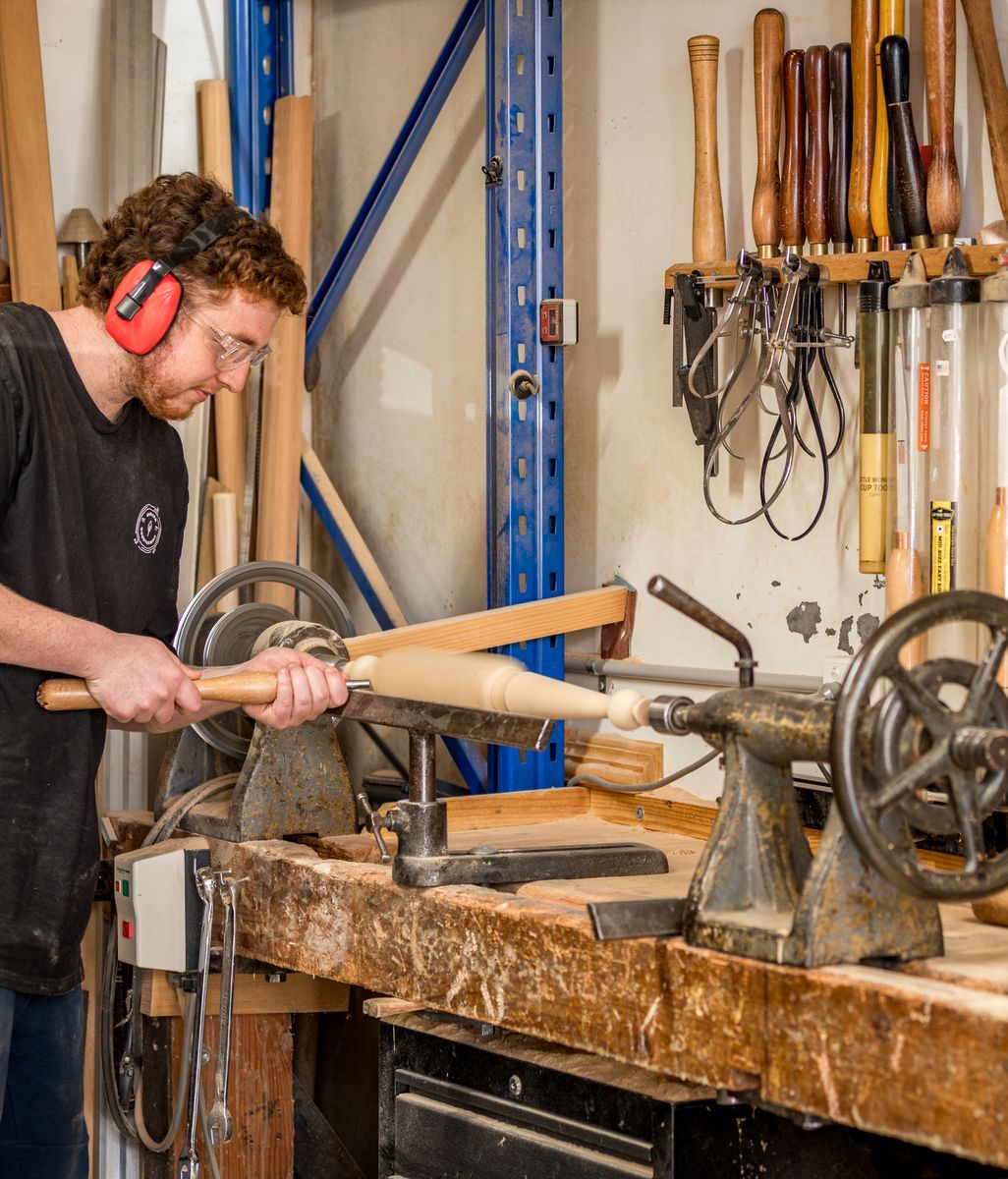
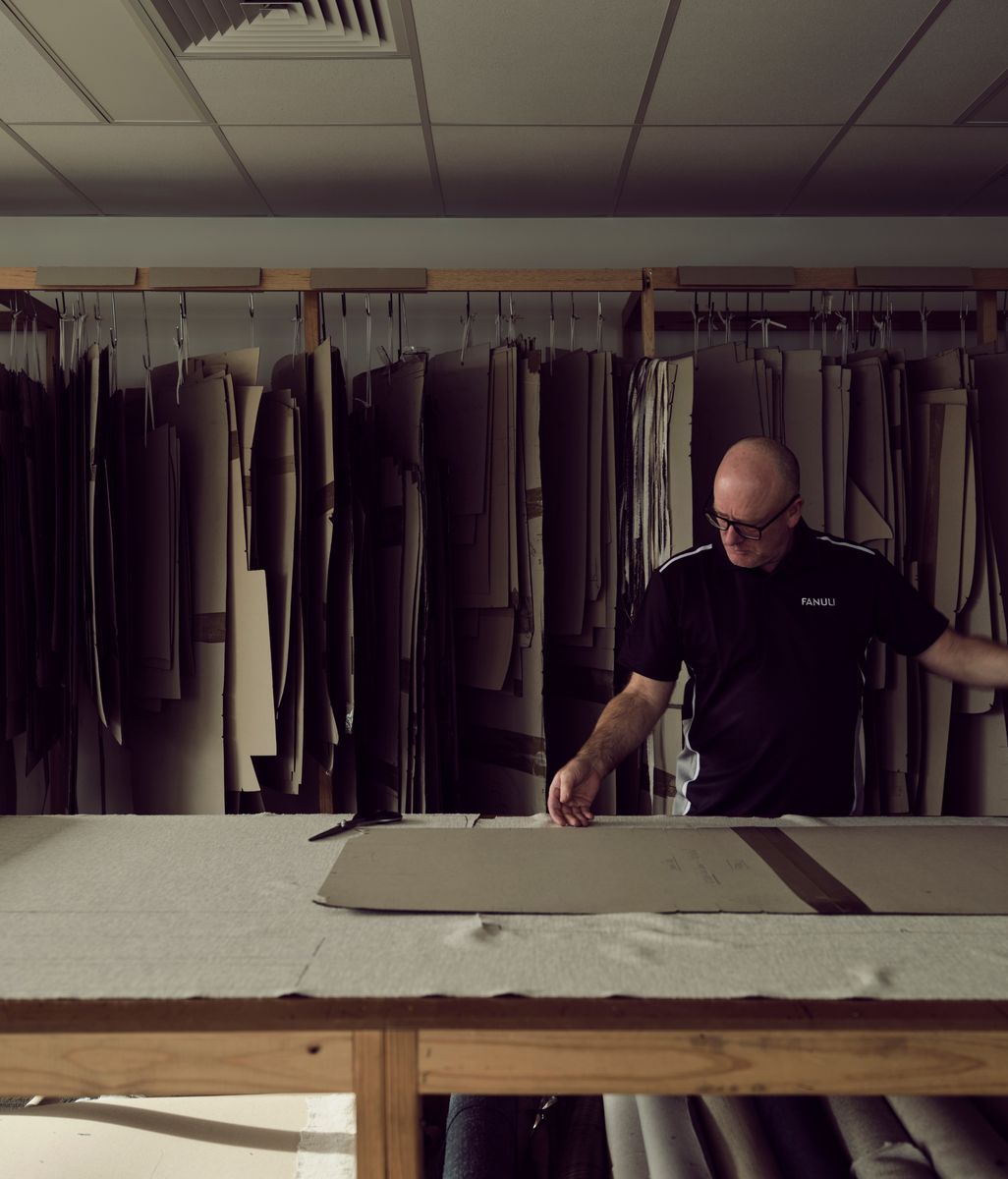
It’s a transformation that’s fascinated him since day one. Since then, production has expanded considerably with the company now operating from a factory spanning more than 1,000sqm. Yet much of the process remains hands-on, something architects and designers quite often don’t realise. 

“People often assume the panels are sitting in stock somewhere,” Fernando says. “But many of our finishes are customised and so much of what we do is made by hand. It takes time.”

DSC07947-ap-compressed.jpg
DSC07972-ap-compressed.jpg

Every cast requires careful handling, each checked over by eye before moving to the next stage of production. It’s a process that allows Stonini to work closely with architects on custom designs such as the Milan and Riga.

Whether designed for a certain project or to become part of Stonini’s main collection, inspiration can come in an instant but turning an idea into a product is rarely straightforward. 

“Sometimes we create something we think is fantastic and nobody wants it,” he laughs. “Other times we’ve made a mistake and it ends up becoming really popular.”

There’s never failure, though. It’s all part of the process and every prototype reveals something new: how a profile catches the light, how a texture behaves across a full-height wall, or how subtle changes in depth can dramatically alter the finished result. 

It’s why Stonini’s surfaces are designed not just to be experienced up close, but from across a room. Whether drawing on the warmth and natural beauty of rammed earth or the subtle imperfections of solid surfaces like concrete, Fernando takes what makes each memorable and reimagines them as architectural elements that invite people to engage with the spaces around them. 

DSC07927-ap-compressed-v3.jpg

Behind every Stonini surface is a process of observation and craftsmanship that transforms raw materials into sculptural architectural elements. Explore Stonini on ArchiPro to discover the collection and see how architects and designers are using them to bring depth and tactility to projects, and browse more makers creating the products for your future projects.