Designing by Instinct: Why Smith Architects starts with what a site is already saying

Written by

11 May 2026

 • 

7 min read

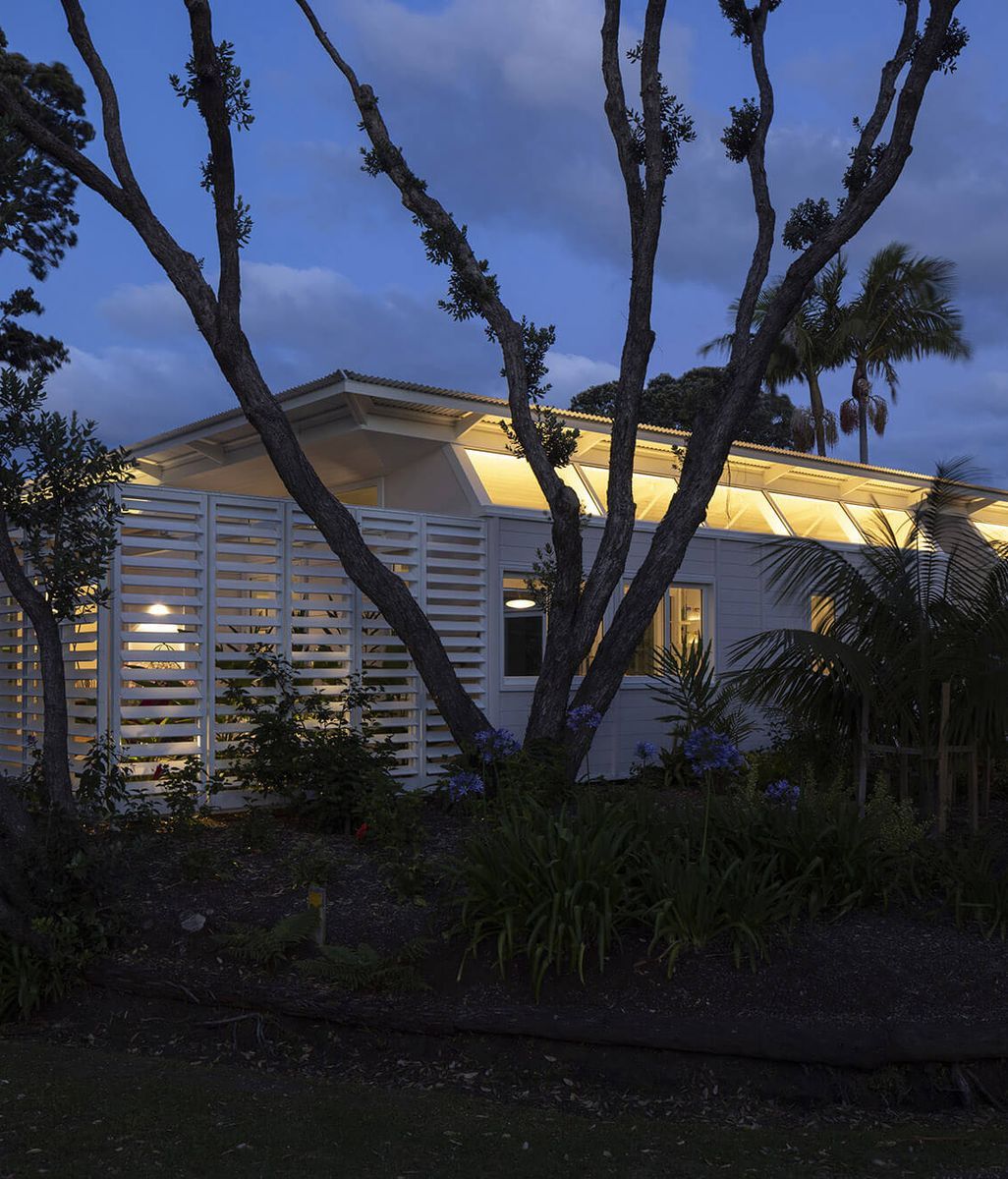
Te Mirumiru Early Childhood Education Centre | Simon Devitt Photography
For Smith Architects, good design begins with something more primal than style. The ability to read land, behaviour and the way people are naturally drawn to space. Phil Smith speaks about architecture in a way that is both philosophical and highly practical. He talks about instinct, evolution, childhood, landscape, water, trees, floodplains, school corridors, childcare centres, passive design and the mistakes that come from ignoring what a site is already telling you.
0B3B4A99-E235-45E1-BC38-F09984DA2345.jpeg

For Smith, Director of Smith Architects, architecture is not simply a matter of form. It is a way of reading.

“You go to a site and you get a vibe from it,” he says. “The sun is coming from one direction, the wind is prevailing from another, that’s the obvious stuff. But you also get a feel for the land.”

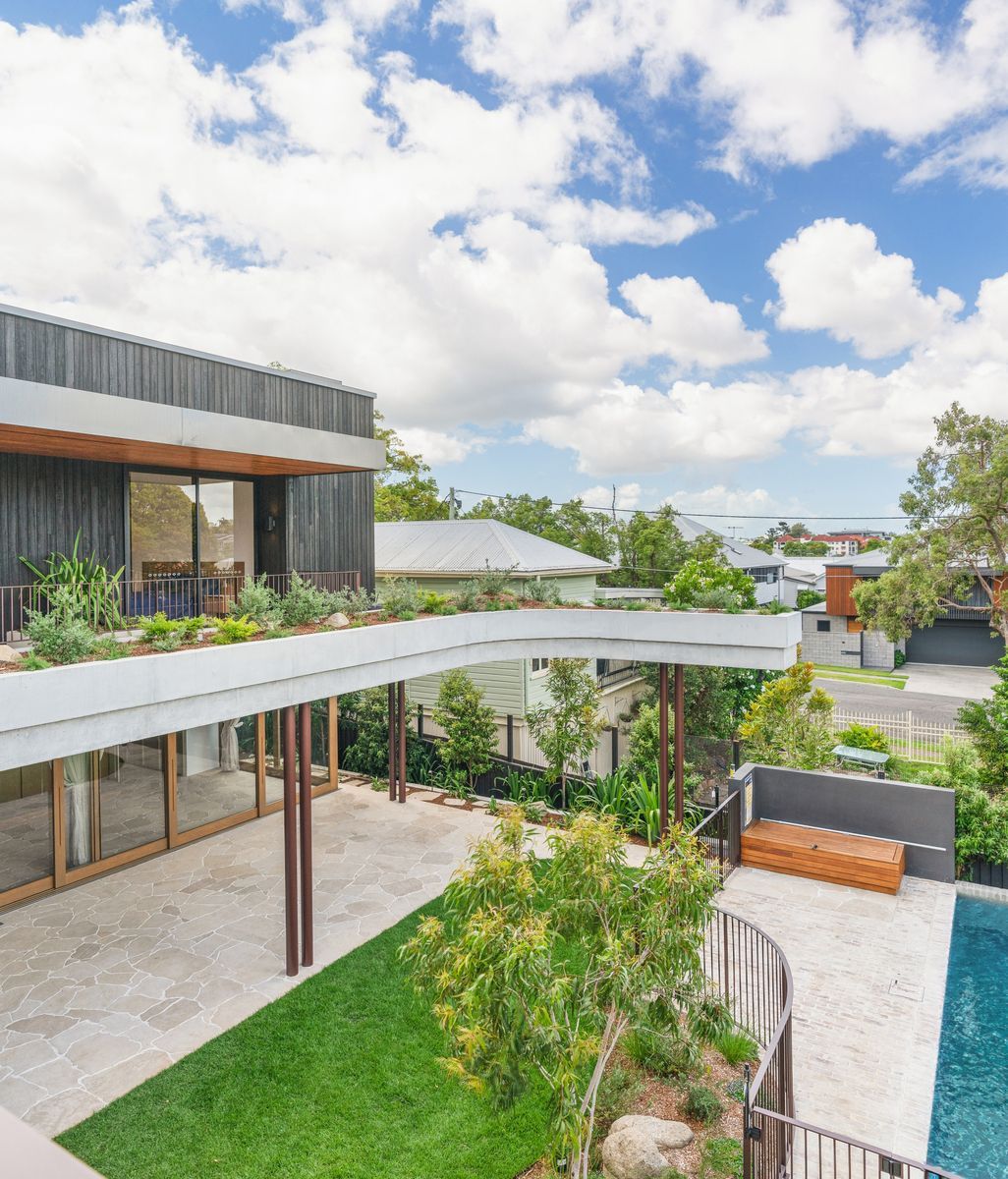
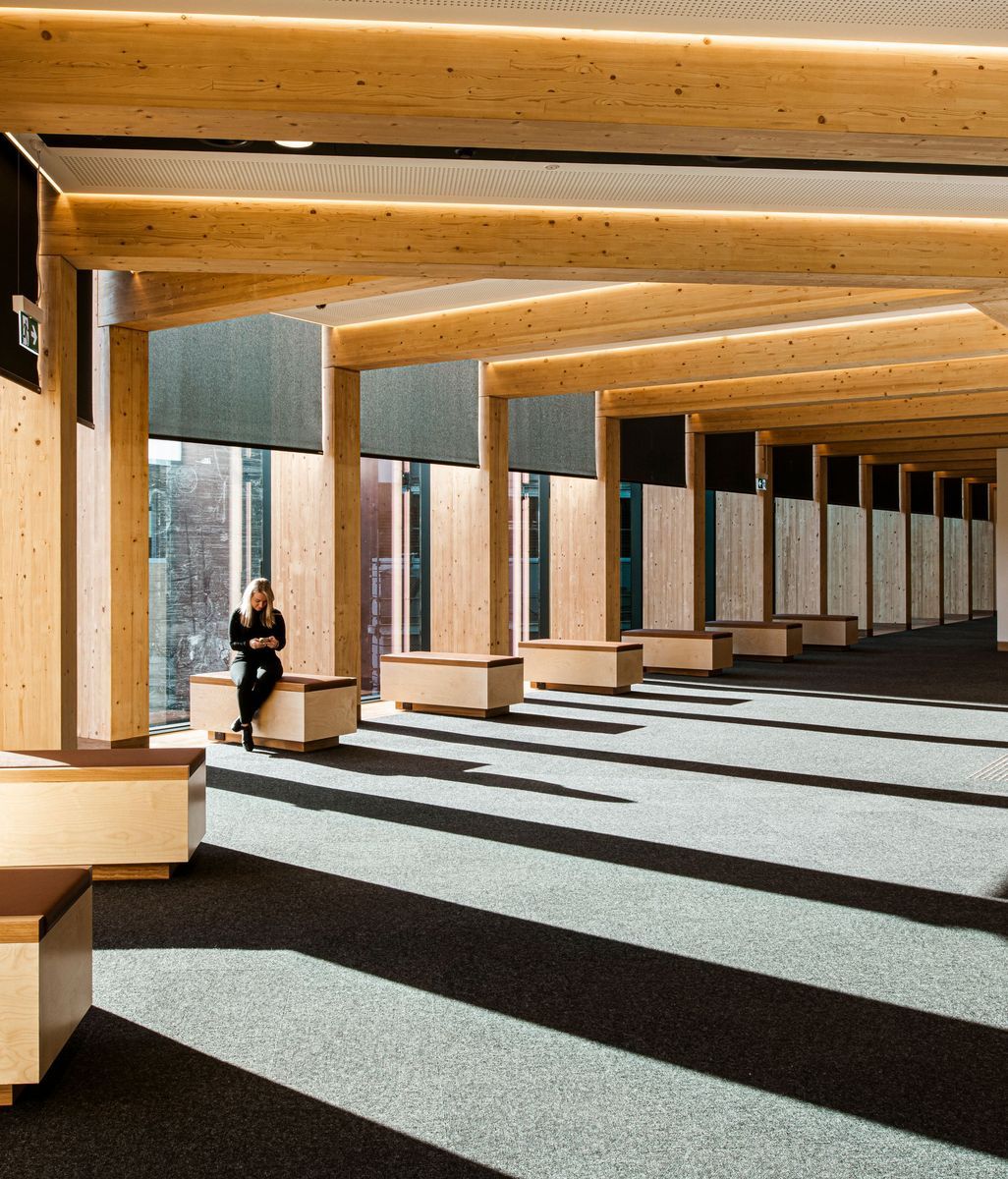
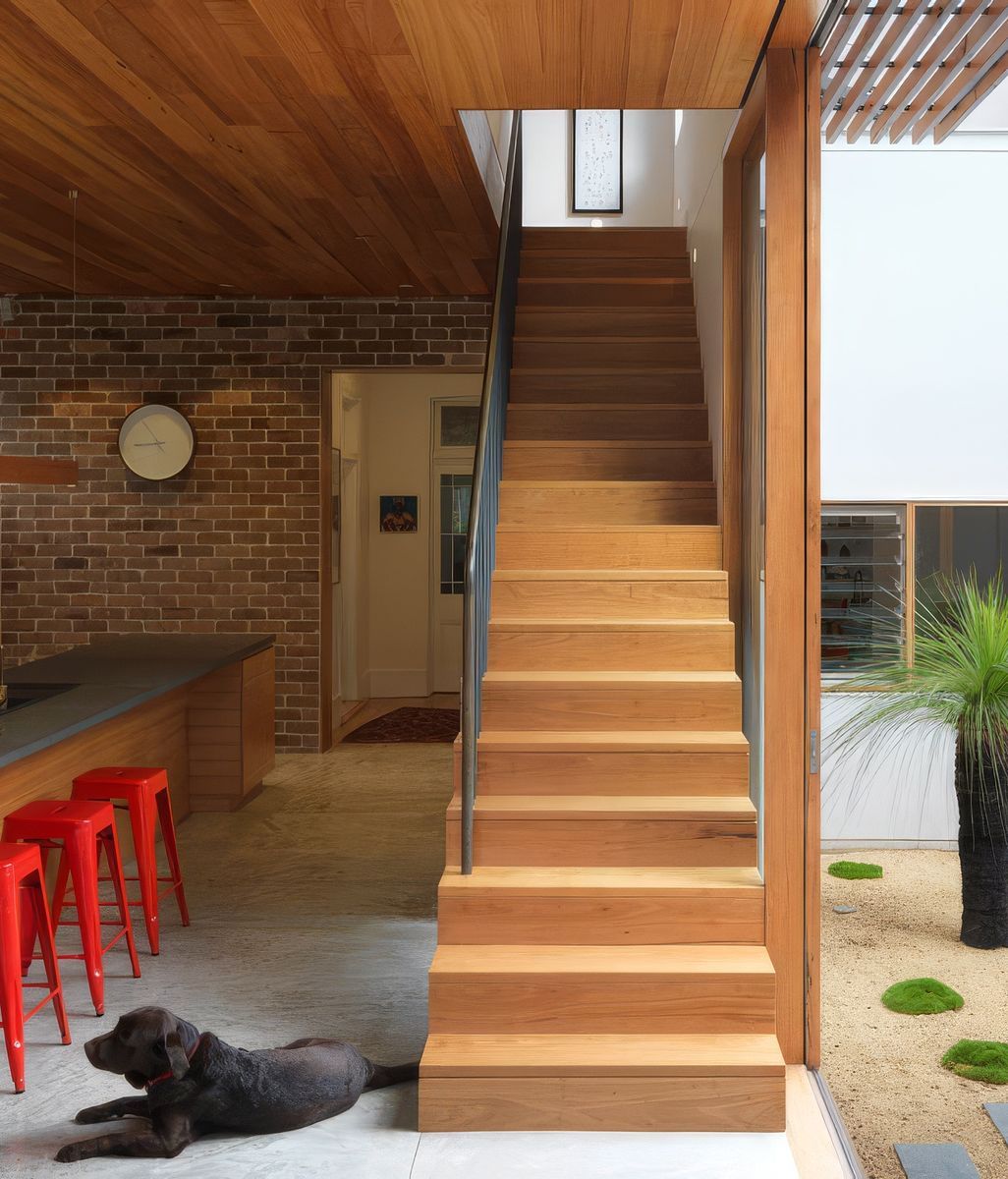
That belief has shaped a practice that resists easy categorisation. Since its founding in 2007, Smith Architects has worked across residential, childcare, multi-unit housing, hospitality, rural and commercial projects. What connects the work is not a single aesthetic, but a recurring interest in how people inhabit space and how architecture can respond to human behaviour.

Smith established the practice shortly before the global financial crisis, after moving to New Zealand from the United Kingdom. At the time, he and his wife had just built their own home in Auckland. A formative project that became both a personal experiment and a professional catalyst.

He had come from Foster + Partners in London, where the work was highly design-driven and often large in scale. When he turned his attention to his own house, he brought that same ambition with him.

“I came with the same philosophy,” he says. “I thought, I’m going to build this beautiful, design-driven house.”

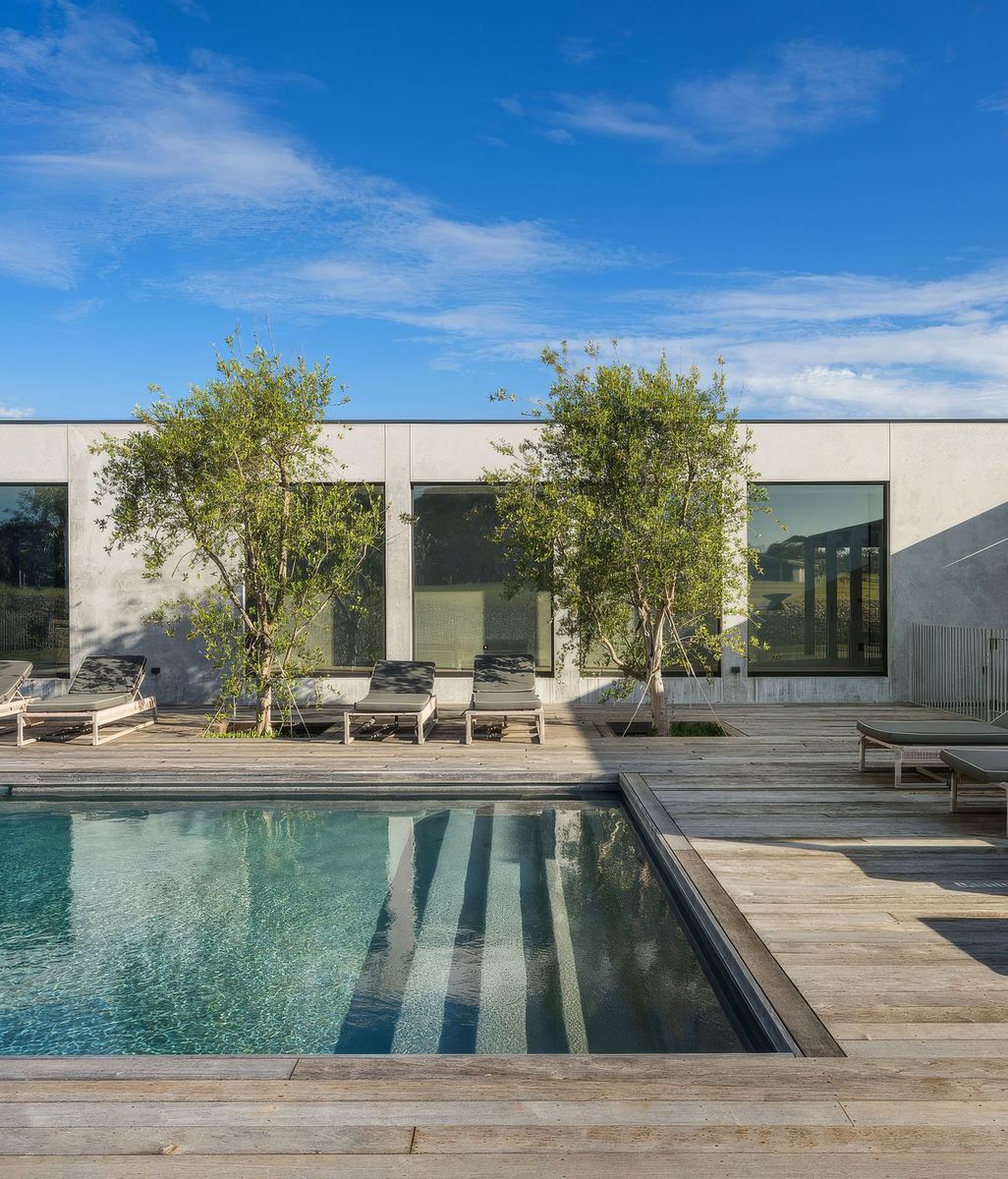
The process taught him a great deal, not all of it comfortable. The house was built in concrete on a rear section in Remuera, a decision Smith now reflects on with honesty.

“It looks fantastic from the garden,” he says. “But you spend a lot of money on something nobody really sees. It taught me a lot about what to do and what not to do.”

It also gave him confidence. Having taken risks with his own money, Smith felt more prepared to guide clients through the realities of building. Then the GFC arrived, turning what had begun as a fledgling practice into a test of endurance.

“It was horrible at the time,” he says. “But it was also a good way of being told, you’re going to have to make this work.”

The first project that sustained the practice was a childcare centre, brought to Smith by a consultant he had previously worked with. That project led to more childcare work and opened up a body of architecture that would become significant for the practice. Rather than approach childcare as a conventional box, Smith saw the opportunity to create spaces that responded to children’s instincts.

“Kids are little instinct machines,” he says. “If you want to understand how space works, watch kids.”

It is a deceptively simple observation, but one that sits at the centre of Smith’s design thinking. If children run down a long school corridor, he argues, the problem is not the child. It is the corridor.

“The space is telling them to do it,” he says. “If you don’t want them to run, don’t design a hallway like that.”

This interest in instinct extends well beyond children’s environments. Smith has spent years thinking about why humans are drawn to particular landscapes and spatial conditions. He references evolutionary theories of beauty and the idea that our preferences are not random, but shaped by environments that historically supported survival: water, shelter, prospect, refuge, trees, open views and places that feel safe but connected.

“We’ve evolved into the species we are now, and we’ve got instincts that are useful,” he says. “The more I’ve learned to trust those instincts, the better the design becomes.”

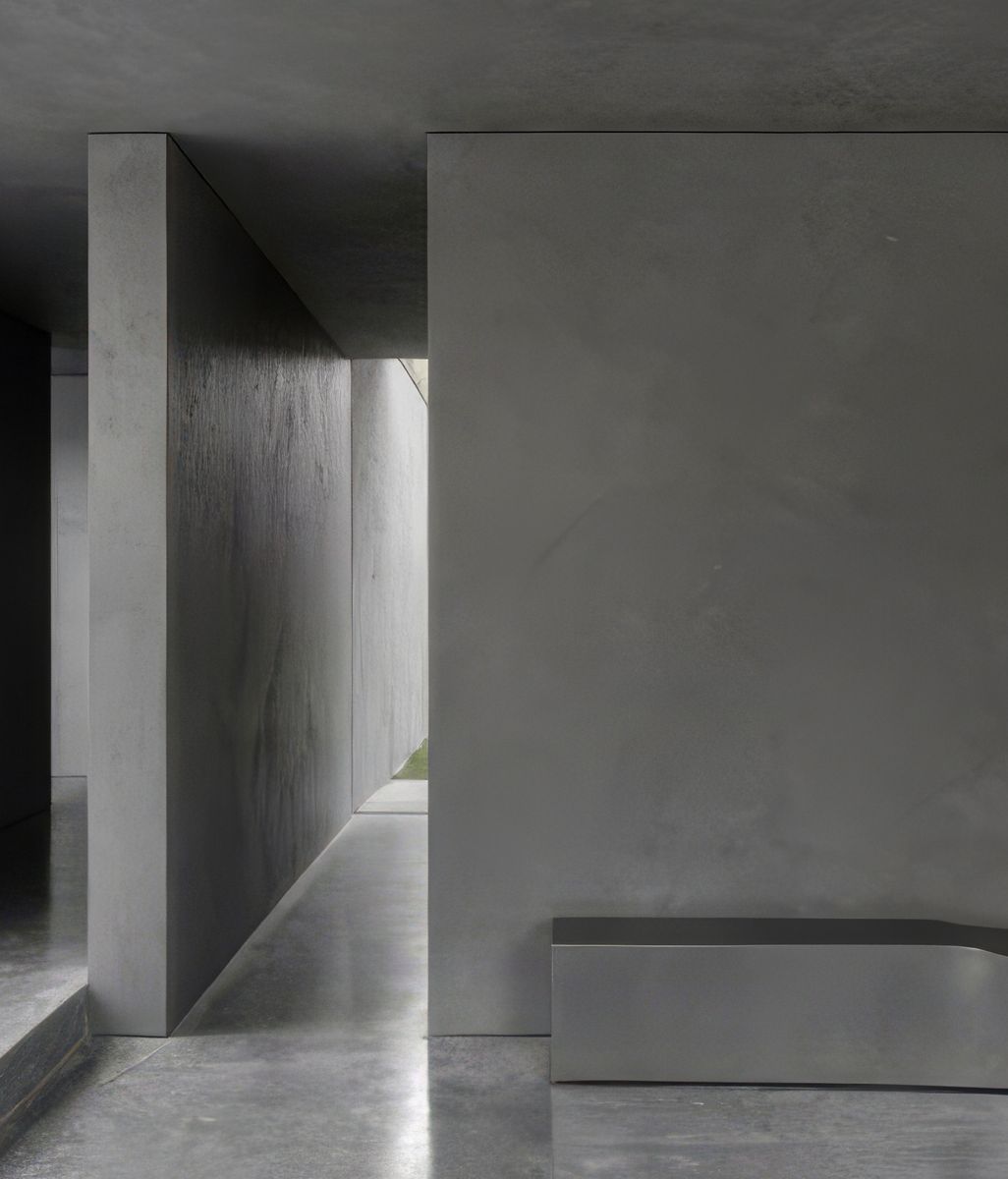
That way of thinking is visible in projects such as the award-winning Te Mirumiru Early Childhood Education Centre for Ngāti Hine, a building Smith describes less as a conventional structure and more as a hill. Built partly into the land, with concrete used for permanence and thermal performance, the project was shaped by cultural purpose as much as environmental logic.

The conversation with Ngāti Hine around material was particularly important. Smith expected the use of concrete to be contentious, but the response was the opposite.

“They said, ‘That’s great. It’s permanent.’ They had been there for hundreds of years and saw the building as speaking to their permanence into the future.”

For Smith, that exchange opened up a broader question about how New Zealand thinks about building longevity. In the United Kingdom, buildings often carry centuries of continuity. In New Zealand, by contrast, there is still a tendency to think in shorter cycles.

“We need to have a bigger conversation about that,” he says. “About building for the long term, about where we build and how we build.”

That long-term thinking also informs the practice’s current work across multi-unit and community-oriented housing. In Hamilton, Smith Architects is designing a passive house multi-unit development arranged around a large shared green space. The project includes 48 homes, shared workspaces, a communal kitchen, gardens, a sauna, hot tub and a maker space. It is designed to be environmentally ambitious, with greywater recycling, photovoltaics and a broader net-zero aspiration, but also socially sustainable.

The idea is drawn partly from Georgian squares in London, where houses overlook a shared garden rather than retreating into small private backyards.

“You get distance, you get outlook, and you feel like your neighbours are further away,” says Smith. “There’s also a community aspect to it, but one you can engage with as much as you want.”

Elsewhere, the practice is working on a strawberry farm project that combines café, staff facilities, an ice cream shop and access to the fields under a large curved roof. The building continues Smith’s interest in generous overhangs, open thresholds and architecture that responds directly to New Zealand’s climate.

“For me, that’s a very Kiwi building,” he says. “We have rain, we have sun, and we move between seasons quickly. Buildings with big overhangs make sense here.”

The frustration, he adds, is that planning rules can often work against these instinctive and climatic responses, counting roof coverage in ways that discourage the very elements that help buildings perform well.

Across all of this work, Smith Architects is drawn to clients who want something more considered than a standard outcome.

“We love working with people who think differently,” says Smith. “People who want a different outcome, who want to change the world in a nice way.”

That might sound expansive, but for Smith it is grounded in the specifics of architecture: how a child moves through a hallway, how a building sits on land, how a roof protects from rain, how a courtyard can create community, how a material can speak to permanence.

His work suggests that instinct is not the opposite of expertise. It is expertise sharpened over time, informed by observation, experience and the willingness to listen to what a site, a client or a space is already saying.

“Recognising that those instincts are useful is the first part,” he says. “Then it’s just practising it.”

For those beginning a commercial, residential or community-led project, ArchiPro brings together the people and products that shape the built environment. From discovering leading architecture and design professionals to exploring completed projects, sourcing architectural products and reading the latest design-led articles, the platform is designed to help clients move from inspiration to informed decision-making.