Designing for breathability in high-end homes

Written by

24 March 2026

 • 

5 min read

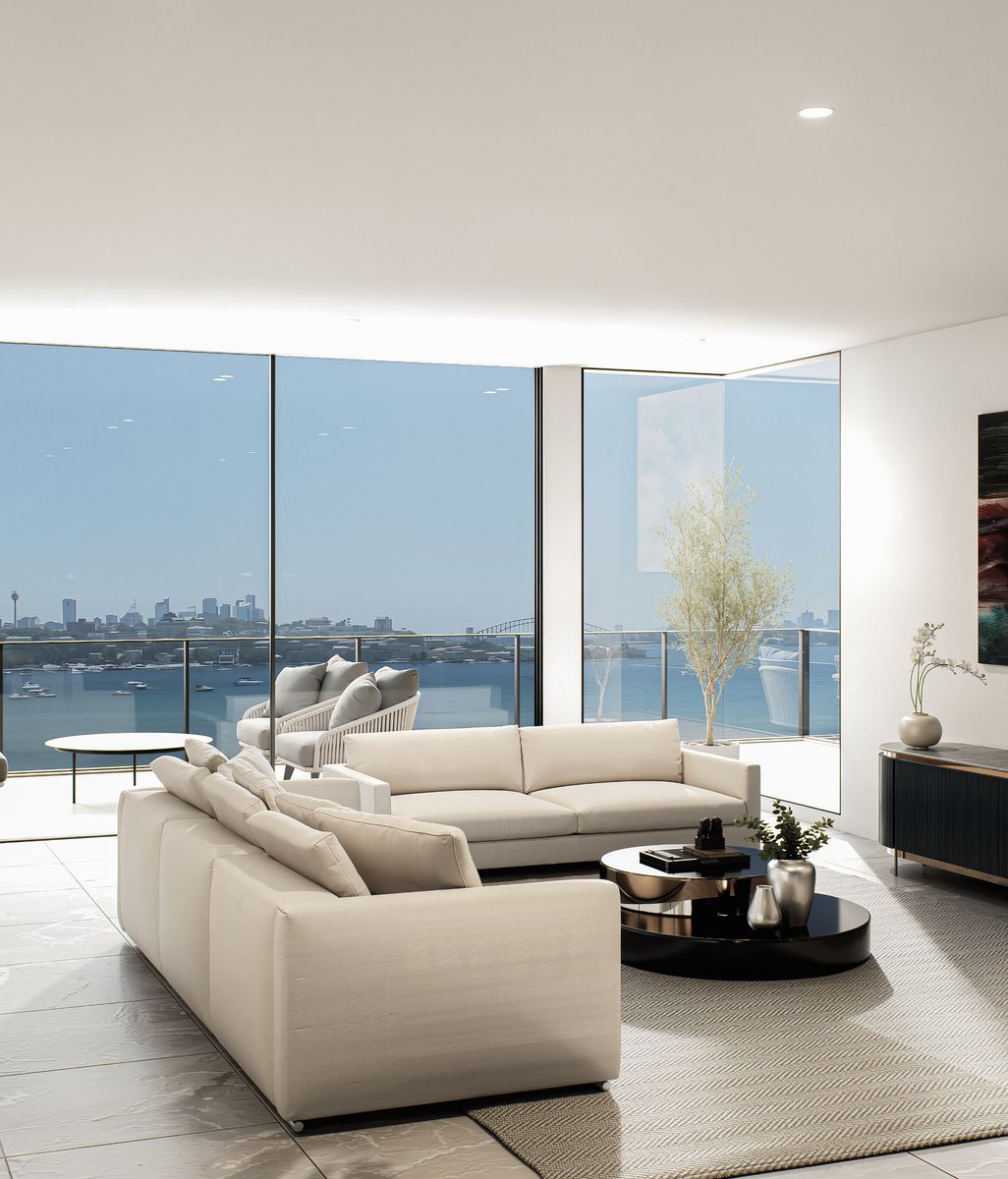
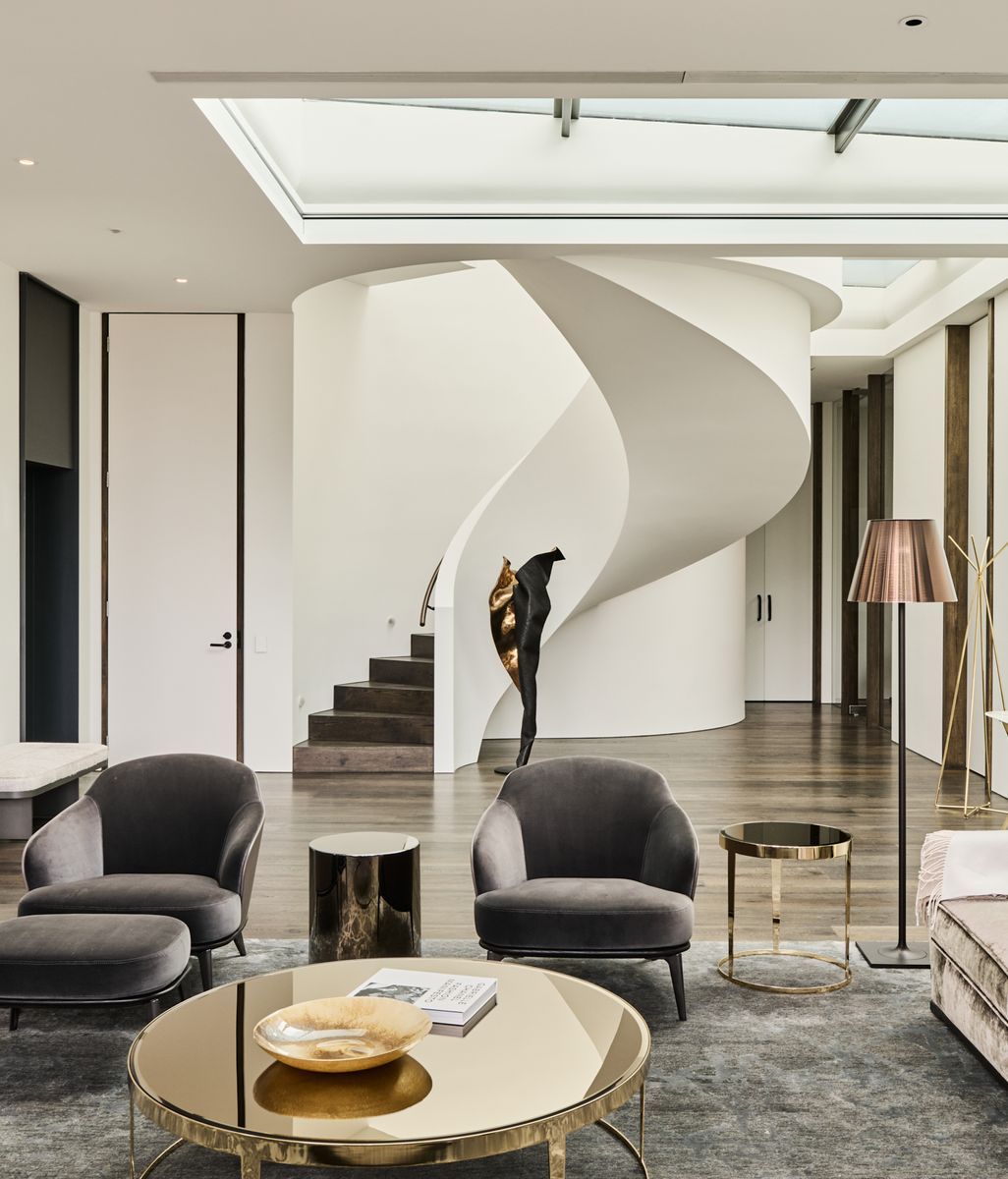
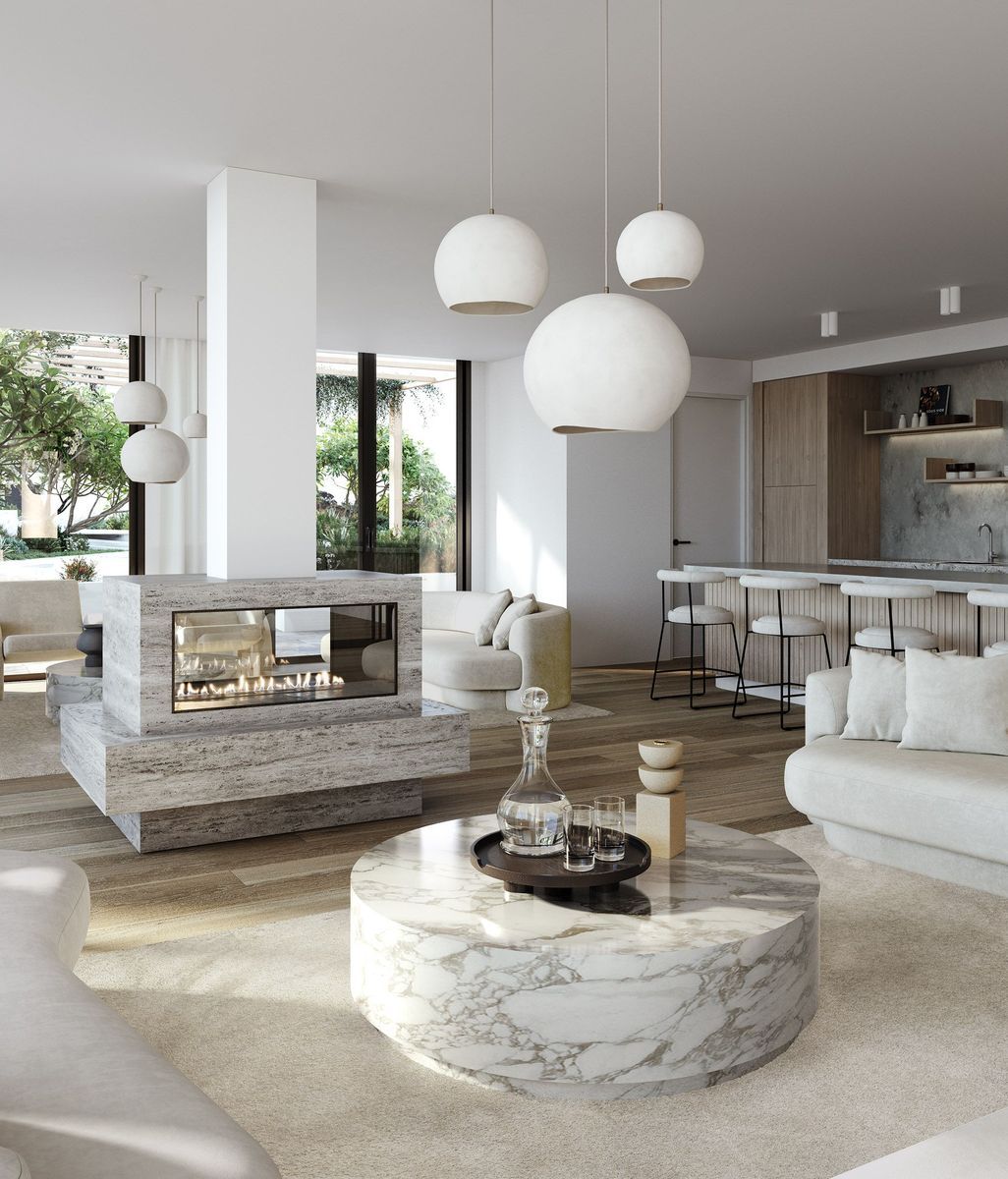
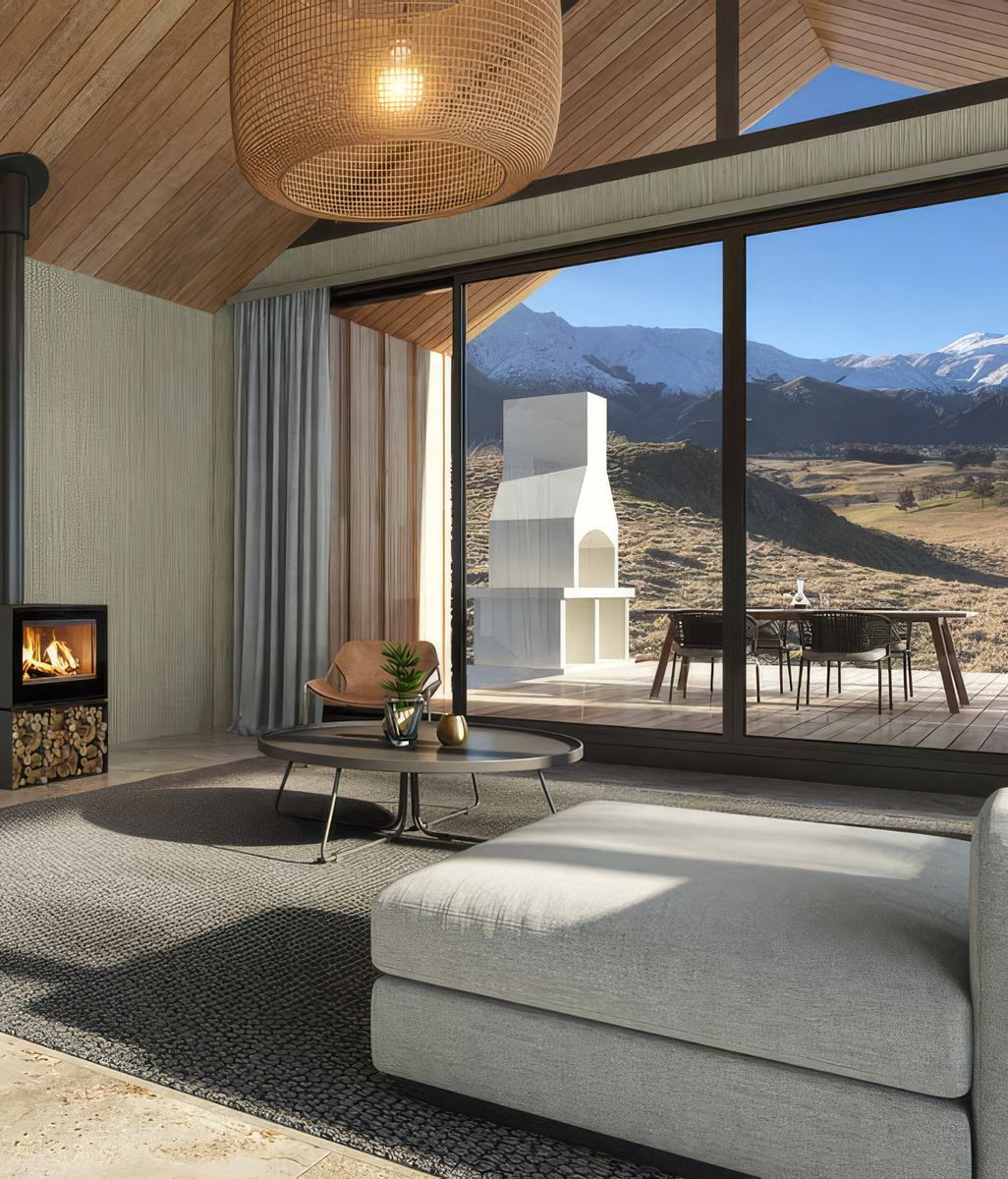
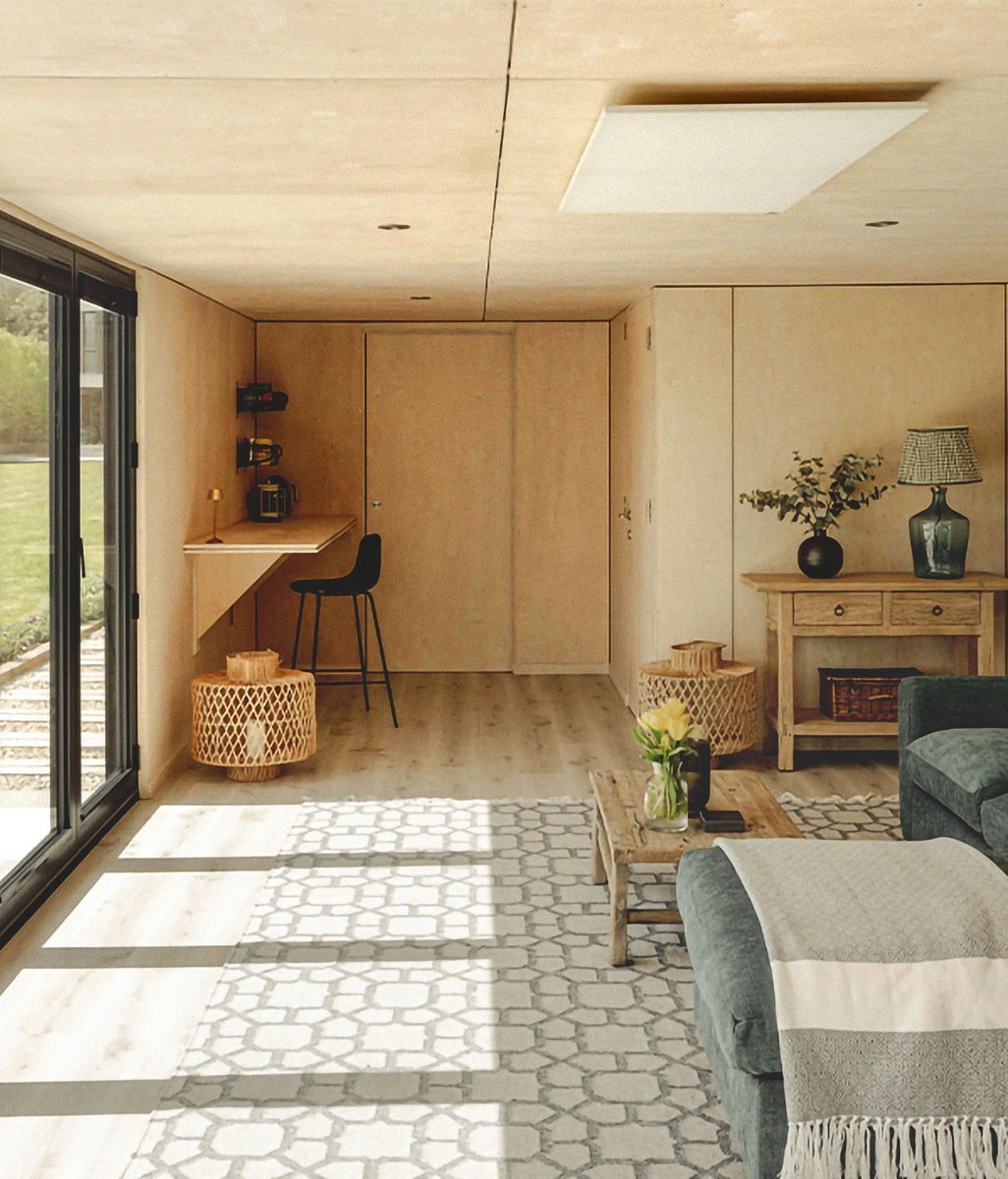
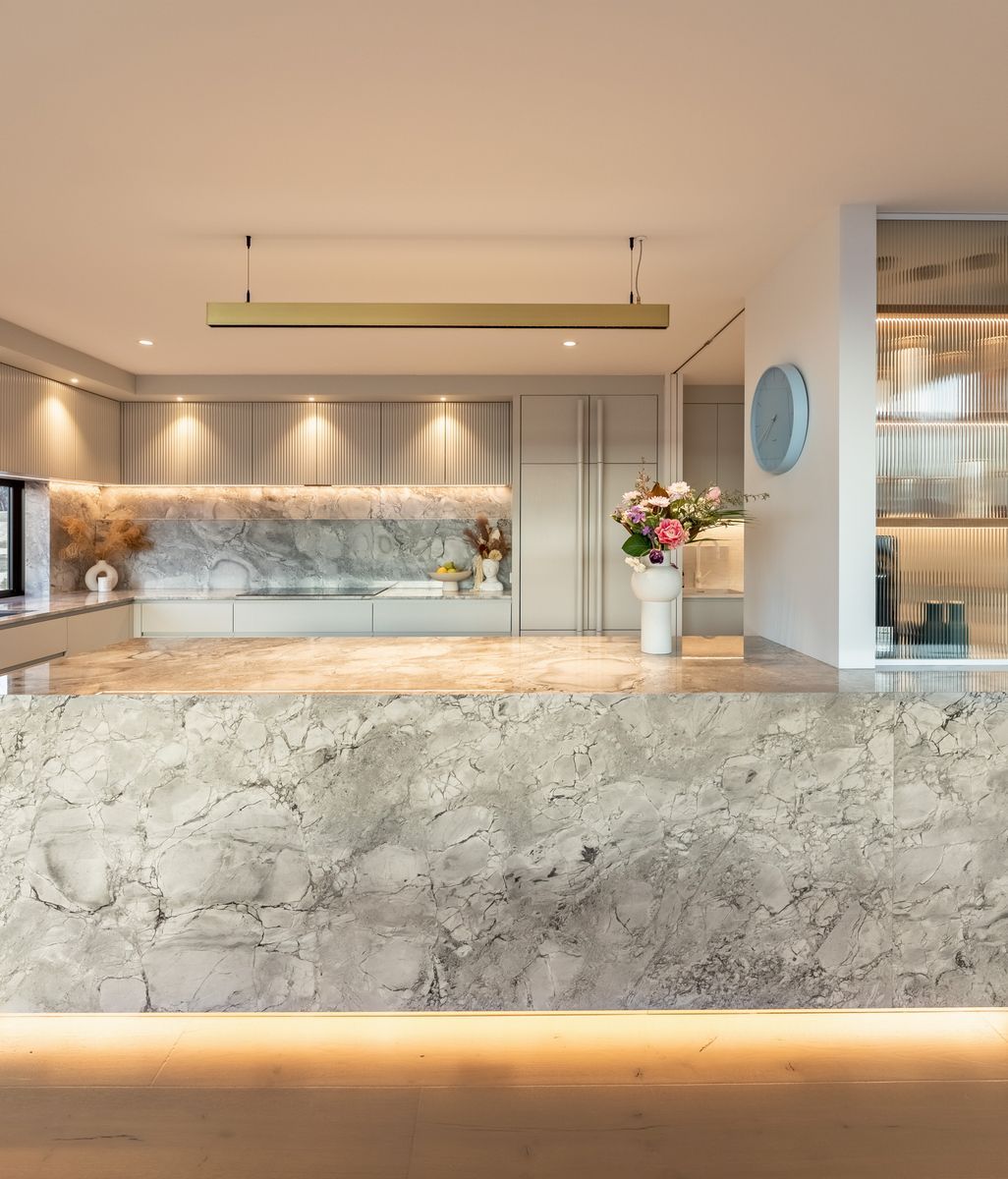
This living space features the Holyoake Supply Diffuser from Solutionair.
As airtight construction becomes standard in modern architecture, mechanical ventilation is now a critical element in delivering comfortable and efficient high-end homes.

In residential architecture, ventilation has shifted from an afterthought to an essential pillar of design. Once reliant on operable windows and passive airflow, today’s high-end homes demand a far more sophisticated approach, influenced by both evolving building technology and homeowners’ higher expectations around comfort and wellbeing.

“The way we build has fundamentally changed,” says Solutionair managing director Massimo Biscuola. “Homes are significantly more airtight than they were 20 years ago. That’s a positive step for energy efficiency but it creates a new challenge. Without mechanical ventilation, these homes simply can’t breathe.”

The rise of airtight construction methodologies, influenced in part by international benchmarks such as Passive House, has reshaped the architectural landscape in New Zealand. While these approaches deliver impressive thermal performance, they also limit the natural movement of air. 

In older homes, gaps in the building envelope allowed moisture and stale air to escape; in contemporary builds, that same air can become trapped.

An airtight home, as Massimo notes, is not inherently problematic, but it does necessitate intervention.

 “If a house is more airtight, it won’t meet fresh air requirements without mechanical ventilation,” he explains. “Opening a window is no longer a reliable or sufficient solution, particularly in homes designed for consistency and control.”

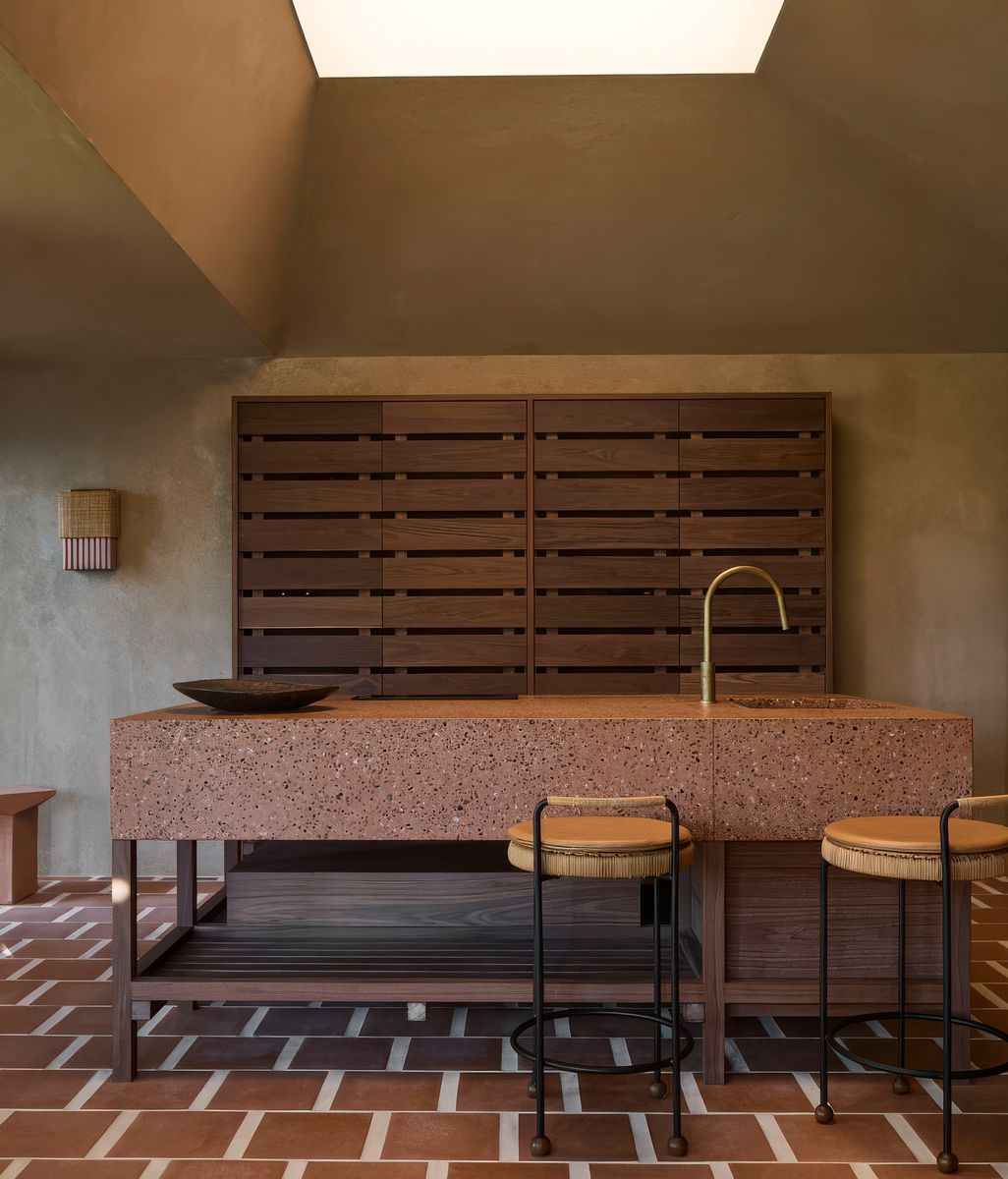
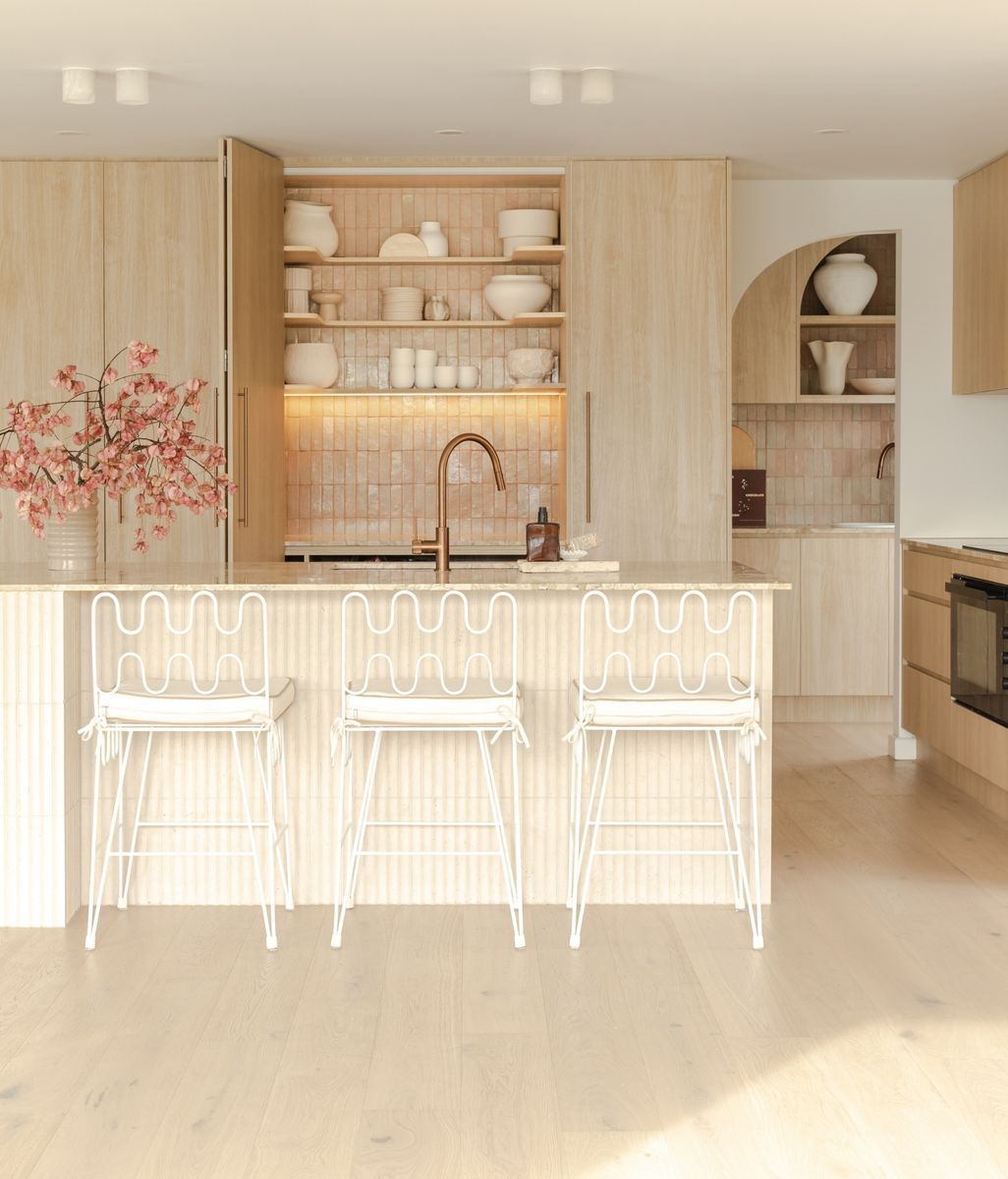
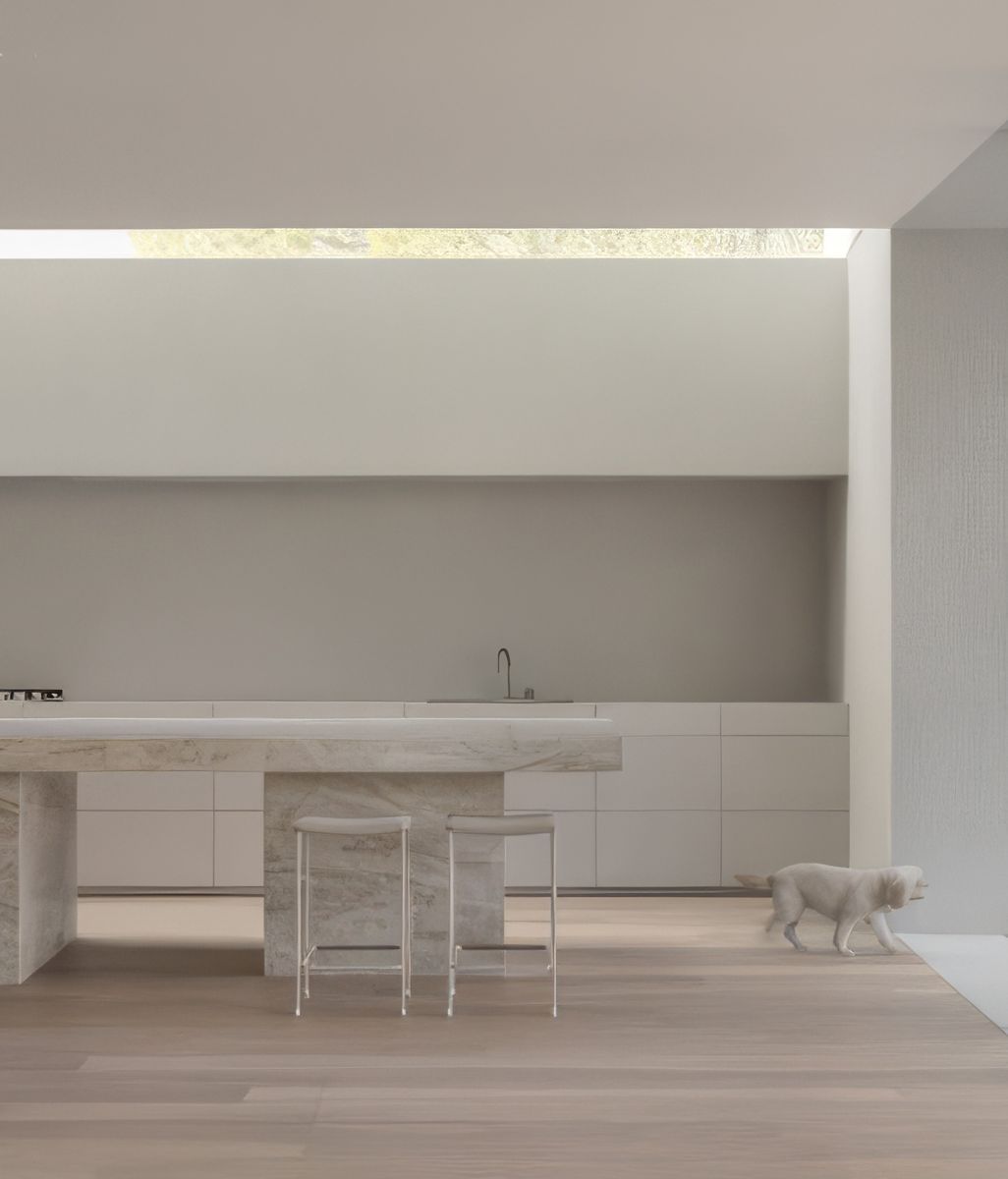
Subtle Holyoake wall grills from Solutionair sit high on the kitchen wall.

This shift has had a ripple effect across the design process. Architects and builders are increasingly required to consider ventilation not as an add-on, but as an integrated system that must be resolved alongside spatial planning and structural elements.

“For us, education has been a big part of the journey,” says Massimo. “We work closely with architects to help them understand that modern homes need mechanical ventilation from the outset. It’s not something you can retrofit easily without compromise.”

Early engagement, he emphasises, is critical. Mechanical ventilation systems (particularly those designed for high-performance homes) require careful coordination. Ducting, plant space and acoustic considerations all need to be accounted for within the architectural framework.

“People are often surprised by the size of the units,” he says. “If you don’t plan for them early, you can end up with awkward spatial compromises later. When we’re involved from the beginning, we can help integrate everything seamlessly into the design.”

Beyond spatial considerations, the performance benefits of mechanical ventilation are increasingly difficult to ignore. At the core of many systems is heat recovery technology, a process that captures warmth from outgoing air and transfers it to incoming fresh air.

“You’re continuously introducing fresh air while removing stale air,” Massimo explains. “At the same time, you’re recovering up to 98 percent of the energy from that outgoing air. That means you can maintain a warm, comfortable interior environment without significantly increasing energy use.”

The result is a home that feels consistently temperate and fresh, regardless of external conditions. This is a quality that aligns closely with the expectations of high-end residential clients.

Holyoake Slott Diffuser from Solutionair is incorported seamlessly into this recycled timber ceiling.

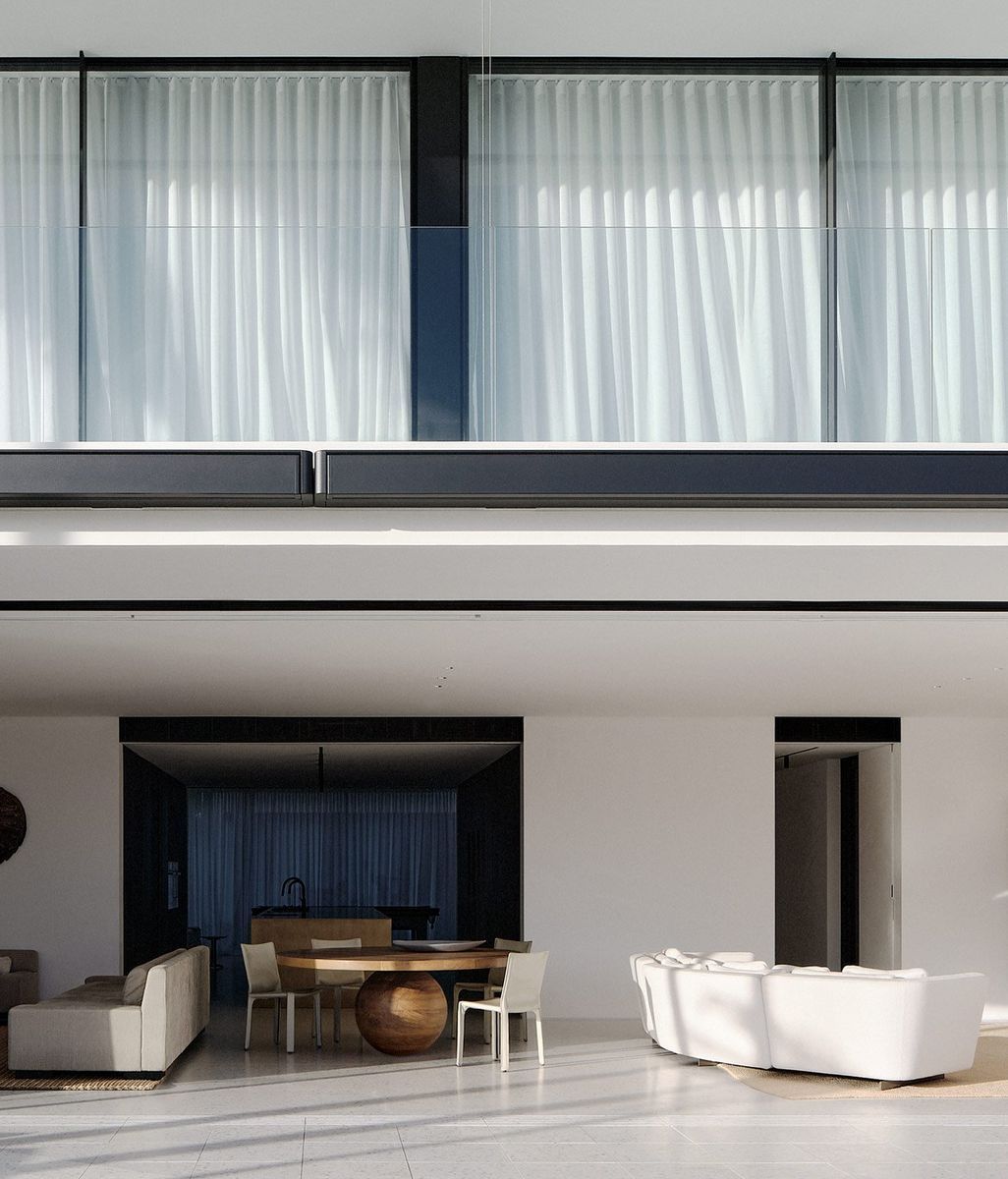
For homeonwers, the impact is equally tangible. Marcus Robins recently had a Solutionair system installed in the coastal vacation home he built with his wife, Sara. He describes it as an essential component of the building's fabric, as around half of the walls in the house are comprised of glass. Even with high-end double glazing, thermal modelling indicated that balancing heating, cooling and humidity would be critical to the home's comfort.  

"We travel regularly, and having the air filtered and circulating constantly means that we always return to a fresh, completely dust-free house,” shares Robins. “Guests have commented on how well they sleep here and specifically call out the 'texture' and quality of the air. Given it is a new house, fine-tuning the system involved a period of support from Massimo. He has been incredibly helpful and now the system works on a set-and-forget basis."

Despite the advantages that homeowners like Robins experience, misconceptions persist, particularly around cost. Mechanical ventilation systems are often perceived as an optional extra, rather than a foundational component.

“There is a cost, of course,” Massimo acknowledges. “You might be looking at $25,000 to $30,000 for a high-end system. But in the context of a multi-million dollar home, it’s a relatively small percentage and the return in terms of comfort and performance is significant.”

He says that homeowners sometimes prioritise more visible design elements at the expense of underlying systems that have a greater impact on daily living.

“People can overspend on finishes that don’t necessarily improve how the home feels,” he says. “Ventilation is different. It directly affects comfort, health and energy efficiency. It’s one of the most valuable investments you can make.”

As expectations around building performance continue to rise, the role of ventilation is set to become even more pronounced. For architects, it represents an opportunity to elevate not just how a home looks, but how it functions.

“The goal is simple,” Massimo reflects. “We want homes that feel good to live in, homes that are comfortable, efficient and healthy. Mechanical ventilation is a key part of achieving that.”