Designing for Wellbeing: neuroaesthetics and how to use flooring as a powerful design tool

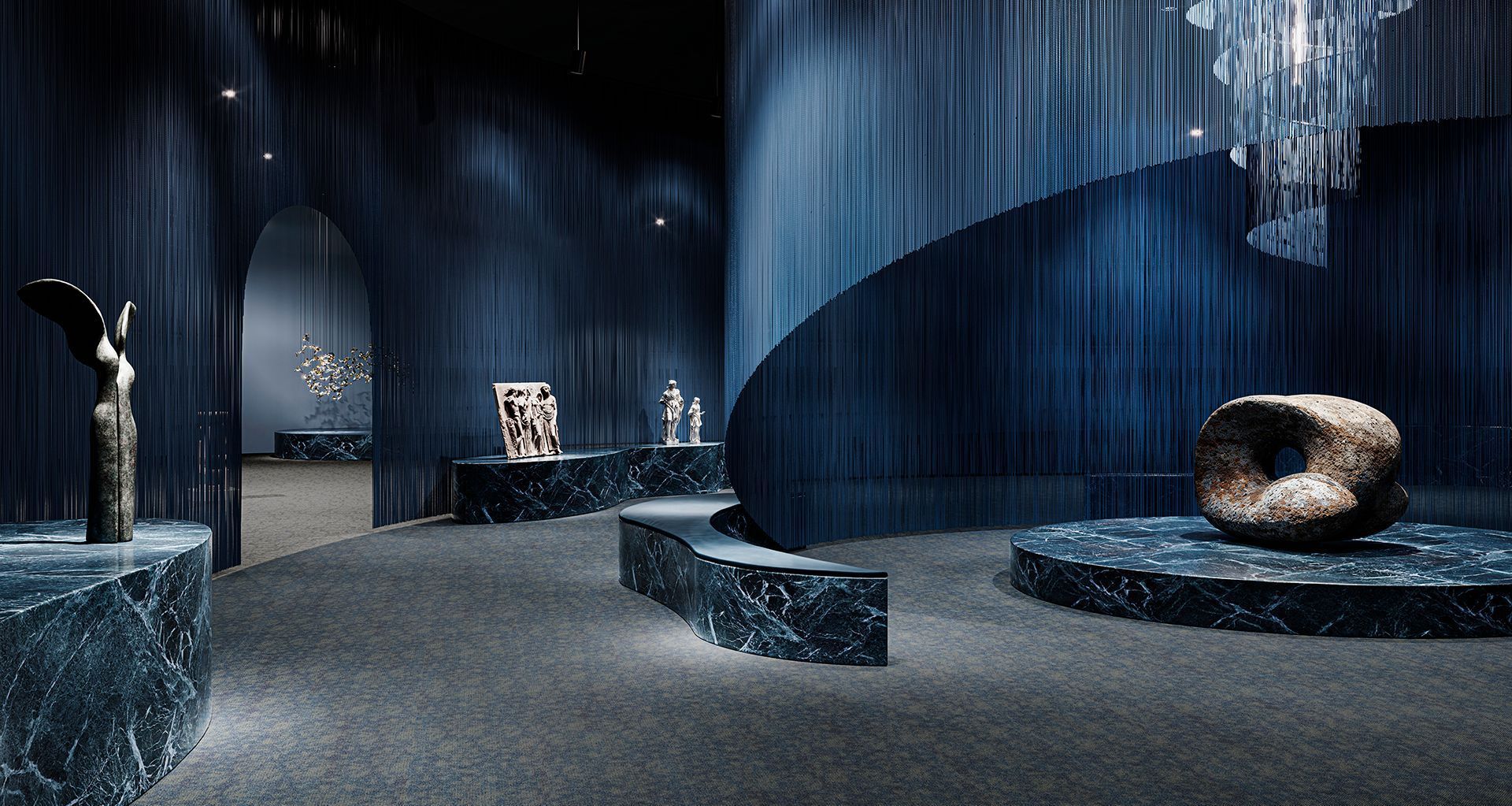
Neuroaesthetics is the study of how the brain and body respond to aesthetic experiences, and how those responses shape our emotions and performance. For architects and interior designers, it turns “I like how this looks” into “this will help users feel calmer, focus better and navigate more easily.” From purely an aesthetic decision to a more deeply considered aesthetics + EQ + IQ. It strengthens the rationale behind design decisions and helps clients understand why those decisions matter.
Carpet is a powerful tool in this conversation. Often the primary flooring choice throughout a project, it influences multiple senses at once:
·ACOUSTIC - soft flooring absorbs sound and reduces reverberation, which can lower stress and cognitive load in open-plan workplaces, education and multi-residential environments.
·TACTILE - the feeling underfoot can enhance comfort and perceived safety, supporting a sense of welcome and ease.
·VISUAL - pattern scale, direction and contrast support wayfinding, define zones and can either energise or calm a space.
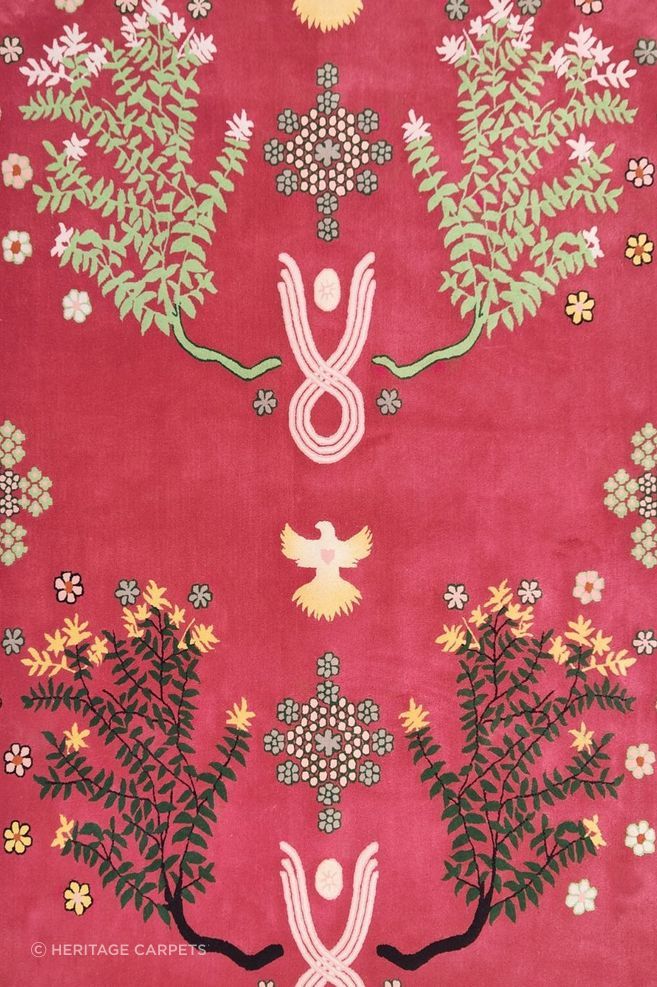
Biophilic design is central to neuroaesthetics. Our brains are wired to respond positively to cues from nature, and carpets referencing natural forms can help create more restorative interiors. Heritage Carpets’ collaboration with New Zealand designer Miranda Brown uses nature-inspired motifs and palettes for rugs and Axminster broadloom. These collections enable specifiers to embed a clear narrative in their projects, aligning interior experiences with site, story and brand and supporting wellbeing.
Neuroaesthetics also dovetails with inclusive and neurodivergent-friendly design. Many autistic and ADHD users are sensitive to sound and visual complexity. Carpet can help manage sensory load by softening noise and simplifying visual noise through careful pattern and colour selection. Changes in carpet texture or tone can cue functional transitions without overwhelming signage, supporting more intuitive wayfinding.
Working with partners such as modulyss® and Bentley Mills LA, Heritage Carpets offers New Zealand specifiers a toolkit of carpet tiles, broadloom, Axminster and custom solutions that align aesthetic intent with wellbeing outcomes. For designers seeking to create spaces that truly feel as good as they look, neuroaesthetics provides both language and leverage – and the floor is an ideal place to start.