Designing legacy: How a 90-year-old Australian practice is reimagining the future of place
Written by
13 November 2025
•
5 min read
For almost ninety years, Hassell has shaped spaces that define how people live, work and connect. What began in Adelaide has grown into a global design practice with nine studios across Asia, the United Kingdom and Australia. Through every stage of growth, one principle has stayed constant: design should leave a positive and lasting mark.
As the world faces greater social and environmental pressures, Hassell continues to explore what it means to design for the future. The practice is guided by connection, both to people and to place, and by a belief that great design must create genuine value for communities.
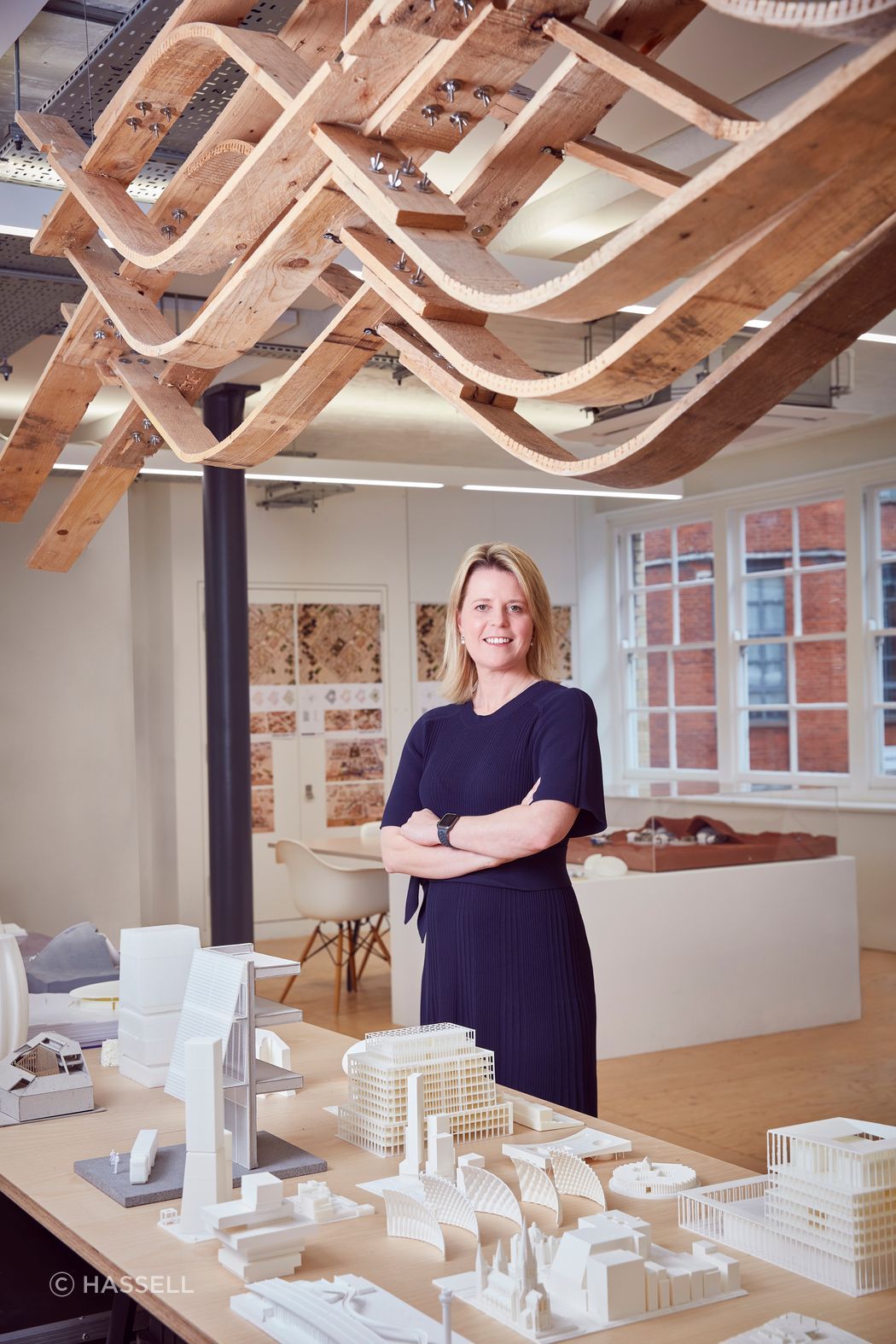
“We’re not just architects,” says Managing Director Liz Westgarth. “We’re architects, interior designers, landscape architects and urban designers. When we bring those disciplines together, we operate at our best because each lens enriches the outcome.”
Founded almost ninety years ago, Hassell has become one of Australia’s most established design firms, yet its outlook is firmly contemporary. Each of its studios is part of a connected network that shares knowledge freely across regions. A designer in Melbourne might contribute to a cultural project in London, while ideas from Singapore might influence a transport precinct in Sydney. This open exchange allows the firm to work across diverse sectors such as health, education, sport, culture and urban design. Insights from one field often inspire creative solutions in another. It is an approach that mirrors the way modern life overlaps and interconnects.
Hassell’s design philosophy begins with people. Every project starts with research and a deep understanding of context. Teams explore the history, purpose and aspirations of a place before shaping ideas that will define its future character.
“We don’t have a house style,” says Liz. “Each project is unique. We look at the context, the function, the aspiration, and we put a lens of regenerative design and beauty over it.”
Whether it is a major infrastructure project or an intimate interior, the goal is always the same: to create spaces that improve daily life. “Any design project,” Liz explains, “needs to really think about how it’s leaving a positive legacy for the community. That’s core to what we do and what we’re about.”
For Hassell, legacy is not about nostalgia, it’s about responsibility. Every new commission becomes part of a wider ecosystem that supports people, the environment and future generations.
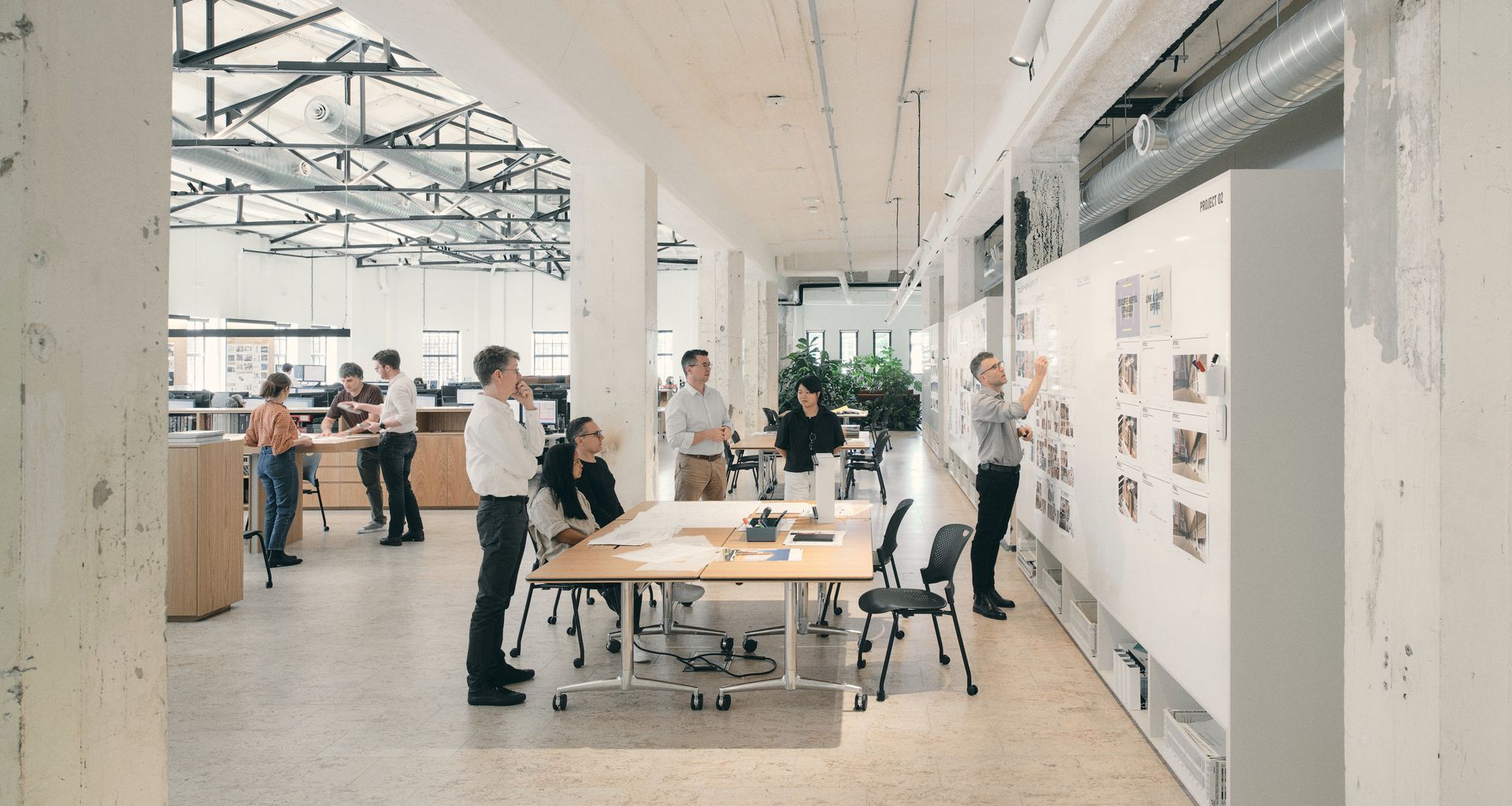
Inside each Hassell studio, collaboration drives creativity. The offices are open and transparent, with work pinned up on walls reviewed regularly by colleagues from across the firm. Teams present progress each week, inviting feedback and discussion.
“It’s a very open and friendly culture,” says Westgarth. “It’s not hierarchical. People at all levels feel comfortable to contribute. That diversity of voices is essential because we’re designing for the broader community, not a narrow perspective.”
This culture of openness encourages both experimentation and accountability. Designers learn from one another and from projects unfolding on the other side of the world. By creating space for respectful debate, Hassell ensures that its ideas are tested, refined and strengthened through collaboration.
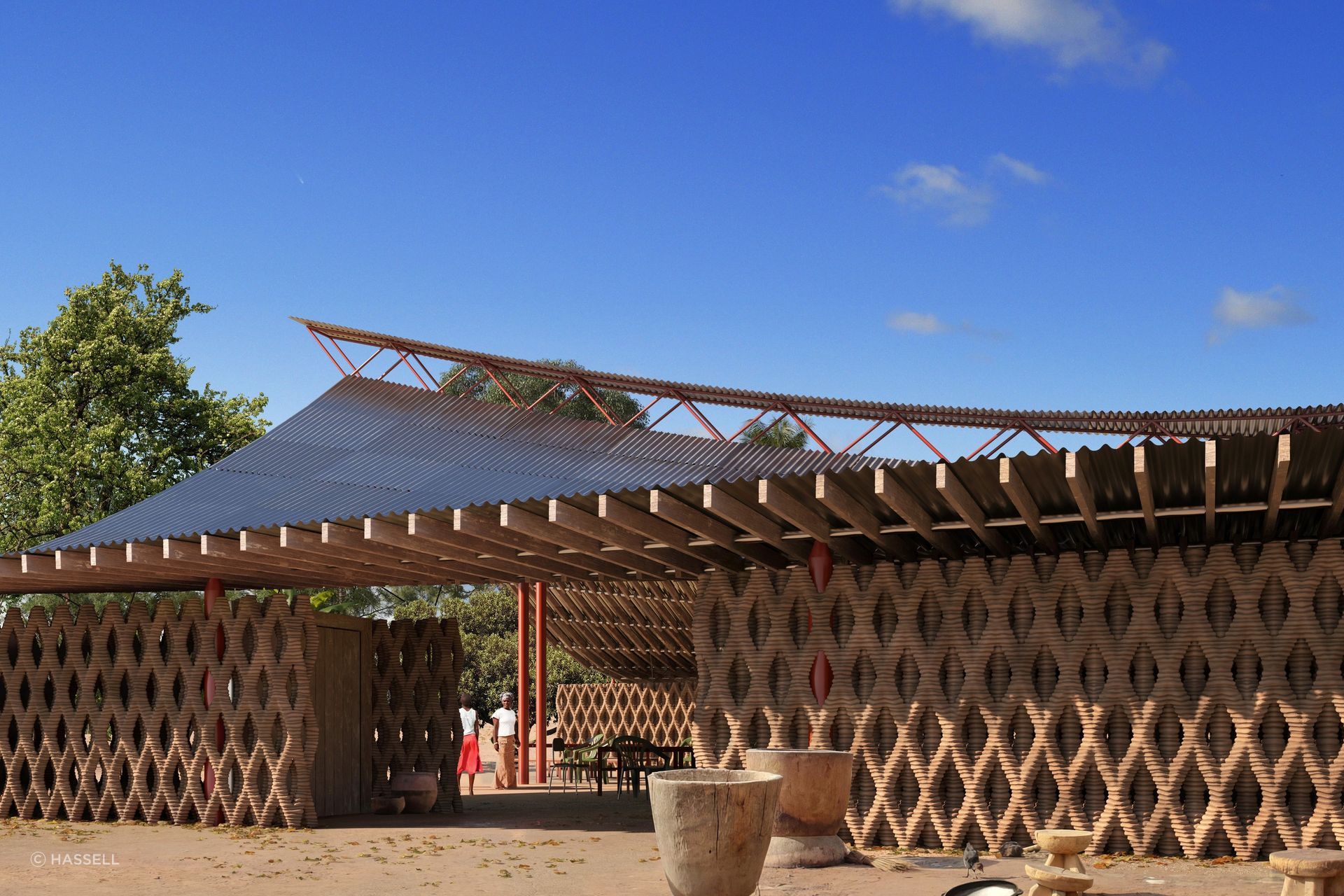
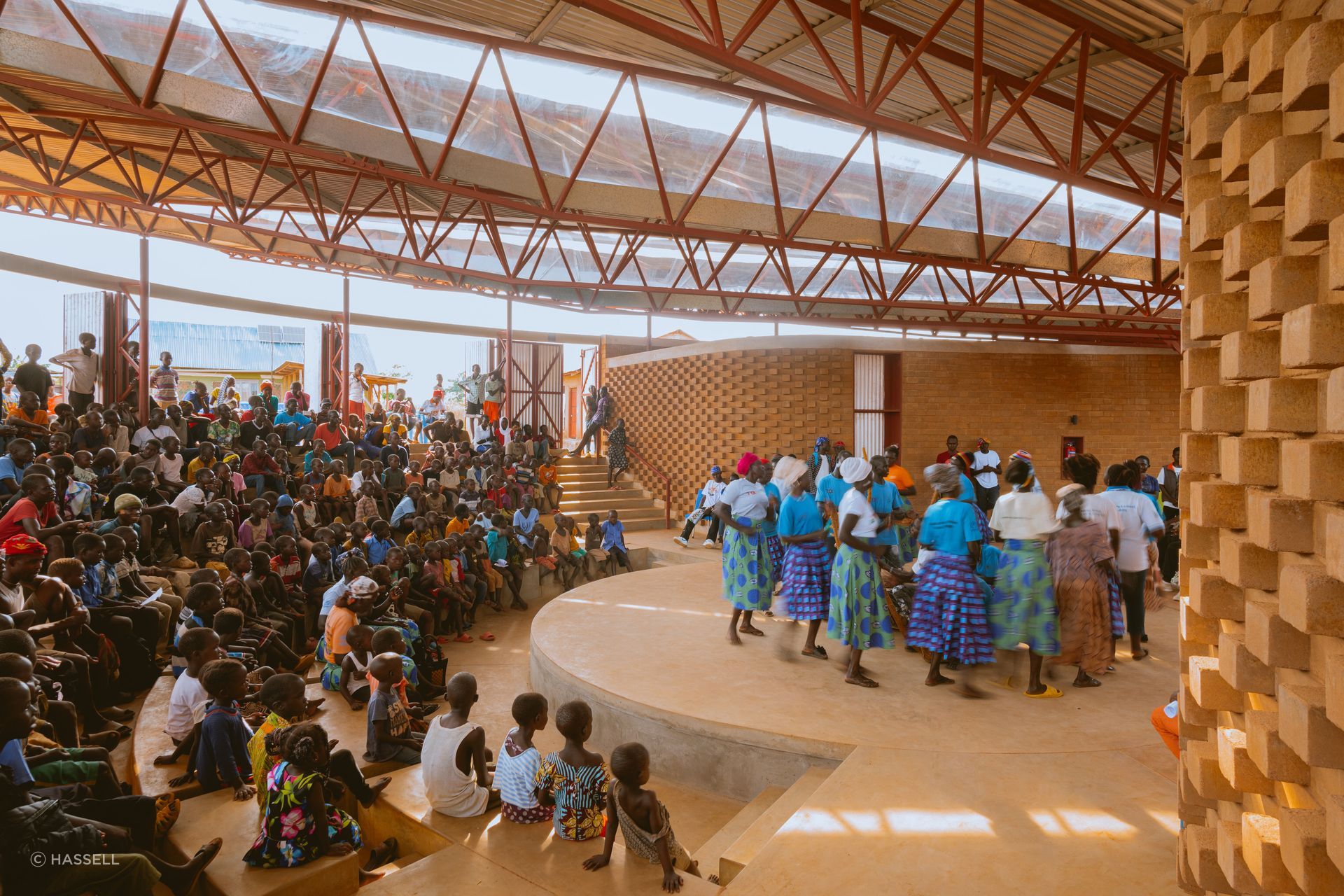
Hassell’s commitment to people extends beyond its commercial work. The practice is a certified B Corporation, a recognition of its effort to balance purpose with profit. It measures success by the quality of its design and by the difference it makes in the world. Pro bono projects form a meaningful part of this ethos. Recent projects include a community centre in Tanzania for women and children affected by abuse, and a music and arts centre for refugees in Uganda. These initiatives allow the firm to apply its skills to social challenges and to contribute where design can create tangible change.
“Being able to contribute back to community through our expertise is what motivates a lot of our people,” shares Liz.
The projects also remind teams why design matters. Each one reinforces the idea that creativity, when directed toward compassion, can have lasting impact.
As Hassell approaches its centenary, the practice continues to evolve. Westgarth sees technology as both a challenge and an opportunity. Artificial intelligence, for example, can take on repetitive or administrative tasks, allowing designers to focus on creativity and critical thought.
“We’re very focused on the impact of AI on the profession, the industry and our business, and we’re doing an extensive piece of work on how we integrate AI in a positive way that makes the teams more efficient, but frees them up to do more critical thinking and design work that AI can't do.”
Alongside innovation, sustainability remains central to Hassell’s future. The firm continues to expand its work in regenerative design, seeking ways to restore and enhance the environments it touches. Every project is an opportunity to build resilience and beauty that will endure.
From its earliest projects to its most ambitious global commissions, the firm’s longevity comes from its ability to balance innovation with empathy, and to design with both people and planet in mind.
“No matter what the size or scale, it’s about leaving it a better place,” says Liz. “We continue to be at the forefront in the regenerative design and sustainability space because we can all see that climate change is continuing to have a big impact and we want to find ways to help, to contribute and leave a more positive legacy for future generations.”