Designing outdoor rooms that actually get used: why the right blinds system matters


Outdoor rooms have become a non‑negotiable in New Zealand home design, but whether they actually get used year‑round often comes down to one quiet detail: how well you manage sun, wind and privacy. For architects, architectural designers and builders, choosing the right outdoor blinds system can be the difference between a deck that sits empty half the year and an outdoor living space that genuinely extends the home.
At Redgraves, we see this play out on site every week across Auckland – beautifully resolved louvre roofs, decking and lighting, but clients still battling glare, wind and exposure. Increasingly, Specifiers are turning to track‑guided systems such as Ziptrak® to close that gap between design intent and day‑to‑day liveability.
From “add‑on” to integrated outdoor shading
Outdoor blinds used to be treated as an afterthought – something the homeowner might add once they had lived in the house for a while. Today, with stronger sun, tighter sites and higher expectations around indoor‑outdoor flow, blinds are being designed in alongside joinery and louvres from the earliest concept stages.
Homeowners now arrive at initial meetings already talking about outdoor blinds Auckland‑wide, all‑weather deck blinds, wind‑resistant outdoor screens and Ziptrak outdoor blinds as a standard part of the brief. Folding those requirements into the initial specification means fewer compromises on structure, head heights or clearances later on.
Why track‑guided blinds are changing the conversation
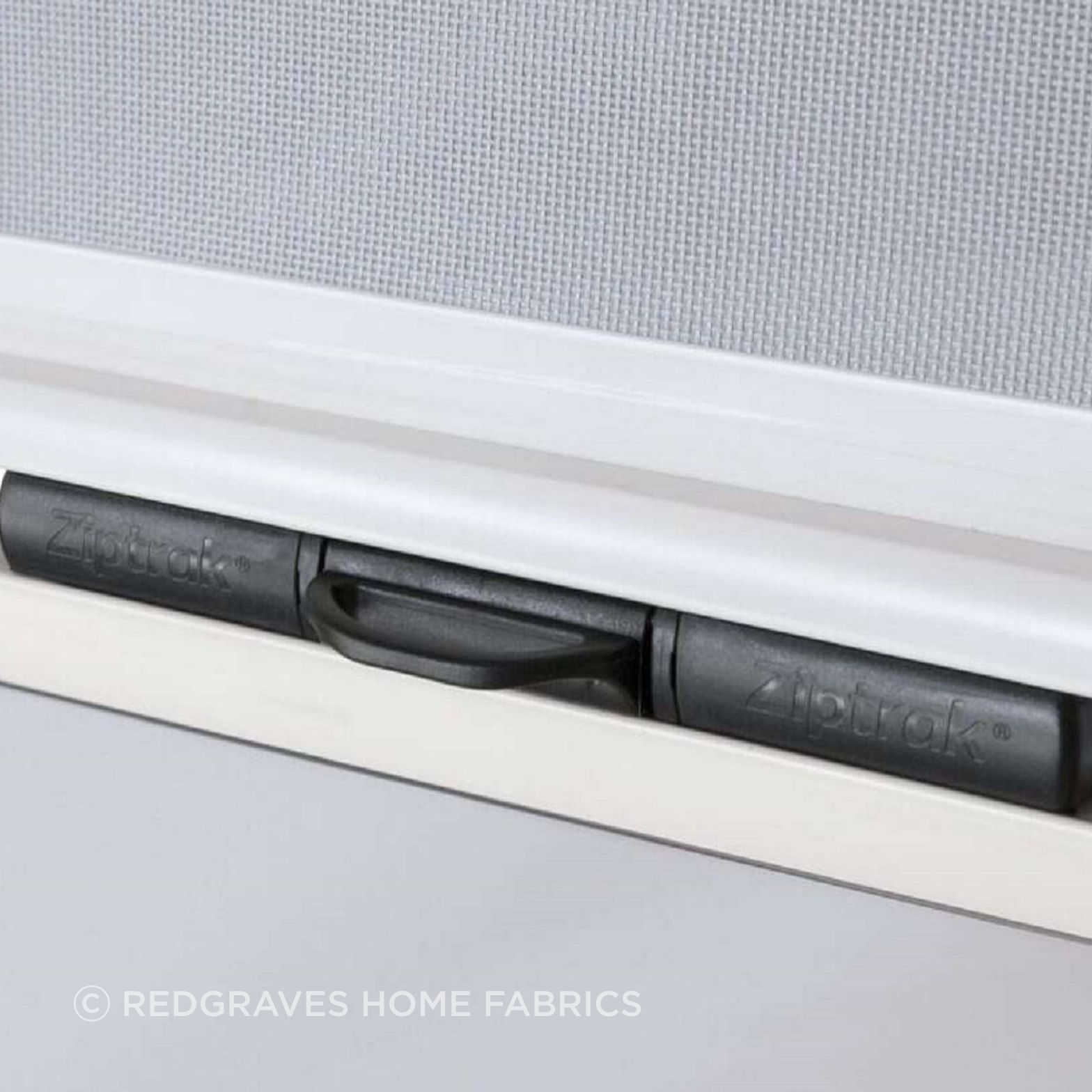
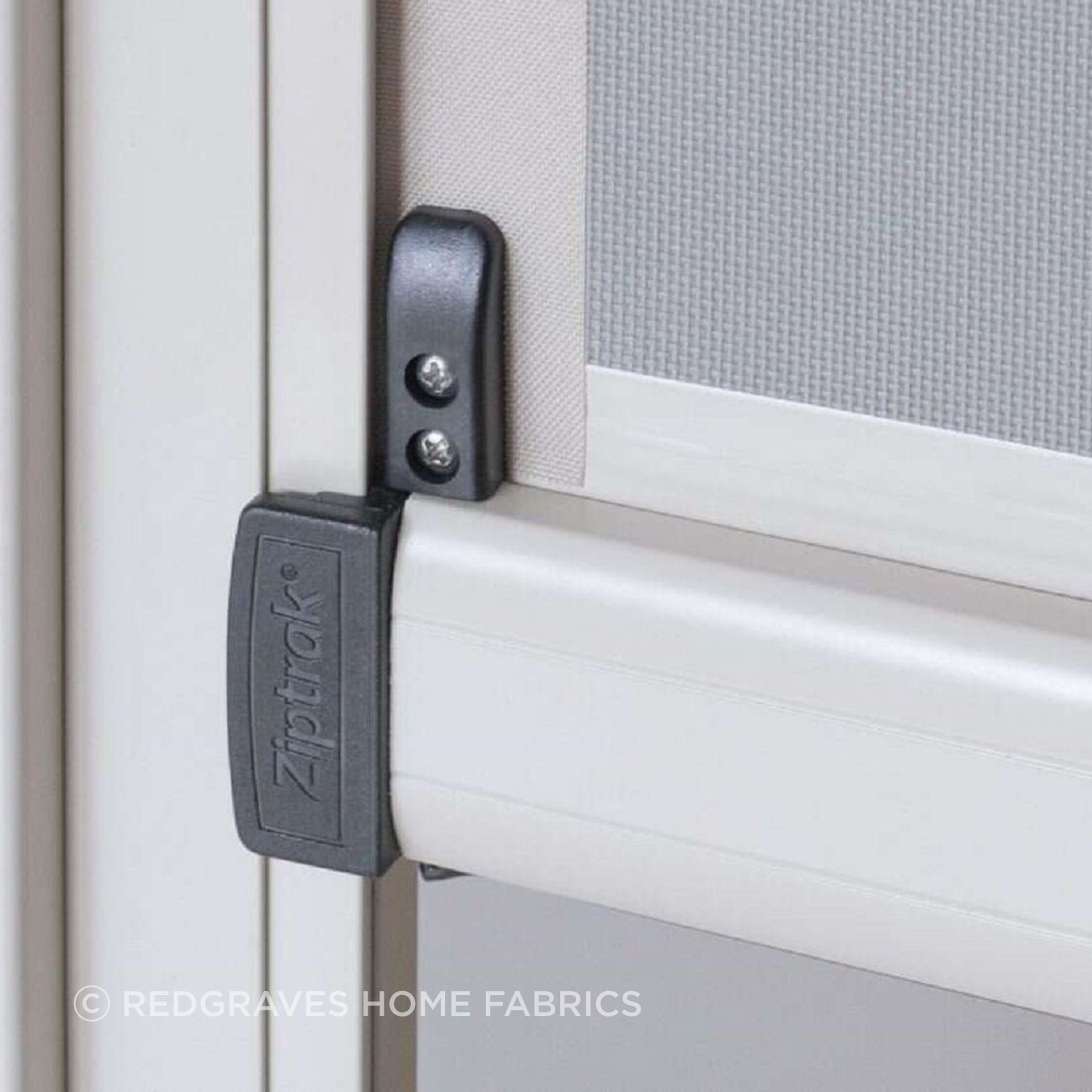
Traditional café blinds and crank‑handle awnings have served the market for years, but they come with known limitations: fabric that flaps in the wind, visible gaps at the sides and a more utilitarian aesthetic. Track‑guided systems like Ziptrak® were developed to solve those issues, using side tracks that capture the fabric and allow the blind to glide smoothly, stopping at any height.
For Specifiers, that brings several advantages:
- A cleaner, more architectural appearance, with fewer fixings and no ropes or zips.
- Much better control of drafts, insects and driven rain, due to the sealed edges.
- Quieter performance on exposed sites, with panels staying taut rather than rattling.
- Simpler operation for clients, which increases the likelihood the system will be used every day, not just on special occasions.
Clients are asking for low‑maintenance outdoor blinds, wind‑stable deck screens, easy‑to‑use outdoor blinds for louvre roofs and solutions that genuinely make outdoor living more comfortable. Ziptrak® has become a common answer because the system addresses both functional and aesthetic concerns in one solution.
Balancing view, protection and privacy
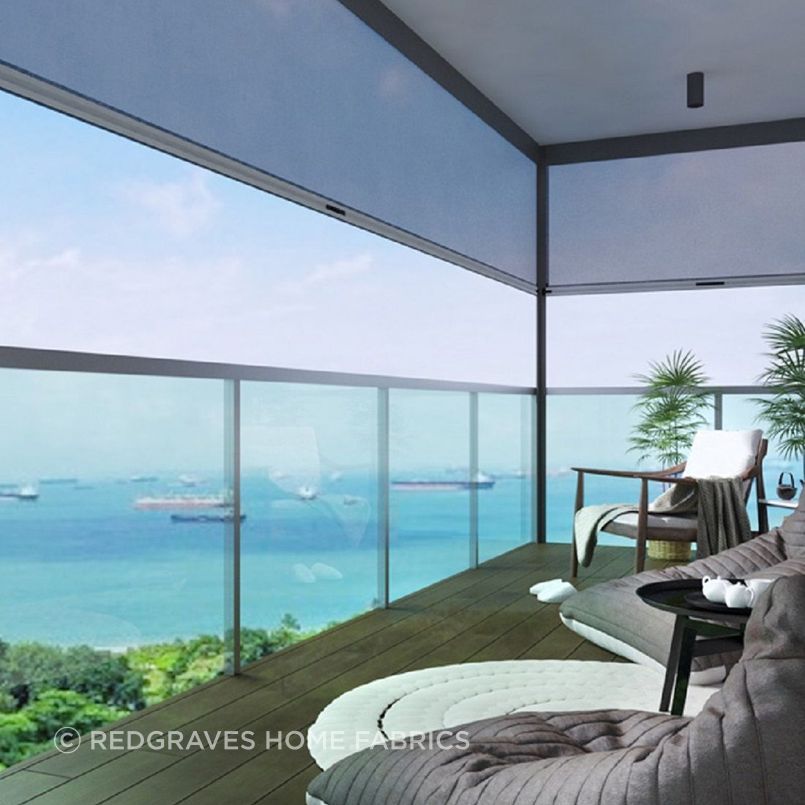
The next layer of decision‑making is fabric and configuration. For north‑ or west‑facing decks, UV exposure and glare are often the primary drivers, particularly on elevated sites where the view is a key part of the design story. In these situations, high‑performance mesh fabrics paired with Ziptrak® hardware allow homeowners to retain outlook while significantly reducing heat and brightness.
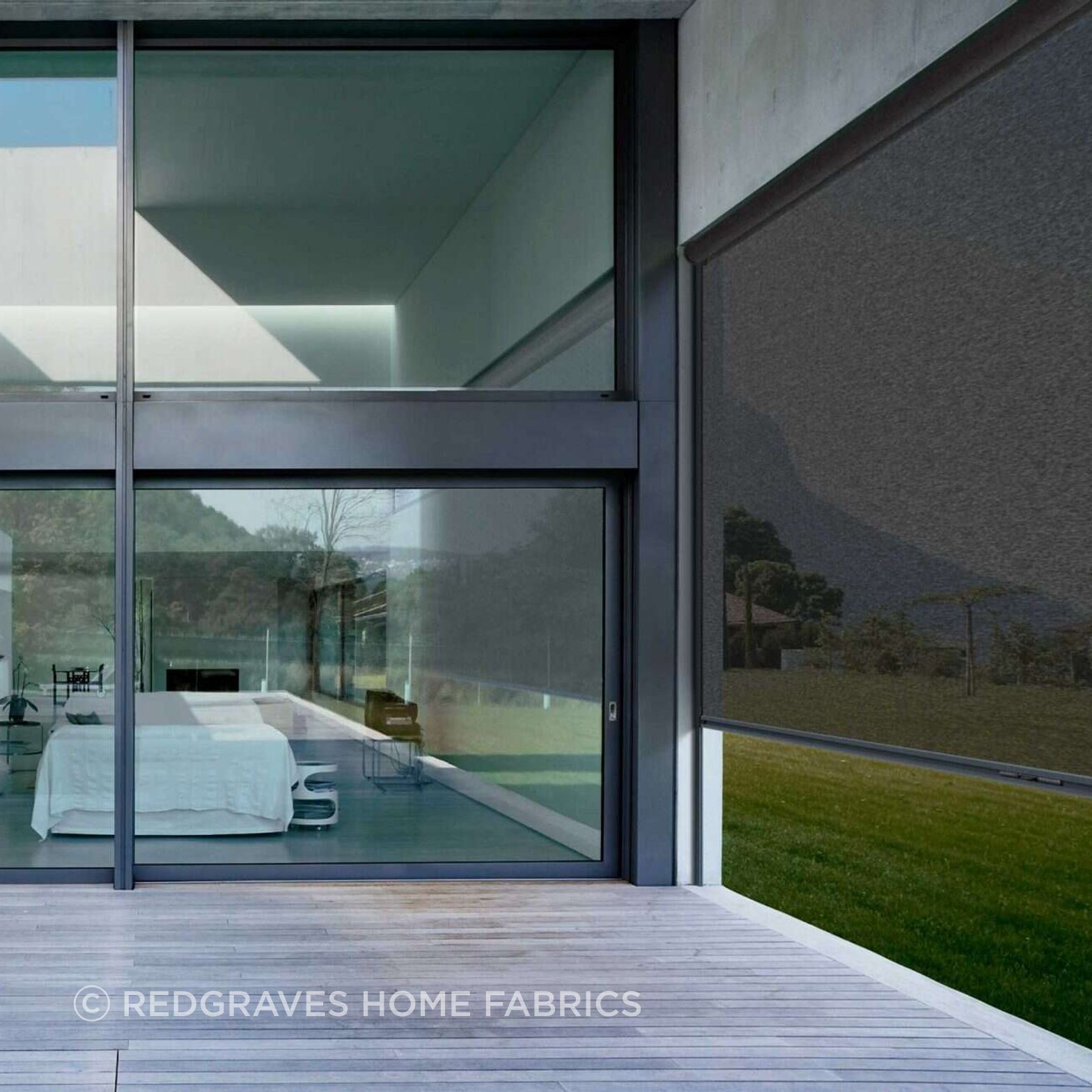
On more exposed or coastal sites, designers may prioritise wind and rain protection, specifying clear or tinted PVC outdoor blinds for maximum shelter while keeping visual connection to the landscape. Increasingly, privacy is also part of the brief, particularly in denser urban environments where upper‑level outdoor living looks straight onto neighbouring properties. Carefully chosen mesh colours and openness factors can soften sightlines and deliver effective privacy blinds for balconies and decks, without sacrificing natural light.
Across all of these scenarios, there is strong demand for clear PVC outdoor blinds in New Zealand, mesh outdoor screens for wind and sun, and the best blinds for exposed decks that can stand up to local conditions.
Designing for structure, tolerances and automation
From a construction perspective, outdoor blinds introduce structural, clearance and detailing considerations that are easier to resolve when they are on the drawings from day one. Headboxes, fixing points, recesses and interface details with beams or louvre roofs all have recommended tolerances that influence how cleanly the system can be integrated.
As more clients ask for motorised outdoor blinds, smart home outdoor shading and automated Ziptrak blinds, early coordination with electrical and automation consultants becomes just as important. Loadings, cable routes, control locations and future serviceability all need to be considered alongside aesthetics. Our role at Redgraves is often to work with the design team pre‑build, so the placement of pelmets, channels and motors is resolved before framing and cladding are locked in.
The Redgraves approach: technical detail with design intent
For more than 60 years, Redgraves has sat in that intersection between design vision and on‑site practicality for window furnishings and, increasingly, outdoor shading. We regularly partner with architects, architectural designers and builders across Auckland, providing detailed advice on how systems like Ziptrak® will perform in specific orientations, wind zones and use cases.
On a typical project, that might include:
- Reviewing concept drawings and 3D models to identify where outdoor blinds will add real value.
- Advising on ideal fixing substrates, clearances and maximum spans for each opening.
- Recommending fabric types and colours that work with both the architecture and the interior palette.
- Coordinating automation requirements and future access for maintenance.
Because our team handles measure, fabrication coordination and installation, we are accountable for the whole journey – which reduces risk for Specifiers and gives homeowners a single, reliable point of contact.
Meeting clients where they are
The way clients research projects has changed. Before they ever walk into a showroom, many will have already explored options for outdoor blinds for louvre roofs, Ziptrak blinds for coastal homes and Auckland outdoor blinds specialists as part of their planning. When they arrive at your practice or on site, they are looking for you to validate, refine and contextualise what they have found.
By aligning your specifications with proven systems like Ziptrak® – and partnering with a specialist installer who understands both the product and the build process – you can confidently answer those questions with solutions that have been tested across many similar projects. That is where Redgraves aims to sit: as a quiet, technically capable collaborator in the background, helping you deliver outdoor rooms that genuinely work, long after the project photos are taken