Gas Fireplace vs Electric Fireplace

Written by

Haus Collective

29 May 2026

 • 

8 min read

banner
A fireplace decision usually starts with atmosphere, then quickly becomes a question of practicality. In the gas fireplace vs electric fireplace debate, the right answer depends less on which is “better” in general and more on how you want the space to feel, perform and function day to day.

For some homes, a real flame is non-negotiable. For others, design flexibility, simpler installation and low-maintenance operation matter more. If you are selecting a fireplace for a new build, renovation or interior refresh, it helps to weigh the visual effect alongside heat output, running costs and the realities of installation.


Gas fireplace vs electric fireplace: what changes the decision?


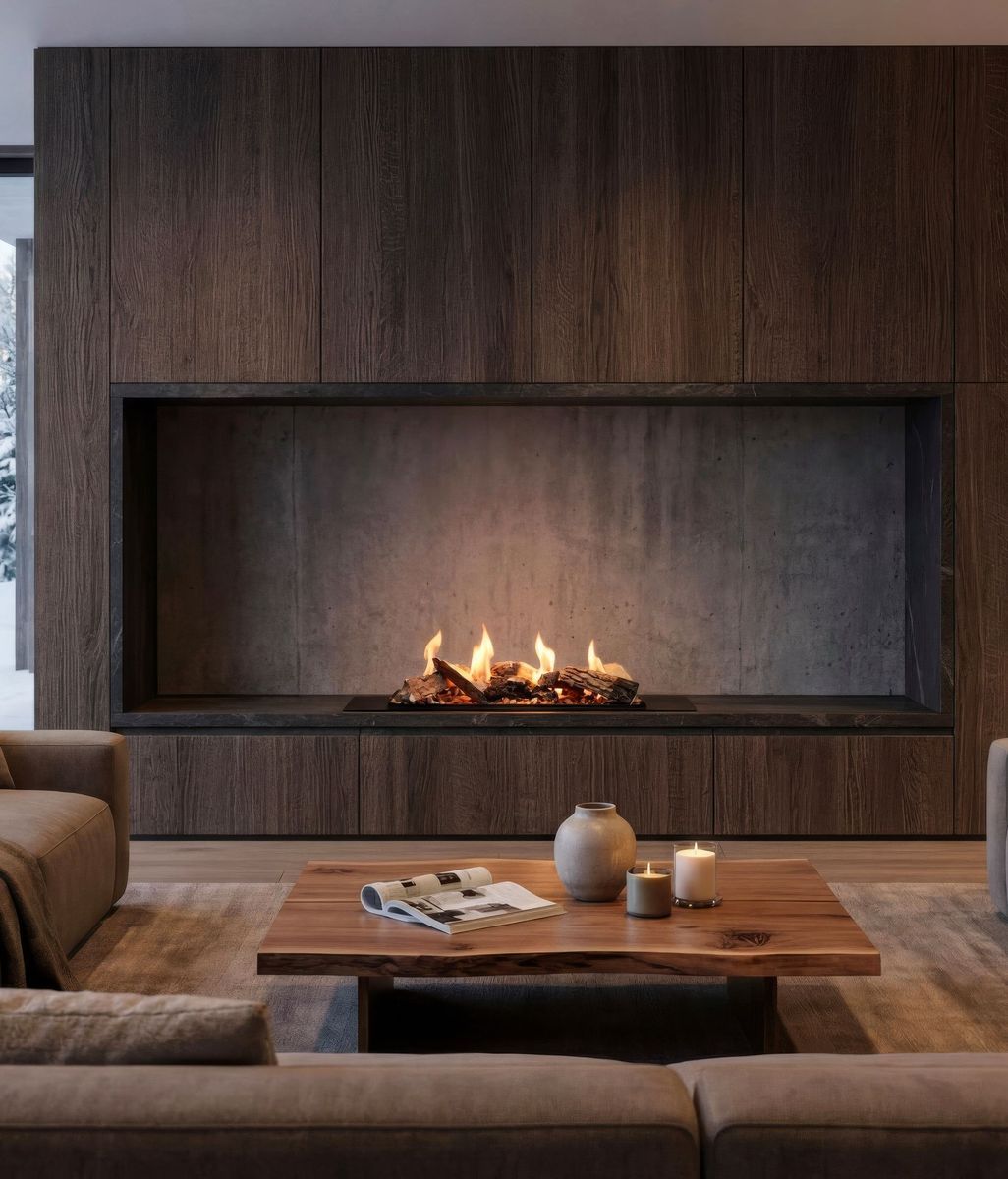
Both options can deliver a strong architectural focal point, but they create a room in different ways. A gas fireplace brings real flame, natural movement and a more traditional sense of warmth. It often suits living areas where the fireplace is intended to anchor the room, especially in homes with layered materials such as natural stone, timber and textured finishes.

An electric fireplace offers a cleaner installation pathway and greater freedom in where the unit can be placed. It can work beautifully in contemporary interiors where a slim profile, minimalist framing or integrated joinery detail is part of the brief. The flame effect is simulated rather than real, but many newer models present a refined visual result that feels elevated rather than artificial.

The main shift in the decision comes down to whether you are prioritising authentic flame and stronger heat performance, or simplicity and design versatility.


Heat output and room performance


If heating capacity is a major part of the brief, gas often has the edge. Gas fireplaces generally produce stronger, more effective heat for larger living spaces and open-plan rooms. In cooler months, that matters. A fireplace that looks beautiful but struggles to warm the area can become more decorative than functional.

This does not mean electric fireplaces are purely visual. Many do provide usable heat, especially in smaller rooms, apartments, bedrooms or secondary living zones. They can be ideal where the goal is to take the chill off a space rather than heat a large family area for hours at a time.

Room size should drive this part of the conversation. A compact media wall in a snug lounge has different needs from a wide feature fireplace in an open-plan kitchen, dining and living zone. Ceiling height, insulation and glazing also affect how well either option performs.


The look and feel of the flame


This is where personal preference matters most. Gas fireplaces produce a real flame, and that changes the atmosphere immediately. There is depth, irregularity and a subtle unpredictability to real fire that many homeowners and designers still prefer. In spaces built around material richness, that quality can feel especially convincing.

Electric fireplaces have improved significantly in visual realism, but the effect is still curated rather than natural. That is not necessarily a drawback. In very clean, highly resolved interiors, an electric flame can actually suit the aesthetic better. It delivers ambience without the same visual intensity, and many units allow the flame effect to operate independently of the heater, which is useful in Australia where you may want the look of a fire without additional warmth.

If the fireplace is intended as the emotional centre of a room, gas often feels more substantial. If it is part of a broader joinery or wall composition, electric may offer the cleaner fit.


Installation requirements and design freedom


Installation is often the point where preferences meet reality. Gas fireplaces need access to a gas supply and must meet ventilation and clearance requirements. Depending on the model and the home, that may involve flues, external wall considerations and more planning during construction or renovation.

Electric fireplaces are generally easier to accommodate. They do not require a flue, and installation can be far more straightforward, particularly in homes where adding gas infrastructure would be complex or expensive. This makes electric a strong option for apartments, upper-level spaces, retrofits and projects where building works need to stay relatively contained.

That ease also opens up more placement opportunities. Electric units can be integrated into joinery, feature walls and bedroom installations with fewer technical constraints. For designers working to a tight interior concept, that flexibility can be valuable.

Still, easier does not always mean better. If the project already includes gas and the fireplace is intended as a major living-room feature, the additional planning for a gas unit may be well worth it.


Running costs and long-term value


Running costs vary depending on usage patterns, local energy pricing and the efficiency of the specific unit. There is no universal winner. A fireplace used occasionally for ambience has a different cost profile from one used daily as a significant heat source.

Gas can make sense when you want meaningful heat output over extended periods, particularly in larger rooms. Electric may suit households that use the fireplace more selectively or value the ability to switch the flame effect on and off with minimal fuss.

Upfront cost also matters. Gas fireplaces can involve higher installation costs because of flues, gas connections and compliance requirements. Electric fireplaces often present a lower barrier to entry, which can free up budget for surrounding finishes such as stone cladding, a custom mantle or more detailed joinery.

Viewed over the life of the project, value is not just about bills. It is also about how often the fireplace will actually be used, how well it suits the space and whether it enhances the overall design outcome.


Maintenance, cleaning and everyday use


Electric fireplaces are typically simpler to live with. There is no real flame, no ash and fewer servicing considerations. For many homeowners, that convenience is part of the appeal. Turn it on, enjoy the effect, turn it off. The experience is straightforward.

Gas fireplaces are still relatively easy compared with solid-fuel options, but they do require more attention than electric. Regular servicing is important, and the unit should be maintained properly to keep it operating safely and efficiently.

If the fireplace is going into a holiday home, guest room or low-use area, electric may be the more practical choice. If it is going into the main living zone of a forever home, the added maintenance of gas may feel minor compared with the atmosphere it delivers.


Which suits your style of home?


The gas fireplace vs electric fireplace question is also a design question. Gas fireplaces tend to complement homes where material depth is central to the scheme – think natural stone surrounds, textural walling, warm timber tones and generous living spaces that invite lingering. They bring a sense of permanence and can make a room feel grounded.

Electric fireplaces often suit sharper contemporary lines, especially where the fireplace is integrated into a pared-back wall or joinery composition. They can be excellent in homes where the look needs to remain refined and controlled, or where structural constraints make a gas installation less desirable.

Neither option is limited to one style. A beautifully selected electric unit can sit comfortably in a luxurious interior, and a gas fireplace can feel perfectly at home in a contemporary build. What matters is the relationship between the fire, the materials around it and the way the room is meant to be used.


Choosing for a new build or renovation


In a new build, you have the advantage of planning early. That makes gas more achievable if it aligns with the design intent, because ventilation, cabinetry, wall framing and services can all be resolved from the outset. It also gives you time to think through scale, viewing angle and how the fireplace will connect to adjacent finishes.

In a renovation, electric can sometimes be the smarter path simply because it avoids more invasive works. Not every renovation calls for that compromise, but many benefit from it. When the goal is to transform a room without reopening major services, electric often offers a cleaner route to the end result.

For projects across Brisbane, the Gold Coast, Sunshine Coast and Northern Rivers, climate also shapes the choice. Winters are milder than in southern regions, so some homeowners place more value on ambience and visual impact than on maximum heat. In that context, an electric fireplace can be a very sensible specification. Others still want the richness of real flame, particularly in larger homes or elevated hinterland settings where evenings cool down properly.


The better fireplace is the one that fits the brief


A good fireplace does more than heat a room. It sets tone, anchors materials and influences how a space is experienced after dark. Gas offers authenticity, stronger warmth and a more elemental presence. Electric offers flexibility, simplicity and a polished visual result with fewer installation constraints.

If you are choosing between the two, start with the room rather than the product. Consider how often you will use it, what kind of heat you expect, how important a real flame is, and how the fireplace will sit within the broader palette of stone, joinery and architectural detail. The clearest choice usually appears when the practical brief and the design brief are considered together.

When that balance is right, the fireplace does not feel like an added feature. It feels built into the life of the home.