How Climate Shapes Sleep in Australia


Australia’s climate has quietly shaped how people sleep for generations. The relationship between Australia and climate is written into daily routines as much as it is into landscapes.
Long summers, mild winters, coastal humidity, inland heat, and sudden evening temperature drops have encouraged a preference for breathable blankets and light, adaptable layers instead of heavy bedding. Architecture and culture reinforce the habit. Together, they form a sleep style built around airflow, flexibility, and natural fibres.
This is not a trend. It is a pattern learned slowly, through weather, homes, and everyday living.
A country that never quite cools the same way
Australia has various climate zones, so it does not offer a single version of cold.
In Sydney, winter evenings soften quickly. In Melbourne, temperatures shift within hours. In the north, humidity never truly leaves. Inland, the heat releases sharply after sunset. Even Tasmania’s chill rarely settles in for long without interruption.
This variability has trained people to dress their beds the way they dress themselves: in layers.
Rather than committing to a single heavy duvet for months at a time, Australians tend to build warmth gradually. A cotton sheet. A light blanket. Another layer if needed. Something that can be folded back at 2 a.m. and returned by morning.
Breathability matters more than bulk. Movement matters more than insulation.
How does weather affect sleep?

Weather shapes sleep in subtle ways, particularly in a country defined by shifting conditions. The rhythms of Australian climate and weather influence how easily the body cools, how heat is released through the skin, and whether warmth settles or moves on.
Temperature influences how easily the body cools. Humidity affects how efficiently heat is released through the skin. Airflow determines whether warmth settles or moves on. On warmer nights, the body works harder to lower its core temperature, and rest becomes lighter when heat is held close. On cooler nights, too little insulation disrupts sleep just as readily.
Over time, Australians have learned to respond rather than resist. Layers are added and folded back as the night shifts. Breathable fibres release heat and moisture instead of trapping them. Rooms are left open to the air, allowing comfort to adjust naturally.
Sleep becomes a quiet negotiation with the weather, not a battle against it.
Homes designed to let air move
Sleep habits do not exist in isolation from buildings.
Modern Australian homes are designed around airflow. Large windows, sliding doors, cross-ventilation, verandas, and open-plan layouts encourage heat to escape rather than remain trapped.
Older homes tell the same story in a different language: high ceilings, timber floors, shaded eaves, sleeping porches.
These spaces do not favour heavy bedding. Thick duvets hold heat long after the room has cooled. They interrupt airflow. They work against the architecture.
Light blankets do the opposite. They warm the body while allowing the room to breathe.
Over time, preference becomes instinct.
The quiet culture of layered sleep
Australians rarely speak about sleep the way colder countries do.
There is little ritual around “winter bedding” or dramatic seasonal changeovers. The adjustment is incremental.
A throw is added at the foot of the bed. A cotton blanket replaces a sheet. Linen remains year-round.
Children grow up learning how to uncover themselves in the night and pull layers back by morning. Adults do the same without thinking.
It becomes muscle memory.
This layered approach is practical, but it also shapes taste. Bedding is chosen not just for warmth but for how it folds, how it drapes, and how it behaves when half-used.
Soft structure becomes more valuable than density.
Why breathable fibres matter more than heavy ones
“If a fabric looks good on the shelf but fails after a few years, it is not finished.” – Petr Houf, Director, Owner and Designer
Climate alone does not explain the preference. Fibre does the rest.
Natural materials such as cotton, linen, merino wool, bamboo, and cashmere regulate temperature rather than forcing it. They absorb moisture. They release heat gradually. They adjust as the body does.
Synthetic fills tend to trap warmth in a fixed way. They create insulation, but not movement.
In warm climates, that difference is felt immediately.
A breathable blanket warms the body without creating a sealed environment. Air still circulates. Skin still cools. Sleep remains uninterrupted.
This is why cotton blankets, in particular, became deeply embedded in Australian households long before they were common elsewhere.
Cotton as quiet infrastructure
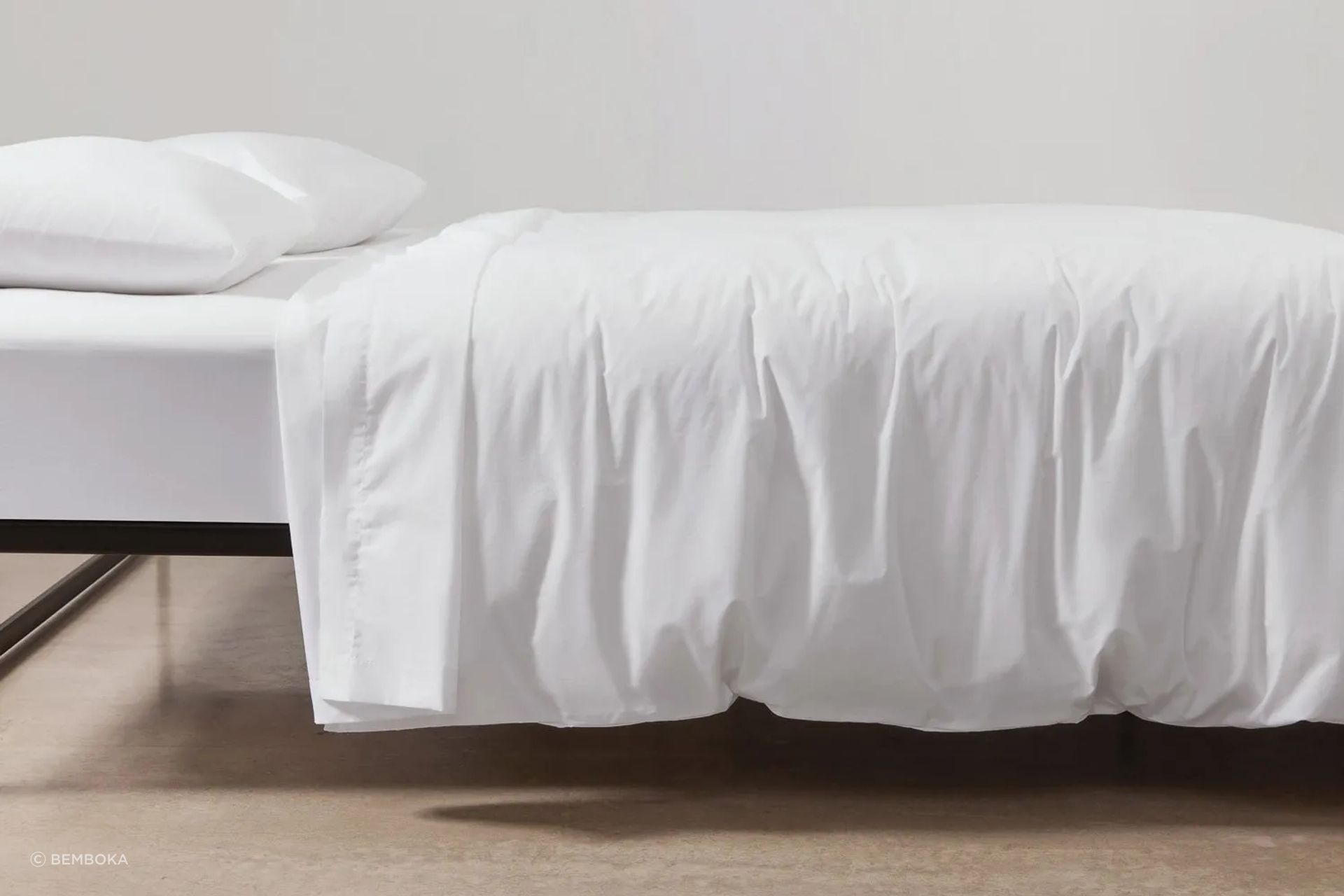
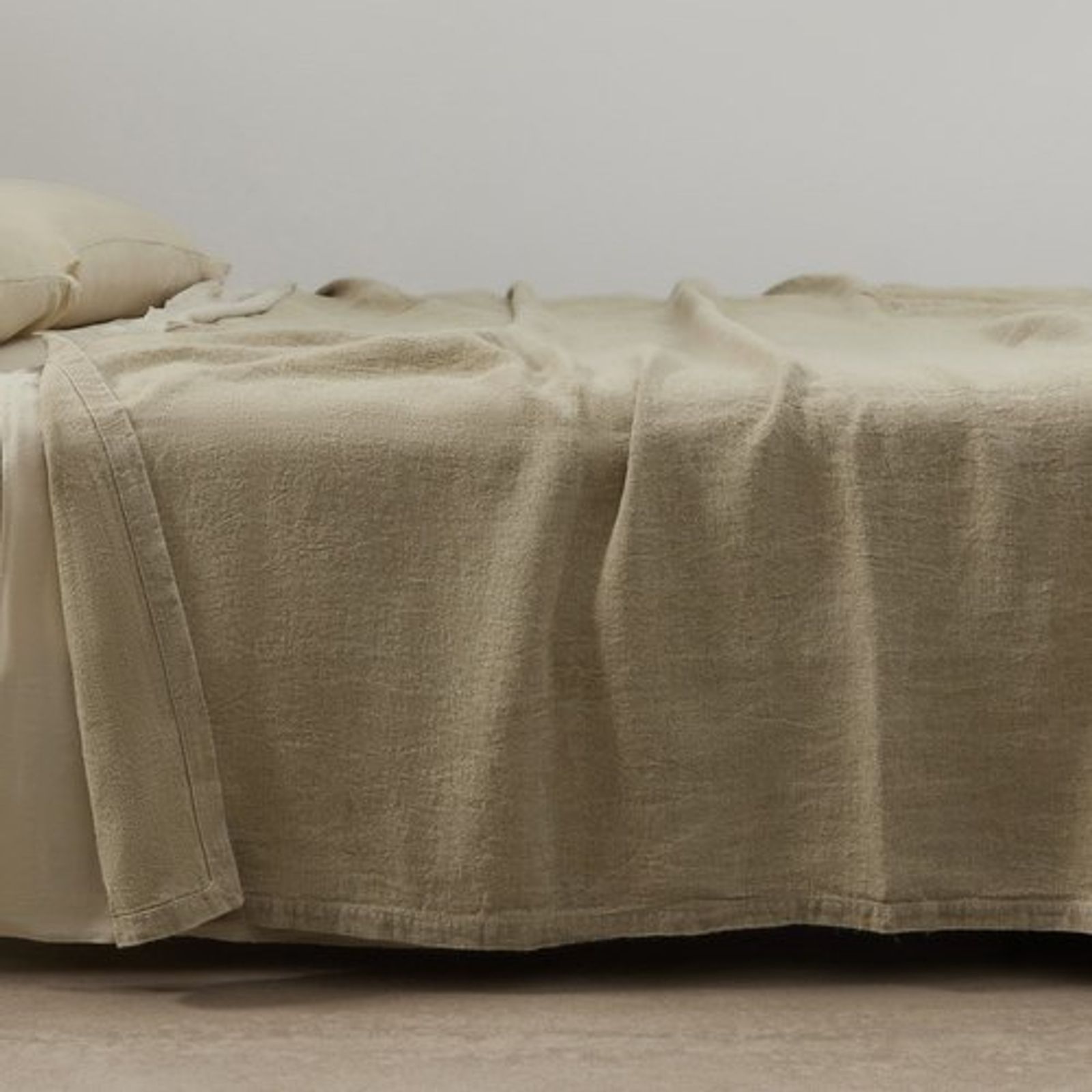
Pure cotton blankets once filled the space now occupied by duvets in colder countries.
They were unremarkable in the best sense. Washed easily in backyard laundries. Dried quickly on Hills Hoists. Folded without bulk. Patched when necessary. Replaced only when there was no alternative.
Their weight was modest, but their usefulness was constant.
In Australian homes, cotton became part of the domestic background. As expected as timber floors or open windows. Something that belonged to the rhythm of daily life rather than to decoration.
Over decades, this reliability shaped habit. People learned how to sleep under cotton. How to adjust it. How to layer it. How to live with it through shifting seasons.
Even today, many Australians struggle to explain why they prefer cotton blankets. They do not cite fibre composition or temperature control. They simply describe how they feel in the morning.
Lighter. Less restless. Unburdened.
They sleep better under them.
Linen and the language of summer
Linen carries its own climate logic.
It cools on contact. It absorbs moisture quickly. It releases heat without holding it. It dries without effort and softens through use rather than wearing thin.
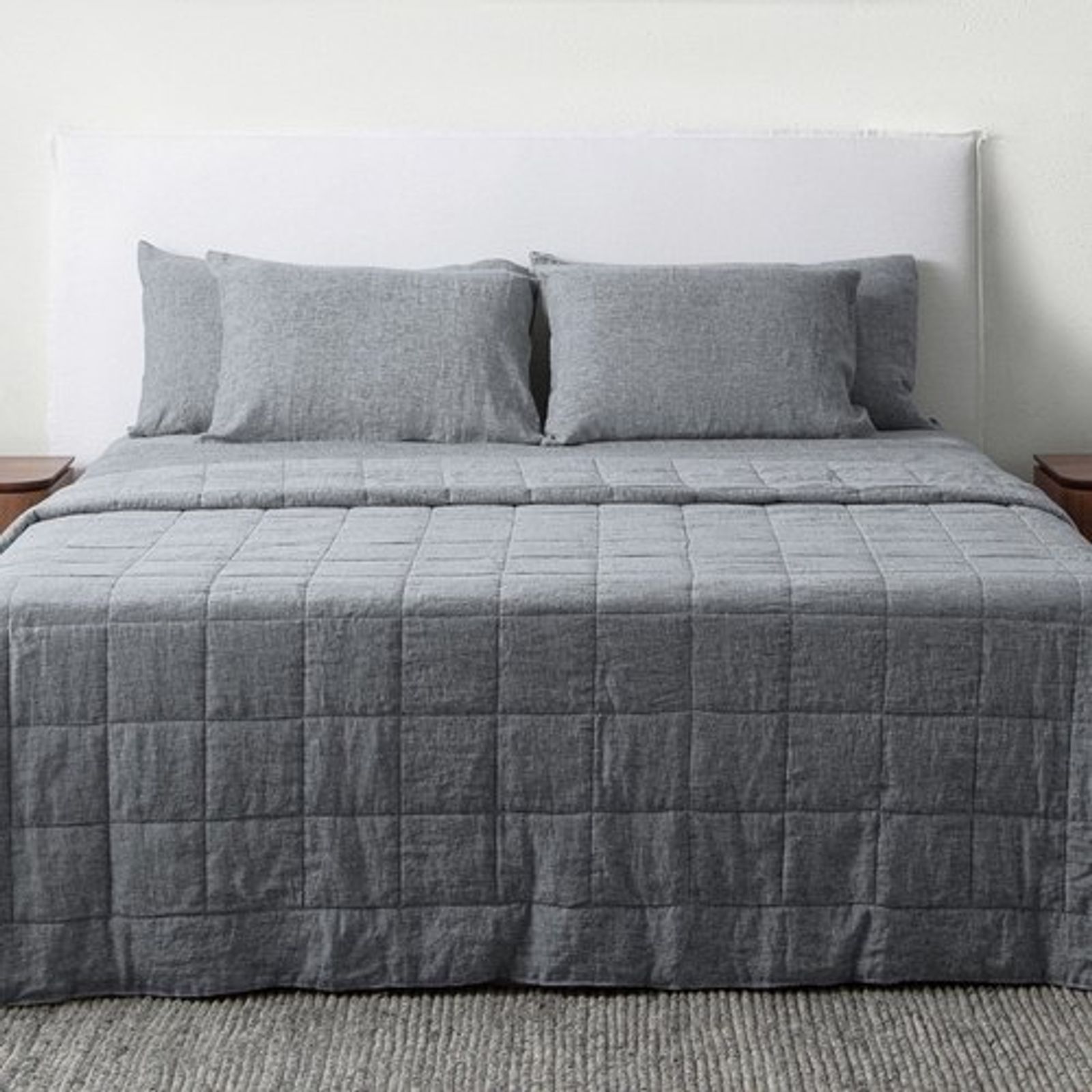
In January, when nights retain the memory of the day’s heat, linen becomes the first layer of relief. It sits lightly between skin and air, shaping comfort without insisting on warmth.
In winter, it does not disappear. It remains, paired with cotton or wool rather than replaced by them.
This continuity is telling.
In many countries, bedding changes entirely by season. Summer bedding is packed away. Winter bedding takes its place. In Australia, the system is additive.
Layers arrive. Layers depart. The base remains.
Linen becomes less a seasonal choice and more a constant presence. A quiet structure beneath everything else.
Wool without weight
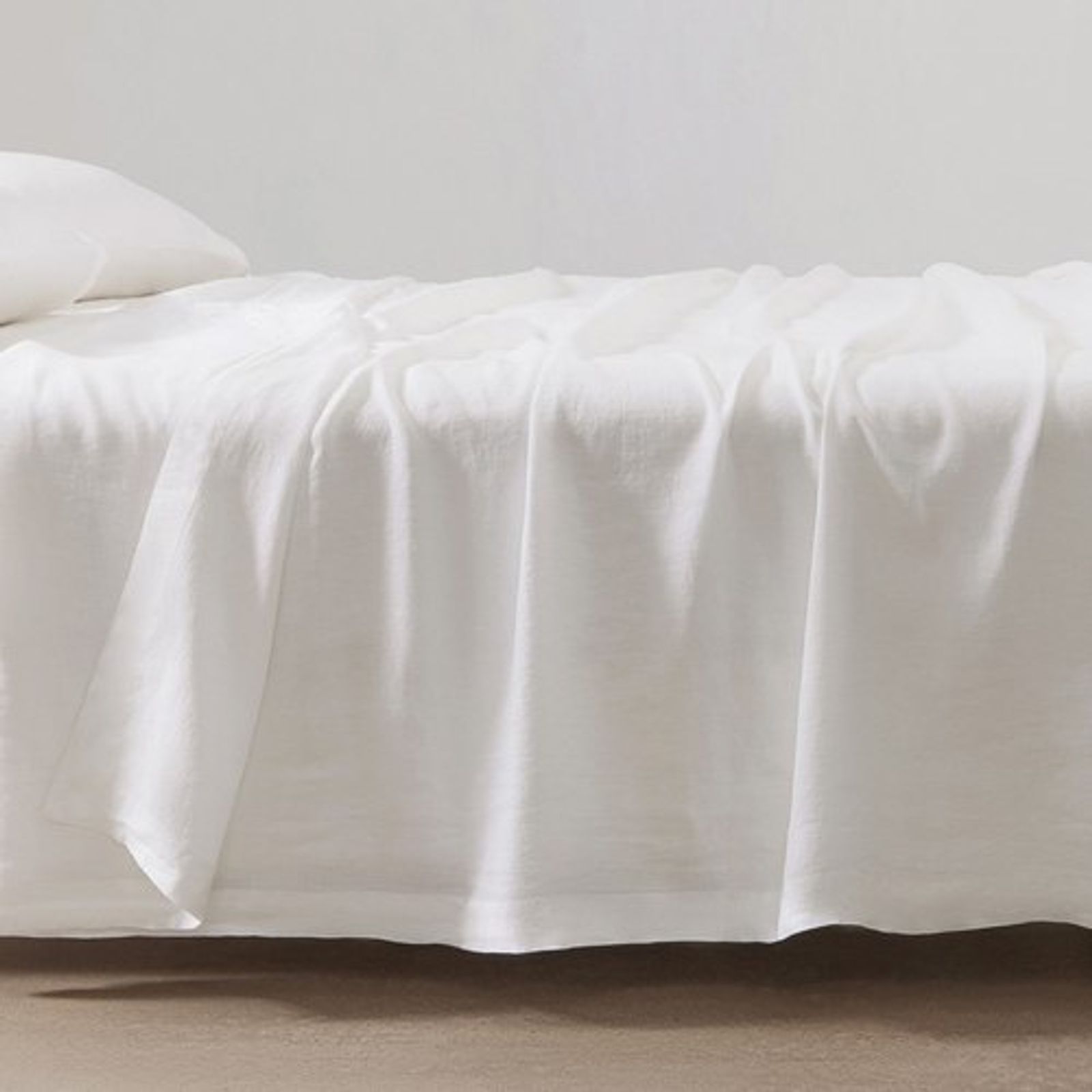
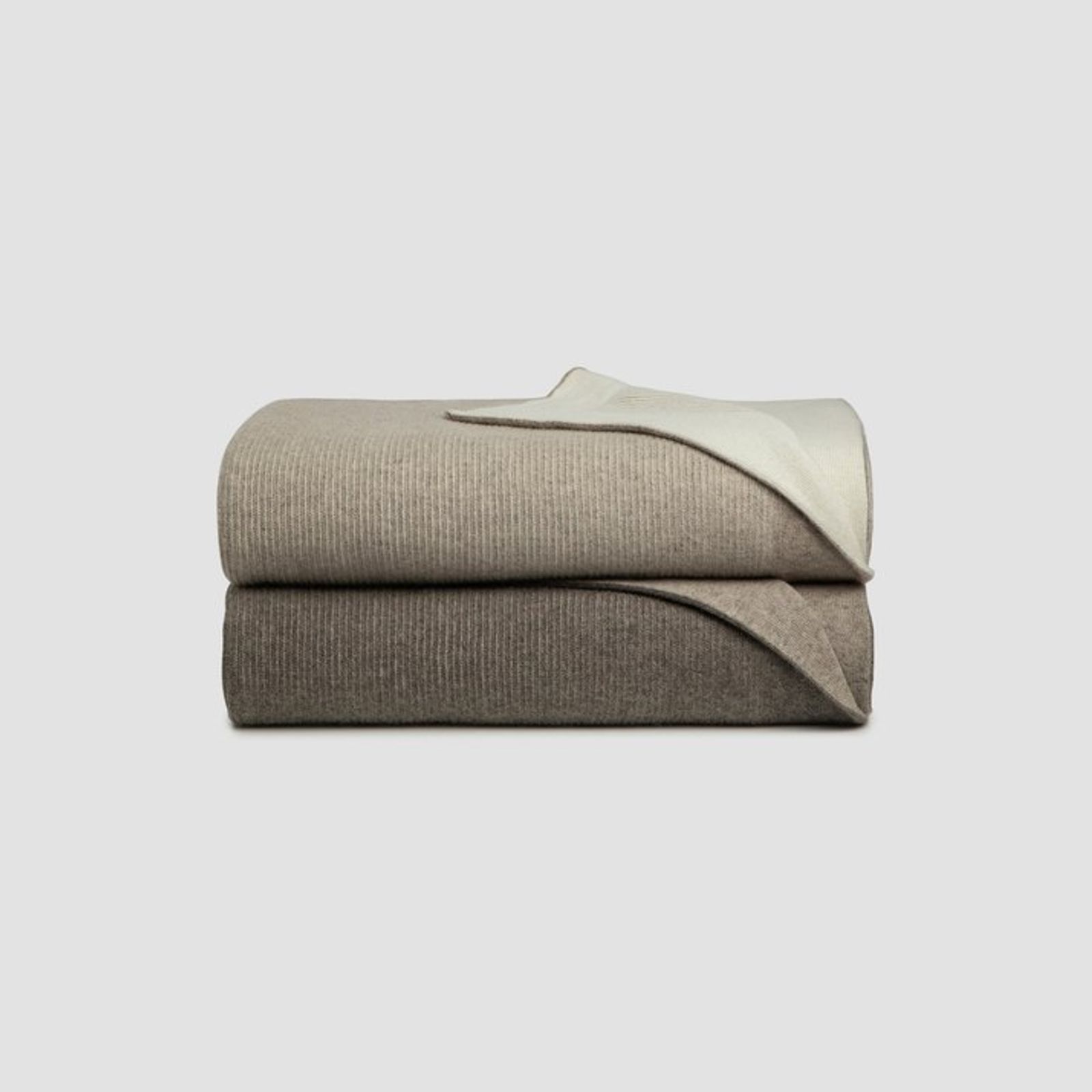
Wool may seem contradictory in warm climates, yet merino has found a permanent place in Australian bedding for the same reason cotton has: regulation.
Its fibres trap warmth in fine pockets of air while allowing heat and moisture to escape. The body remains insulated without being sealed in.
When blended lightly, merino behaves less like insulation and more like temperature moderation.
It responds.
A cool evening draws warmth from it. A warmer night releases that warmth again.
This responsiveness allows wool to exist alongside cotton and linen rather than replacing them. It becomes another layer in the system, not the system itself.
Warmth becomes adjustable, not absolute.
Sleep as a response to weather, not an escape from it
In colder regions, sleep often feels like a retreat.
Heavy curtains. Thick duvets. Closed doors. Rooms designed to separate the body from the outside world.
In Australia, sleep remains porous.
Windows stay open longer. Curtains remain light. Fans turn slowly. Air moves through rooms rather than stopping at their edges.
Bedding follows the same logic.
Rather than building a barrier against the night, layers are arranged to work with it. Covers are folded back. Pulled close again. Adjusted without waking fully.
Rather than fighting the climate, sleep accommodates it.
The result is a different relationship to night.
Less separation between inside and outside. Less urgency to insulate completely.
More awareness of temperature shifts. More acceptance of them.
Architecture, again, in the bedroom
Australian bedrooms often mirror the rest of the house.
Minimal furniture. Pale surfaces. Long sightlines. Natural light during the day. Moving air at night.
The room itself is rarely crowded. The bed is rarely buried.
Heavy bedding disrupts this balance. It gathers volume where the rest of the space recedes. It draws attention to itself. It changes the proportion of the room.
Light blankets do the opposite.
They fold neatly at the foot of the bed. They drape without insisting. They soften the geometry of the space rather than redefining it.
They become part of the architecture instead of competing with it.
This visual harmony reinforces the practical choice.
Comfort becomes inseparable from proportion.
A habit passed quietly between generations
Few Australians recall being taught how to layer bedding.
They simply inherit the behaviour.
From grandparents who slept under cotton blankets even in winter. From parents who added throws when evenings cooled. From childhood bedrooms where covers were pulled back at midnight and drawn up again before dawn.
The lesson is never formalised.
It is observed.
Cultural habits rarely announce themselves.
They settle in.
Hotels, too, follow the climate

Hospitality offers a revealing mirror.
Hotels across Australia favour breathable bedding even in their most considered rooms. Cotton sheets. Cotton blankets. Light layering that can be adjusted rather than imposed.
Guests expect this arrangement.
A heavy duvet often feels foreign. Too final. Too sealed. Too warm for rooms designed to breathe.
Comfort, here, is defined less by visual abundance than by physical ease.
Sleep quality outranks spectacle.
The modern sleeper remains unchanged
Technology has transformed many parts of daily life.
Sleep has resisted.
Australians still reach for light blankets. Still fold layers back during the night. Still value air moving through a room more than insulation sealing it off.
Smart homes have arrived. Memory foam mattresses. Temperature-controlled lighting.
The bedding remains largely the same.
Climate continues to write the script.
Architecture supports it.
Culture protects it.
The difference between warmth and ease
There is warmth, and there is ease.
Warmth can be manufactured quickly. It can be switched on. Piled on. Engineered.
Ease must be designed around.
Breathable bedding creates ease.
It allows the body to regulate itself rather than submitting to a fixed temperature. It allows sleep to deepen without interruption. It allows mornings to arrive without the heaviness that comes from overheating or constraint.
In a country where temperature shifts are constant and subtle, this flexibility becomes essential.
Why this way of sleeping endures
Because it works.
Not only in January. Not only in winter. But in the long, uneven space between seasons.
It works across coastal humidity, inland dryness, sudden cold fronts, and lingering heat.
It works in houses built for light and movement.
It works for bodies accustomed to change.
It works quietly, without ceremony.
The long influence of climate
Australia’s climate does not shout.
It teaches.
Over time, it has taught people how to build, how to dress, and how to sleep. The patterns of Australian weather and climate are carried not only in architecture and clothing but also in the small, repeated choices made each night.
Light blankets. Breathable layers. Natural fibres. Open rooms.
Not because they are fashionable.
Because they are practical.
As Petr Houf puts it:
“You learn quickly here that comfort comes from air moving, not from piling things on.”
And practicality, repeated over generations, becomes tradition.
For a closer look at how these principles shape the way bemboka designs its collections, explore the range here.