How texture can make a home feel calmer
Written by
14 September 2026
•
5 min read
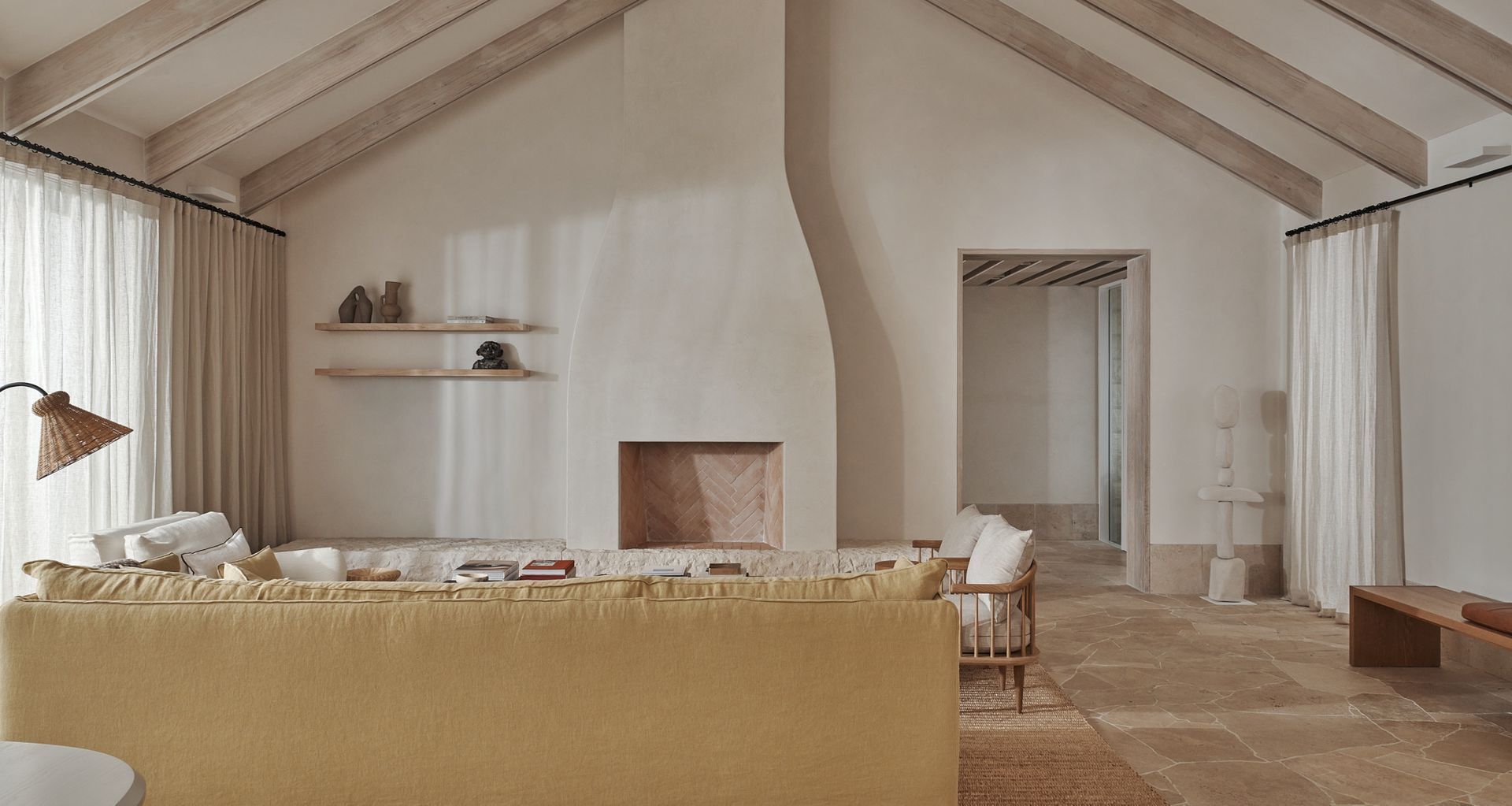
Calm is often treated as a question of colour. Warm whites, muted neutrals and earthy tones certainly play a part, but the feeling of a room also comes from what its surfaces do with light, how its materials meet and the textures noticed at close range.
An interior can be restrained without every surface being smooth or uniform. Fine grooves, woven fibres, translucent stone and visible timber grain introduce enough variation to make a room feel considered, while maintaining a quieter overall atmosphere.
This edit brings together five pieces that explore tactility at different scales, from the finish covering a wall to the furniture, objects and lighting encountered every day.
Texture begins with the surrounding surfaces
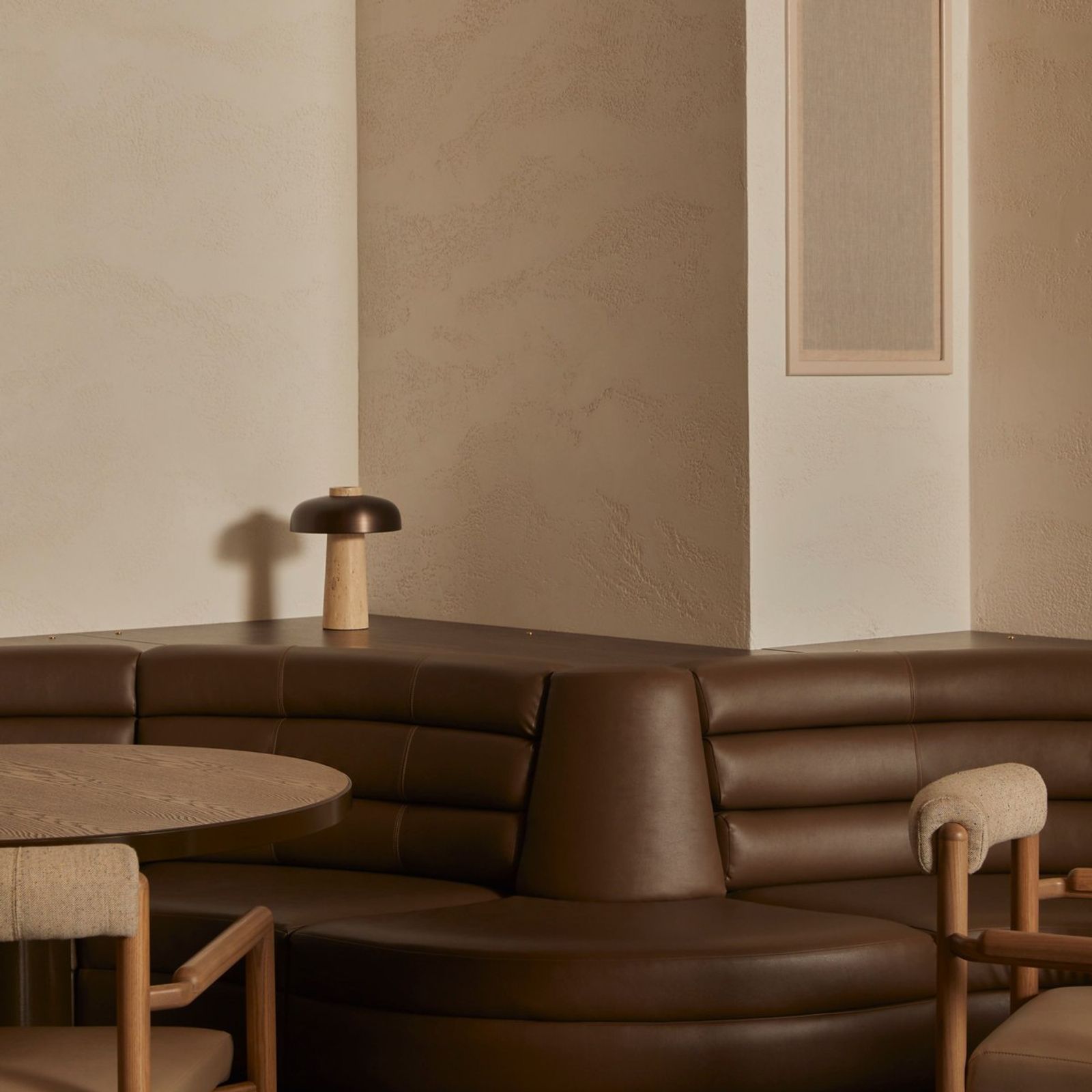
Walls establish much of the visual rhythm within a room. A textured finish can give them greater depth without relying on strong colour, decorative pattern or additional objects.
Gough by Bishop Master Finishes is installed using a technique that replicates the strata lines found in travertine and rammed earth. It can create a smooth horizontal or vertical texture across walls, ceilings, columns and joinery.
The subtle linear movement changes as light travels across the surface. From a distance, the finish can feel quiet and tonal. Up close, its layered texture becomes much more apparent.
By drawing on geological patterns rather than applying a conventional graphic motif, Gough gives the room a controlled, understated sense of movement.
Craft that remains visible
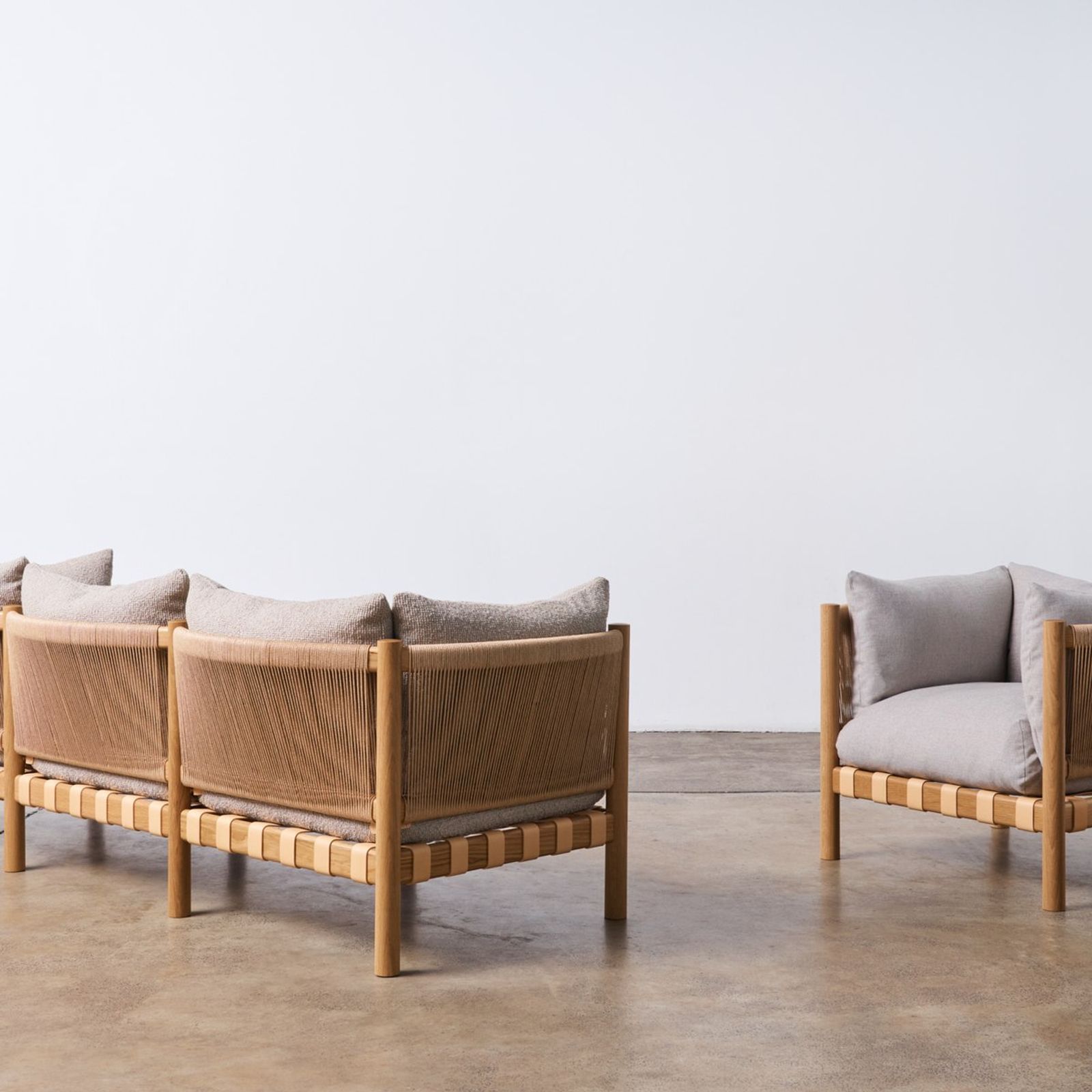
The materials and construction of furniture can also influence how calm or grounded a room feels.
Harbour Lounge Seating by Cult Design leaves much of its construction visible. Designed by Adam Goodrum, the collection combines a solid timber structure with hand-latticed leather strapping and a woven paper cord frame.
Its rounded timber form provides definition around the softer upholstered interior. The contrast allows the seating to feel comfortable without losing the clarity of its structure.
Rather than concealing the way the piece has been assembled, Harbour makes its joinery, weaving and material changes part of the experience. These details provide visual interest while keeping the overall form relaxed.
Variation gives stone its presence
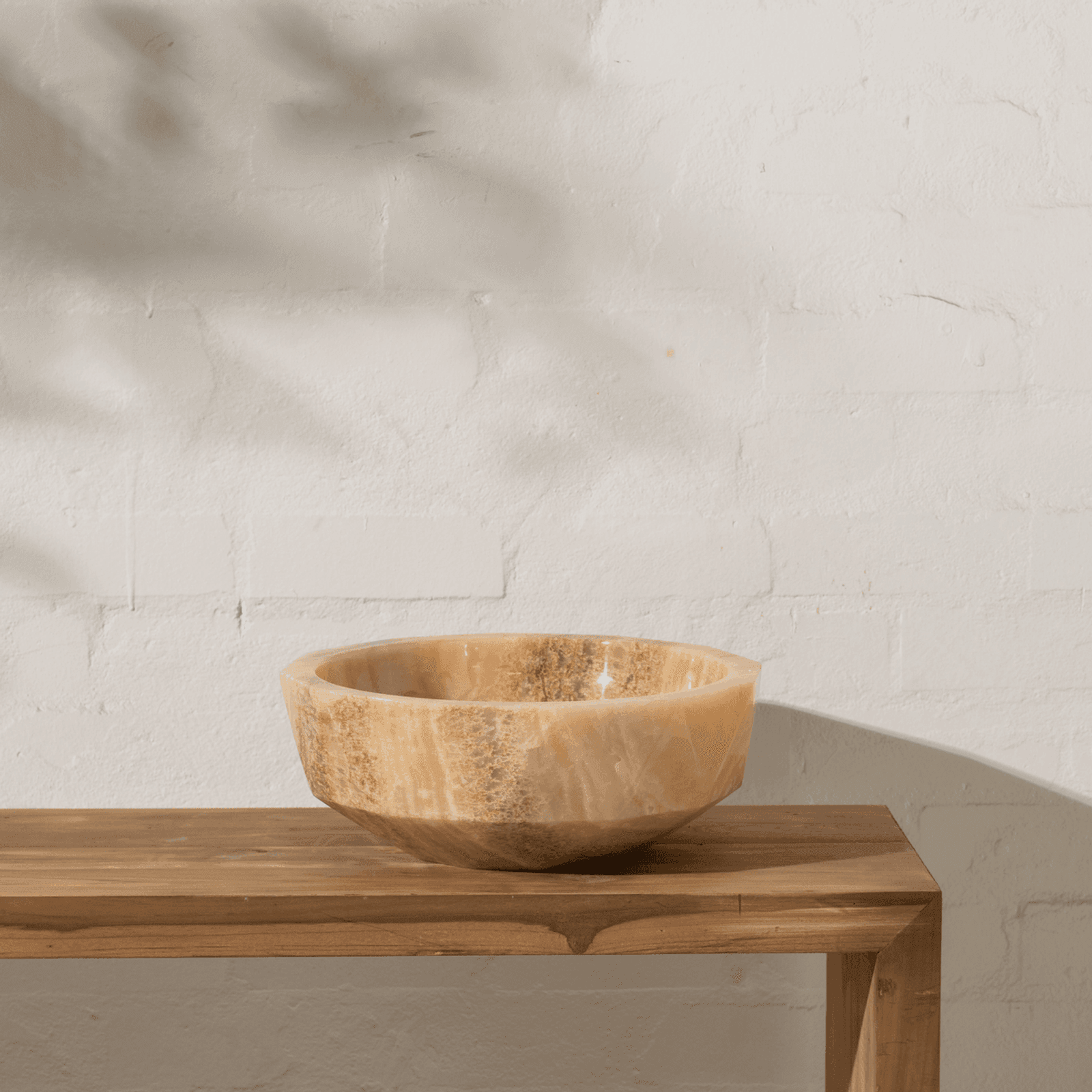
Tactility does not always need to come from a visibly rough surface. It can also emerge through the colour, translucency and internal patterning of a material.
The Rae Onyx Faceted Basin by INARTISAN is made from solid natural onyx, a stone characterised by its translucent and crystalline appearance. Each basin carries different colouring and patterning, giving the familiar bathroom fixture a more individual presence.
The faceted exterior gives the basin a defined form, while the natural movement within the stone keeps it from feeling overly precise. As light reaches the surface, its colour and depth can appear to shift.
In a bathroom, where smooth and uniform finishes are common, the onyx introduces material variation without requiring a complicated palette.
A softer layer underfoot
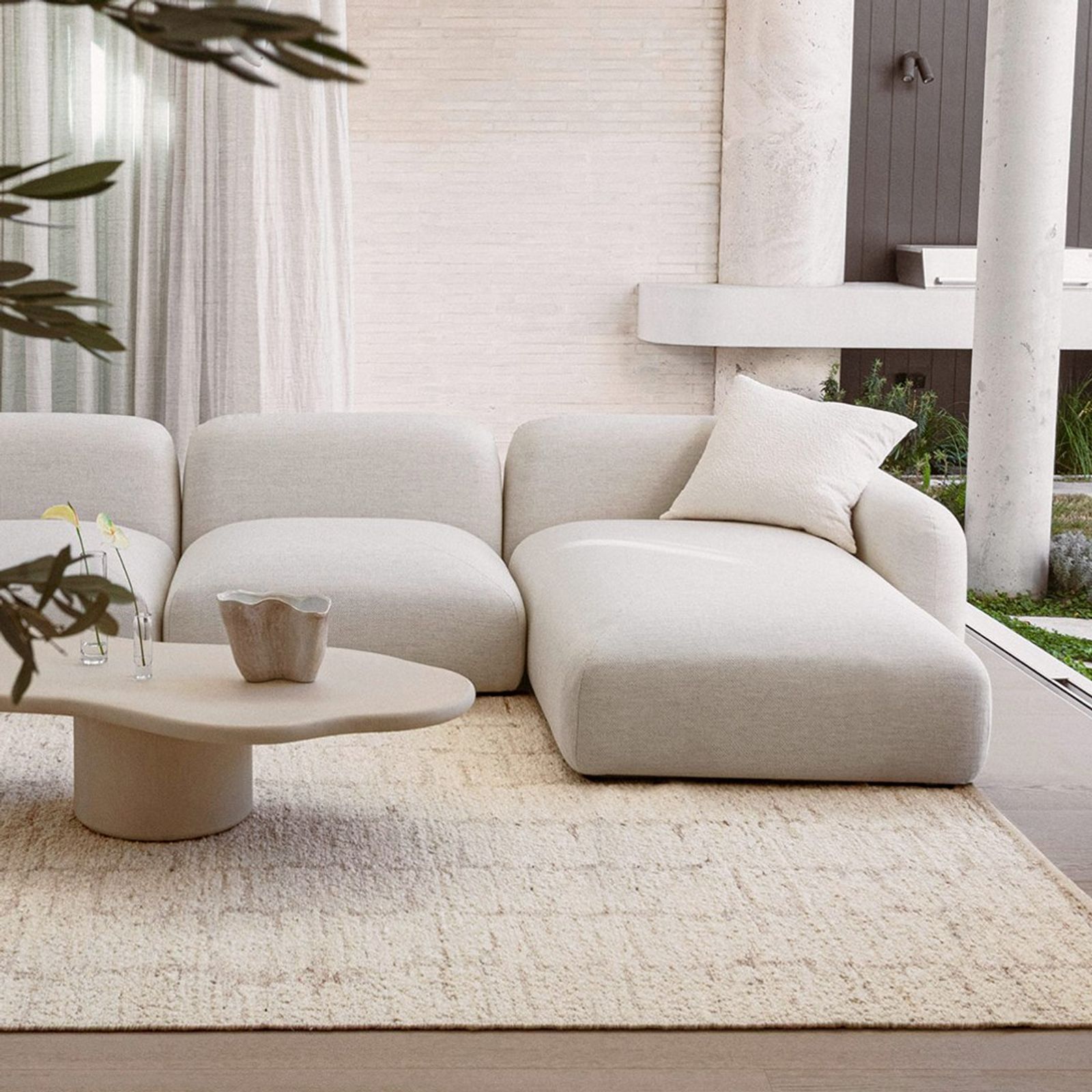
Texture also changes how a room is experienced physically. A rug can soften both the look and the acoustics of an interior while creating a more comfortable transition across hard flooring.
The Kasbah Rug in Ivory/Beige by Tallira is handwoven from wool. Its quiet ivory and beige palette allows the weave and geometric texture to become more noticeable than the colour itself.
That distinction is important to the edit. The rug doesn’t disappear into the neutral palette, but neither does it become a dominant graphic feature. Instead, its depth comes from the density of the wool and the variations created through its handwoven construction.
It introduces softness where the Gough finish, timber seating and onyx basin offer greater definition, helping the different materials feel balanced rather than repetitive.
Light as part of the material palette
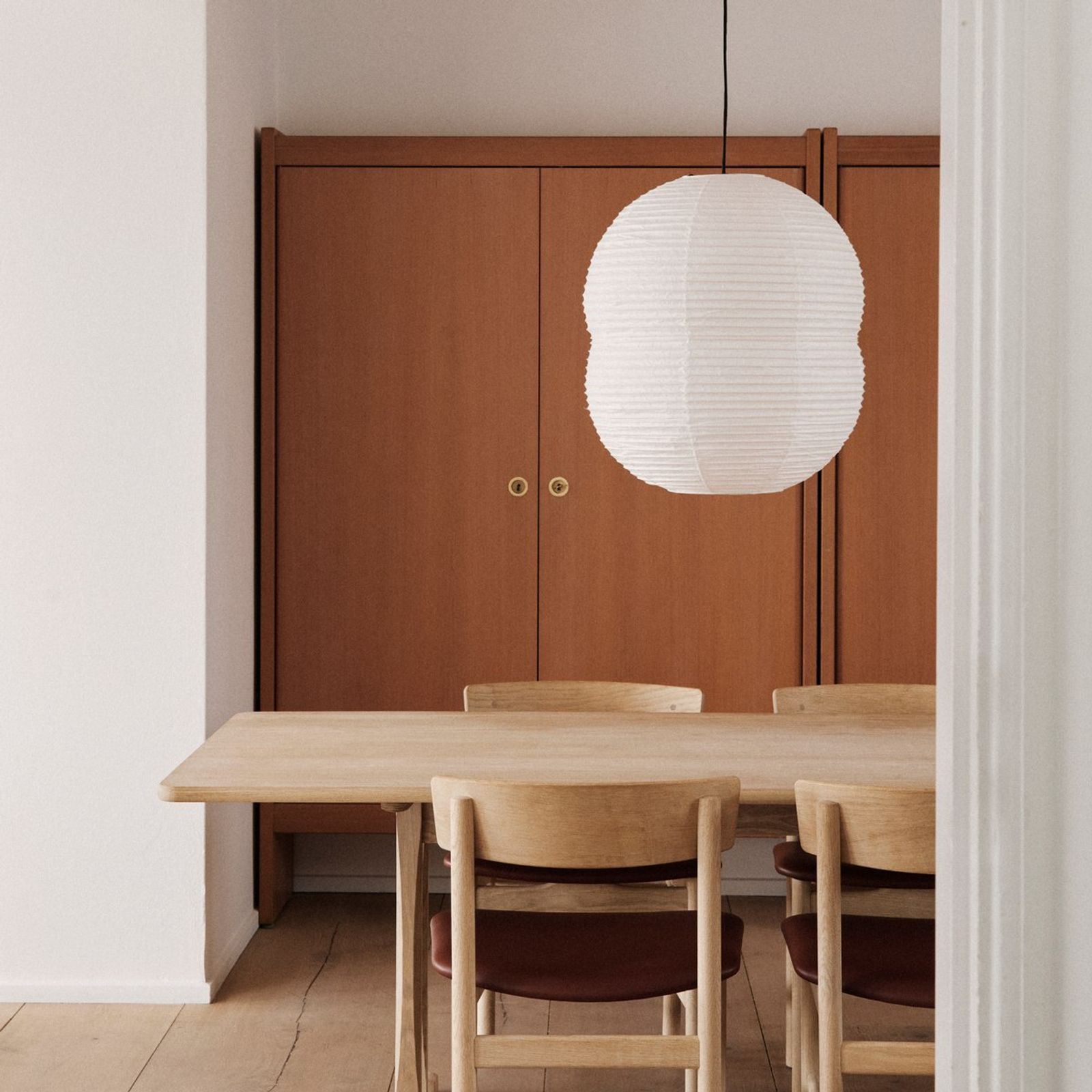
Lighting affects how every other texture in a room is perceived. A concentrated light source can sharpen contrast, while a diffused glow can soften edges and reveal gradual changes across a surface.
The Hotaru Double Bubble Pendant Light - Large from Space Furniture draws on traditional Japanese lantern-making techniques. Designed by Barber and Osgerby, the pendant is formed from translucent mulberry bark washi paper stretched across a bamboo structure.
Its paper surface filters the light while the bamboo framework gives the pendant its sculptural outline. The result is substantial enough to hold its place within the room, but visually light enough not to overwhelm the surrounding materials.
The softened illumination also allows the other elements in the edit to become more apparent, from the horizontal lines of the wall finish to the weave of the rug and the translucent patterning of the onyx.
Together, these pieces suggest that calm is not a material category. It does not require every surface to be raw, organic or naturally derived. Instead, it can come from the way texture, craftsmanship, form and light are brought into balance.
Whether the aim is to soften a single room or establish a more tactile palette throughout the home, explore finishes, furniture, bathroom products, home living pieces and lighting on ArchiPro. Discover the brands working with material, texture and craft, and find a more considered starting point for creating a calmer interior.