How to Keep Bath Towels Soft: The Art of Everyday Indulgence

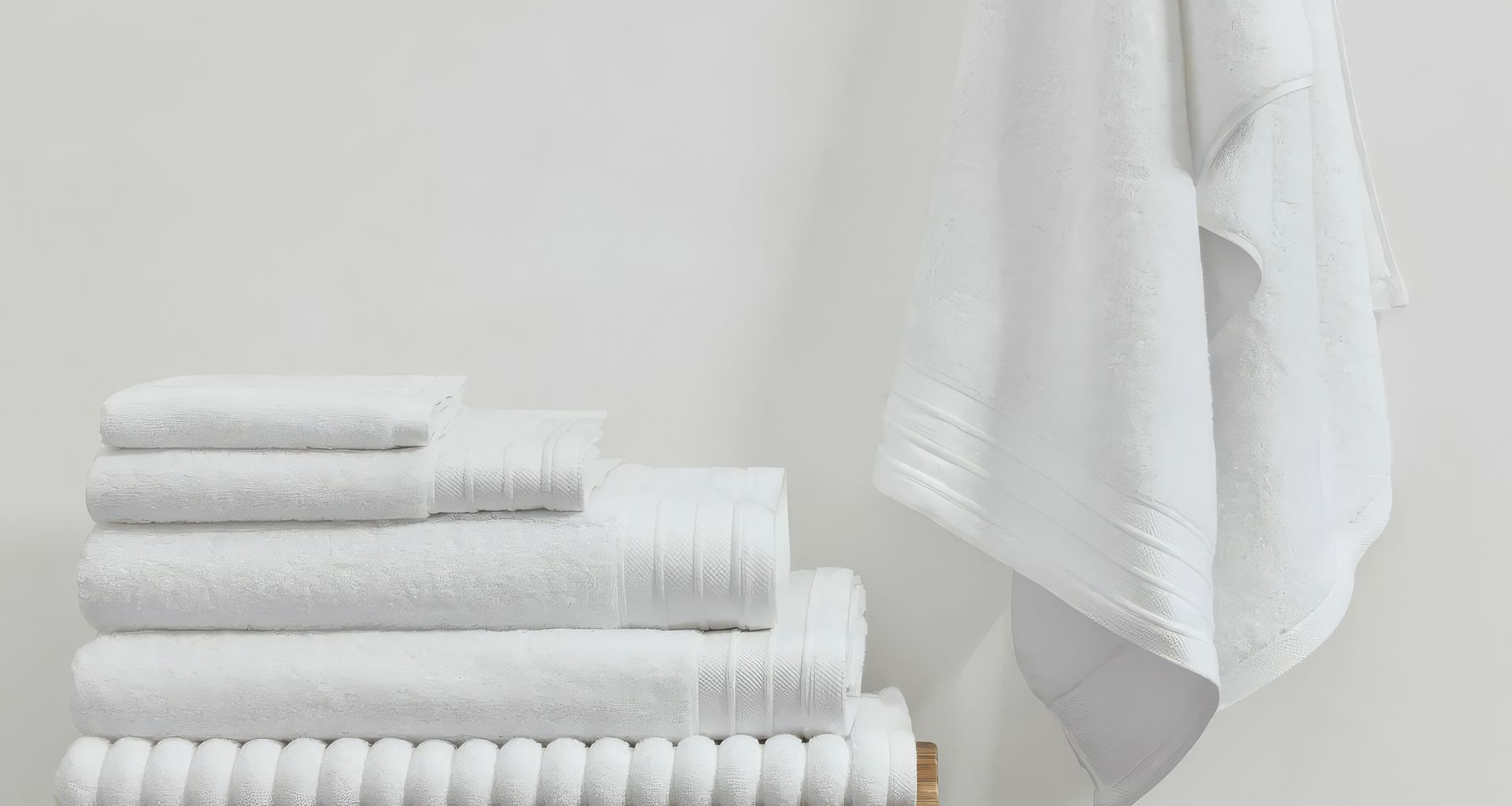
In the world of everyday luxury, a towel is not an accessory.
It is part of the rhythm of the home.
It touches the skin first thing in the morning and last thing at night.
Its texture becomes familiar. Its weight becomes expected. When it stiffens or loses absorbency, the change is felt immediately.
Soft towels are not the result of excess. They are the result of care.
So, if you have ever asked, “How do you keep bath towels soft?“, the answer is simple and practical: gentle washing, restrained products, proper drying, and fibres that are allowed to behave as they were designed to.
Softness is not added at the end. It is maintained, quietly, over time.
“Softness should come from the fibre, not from what you add to it.”
— Petr Houf, Director, Owner and Designer
Softness is a material quality, not a coating
Many modern towels feel soft in the shop but change quickly at home. This is usually because softness has been engineered on the surface using chemical finishes that wash away within weeks.
True softness behaves differently.
It comes from long fibres that bend rather than snap. From yarns that open and close with moisture. From weaves that allow air and water to move freely. Turkish cotton, for example, is valued not because it feels plush on day one but because it becomes softer through use while retaining strength and absorbency.
When softness is built into the fibre itself, care becomes a matter of preservation rather than correction.
Why towels lose their softness
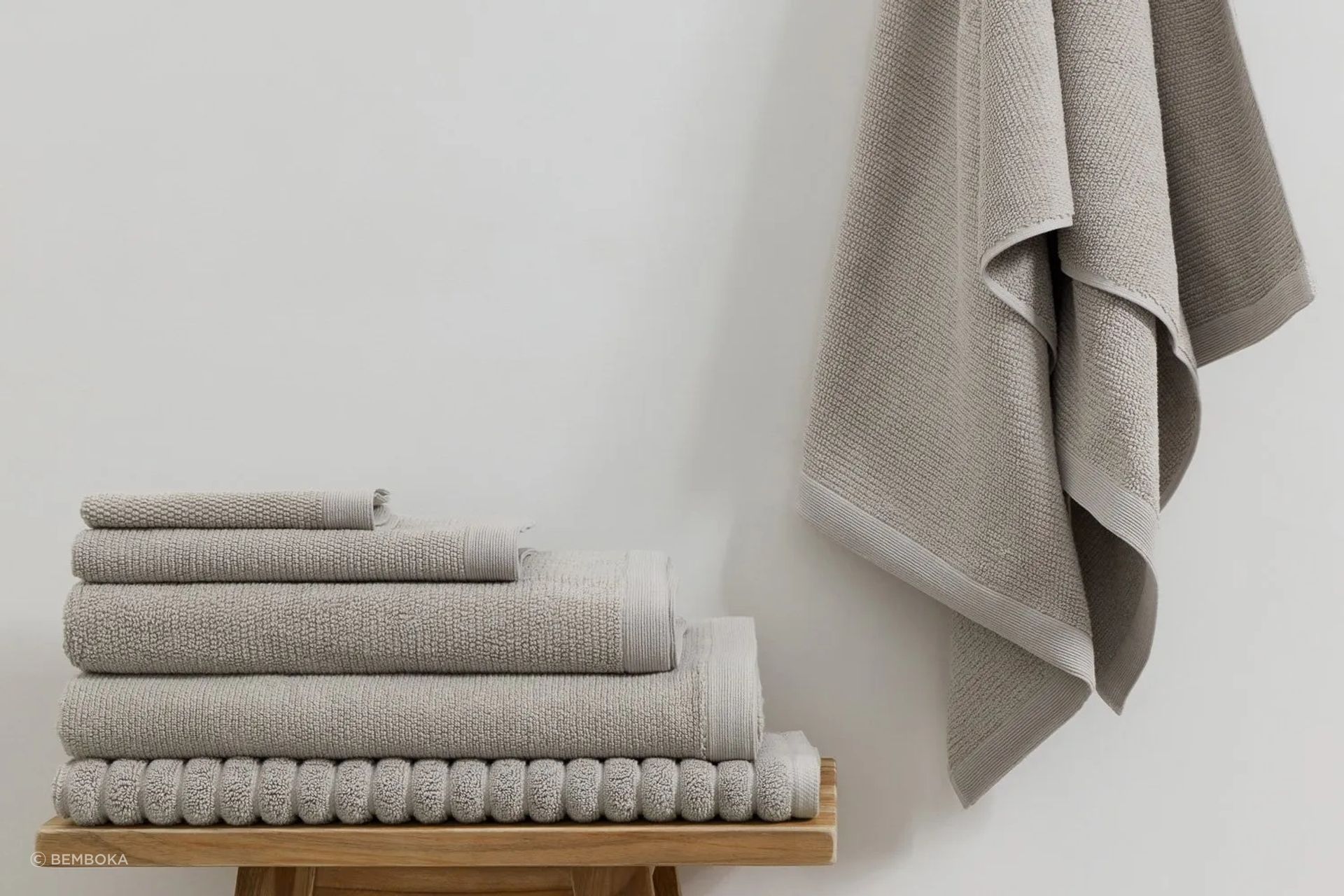
Most towels do not fail suddenly. They change gradually.
Detergent residue stiffens fibres. Fabric softener coats them. Heat compresses their structure. Overloading the machine prevents thorough rinsing. Hard water leaves mineral traces behind.
Each factor is small. Together, they create towels that feel dry, flat, and resistant rather than supple and absorbent.
Understanding this is the first step in reversing it.
Washing less, more thoughtfully

One of the most common questions is simple: How do you wash bath towels so they stay soft?
The answer is not intensity, but restraint.
Soft towels do not require aggressive cleaning. They require regular, thoughtful cleaning.
For everyday use, washing every three to four uses is enough to remove body oils and moisture without stressing the fibres unnecessarily. Washing too often accelerates wear. Washing too rarely allows residue to build.
Use a mild liquid detergent. Powder detergents often fail to dissolve fully in cooler water and can lodge between fibres.
Measure carefully. More detergent does not mean cleaner towels. It means more residue is left behind.
Many people also ask, “How to stop towels from going hard?”. In most cases, stiffness is simply the result of product build‑up and over‑washing rather than age.
Avoid bleach unless absolutely necessary. It weakens cotton fibres over time and contributes to the dry, brittle feeling many people associate with old towels.
The quiet harm of fabric softener
Fabric softener is often marketed as essential to softness. In reality, it does the opposite over time.
It coats fibres with a thin layer of silicone or fat-based compounds. Towels may feel smooth initially, but their ability to absorb water is reduced, and the coating attracts further residue from detergents and minerals in water.
This build-up stiffens fabric and dulls texture.
If towels already feel heavy or waxy, a single hot wash with a small amount of white vinegar can help remove residue. This is not a weekly ritual, only an occasional reset.
After that, return to simple washing.
“Care is part of the product. If it lasts, we have done our job.”
— Petr Houf, Director, Owner and Designer
Temperature as structure, not punishment
Hot water is often blamed for rough towels. The truth is more measured.
Moderate warmth helps dissolve oils and detergent. Excessive heat damages fibre structure.
A warm wash for regular cleaning, followed by a cool rinse, offers balance. It cleans without collapsing the loops that give towels their softness and volume.
When in doubt, err on the side of lower temperatures and longer life.
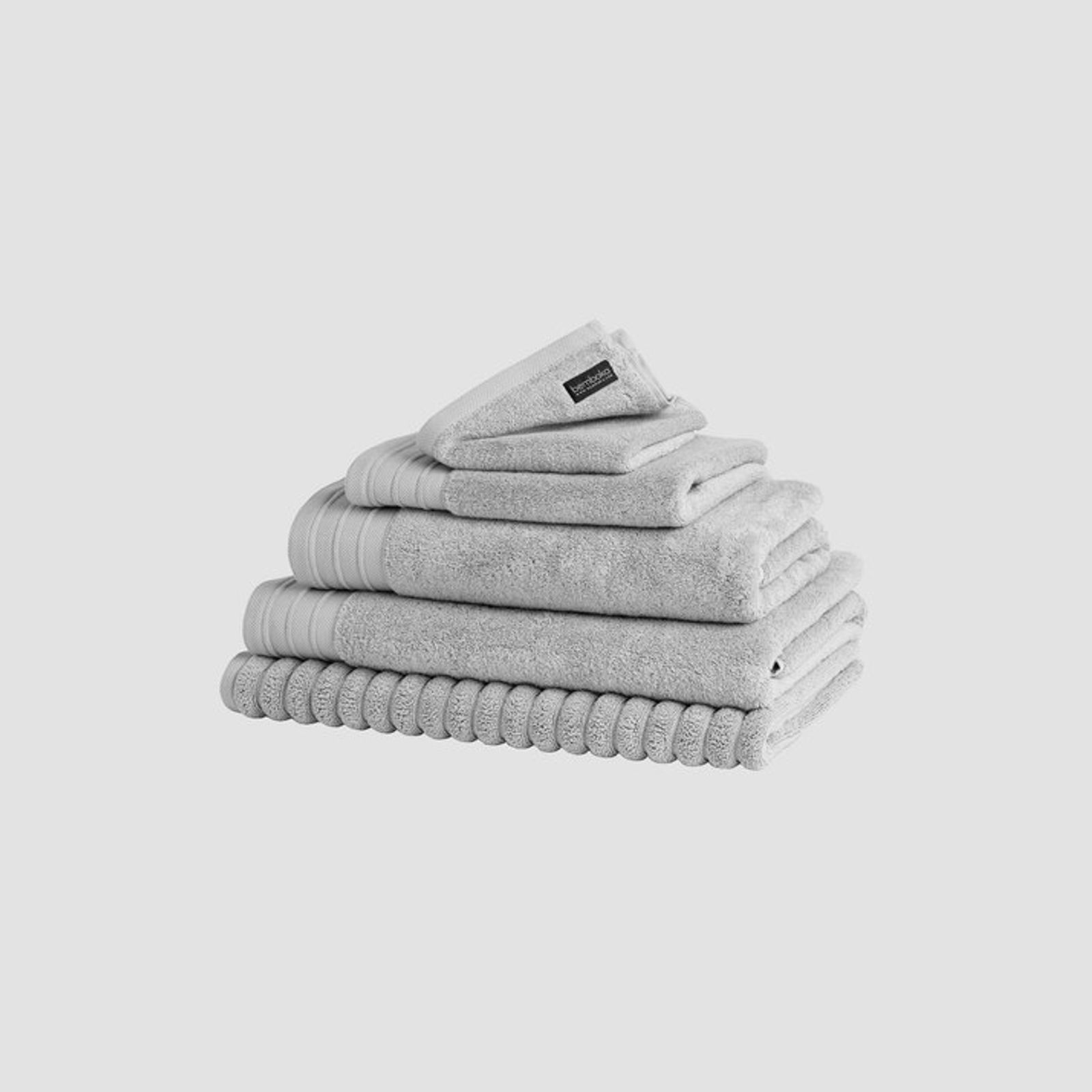
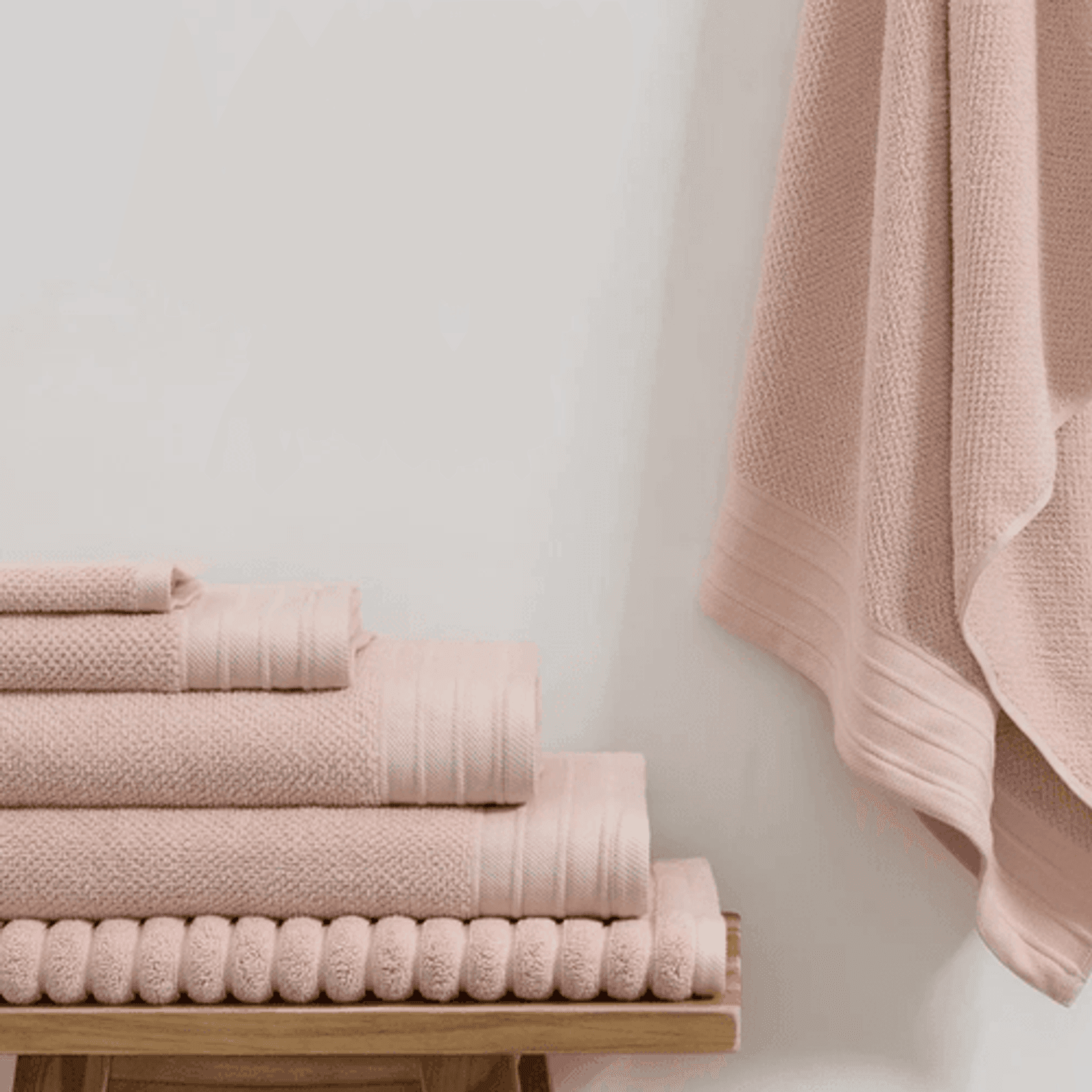
Drying as a design choice
How towels are dried matters as much as how they are washed.
A dryer fluffs fibres by lifting and separating loops. A clothesline tightens them.
Neither is wrong. Each produces a different character.
For softness, a short tumble dry on low to medium heat is ideal, even if towels are finished on the line. This loosens fibres without over‑drying them.
If using only a line, shake towels out before hanging. Movement replaces what the machine would otherwise provide.
Avoid high heat. It hardens cotton over time in the same way repeated sun exposure fades fabric.
Space allows softness
Overloading the washing machine is one of the fastest ways to ruin towels.
Crowded drums prevent proper rinsing. Detergent lingers. Fibres rub excessively against one another. Water cannot move freely through the fabric.
Towels should circulate easily. They should be able to rise and fall in the wash.
Softness needs room.
Storage is part of care
Where towels rest between uses influences how they age.
Damp cupboards invite stiffness and odour. Over-compressed shelves flatten loops.
Allow towels to dry completely before folding. Store them loosely. Let air move around them.
A well-stored towel keeps its shape long after it leaves the machine.
Restoring towels that have lost their way
Another familiar question appears often, whether quietly at home or more bluntly online: How do you soften hard bath towels?
Not all stiffness is permanent.
If towels have become rough, try this once:
- Wash on warm with half the usual detergent
- Add half a cup of white vinegar to the rinse cycle
- Tumble dry gently
This removes built‑up residue and reopens fibres.
Some describe the same problem differently: How do you keep towels soft and fluffy? or Is there a trick to keeping towels soft? The answer is rarely a single step. It is a pattern of care repeated quietly over time.
Do not repeat restoration frequently. Restoration is occasional. Maintenance is continuous.
Everyday indulgence is cumulative
Luxury in the home rarely announces itself.
It is found in repetition. In the way something feels after hundreds of uses. In the absence of irritation. In the consistency of small comfort.
Soft towels are not indulgent because they are dramatic. They are indulgent because they remain dependable.
They dry properly. They warm gently. They soften with time instead of resisting it.
This is what everyday luxury looks like.
A final note on fibre and restraint
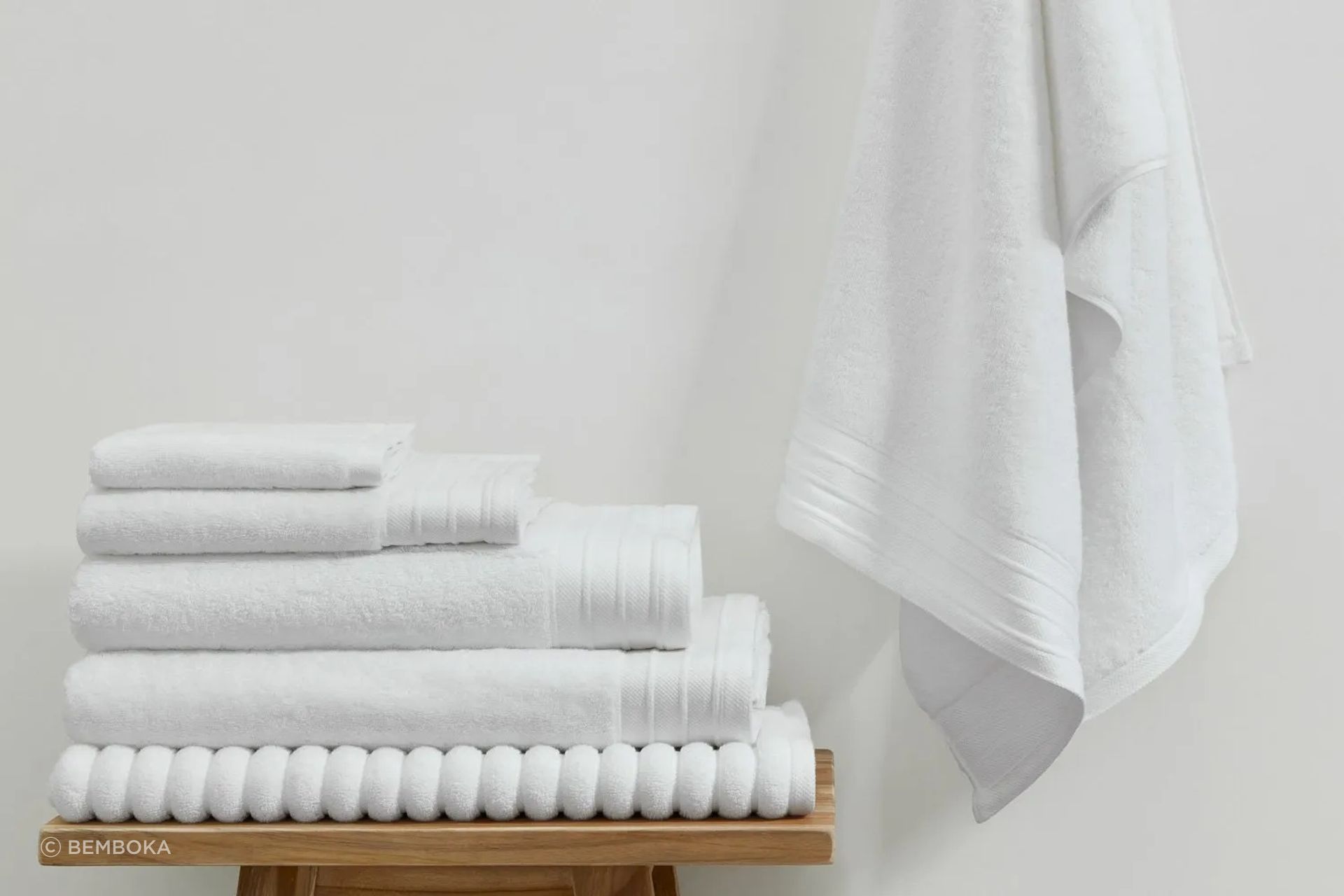
The most reliable way to keep towels soft is to begin with materials that are designed to endure.
Long-staple cotton. Thoughtful weaving. Finishes that do not disguise structure.
Care then becomes simple.
Wash gently. Dry patiently. Store lightly.
Softness follows.
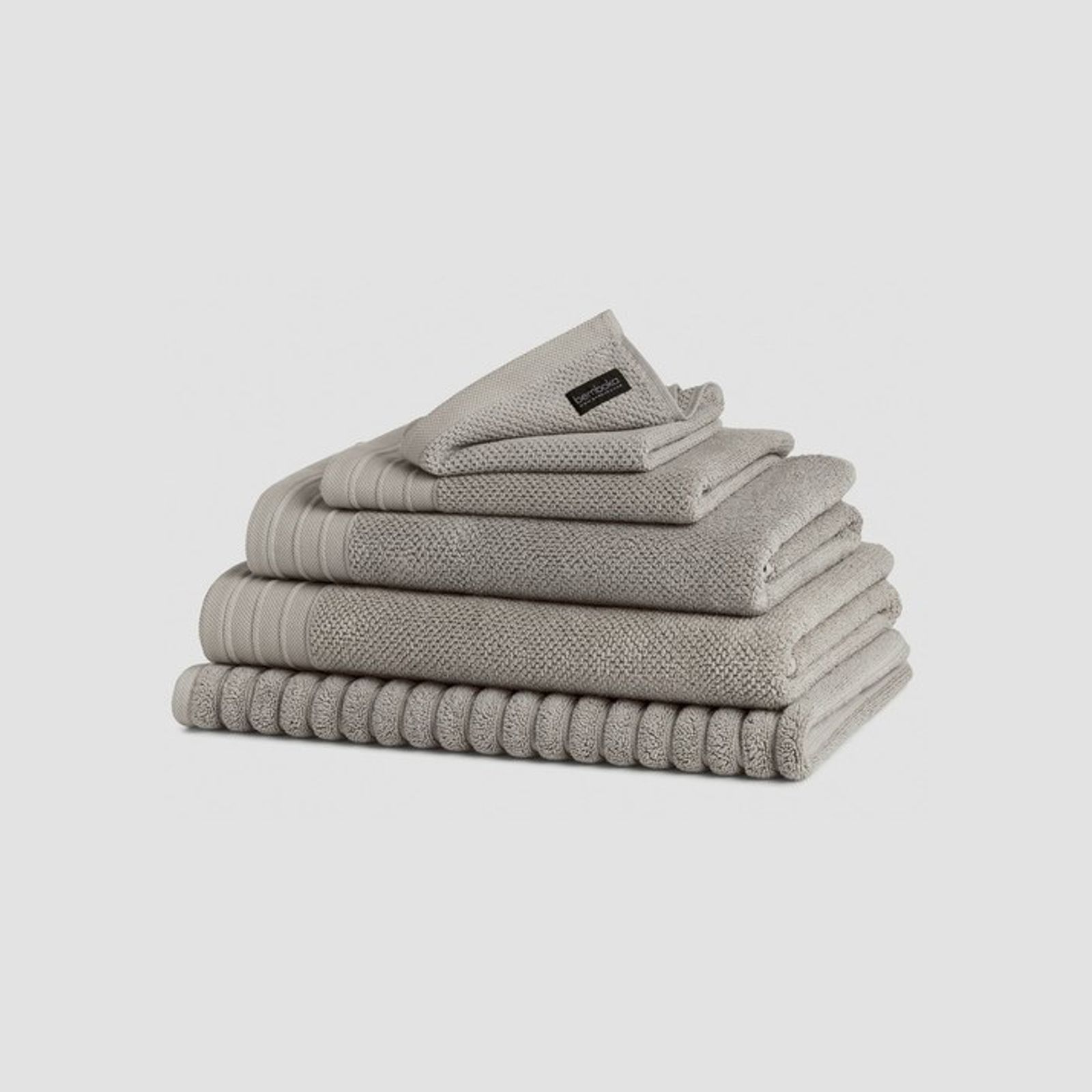
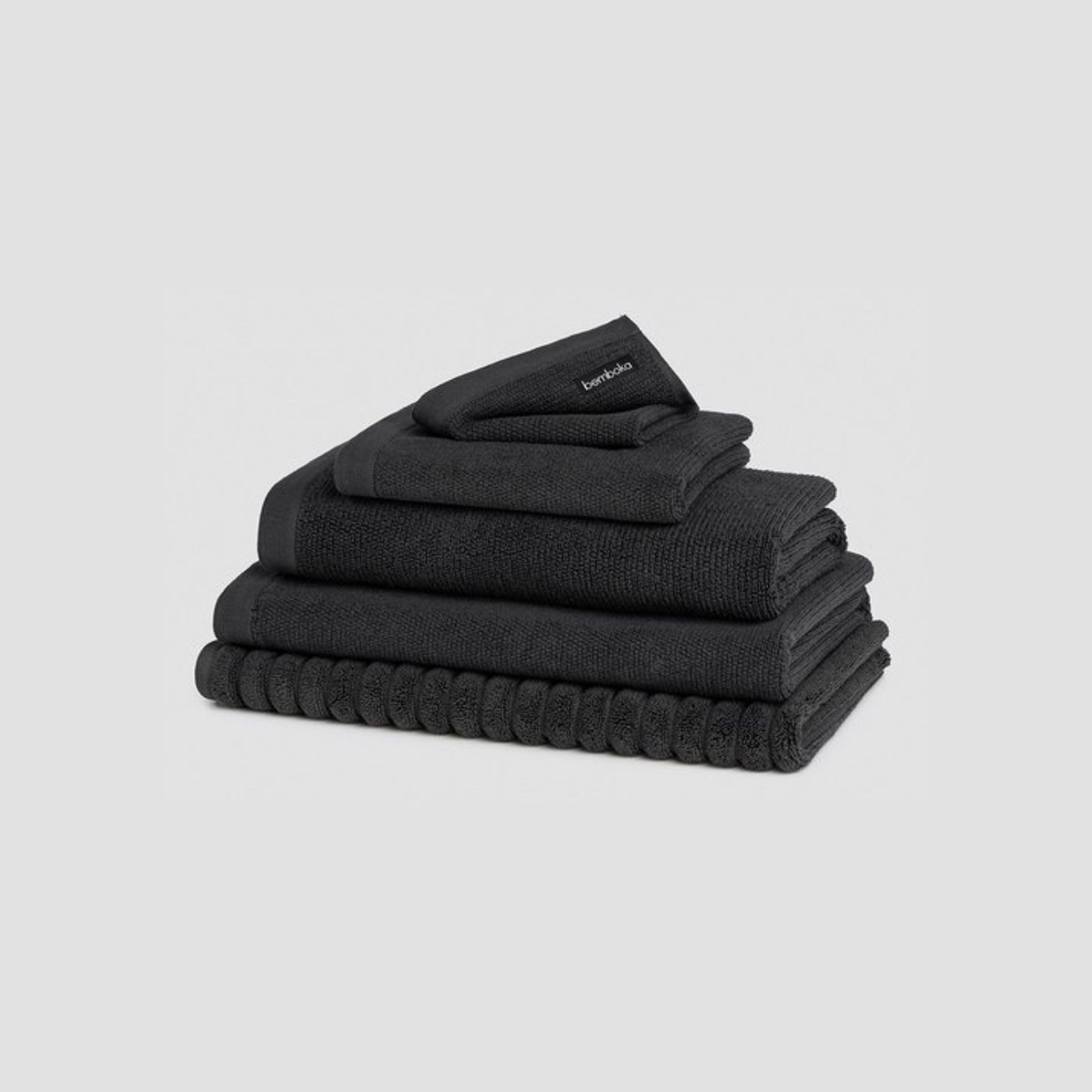
View the bemboka towel collection and choose pieces designed for lasting softness and everyday comfort.