How to style curtains with contemporary interiors

22 April 2026

 • 

4 min read

banner
Contemporary interiors – whether coastal, urban or somewhere in between – are typically defined by clean lines, generous glazing and a calm, edited palette. The challenge is keeping spaces feeling warm and inviting, rather than hard or echoey. Curtains are a key tool here. Thoughtful modern curtain styling softens the architecture, manages light and privacy, and adds a tactile layer that reads beautifully in real life and in photography

How to style curtains with contemporary interiors

Contemporary interiors – whether coastal, urban or somewhere in between – are typically defined by clean lines, generous glazing and a calm, edited palette. The challenge is keeping spaces feeling warm and inviting, rather than hard or echoey.

Curtains are a key tool here. Thoughtful modern curtain styling softens the architecture, manages light and privacy, and adds a tactile layer that reads beautifully in real life and in photography.


1. Start with the mood, not the fabric


Redgraves often begins by asking what kind of mood the client and design team are aiming for, rather than jumping straight to fabric selection.

In contemporary interiors, that might be:

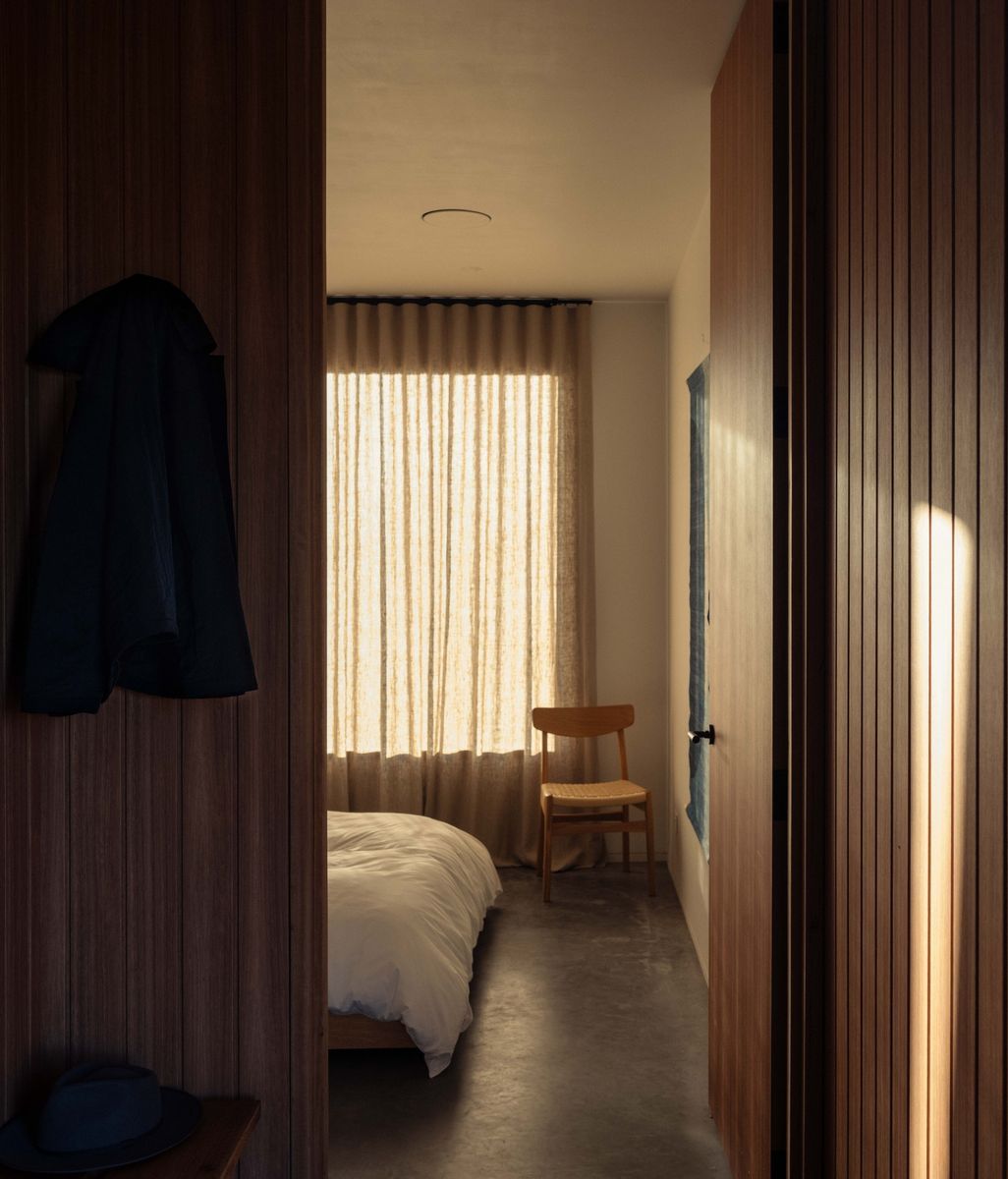
  • Soft minimalism – light, layered sheers, a restrained palette and quiet texture.
  • Luxe contemporary – fuller drapery, richer handle fabrics, tailored headings.
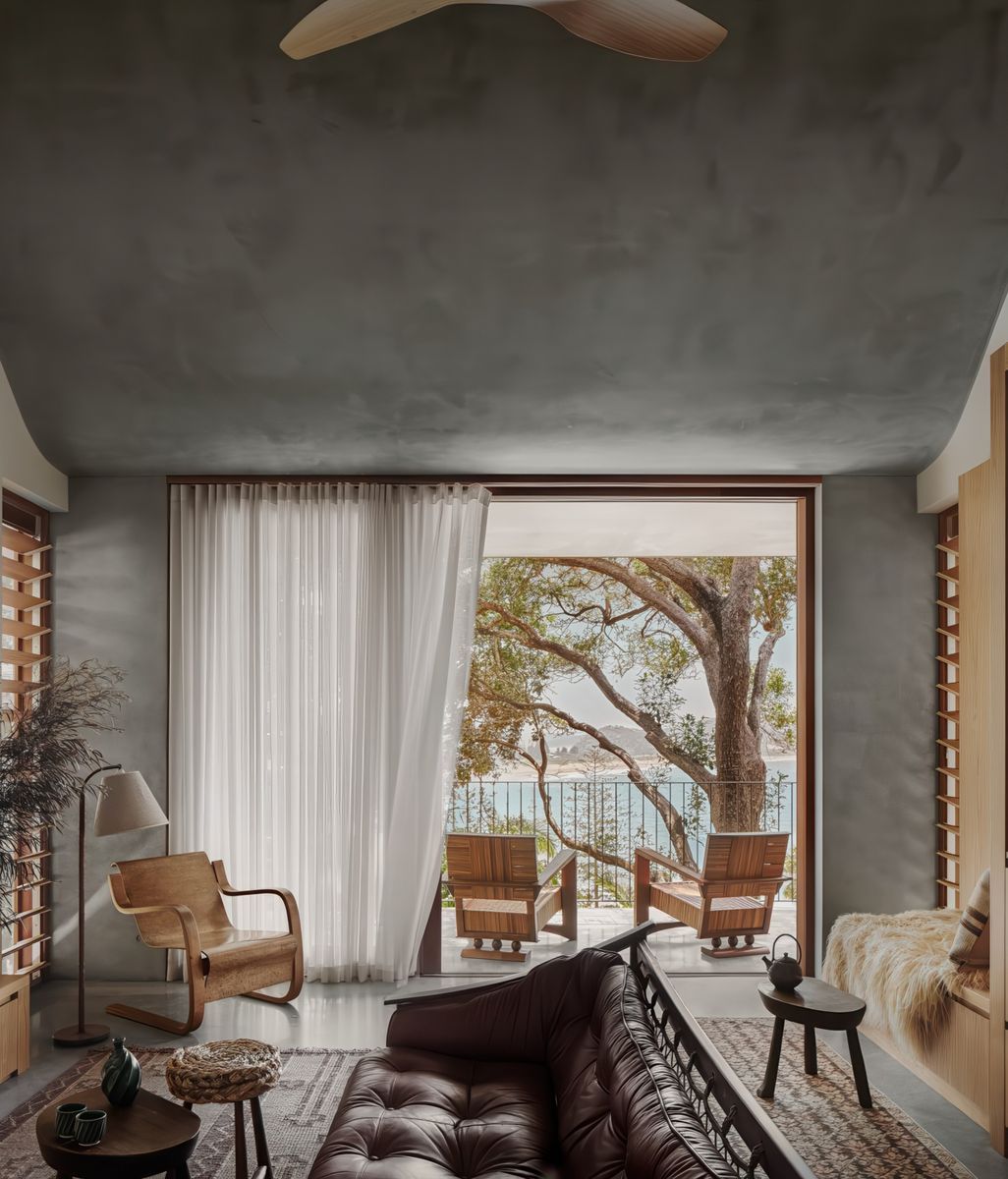
  • Relaxed coastal or urban – easy, breezy sheers grounded by natural materials.

Articulating the mood at the outset helps ensure that curtain choices support the architecture and interior concept, rather than simply “covering glass”.


2. Choose heading styles that feel contemporary

Heading style plays a quiet but critical role in modern curtain styling. Redgraves sees two approaches specified most often in contemporary New Zealand homes:

  • Wave / S‑fold headings
    • Soft, rhythmic folds that work particularly well in open‑plan spaces and in front of large glazed areas.
    • Often paired with ceiling‑mounted tracks so curtains read as a continuous vertical element.
  • Refined pinch pleats
    • A more tailored expression, suited to luxe contemporary schemes and formal spaces.
    • Slimline tracks or discreet rods keep the overall look clean.

These details align with broader international trends where curtains are treated as “fluid architecture” – a quiet backdrop that frames space and light.


3. Use colour in a calm, considered way

Colour in contemporary interiors tends to be restrained but not cold. For 2026, Redgraves is seeing strong demand for:

  • Warm neutrals – stone, almond, mushroom, oatmeal and soft taupe.
  • Nature‑inspired greens – sage, eucalyptus and olive tones that reference planting and outlook.
  • Soft blues and greys – often used in coastal settings, paired with timber and textured neutrals.

Rather than bold contrast, curtains are typically a tone or two softer or deeper than the walls, creating a gentle transition rather than a hard edge. This reads as modern and quietly luxurious, and aligns with curtain trends for 2026 both locally and internationally.


4. Prioritise texture over pattern

In contemporary schemes, it’s often texture rather than pattern that gives curtains their presence.

Popular fabric choices include:

  • Linen‑look weaves with a dry, natural handle
  • Bouclé and subtly slubby textures
  • Sheers with a slight cross‑weave or open structure to catch the light

These textures work particularly well when used wall‑to‑wall and floor‑to‑ceiling, where they become a soft architectural surface as much as a decorative layer.


5. Think floor‑to‑ceiling, wall‑to‑wall

One of the most effective ways to make curtains feel contemporary is to treat them as full‑height, full‑width elements:

  • Tracks mounted at or into the ceiling, not just above the window head.
  • Curtains extending beyond the window jambs so they can stack clear of the glass.
  • In larger spaces, continuous runs of curtain across multiple windows or along entire walls.

This approach elongates proportions, minimises visual clutter from multiple small treatments and supports the clean lines of modern architecture – something particularly important in architect‑led projects.

u4174536356airysuburbanloungewithsheercurtainsgentlymddf0a955-c804-414f-8e3a-38286c1f4f832.png
u4174536356warmsuburbanfamilylivingroomsoftneutralcura48a0640-7c07-4df7-8a76-cabb6731d28a0-1.png
u4174536356Contemporarymasterbedroomwithsoftgreymotorica2a862e-5466-4060-b1ce-bb8c74ebc59e2-Copy-v2.png
spinn.png
u4174536356Livingroomwithmotorisedsheercurtainsonconc40db2870-368d-430f-9ff0-30c7610a97590-v2.png
u4174536356editorialNZbedroomcornerlayeredblackoutand66ecc0b9-e690-4e22-830b-53bfae24ffd40-Copy-v2.png
u4174536356PhotorealisticmodernNewZealandlivingroomfuleca18f87-1864-47c7-b037-ceaed393c1151.png
Capture2-v4.PNG


6. Layer for flexibility and comfort

Contemporary doesn’t mean sacrificing comfort. In practice, many projects use layered window treatments to balance aesthetics and performance:

  • Sunscreen or light‑filtering blinds close to the glass for glare and UV control.
  • Sheer curtains to soften the appearance of the glazing and provide daytime privacy.
  • Blockout curtains or blinds in bedrooms and media spaces for darkness when required.

Layers allow the design team to fine‑tune light and privacy throughout the day, while maintaining a consistent, calm interior language.

Link prompts

  • “sunscreen or light‑filtering blinds” → blinds products overview: https://archipro.co.nz/professional/redgraves-home-fabrics/our-products
  • “sheer curtains” → https://archipro.co.nz/product/redgraves-sheer-and-net-curtains-redgraves-home-fabrics
  • “blockout curtains” → custom curtains: https://archipro.co.nz/product/custom-curtains-redgraves-home-fabrics

7. Styling details that finish the project

A few small decisions can make modern curtain styling feel resolved:

  • Opting for drops that just kiss the floor for a crisp, contemporary line.
  • Avoiding ornate tie‑backs; using simple hold‑backs only where functionally required.
  • Echoing curtain tones or textures in upholstery, cushions or rugs for continuity.

These details help ensure curtains feel integrated with the interior, not added late in the process.

Closing suggestion

  • End with:
    “For architects and designers seeking to integrate contemporary curtain styling into their projects, Redgraves Home Fabrics can advise on heading styles, fabrics and hardware that support the overall concept.”
  • Link “Redgraves Home Fabrics” to your profile: https://archipro.co.nz/professional/redgraves-home-fabrics