Inside the architectural practice designing from first principles

Written by

30 April 2026

 • 

7 min read

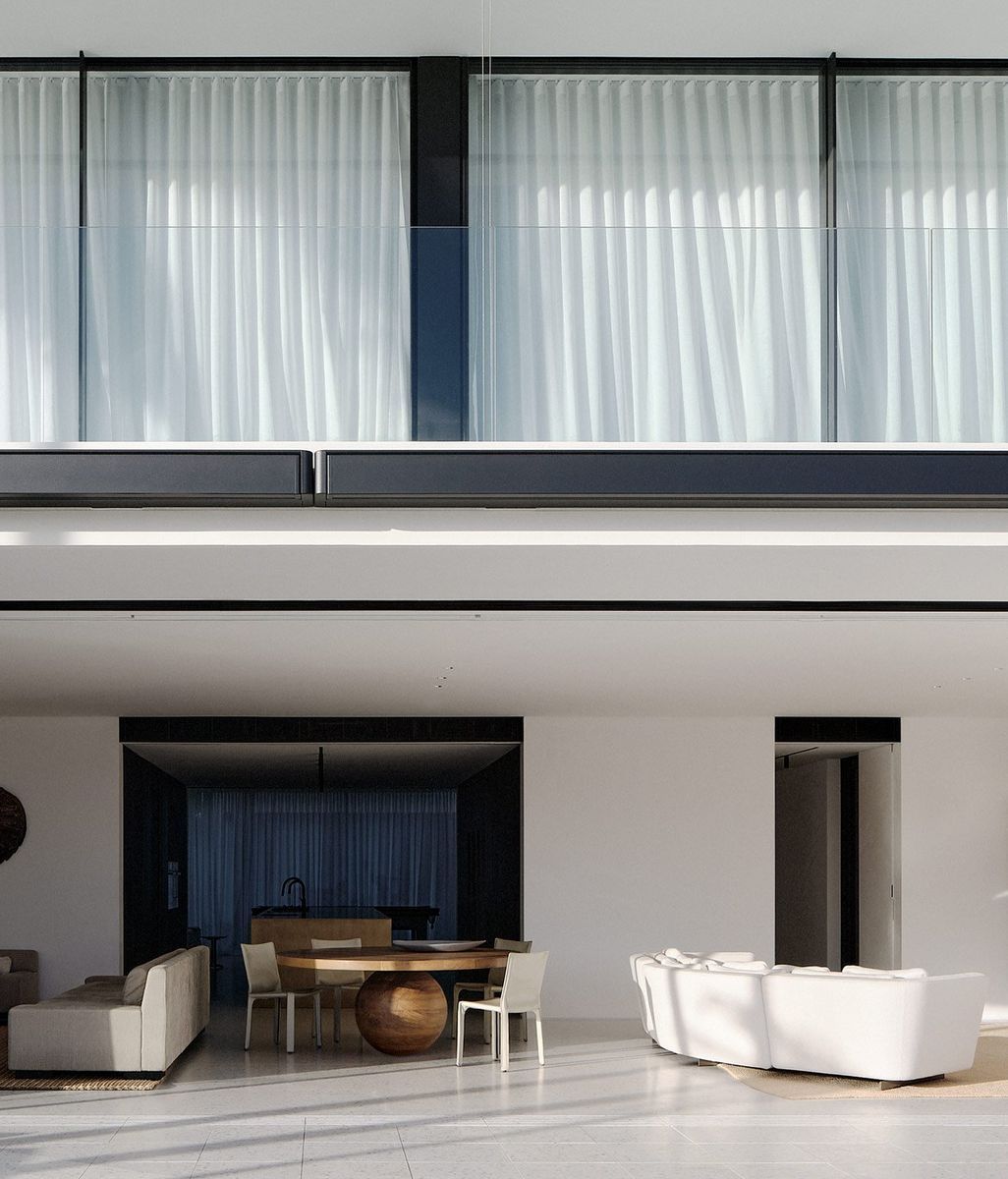
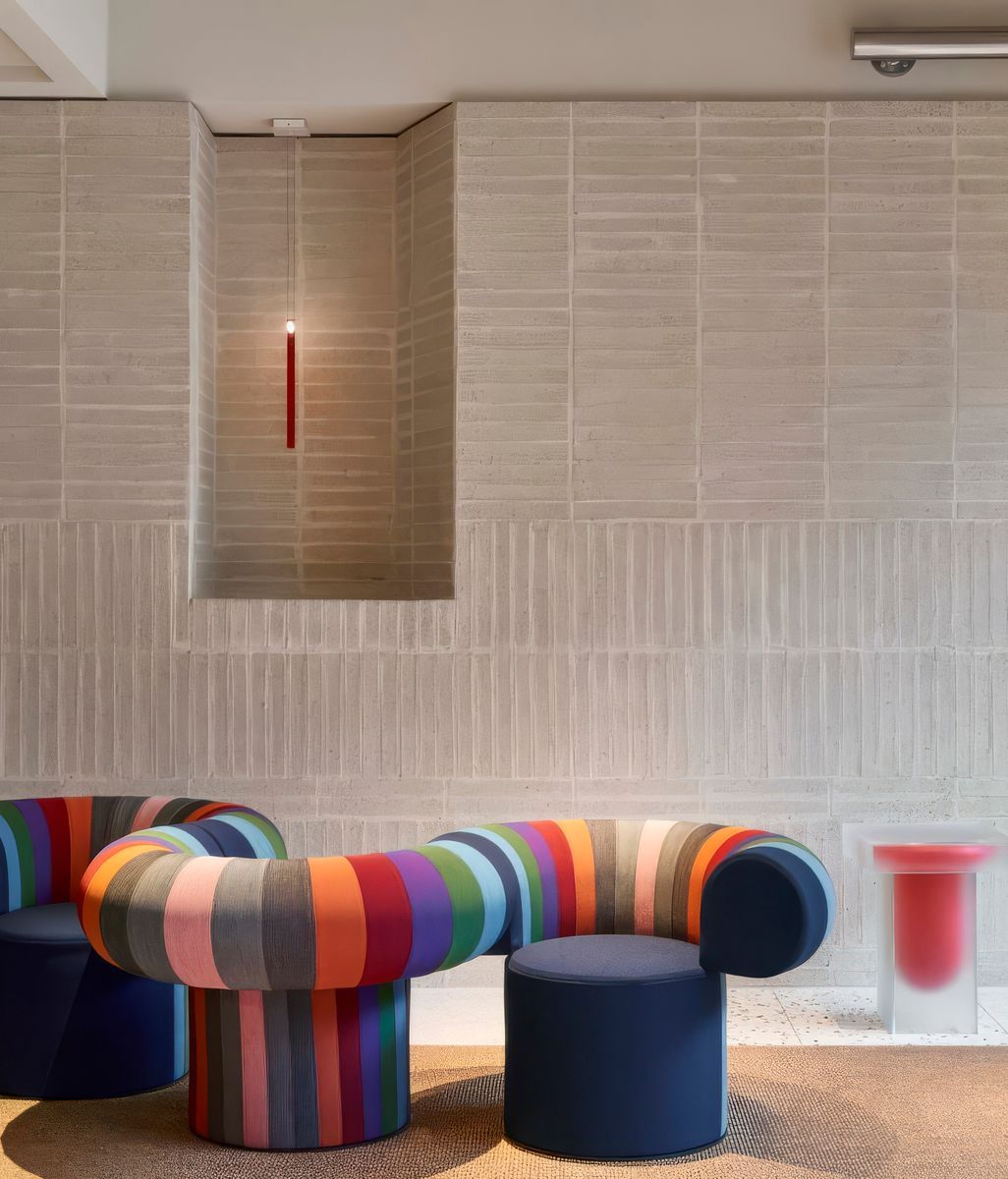
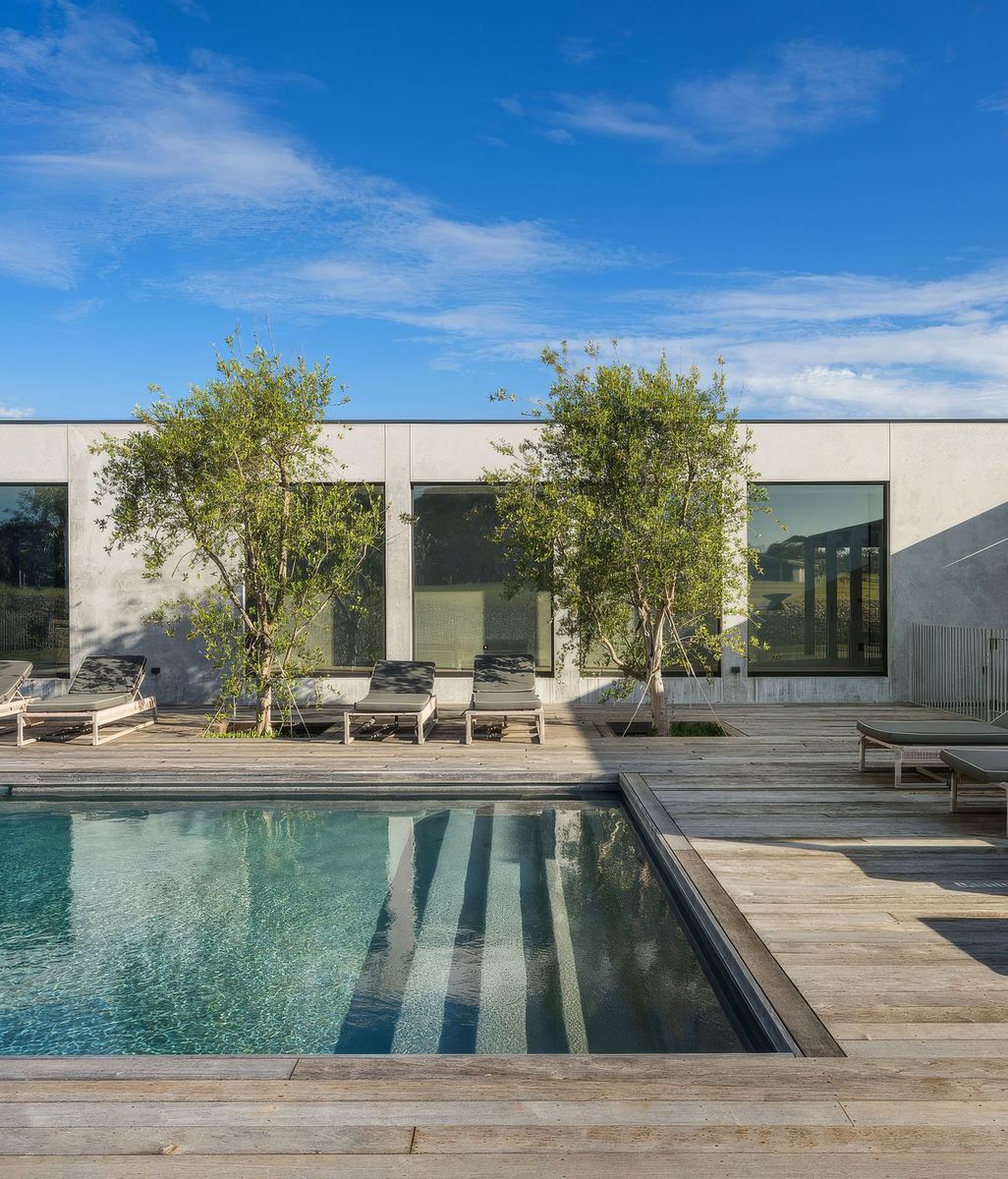
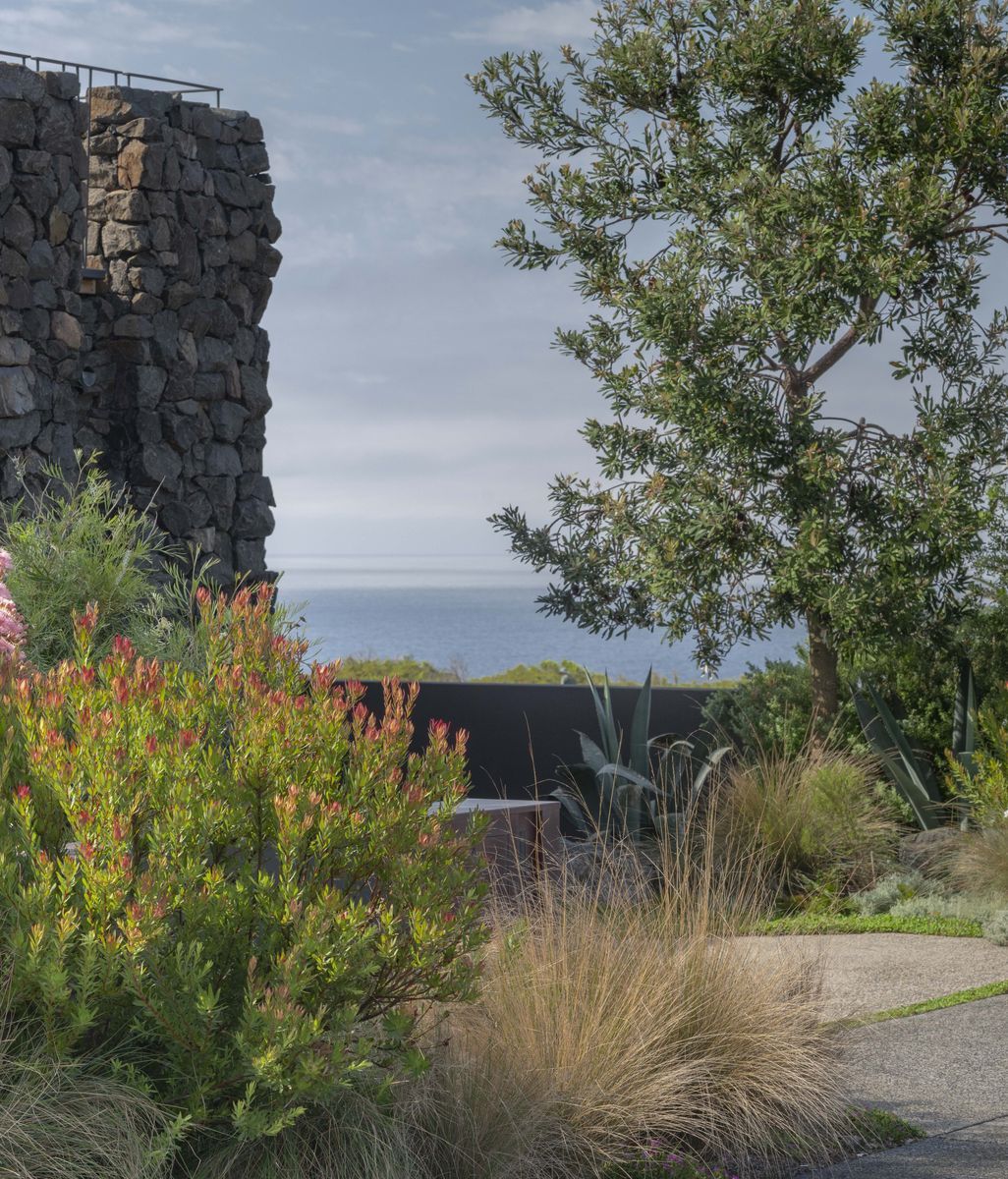
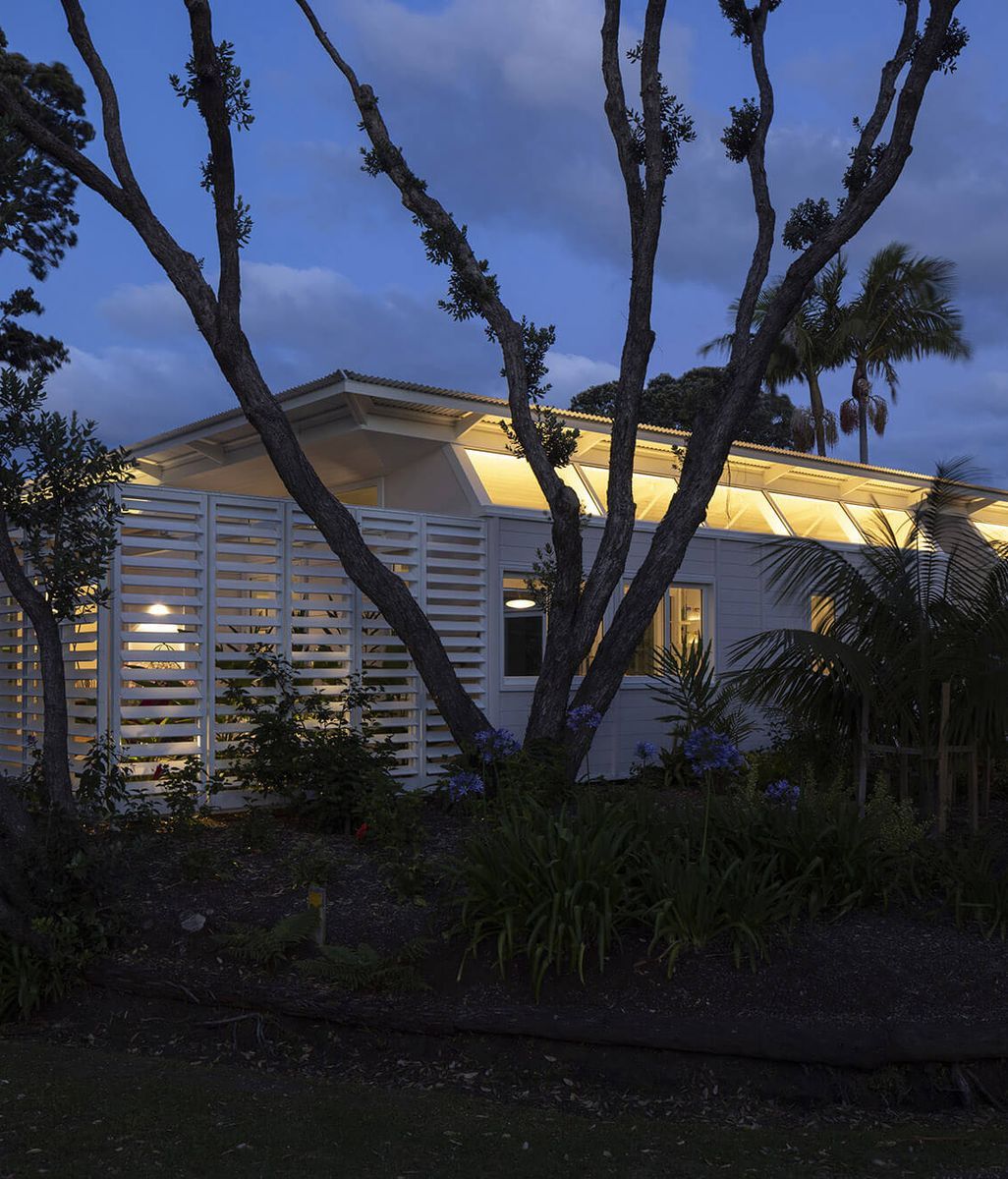
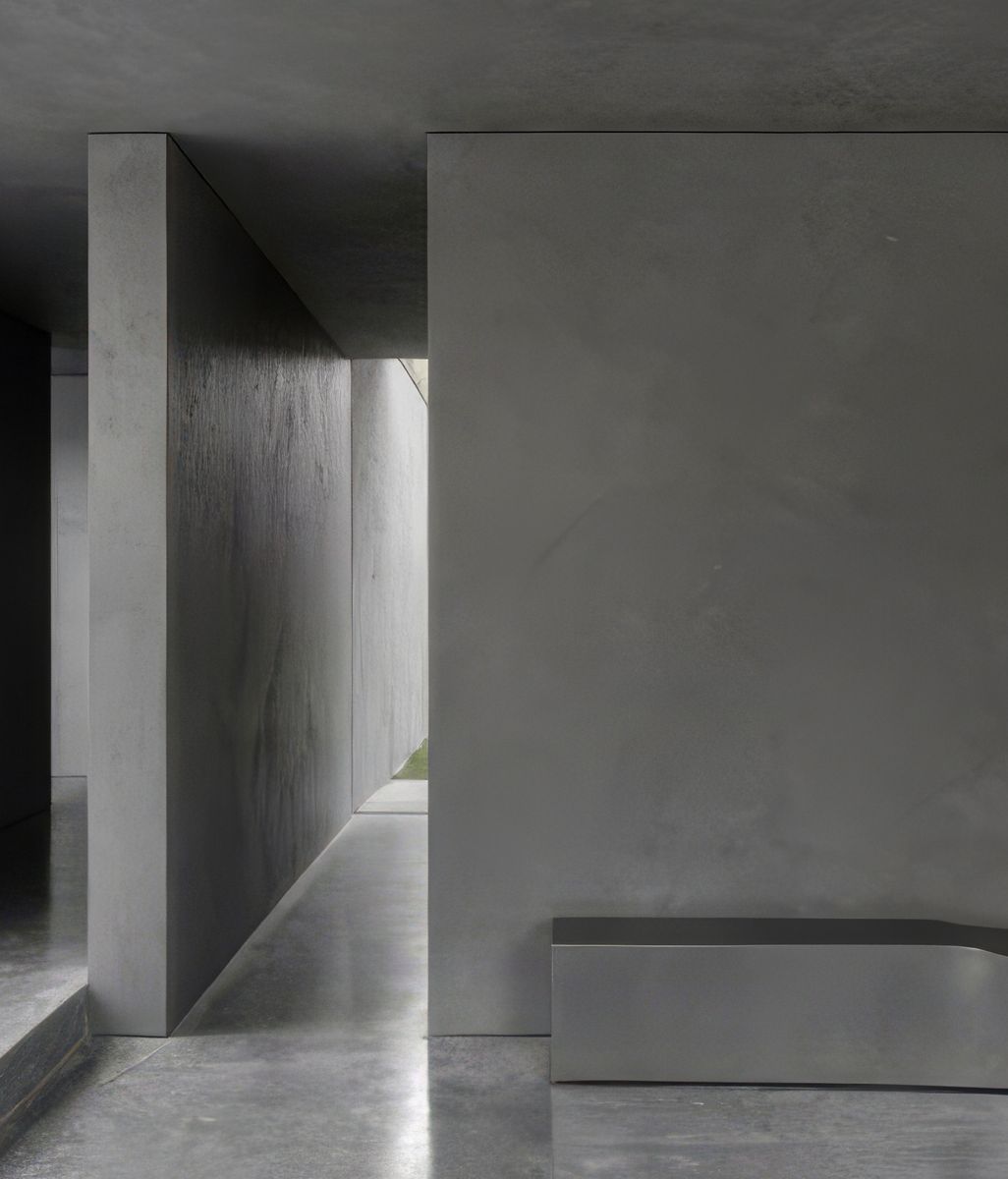
Mangatawa Tari by FPA.
Having worked across New Zealand, the Pacific, Africa and the UK, Graham and Kate Price have built a collaborative practice grounded in first principles thinking. Designing across continents has a way of sharpening an architect’s perspective. For husband-and-wife duo Graham and Kate Price of First Principles Architects & Interiors, that experience has shaped a practice built on curiosity, adaptability and close attention to place.
Kate and Graham Price.

“Every country, every culture, every construction methodology is different,” Graham explains. “If you don’t understand that, you’re forcing a solution.”

For Graham, first principles thinking begins with resisting the temptation to impose a pre-determined architectural language. A building cannot simply be transplanted from one place to another. Climate, labour, materials, culture and construction capability all change the answer. This understanding, that no two contexts, climates or briefs are ever the same, sits at the heart of FPA’s process.

Having practised internationally before settling in New Zealand 25 years ago, the Prices bring a global sensibility to their work, attuned to local conditions, materials, construction practices and cultural context. It means they never take the familiar for granted.

Kate originally trained in fashion design, bringing a strong creative and interior design sensibility to the studio, while Graham has a background in masterplanning, commercial and residential architecture. Together, they founded FPA in Tauranga, combining their disciplines within a practice shaped by a shared belief in clarity of purpose, honest use of materials, responsiveness to context, human-centred experience and the reduction of design to its essential elements.

The name First Principles emerged not from a branding exercise, but from a family conversation. When Graham and Kate were considering starting the practice, they spoke with their son, an industrial designer, about what their approach might be. Graham kept returning to the idea of stripping each project back to its essentials. The client, the site, the climate, the construction method, the materials available and the culture around it.

Their son’s response was simple... why not call it First Principles? The name stayed because it captured the way they wanted to work, not from assumption, but from investigation.

That process often starts simply. A blank sheet of paper, an open discussion and a careful interrogation of the brief. Before form is considered, the team looks at viability, feasibility, efficient space planning, levels, construction methodology and how the building will actually be made. For Graham, creativity and pragmatism are not opposing forces; the strength of a project lies in getting both right.

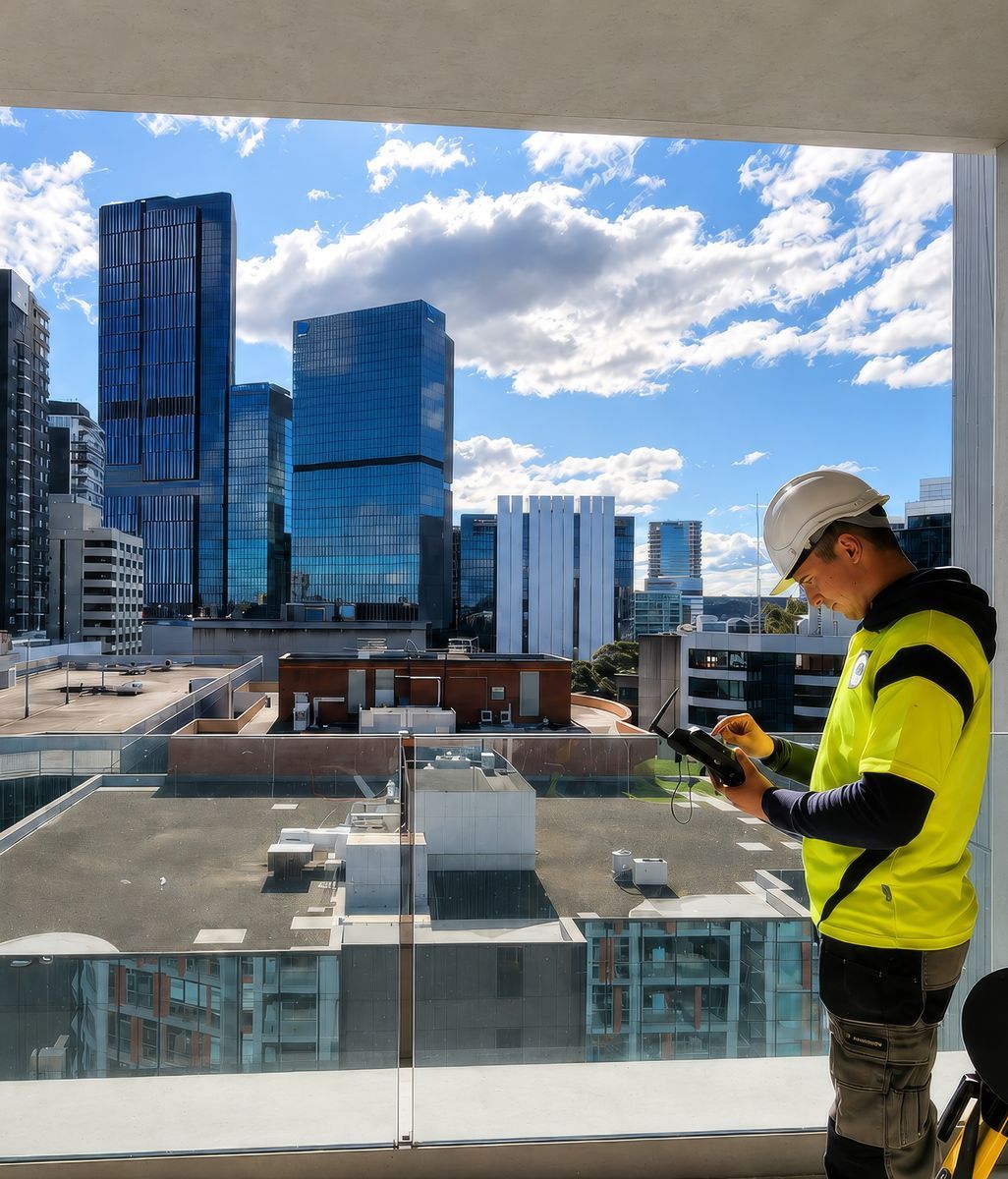
FPA’s approach is hands-on from the outset. From early concept models through to detailed design and construction coordination, the team models every project in 3D using a BIM 360 modelling platform, allowing for precise space planning, detailing and architectural documentation.

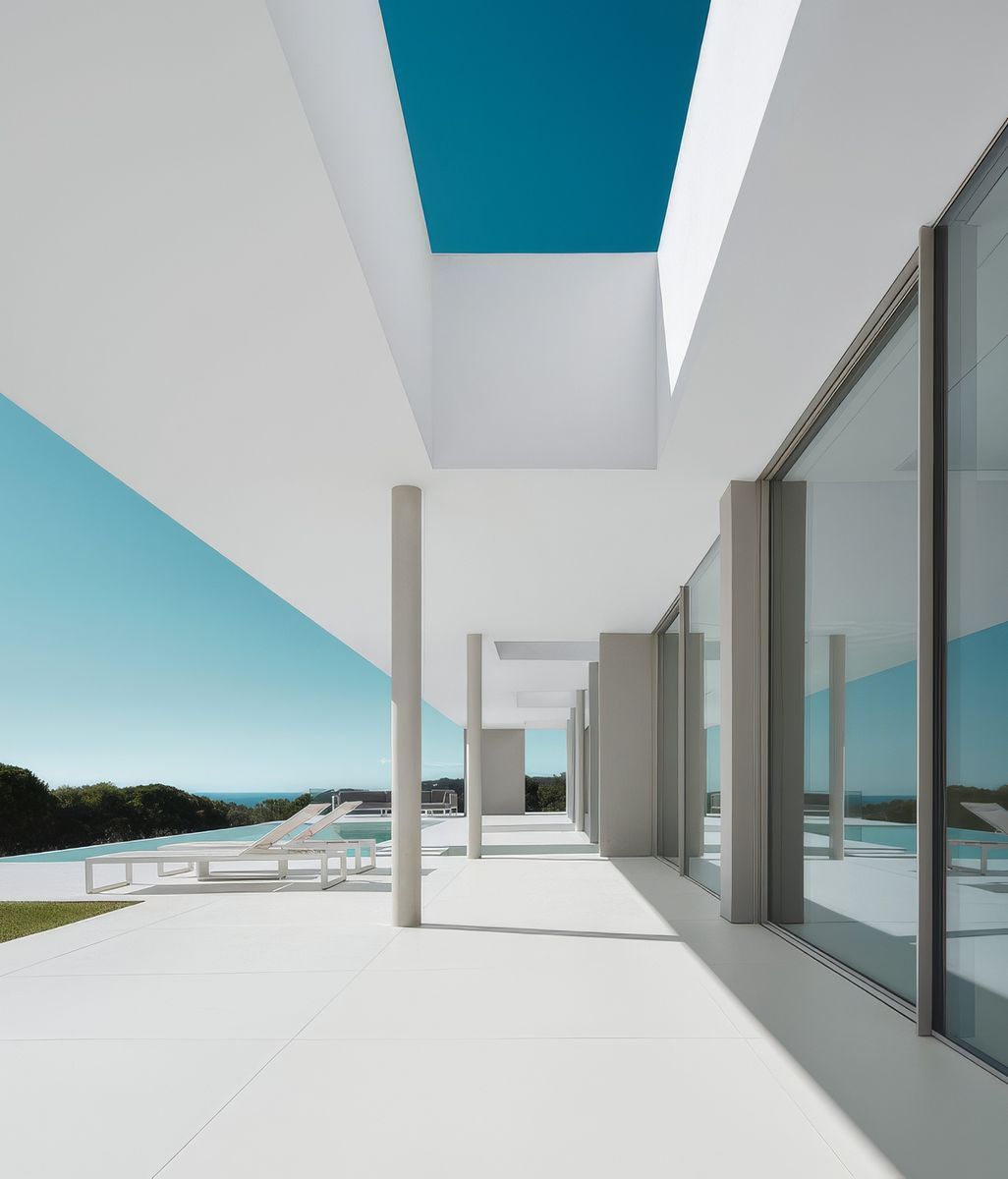
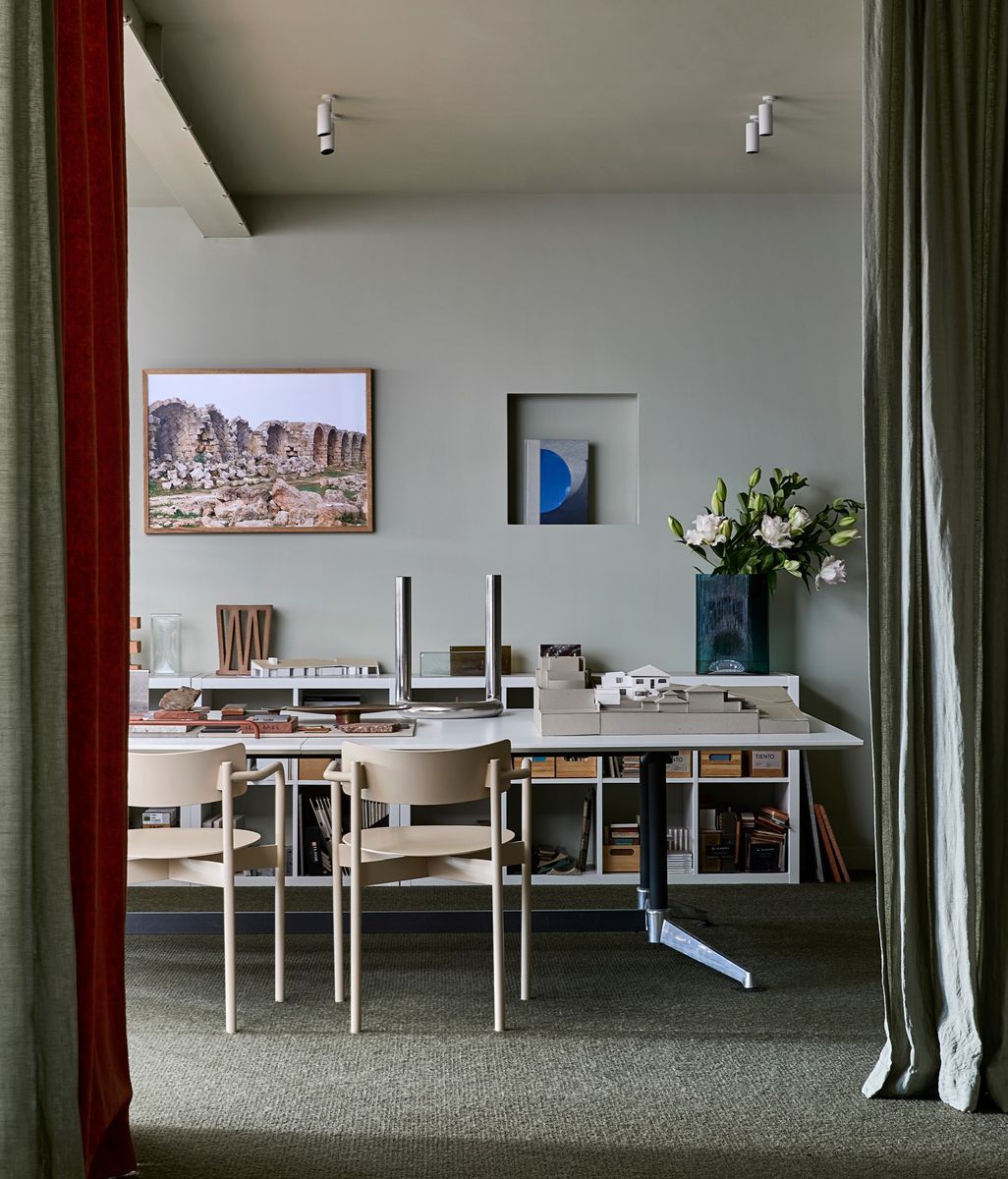
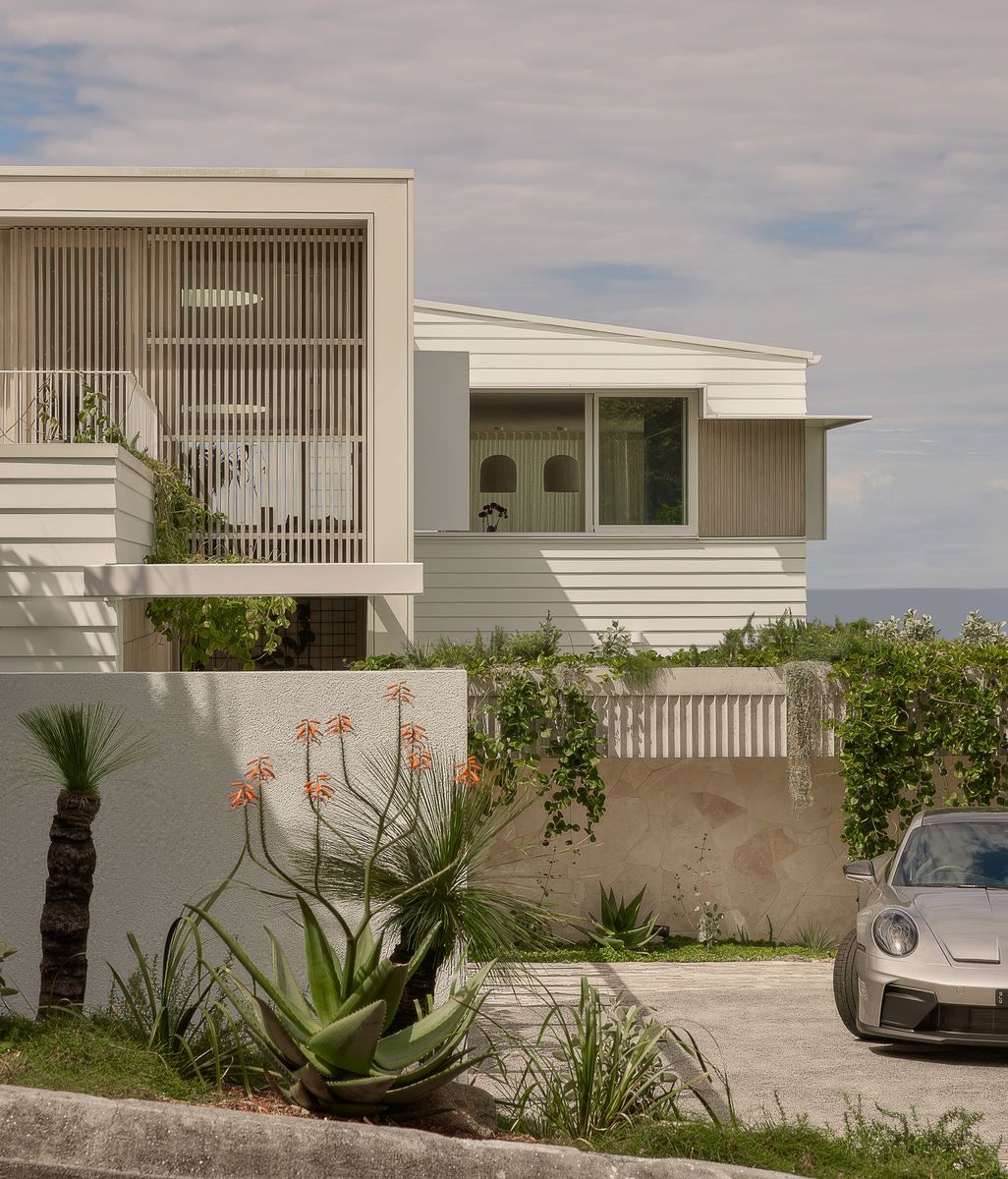
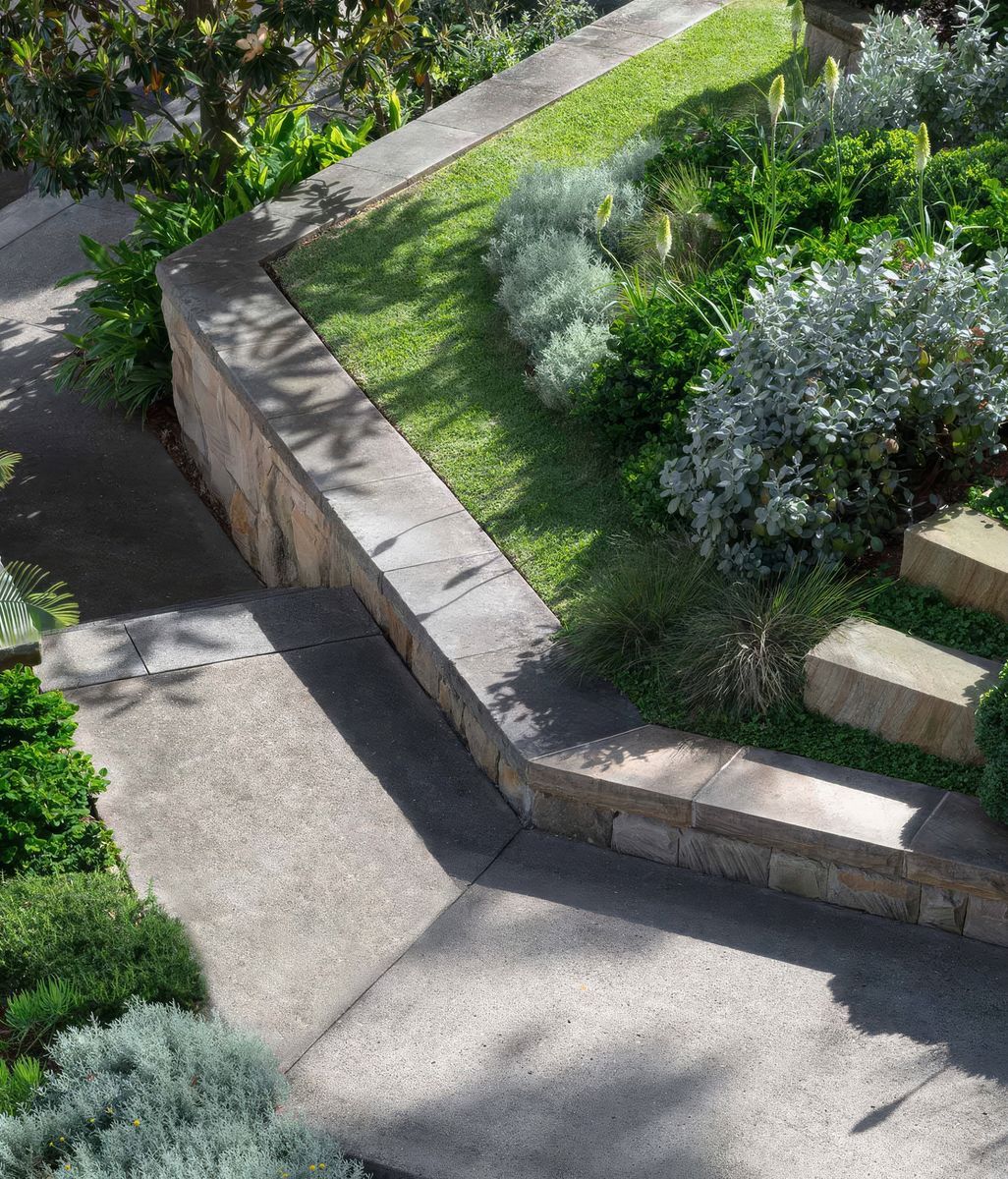
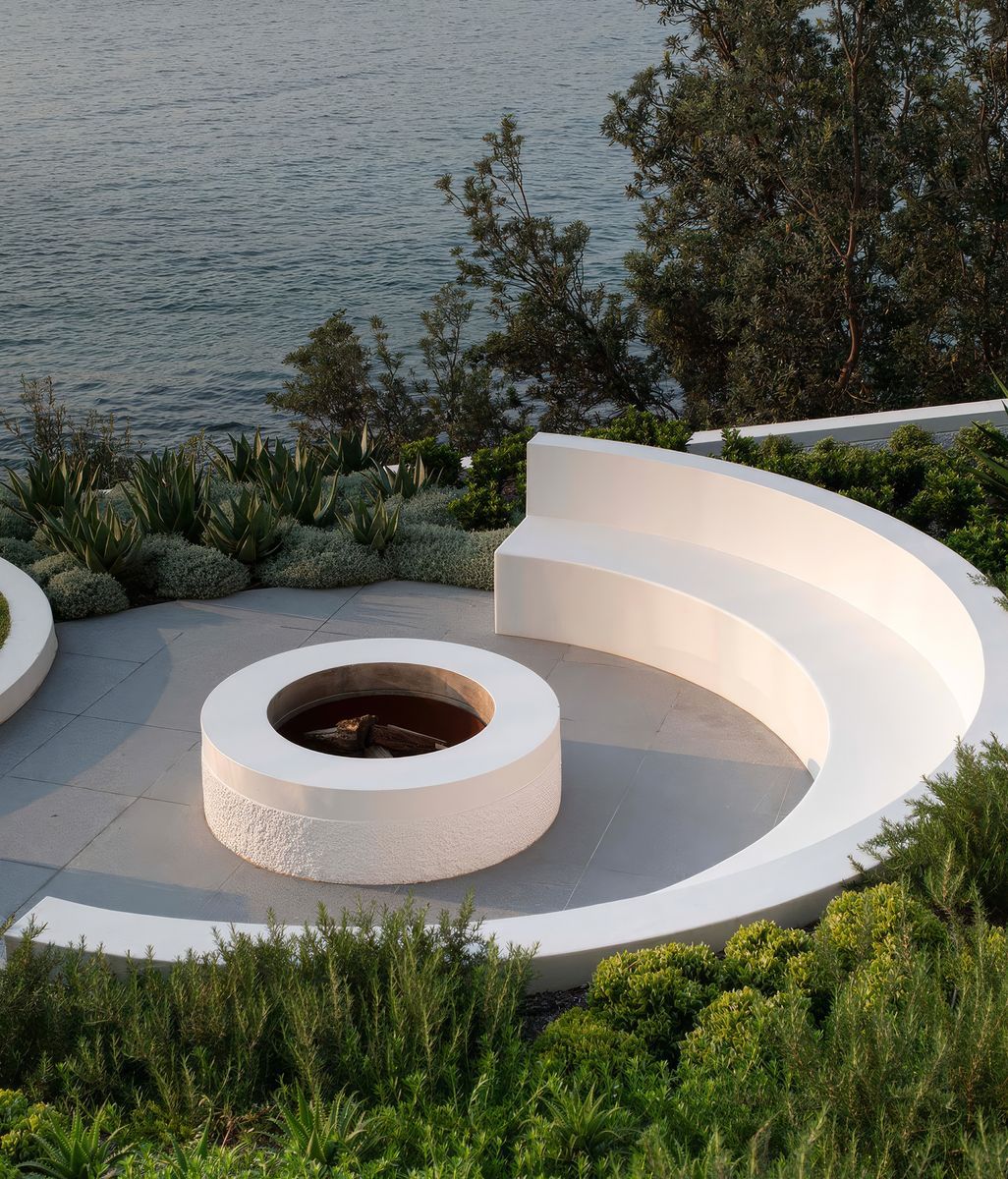
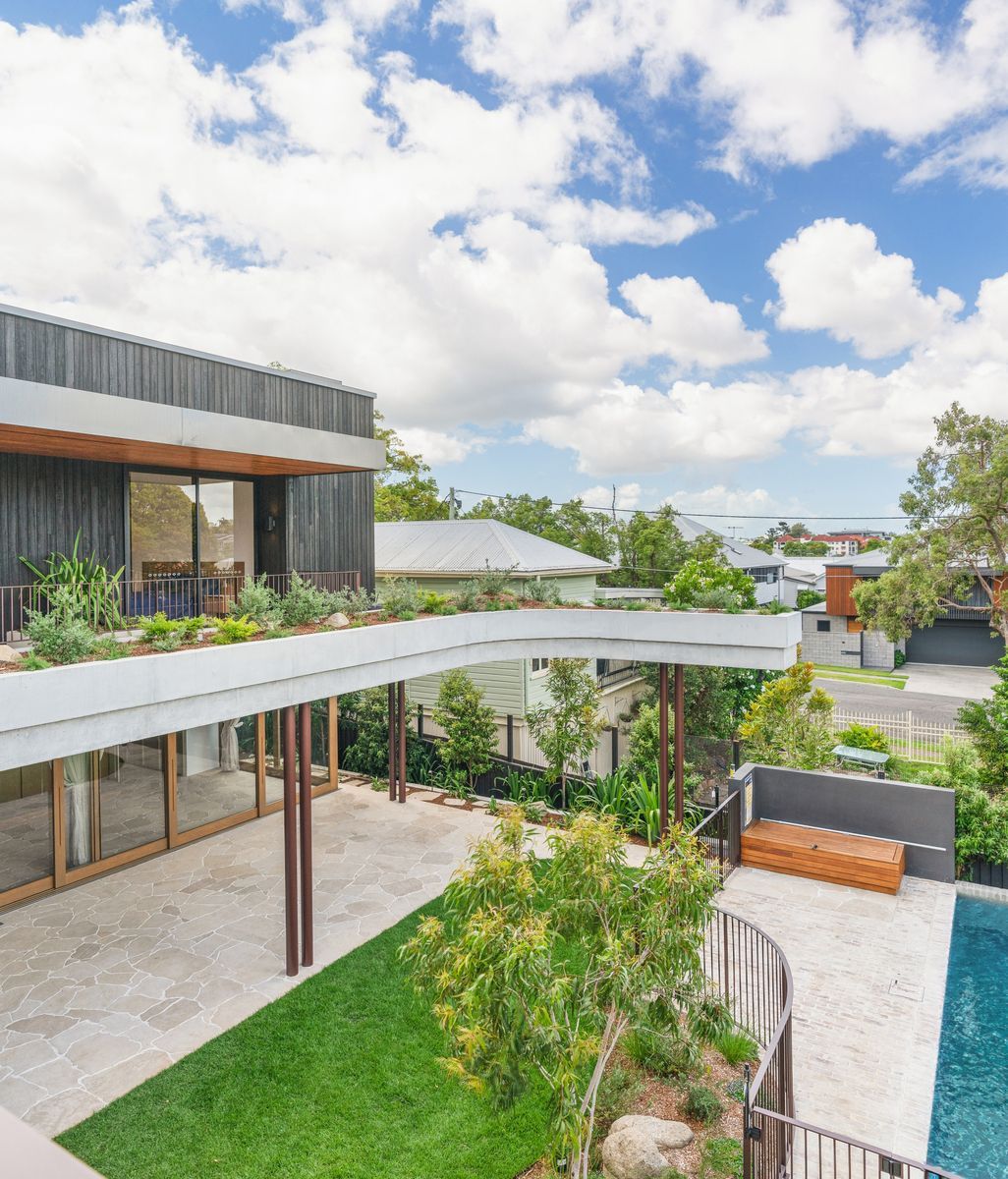
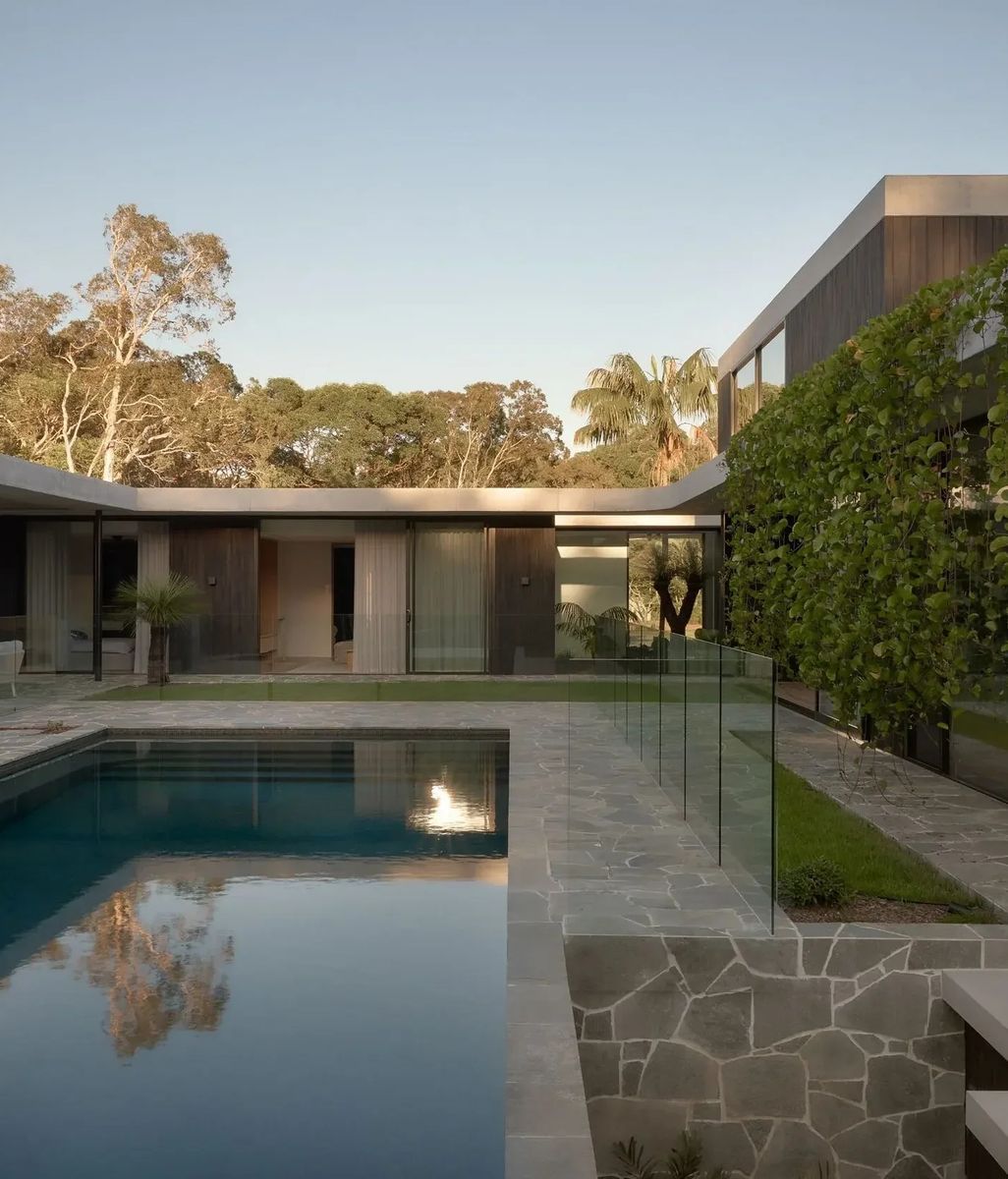
Salt Residential by FPA.

"Clients appreciate it. Contractors appreciate it,” Graham says. “It avoids costly mistakes on site and keeps everything flowing smoothly.”

For FPA, technology is not used to distance the designer from the work, but to make the thinking more visible. Every spatial arrangement, material decision and junction is considered carefully, helping the team resolve complexity before it reaches site.

This also gives clients and contractors greater certainty. By modelling in detail from the earliest stages, the team can coordinate structure, services and construction requirements before work begins. For commercial and multi-residential projects in particular, this helps reduce ambiguity, avoid costly variations and give contractors a clearer pathway to delivery.

This ethos extends into the studio itself. FPA operates as a small, tightly knit team where everyone, from graduates to senior architects, is exposed to every stage of a project. The structure is deliberately collaborative, giving staff direct experience across client engagement, concept design, technical detailing and construction coordination.

“We want people to be creative, to take responsibility, and to find their own boundaries,” Graham explains. “That personal development feeds directly into our studio culture. Even if someone moves on, the culture remains. People are already accustomed to thinking independently and collaboratively.”

For Graham and Kate, the studio culture is inseparable from the work. Their own partnership has shaped the way the practice operates: open, respectful, collaborative and built on the ability to exchange ideas without ego. The result is a practice where responsibility is shared and knowledge is not held by one person alone.

New staff and graduates are paired with experienced team members, gaining exposure to the full life of a project rather than one narrow part of the process. They meet clients, attend site, work with consultants and see how decisions made early in the process carry through into built form.

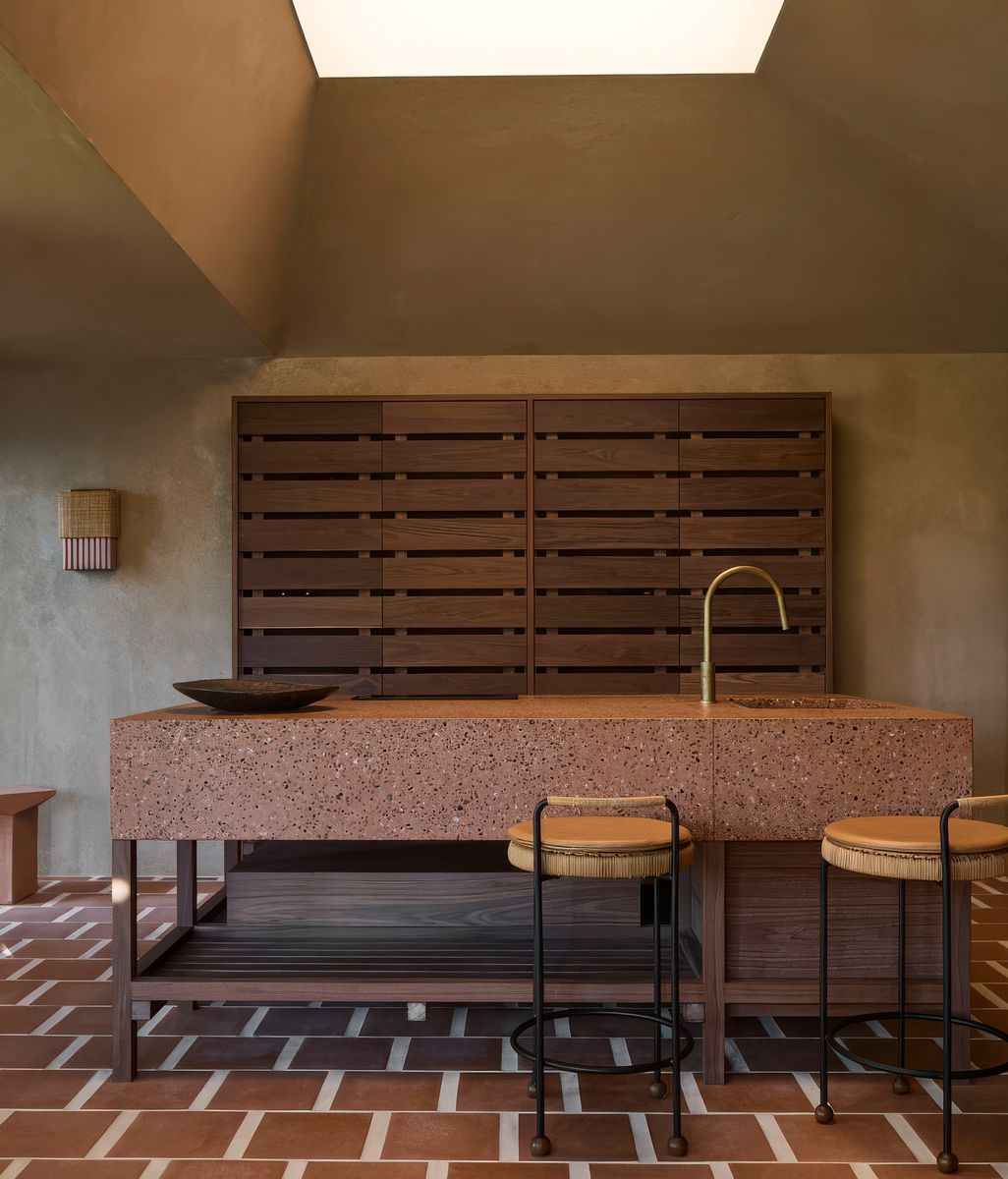
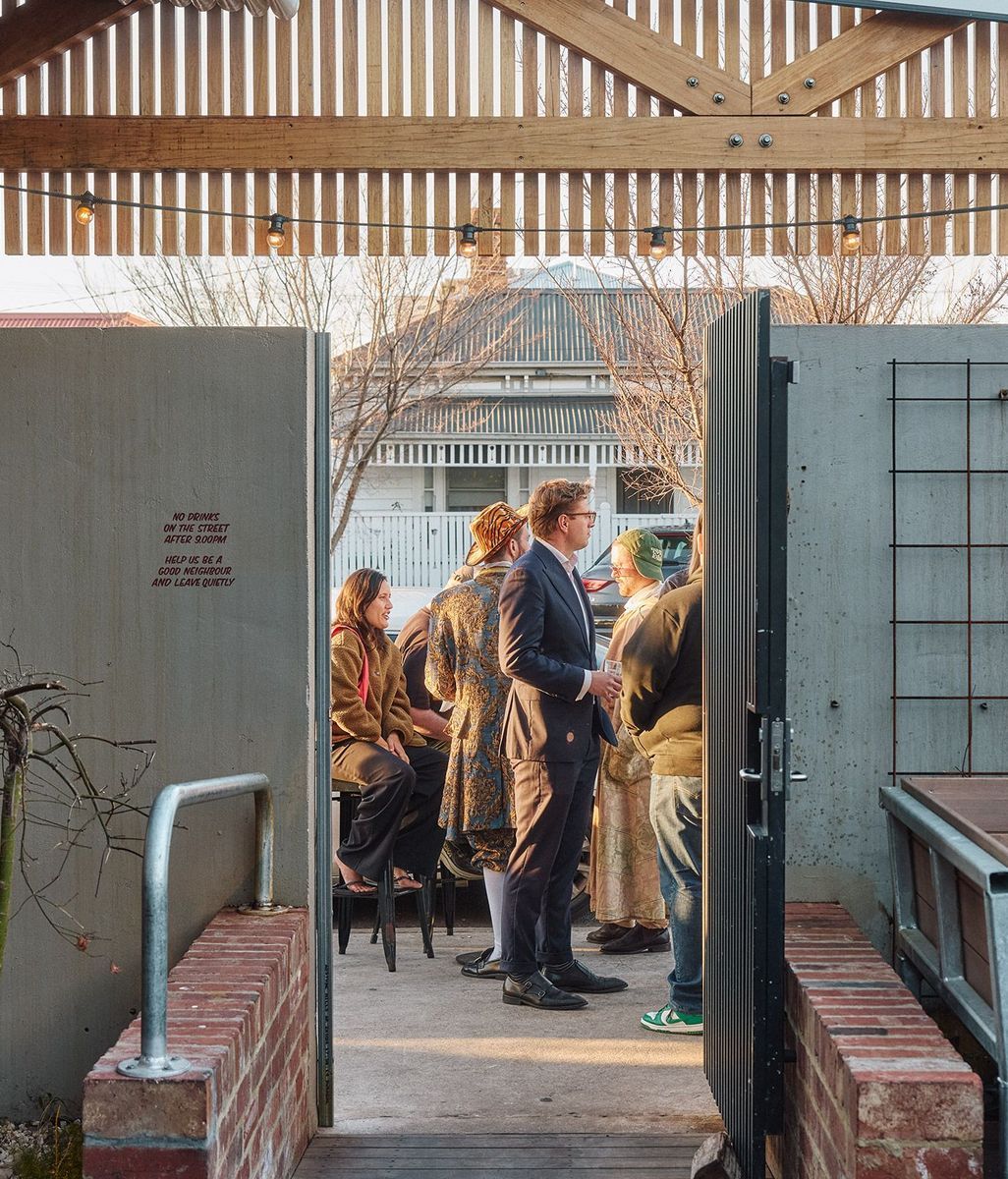
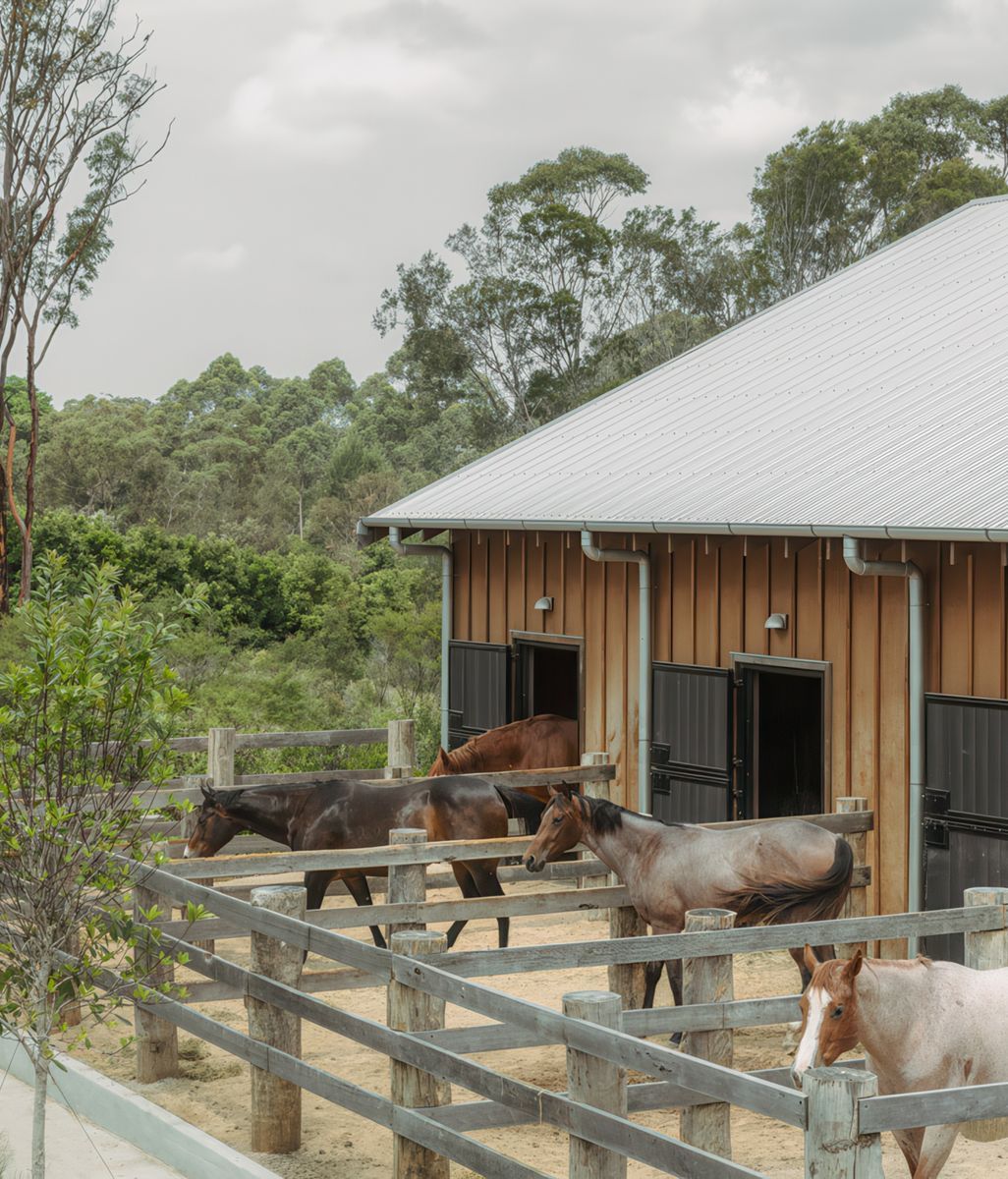
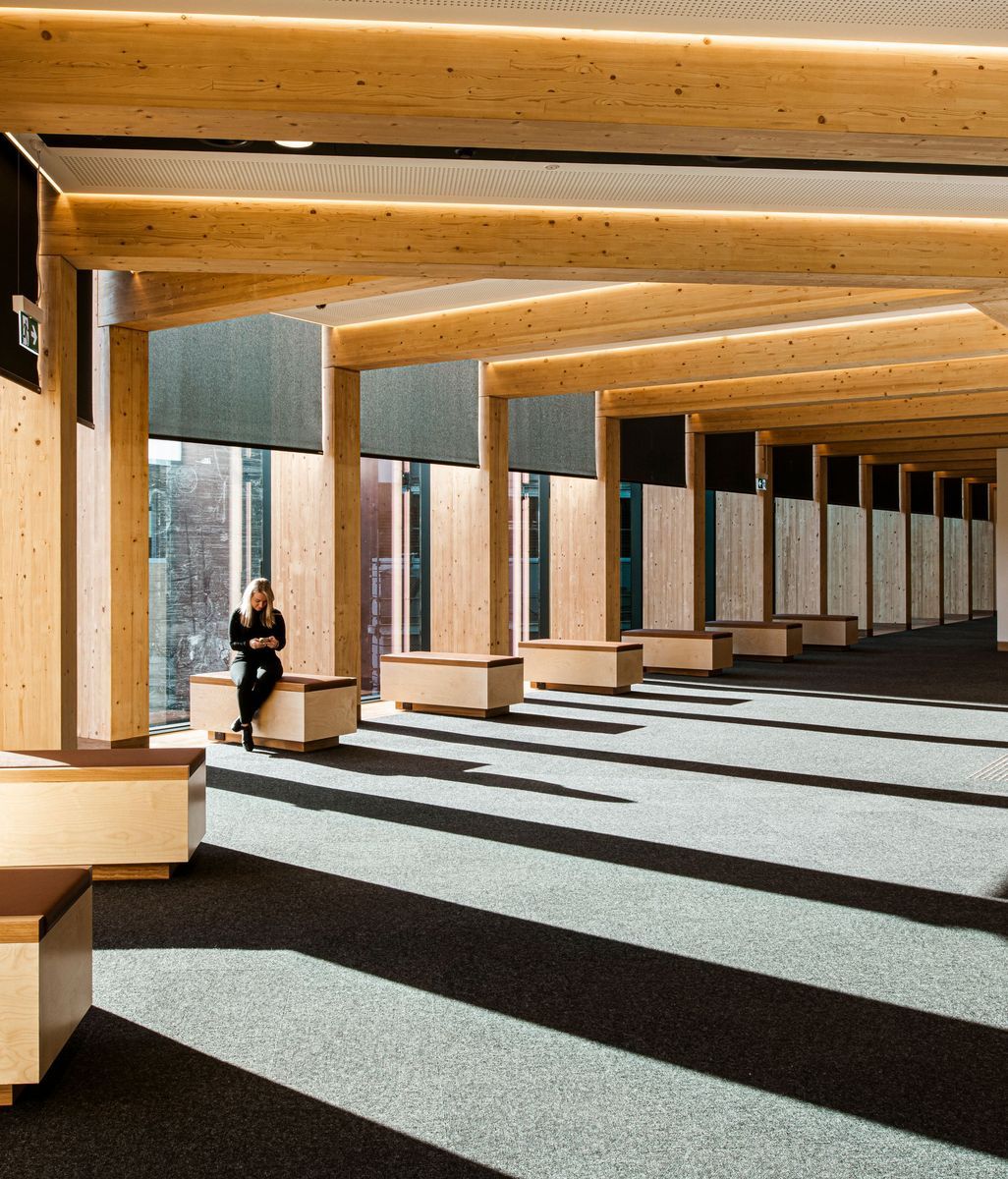
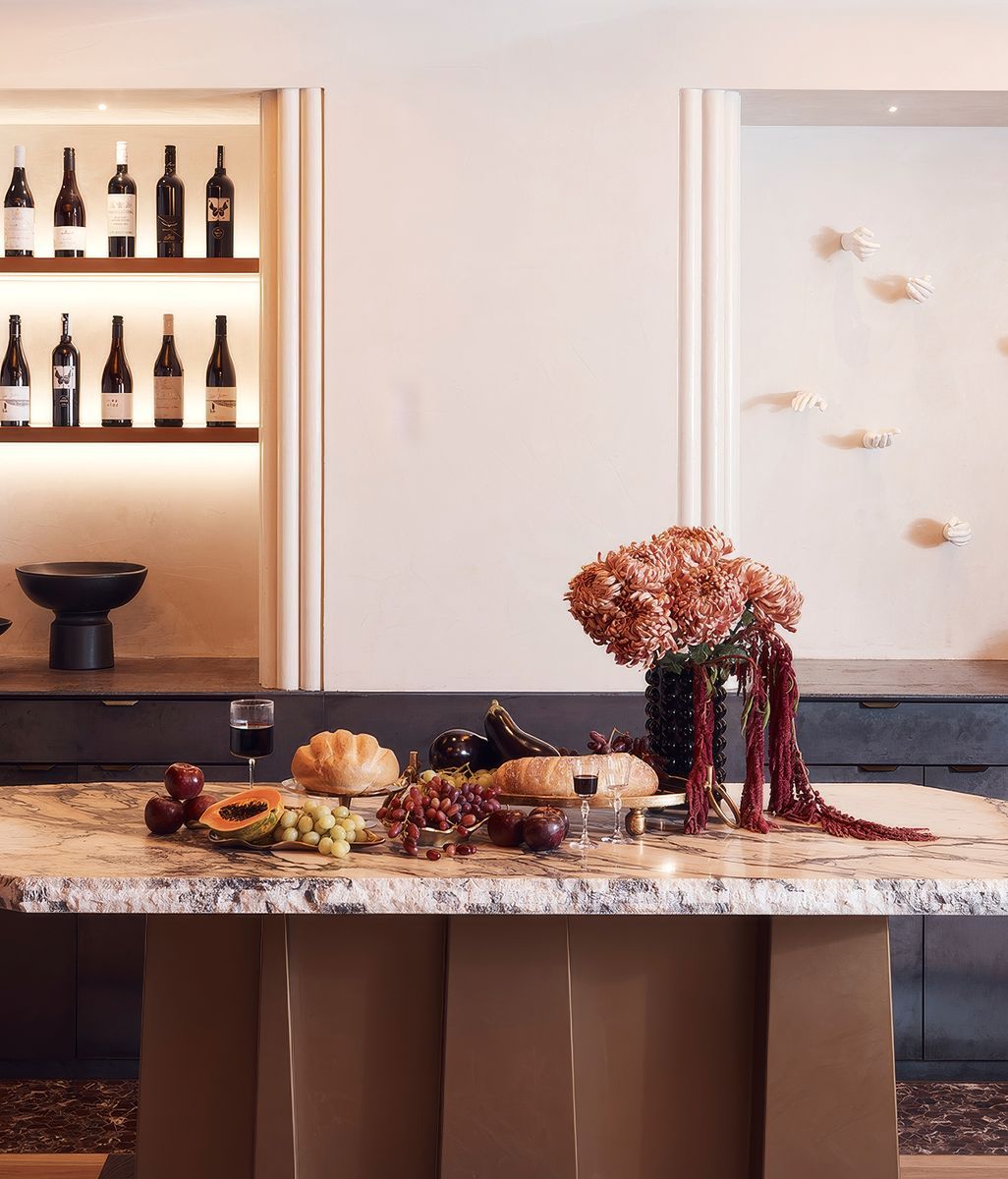
121 Maunganui Road by FPA.

“It’s a full learning environment,” Graham notes. “People develop rapidly because they see the project from start to finish. They understand the challenges and the solutions, and they feel confident to contribute meaningfully.”

For clients, that means continuity. Every team member understands the project intimately, so the work can continue seamlessly even as different people move across different stages.

Sustainability and context are central to FPA’s work. From multi-residential complexes, offices and mixed-use commercial centres to interior fit-outs and public buildings, each project begins with a careful understanding of the brief, the construction efficiencies, the site and the people who will use the space.

Their work across New Zealand and the Pacific has reinforced the importance of designing with local knowledge. In the Pacific Islands, for example, projects required an understanding of climate, materials, labour and traditional building methods, balanced with contemporary expectations around durability, efficiency and use.

“Building in the Pacific Islands is a completely different challenge to building in New Zealand,” Graham says. “You need to understand the local industries, materials and climate. It’s not just about aesthetics; it’s about creating something that lasts and works for the people who live there.”

At the heart of FPA is the belief that architecture should support not only its clients, but the wider communities it sits within. Buildings are approached as places of use, exchange and daily life, spaces where people live, work and interact with one another and their surrounding environment in meaningful ways.

That thinking has led FPA to explore how commercial and urban buildings can work harder for the people who use them. In one city-centre concept, Graham imagined every building with a green roof, supported by shared facilities between buildings, from childcare and outdoor breakout areas to a rooftop dog park for office workers. It is a small idea with a larger ambition: to make dense urban environments more humane, social and connected to nature.

“We’re always thinking about how a building functions long after the initial build,” Graham says. “It’s about designing with longevity in mind.”

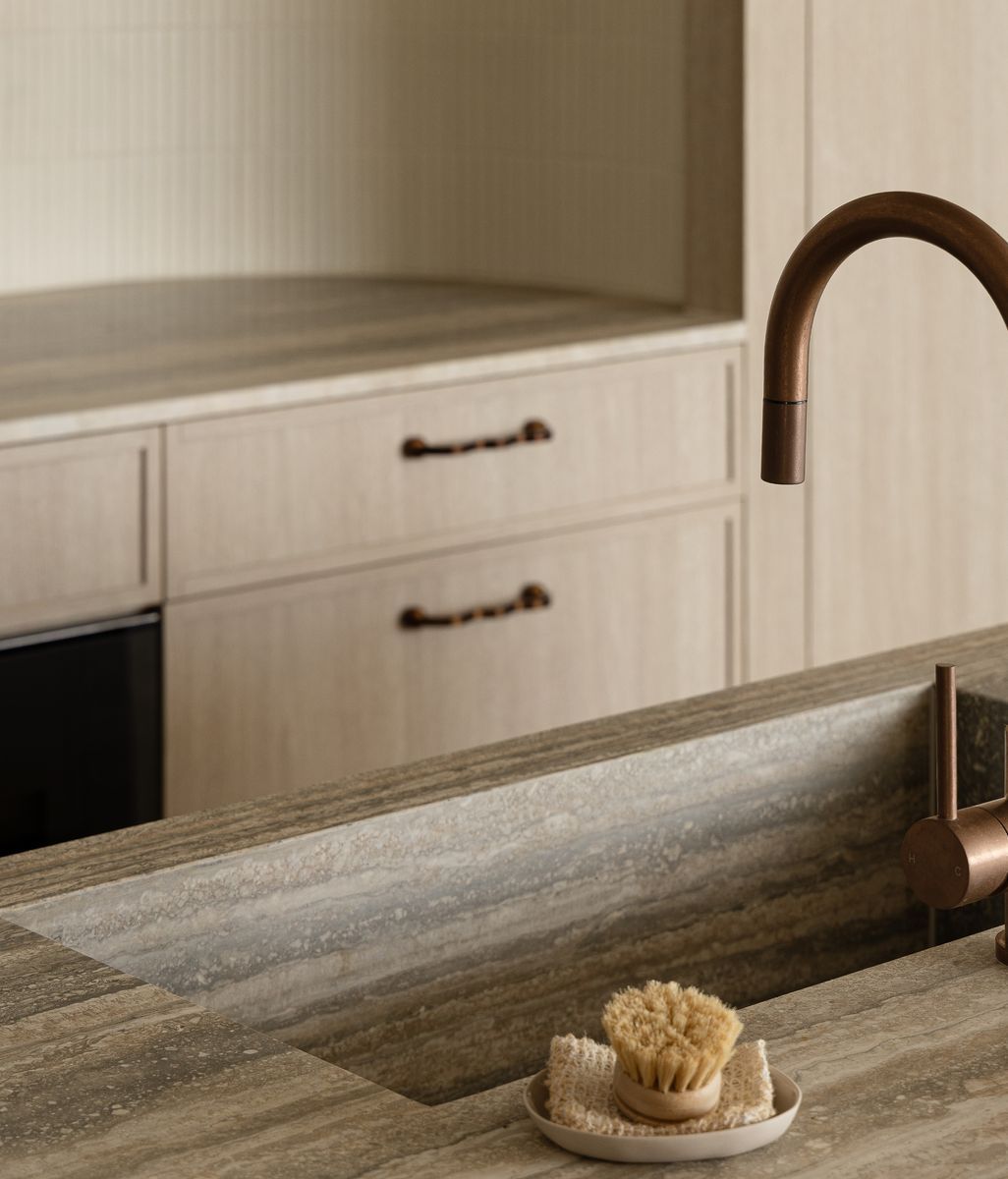
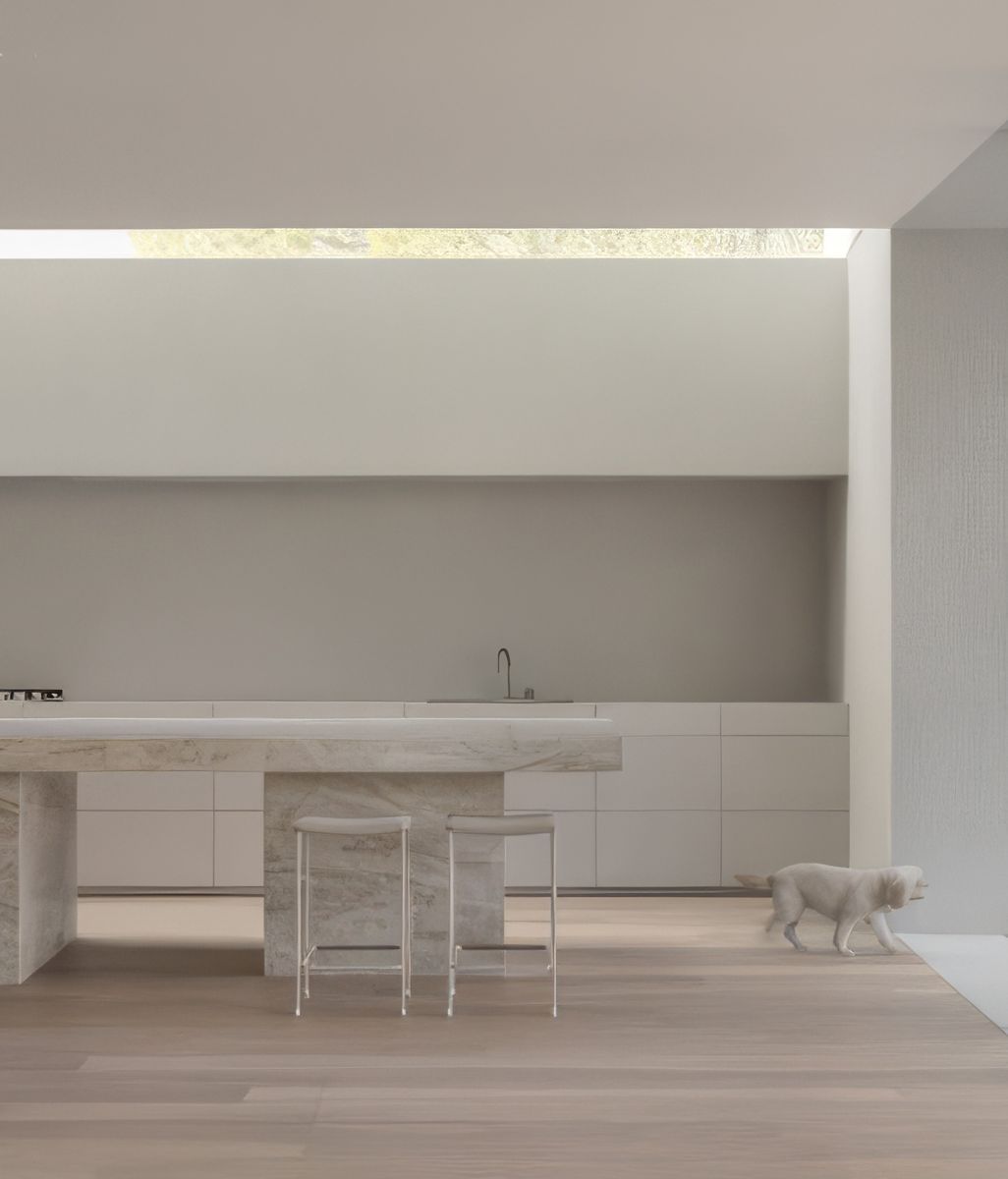
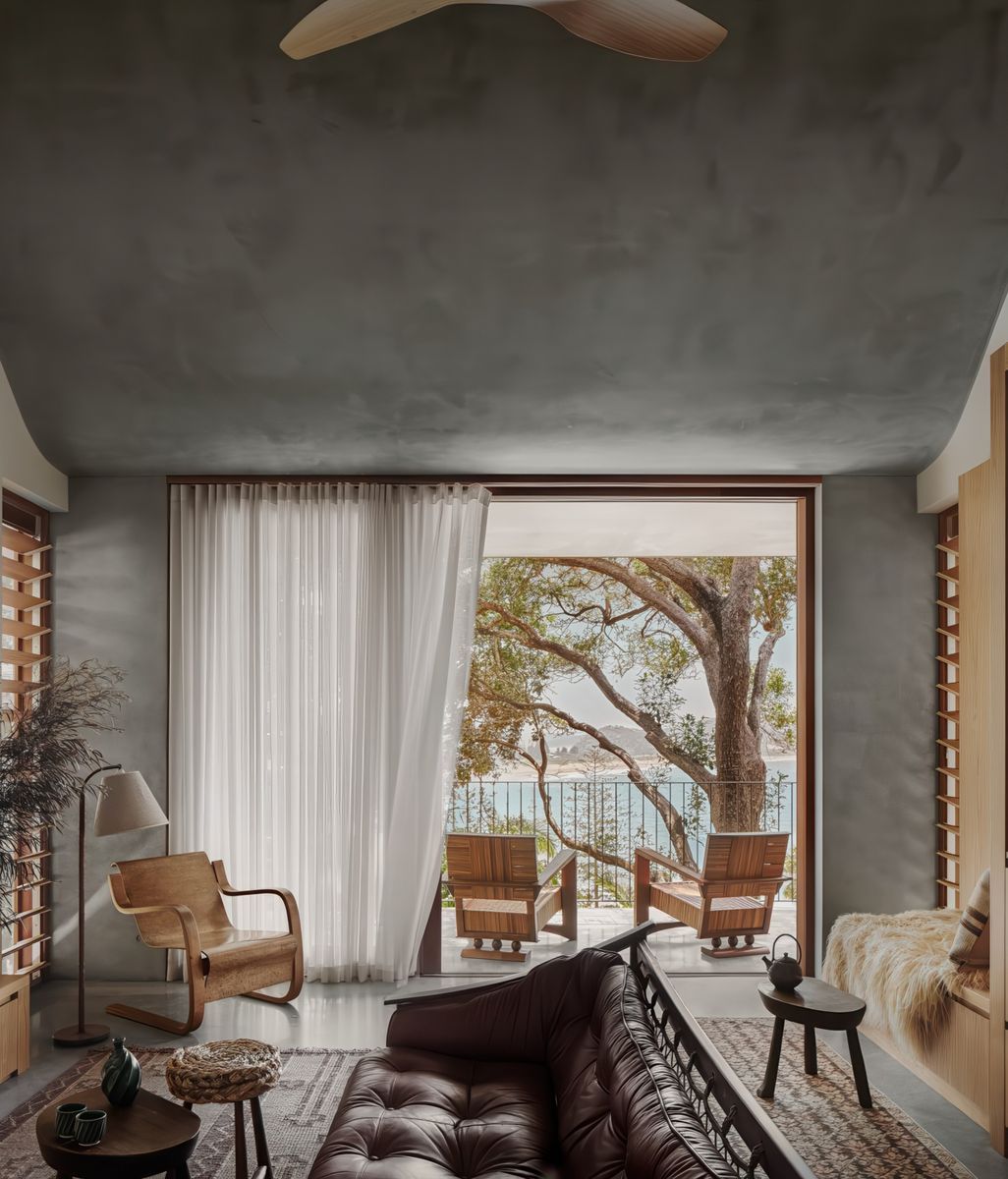
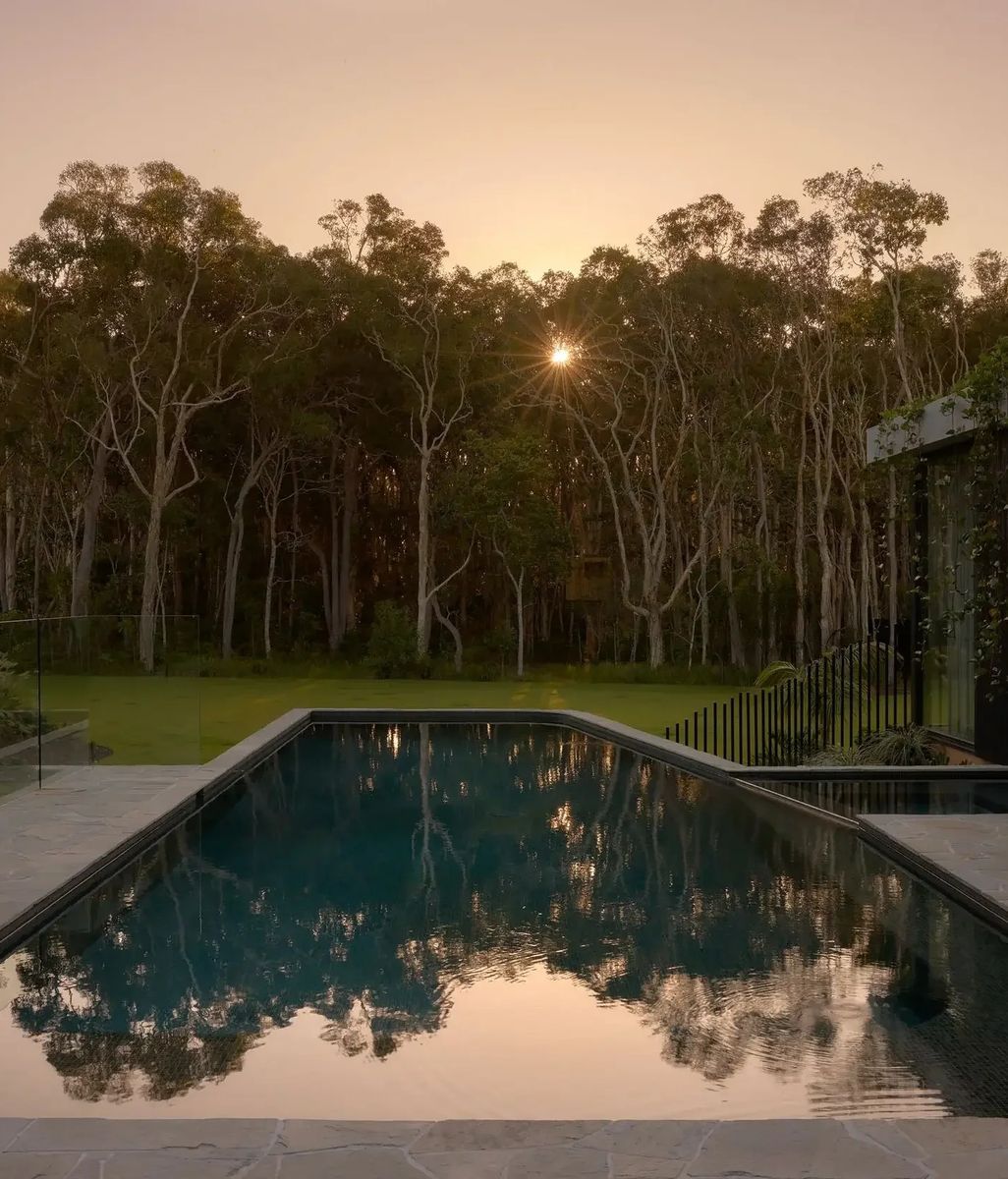
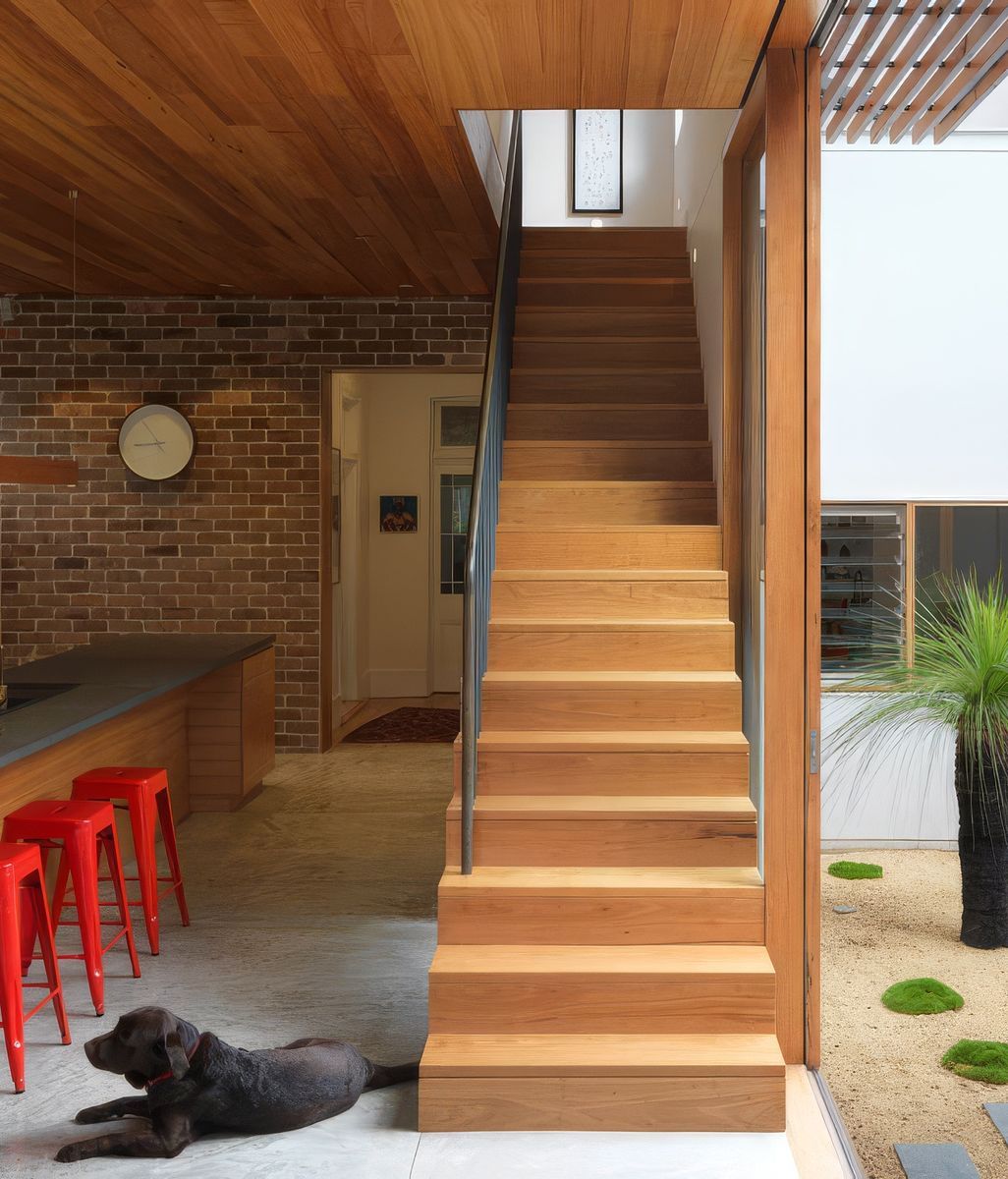
Salt Residential by FPA.

For FPA, this long view is not limited to environmental performance. It also considers how buildings can adapt over time, how communities grow around them, and how commercial and residential environments can better support the rhythms of everyday life. In growing towns and developing communities, that might mean thinking beyond a single building to the wider network of convenience centres, commercial facilities and shared spaces that allow places to function.

Looking ahead, Graham is less interested in a fixed idea of what the practice should become than in staying open to what architecture can make possible. For FPA, the future lies in creating more liveable buildings and communities. Places that use fewer resources, integrate more closely with nature and support the rituals of everyday life.

Designing from first principles, then, is not a formula. It is a way of returning to the essential question at the beginning of every project. What does this place and the people who will use it, truly need?

Explore more commercial architecture, workplace design and architect-led projects on ArchiPro. Discover leading New Zealand architects and designers, browse commercial projects, or find inspiration across our latest architecture and design articles.