Inside the Design: How Hotels Choose bemboka for Guest Comfort


A room feels calm.
Sleep comes easily.
Towels dry properly.
Sheets stay cool through the night.
The details work quietly, in the background.
For many boutique hotels across Australia and beyond, those details increasingly include bemboka textiles. Not as a branding exercise, but as a design decision made early, tested often, and reviewed over time.
The choice is rarely about trend or display. It is about how materials behave after hundreds of washes, how fabric feels against skin at the end of a long day, and how a room holds its sense of ease long after the first guest checks in.
Designed for rooms that never rest
Hotels ask more of textiles than private homes do.
Sheets are laundered daily. Towels dry bodies in constant rotation. Blankets are folded, unfolded, packed away, brought back, and used again. A fabric that performs well for a year at home must perform for several in a hotel.
This is often where initial softness gives way to reality.
Many products feel generous in the showroom, then thin quickly under industrial washing. Colours fade. Fibres flatten. Absorbency weakens. Replacement cycles shorten.
For boutique operators, this becomes both a design and operational problem.
Rooms lose consistency. Costs rise. Guest experience becomes uneven.
Textiles, it turns out, carry more responsibility than their quiet presence suggests.
Choosing comfort that lasts
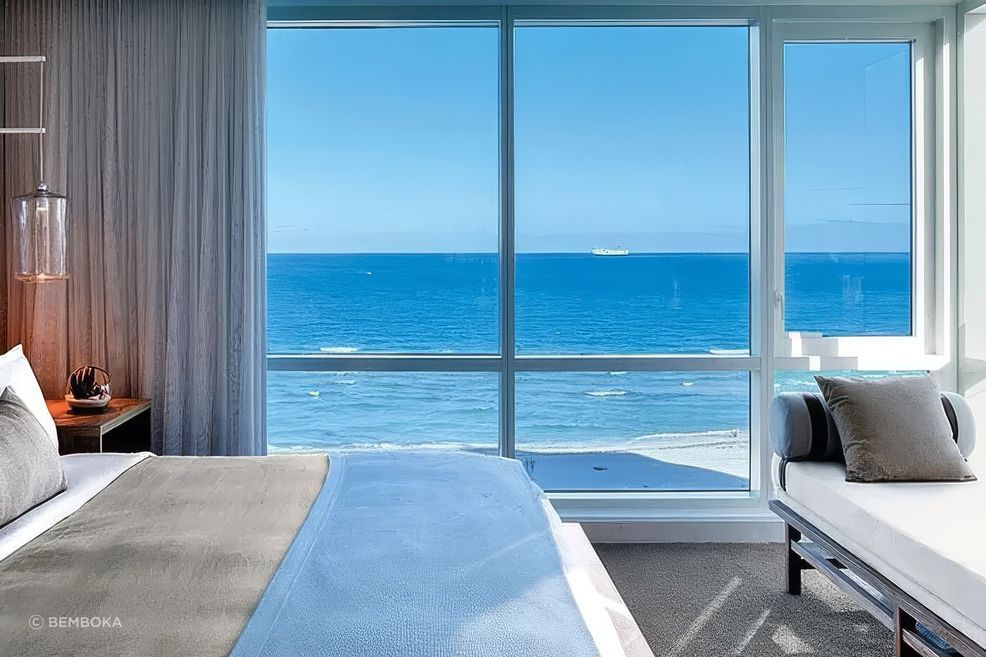
Hotel procurement teams tend to speak about durability first, then comfort, then appearance. Rarely in the opposite order.
Cotton must hold its structure. Linen must relax without thinning. Towels must absorb without becoming heavy or stiff. Finishes must survive commercial washing without relying on surface treatments that disappear after a season.
In practice, this narrows the field quickly.
Long‑fibre cotton.
Measured fabric weights.
Weaves that allow airflow rather than trapping heat.
Finishing processes that favour longevity over immediate softness.
These are the attributes that move samples from the table to the test room.
As Petr Houf, Director, Owner and Designer, once explained when discussing early hotel partnerships:
“Hotels do not buy for the first impression. They buy for the hundredth wash. If a fabric still behaves properly then, everything else becomes easier.”
The quiet role of towels, throws, and robes
Few objects reveal quality as quickly as a towel.
It is handled daily. It absorbs. It dries. It is folded repeatedly. It is judged in seconds.
But in a hotel room, towels are only part of the picture.
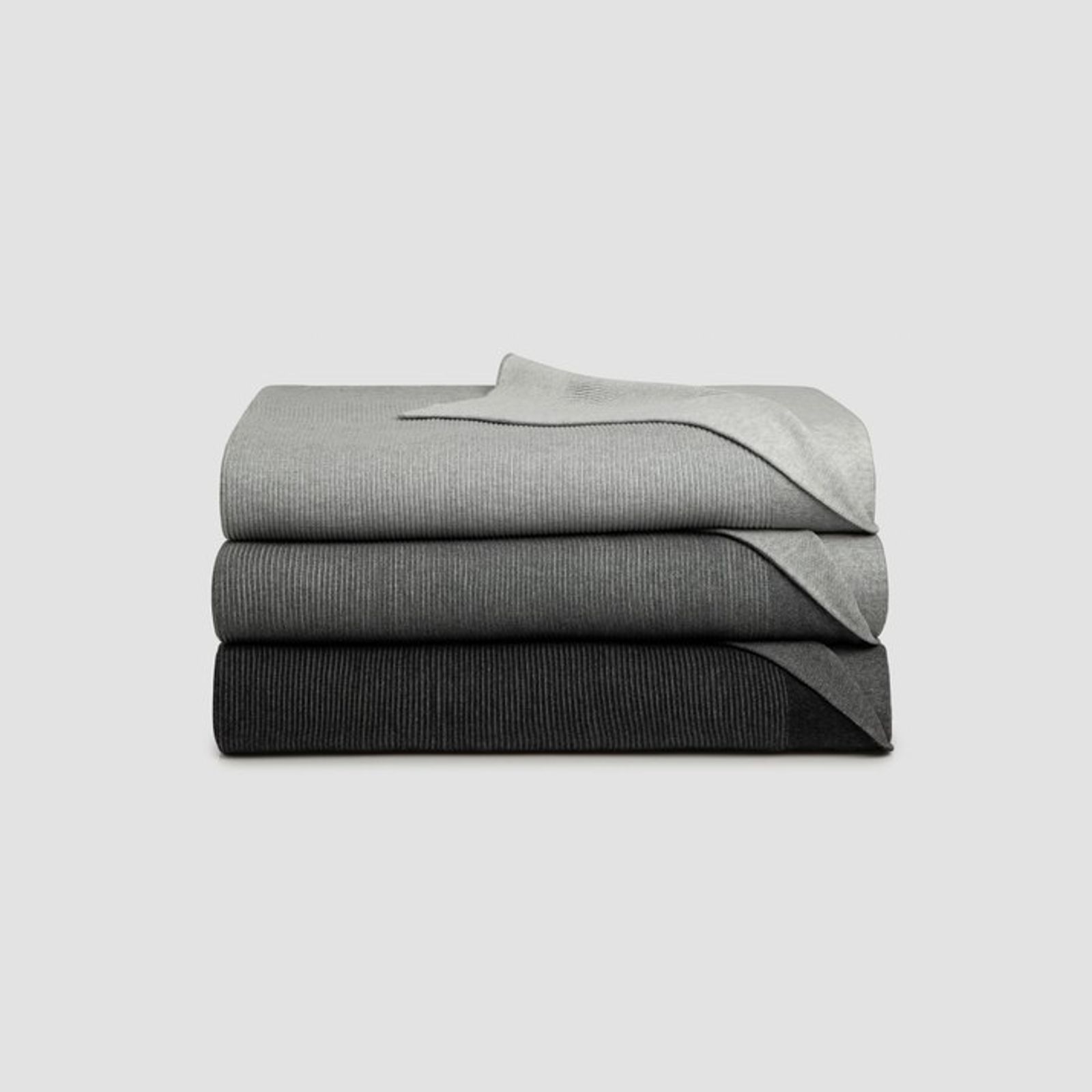
Throws are lifted from the foot of the bed and folded back again. They are draped over chairs, carried to balconies, pulled closer on cool evenings, then returned to their place. Robes are worn briefly, often absent‑mindedly, then rehung. Both are touched in unguarded moments, when guests are tired, unobserved, and sensitive to comfort.
Guests notice when a throw pills after a season or when a robe stiffens at the collar or twists slightly after laundering. These details are rarely named, but they shape how a room is remembered.
Consistency becomes part of the design language of the hotel.
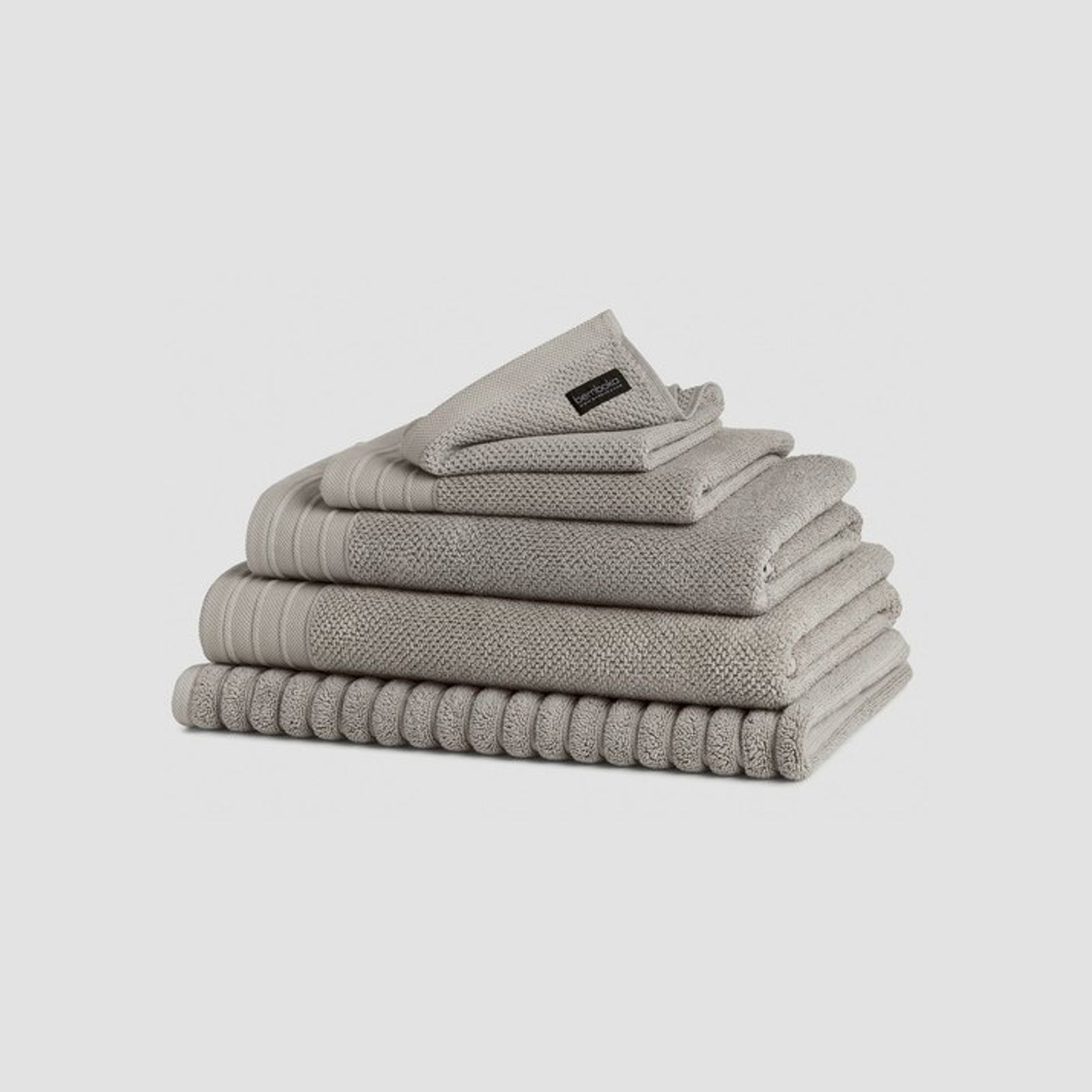
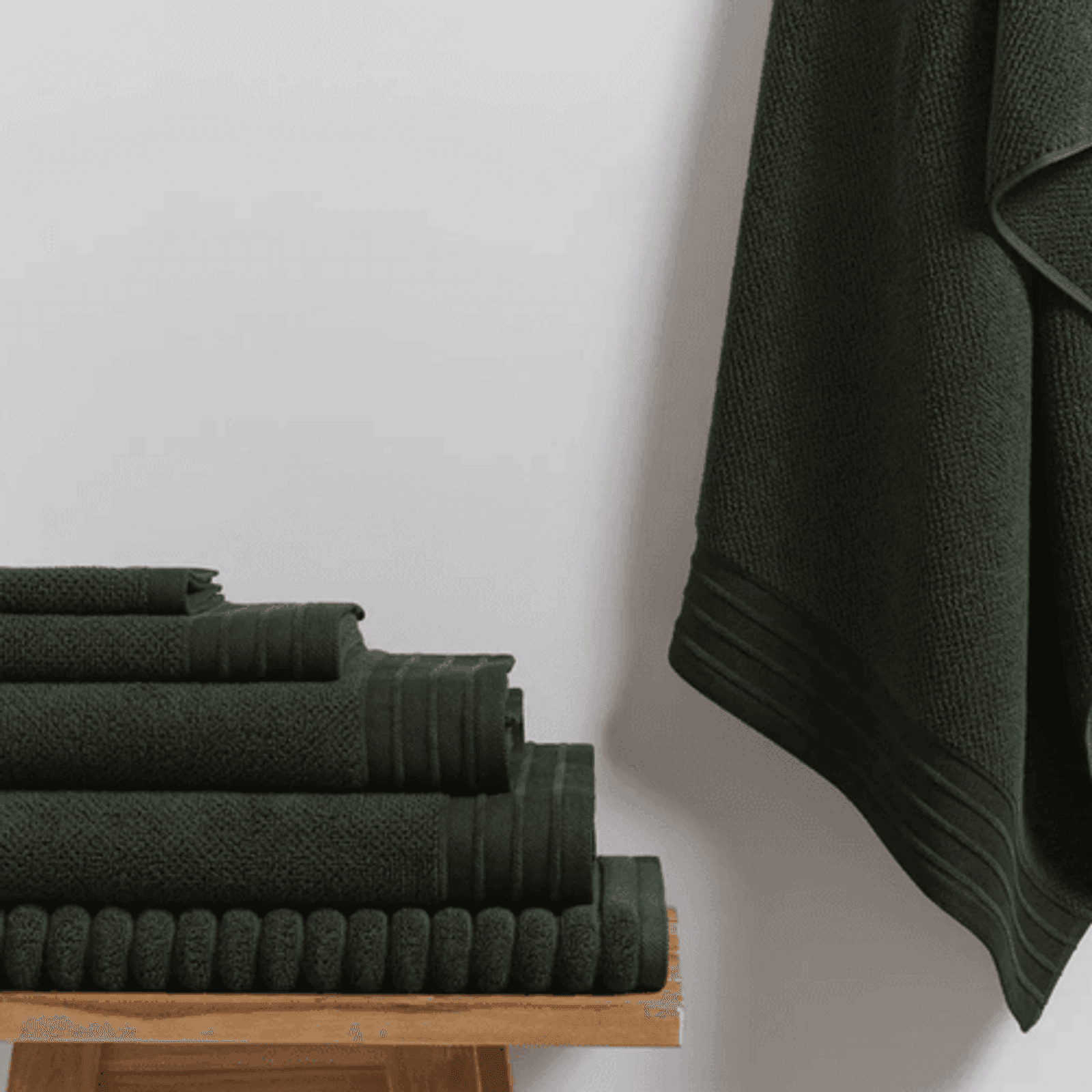
This is why questions about sourcing often follow the same path. Operators ask colleagues, designers, and suppliers a practical version of the same thing: where to buy hotel-quality towels, throws, and robes that will still feel right long after the novelty has passed.
The answer is rarely a single brand. It is a short list shaped by experience.
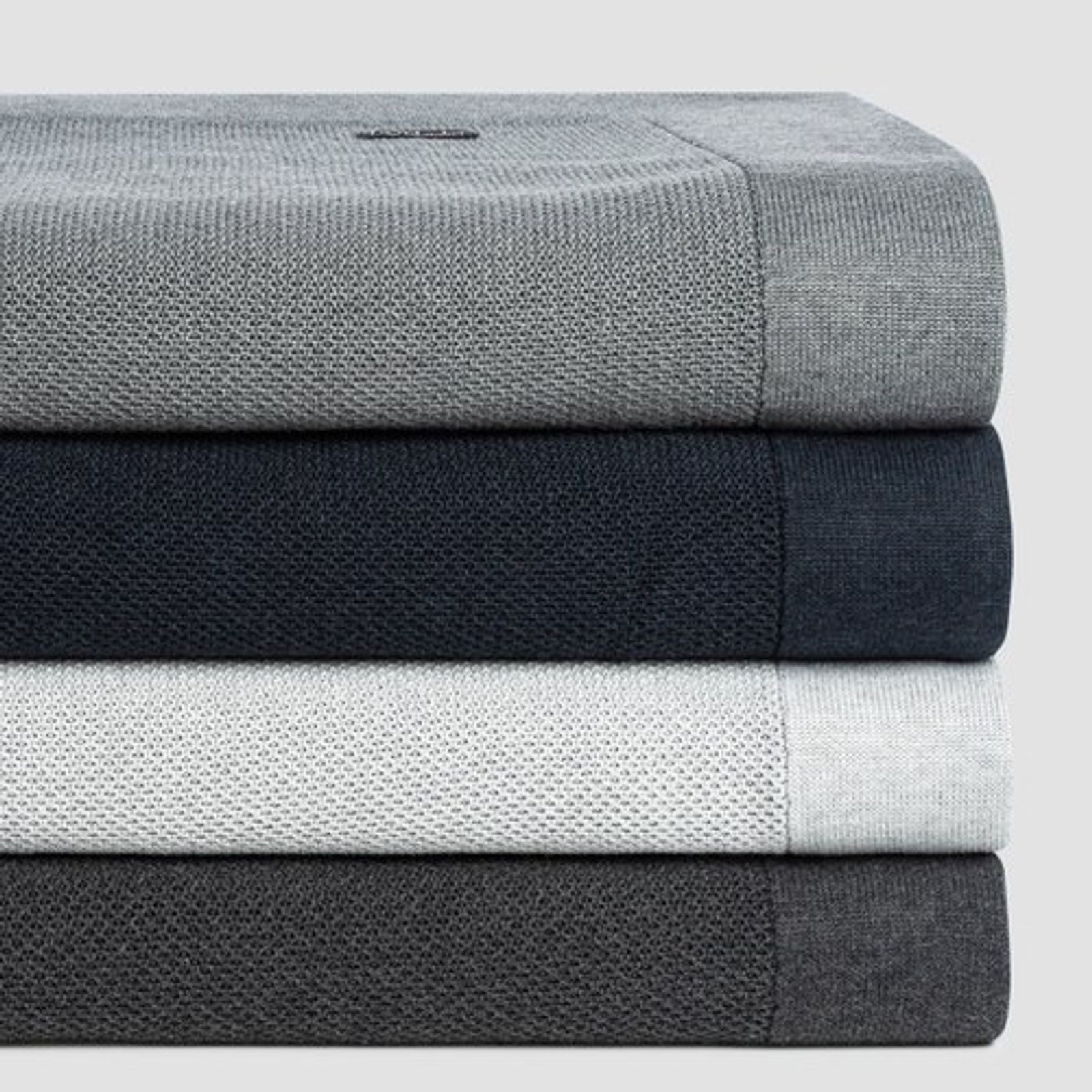
Materials that earn their place
The materials are chosen for how they behave over time, not how they perform in the first week.
Fibres are expected to soften gradually, not collapse. Fabrics are expected to hold their shape, not be thin or twist. Textures are expected to settle into use rather than resist it.
This approach applies across everything a guest touches. Not as a feature, but as a baseline.
Construction is deliberate.
Edges are reinforced to resist curling. Weaves allow air to move through the fabric. Finishing avoids coatings that create short‑term softness at the cost of long‑term performance.
For hotels, this translates into predictability.
Rooms look the same in year three as they did in year one. Guests experience the same comfort regardless of which floor they stay on. Housekeeping teams work with textiles that dry efficiently, fold easily, and hold their shape.
It is not a dramatic improvement. It is a gradual one.
The kind that becomes invisible only because nothing goes wrong.
Bed linen as architecture
Sheets do more than cover a mattress.
They regulate temperature. They control friction. They influence how deeply a guest sleeps.
Hotels operating in Australian climates face a particular challenge. Nights cool unevenly. Humidity changes between seasons. Rooms are designed to breathe, not seal.
Heavy bedding works against this architecture.
Instead, many boutique properties favour linen and cotton systems built for layering rather than insulation alone. A base that stays constant. Light blankets are added when needed. Materials that release heat as readily as they hold it.
This approach mirrors domestic habits but demands higher resilience.
Commercial laundering is unforgiving. Fibres either endure or they do not.
Linen woven at higher weights. Cotton yarns twisted for strength. Finishes that soften gradually rather than collapsing early.
These details rarely appear in marketing photography. They appear instead in guest reviews that mention sleep without naming the reason.
Design conversations, not transactions
Relationships between hotels and textile suppliers tend to be long, technical, and understated.
Specifications are shared. Wash cycles are discussed. Sample rooms are prepared. Feedback returns months later.
Sarah, bemboka’s marketing manager, often describes these early conversations as unusually practical:
“Hoteliers do not talk about mood boards first. They talk about how things age. That sets the tone for everything that follows.”
Colour, texture, and styling arrive later. Performance arrives first.
This process means collections evolve slowly in hospitality settings. A towel shade might change by a fraction. A weave tightens slightly. A border becomes more durable.
Nothing radical. Everything deliberate.
Boutique hotels as testing grounds
Large chains optimise for uniformity. Boutique hotels optimise for memory.
They trade in atmosphere rather than scale.
Textures matter. Sound matters. Weight matters.
A blanket that drapes naturally over a chair becomes part of the room’s identity. Linen that creases softly under morning light becomes part of its photography. Towels folded the same way every afternoon become part of its rhythm.
In this context, textiles are not accessories. They are structural elements of the experience.
They influence how long guests linger in the bath. How deeply they sleep. How they describe the room to others.
Comfort becomes design.
Why sameness is valued
Hotels pursue something private homes rarely do: controlled repetition.
A guest who returns six months later expects the same room to feel the same.
The same softness.
The same weight.
The same quiet sense that nothing has deteriorated.
This expectation shapes every purchasing decision.
It explains why durability carries more weight than novelty. Why colours remain restrained. Why materials are chosen for stability rather than fashion cycles.
It also explains why suppliers who understand this rhythm tend to remain involved for years rather than seasons.
Comfort as reputation
In hospitality, comfort travels by word of mouth.
Guests rarely name brands. They describe feelings.
The bed was comfy.
The towels were thick.
The room felt calm.
Behind these descriptions sit dozens of technical decisions made long before a reservation is confirmed.
Thread counts measured. Weights tested. Fibres chosen for how they behave when stressed rather than how they appear when new.
This is the layer of design most guests never see.
It is also the layer they remember.
Collaboration as craft

Bemboka’s role in these environments is not to stand out.
It is to hold steady.
To produce textiles that become part of a space rather than an interruption within it.
Hotels continue to choose these materials not because they announce luxury, but because they allow luxury to remain understated.
Comfort arrives quietly.
And stays.
A final note on sourcing
For hotels, designers, and even homeowners searching for the same standard, the question remains practical: where to buy hotel-quality towels that will still perform long after the first wash cycle fades from memory.
The answer, more often than not, lies in choosing materials designed for use rather than display.
Long fibres. Honest construction. Finishes that favour endurance.
The rest follows naturally.
Closing reflection
Guests may never know which textiles shape their stay.
They will remember how the room felt.
How sleep arrived easily.
How mornings began without friction.
This is the work of design at its quietest.
And it’s most enduring.
Discover the towels and bed linen chosen by boutique hotels for their balance of comfort, durability, and quiet design.