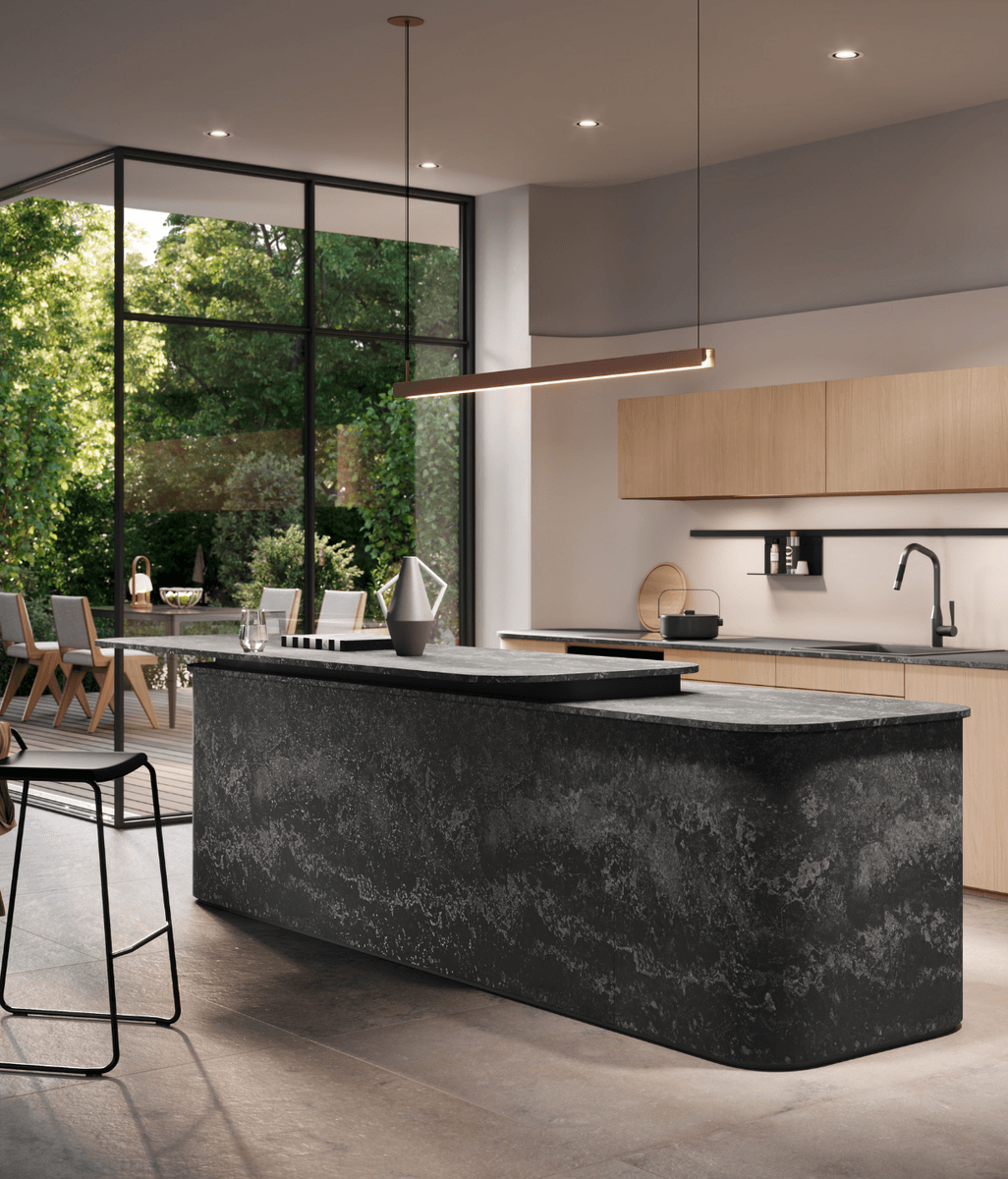
Invisible precision: the recessed systems helping Sandtrap achieve total architectural clarity

Written by

10 March 2026

 • 

5 min read

Sandtrap uses both FlushBox, Flush Fit and recessed curtain systems from Vanda to create a seamless visual connection from indoors to outdoors.
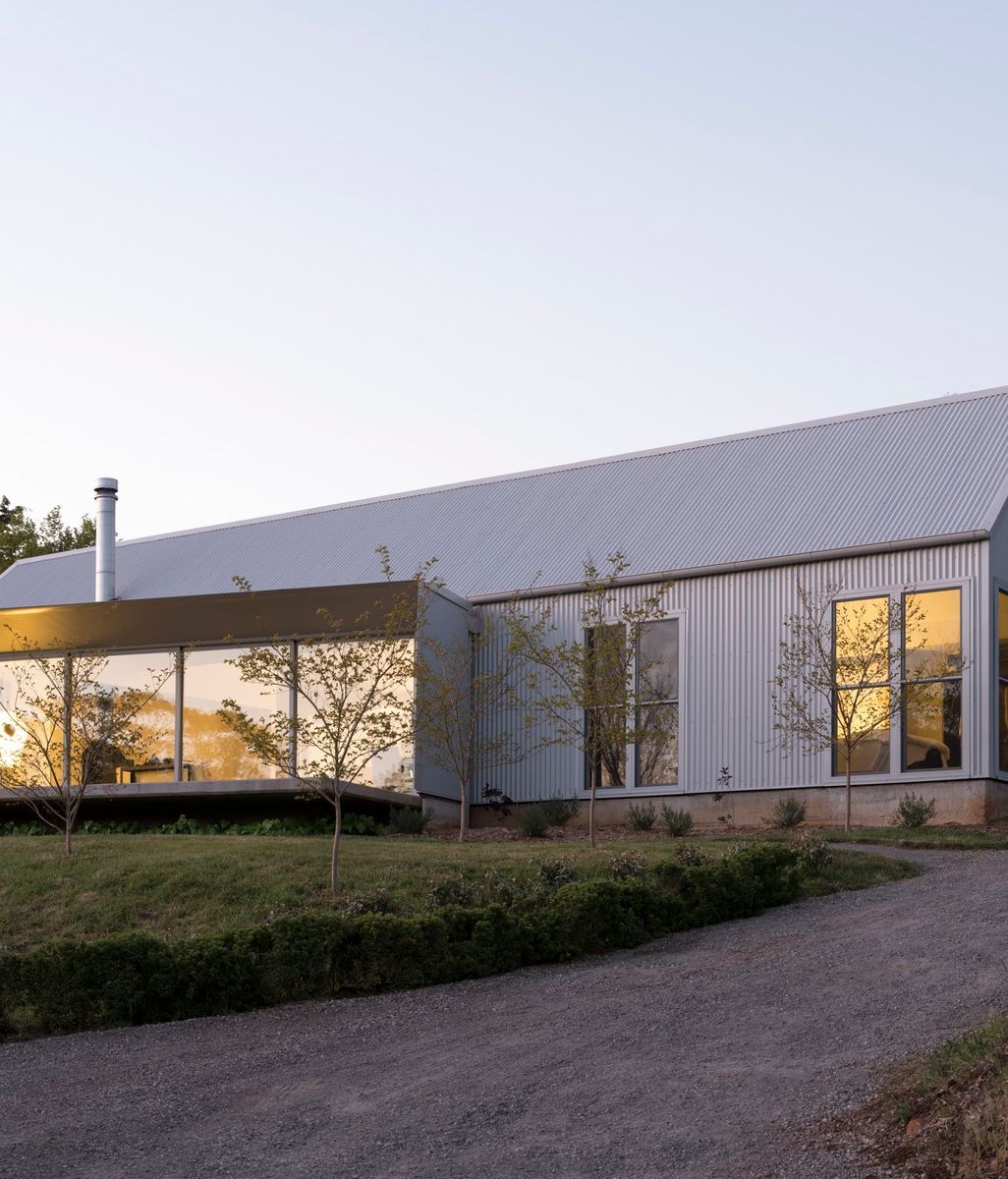
In a carefully resolved home by Lloyd Hartley Architects, recessed blind and curtain systems from Vanda play a crucial role in maintaining the project’s seamless architecture.

There’s a particular satisfaction in encountering a home where everything feels resolved. The architecture, the interiors and the detailing are perfectly cohesive, without a stray element interrupting the experience of the space. In projects like Sandtrap by Lloyd Hartley Architects, that sense of resolution is not accidental but the result of many carefully considered decisions, including some that are almost invisible.

Often, it’s the smallest details that determine whether a project truly sings. Window treatments are one of them. When they are overlooked or added as an afterthought, even the most carefully composed home can lose some of its clarity. Pelmets, exposed tracks or poorly placed blinds can interrupt sightlines and compromise those seamless connections between inside and out.

For Sandtrap, the design team were intent on avoiding that outcome. The solution was a suite of recessed blind and curtain systems from Vanda, specified early so they could be integrated into the architecture itself. As director Tim Wallace explains, the approach is fundamentally about concealment. 

“FlushBox and Flush Fit systems are recessed into the ceiling cavity, so you’ve got floor-to-ceiling blinds or curtains that hang seamlessly so that you can barely see the system that houses the blinds or the curtains.”

That simple idea of hiding the mechanics allowed the home’s spaces to remain visually calm while still delivering the performance needed for privacy, light control and comfort.

All the Vanda curtain and blind systems used in Sandtrap recess into the ceiling for uninterrupted visual flow.

Four FlushBox solutions for different conditions


Interestingly, Sandtrap used not one but four variations from Vanda’s FlushBox range. According to Wallace, that’s unusual but speaks to the different architectural conditions across the home.

“Within our FlushBox suite, there’s about eight or nine different options to choose from, and usually a client would go with one, maybe two,” he says. “But on this occasion they’ve chosen four types.”

The single-flange FlushBox is commonly used alongside Gib-lined ceilings, where the small overlapping flange creates a crisp junction and helps the box neatly hug the cut edge of the plasterboard.

Where cedar ceiling linings were used, a flangeless FlushBox allowed the timber boards to finish cleanly against the extrusion with only a fine shadow gap. It’s a subtle detail but one that keeps the material palette looking intentional and refined.

A double-flanged FlushBox solved a more complex construction scenario. With projecting mullions requiring tight plasterboard detailing, the additional flange helps support small sections of lining and simplifies the builder’s job while maintaining a precise finish.

Finally, a double FlushBox configuration was used to house paired roller blinds (typically a sunscreen and a blockout) concealed side by side within the ceiling cavity.

All of the blinds installed in the project were motorised, which Wallace says is the natural pairing for FlushBox. 

“Most of the time, if you’re doing recessed FlushBox it would be motorised. Otherwise, you’re going to have a chain hanging down, so it defeats the purpose of hiding everything.”

Sandtrap uses Vanda's recessed ceiling curtain tracks.

Curves, curtains and concealed tracks


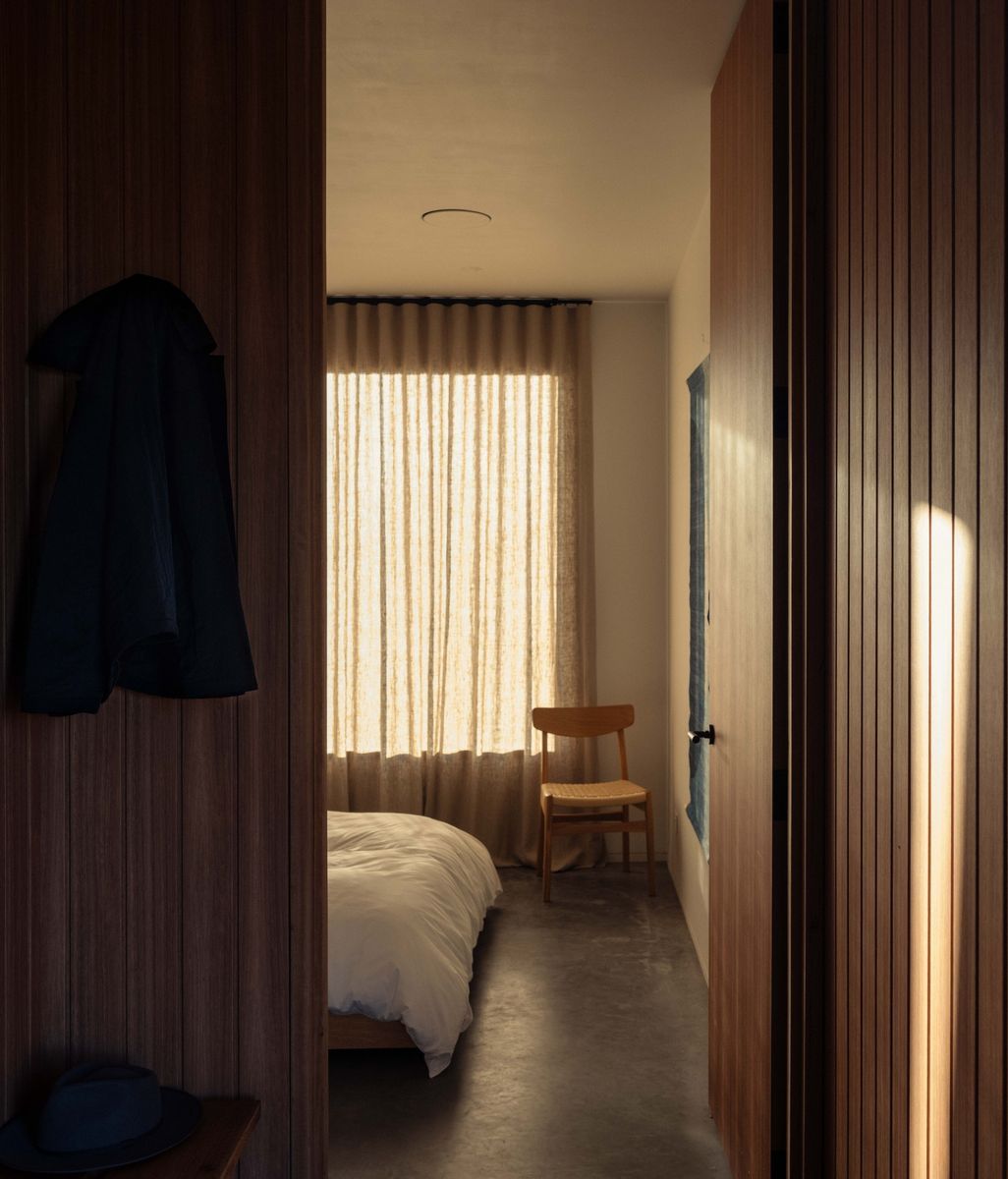
Alongside the roller blinds, Sandtrap also features recessed curtain tracks that follow the home’s curved geometry. Vanda supplied a double Flush Fit track system that sits completely within the ceiling lining, allowing curtains to fall directly from above with no visible hardware.

The tracks were manufactured with different radiuses so two layers of drapery could move smoothly around corners in parallel (typically a sheer and a lining). The result is a soft layer of fabric that complements the architecture without visually competing with it.

Importantly, the track itself disappears.

“The irony is that the whole point of our product is that you don’t see it, so that the architecture is seamless and all you see is the drape and not the tracks themselves,” shares Wallace. 


Built for New Zealand conditions


For a coastal home like Sandtrap, durability also matters. Vanda’s systems are predominantly aluminium extrusions with powder-coated finishes, designed to handle the intensity of New Zealand’s climate.

Roller blinds add another layer of protection inside, reducing glare and helping preserve interior finishes from harsh UV exposure.

Vanda is a family business manufacturing in New Zealand, and its Flush Fit and FlushBox systems also carry Toitū certification, a reflection of the company’s long-term investment in both innovation and local production.

Designed in from the beginning


One of the key lessons from projects like Sandtrap is that systems like these cannot be an afterthought. Recessed blinds and tracks must be considered during design and construction, particularly when motorisation is involved.

Power locations need to be coordinated during the prewire stage, and ceiling details must accommodate the extrusions. In this case, the architect specified the systems, the builder coordinated ordering and installation, and interior designer Kay Coleman of Coleman & Co worked with the client on fabric selections.

Wallace says this collaborative approach has become increasingly common as architects look for solutions that support cleaner architectural outcomes. 

“We have often been asked to come to a project after it has been completed and people want motorised curtains or blinds, but there is no power in the right place and there is no way to hide the hardware,” he says. “It became obvious there was a missing link and we started developing recessed products.”

In a home like Sandtrap, the success of the architecture lies in its seamless thresholds and uninterrupted views, which is only possible through these discreetly installed products. 

As architect Mike Hartley puts it: “Vanda's well-designed and robust Flush Fit curtain track and FlushBox blind systems allowed us to elegantly and cleanly integrate soft curtain curves and minimal blind recesses into the fabric of our architecture, maintaining the exceptional views while providing the necessary structure for the desired window treatments.”

The components responsible for that experience remain unseen, reminding us that truly resolved projects are the cumulative result of many small decisions, including the ones designed specifically to disappear.

Explore recessed systems from Vanda