Oil, hardwax oil or polyurethane?


The finish you select for your timber flooring or wall panelling depends on the intended use of the space and the aesthetics. Traditional oils and hard waxes are the most natural choice – in terms of aroma and look – and protect the timber by soaking into it, strengthening it and repelling water. Polyurethane, on the other hand, is a synthetic resin and provides a protective plastic-like barrier over the surface of the wood. Polyurethane is considered the most durable, but oils and waxes have seen a big renaissance in the last decade for their natural look and green credentials. We review each of these options below, and look at some of their pros and cons.
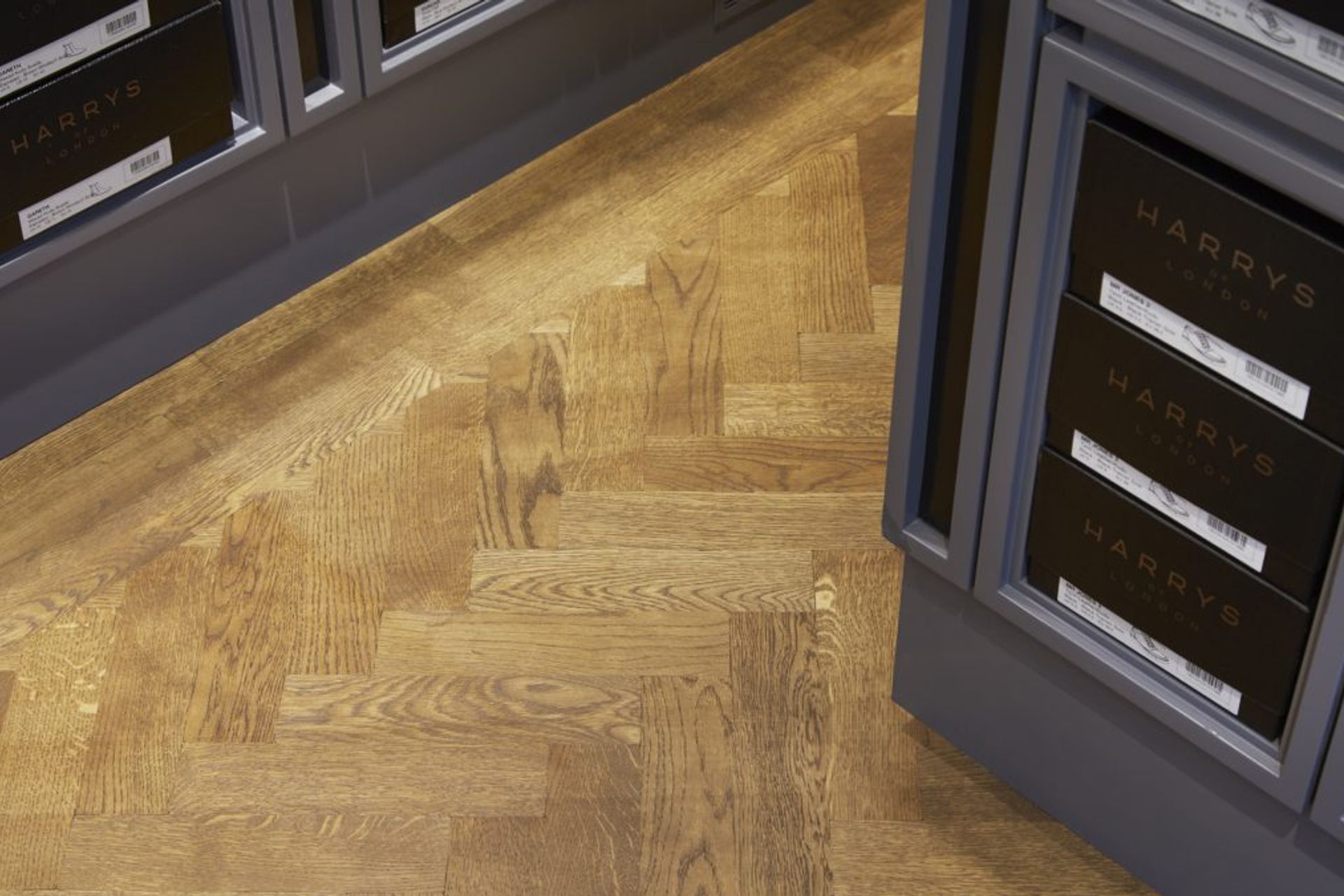
Traditional Oil
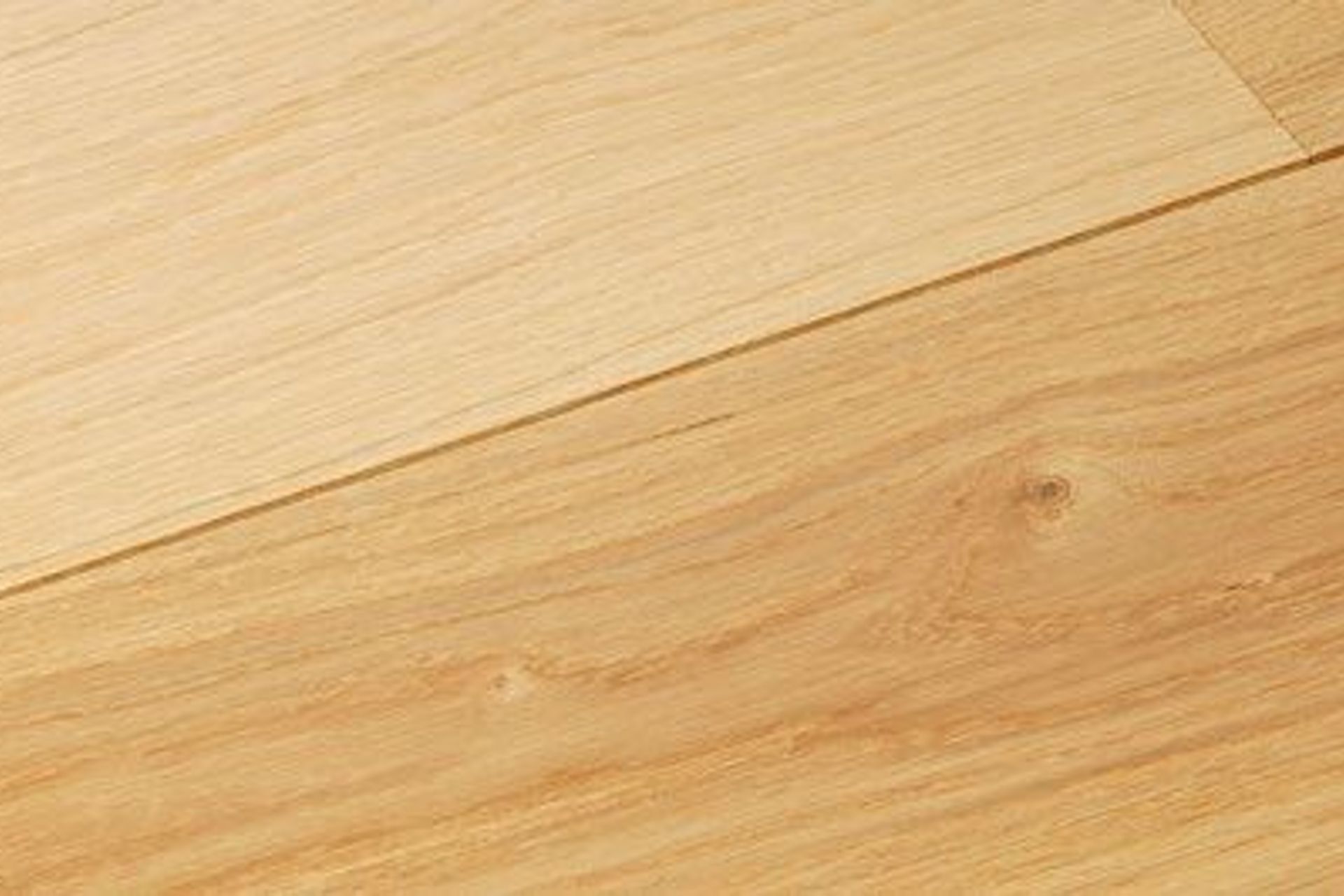
Hard Wax Oil
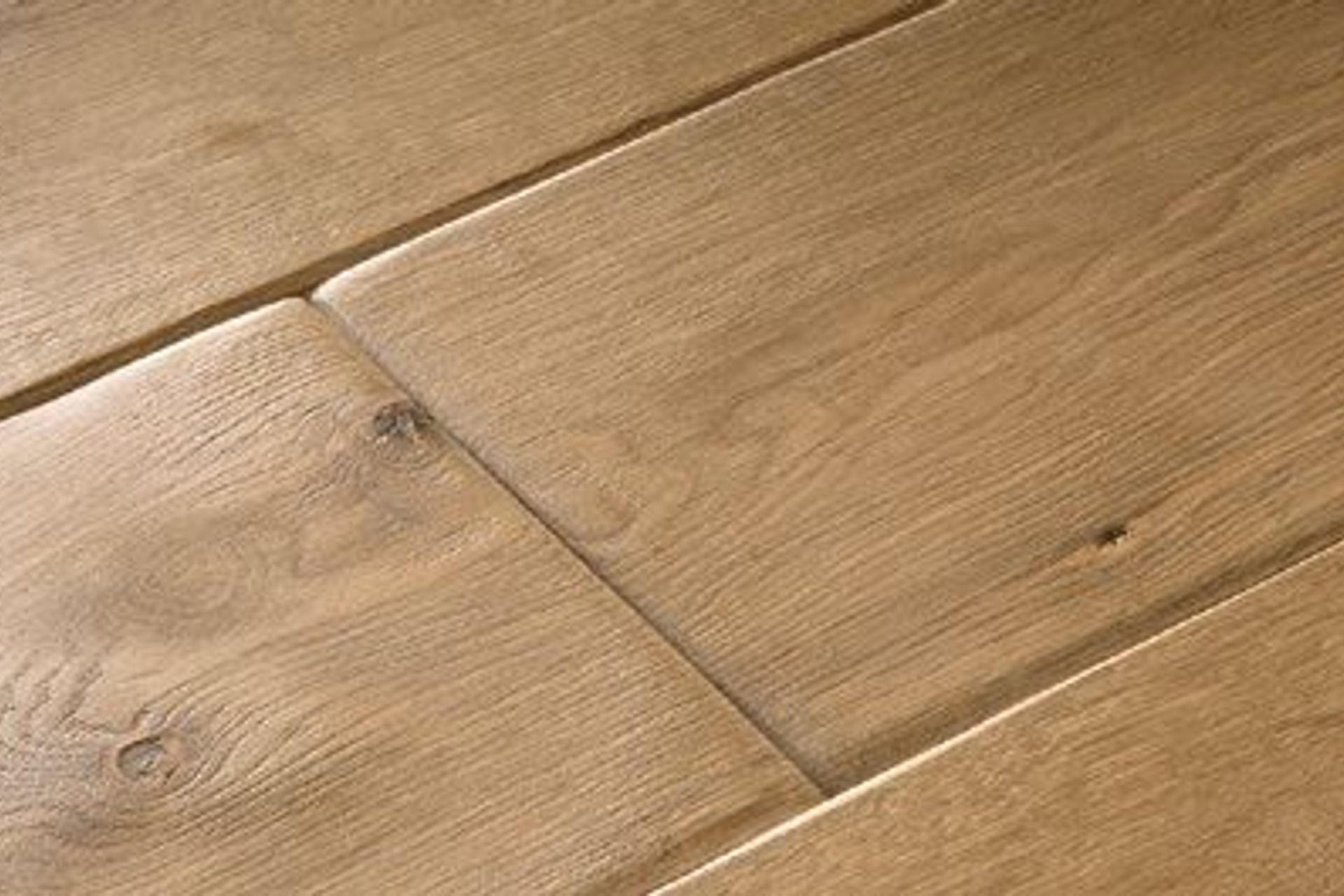
Polyurethane
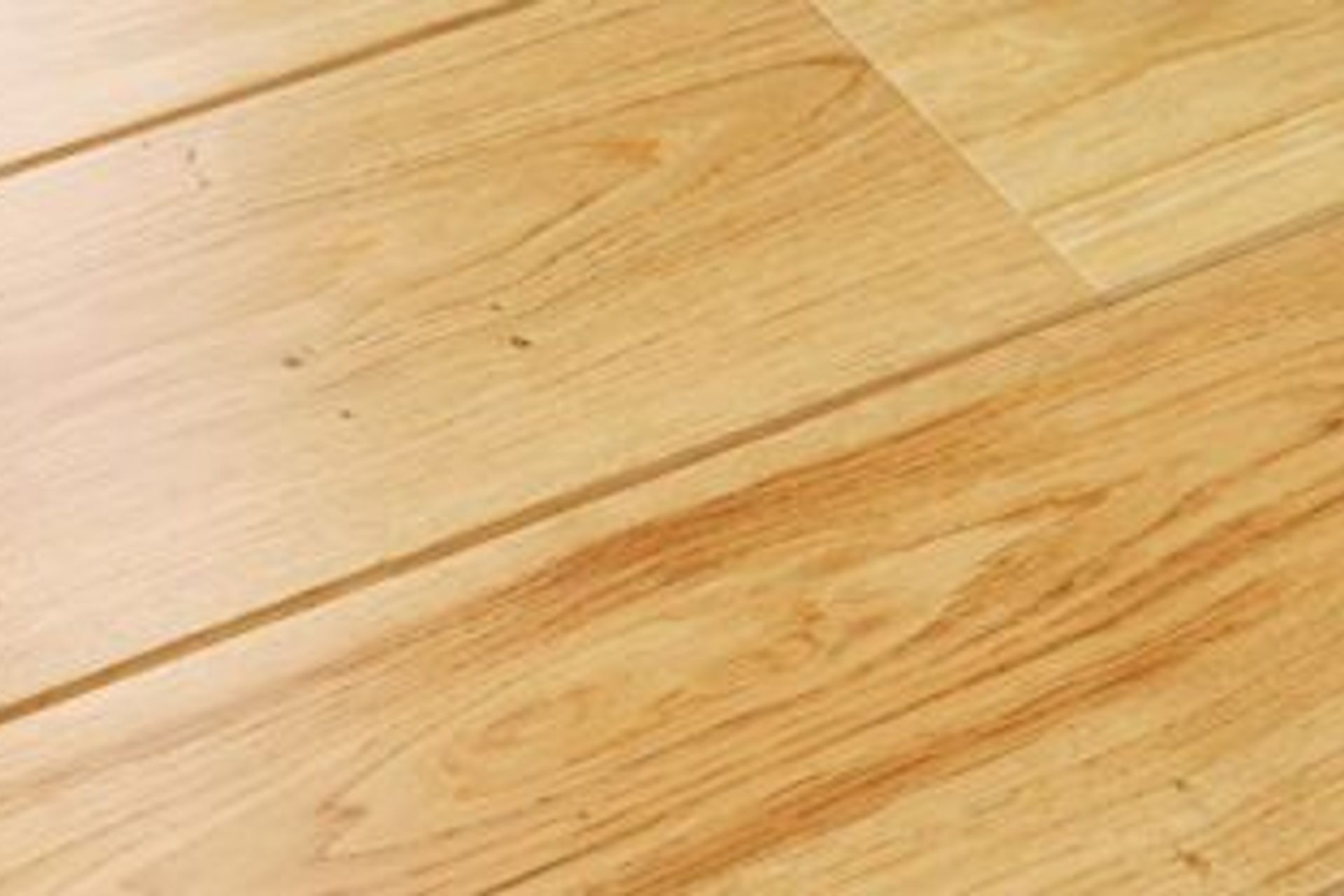
Make your choice based on the use of the room (a hotel lobby will have different requirements to a residential kitchen), the desired aesthetics (natural or high gloss), any health concerns of the applicator or residents, and the maintenance capability of the building owner (regular re-oiling versus finish and forget). These factors will all influence the weighting of the pros and cons of each product. In the end, however, all three options will provide an excellent finish to the timber and protect its natural beauty, enhancing your enjoyment of the space.
VidaSpace Ltd accepts no responsibility for any problems with building work done by anyone using this information. This publication is a guide only and is not a substitute for advice from design and industry professionals. It is recommended you get in contact with one of our team to discuss project-specific requirements.