Our top 9 low carbon construction materials

1. HEMPCRETE
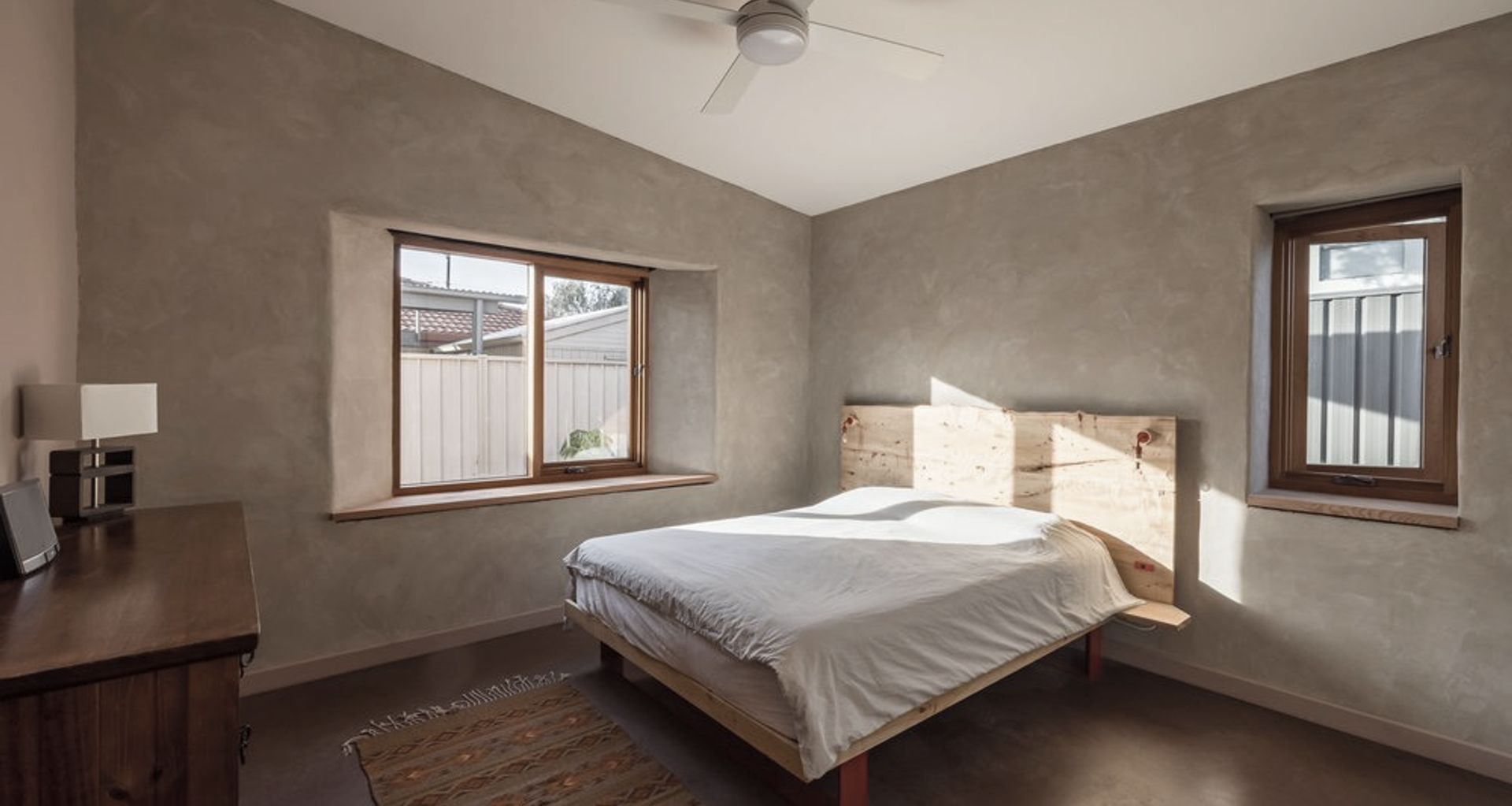
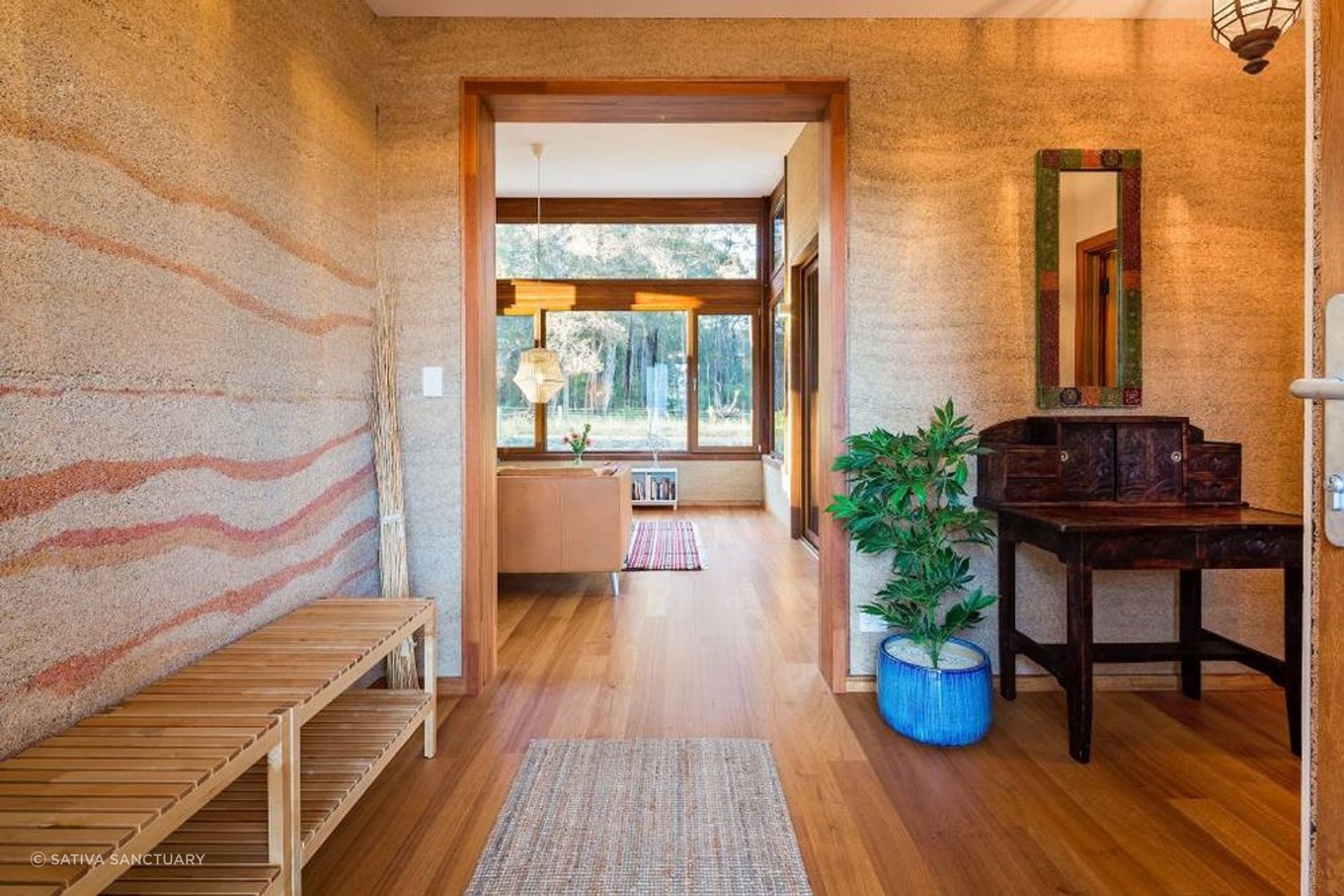
Hempcrete (otherwise known as hemp masonry) is a composite material made of the inner woody part of the hemp plant’s stem, lime binder and water (Arrigoni et al., 2017; Clarke, 2020). Despite being a newly popular product for low-carbon construction homes, hemp masonry has been around for at least 300 years.
Why use it?
- Low carbon & renewable
High durability
- Excellent thermal mass
- Excellent acoustic insulator
- Good humidity regulator
- Fire & pest resistant
- Biophilic benefits (Terrapin, 2014)
2. CORK
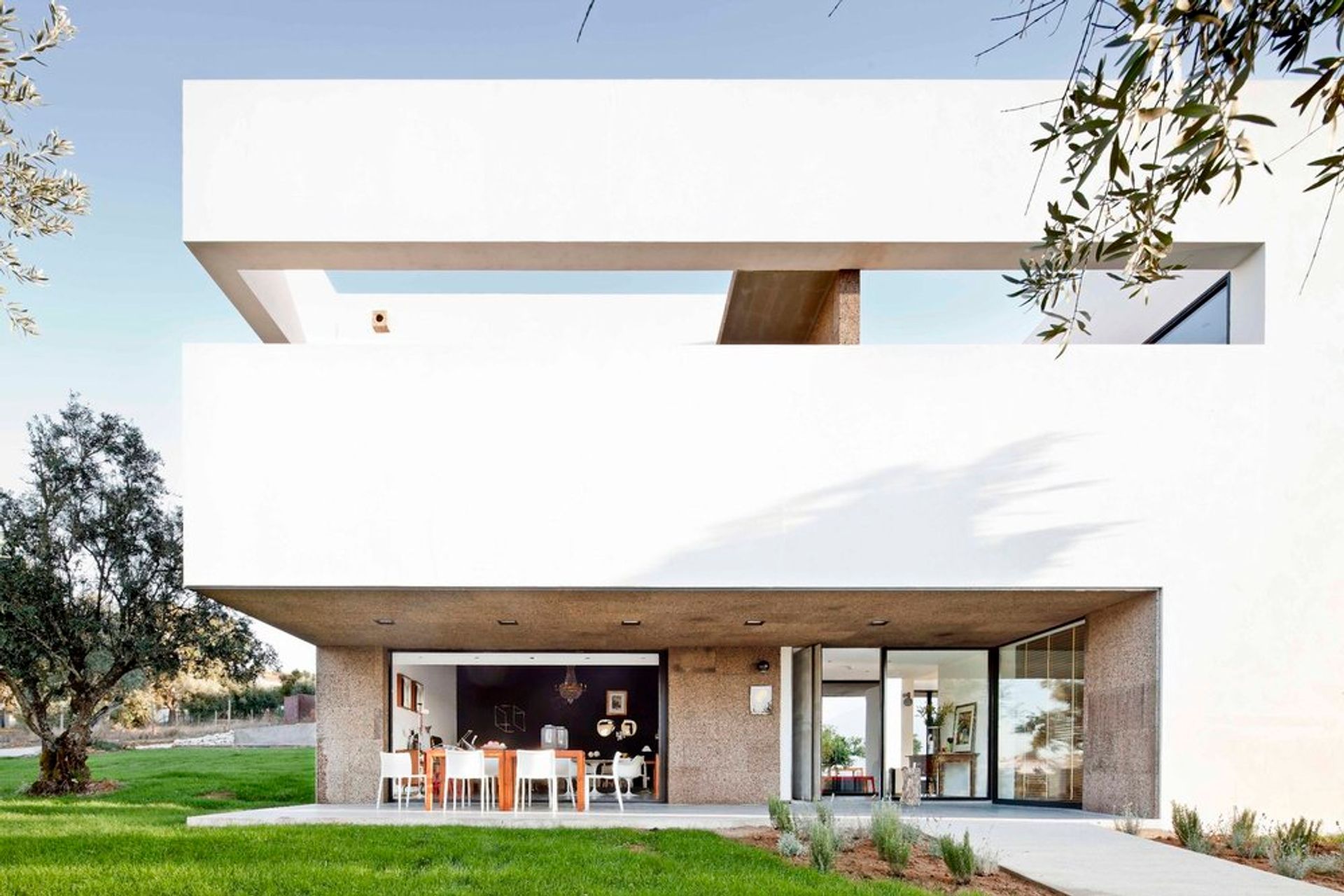
Cork is both recyclable and renewable, as it is the only tree that regenerates its bark. Cork is super adaptable and is able to be used for both internal and external uses. As well as matching the earthy aesthetic, cork is extremely waterproof, resistant to abrasion, and acts as a fire retardant (Thorns, 2017).
Why use it?
- Low carbon & renewable
- Good durability when maintained
- Excellent thermal insulator
- Good acoustic insulator
- Good humidity regulator
- Water, fire & pest resistant
- Biophilic benefits (Terrapin, 2014)
3. RAMMED EARTH
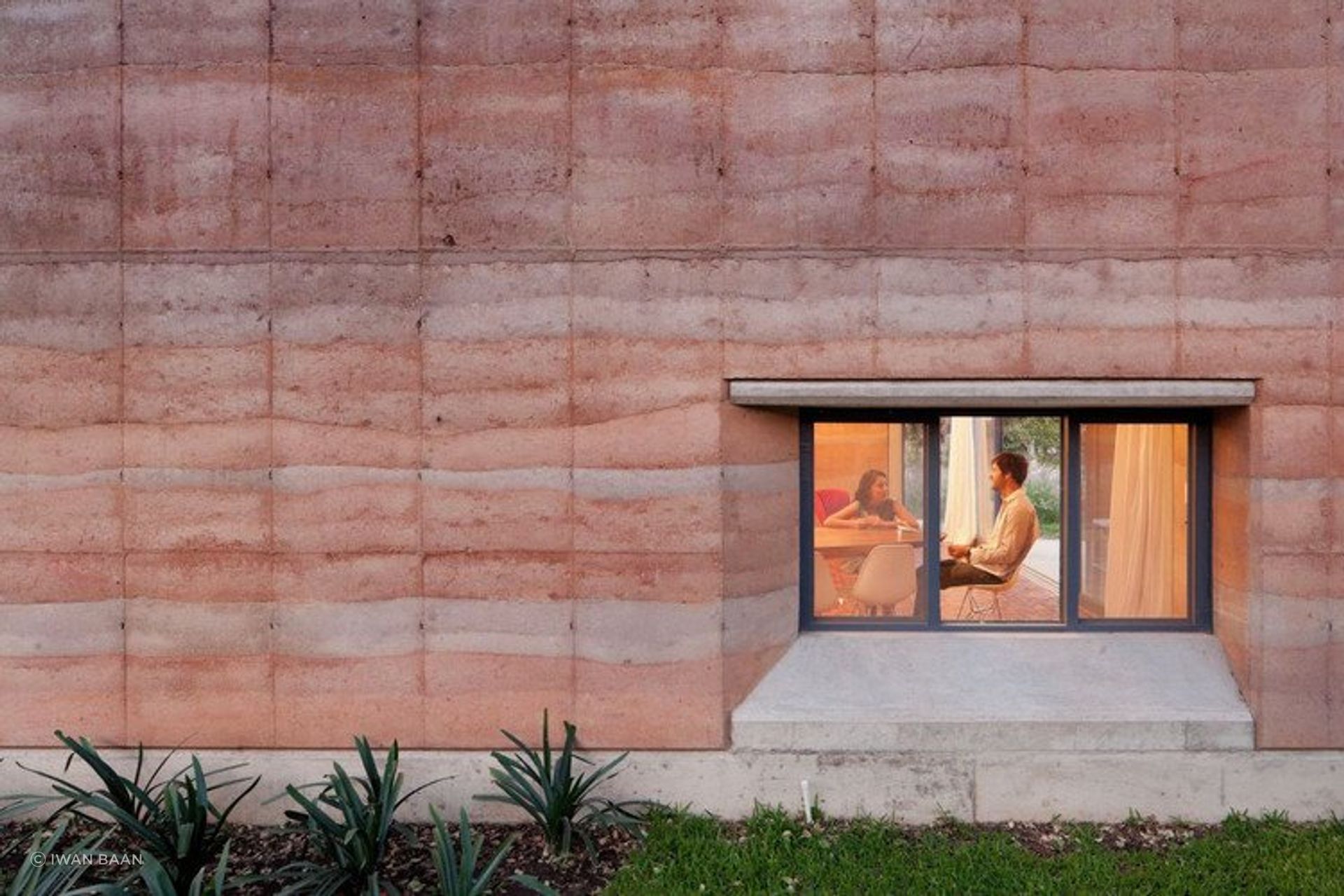
Rammed earth walls are constructed by ramming a mixture of aggregate materials including gravel, silt, and clay. These beautiful walls not only look great in a home, but are super buildable and require a knowledge of aggregates.
Why use it?
- Low carbon material
- Excellent thermal mass
- Excellent acoustic insulator
- Good humidity regulator (Allinson & Hall, 2012)
- Fire & pest resistant
- Biophilic benefits (Terrapin, 2014)
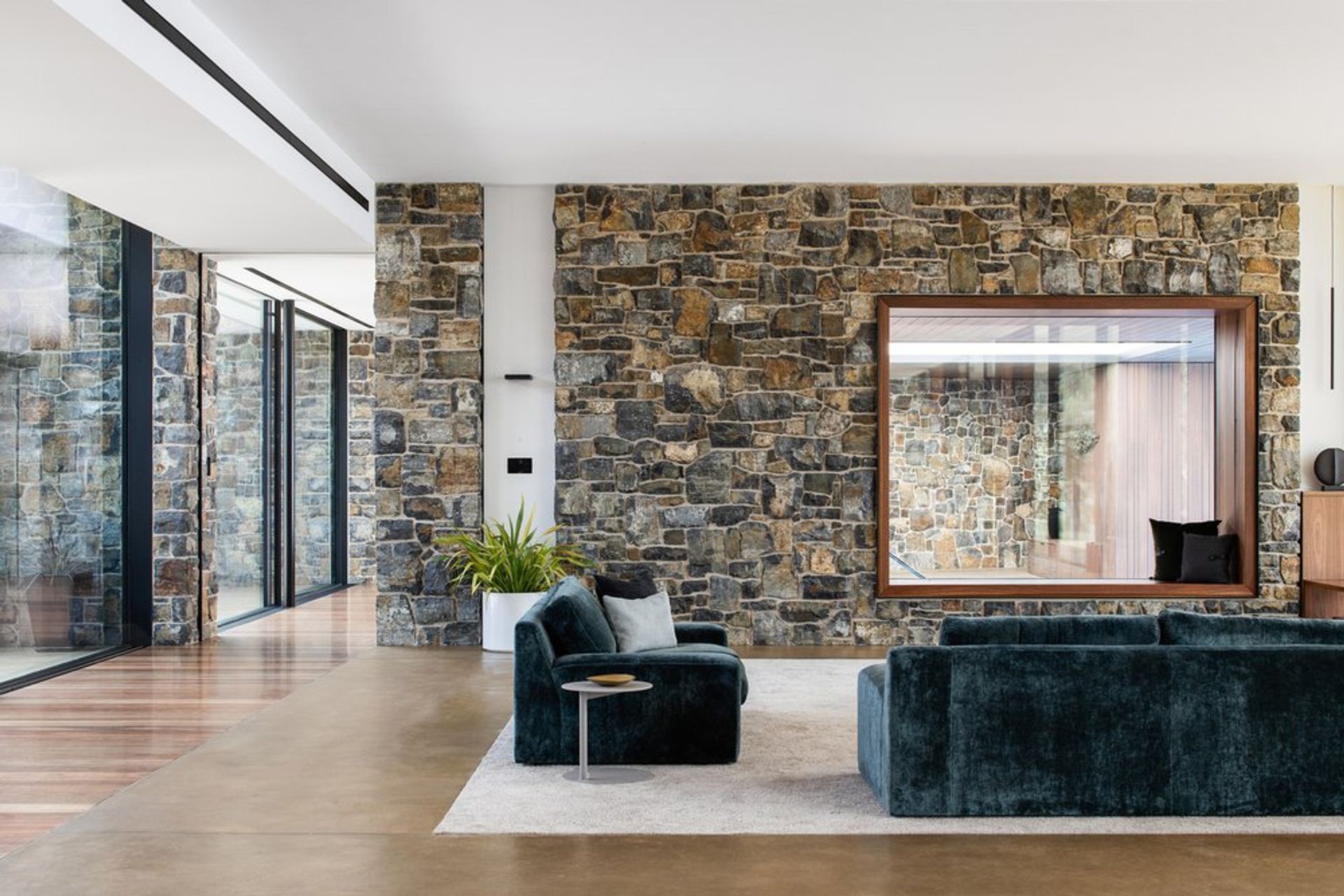
4. NATURAL LAID STONE
Natural stone has been widely used as a building material throughout the British Isles and in Europe and has proved its durability by standing the test of time. It includes sandstone, limestone, granite, basalt, slate and marble (Klemm and Wiggins, 2016).
Why use it?
- Low carbon material
- Highly durable
- Excellent thermal mass
- Excellent acoustic insulator
- Fire & pest resistant
- Biophilic benefits (Terrapin, 2014)
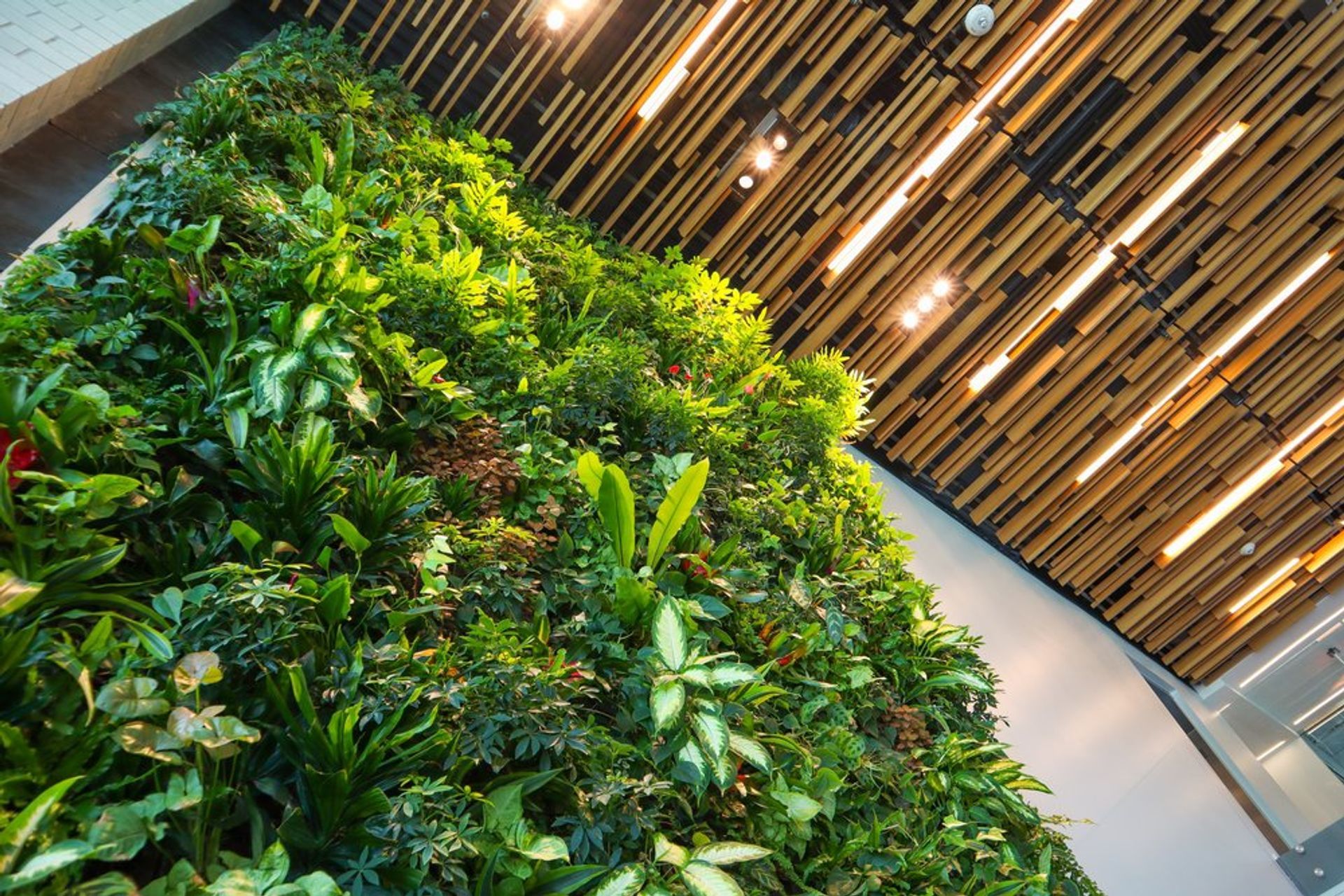
5. GREENWALLS
Green roofs and walls include a growing medium (eg. soil) and vegetation that can be used externally or internally (Downton, 2013a). Types of green walls include green facades, active or living walls, or passive (without a growing medium). While also looking beautiful and giving vibrance to a space, green walls and roofs also have many benefits for energy efficient construction.
Why use it?
- Carbon sequestration
- Contributes to local ecology (Water Sensitive SA, 2020)
- Improves stormwater management
- Improves air quality
- Provides natural cooling through evapotranspiration
- Excellent thermal insulator
- Excellent acoustic insulator
- Biophilic benefits (Terrapin, 2014)
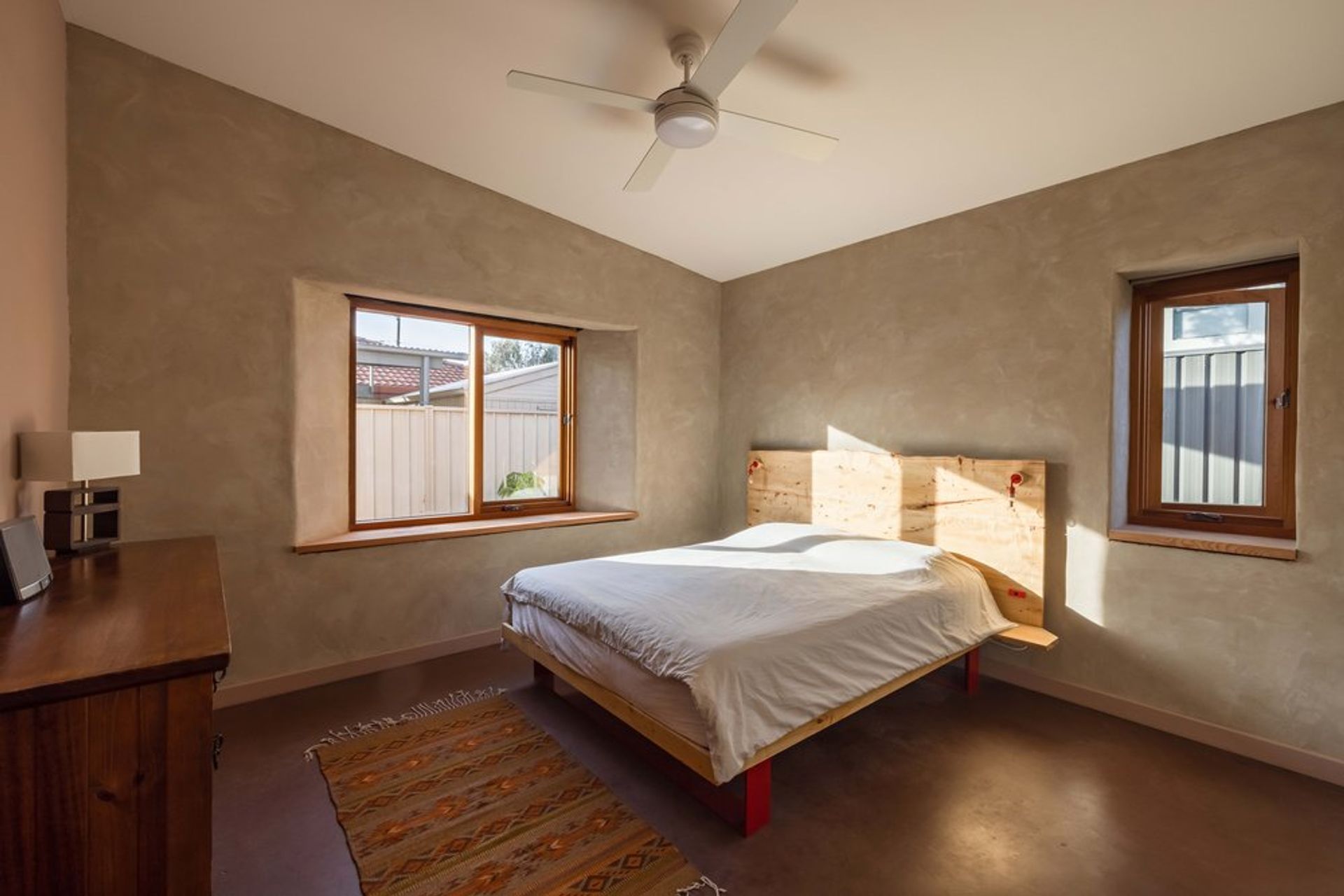
6. STRAW BALES
Straw bales have been used as a construction material since the 1800s and are usually attached to a frame, and placed like giant bricks for wall construction (Downton, 2020b). Straw bales are among the most cost-effective thermal insulation available.
Why use it?
- Low carbon & renewable
- High durability when protected from moisture
- Excellent thermal insulator
- Excellent acoustic insulator
- Fire & pest resistant when rendered
- Biophilic benefits (Terrapin, 2014)
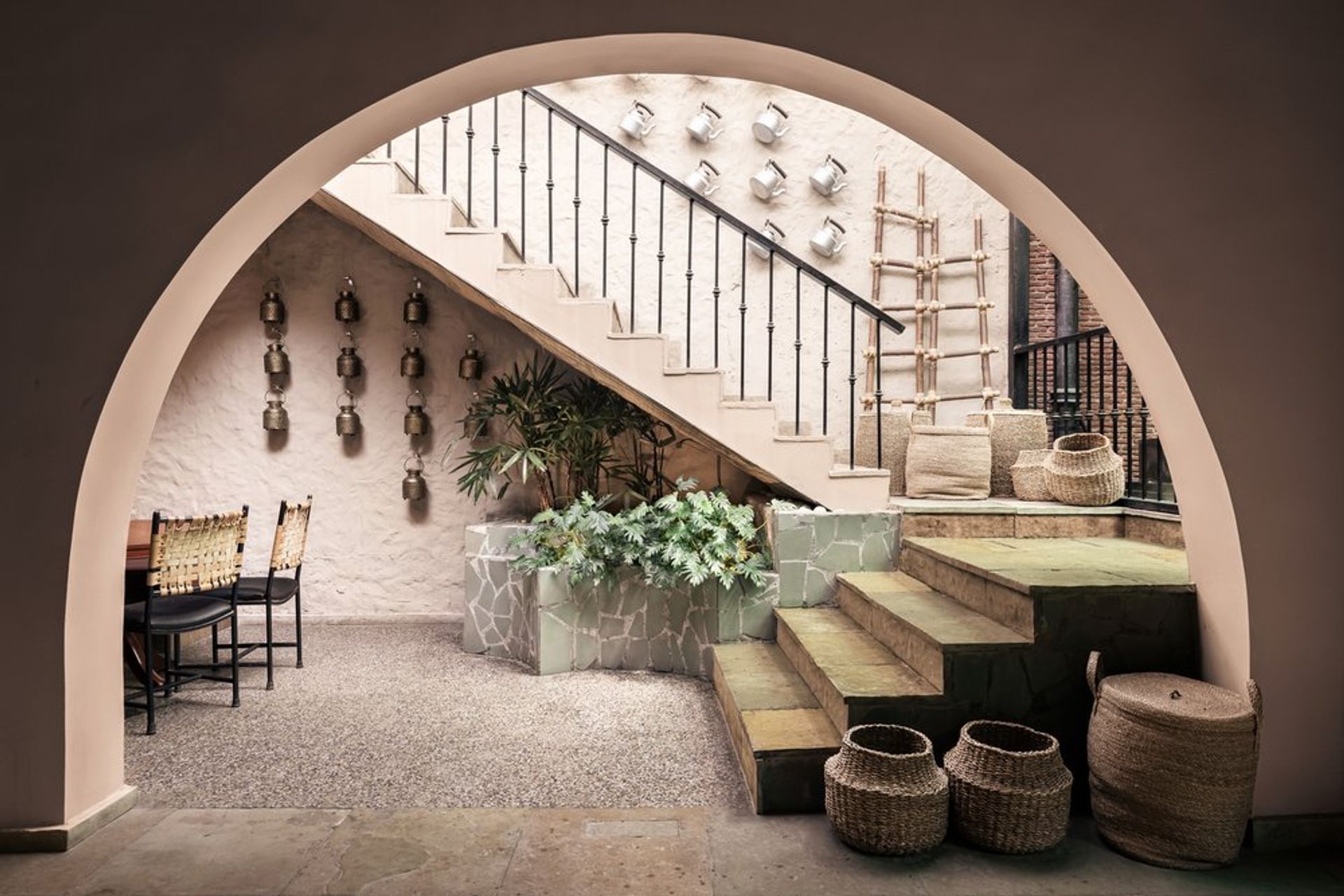
7. MUD BRICKS
Mud bricks are one of the oldest materials used in the world, and still today. Basic mud bricks use earth and water, placed in a mould, and then dry them in open air. As well as being a forgiving material, mud bricks are readily available in most areas and sometimes can be sourced directly from the construction site (Downton, 2020a).
Why use it?
- Low carbon material
- High durability when protected from moisture
- Excellent thermal insulator
- Excellent acoustic insulator
- Fire & pest resistant
- Easy to repair
- Biophilic benefits (Terrapin, 2014)
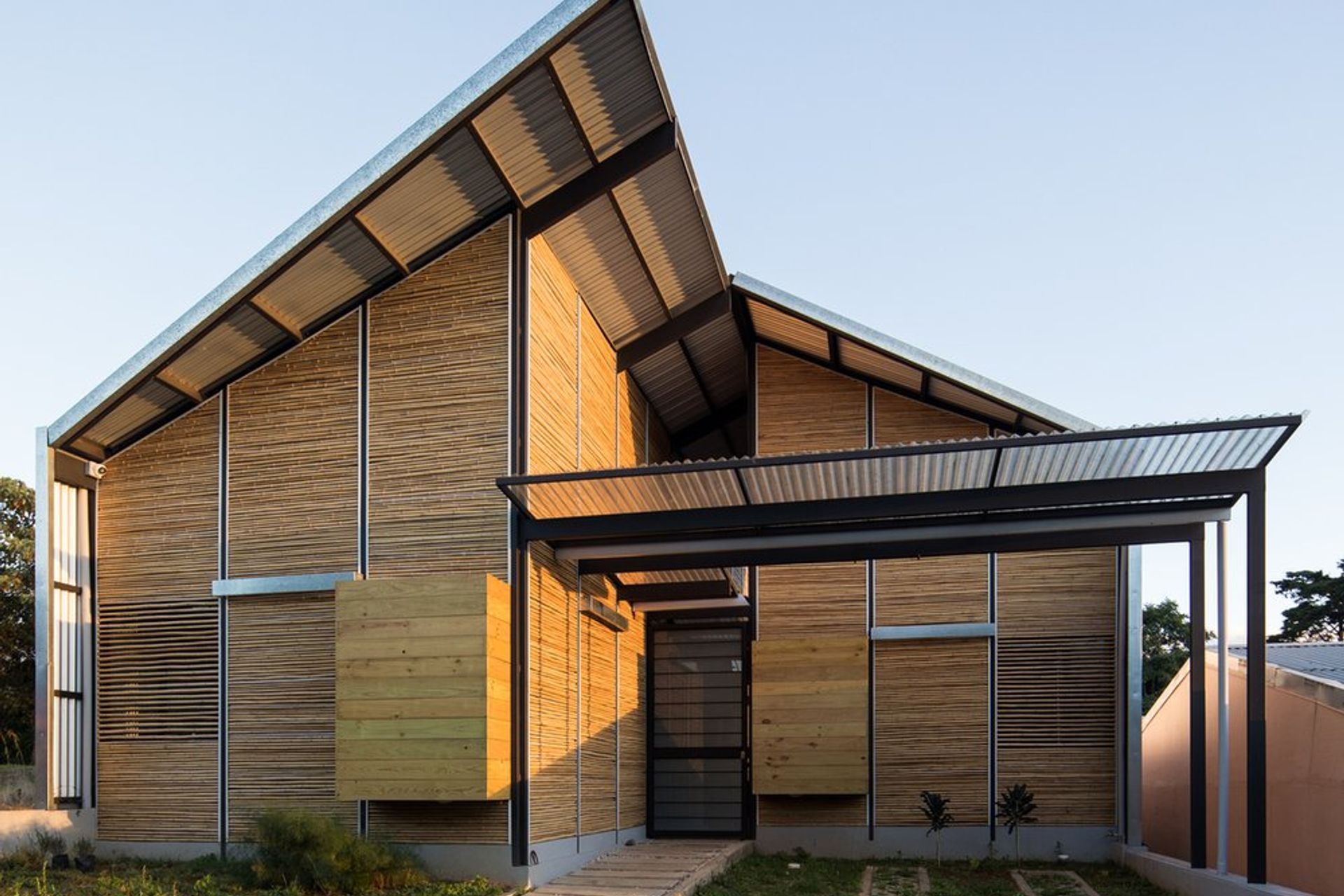
8. BAMBOO
Being a fast-growing material, Bamboo is one of the most sustainable materials out there and can absorb 17 times more CO2 than a normal tree (Mohan et al., 2022). It can be used for flooring or cladding in either engineered or natural forms.
Why use it?
- Low carbon material
- High durability when properly maintained
- Termite resistant
- Biophilic benefits (Terrapin, 2014)
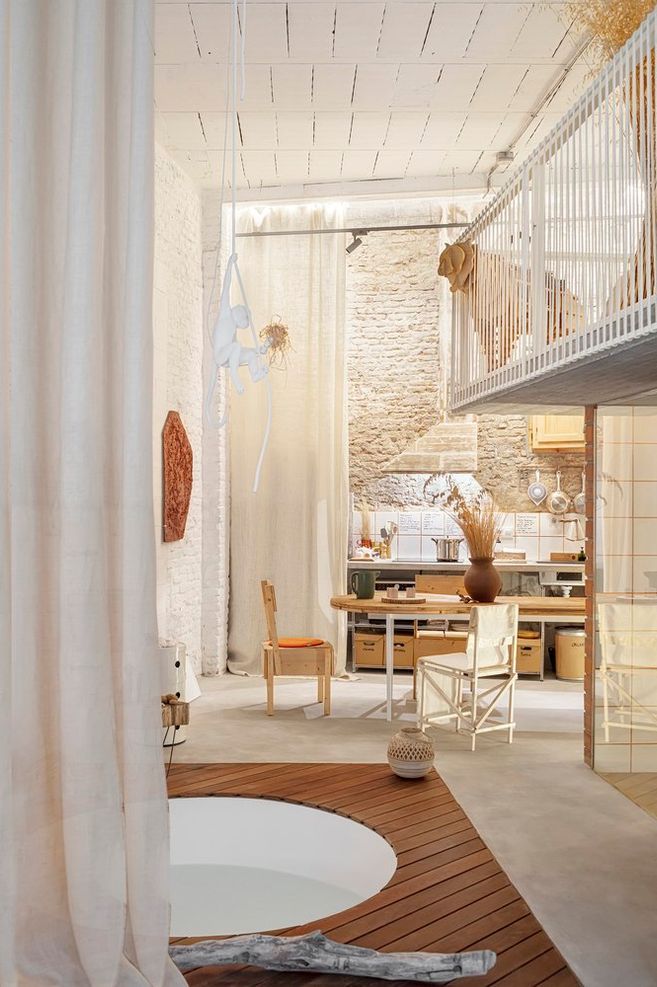
9. RECYCLED MATERIALS
All materials that make it into your home or building have been through some kind of process beforehand, whether it’s harvested, extracted, treated, refined or transported there is an inherent energy and carbon cost associated with all construction materials. Recycled materials that are given a second life in construction can remove this cost from the equation meaning they can be a great choice for reducing the carbon footprint of your new home or building, not to mention reducing the amount of waste going into the environment.
SOURCES
Allinson, D., Hall, M. (2012). Humidity buffering using stabilized rammed earth materials. Construction Materials, 165, pp. 335-344.
Arrigoni, A., Pelosato, R., Melià, P., Ruggieri, G., Sabbadini, S. and Dotelli, G. (2017). Life cycle assessment of natural building materials: the role of carbonation, mixture components and transport in the environmental impacts of hempcrete blocks. Journal of Cleaner Production, 149, pp.1051–1061.
Clarke, D. (2020). Hemp masonry | YourHome. [online] www.yourhome.gov.au. Available at: https://www.yourhome.gov.au/materials/hemp-masonry.
Downton, P. (2013a). Green roofs and walls | YourHome. [online] www.yourhome.gov.au. Available at: https://www.yourhome.gov.au/materials/green-roofs-and-walls.
Downton, P. (2013b). Rammed Earth | YourHome. [online] www.yourhome.gov.au. Available at: https://www.yourhome.gov.au/materials/rammed-earth.
Downton, P. (2020a). Mud brick | YourHome. [online] www.yourhome.gov.au. Available at: https://www.yourhome.gov.au/materials/mud-brick.
Downton, P. (2020b). Straw bale | YourHome. [online] Yourhome.gov.au. Available at: https://www.yourhome.gov.au/materials/straw-bale.
Klemm, A. and Wiggins, D. (2016). Sustainability of natural stone as a construction material. Sustainability of Construction Materials, [online] pp.283–308. Available at: https://www.sciencedirect.com/science/article/pii/B9780081003701000123
Mohan, N., Dash, S.P., Mary Boby, N. and Shetty, D. (2022). Study of bamboo as a building material – Construction & preservation techniques and its sustainability. Materials Today: Proceedings.
Terrapin (2014). 14 Patterns of Biophilic Design, Terrapin Bright Green. Available at: https://www.terrapinbrightgreen.com/reports/14-patterns/
Thorns, E. (2017). Could Cork Be Nature’s Answer to Our Environmental and Construction Needs? [online] ArchDaily. Available at: https://www.archdaily.com/884983/could-cork-be-natures-answer-to-our-environmental-and-construction-needs.
Water Sensitive SA (2020). Green Roofs Fact Sheet, Water Sensitive SA. Available at: https://www.watersensitivesa.com/wp-content/uploads/200311_green-roofs-fact-sheet_19WSA_FINAL-DRAFT.pdf