Redefining the line between inside and out
Written by
06 November 2025
•
4 min read

When we talk about how to design for indoor-outdoor connection in architecture, it’s a fairly self-evident design move to frame up stunning vistas, sea views and distant landscapes. But for architect Justin Humphrey, other important views deserve consideration.
“If you have a sea view, you can’t change that… You're going to enjoy that aspect no matter what, but offering a close and more intimate connection to the landscape allows you to curate the experience of the connections between indoors and outdoors.”
For Justin, direct links to outdoors offer an opportunity to control the quality of how people experience interior and exterior spaces, whether that’s through manipulating the landscape to meet the house, designing planting that blurs boundaries, or using materials that blend the edges.
“It could also be designing a great spot that you actually want to sit in to have a cup of coffee in the morning and connect with the landscape,” he shares. “If you design it intuitively, you don't have to tell people how to use the space, they'll just gravitate towards it.”
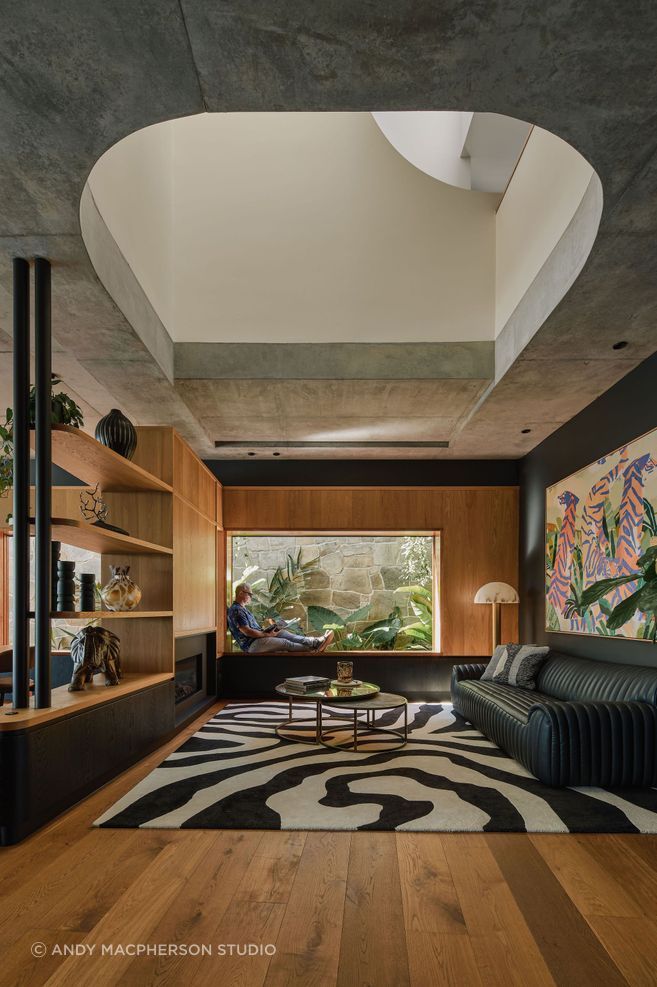
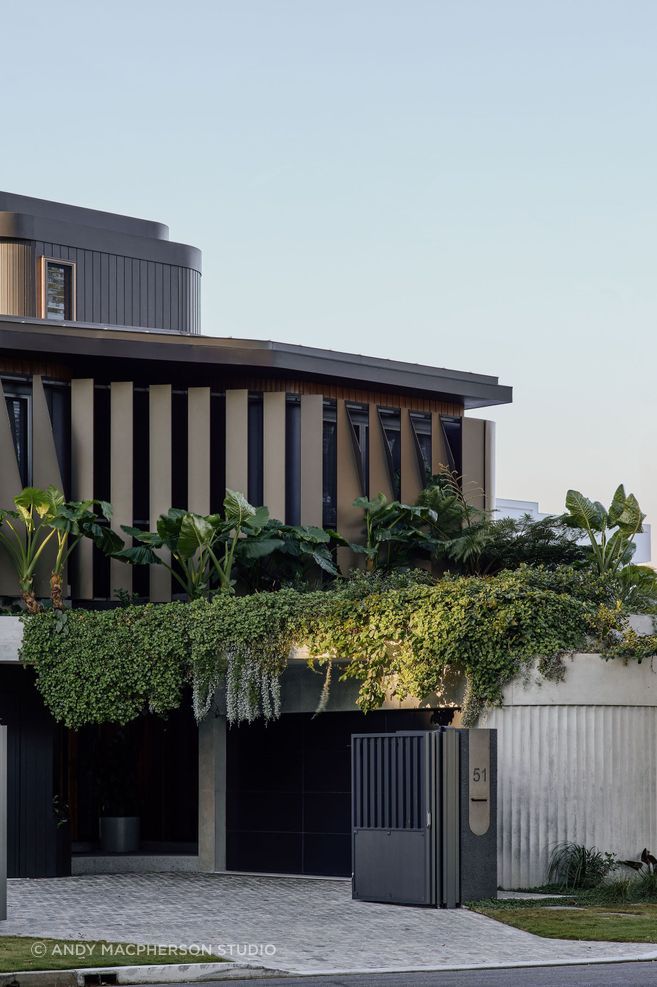
Justin calls this “playing with the qualitative layer”, which is how he skillfully dissolves boundaries between in and out. It means creating spots that invite retreat and socialisation, playing with the contrasts between private and public spaces, and using landscape and materiality to blend or delineate different functions.
Planting is one such qualitative layer, whereby integrating landscaping into the architecture blurs the experience of building and flora, dissolving the line between the two. It’s the edges between the boundaries that most interest Justin, and he plays between contrasts to ensure the house is engaged with the landscape.
“In the Corso house, for example, the big picture window with seating integrated creates somewhere where the homeowners can sit and inhabit that edge in a nice, private kind of way and have a protected connection to the garden.”
In the same project, a concrete awning curves around the first floor and over the garage, offering an unexpected opportunity for planting that beautifully softens the unyielding material and creates a strong visual integration between home and landscape.
Juxtaposing natural materials and integrating them extensively across indoors and outdoors is another clever way that Justin blurs that line. The contrasts within the materiality of the architecture and landscape blur the visual distinction between in and out, and the tactility of natural textures connects interiors directly to nature.
“For example, if you've got a really nice stone, you want people to feel it under their feet,” shares Justin. “I think a hard material also works infinitely better when you contrast it against something that's softer, which is why we often partner stone with timber, bringing out the warmth.”
This biophilic approach to design means that whether the doors and windows are open to the elements or closed against them, there’s an integration of materials and landscape that visually bridges the boundaries between spaces.
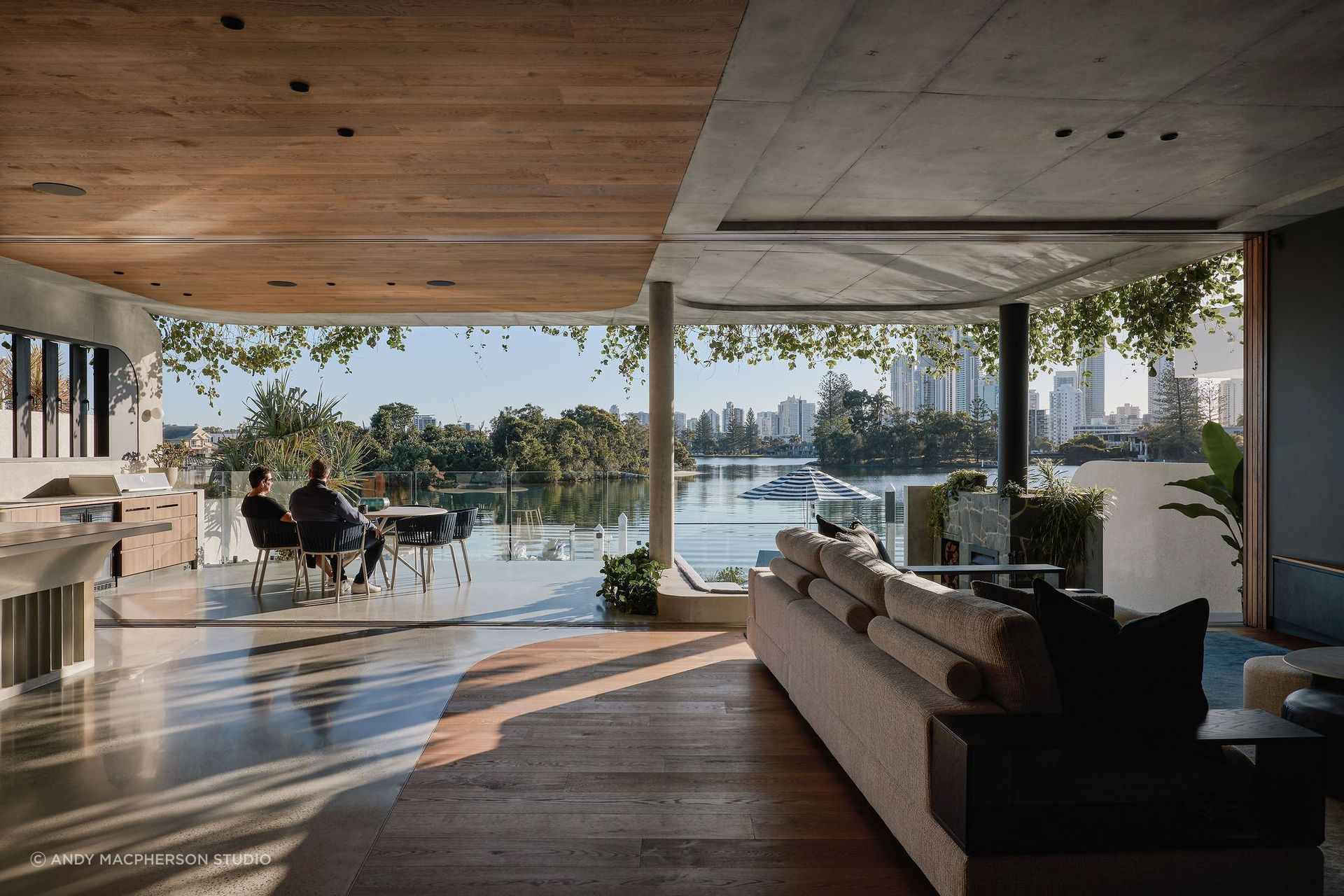
Justin says it’s also important to consider those small or close-up views of outdoor spaces that will be directly seen from the home, whether that‘s a pocket garden on a first floor or an internal courtyard.
“If you've got a nice breeze that's coming through, or a summer storm, you can see that in the courtyard and you can actually see the plants are wet and feel that you're protected from it; you still get an experience of it.”
Being directly connected with the elements is at the heart of how Justin approaches designing homes. This is because at the outset the elements and the environment dictate the orientation of rooms, the placement of apertures, how the home is ventilated and the way the home can be experienced in connection with the landscape.
“People are far more climate conscious these days, whether it's talk of power bills going up or whether they're actually just genuinely seeking more of an understanding and a connection to climate,” shares Justin. “I think this is actually changing how we approach designing houses in Australia, which is a really good thing.”