Rethinking Australian construction as AAC panels gain ground

Written by

12 March 2026

 • 

4 min read

banner
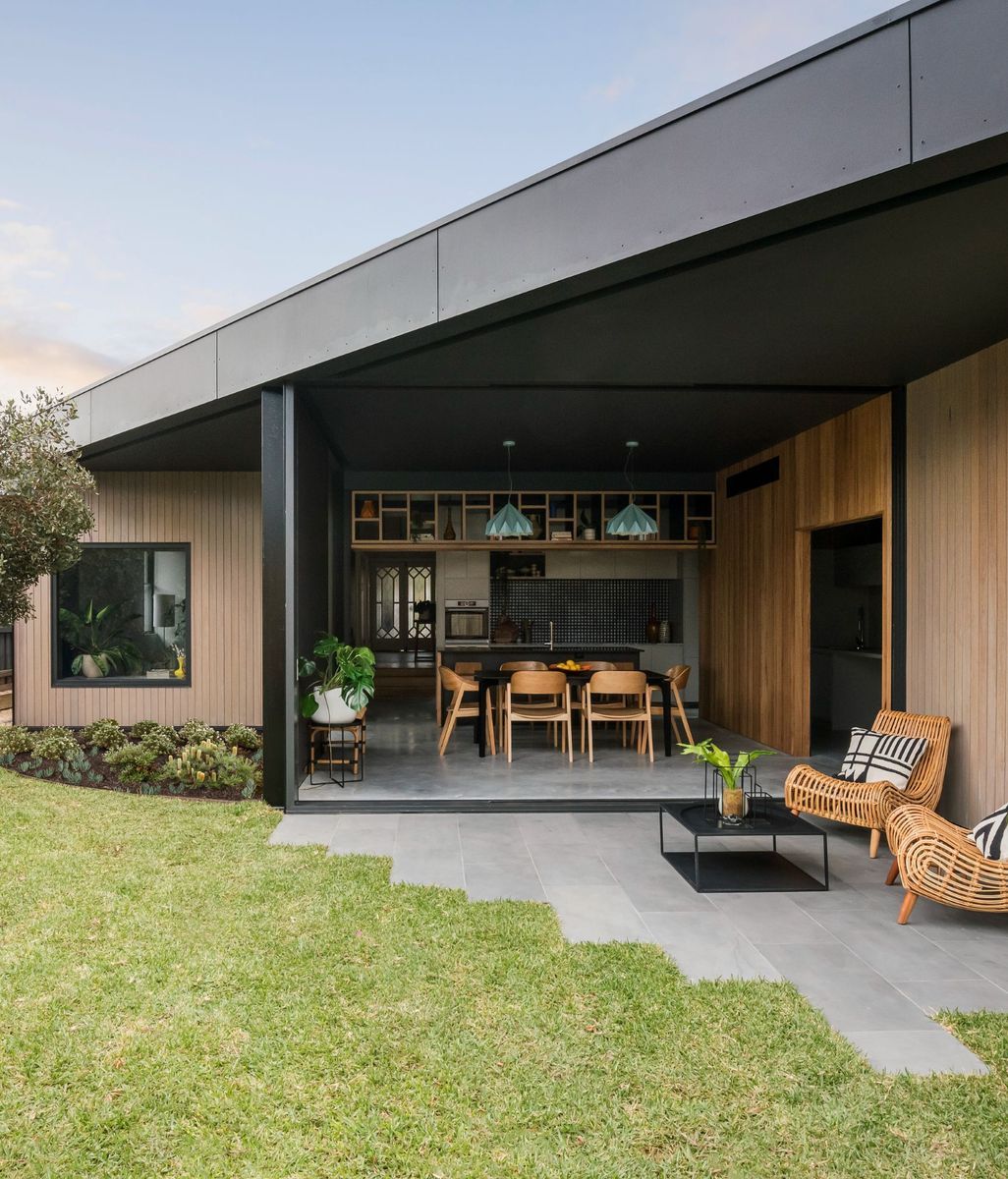
ArchiPro explores the rise of AAC panels and what their growing adoption could mean for the future of Australian building.

On a clear morning at Walsc AAC Panel Systems’ operations hub, the conversation begins with a problem. It’s no secret that across Australia, housing demand continues to outpace construction. While in fast-growing markets like Queensland and Western Australia, builders are also navigating labour shortages, rising material costs, tightening energy standards, and increasing completion expectations from homeowners and developers.

Sitting down with the team at Walsc Group, it becomes clear the company’s introduction of AAC panel systems to Australia is as much about offering an alternative to brick veneer as it is about a broader conversation on how Australians’ design and build.

A system built for a changing industry

“We’re not here to compete on nostalgia,” says Ian Wang, General Manager at Walsc. “Brick veneer has served Australia for decades. But construction today is shaped by evolving priorities: speed, sustainability, and performance.”

Traditional brick veneer relies on layered systems: brickwork, cavity, insulation, framing, and is heavily dependent on labour. In contrast, Walsc’s panelised AAC (Autoclaved Aerated Concrete) system is a premium lightweight concrete-type of building material offering multiple performance attributes in a single engineered element.

“It combines the durability and fire resistance of traditional masonry with the lightweight and thermal benefits of an aerated structure,” explains Ian. 

Unlike traditional bricks, the panels are reinforced with corrosion-protected steel mesh offering greater spans and design flexibility for architects.

All the Walsc’s reinforced AAC panels, which arrive flat-packed for installation. The reduced weight can facilitate quicker site progress and potentially more efficient project timelines.”

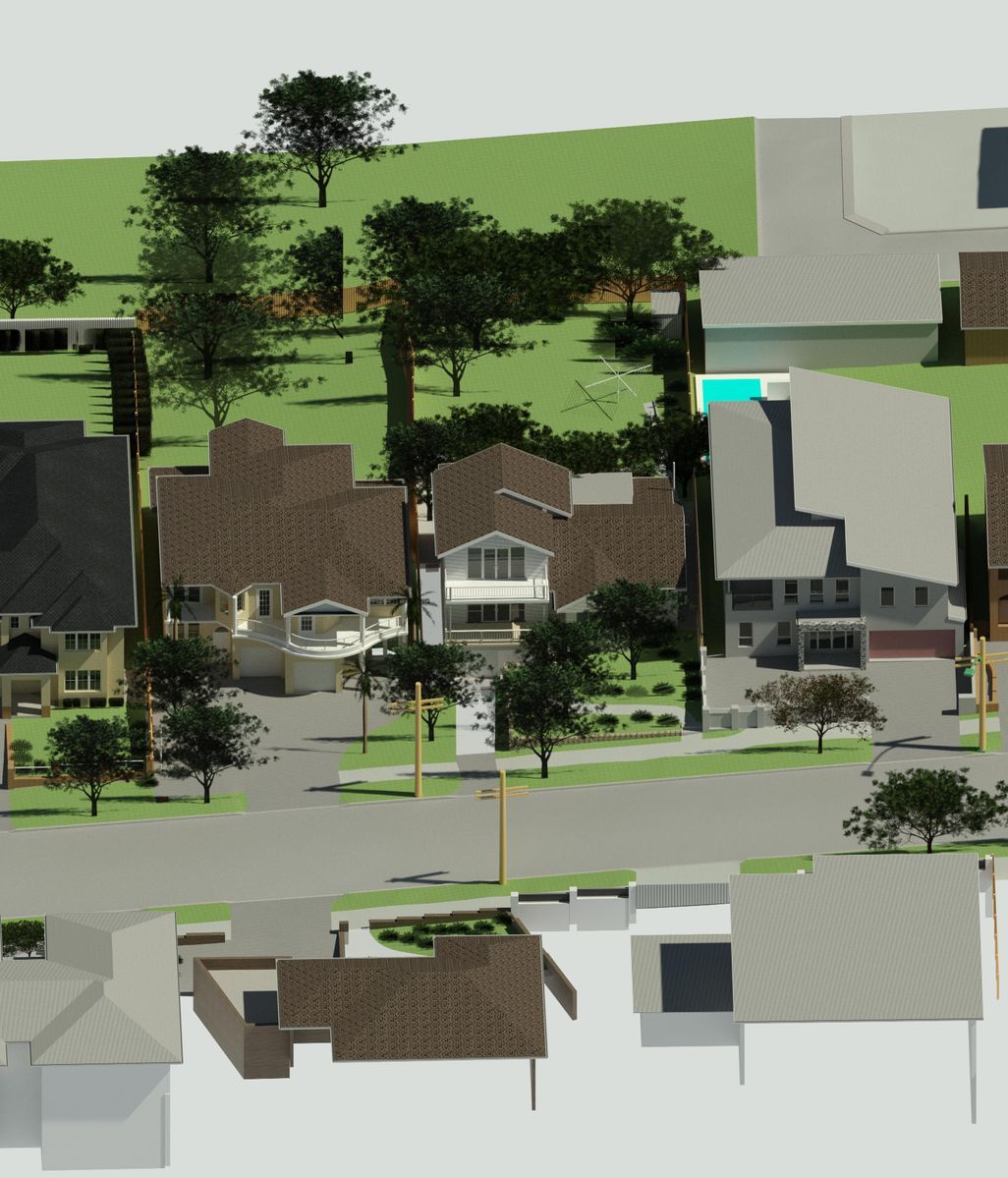
Oran Park, NSW residential development features Walsc 50mm Inter-tenancy Wall System and 75mm External Wall Cladding.
Norwest, NSW residential development with Walsc 50mm External Wall Cladding System, 75mm Pattern Panel and 75mm Flooring System.

Productivity is the builder’s advantage

The lightweight nature of Autoclaved Aerated Concrete (AAC) introduces a different on-site workflow, with the company indicating faster installation compared to traditional brick veneer or double brick walls. Lock-up times on multi-residential sites have, in some cases, been reduced by weeks.

The lightweight nature also reduces the “dead load” on a building’s frame and foundations, often generating secondary savings in structural engineering and footing design.

“In fast-growing markets like Queensland and Western Australia, a shortage of skilled bricklayers creates a key bottleneck,” explains Ian. Panelised systems can be installed by smaller crews, which may help address some of these labour challenges.

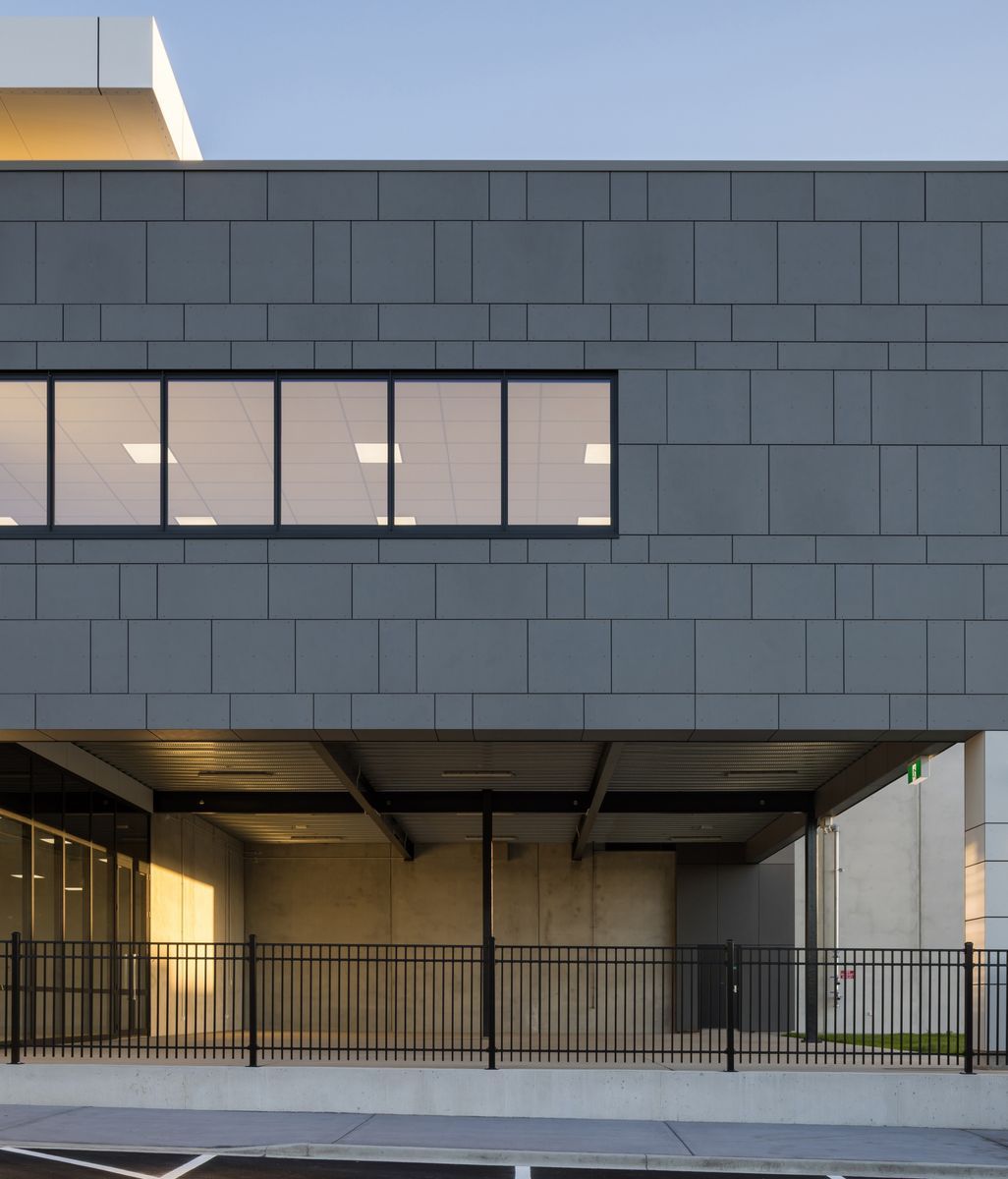
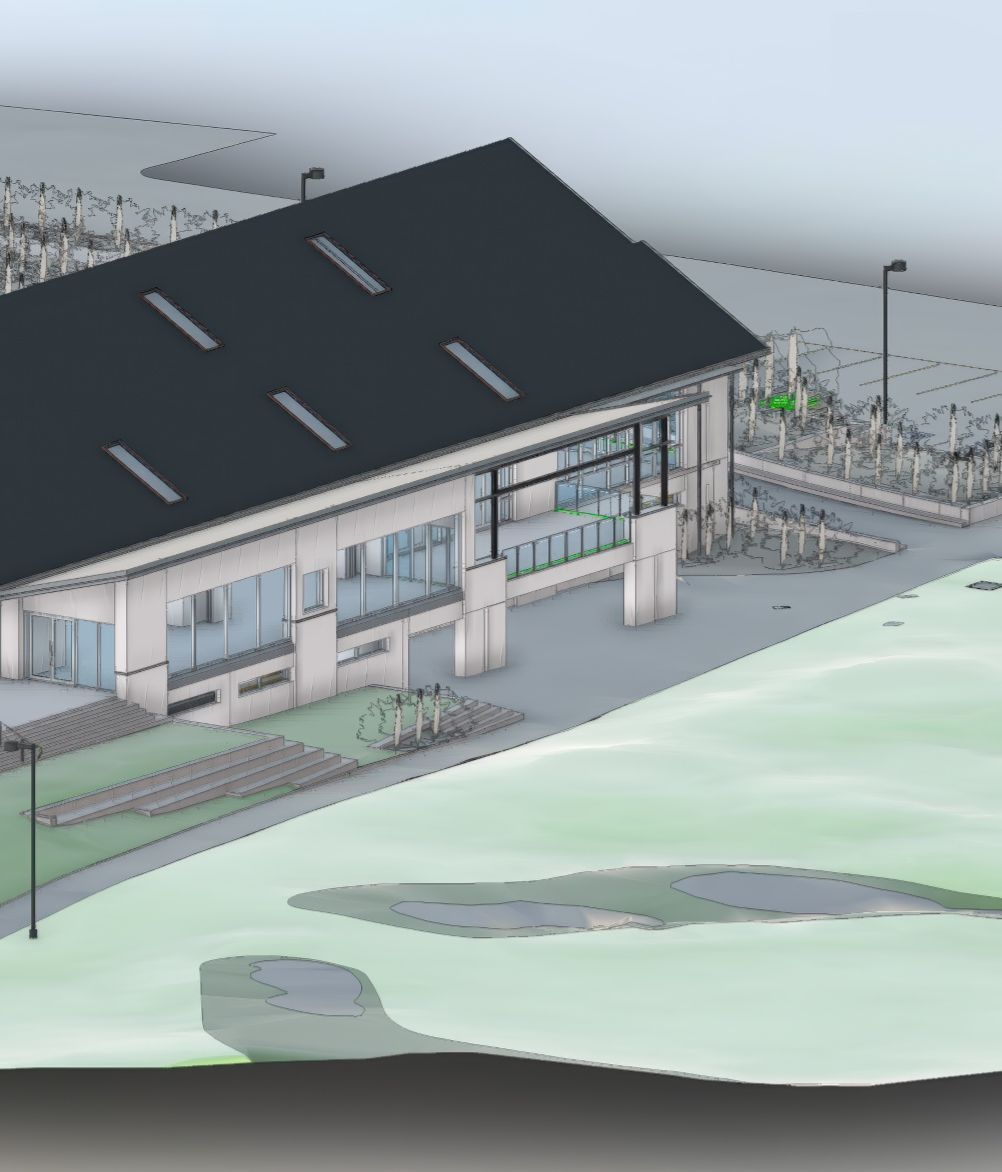
Walsc Commercial Panel Systems installed in Rouse Hill, NSW.
Walsc Facade System applied in Rouse Hill, NSW.

Environmental responsibility in practice

As sustainability benchmarks tighten across Australia, materials are under scrutiny for lifecycle impact. Thankfully, Walsc’s AAC panels are manufactured using natural, non-toxic ingredients (sand, cement and lime), with no pollutants or volatile organic compounds (VOCs) generated during manufacture or installation. Even offcuts and scrap materials are recyclable.

Compared to traditional brick production, which involves high-temperature kiln firing, AAC manufacturing tends to operate with lower embodied energy. Its thermal efficiency may also contribute to long-term reductions in energy use and emissions.

AAC Panels provide acoustic insulation to improve indoor comfort, while their high thermal mass and energy efficiency reduce reliance on cooling and heating systems.

Thermal and acoustic performance raises living standards

For homeowners and architects, performance inside the wall matters just as much as structure.

AAC Panels provide acoustic insulation to improve indoor comfort, while their high thermal mass and energy efficiency reduce reliance on cooling and heating systems.

Ian remarks, “Its [AAC panels] sound insulation value exceeds many materials of comparable weight. Ideal for growing suburban environments.”

Walsc AAC Panel systems are supported by CodeMark certification and have been tested by NATA accredited laboratories for compliance with structural, fire, acoustic, and thermal benchmarks. 

As the meeting concludes, there’s confidence in the team at Walsc; AAC panels may very well represent the next era in Australian construction.

“Ultimately, we’re here to support an industry under pressure to deliver more homes, faster and better.’

Learn more about specifying Walsc AAC Panels on ArchiPro today.