Smarter entry: Garage door automation
Written by
15 April 2026
•
3 min read


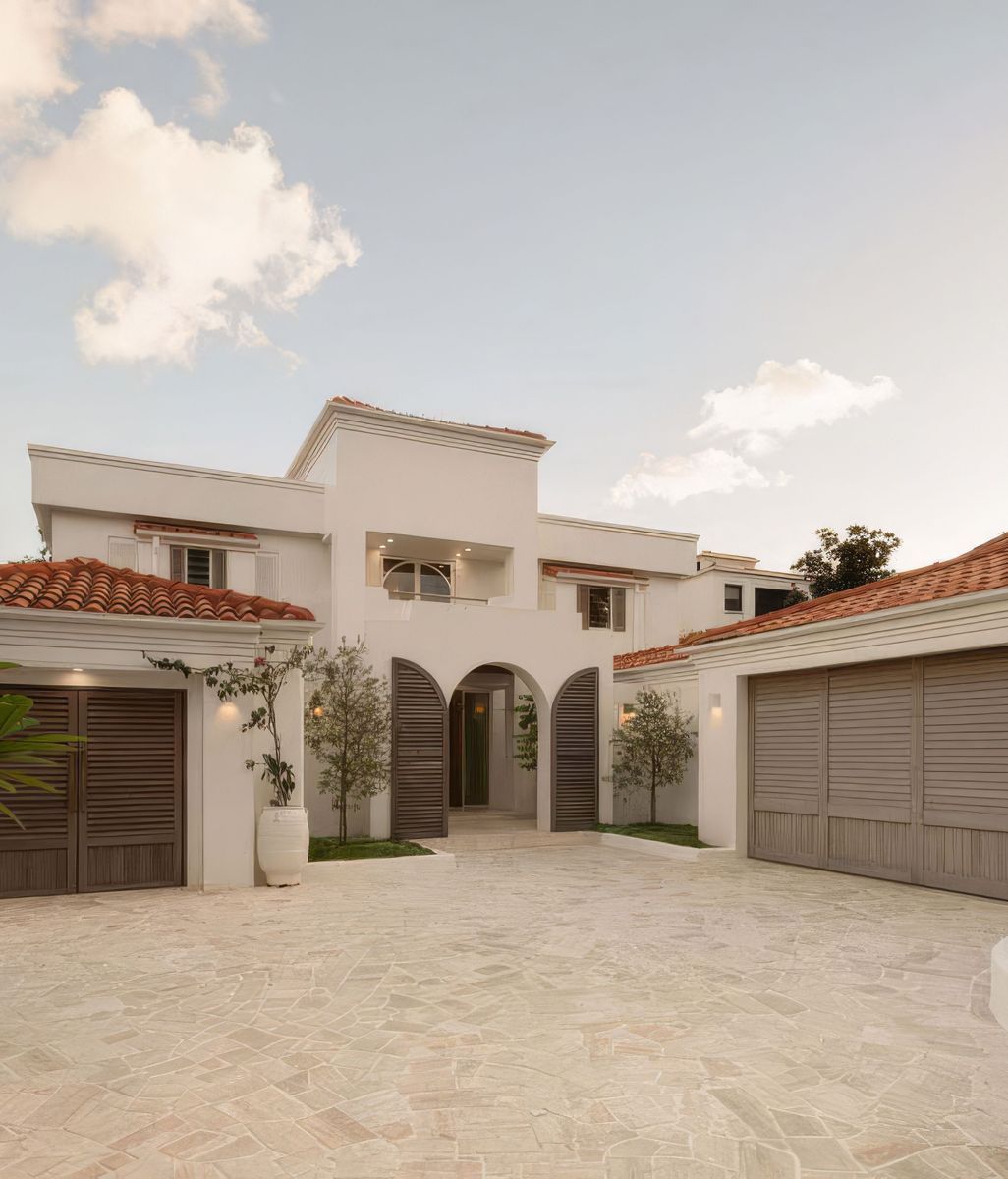
For many homes, the garage is where you arrive with groceries, where the kids come and go, and often the first point of entry at the start and end of each day. Because of this, the garage has become more than a purely practical feature, and smart connectivity is now essential to how it integrates into the rest of the home.
“Garage doors have come a long way,” shares Dominator’s Heyam Berima Fowler. “They used to just open and close with a remote. Now, they are part of the smart home.”
With systems like Dominator’s smartphone control, homeowners can check, open or close their garage door from anywhere, get alerts if it’s used, and see what’s happening in real time. This is part of a move towards having every touchpoint within the home intuitively connected.
What distinguishes a well-specified system today is not just its functionality, but how quietly and intelligently it integrates into daily life. For those building or renovating, it is increasingly something to think about early in the process, rather than as an after-thought.
“Homeowners should focus on a few key things: Smartphone control so you can use your phone instead of worrying about a remote; alerts and notifications so you know when the door opens or closes; and strong security features like anti-tamper locks and secure remotes,” shares Heyam.
From a design perspective, quiet operation is also important. As open plan living continues to dominate residential architecture, garages are often positioned adjacent to kitchens, living spaces or even bedrooms. A system that operates smoothly and discreetly contributes to the overall sense of calm within the home.
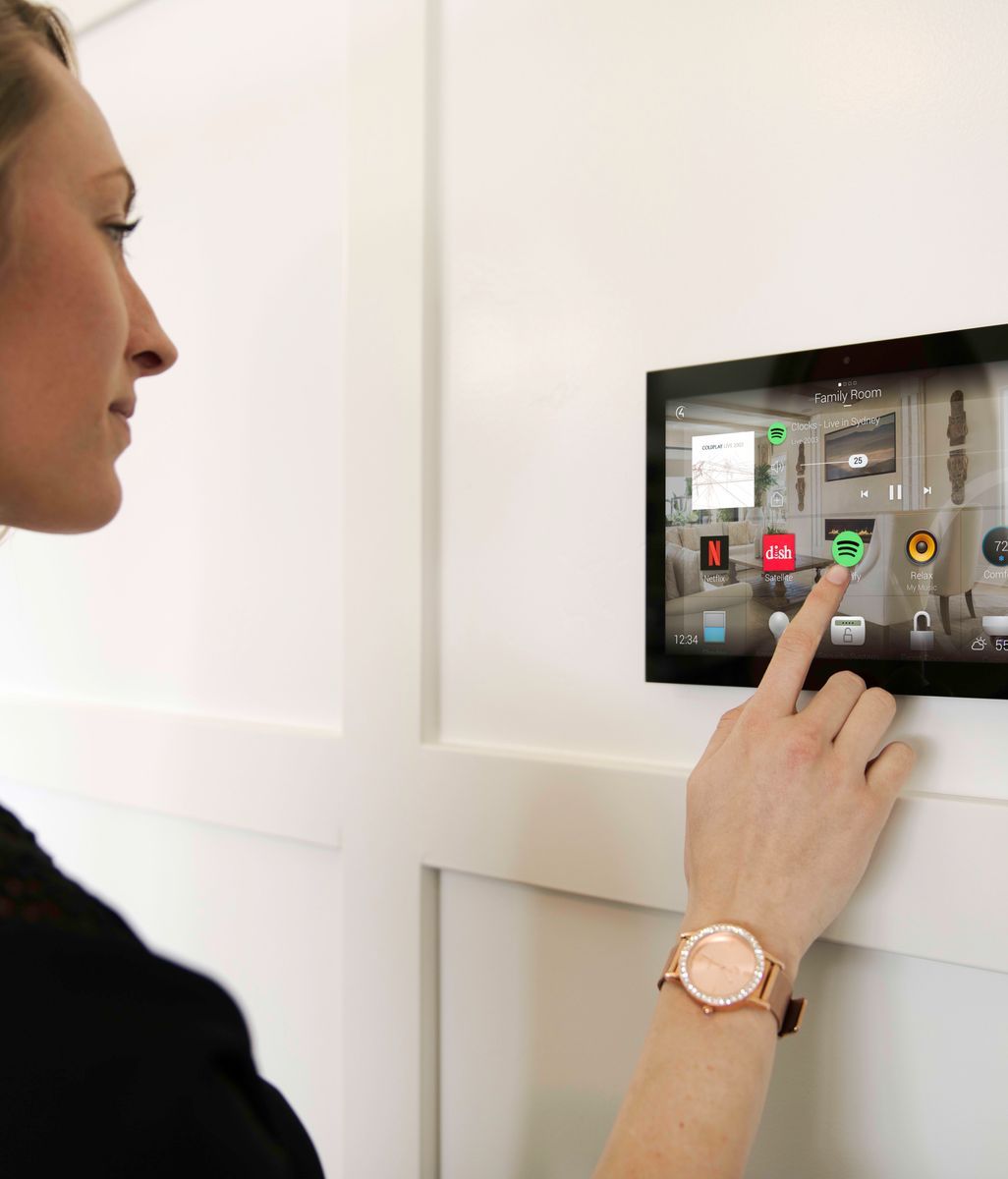
Integration with other smart technologies is another area where garage automation is gaining traction. Rather than functioning as a standalone feature, it can now form part of a wider network of connected devices.
“Smart garage doors connect to your home Wi Fi and can work alongside other smart devices,” says Heyam. “This means your garage door can be part of your daily routines, like closing automatically at night or when you leave the house. Everything is controlled through an app, helping the home run more smoothly overall.”
This level of integration allows homeowners to think holistically about how their home operates, rather than in isolated systems.

Security remains a central concern, particularly as more entry points become digitised. Modern systems address this through layered solutions that combine physical and digital safeguards.
“The biggest concerns are unwanted access and doors being left open by mistake. Our systems help reduce these risks by using secure remote technology, anti-tamper locking, and real-time alerts,” shares Heyam.
For those designing homes with a strong emphasis on safety and privacy, these features are no longer optional extras but essential inclusions.
Of course, as with any upgrade, there are practical considerations. Reliable Wi Fi in the garage is crucial, as is ensuring compatibility with existing doors and meeting current safety standards.
In day-to-day use, reliability is rarely an issue. Even in the event of a connectivity interruption, systems are designed with redundancy in mind, allowing operation via traditional remotes or battery backup where specified. This balance between innovation and dependability is essential for peace of mind.
With technology playing a bigger and bigger part in how we use our home, the future of garage doors is focused on smarter, simpler living, says Heyam.
“This includes better integration with the rest of the home, stronger security features, easier ways to manage access. Garage doors are becoming an important part of the connected home.”