Solving condensation and moisture problems in New Zealand garages

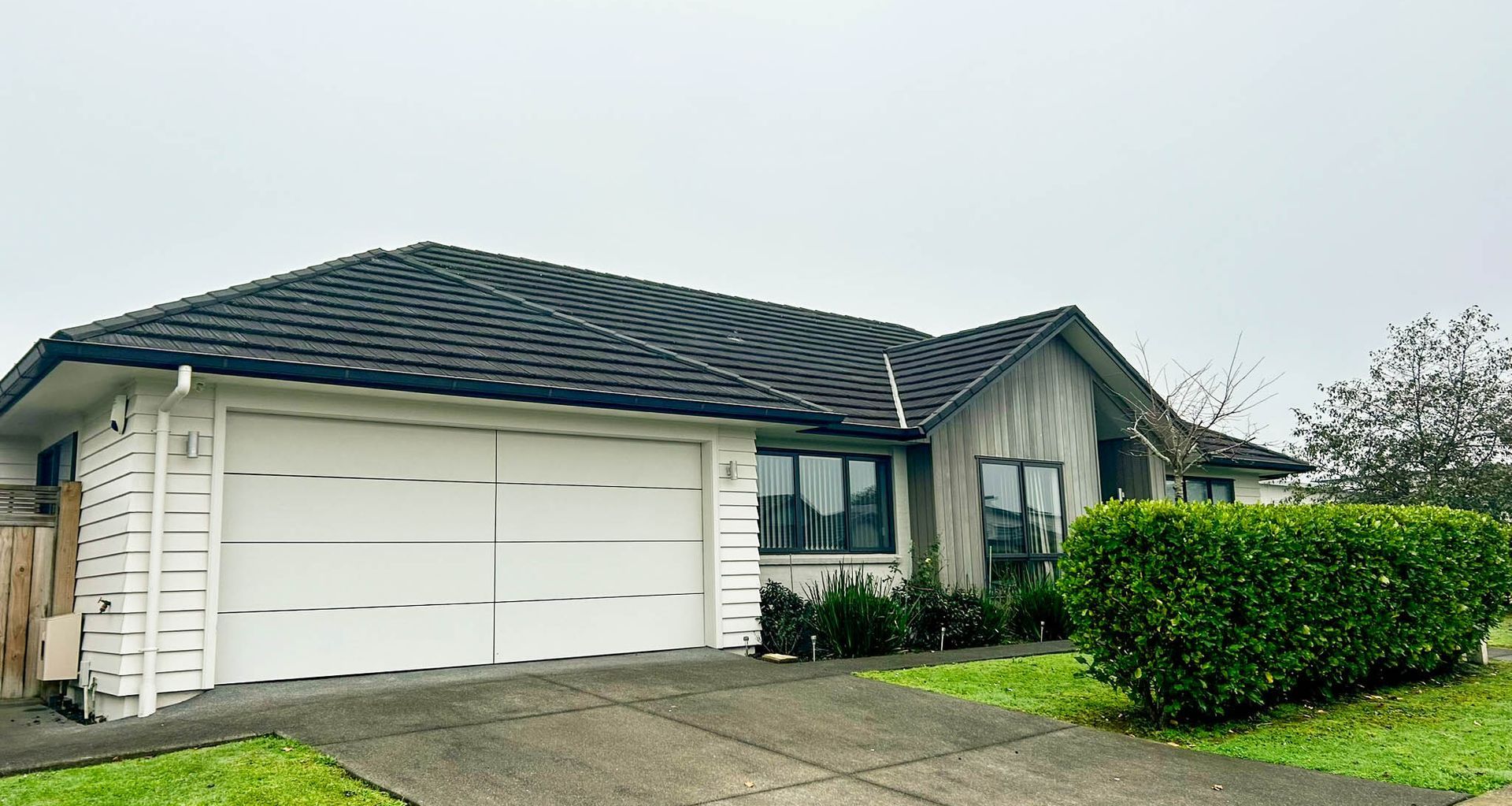
If it's not addressed, condensation can lead to mould growth, corrosion on metal surfaces, and eventually damage to the garage structure itself. Most of these moisture issues come down to ventilation, sealing, and the garage door itself, and all three can be improved.
Why does condensation form in NZ garages?
Condensation occurs when water vapour in warm air meets a cooler surface and turns into liquid. In a garage, this typically happens on walls, the ceiling, concrete floors and the garage door itself.
New Zealand's climate creates ideal conditions for this. We have high humidity year-round, particularly in coastal areas like Auckland and Wellington, and significant temperature swings between day and night. During winter, cold outdoor air lowers the temperature of your garage surfaces, while moist indoor air stays relatively warm. That temperature difference is what causes water vapour to condense on those cooler surfaces.
Concrete slab floors can make the problem worse because they retain cold for longer. And every time you drive a wet car into the garage after heavy rain, you're adding more moisture to the space.
Signs your garage has a moisture problem
There are a few common signs that your garage has a moisture problem. These include condensation on the garage door, walls or windows, water pooling on the floor, and rust forming on tools or shelving. You might also notice mould, peeling paint or a damp smell that doesn't go away.
If you're seeing any of these, it's worth looking into sooner rather than later. Ongoing moisture can damage stored items and your garage's structure, and damp conditions encourage mould to develop.
How to fix and prevent garage condensation
Seal gaps around your garage door and walls
Gaps around your garage door are one of the most common entry points for damp air and rainwater. The bottom seal is typically the first area to deteriorate, but the seals along the sides and top of the door frame can wear over time. Gaps around windows, service doors and wall penetrations where pipes or cables pass through can also let moisture in.
If your seals are worn or damaged, it's worth having them assessed and replaced. A properly sealed garage door makes a noticeable difference in how much moisture gets inside.
Improve garage ventilation
Without adequate ventilation, damp air has nowhere to go, and humidity builds up. There are several ventilation options that can help, from passive solutions like wall vents and roof vents that encourage natural airflow, to extractor fans with humidity sensors for garages and sheds with more persistent problems.
Modern sectional garage doors are designed with improved sealing to help reduce unwanted draughts and moisture entering the garage. If you're unsure whether your current setup is providing enough ventilation, a professional assessment can help identify what needs to change.
Eliminate moisture sources inside your garage
Everyday activities can add more moisture to your garage than you might expect. Parking a wet vehicle and closing the door straight away, drying clothes inside the garage, or running a tumble dryer without proper external venting all increase humidity levels. Damp items like wetsuits, sports gear and firewood stored in the garage also contribute.
Being aware of these moisture sources is a good first step, but if condensation continues even after reducing them, it's usually a sign that your garage needs better ventilation or insulation.
Upgrade to an insulated garage door
If condensation persists after improving ventilation and sealing, your garage door is often the next thing to look at. Uninsulated single-skin steel doors are among the biggest contributors to garage condensation because steel conducts heat readily, creating a cold surface where moisture forms.
Insulated sectional garage doors help reduce this by creating a barrier between the cold exterior and the warmer air inside the garage. This keeps the interior surface of the door warmer, reducing the likelihood of condensation. Insulated doors also help with temperature control and noise reduction, which is especially noticeable in garages attached to the home.
At Windsor Doors, our sectional garage door range can be fitted with Mammoth® Insulation, a polyester insulation made in New Zealand from recycled plastic bottles, helping improve temperature control and reduce noise. For homeowners who want the look of timber without the ongoing maintenance, our Timbertec Steel Garage Doors combine that natural aesthetic with the durability of steel.
Run a dehumidifier if needed
If moisture problems continue after improving ventilation, sealing and insulation, a dehumidifier can help manage any remaining dampness. For cooler garage spaces, a desiccant dehumidifier tends to perform more consistently than compressor-based units, which can lose effectiveness at lower temperatures.
Stop moisture damage before it builds up
Garage condensation is a common problem across New Zealand, but it's one that can be resolved with the right approach. Understanding what's causing the moisture, improving ventilation and choosing a garage door that helps manage temperature and moisture are all important steps.
If you're not sure where to start, Windsor Doors can help. We offer a free measure and quote service to assess your garage space and recommend the right door for your situation. Get in touch with us today or book a virtual consultation from anywhere in New Zealand.
FAQs
How do I stop condensation in my garage?
The most effective approach is a combination of good ventilation, proper sealing around your garage door and walls, and ensuring your garage door provides adequate thermal insulation. If you're experiencing persistent condensation, it's worth having your garage door assessed by a professional to identify what's contributing to the problem.
Why is everything in my garage covered in condensation?
Condensation forms when warm, humid air comes into contact with cold surfaces. In New Zealand, our maritime climate means humidity is high year-round, and the temperature difference between day and night causes moisture to settle on garage walls, floors and doors. Uninsulated steel garage doors are particularly prone to this.
Is it possible to dehumidify a garage?
Yes, a dehumidifier can help manage moisture levels, particularly a desiccant model, which performs well in the cooler temperatures typical of NZ garages. However, a dehumidifier works best when paired with proper ventilation and an insulated garage door, rather than as a standalone solution.
How do I get rid of moisture on my garage floor?
Garage floor moisture is usually caused by condensation forming on cold concrete or water wicking up through the slab. Improving ventilation and ensuring your garage has adequate insulation helps reduce condensation. If you suspect moisture is coming up through the concrete itself, a professional assessment can help determine the best course of action.