Texture-led finishes reshape the future of façades
Written by
31 March 2026
•
2 min read

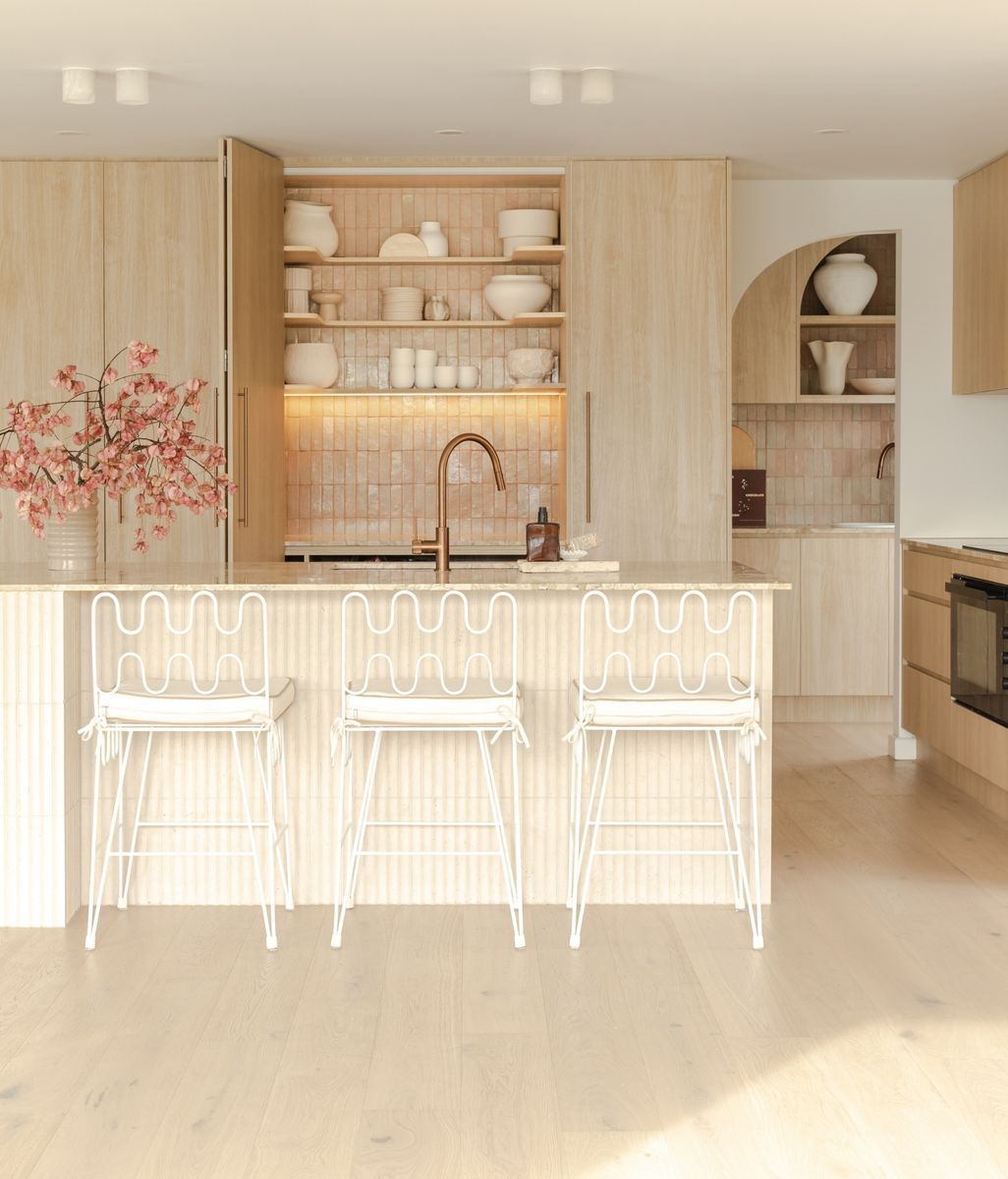
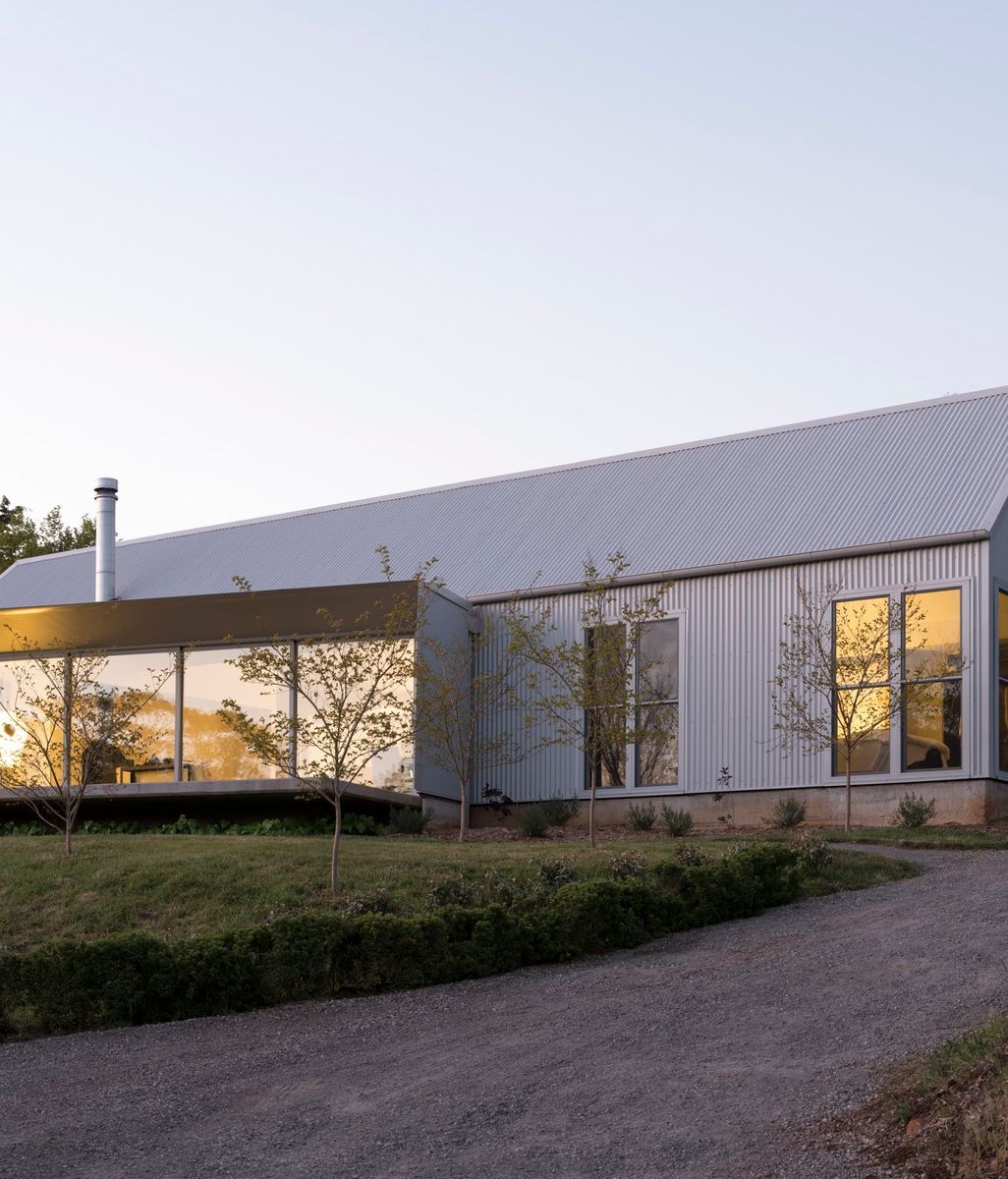
Across contemporary architecture, façades are becoming more expressive. Rather than relying on flat, monolithic surfaces, architects are increasingly exploring texture, material layering and subtle tonal variation to create depth and visual rhythm.


This shift reflects a broader change in how finishes are specified. Architectural coatings are no longer treated purely as protective layers but as part of the design language of a building contributing to both performance and material character.
According to Dulux Acratex, designers are moving toward layered compositions that combine multiple materials and finishes to create façades that feel grounded and responsive to their environment.
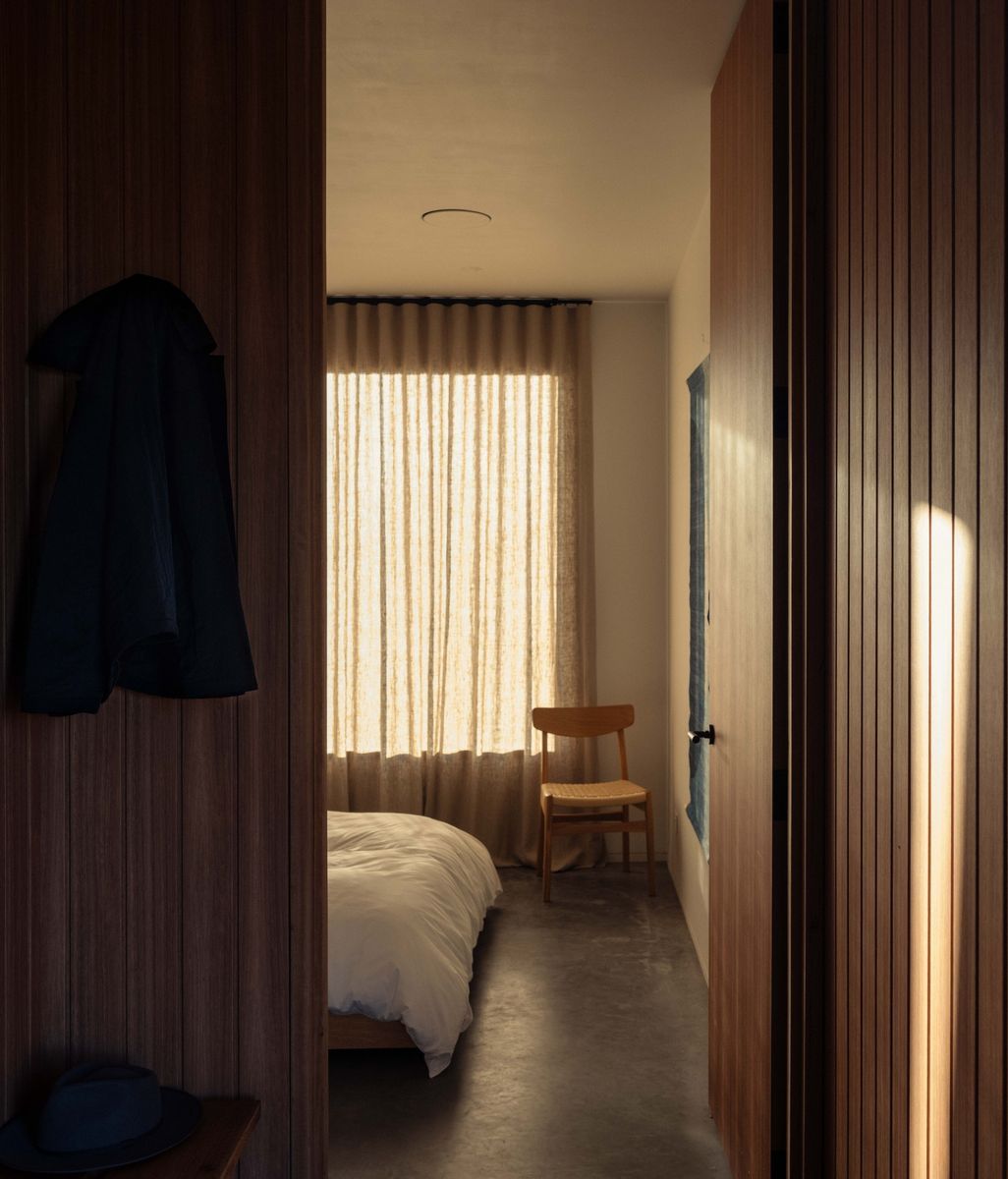
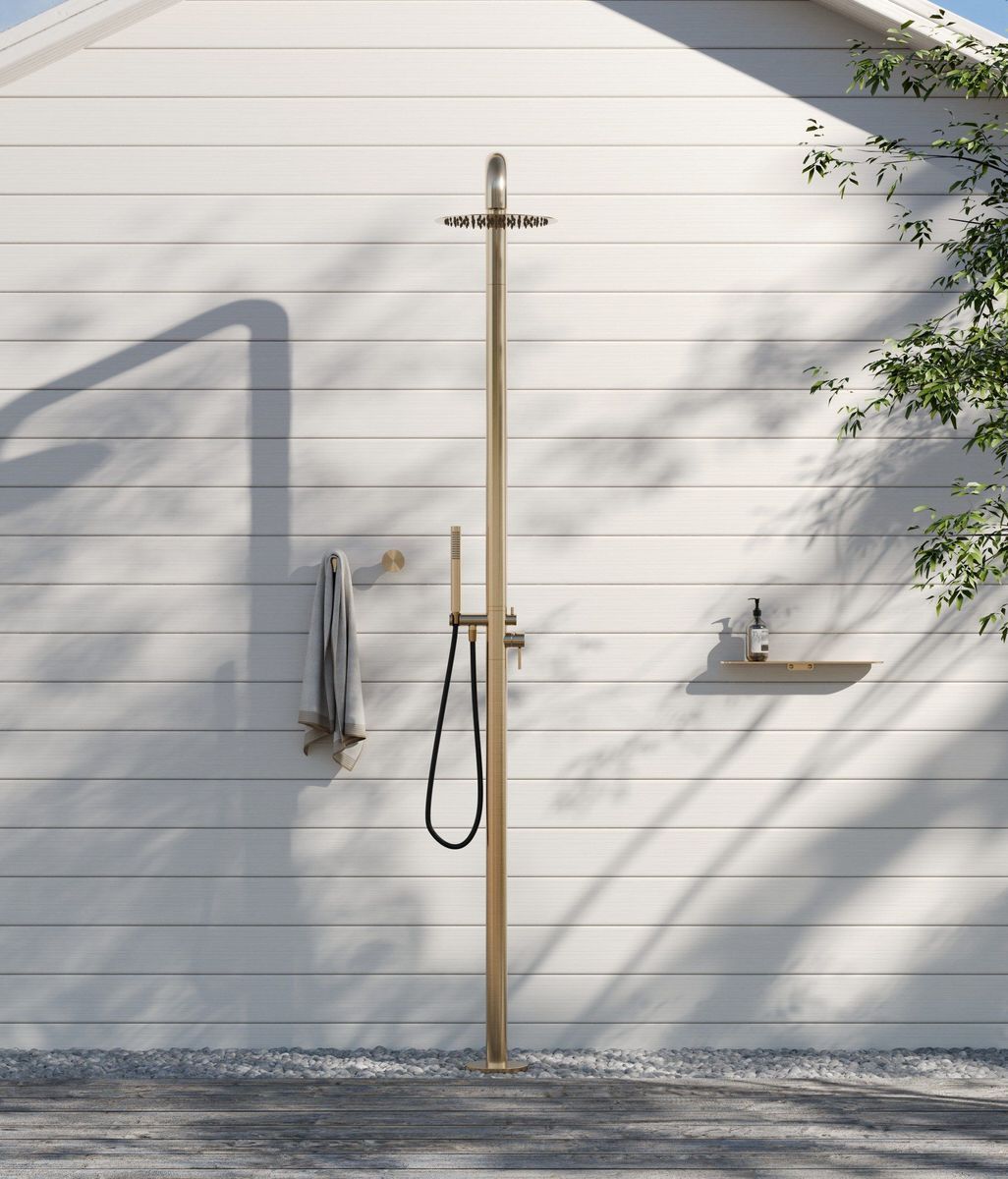
Designers are increasingly focused on creating continuity between interior and exterior spaces,” explains Georgina Raudon, Marketing Manager at Dulux Acratex. “Finishes and textures are extending across thresholds to create more cohesive architectural environments.

Colour palettes are also evolving. Earthy neutrals, mineral tones and soft greys are being favoured for their ability to respond to light and landscape while allowing texture to take prominence.
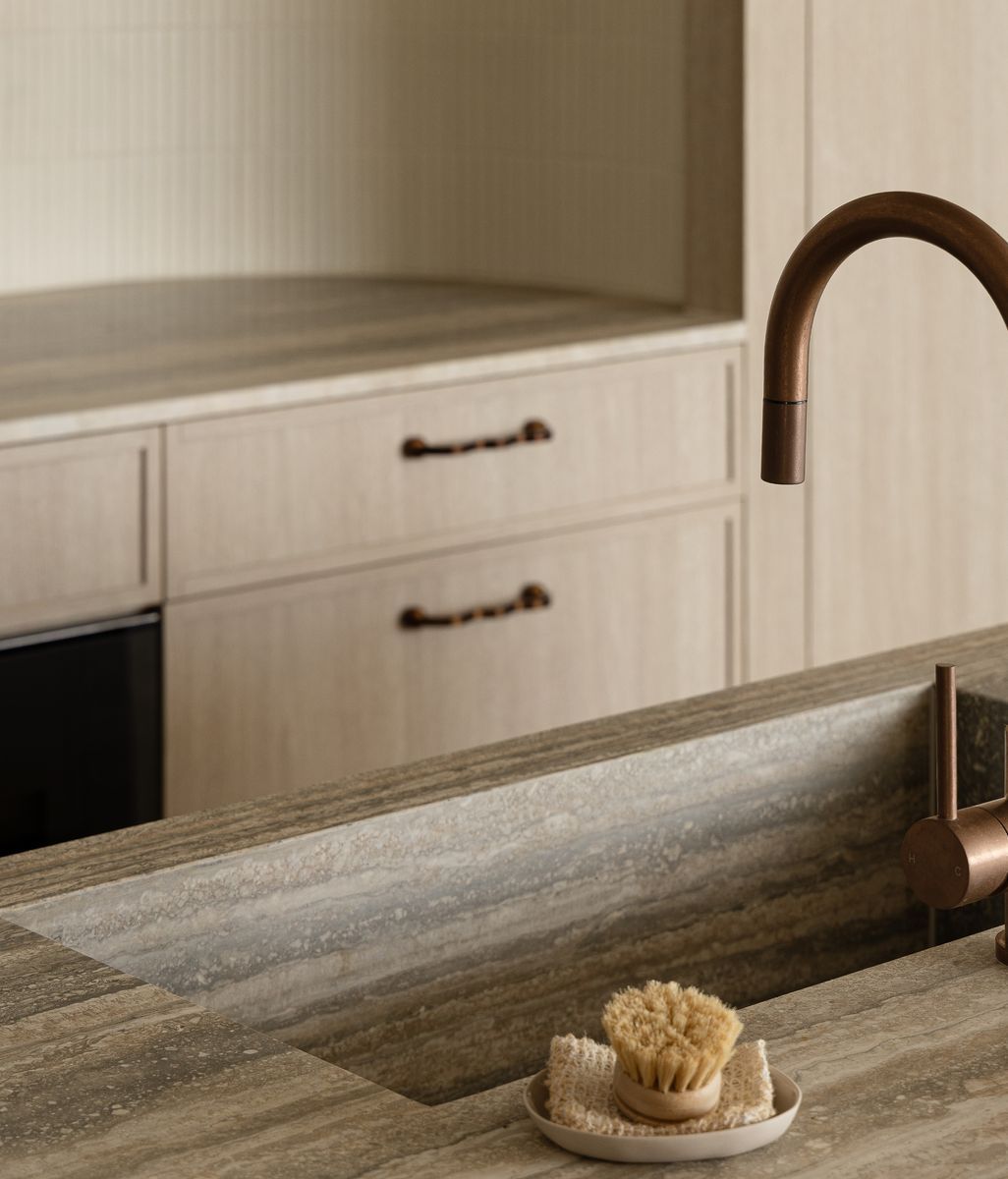
Within this context, tactile finishes are becoming an important architectural tool. Systems such as AcraStone allow designers to achieve the visual character of cement-based finishes without requiring a concrete substrate, while Venetian Plaster introduces subtle texture and surface variation.
Textured render finishes, including Mediterranean Classique, Tuscany Fine and Marmarino Naturale, offer surfaces inspired by limestone and travertine, allowing architects to introduce depth and material richness across façades.
At the same time, coatings must perform within increasingly demanding building envelopes. Moisture management, environmental exposure and substrate movement require systems that combine durability with flexibility.

Originally developed for high-performance render and protective coatings, the Dulux Acratex range now includes façade systems, waterproofing solutions and protective membranes designed to support the broader building envelope. Newer systems such as the StoneShield Cladding System reflect a growing industry focus on integrated façade solutions.
Rather than being the final layer applied to a building, finishes are increasingly specified earlier in the design process, helping shape the architectural identity of a project while supporting its long-term performance.

On ArchiPro, architects and designers can explore Dulux Acratex and browse a range of architectural finishes, to see how they are being specified across contemporary architectural projects.