James Reid on trusting instinct, embracing uncertainty and designing spaces that feel like coming home
Written by
27 October 2025
•
4 min read
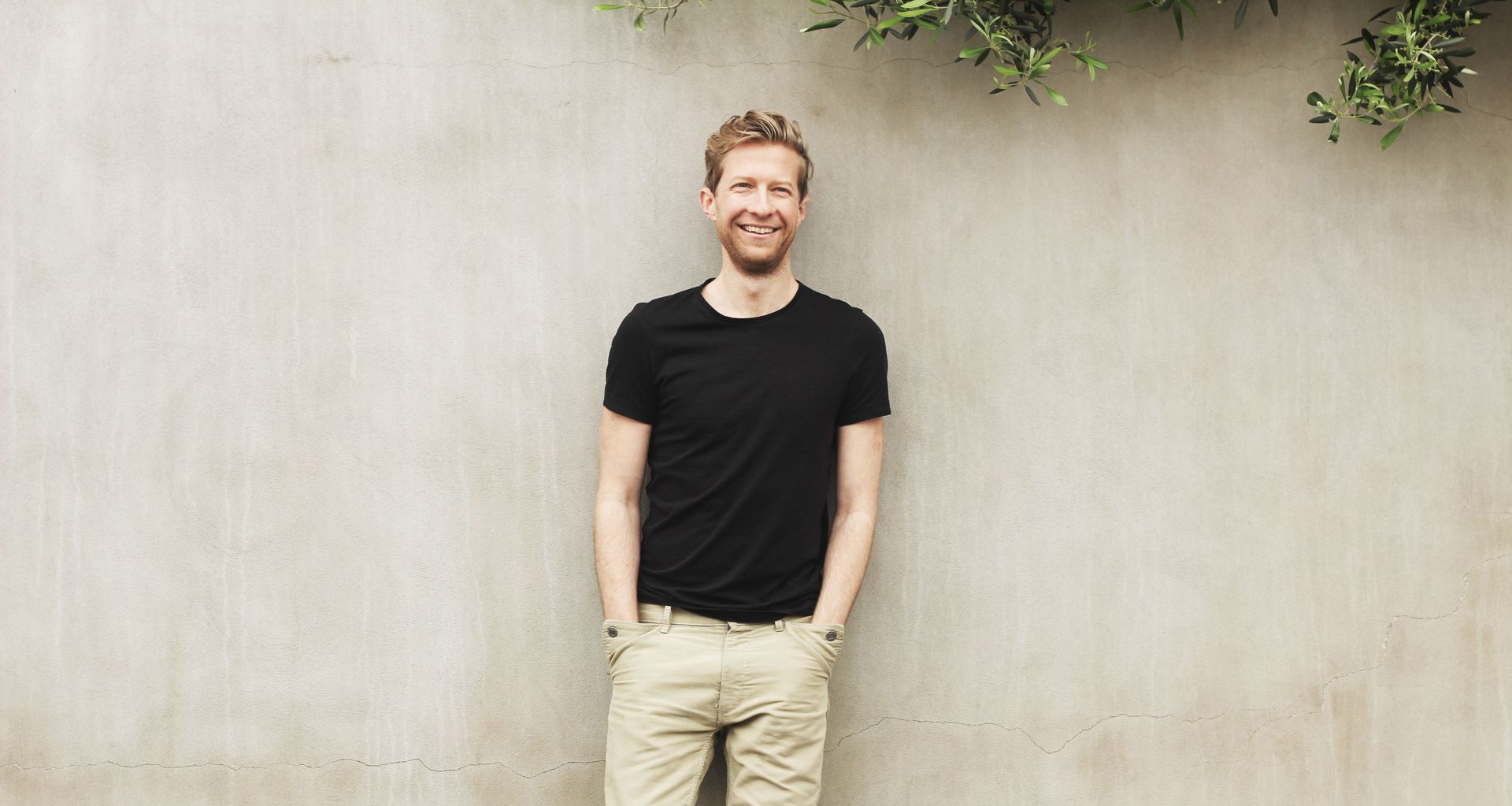
There was a moment of intuition in James Reid’s late-twenties when everything changed. It was that Sliding Doors moment: the time in life when you take the leap and you don’t look back.
“When I was a young child, I loved buildings, looking at cross sections, and building Lego. It was at that age when I started comprehending the idea of what I was going to be when I grew up, and I definitely wanted to do something in that area,” shares James. “But somehow, through my school years I forgot about it, and when I left, I studied graphic design instead, before dabbling in advertising, and then years in hospitality. I was in my late twenties when I met my (now) wife’s dad who had a construction company and reintroduced me to architectural design.”
Faced with a choice between staying on the same path and trusting a deeply held intuition to move in a new direction, James took the untrodden path and decided to retrain.
“I think the most transformative moment was not just having the realisation, but to actually honour it. Now, even when I’m not working on clients’ projects, I can't stop thinking about them… I just love it! I could have so easily passed up that moment all those years ago, but I’m so glad I didn’t.”
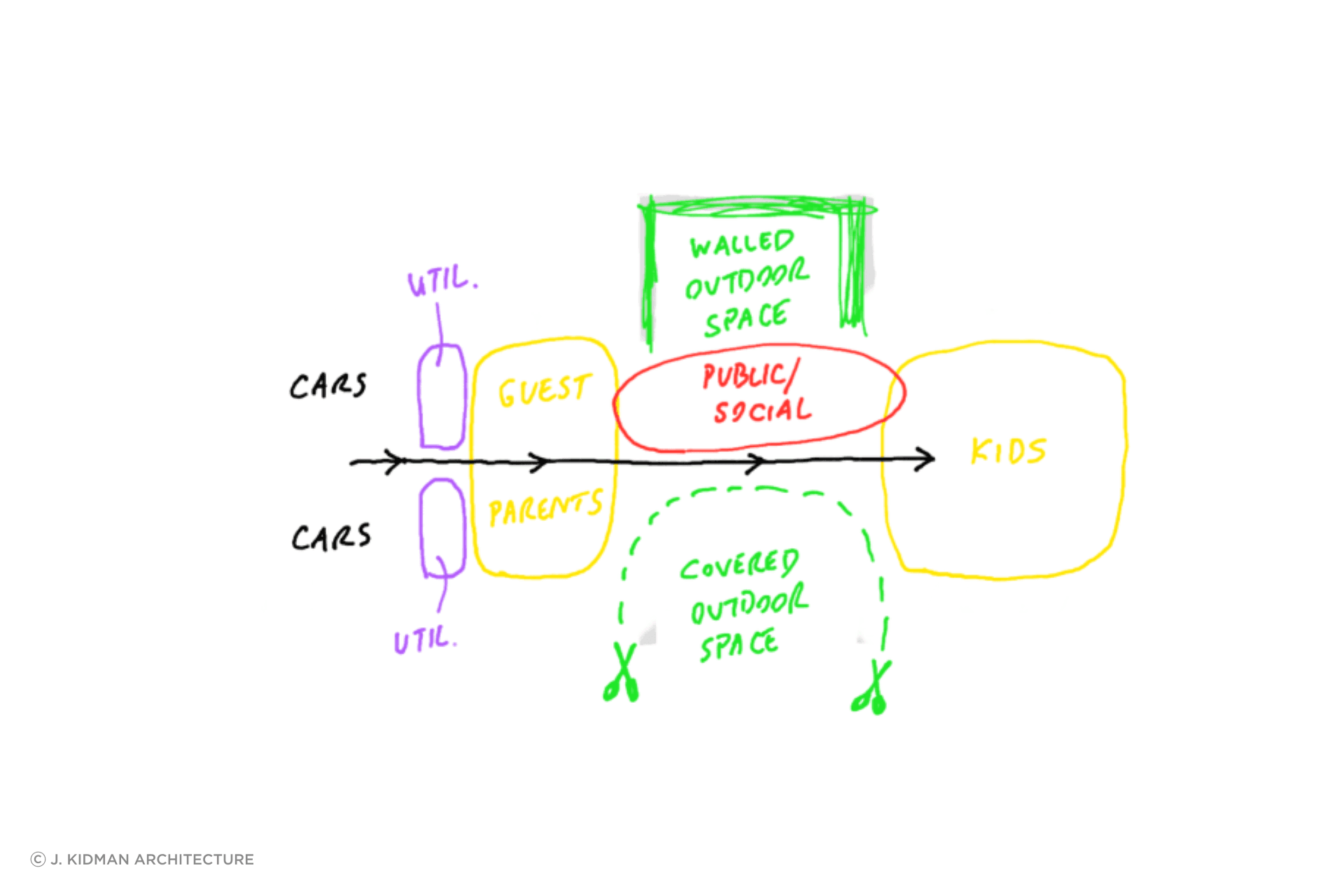
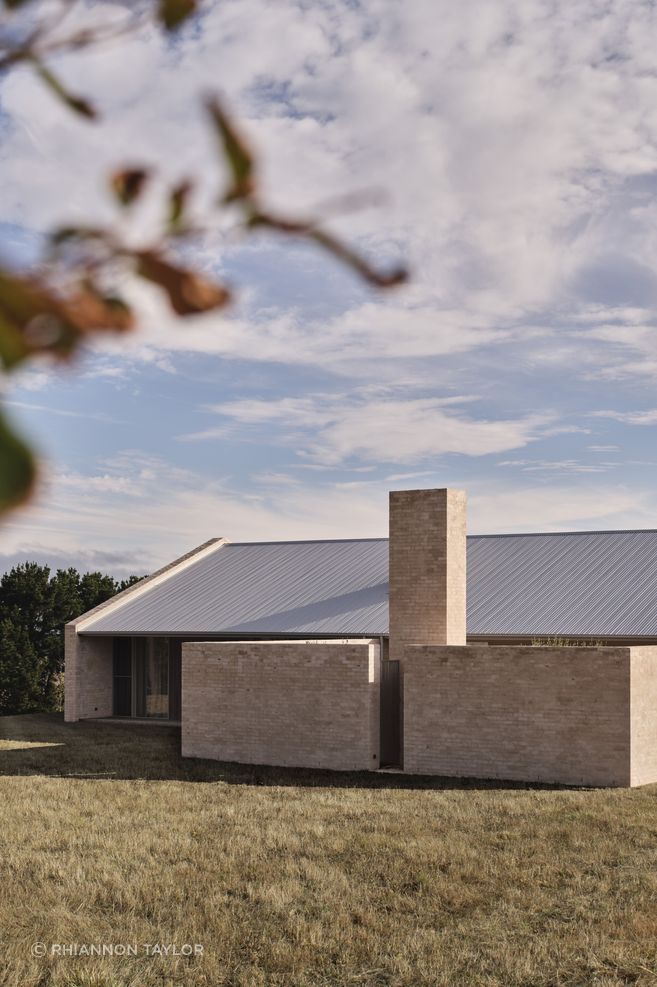
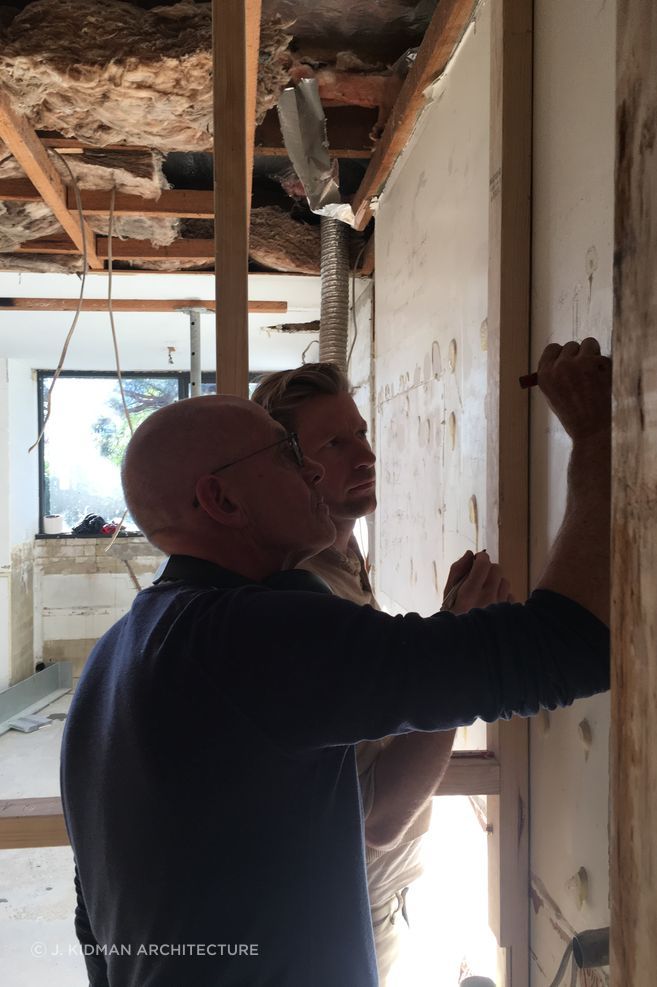
Leaning on that same intuition is foundational to how James approaches designing spaces, and in a time of technology saturation, he feels it’s imperative to step away from the screen to understand and connect with his own creativity.
“Working manually allows for intuition to come through. Intuition requires space to be made for it, which, for me, means getting away from the computer.”
Spending time on site to take in the feeling of the location can often be the spark that sets everything in motion.
“Architecture is experienced in an embodied way. It might be a sense of spaciousness or an encroachment from other elements, or how big the sky feels, or how a particular tree could be framed. Spending time to take in the setting is usually the first spark that prompts a concept.” From there, James likes to give the initial concept stage of the project as much space as possible in order to cogitate on conceptual references and problem-solve issues relating to the design.
“That allows ideas to drift in haphazardly. The best ideas and solutions don’t arrive linearly and inspiration and insights often come when you’re not looking… They come from the side rather than appearing in front of you.”

Designing from a place of intuition, James prefers fewer and bigger gestures, rather than many fussy details, making the projects easily legible even if they are monumental in scale. It’s this lesson that he would share with his younger self when he was starting out in the industry.
“I think sometimes I got too caught up in the details, and now I would say that if you're too caught up in the details, maybe the bigger idea isn't strong enough. It’s not that the details don’t matter, but if the details can make or break the project, it probably doesn't have a strong enough conceptual foundation to begin with.”
Currently, in his own work, the home is designed as a refuge and the experience of being there should create calm, quiet, and peace.
“Life used to be a lot simpler, and the house only had to offer protection against the weather. Now, you can't shut the door on work and leave it at work. It comes into the kitchen, into the bedroom; it's in the car, then it's in your pocket while you're hiking,” he shares. “In the noise of our busy lives and demanding world, we can lose ourselves, so hopefully my designs allow that to drop away and allow you to come back to yourself and your own nature.”
Explore projects by J. Kidman