The architecture practice with net-zero carbon in its sights
Written by
24 February 2026
•
4 min read


By 2030, every architectural project undertaken by Jasmax is targeted to be net zero in carbon emissions. For a practice of more than 250 people delivering some of Aotearoa’s largest and most complex civic, education and infrastructure projects, this is not a symbolic pledge but an operational mandate.
What this means in practice is early-stage lifecycle carbon assessments are now embedded into every new architectural commission and carbon reduction strategies are considered from the outset rather than appended at the end.
It’s a precise ambition, and solutions are designed to be cost-neutral.
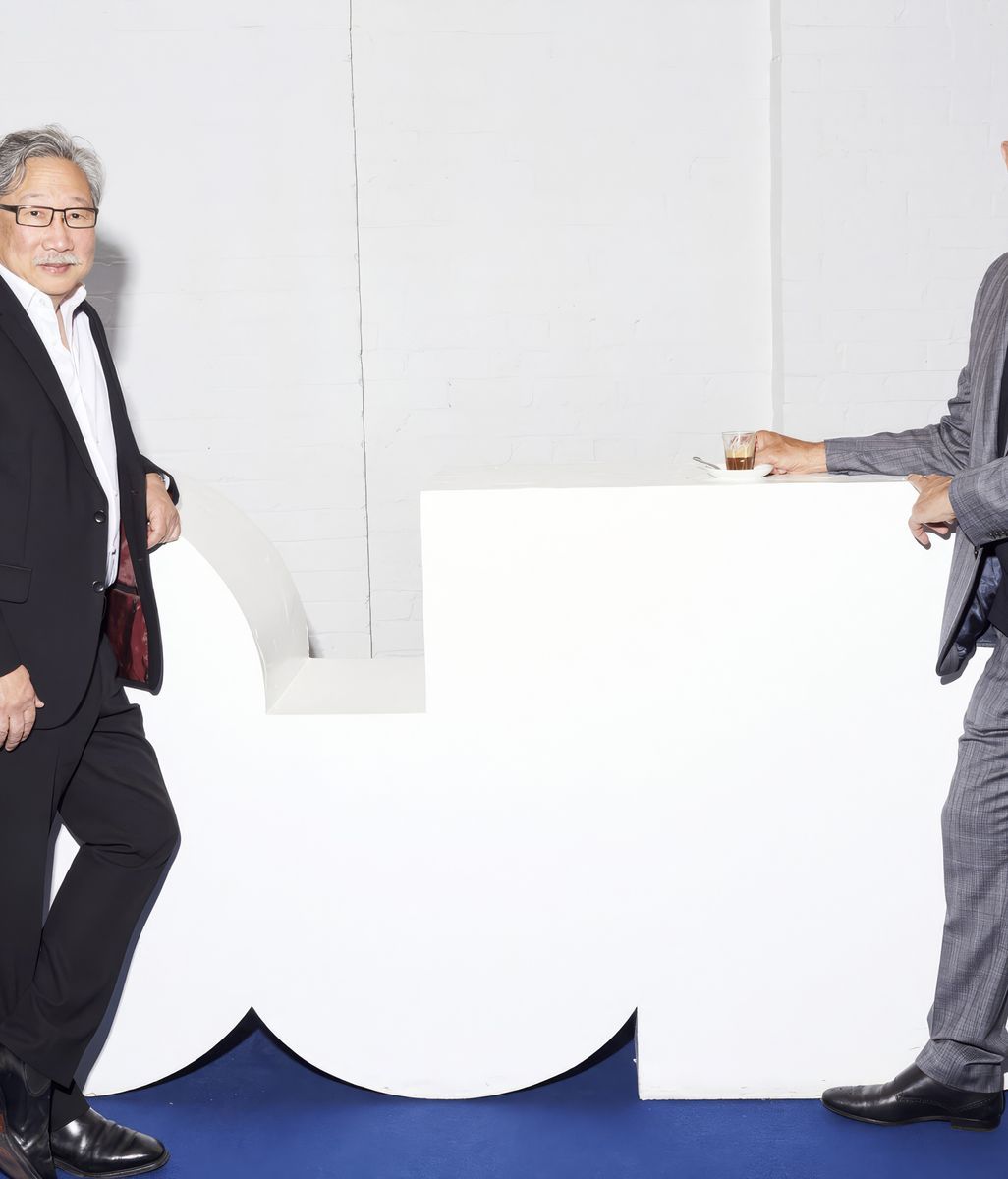
“Sustainability and low-carbon design are central to Jasmax,” says Principal and Head of Design Shannon Joe. “Cost-neutral carbon reduction is embedded within our design approach, and we provide full visibility of the cost and value benefits of low-carbon choices to our clients. We also have expertise in adaptive reuse and retrofit strategies, enabling sustainable transformation of existing buildings.”

This commitment is not an isolated sustainability initiative but part of a broader design philosophy. In 2019, Jasmax formalised its values through a Manifesto that articulates a commitment to strengthening the connections between culture, nature and design. The document crystallised long-held beliefs into a shared declaration, one grounded in the specific conditions of Aotearoa, which the practice hopes to build upon as it extends its footprint into Australia.
The language of connection and regeneration signals a shift from doing less harm to actively contributing more good. Jasmax speaks not simply of sustainable outcomes, but of projects that deliver lasting benefits to the communities and environments they serve.
Such aspirations demand a structure that can support them. As one of the country’s largest architectural practices, Jasmax spans six studios across Aotearoa and Australia and approaches projects through collaborative, multidisciplinary teams.
“People and collaboration are at the heart of Jasmax,” Shannon says. “We unite architecture, interior design, landscape architecture, and urban design into a fully integrated service, ensuring high-quality design resolution across every project.”
Collaboration is reinforced through a rigorous design excellence programme and an early ‘discover and define’ phase that aligns clients, stakeholders and communities around clear project principles. Those principles become the touchstone against which every design move is tested. In an industry frequently pressured by time and cost, this disciplined alignment creates space for creativity.
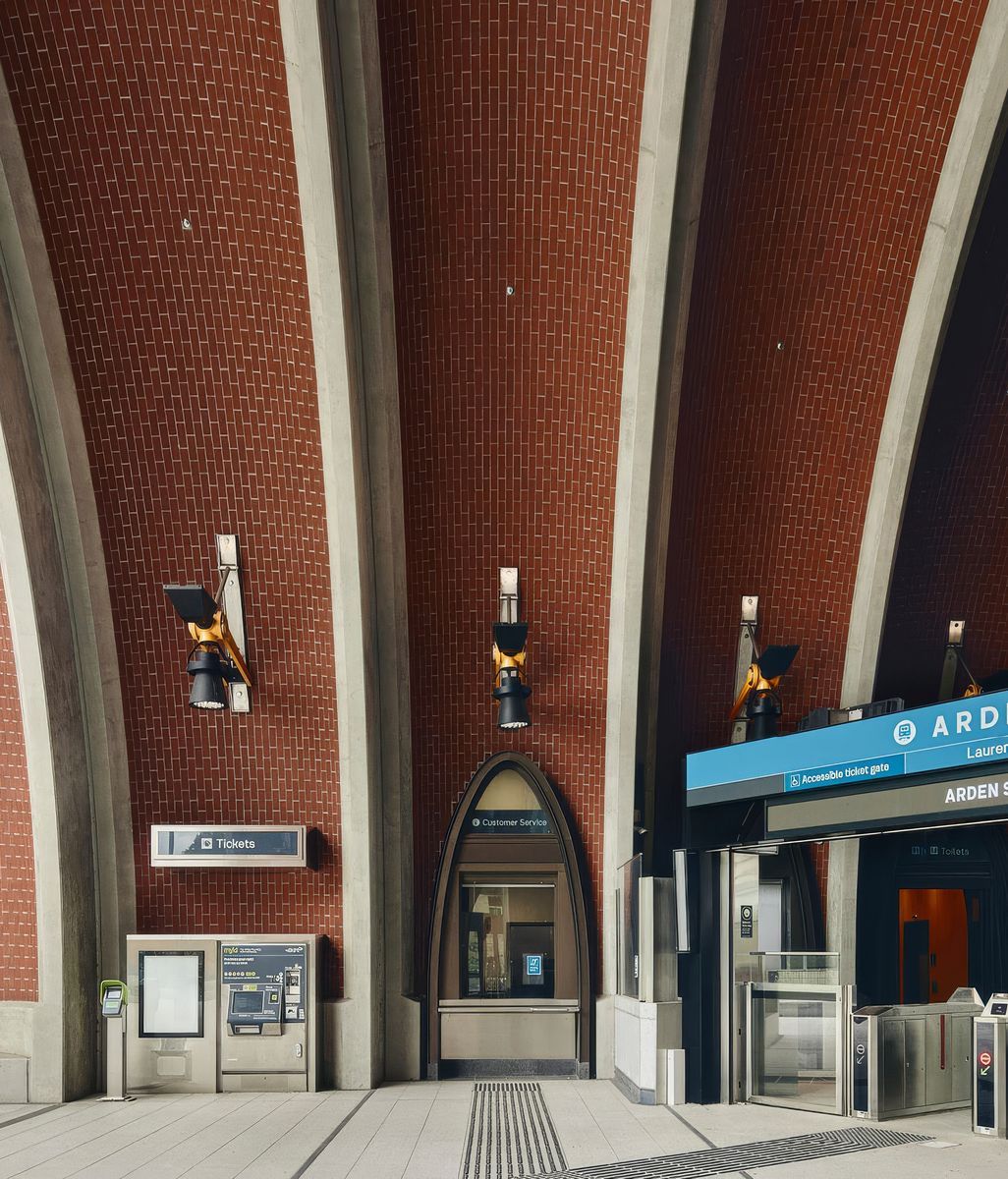
Nowhere is this more evident than in the practice’s approach to indigenous design. Jasmax’s Indigenous design collective works alongside Māori, Pasifika and First Nations communities to ensure cultural narratives are embedded from concept through to completion. Major public projects such as the City Rail Link and The Pā at the University of Waikato demonstrate how infrastructure and education architecture can carry powerful expressions of identity and partnership.

Cultural engagement is treated as foundational rather than decorative, shaping spatial organisation, material expression and storytelling. The result is work that feels anchored in place and accountable to people, reflecting a practice intent on honouring Te Ao Māori values in meaningful and enduring ways.
Innovation, within this context, is less about spectacle and more about rigour. Large and complex public projects inevitably bring commercial realities into sharp focus, yet Jasmax sees constraint as a catalyst rather than a limitation.
“There is always a fine balance between cost and commercialism, but this tension usually fuels design responses that are appropriate to the size, budget and programme,” Shannon reflects. “Innovation doesn't always mean the most expensive or cutting-edge solution; it's about finding the right response that delivers genuine value and pushes the boundaries of what's possible within the constraints we're working with.”
Technology is increasingly part of that response. Virtual prototyping, augmented reality and immersive co-design processes allow clients to experience projects at full scale before construction begins, fundamentally reshaping engagement and accelerating decision-making.
Emerging AI tools are being explored to enable rapid iteration and clearer communication, empowering designers and clients to work more collaboratively and creatively.

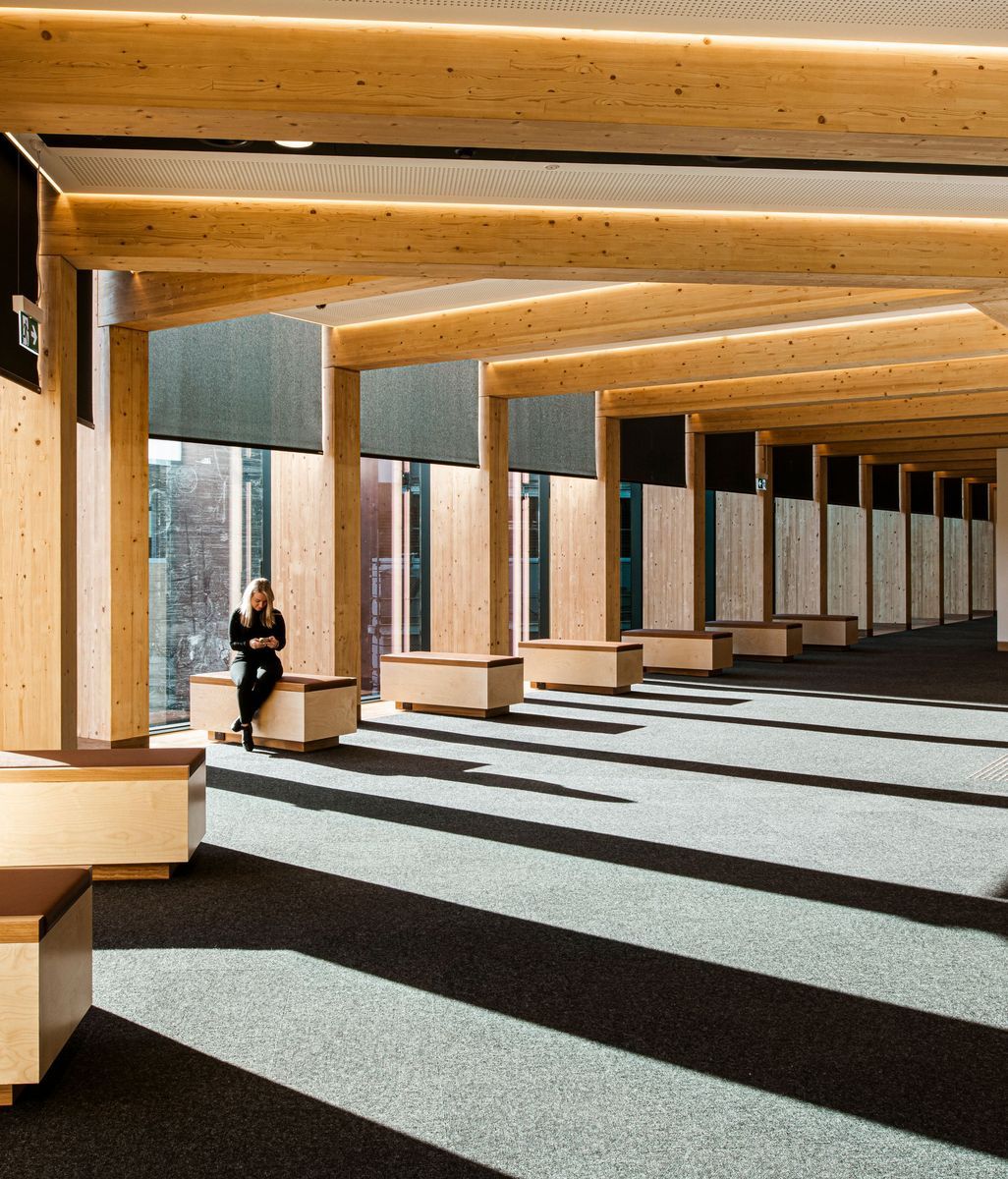
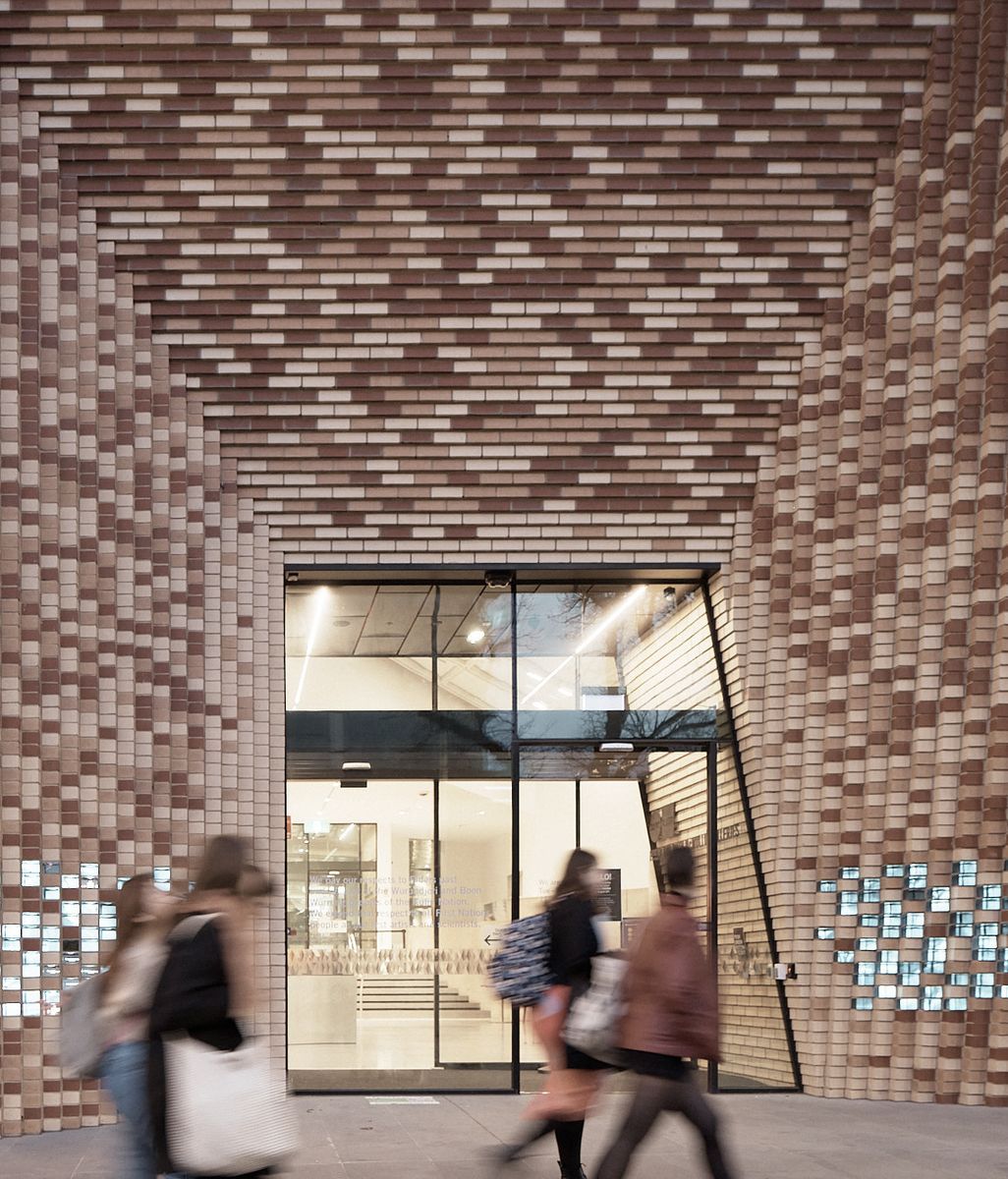
The sustainability agenda remains the most tangible expression of the practice’s direction. The University of Auckland’s B201 building, which achieved a 6 Green Star rating from the New Zealand Green Building Council, signals what is possible when environmental performance is embedded from inception. Adaptive reuse and retrofit strategies further extend this thinking, recognising that the transformation of existing buildings is central to any credible low-carbon future.
Looking ahead to landmark openings in 2026, including the City Rail Link, and reflecting on the recent opening of the BNZ Theatre, Jasmax’s trajectory suggests a practice comfortable operating at the intersection of infrastructure, culture and climate responsibility. Yet the wider context remains pressing.
“Affordability is New Zealand’s most pressing challenge,” Shannon says. “Architecture is a long-term investment in the future, and delivering quality, alongside value for money, has never been more important for our country.”