The condensation problem no one talks about in new builds

Written by

03 March 2026

 • 

4 min read

banner
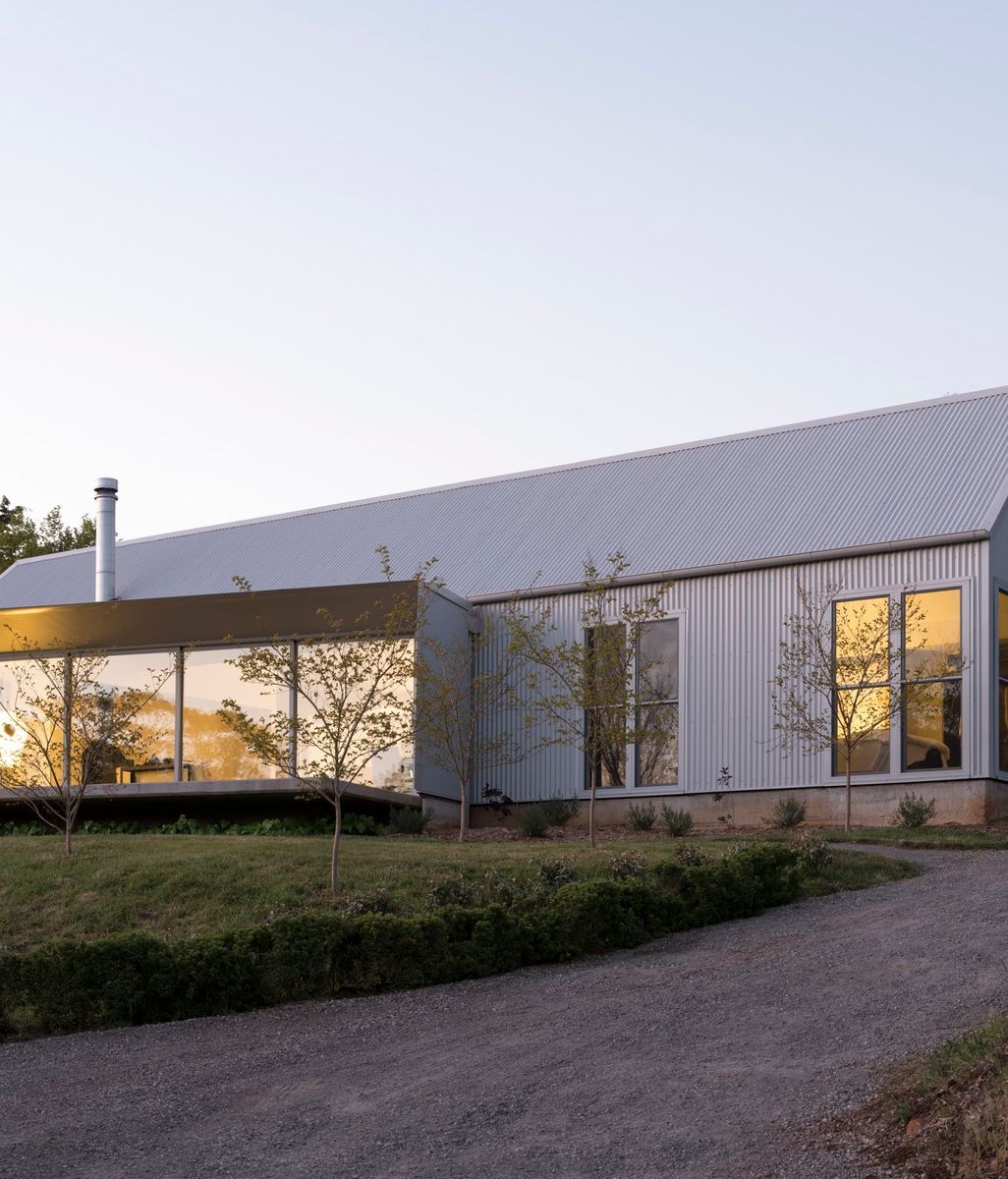
Nikolai Hentzschel, General Manager at Solutionair, has seen it time and time again. A homeowner is buoyant at handover. The house is brand new, double-glazed, meticulously insulated, compliant with every modern standard. Six months later, the call comes in. Condensation running down the inside of the windows. Curtains damp to the touch. A faint, stubborn smell that won’t quite go away.

“They’re usually baffled,” says Nikolai. “The house is new. It’s warm. On paper, it should be perfect.”

It’s a familiar story in modern housing. And it rarely has anything to do with the quality of the build.


SolutioAir-Image-03-v3.jpg

New homes don’t fail - they behave differently

Older houses leaked air constantly. Through gaps, draughts and imperfect construction, fresh air drifted in and stale air slipped out naturally - inefficiently, but constantly.

Modern homes are the opposite. They are airtight by design, carefully sealed to retain heat and improve energy performance. The unintended consequence is that moisture no longer escapes on its own.

Bathrooms, kitchens, laundry cycles - even breathing - it all adds moisture to the air. Without a deliberate path out, that moisture settles where it can.

“People associate condensation with old houses,” Nikolai explains. “But in new homes, it’s often a sign that air isn’t moving the way it should.”

That shift in how buildings behave is something Solutionair’s Managing Director, Massimo Biscuola, has been focused on for more than a decade.

“As buildings have become more efficient, they’ve also become more dependent on good planning,” Massimo says. “You can’t rely on passive airflow anymore. Ventilation must be managed.”


Nikolai Hentzschel
| General Manager
Nikolai Hentzschel | General Manager

Heating is not the same thing as comfort

Most homeowners plan heating early. It’s visible, familiar, and easy to understand. Radiators, heat pumps, underfloor systems - these decisions feel tangible.

Comfort, however, is less obvious.

Heating controls temperature. Cooling does the same. But neither system is responsible for how fresh air enters the home, how moisture is removed, or how air circulates from room to room over the course of a day.

Those conditions tend to sit quietly in the background… until they don’t. When air becomes stale, windows fog, or moisture lingers, it’s often because these fundamentals were never properly considered in the first place.


"A home can be warm and still uncomfortable,” Nikolai says.

“Stale air, uneven temperatures, moisture build-up, those are comfort issues that heating alone won’t solve. Add to this the damage mould can have on furniture, fittings and more importantly, to your health. For people with asthma, mould can trigger attacks or make symptoms worse. In New Zealand, where asthma rates are relatively high, this is particularly relevant.”

Massimo agrees. “True comfort isn’t just thermal,” he adds. “It’s about how a home feels over time; the air quality, the humidity, the consistency. That comes from how the whole system works together.

Massimo Biscuola |
Managing Director
Massimo Biscuola | Managing Director

Comfort is a whole-home outcome

In well-performing homes, comfort is quiet. Windows stay clear. Air feels fresh. Moisture is managed in the background. Nothing calls attention to itself.  Which is exactly the point.

That kind of comfort doesn’t come from a single product or system. It comes from how the home works as a whole: airtightness, airflow, ventilation and heating all playing their part.

“For us, it’s always been about the indoor environment,” says Massimo. “If you get that right, everything else follows.”

For homeowners planning a build or renovation, understanding this early can make the difference between a house that looks good on paper and one that feels genuinely good to live in


The timing problem

What makes these issues particularly frustrating is when they show up.

By the time condensation appears on glass or mould forms behind curtains, the home is finished. Layouts are fixed. Ceiling spaces are tight. Options are limited… and often compromised.

The irony is that many of these problems are shaped much earlier.

“Once the plans are locked in, you’re largely reacting,” Nikolai notes. “The best outcomes come when airflow and ventilation are considered at the same time as layout, insulation and glazing.”

Huia-Road-Picture-4-ap-compressed.jpg

Where Solutionair fits in

This is the point where Solutionair typically becomes involved. The team works with homeowners and design professionals early in the planning process to help ensure ventilation, airflow and comfort are considered alongside layout, insulation, and heating decisions.

Rather than treating ventilation as a late-stage add-on, Solutionair focuses on whole-home performance. Airflow and moisture management are planned early and integrated quietly into the architecture, often concealed within ceiling spaces, cabinetry, or service zones.

Learn how to plan airflow and comfort into your new build

For homeowners planning a new build or renovation, Solutionair has created a practical guide that explains how ventilation works in modern airtight homes and what to consider early to avoid common comfort and moisture issues later on.

Learn about Solutionair's Ventilation services here.