The Making of a K.TODT Design Piece

In a world of standardised furniture and automated production, a piece from K.TODT Design follows a very different path. Each project begins, not with a catalogue or preset model, but with a conversation.
For Klaus, the process always starts with understanding the client. The discussion centres around how the piece will be used, where it will live within the space, and what matters most to the person commissioning it. Just as important are the constraints, the absolute no-goes for the client, and the practical realities of the project.
This exchange lays the foundation for the design. It ensures the finished piece is not simply visually aesthetic, but genuinely suited to how it will be used.

From there, Klaus moves to the drawing board.
Ideas are explored through hand done drawings, allowing shapes and proportions to evolve quickly and intuitively. Several directions are usually developed, giving the client the opportunity to see how the concept could take shape. Through further discussion and refinement, these sketches gradually move closer to a final design.
It is a long process. Details get adjusted, proportions reconsidered, and materials selected with care. Once the design is perfected, the project moves into production.
"We have changed many things over the years, but Klaus exclusively designing projects & pieces using the drawing board isn't one of them" - Annett Todt.
The first photo is from 2014, and the second is from 2026.


The drawings are brought to the Living Design workshop, where Klaus and his small team of three begin the transformation from concept to object. Working together, they translate the design into a physical piece, building it step by step with close attention to any and all details.

Unlike most joinery workshops today, no CNC machinery is used in the process. Every component is measured and cut by hand on a panel saw. Working this way takes longer, but it allows each piece to be approached with a level of care and attention that automated production simply cannot replicate.
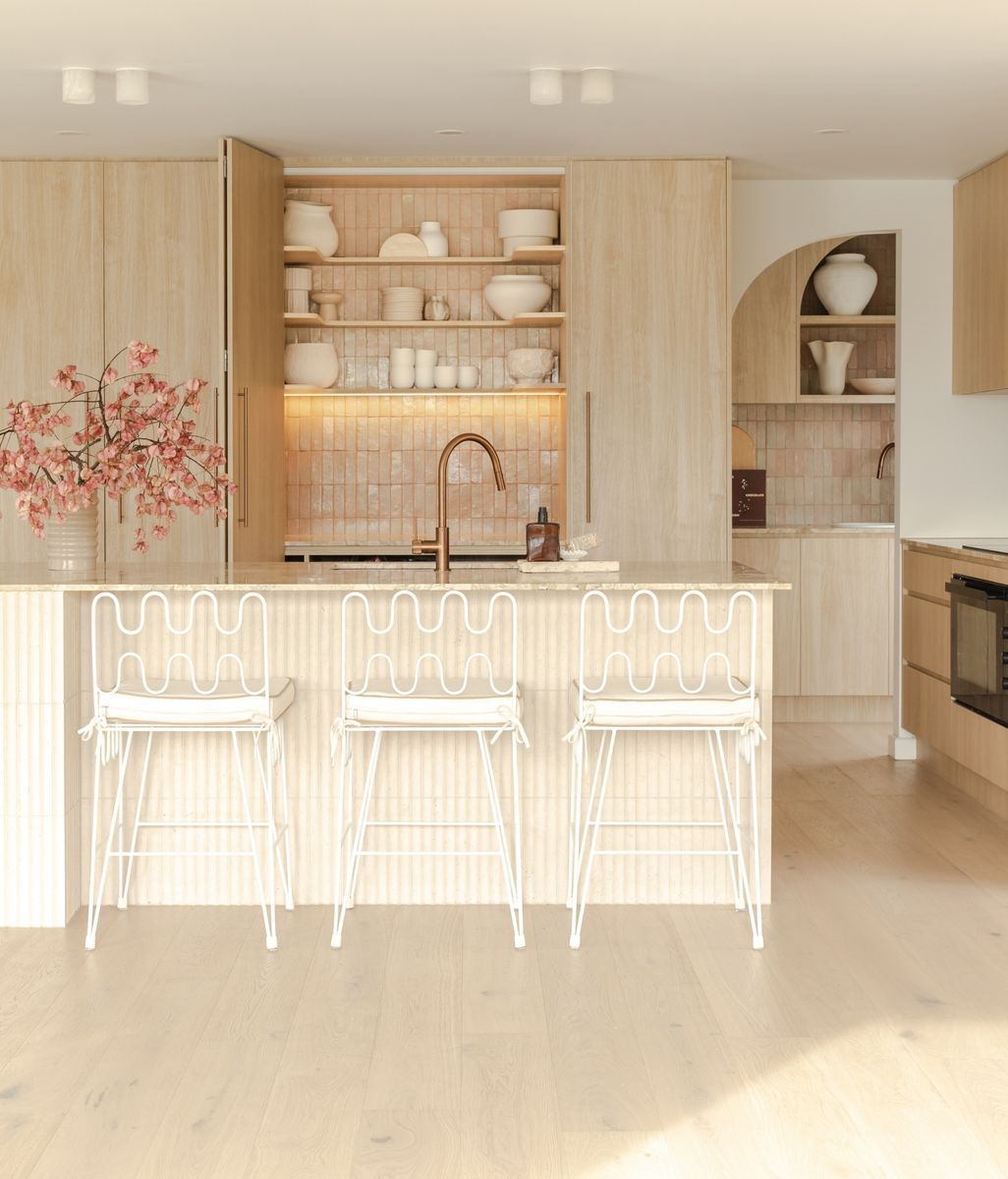
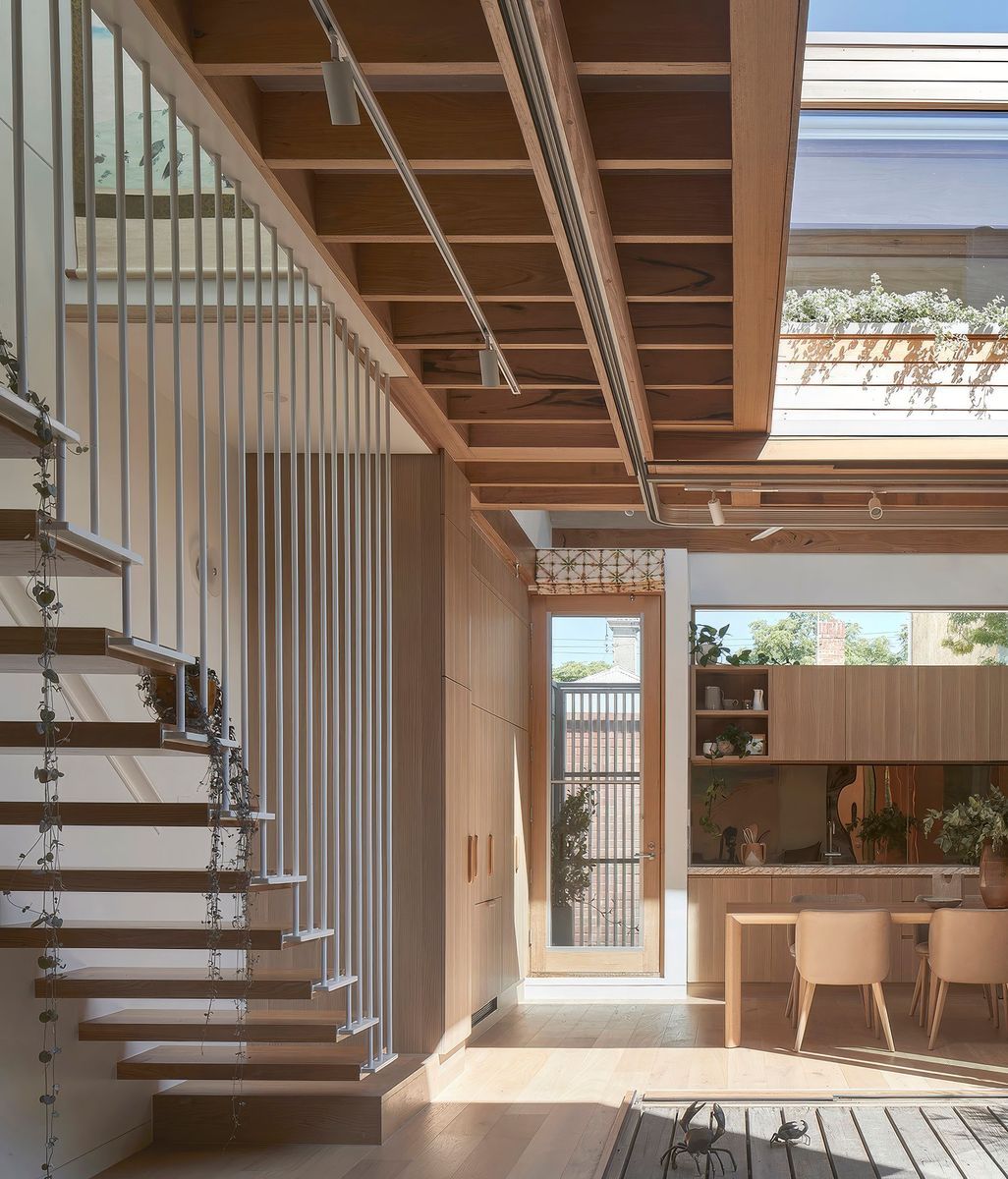
Because every item is made to order, each project moves through the workshop individually. The scale, proportions and detailing are all shaped specifically for the space it was designed for, rather than a space having to adapt to a standardised product.


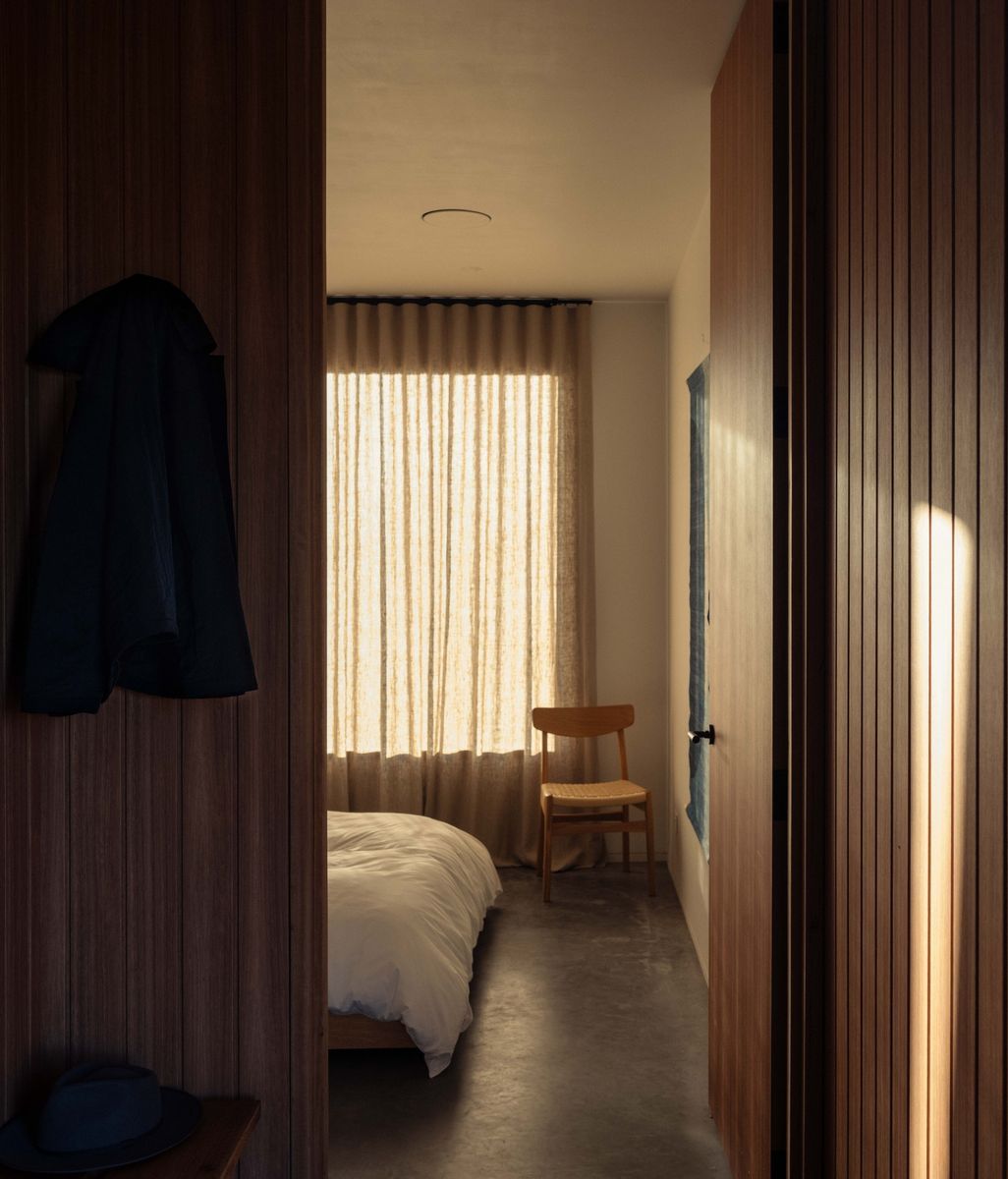
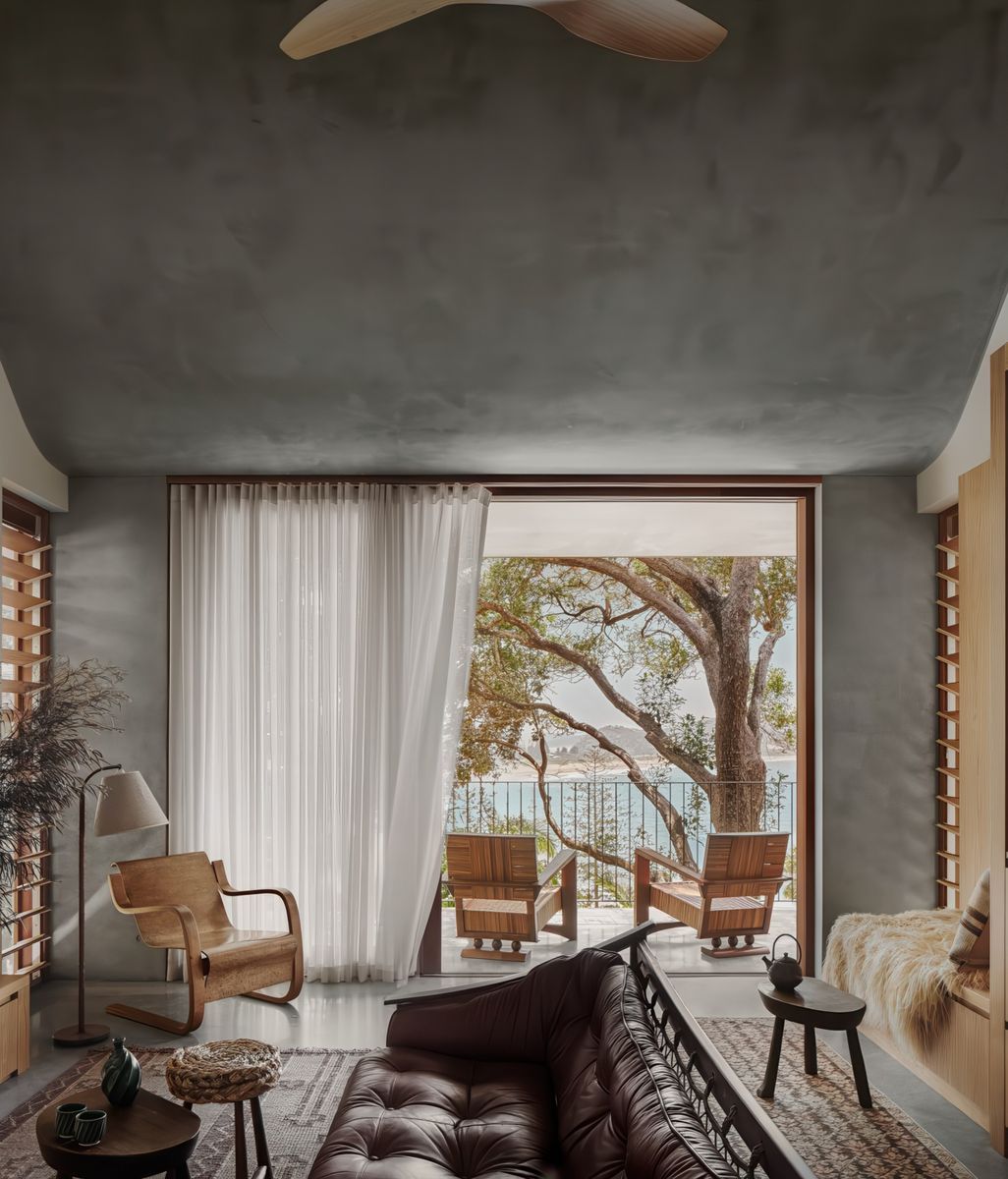
What emerges is not simply furniture, but the result of a carefully considered process, one that moves from conversation, to sketch, to production, and finally into its intended spot, in the client’s home.
For those commissioning a K.TODT Design piece, the process is as much a part of the outcome as the object itself. Each stage brings the design closer to something that is both personal and precisely made, a piece created solely for one client, and their space.