The power of simplifying architecture
Written by
05 March 2026
•
5 min read


For a practice that has spent more than three decades designing parts of New Zealand’s built fabric, the clearest lesson at Studio Pacific Architecture is more straightforward than you’d think: simplify, simplify, simplify. Over time, the studio has come to value clarity above all else, recognising that projects are strongest when a single idea is rigorously resolved rather than layered with unnecessary design moves.
Senior principal Marc Woodbury says this thinking has sharpened over time, particularly through projects that demanded resolution at multiple scales. One in particular, the Deloitte building at 20 Customhouse Quay in Wellington, marked a turning point.
“I think that project demonstrates a maturity of the practice and my own thinking—there was a new degree of refinement, really coming to the essence of what the building needed to be. Rather than an additive process, it was a reductive one.”
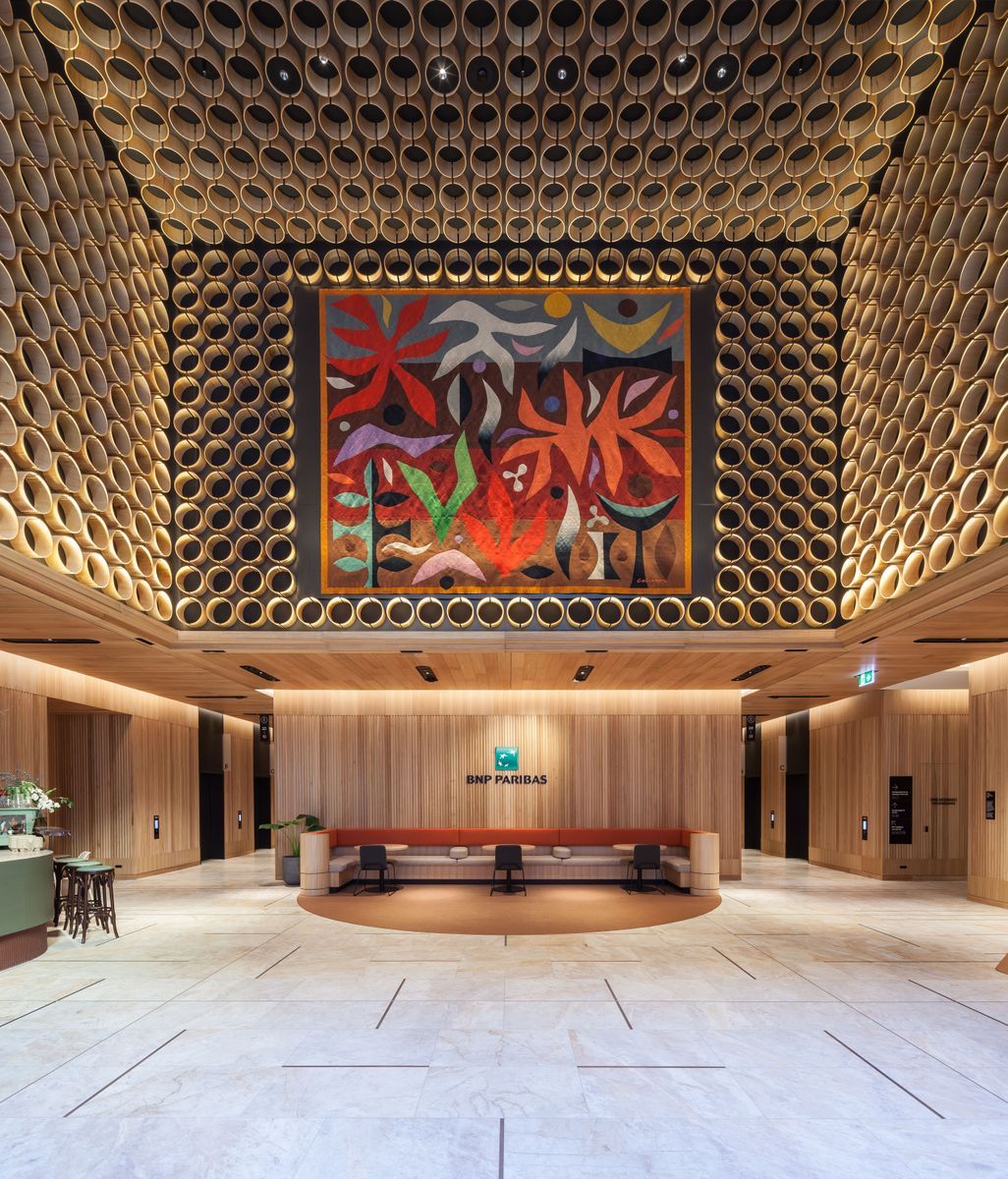
The project’s base isolated diagrid structure was designed through close collaboration with engineers and the client, but rather than treating it as a technical solution to be concealed, the team chose to let it lead. The geometry informed the form, the facade and the interior detailing.

That idea of a clear design DNA, specific to the project, has since become embedded in the studio’s thinking. While earlier projects responded with multiple references and design articulation, Woodbury says that today the questions they ask of a project are much sharper: Do we need to do all of that, or can we say more with less? It is not about reduction of ambition but about clarity.
Sustainability has run in parallel with that evolution. In fact, Woodbury resists the idea that it is a separate stream of thinking at all.
“Sustainability has been a driving force for the practice since its inception in 1992. Good sustainability is good design and it’s difficult to pull those things apart.”
Evidencing this is the Meridian building on Wellington’s waterfront, which became New Zealand’s first Green Star rated project, an achievement made more remarkable by the fact that the New Zealand Green Building Council had not yet formally released its assessment tool when construction began. The team modelled the building on the Australian system and, when the local framework arrived, secured a five star rating. It set a benchmark not only for the practice but for the industry.
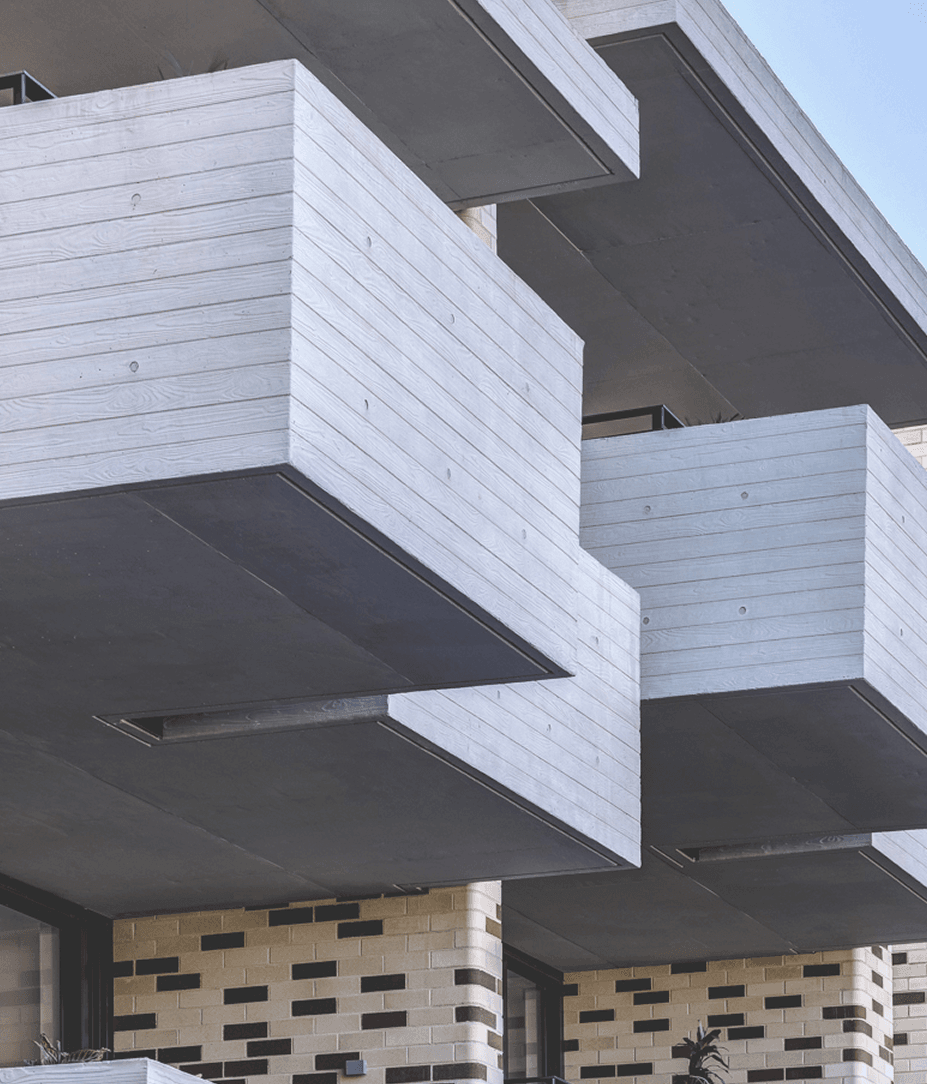
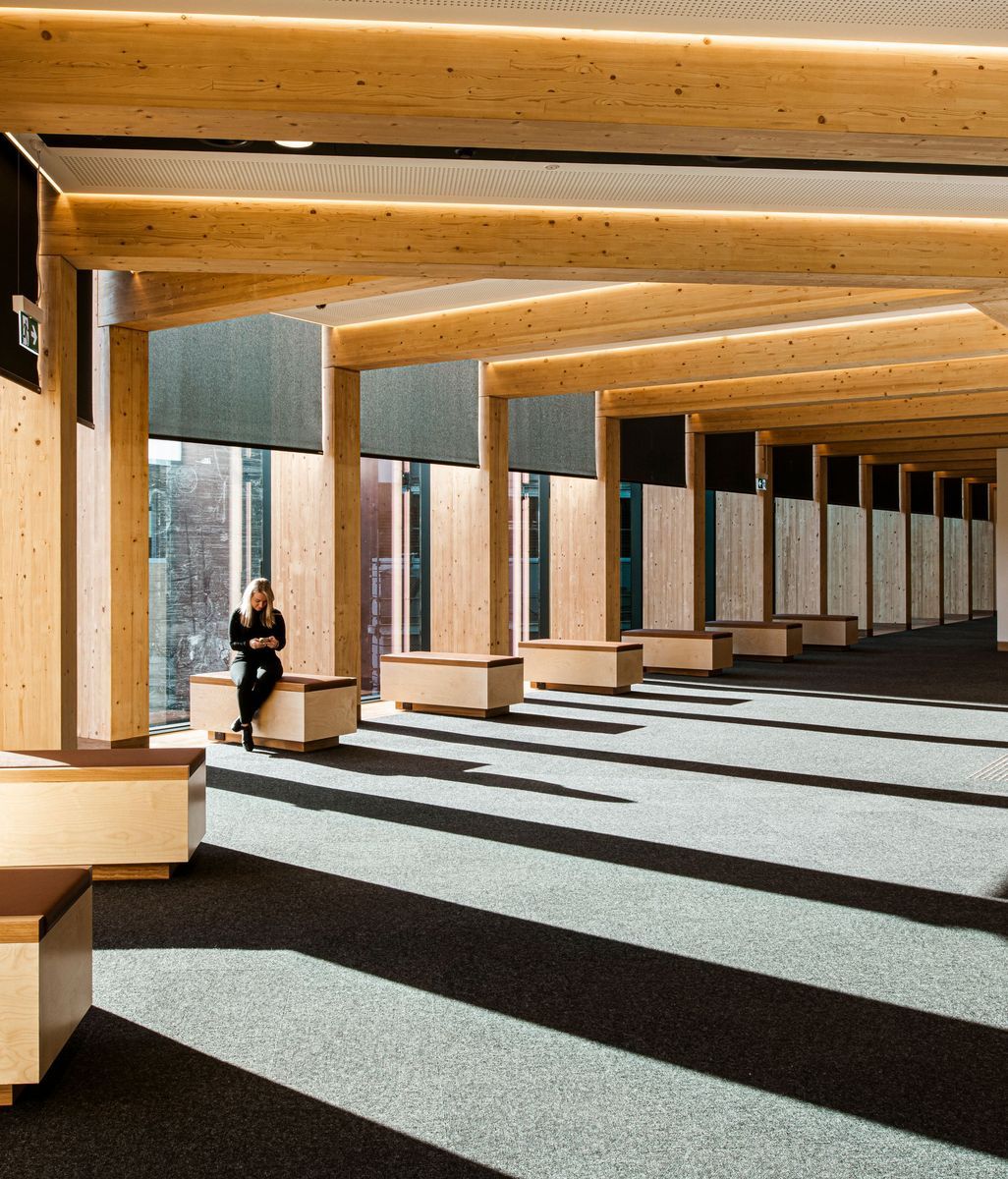
Material experimentation has been another key focus for Studio Pacific. Mass timber, in particular, has been part of the studio’s vocabulary for a quarter of a century, well before its current emergence. From the LVL structure at Aratoi in Masterton, believed to be one of the country’s first engineered mass timber buildings, to the recently constructed 98 metre span of Hangar 4 at Auckland Airport, the practice’s use of timber has been both technical and ideological.
For Woodbury, the structure is never incidental. It is one of the most significant contributors to a building’s carbon profile and therefore one of the most powerful levers available to an architect.
That thinking extends to how the studio approaches all projects.


Designing for context
Designing for the betterment of both the natural and built environment is a defining characteristic of Studio Pacific’s work. Founded in 1992 by Evžen Novák, Nick Barratt-Boyes, and Stephen McDougall, the practice has grown to 65 people, with a portfolio spanning housing, urban design, landscape architecture, commercial workplaces and civic buildings such as libraries and galleries. The diversity is intentional.
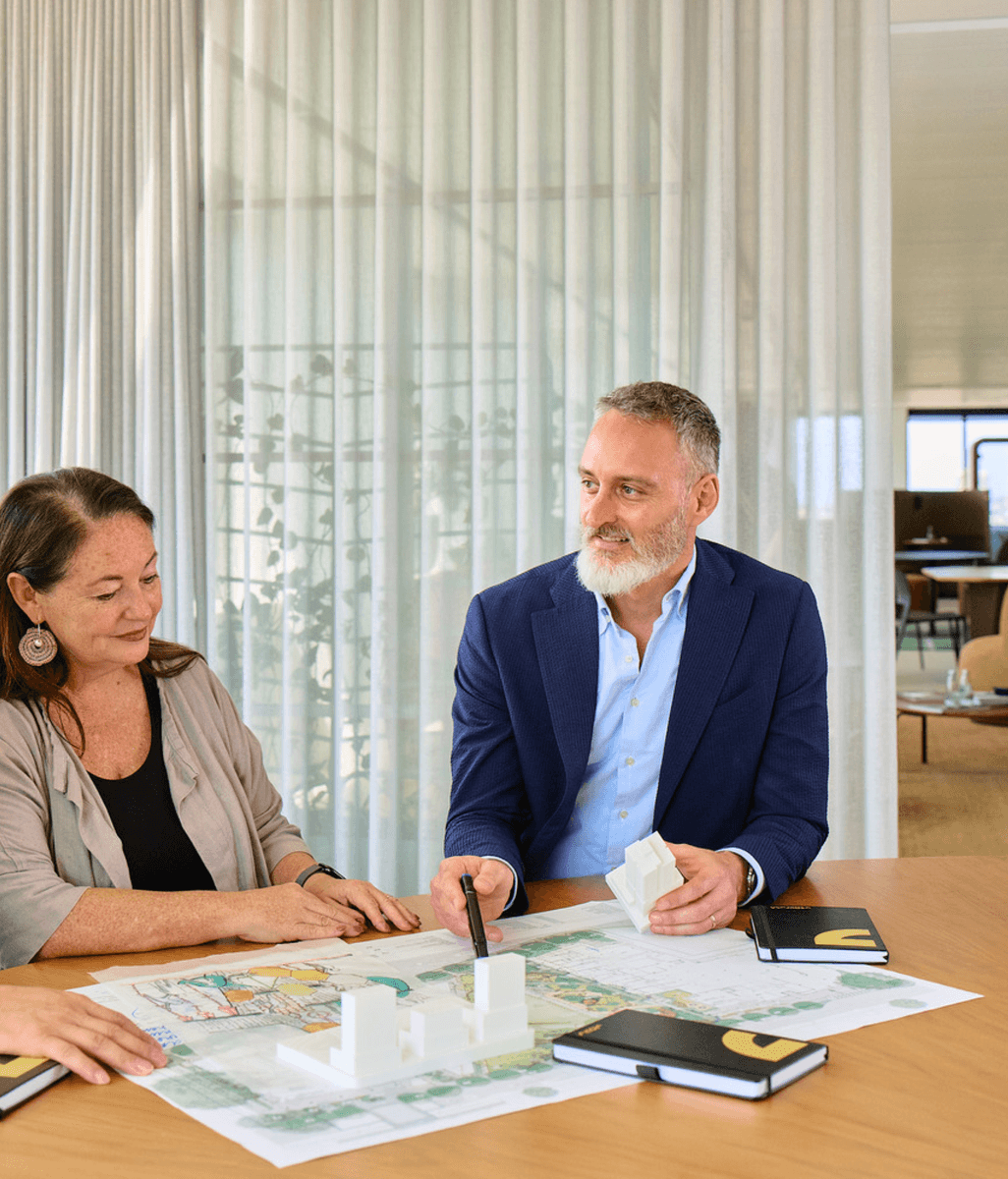
“We don’t have a practice style, it’s all quite diverse. That comes from being a studio and having diverse design authorship, not one or two people who control the pencil.”
Design begins with listening and research. The team invests time in understanding client drivers, site histories and urban conditions before design begins. Depending on scale, ideas are tested through open studio discussions, allowing multiple propositions to surface before a direction is chosen.
“Our work is contextual, we like to slow down, really understand the client, really understand the brief and really understand the context of the place, then take all of those things and create a response to it rather than having a predetermined idea of what a design should be,” says Woodbury.
That philosophy is not confined to a project lead or small senior group. It is embedded across the studio. Everyone is invited into the early thinking, and depending on the scale and civic weight of a commission, ideas are sometimes tested through internal design competitions. For Tākina, Wellington’s Convention and Exhibition Centre, the brief was opened up to the wider team, with designers developing their own concepts before returning to present and debate them collectively. It is a process that privileges exploration over hierarchy and ensures that the design concept direction has been stress tested from multiple angles before it reaches the client.
As Studio Pacific builds on an increasingly complex body of work, what stands out is its willingness to keep widening its lens and leveraging that to do bigger and more exciting projects.
“We have a saying: Design great buildings, attract great clients, attract great staff, design better buildings… It’s a natural spiral upward.”