The real deal: the company bringing Japan’s finest timbers to New Zealand architecture
Written by
08 March 2026
•
5 min read

For centuries, Japan’s most prized timbers have rarely left its shores. At a time when architects are increasingly asking not just how materials perform but where they come from, these timbers represent a level of provenance that has traditionally been inaccessible to the global market. While standardised packets of timber circulate widely, Japan’s finest traditionally milled timbers have long remained within tightly held domestic networks.
For overseas buyers, breaking into that world is notoriously difficult. Yet New Zealand specialty timber supplier Sugi has spent years doing exactly that.
“We've been pioneering it for seven years now, and it's been an extremely difficult road, but we've really broken through in the last, sort of, 12 months,” shares Sugi’s director of sales and technical specification Camden Andrews.
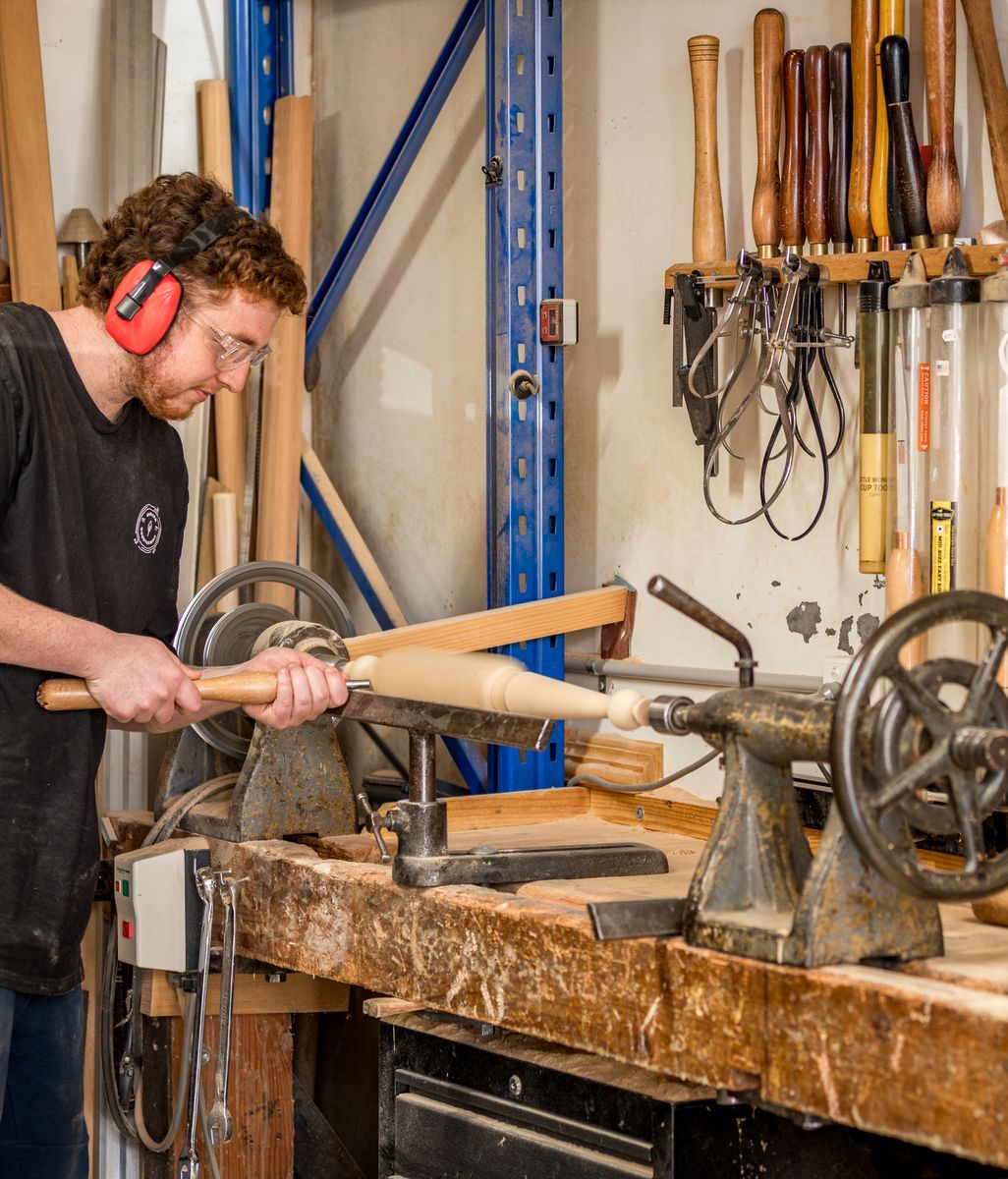
That breakthrough is in large part due to Sugi’s director of processing and logistics, Michael Moores, who Andrews describes as “the heart of the operation”. A sawmiller by trade, Moores travelled to Japan and quickly realised that the country’s finest timbers simply weren’t reaching New Zealand.
“Mike is a sawmiller at heart—he's got sawdust in his eyes and in his pockets,” shares Andrews. “He’s been doing it his whole life, and he fell in love with Japanese timber. When he saw that we weren’t getting the same grade of beautiful timber in New Zealand, and even though it looked almost impossible to get those right relationships, he kept persisting. He cracked it and that's been all the difference.”


Building trust with Japanese mills takes time and requires a deep mutual commitment. The mills sourcing Sugi’s timber are typically generational operations, and the process of working together involves much more than simply placing an order.
“It’s taken seven years to build the trust we have now,” Andrews says. “They’re cutting timber knowing we will take it, and we’re trusting them to cut exactly what we need. That level of trust works both ways.”
Sugi’s success has been made possible by a collaborative model that bridges two countries. While Andrews oversees sales and technical specification in New Zealand and Moore manages logistics, importing and processing, the company’s timber buyers, Graham and Ren Sayer, are based in Japan, working directly with the mills on the ground.
“Our team in Japan are literally at the sawmill making sure the timber meets our requirements,” says Andrews. “It’s a dynamic team built on trust. Everything’s open book, and that’s a very unique foundation for a business.”
Through those relationships, Sugi is bringing some of Japan’s most remarkable timbers to the New Zealand market, including species that have rarely been available outside their homeland.
“Some of the timber species we’re dealing with are actually quite sacred to the Japanese,” Andrews says. “That’s one of the reasons they haven’t been available here before.”
Among them is Hinoki, widely regarded as Japan’s most revered timber.
“The oldest timber building on Earth is a monastery temple built out of Hinoki that’s over a thousand years old,” Andrews says.

Alongside Hinoki, Sugi supplies a range of species including Japanese cedar (Sugi), Todomatsu (a Japanese white fir) and Karamatsu, a Japanese larch. Rather than being limited to exterior cladding, these timbers are also available for interior linings and flooring, allowing architects and designers to carry the material palette throughout a project.
In New Zealand, where Western Red Cedar has long dominated the premium cladding market, Japanese cedar offers an exciting new alternative.
“As soon as you see it, you know it’s Japanese cedar,” Andrews says. “It has a very distinct appearance, but it’s also a high-performance natural timber without the need for heat treating or chemical treatments.”
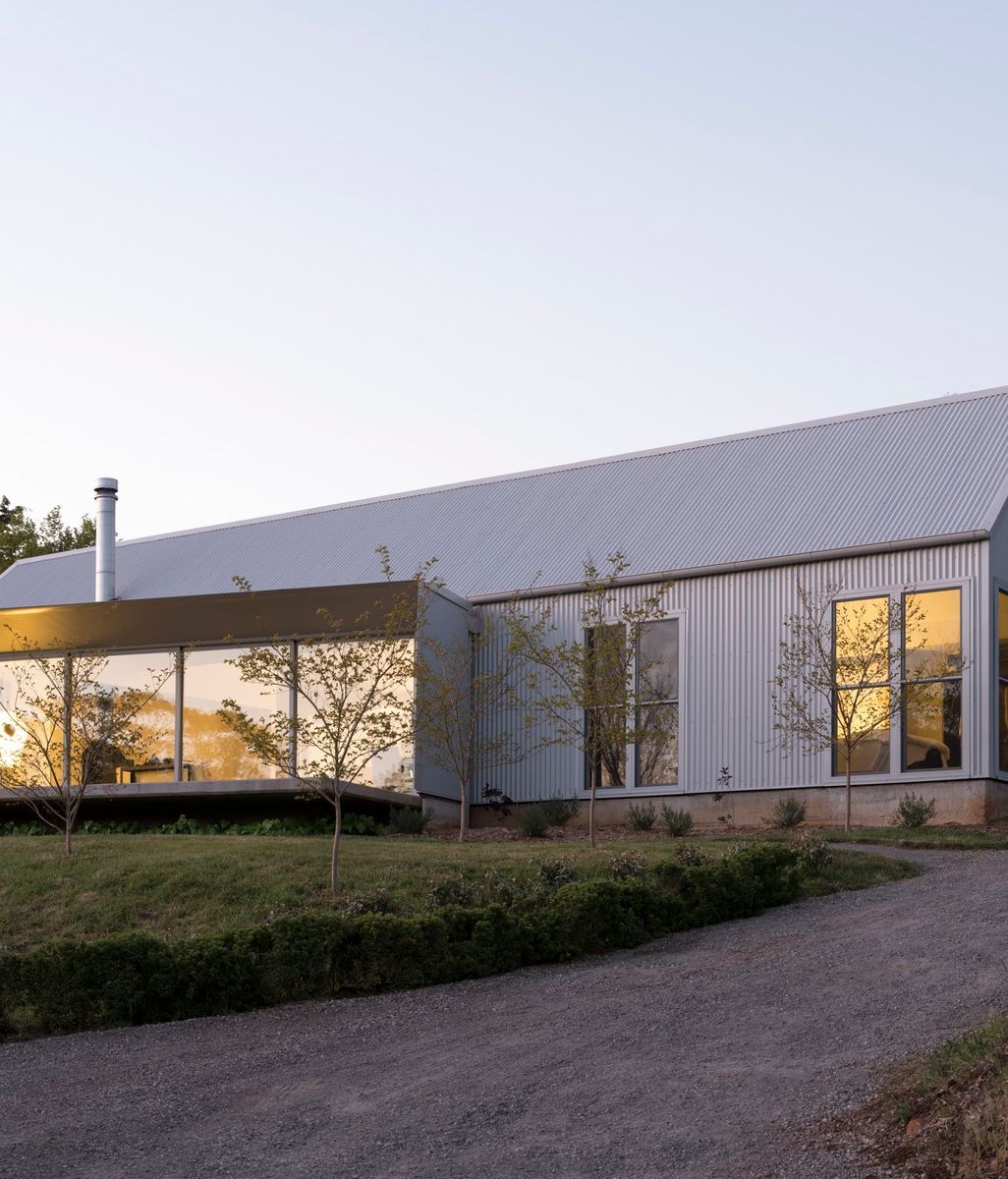
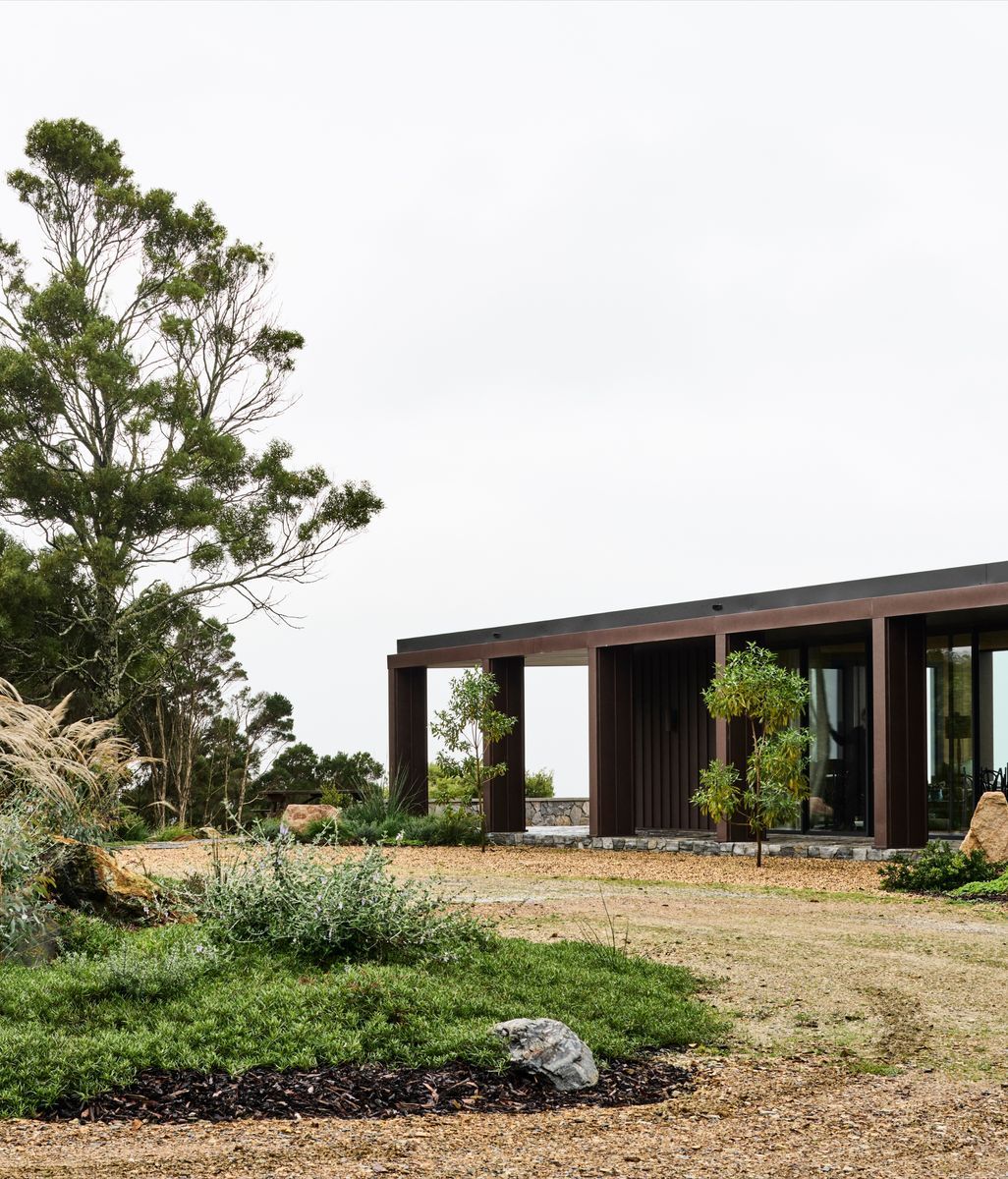
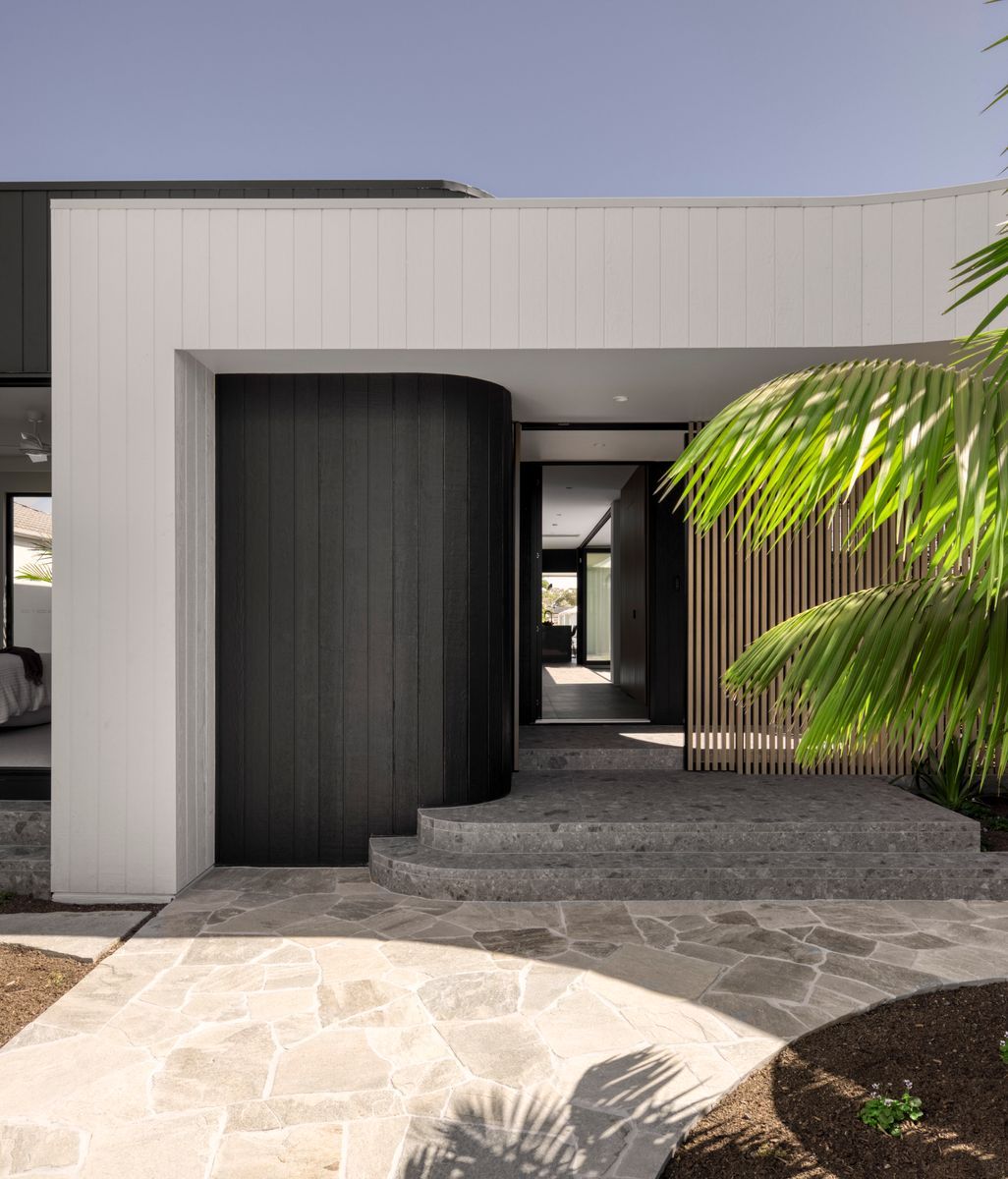
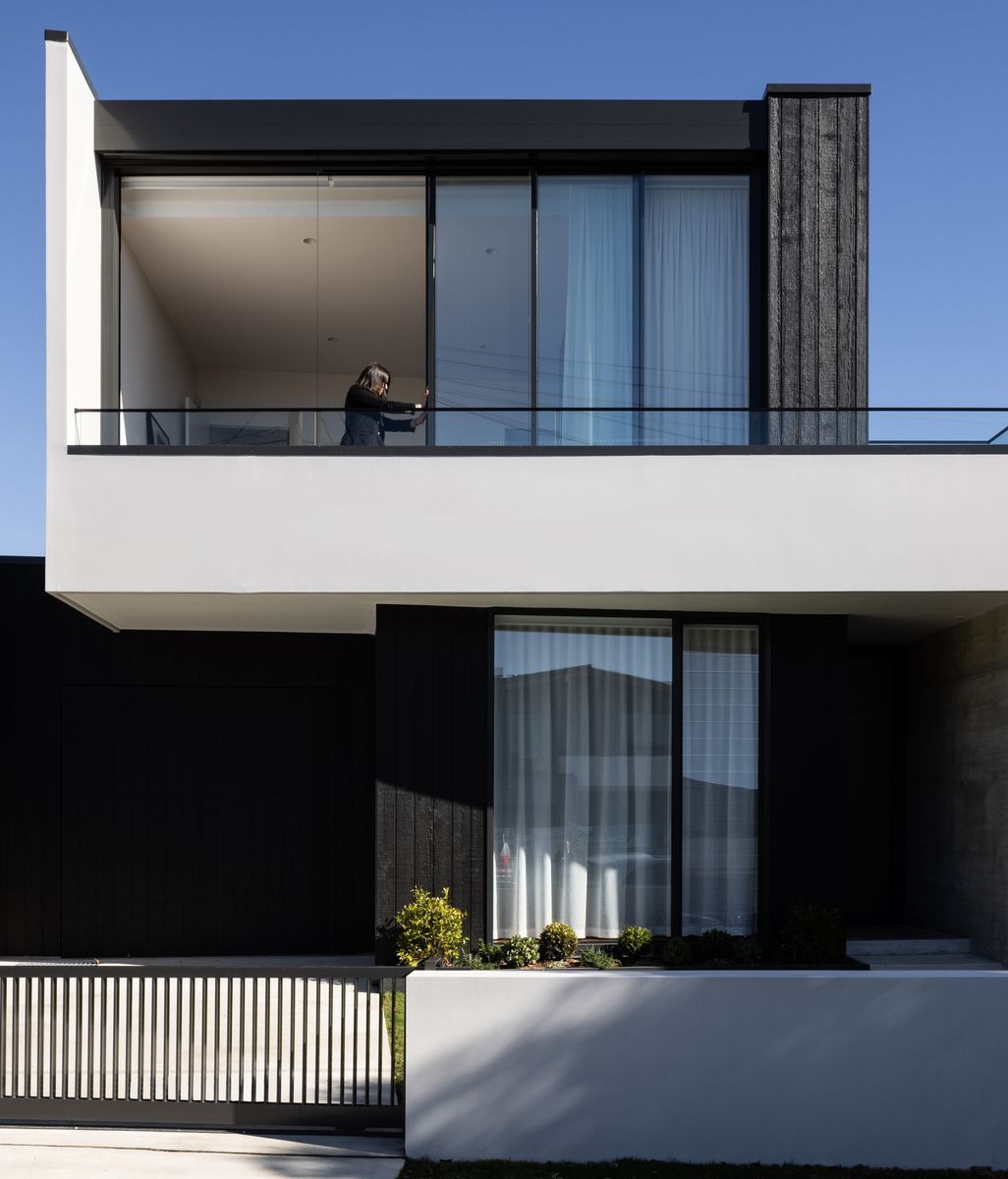
Much of the timber is currently being used in exterior cladding applications, where it lends itself naturally to the traditional Japanese charring technique known as yakasugi, which is a method of modifying timber using extreme heat to increase durability and weather resistance.
While the charred timber aesthetic has grown in popularity internationally, Andrews explains that yakasugi literally translates to “burnt cedar” in Japanese, and refers specifically to the traditional charring of Japanese cedar. Although imitations of the look are increasingly common in the New Zealand market, authentic yakasugi remains rarely produced outside Japan.
“We are the only company in New Zealand with a certified system for exterior yakasugi cladding, and it’s a genuine product,” he says. “There are people trying to produce yakasugi using other species, but it loses the authenticity from the tradition.”


Beyond its core product lines, Sugi also has the ability to source highly specialised timbers for bespoke architectural projects, a capability made possible through its network in Japan.
“We can supply custom cuts and custom requirements for specific projects,” Andrews explains. “We might have a project with very particular detailing or sizes, and our team in Japan will work directly with the mills to cut exactly what’s needed.”
Meeting New Zealand’s building requirements adds another layer of complexity, particularly for exterior cladding in challenging climates such as Wānaka. But for Sugi, overcoming those challenges is part of the mission.
“We understand what’s required to be on these high-end homes,” says Andrews. “Exterior cladding is a high-risk category in New Zealand, so the detailing and performance requirements are very strict.”
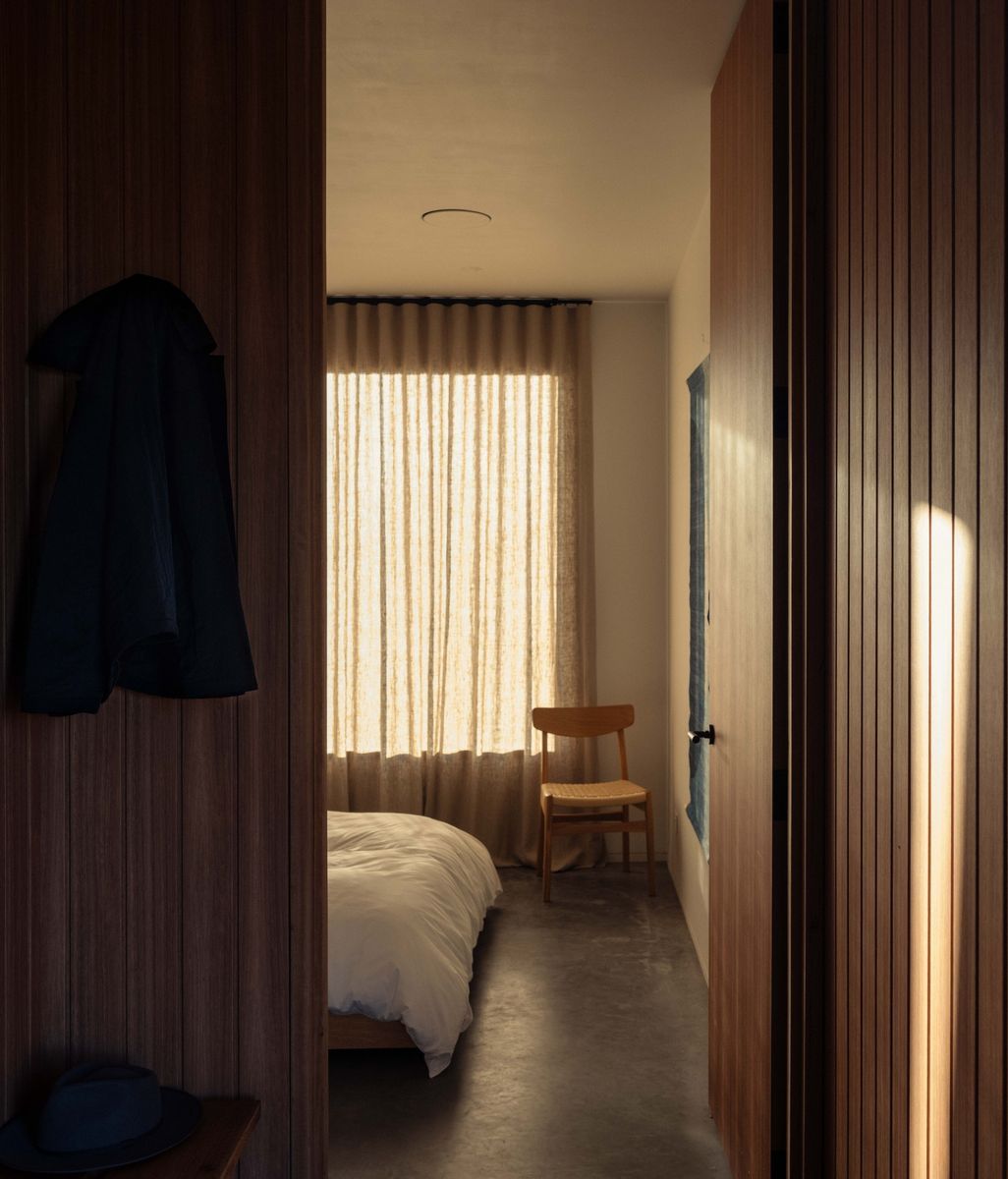
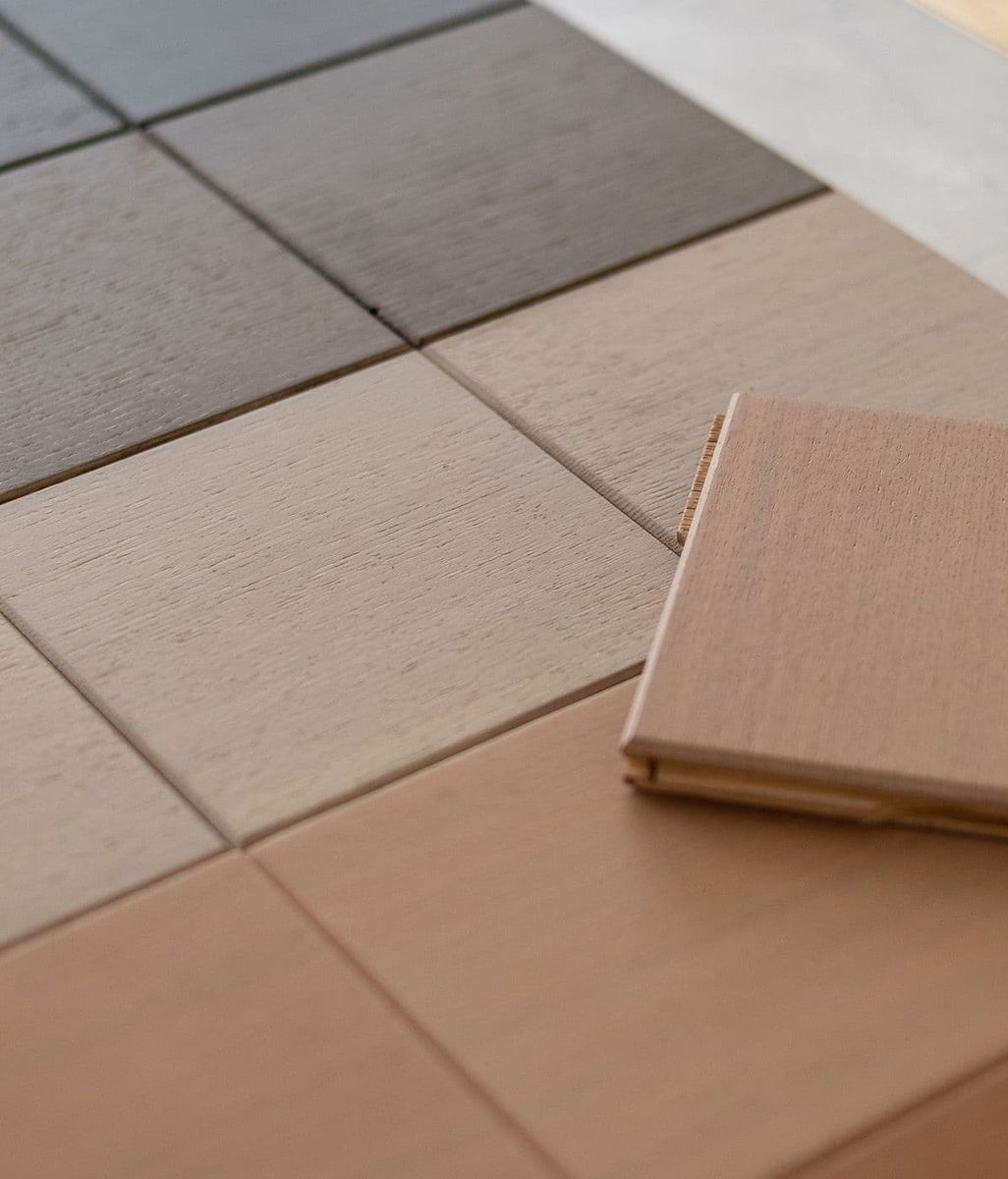
As awareness grows, Sugi is beginning to see interest expand beyond exterior applications into interior spaces, including flooring, walls and ceilings, where the timbers’ warmth and character can be fully appreciated.
And for Andrews, the journey is only just beginning.
“The more we dig into it, the more we’re unearthing these incredible timbers that have never been available before,” he says. “When you see what’s possible, it’s incredibly exciting.”
Explore Japanese timber from Sugi