What to consider when choosing window treatments for new builds

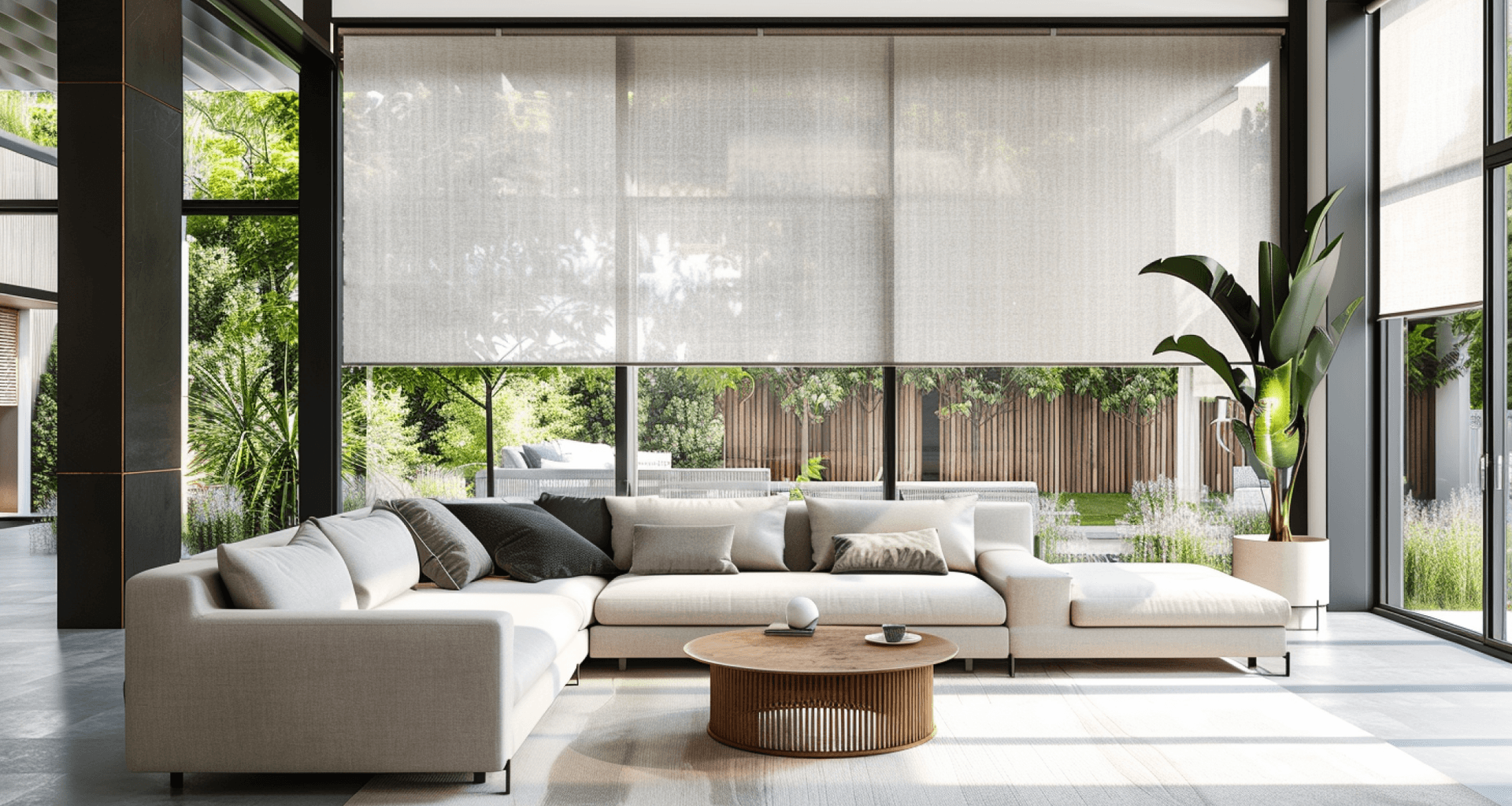
Designing a new home is an opportunity to get every detail working together – and window treatments are no exception. When planned early, curtains, blinds and shutters can feel like an extension of the architecture, not an afterthought at the end of the build.
Redgraves Home Fabrics frequently collaborates with architects, interior designers and homeowners on new builds across Auckland and beyond, helping integrate window treatments for new builds from concept stage through to installation.
1. Start with light, privacy and views
Before selecting fabrics or hardware, it’s useful to map how each space will be used:
- Which rooms require complete darkness – such as bedrooms or media rooms?
- Where is daytime privacy essential, for example on street‑facing frontages?
- Which windows are primarily about connection to a view?
In many contemporary New Zealand homes, the brief is to preserve daylight and outlooks while managing glare and privacy. Layered solutions – for example, sunscreen blinds paired with full‑height curtains – are often the most effective way to achieve this.
Optional link:
- Link “sunscreen blinds” or “blinds paired with full‑height curtains” to your product overview:
https://archipro.co.nz/professional/redgraves-home-fabrics/our-products
2. Plan window treatments alongside the architecture
One of the advantages of working on a new build is the ability to consider window treatments at the same time as glazing, structure and services.
Early conversations between the design team and a window‑furnishing specialist can cover:
- Recessed tracks for ceiling‑to‑floor curtains
- Bulkheads and pelmets that conceal tracks and blind fascias
- Allowance for motorisation and power at key openings
When these details are embedded in the architectural drawings, custom curtains, blinds and shutters sit comfortably within the language of the building rather than competing with it.
ArchiPro links:
- Link “custom curtains” to your custom/modern curtains product:
https://archipro.co.nz/product/custom-curtains-redgraves-home-fabricsorhttps://archipro.co.nz/product/redgraves-modern-curtains-redgraves-home-fabrics- Link “shutters” to:
https://archipro.co.nz/product/redgraves-shutters-redgraves-home-fabrics
3. Decide on the overall expression: soft, architectural or a mix
New builds range from pared‑back coastal homes to highly glazed contemporary city residences. Window treatments can either soften the architecture or emphasise its form.
- Soft, calm interiors often lean on sheer curtains in wave headings, providing texture and movement without visual weight.
- More architectural schemes may favour plantation shutters or minimal roller blinds, reinforcing strong horizontal and vertical lines.
- Many homes successfully combine the two – for instance, sheers in living spaces and shutters or blinds in bathrooms and secondary rooms.
ArchiPro links:
- “sheer curtains” → link to your modern curtains product or to a sheer‑specific product if listed, e.g.:
https://archipro.co.nz/product/redgraves-modern-curtains-redgraves-home-fabrics- “plantation shutters” →
https://archipro.co.nz/product/redgraves-shutters-redgraves-home-fabrics
4. Consider insulation, acoustics and performance
Beyond aesthetics, window treatments for new builds can materially improve comfort and performance. Well‑designed curtains and blinds contribute to: - Insulation – especially over large areas of glazing
- Acoustic absorption – reducing reverberation in hard‑finished spaces
- Glare and UV control – protecting surfaces and furnishings
Lined, full‑height curtains and carefully fitted blinds can significantly reduce heat loss through glazing, supporting broader sustainability goals and energy‑efficiency requirements in NZ homes.
ArchiPro links:
- Where you reference Redgraves’ approach to performance (“designs window treatments that deliver on aesthetics while also improving daylight control, privacy, acoustics and insulation”), you can link that phrase to your trust article:
https://archipro.co.nz/article/why-architects-designers-and-homeowners-trust-redgraves-redgraves-home-fabrics
5. Integrate automation and smart control from the outset
As smart homes become standard in many new builds, automated window treatments are increasingly part of the conversation. Early coordination allows:
- Power to be brought to key openings for motorised blinds and curtain tracks
- Integration with whole‑home control systems and scene setting
- Considered positioning of control points or app‑based control
This is particularly useful for double‑height glazing, high clerestory windows and large sliders where manual operation would be impractical.
ArchiPro links:
- Link “automated window treatments” or “motorised blinds and curtain tracks” to your products overview or any automation‑specific listing:
https://archipro.co.nz/professional/redgraves-home-fabrics/our-products
6. Colour and texture: continuity across the home
For new builds, a cohesive approach to colour and texture can help unify spaces and support the broader material palette:
- A base of warm neutrals across principal spaces
- Subtle shifts in tone and texture between rooms
- Occasional accent colours that respond to artwork, landscaping or key finishes
Linen‑look, bouclé and textured weaves are increasingly specified for 2026, reflecting a wider trend towards tactile interiors and “soft minimalism”.
ArchiPro links:
- When you mention “Redgraves’ curtain collections” or similar, link to your product portfolio:
https://archipro.co.nz/professional/redgraves-home-fabrics/our-products
7. Involve a window‑furnishing specialist as part of the project team
The most successful window treatments for new builds are typically those considered as part of the design team, not specified in isolation at the end.
Engaging a specialist early in the process allows:
- Track and recess details to be resolved before construction
- Product selections to align with performance and aesthetic objectives
- Installation to be coordinated with other trades and handover milestones
For architects and designers, partnering with a specialist such as Redgraves helps ensure that curtains, blinds and shutters support the architectural intent while performing day to day for the people who live in the home.
ArchiPro final CTA:
- Close with something like:
“To discuss window treatments for new builds or architect‑led projects, connect with Redgraves Home Fabrics via our ArchiPro profile and explore our range of curtains, blinds and shutters.”- Link “Redgraves Home Fabrics” to:
https://archipro.co.nz/professional/redgraves-home-fabrics- Link “range of curtains, blinds and shutters” to:
https://archipro.co.nz/professional/redgraves-home-fabrics/our-products