What to know before you build off-grid: 5 lessons from an architect

Written by

02 July 2026

 • 

4 min read

Testing a combination of passive and environmentally sustainable design methods on his own 8-star bush block house provided architect Simon Anderson a test case for further off-grid projects.
From sunlight to water storage, architect Simon Anderson shares the key considerations that can make or break an off-grid home.
Architect Simon Anderson.

The idea of going off-grid carries a certain romance: a slower pace, a closer connection to nature, a sense of self-sufficiency that feels increasingly rare. But behind the dream is a series of key design decisions that are less about aesthetics and more about understanding how a house will actually function, day to day and season to season.

For architect Simon Anderson, off-grid living is not theoretical. It is something he has tested, and refined, and occasionally been caught out by. From his own home to projects like Putty Passiv, the lessons are practical and sometimes unexpected.

Here, he shares five things he believes every homeowner should understand before making the move.

Putty Passiv by Anderson Architecture.

1. Sunlight is everything


It sounds obvious, but access to sunlight is the foundation of any off-grid home. Without it, everything else becomes harder, more expensive, and potentially less reliable.

“The site has to have exposure to sunlight,” Anderson says. “Otherwise, you’re going to be relying on a generator unless the house is super energy efficient.


This is not just about orientation. Trees, topography, and seasonal variation all play a role. In some locations, clearing vegetation may not be possible, which makes early site analysis critical.


2. Energy efficiency and off-grid go hand in hand


One of the biggest misconceptions about off-grid living is that technology alone will solve everything. In reality, reducing demand is just as important as generating supply.

“We generally design very energy-efficient houses so that the solar system doesn’t have to be too large,” Anderson explains. “You can spend a lot of money on batteries.”

A well-performing building envelope, thoughtful orientation, and efficient systems can dramatically reduce the size and cost of off-grid infrastructure. Without that, the system quickly becomes oversized and expensive.

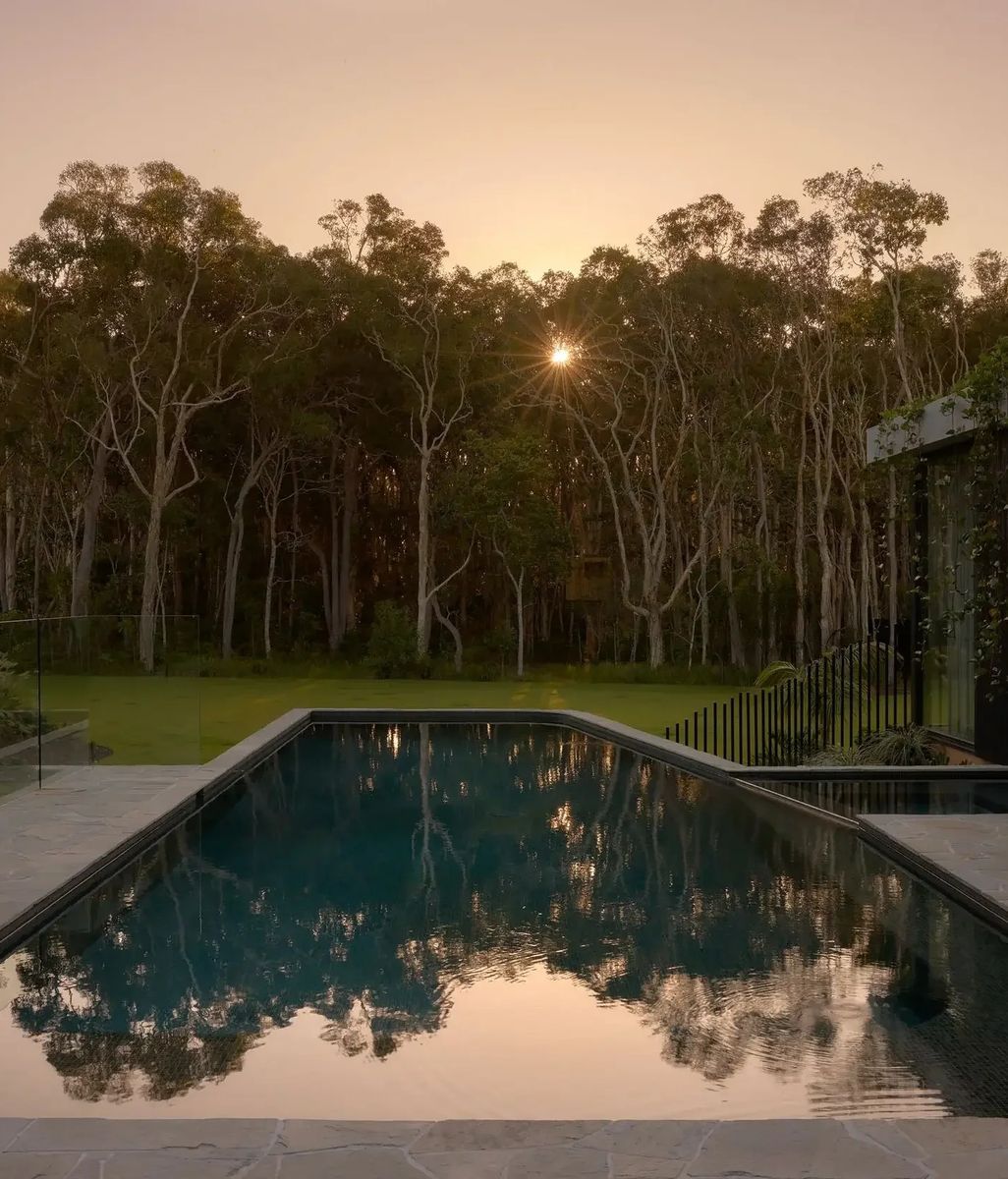
Simon's own off-grid family home in the Blue Mountains was oriented for solar gain and views of the bush.

3. Infrastructure needs to be carefully positioned


Off-grid systems are not just plug-and-play. The location of solar panels, batteries, and generators has practical implications, particularly when it comes to distance and cabling.

“That shed or garage that houses the batteries can’t be too far away from the house,” Anderson shares. “Otherwise the cabling becomes too large and you get voltage drop.”

At Putty Passiv, these elements were deliberately separated from the house, but positioned close enough to remain efficient. It is a balance between performance and visual clarity.


4. Water is harder to plan than you think


If energy is the first challenge, water is often the most unpredictable.

“How much water storage you need is not an easy question to answer,” Anderson says. His advice: “You can’t really have a big enough tank.”

Climate variability, particularly longer periods of drought, makes accurate forecasting difficult. Usage habits also vary widely between households so the safest approach is often to overestimate and allow for expansion over time.

Waste systems also require careful selection. Passive systems, such as worm-based treatment, can significantly reduce energy demand compared to more mechanical alternatives.

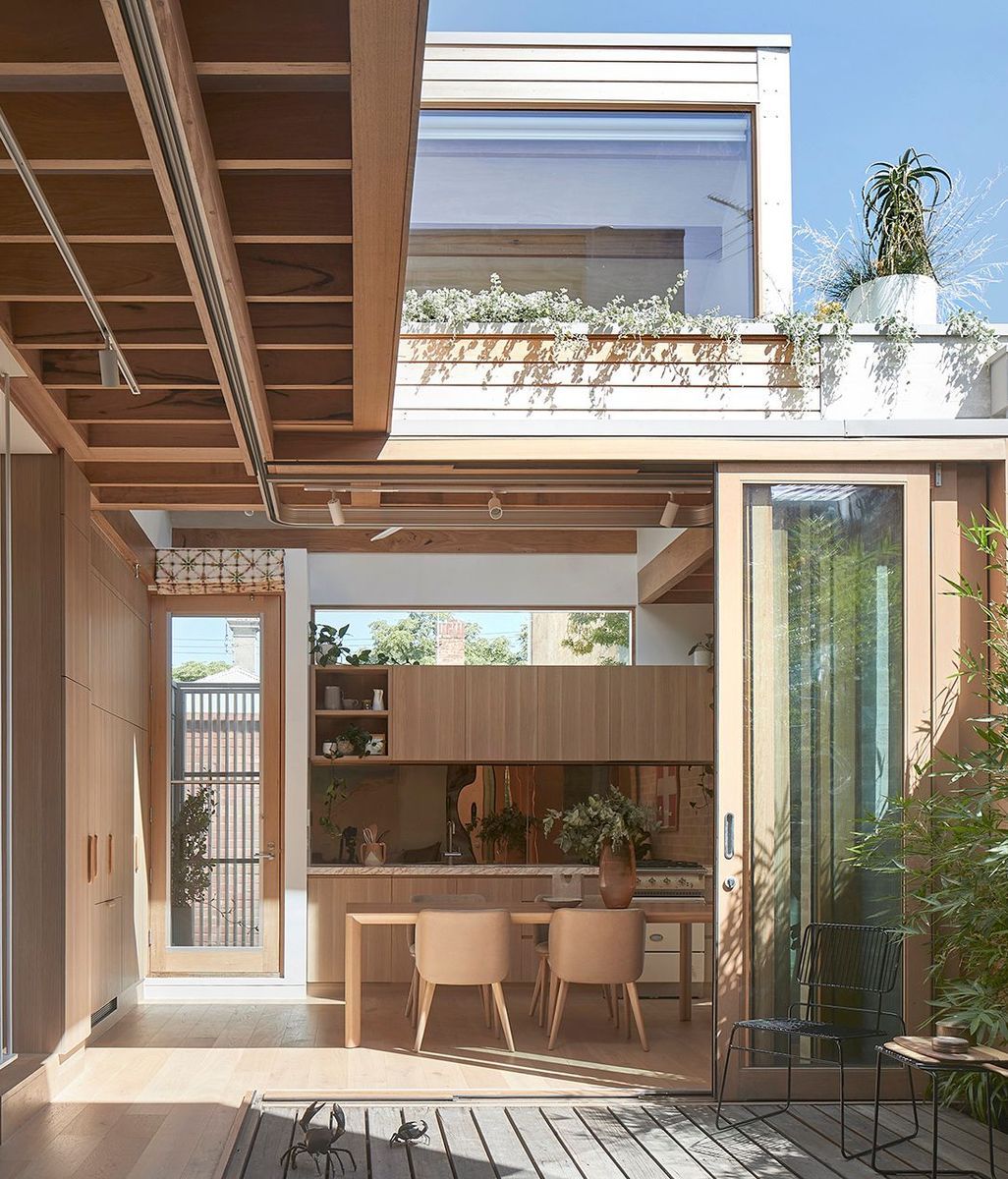
Pocket Passiv by Anderson Architecture is a small infill residential studio occupying the ‘pocket-sized’ footprint of 27sqm.

5. Don’t rely on technology to save you


In remote locations, reliability matters more than convenience. Systems that work perfectly in theory can fail under real conditions.

“I don’t think you can rely on technology to protect a house if you’re not there,” Anderson says.

He points to automated bushfire systems as an example. Shutters and sprinklers may sound reassuring, but in practice, connectivity issues and system failures can undermine their effectiveness.

“Sometimes you press the button and nothing happens,” he says. “Or one shutter doesn’t come down.”

The more sensible approach is often the simplest. Design the house to be resilient on its own, and rely on manual systems where possible.


The off-grid life


Ultimately, building off-grid is less about opting out and more about engaging deeply with how a house works. It requires a shift in thinking, from convenience to awareness. For Anderson, that shift is part of the appeal. There is a clarity to it, a direct relationship between design decisions and lived experience.

It is not always seamless. There are mornings without power, moments of adjustment and small compromises. But in return, there is a sense of independence and of connection to nature.

“I love being there and just switching off,” Anderson says.