When comfort is designed in, not added on
Written by

17 March 2026

 • 

4 min read

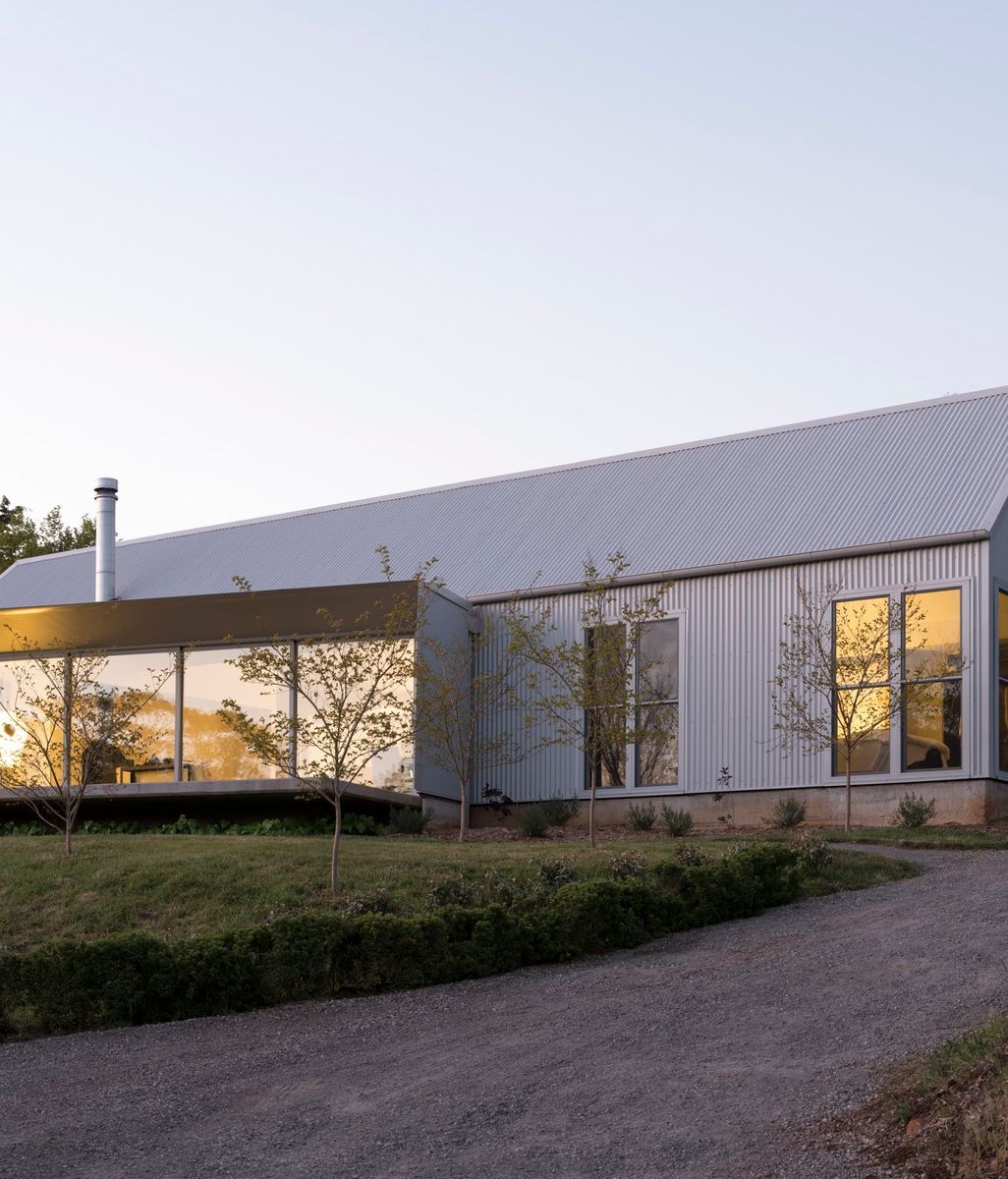
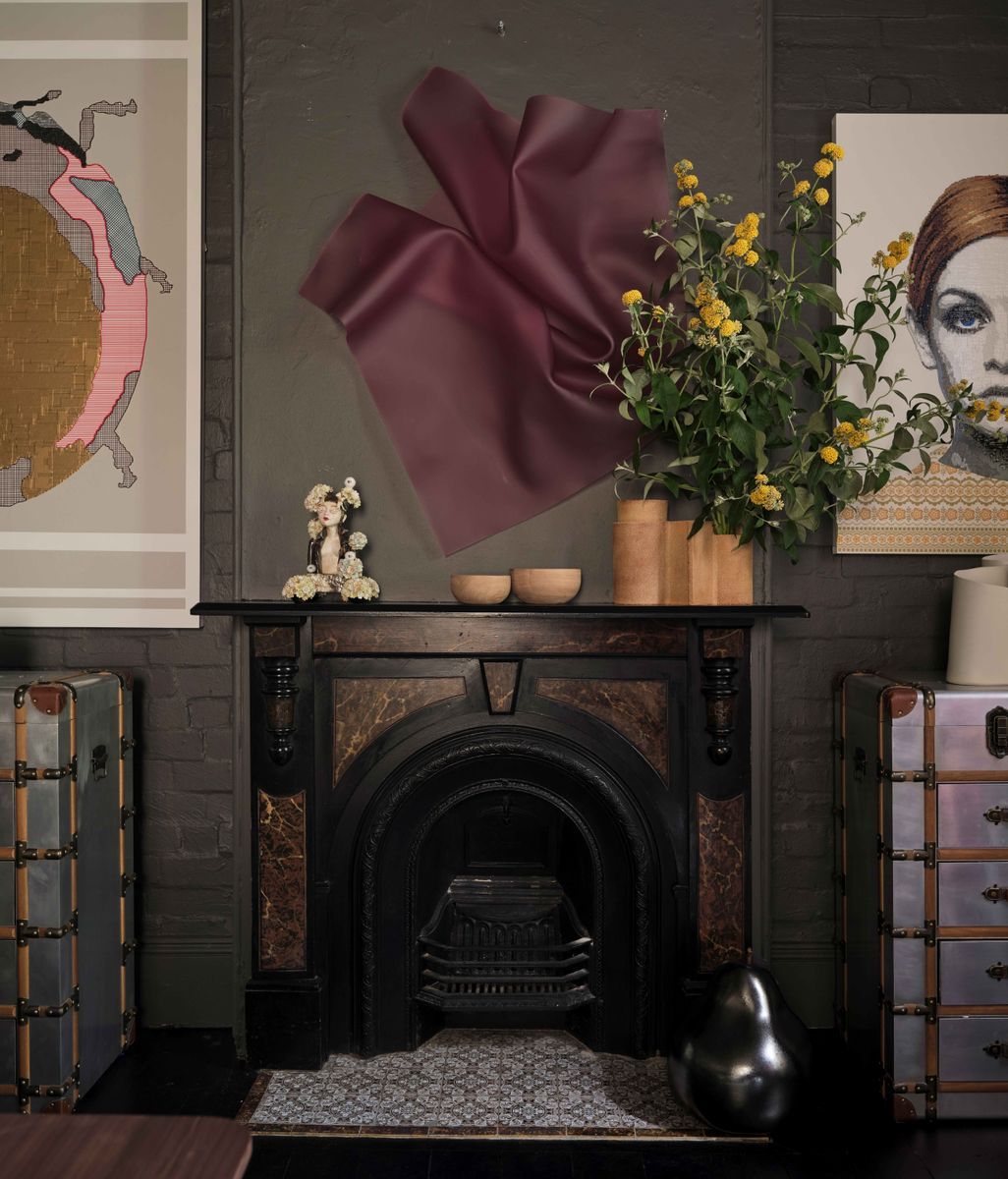
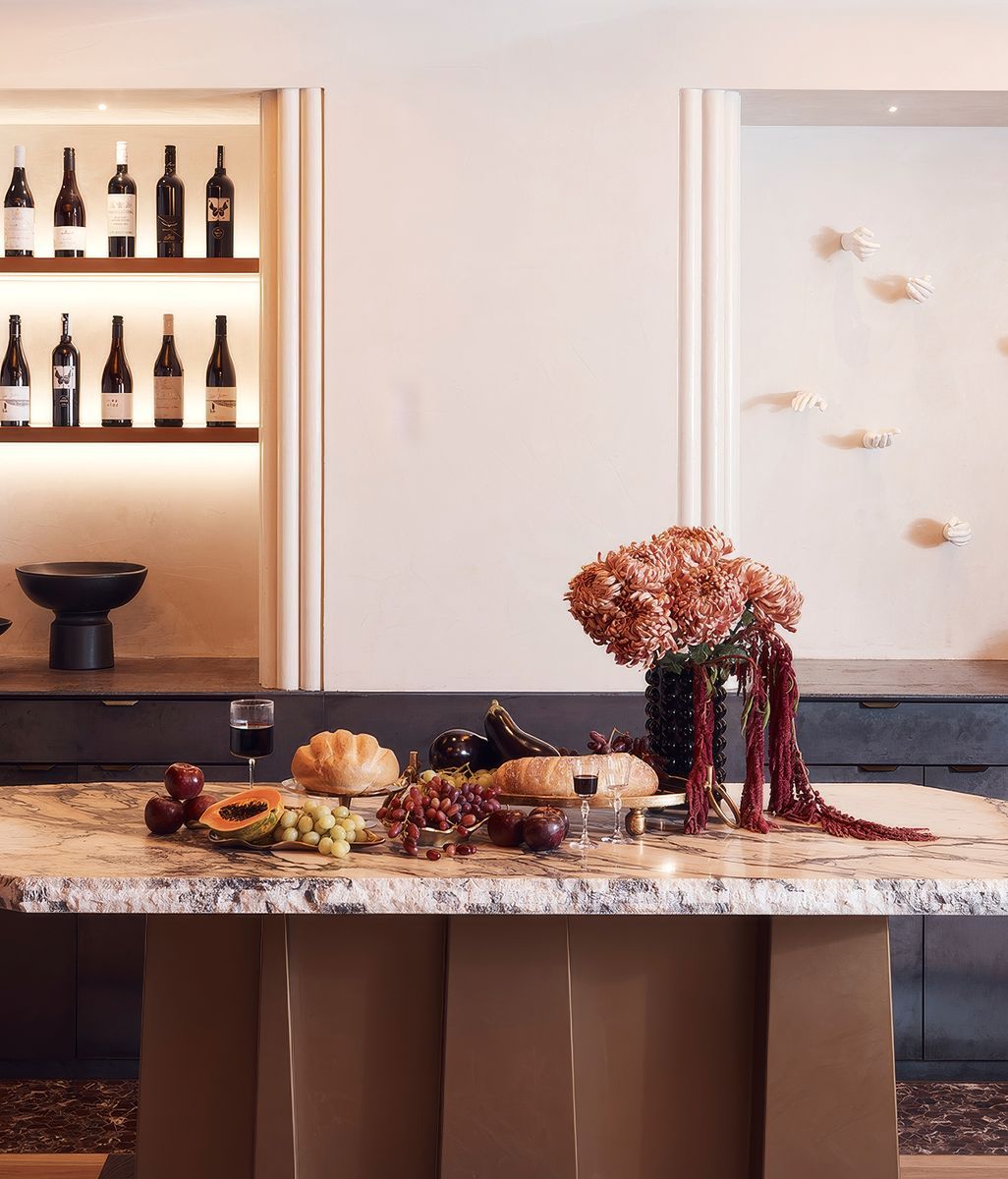
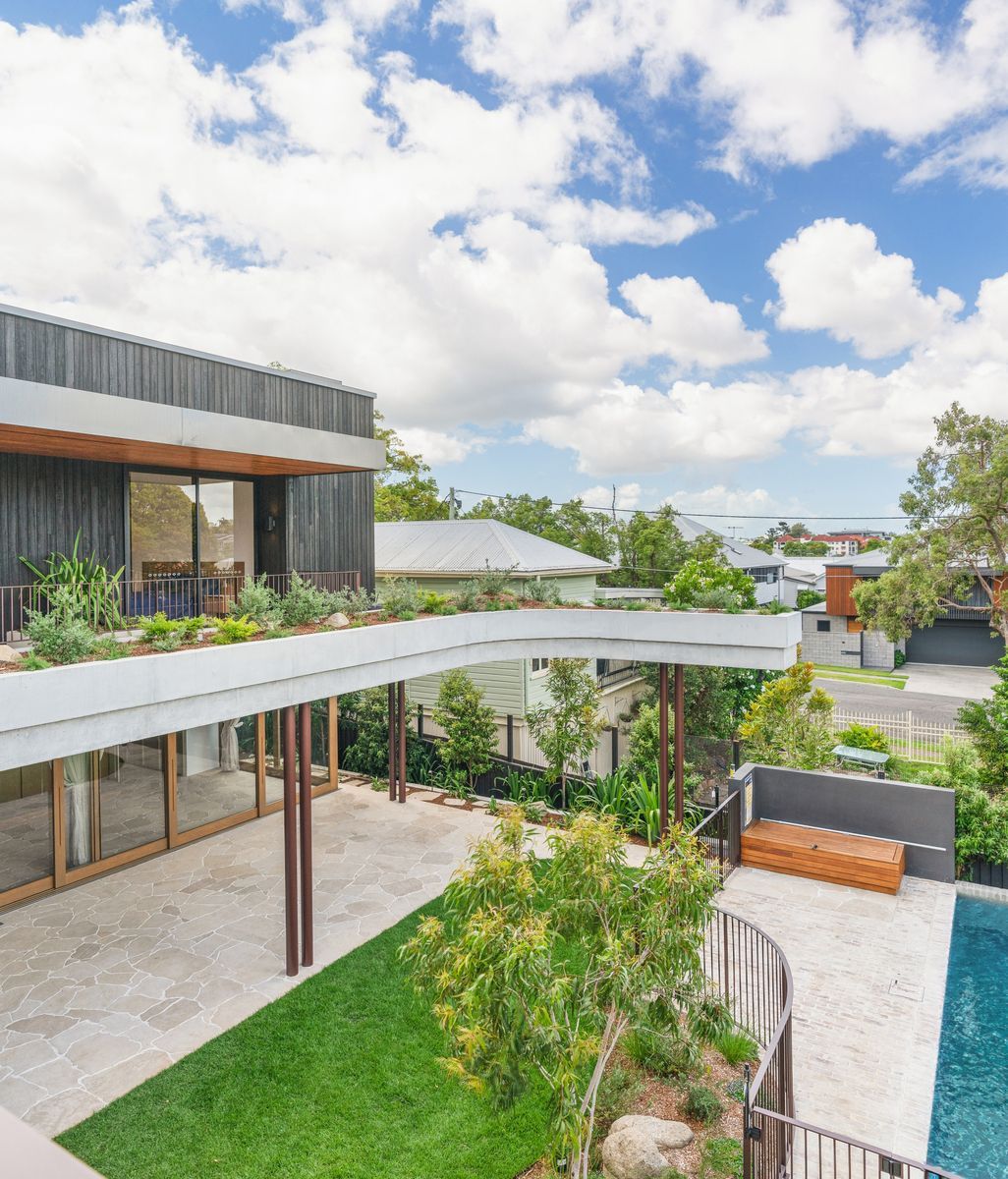
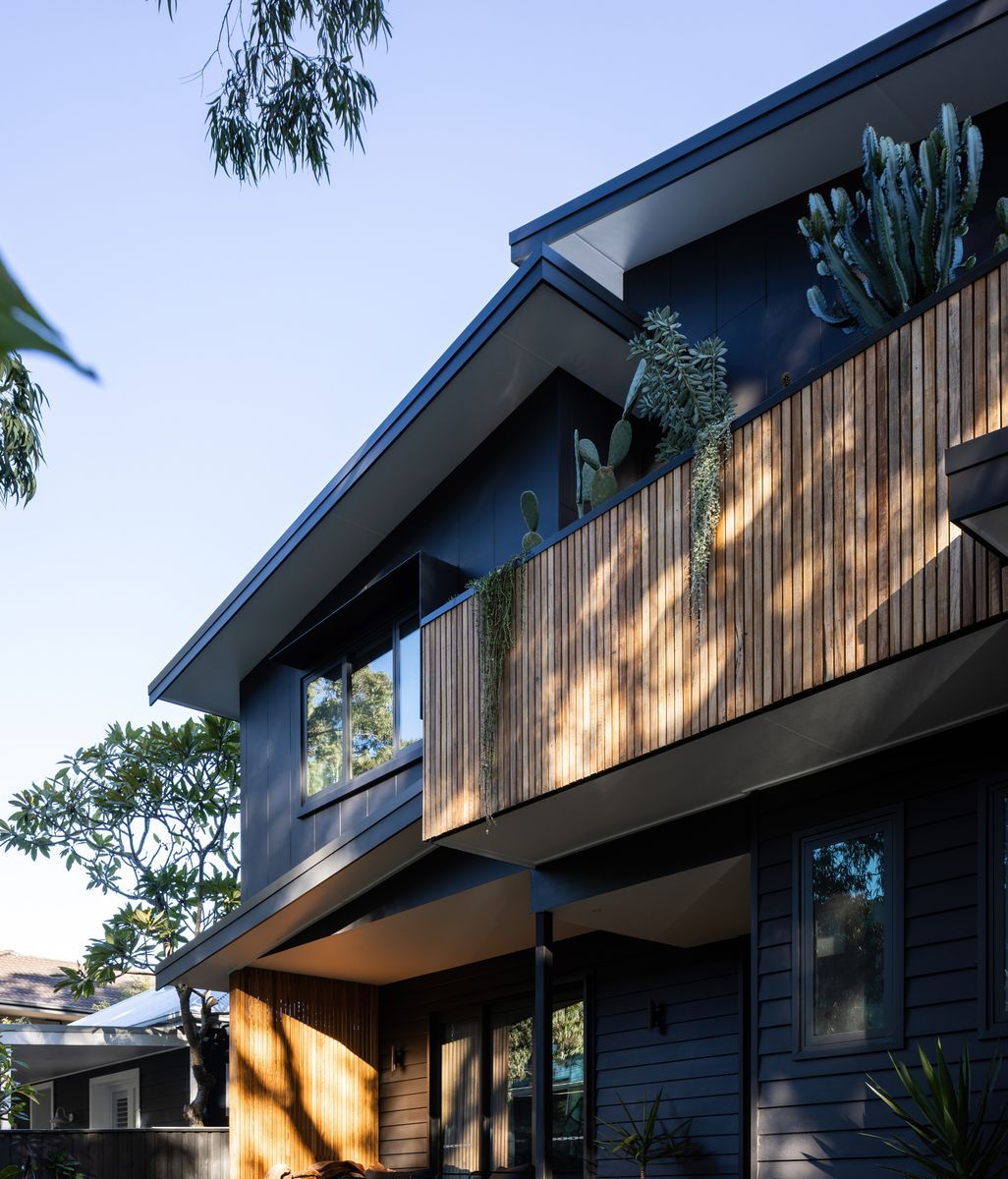
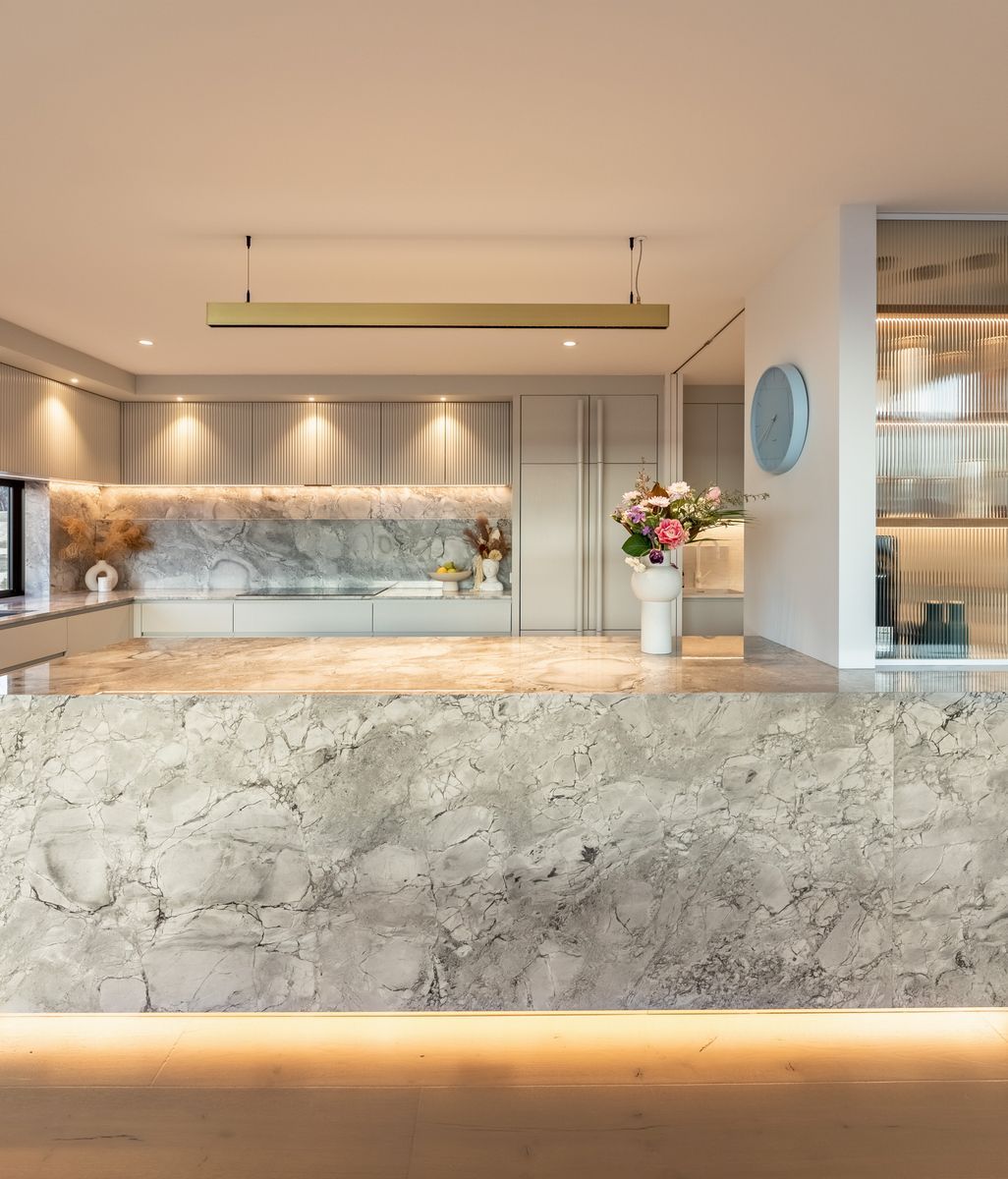
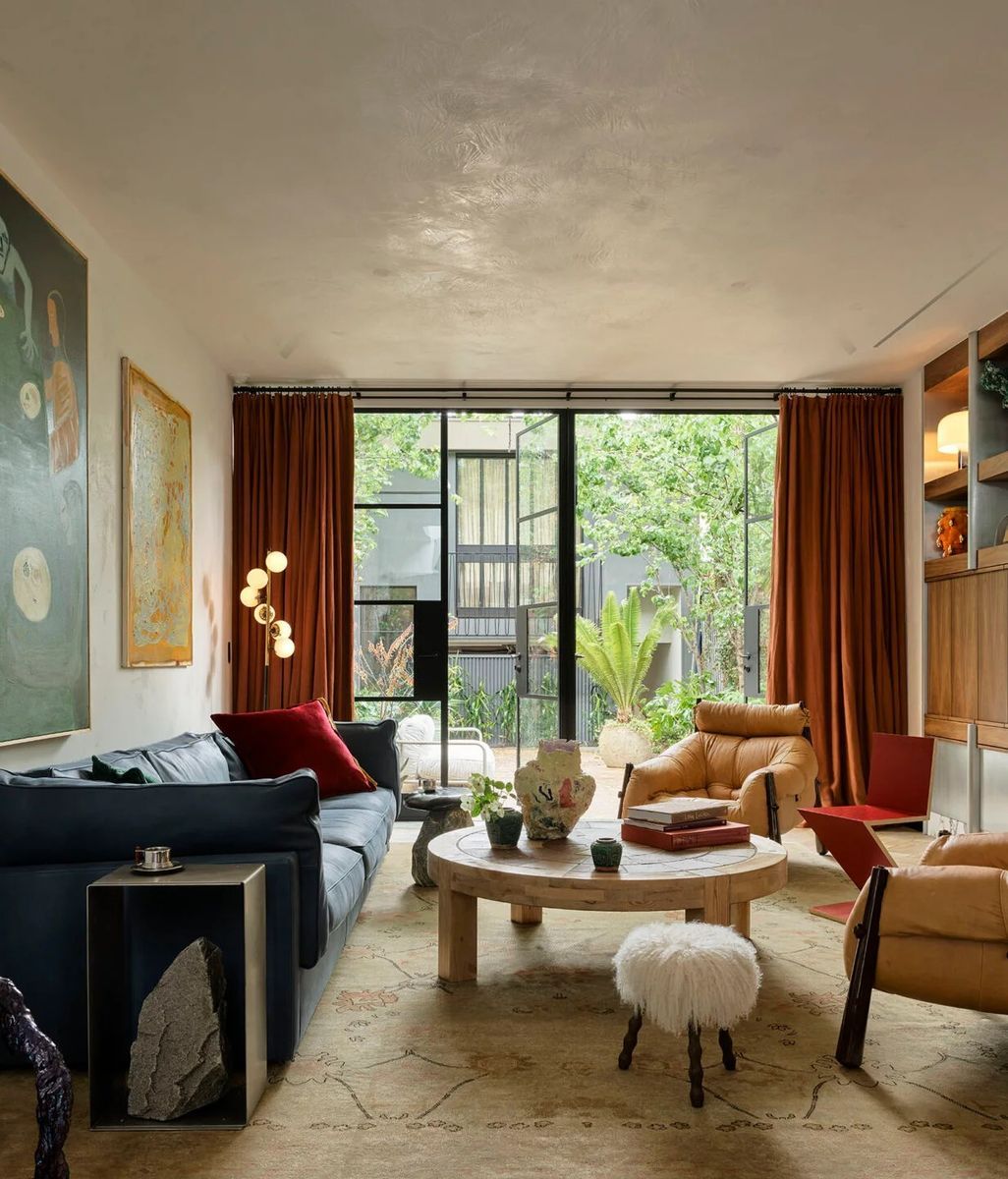
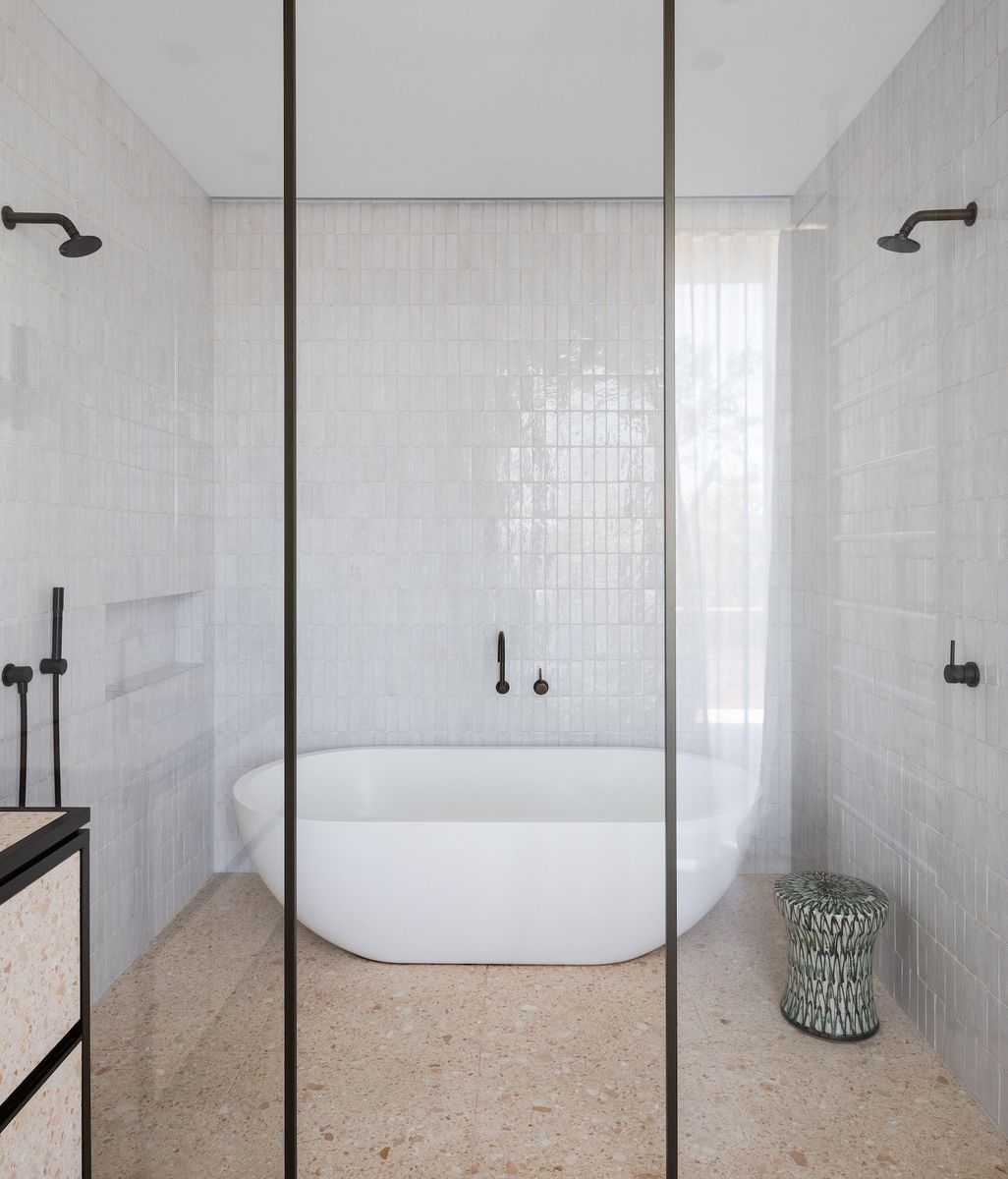
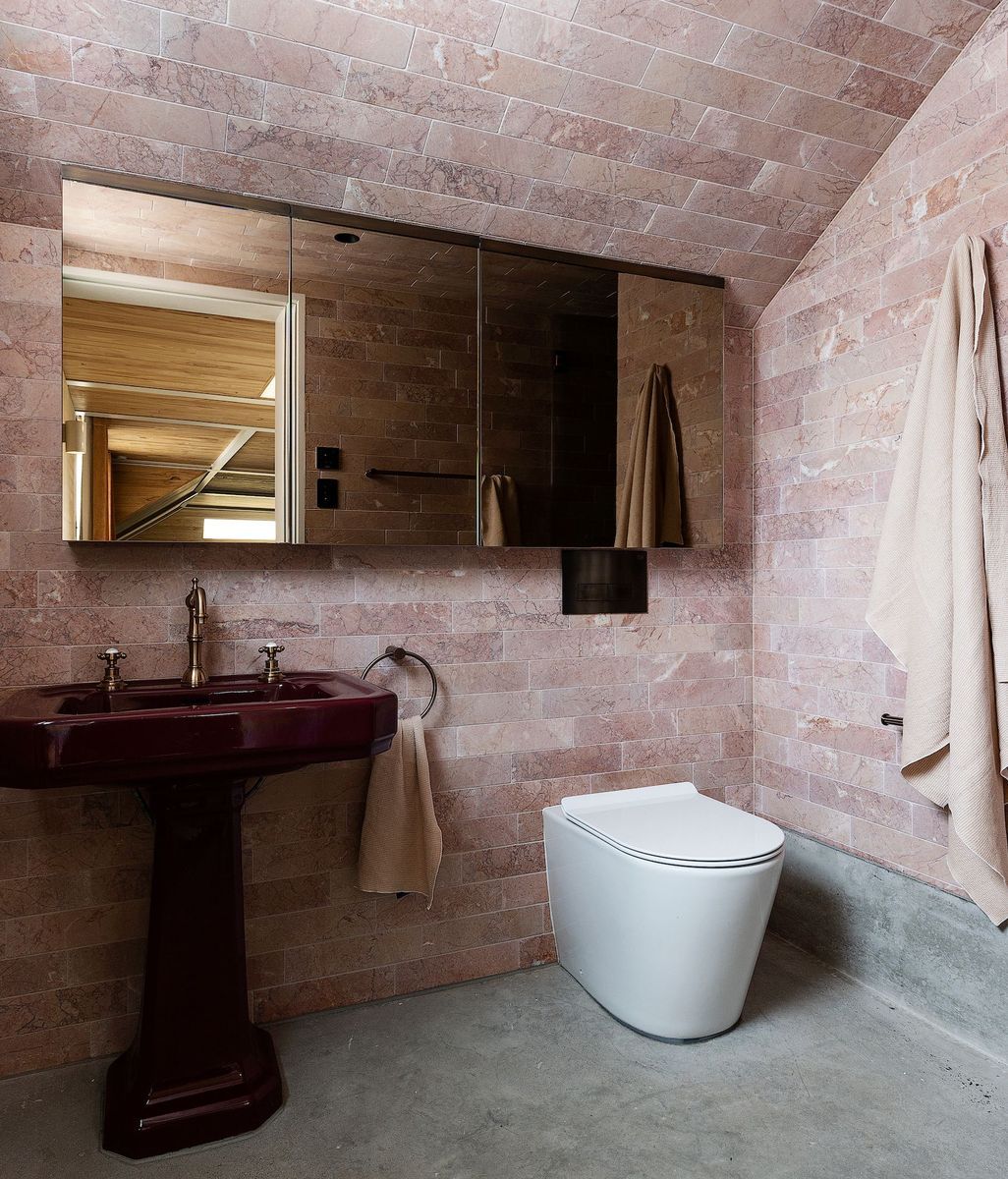
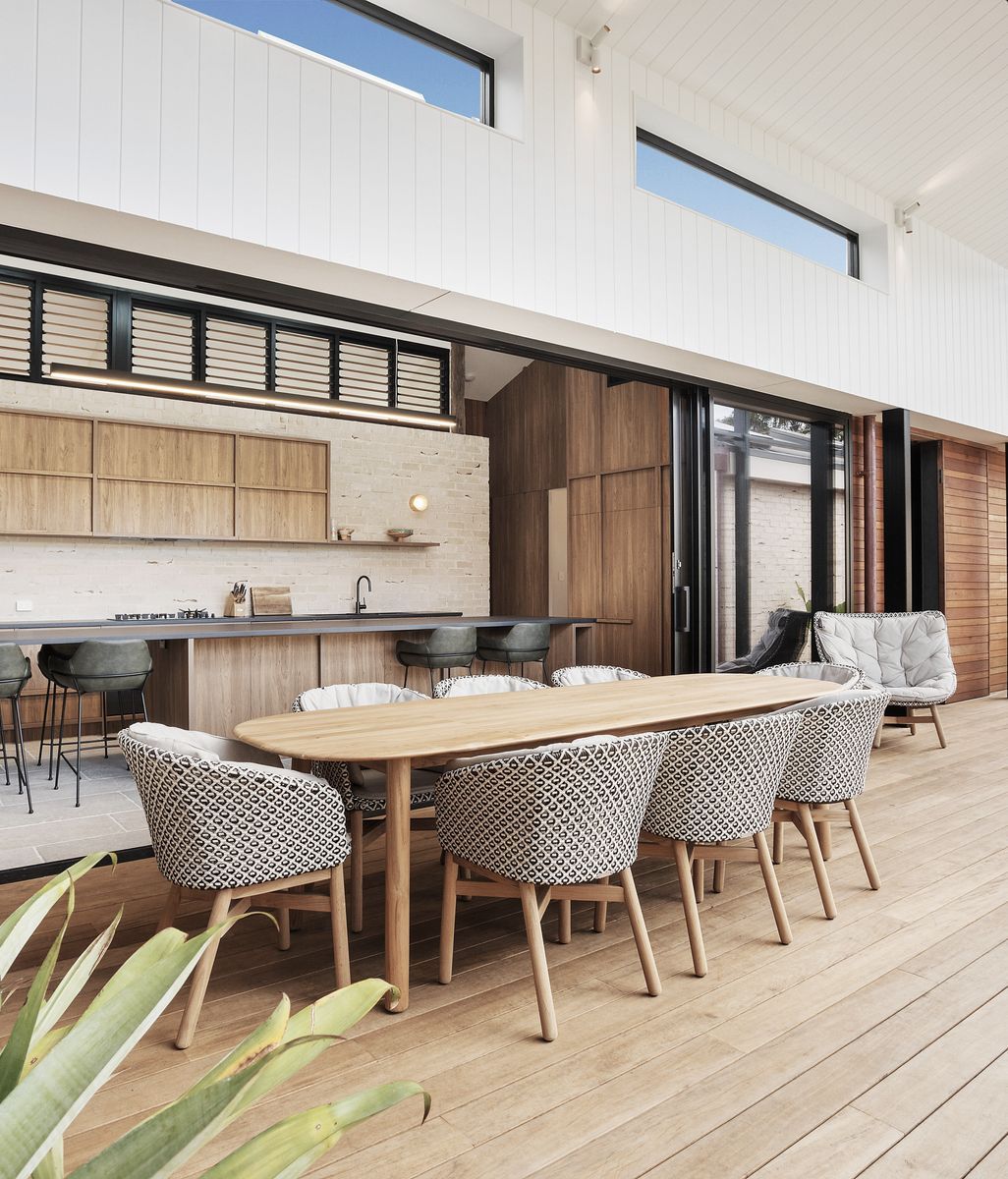
Eden Terrace Home by Megan Edwards Architects
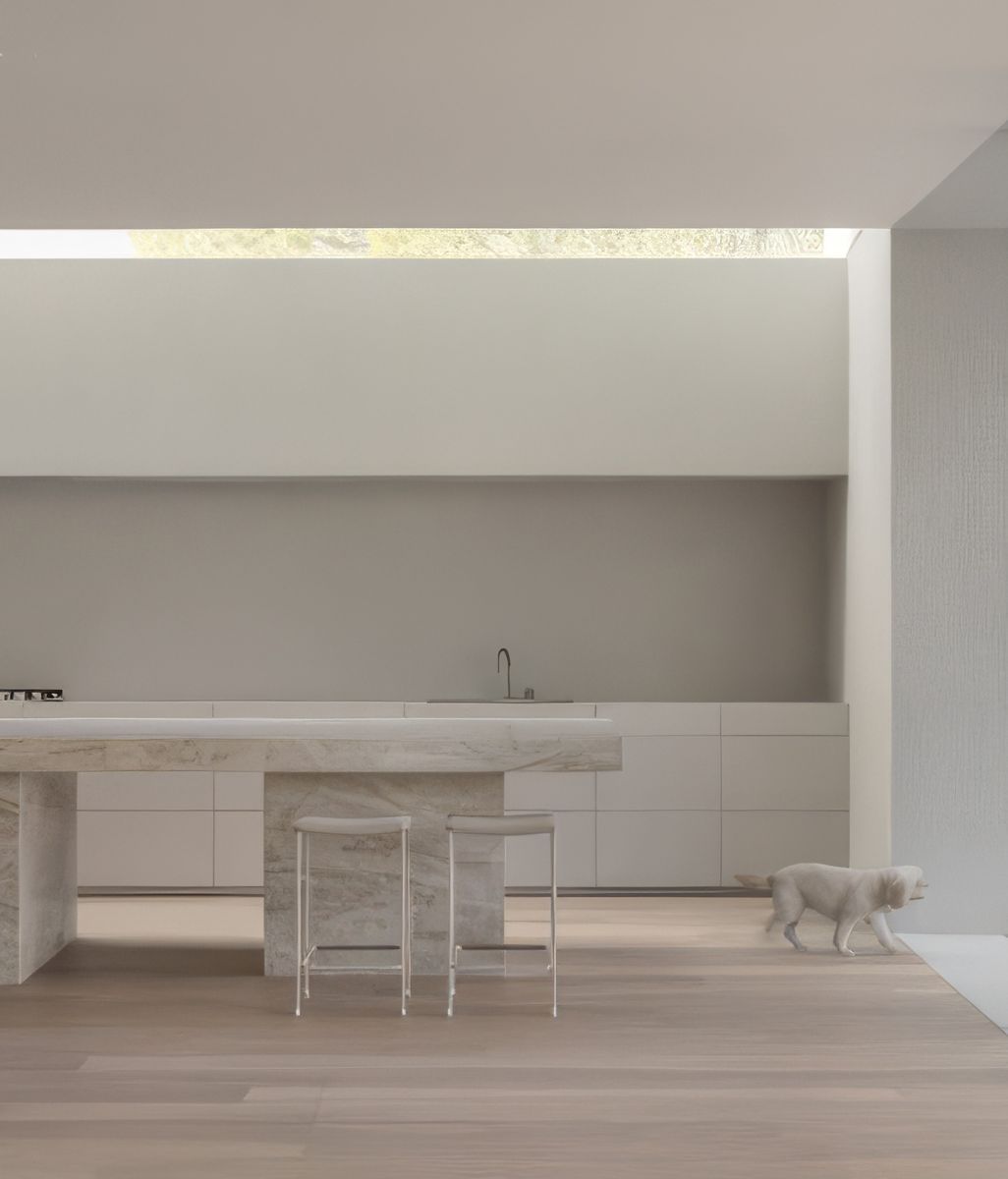
In the best homes, comfort doesn’t announce itself. There are no obvious grilles interrupting a ceiling line, no bulky service spaces competing with living areas and no sense that systems have been squeezed in at the last moment. Air feels fresh. Temperatures are even. Moisture is quietly managed in the background. That kind of comfort is rarely the result of better technology alone. It’s almost always the result of decisions made early at the same time as the architecture itself.

Early planning changes what’s possible

Across Solutionair’s residential projects, a clear pattern emerges. Where ventilation, airflow and comfort are considered alongside layout, structure and materiality, systems integrate naturally. Where they are introduced later, they tend to compete for space.

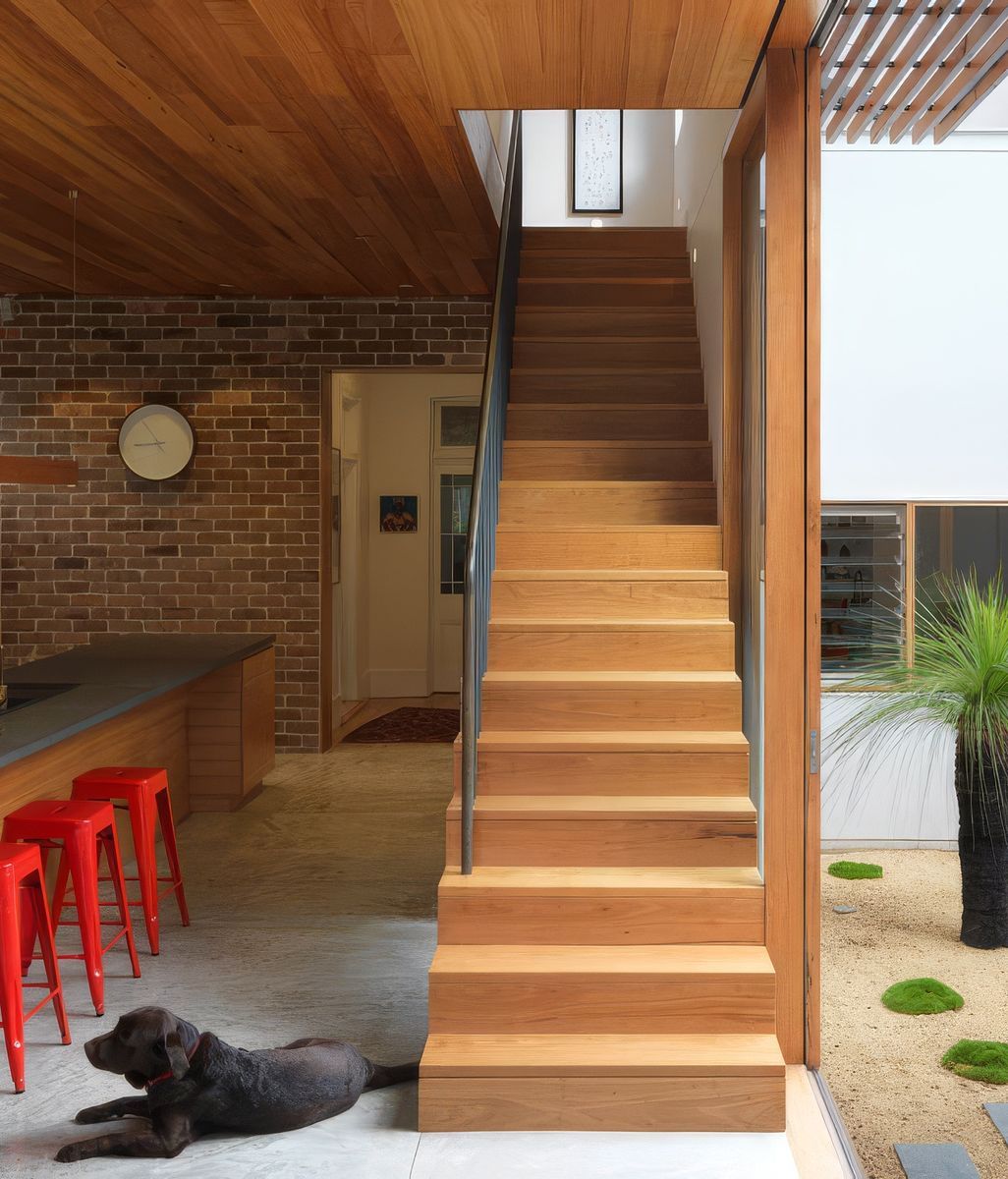
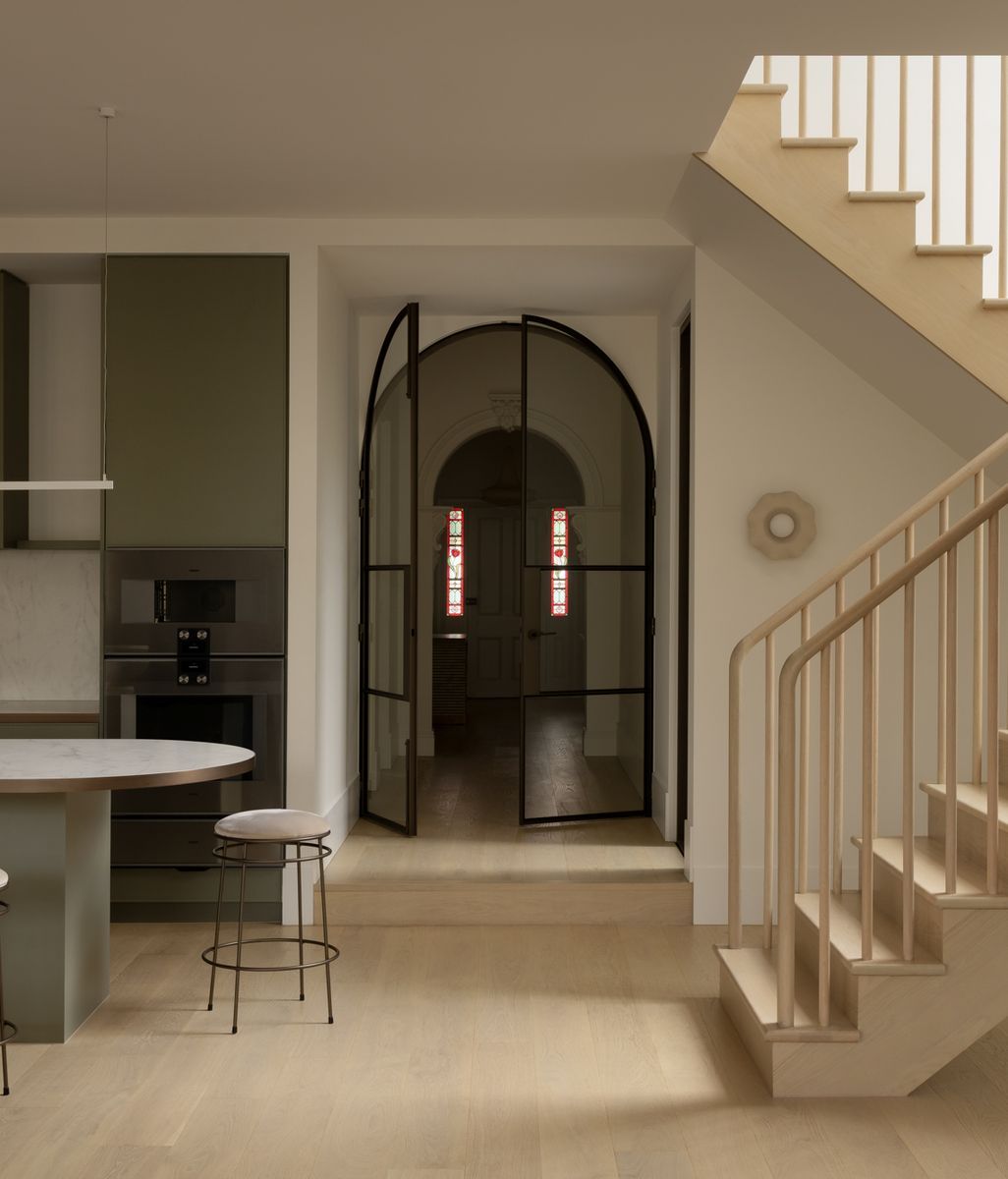
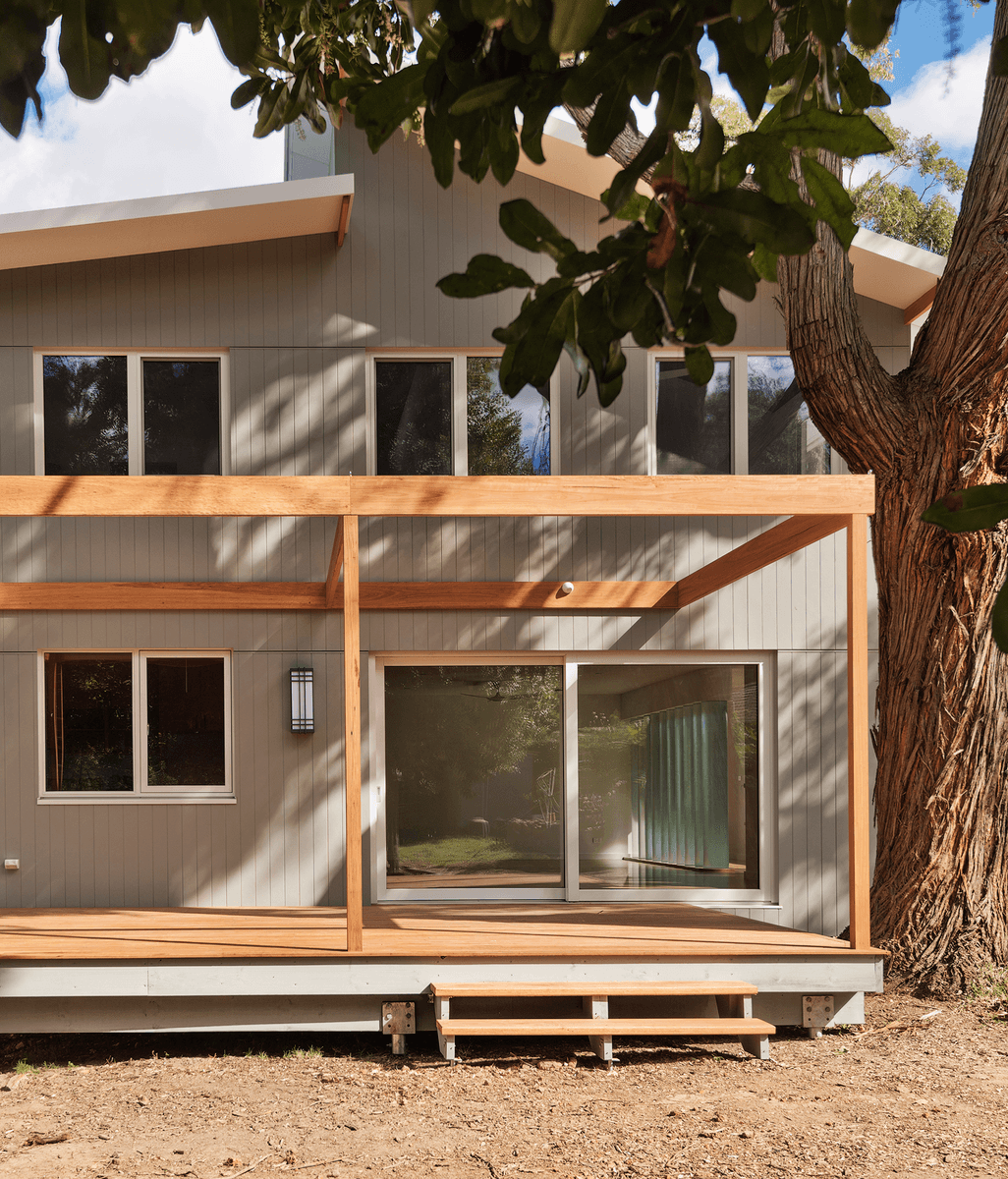
In a renovated 1930s bungalow in Eden Terrace shortlisted in the NZIA Awards small project category, this distinction was critical. The home retained its original character while being substantially upgraded to modern performance standards. Rather than forcing systems into finished spaces, ventilation, heating and cooling were planned around the existing structure and the new extension.

The result was a home where air distribution was resolved through spaces already available with vents integrated seamlessly into bespoke cabinetry. Comfort was achieved without visual compromise because the system was designed to work with the architecture not against it.


Eden Terrace Home by Megan Edwards Architects

Airflow is a spatial decision

One of the most consistent lessons across high-performance homes is that airflow is not just a technical problem. It’s a spatial one.

Air needs clear paths. It needs supply and extraction to be located where people actually live, not where it’s easiest to install equipment. That thinking shows up strongly in projects where ventilation is planned at the same time as room layouts and circulation.

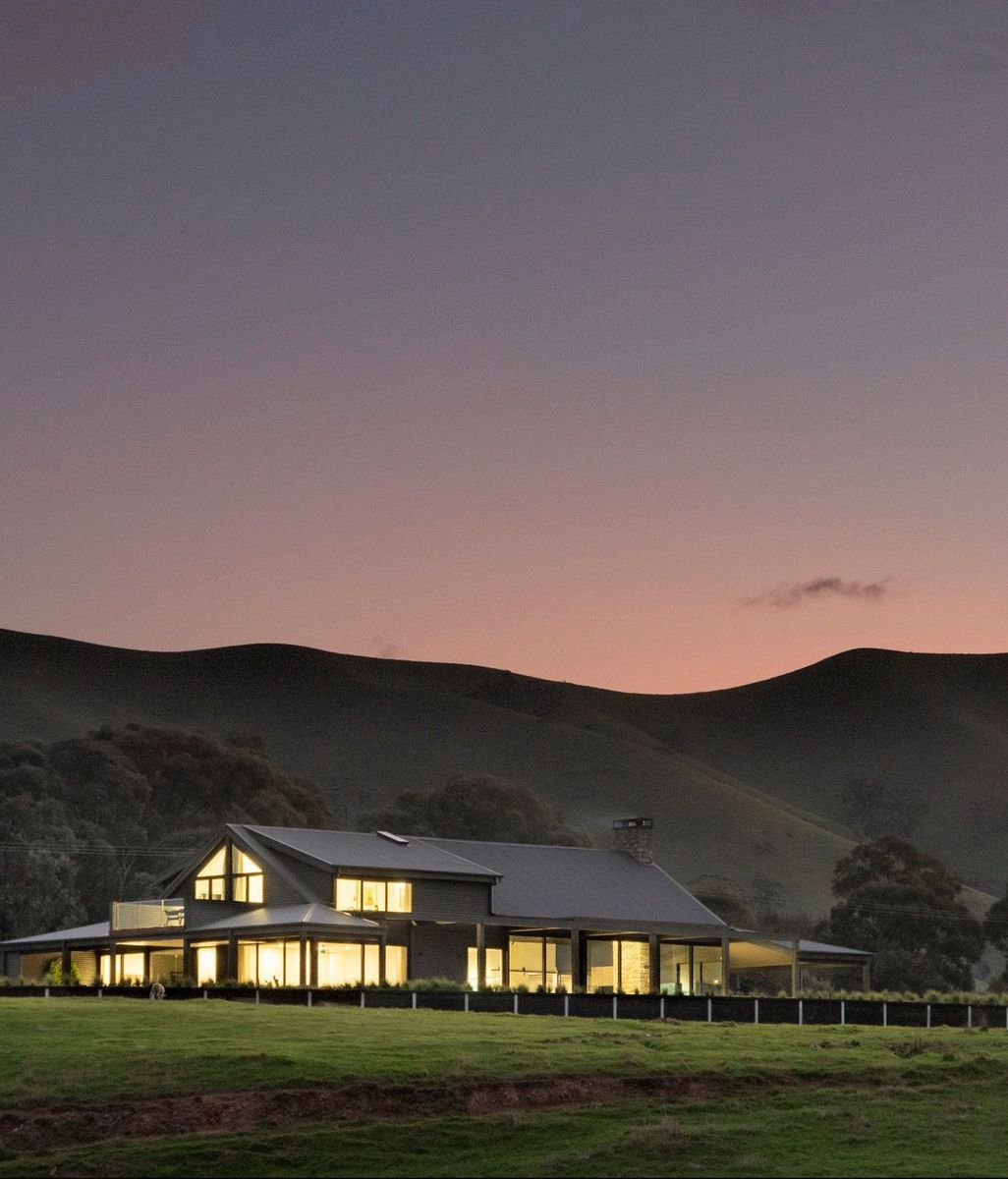
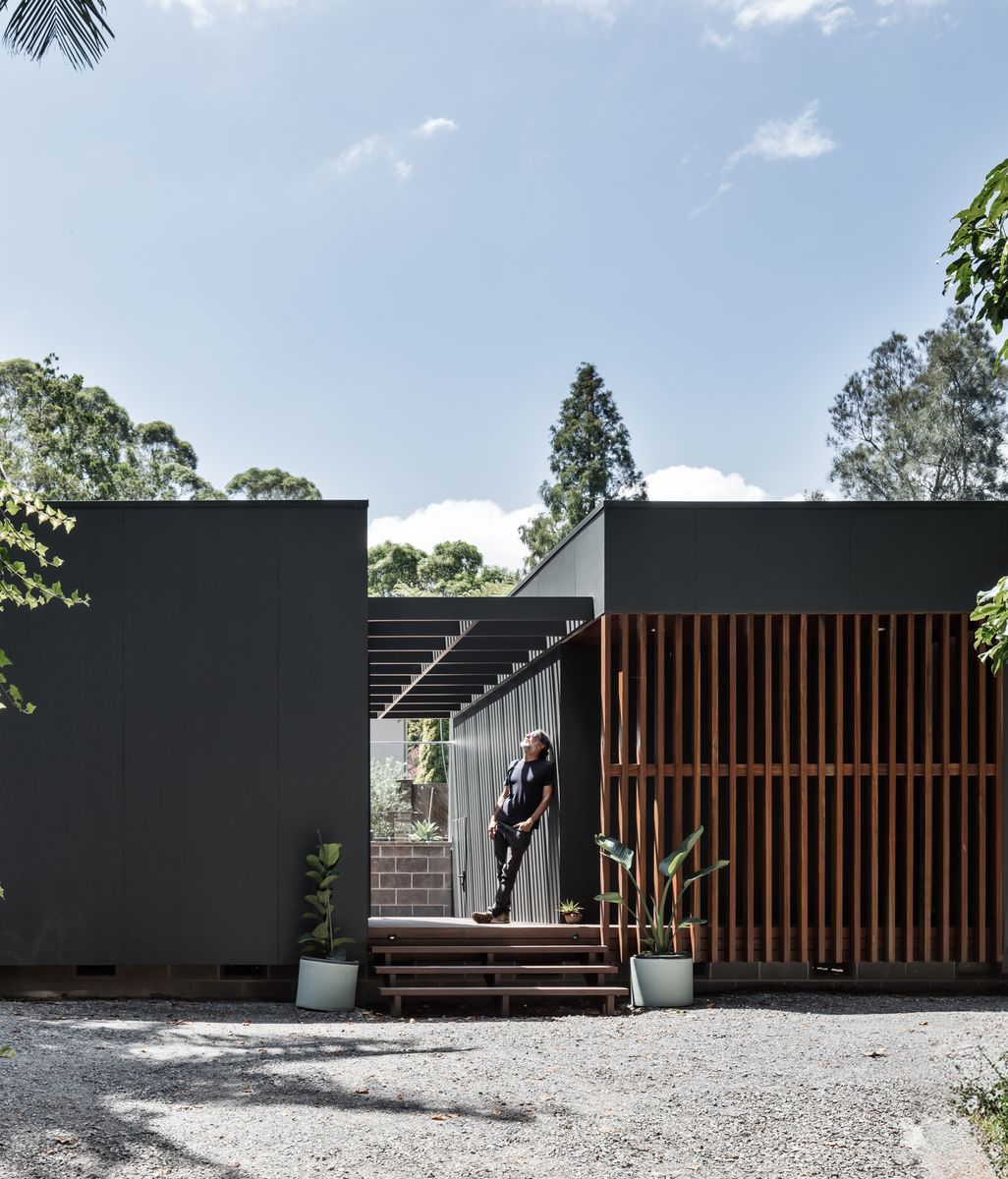
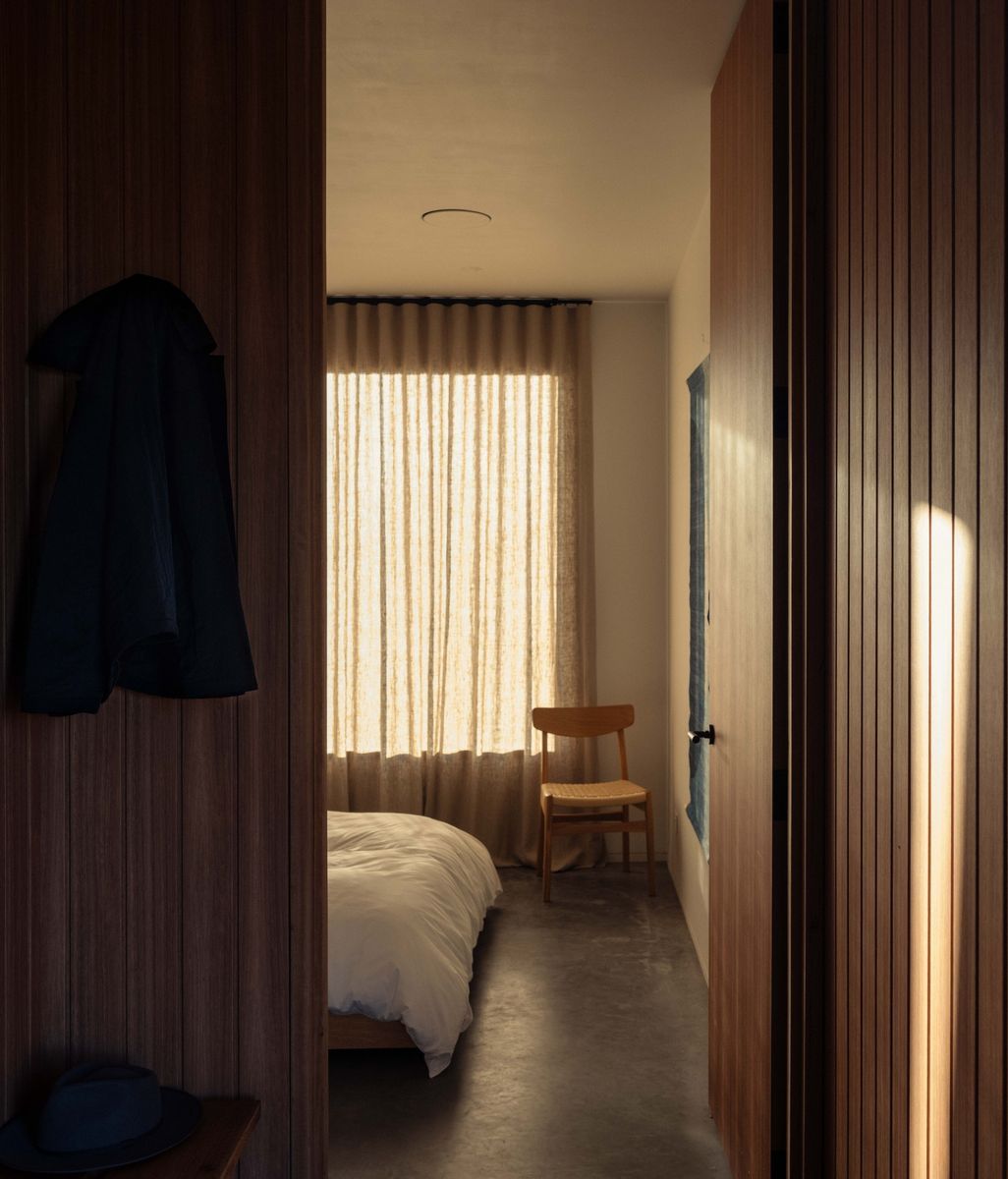
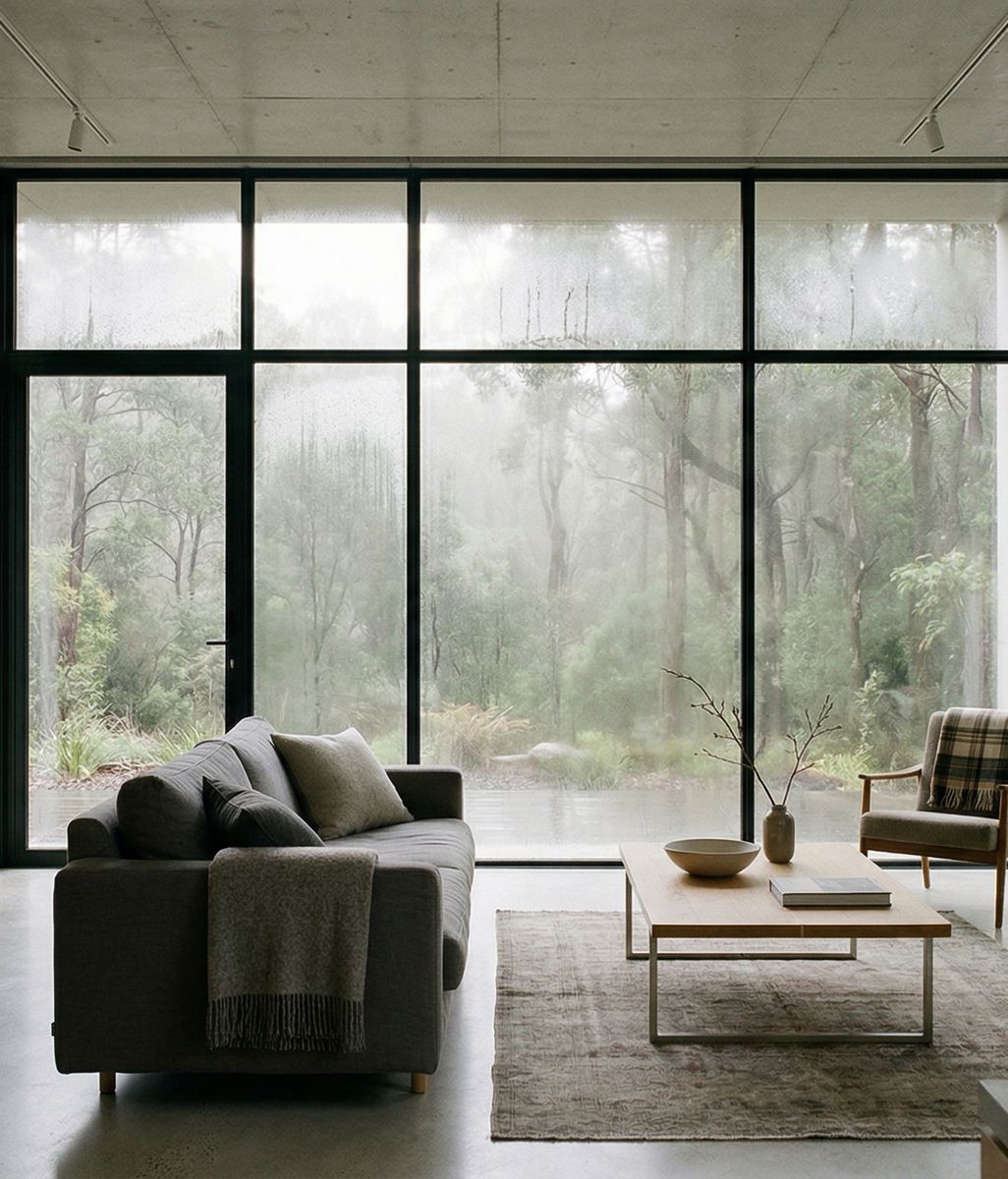
In passive house projects like the Waimauku Barefoot Home, this is taken to its logical conclusion. With an airtight building envelope formed by structural insulated panels the house relies entirely on mechanical ventilation to “breathe”. There is no margin for improvisation later.

Here, ventilation, heating and cooling were conceived as one integrated system from the outset aligned with the building’s form, orientation and use. This allowed the home to meet passive house plus standards while maintaining a calm flexible living environment for a family with changing needs.

In these projects comfort isn’t delivered room by room. It’s delivered across the home as a whole.


Concealment is a design outcome

When systems are planned early concealment becomes a design choice rather than a workaround.

Across many of Solutionair’s projects, while heat pumps are located outside the house,  mechanical equipment is ideally located in a plant room, storage room or the garage. Distribution is handled through ceiling spaces and joinery that were designed with this purpose in mind. Cabinet depths are adjusted slightly. Service zones are coordinated deliberately.

This approach allows ventilation to disappear from view while remaining fully accessible and effective. The architecture remains visually clear and the systems do their work quietly in the background.

The alternative is familiar to many architects and builders. Lowered ceilings, awkward bulkheads or visible grilles added late in the process. Not because the system was wrong but because the timing was.


Concealment is a design outcome

When systems are planned early concealment becomes a design choice rather than a workaround.

Across many of Solutionair’s projects, while heat pumps are located outside the house,  mechanical equipment is ideally located in a plant room, storage room or the garage. Distribution is handled through ceiling spaces and joinery that were designed with this purpose in mind. Cabinet depths are adjusted slightly. Service zones are coordinated deliberately.

This approach allows ventilation to disappear from view while remaining fully accessible and effective. The architecture remains visually clear and the systems do their work quietly in the background.

The alternative is familiar to many architects and builders. Lowered ceilings, awkward bulkheads or visible grilles added late in the process. Not because the system was wrong but because the timing was.


Eden Terrace Home by Megan Edwards Architects

Where Solutionair fits in

This is typically where Solutionair becomes involved. Working alongside homeowners architects and builders early in the process the focus is on whole-home performance. How air moves through a home. How moisture is managed. How heating, cooling and ventilation work together rather than as isolated systems.

Rather than treating ventilation as a late-stage add-on Solutionair focuses on planning airflow and comfort from the outset. These systems are often concealed within ceiling spaces cabinetry or service zones supporting comfort without shaping the visual design.

Learn how to plan airflow and comfort into your new build

For homeowners and design teams planning a new build or renovation Solutionair has created practical guides that explain how ventilation works in modern airtight homes and what to consider early to avoid common comfort and moisture issues later on.

You can download one of Solutionair’s guides or if you’re in the planning stage get in touch for a no-obligation conversation about your project.