Where Australian craft meets Italian design
Written by
12 July 2026
•
6 min read

Labour costs continue to rise. Skilled craftspeople are becoming harder to find. Many manufacturers have shifted production offshore in pursuit of lower costs and greater scale. Yet for Fanuli, the decision to continue manufacturing in Australia has never been about taking the easiest path. It's about protecting a level of craftsmanship, flexibility and quality that simply couldn't exist any other way.
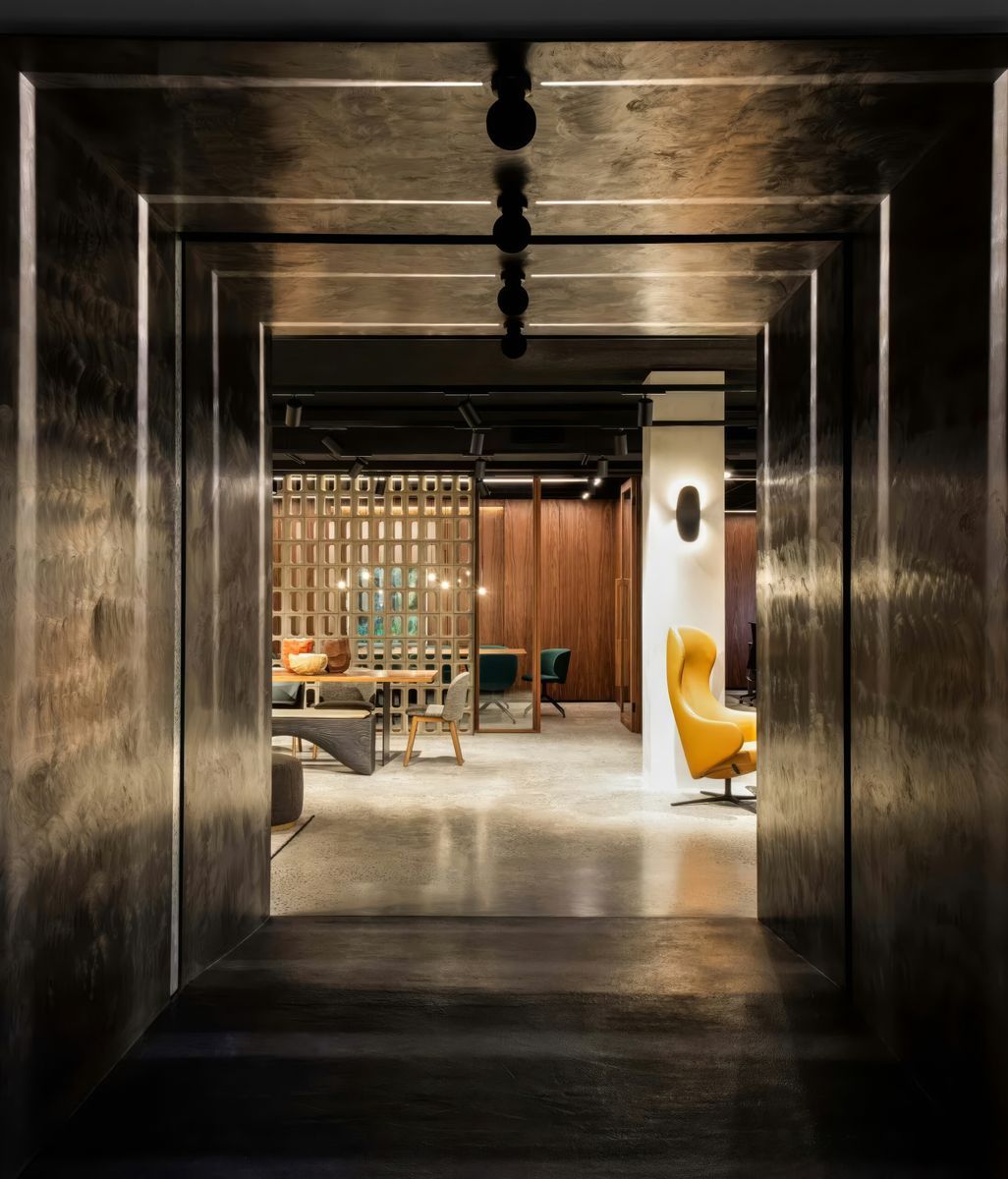
For more than five decades, the family-owned business has built its reputation on thoughtfully made furniture that stands the test of time. While Fanuli is widely recognised for representing some of Italy's most respected furniture brands, its Australian-made collection has quietly become just as important to the business.
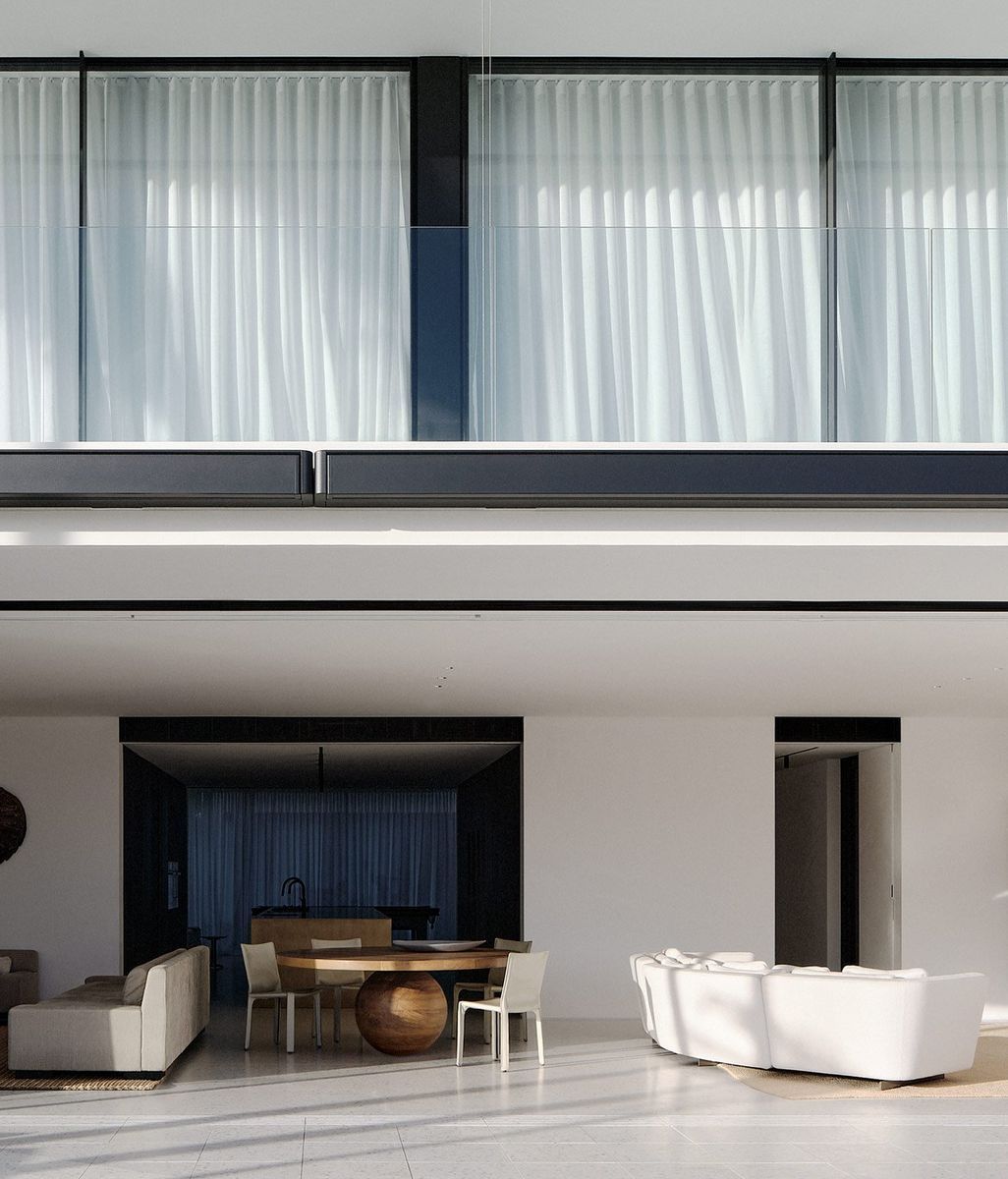
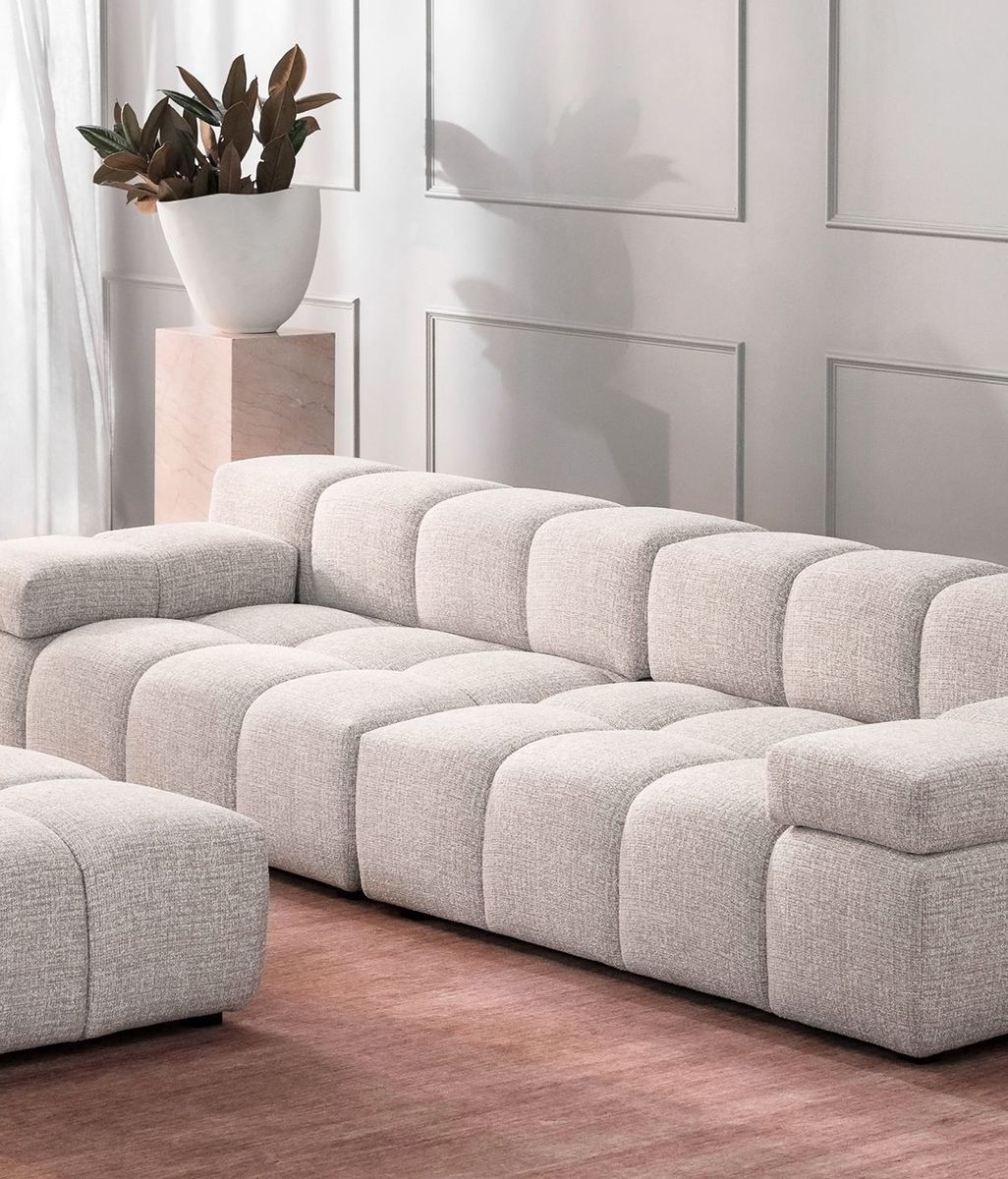
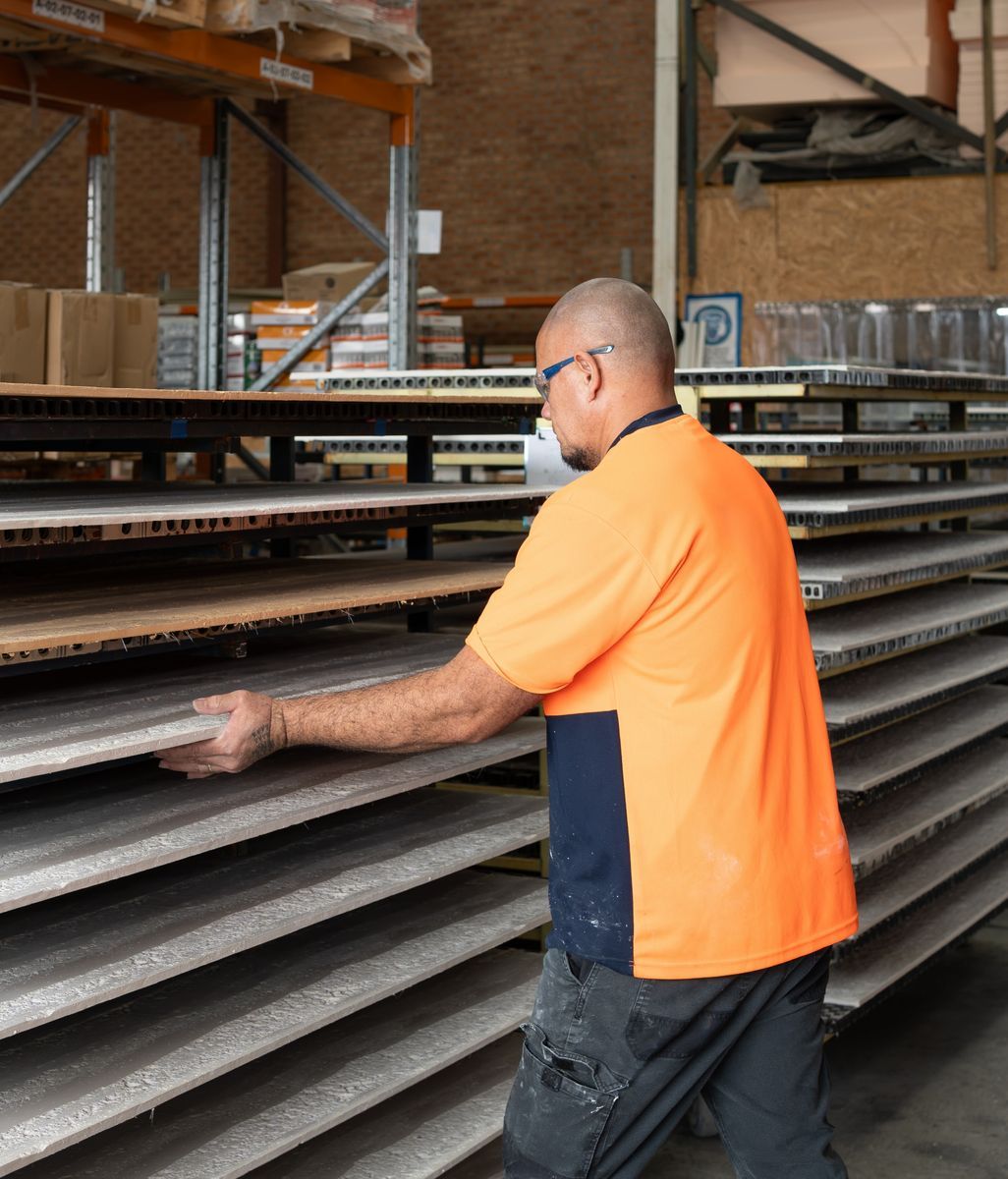
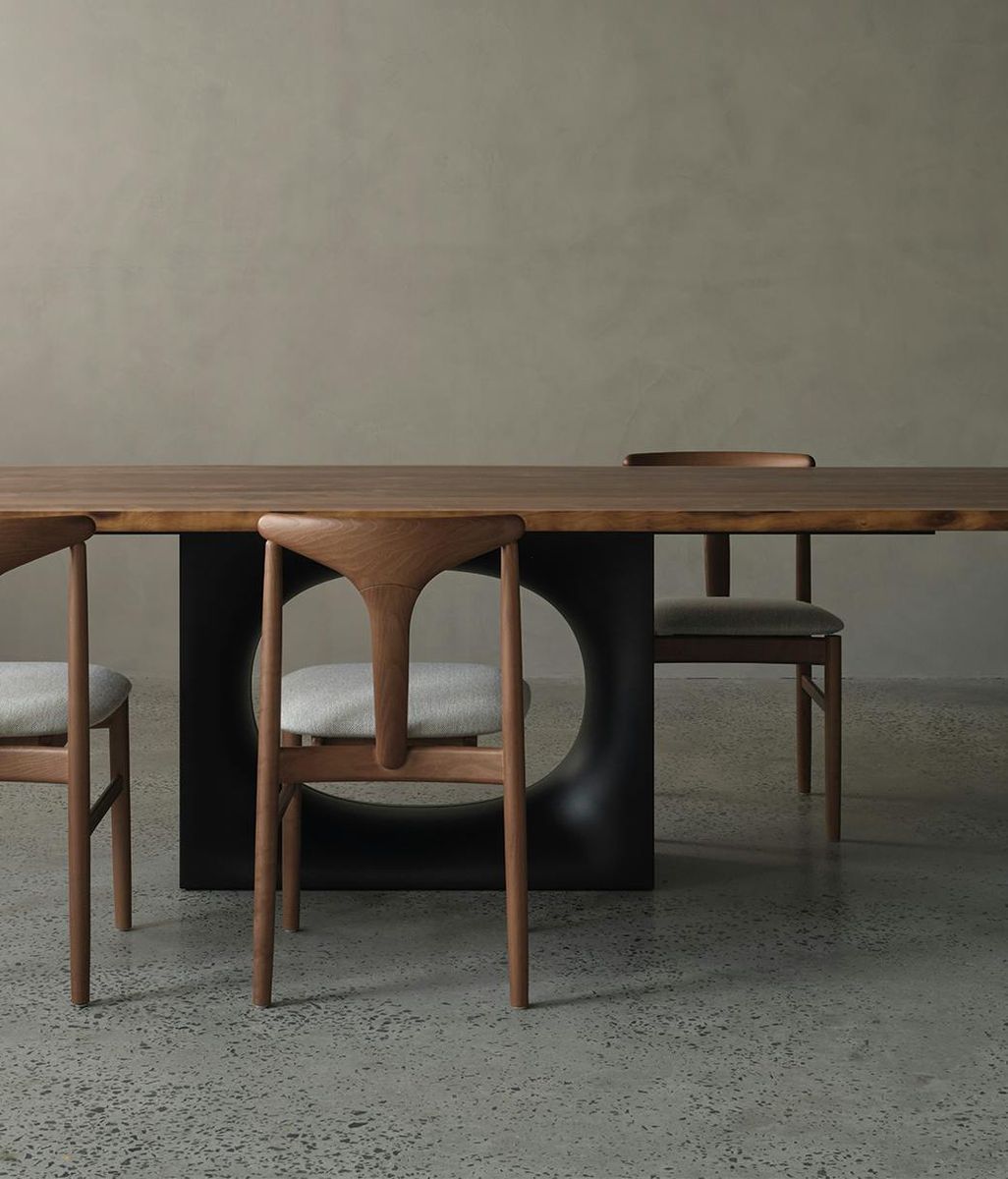
Produced in Melbourne, the collection spans cabinetry, dining tables, coffee tables, armchairs and, most notably, upholstered sofas. Each piece reflects the same philosophy that has guided the business since its beginnings: furniture should be made to last, designed to be lived with, and crafted with care.


"Our Australian-made collection has really evolved over the last fifteen years," says Marco Fanuli. "The core of it is our sofas and lounge chairs because they're often the pieces people refresh most in their homes. What makes them special is that people don't have to choose from fixed options. They choose the design they love, then we tailor it to suit their home."
That ability to customise is one of local manufacturing's greatest strengths.
Rather than asking homeowners to compromise because a sofa is too large, too small or available in only a handful of finishes, Fanuli works closely with Australian makers to adjust dimensions, configurations and upholstery. A design becomes uniquely suited to the people who will live with it.
"We tell clients not to worry about whether it'll fit through the front door or whether it's slightly too large for the room," Marco says. "Choose the design you love first. We'll make it work."
That level of flexibility has become increasingly valuable for architects and interior designers, who are often looking for furniture that responds to a specific project rather than forcing a project to adapt to standardised products.
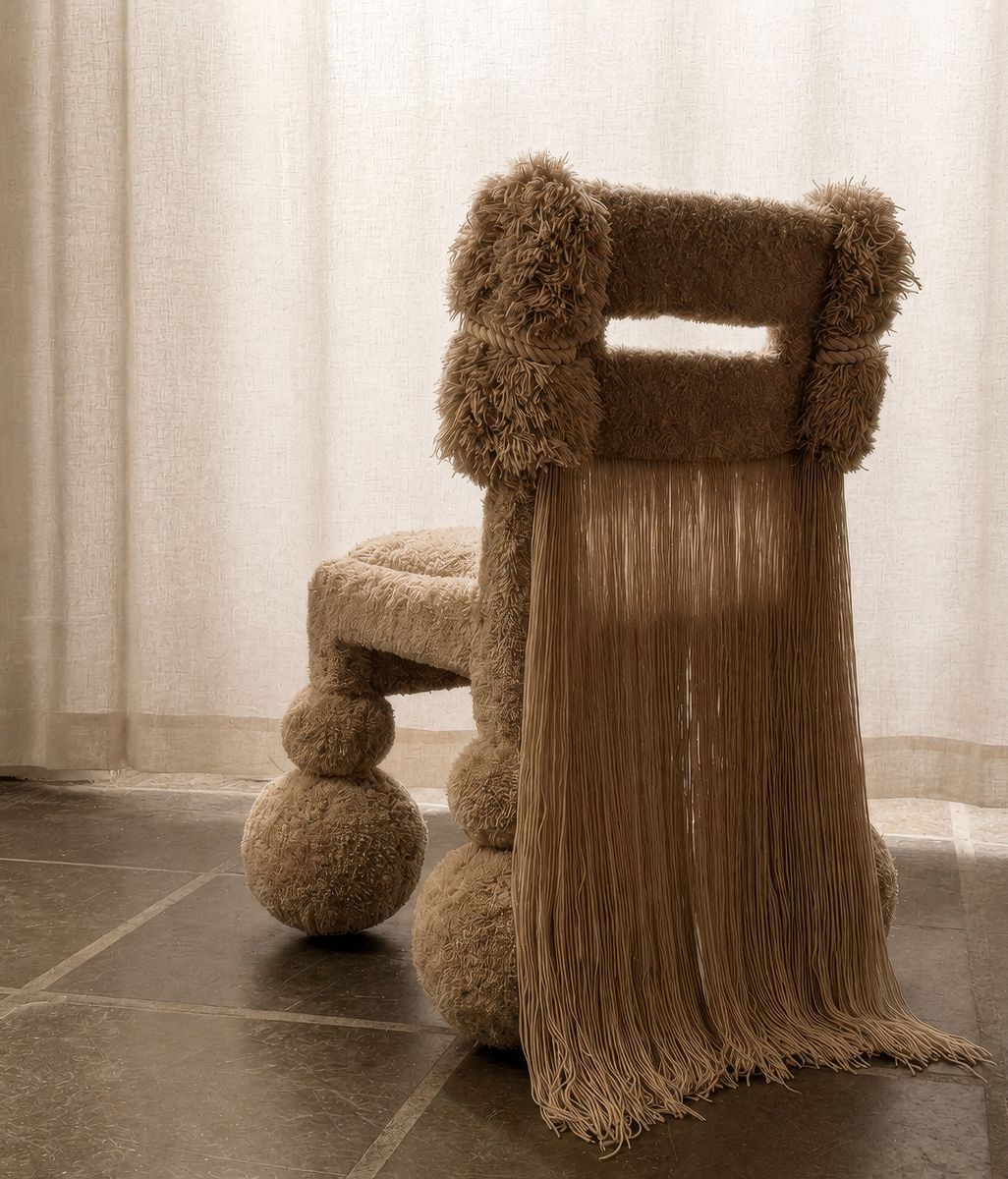
Fanuli has also developed close relationships with Australian designers, collaborating on pieces that reflect local ways of living while drawing on generations of European design thinking.
Rather than viewing Australian and Italian design as competing ideas, the family sees them as complementary.


"The Italian brands we represent really influence the way we think about design," Marco explains. "They've been refining their craft for decades, sometimes close to a century. That philosophy naturally inspires our Australian-made collection, but it's interpreted for the way Australians actually live."
That means furniture designed for generous family living, relaxed entertaining and homes that blur the boundaries between indoors and outdoors, while still maintaining the refinement associated with Italian craftsmanship.
It's an approach built as much on making as it is on designing.
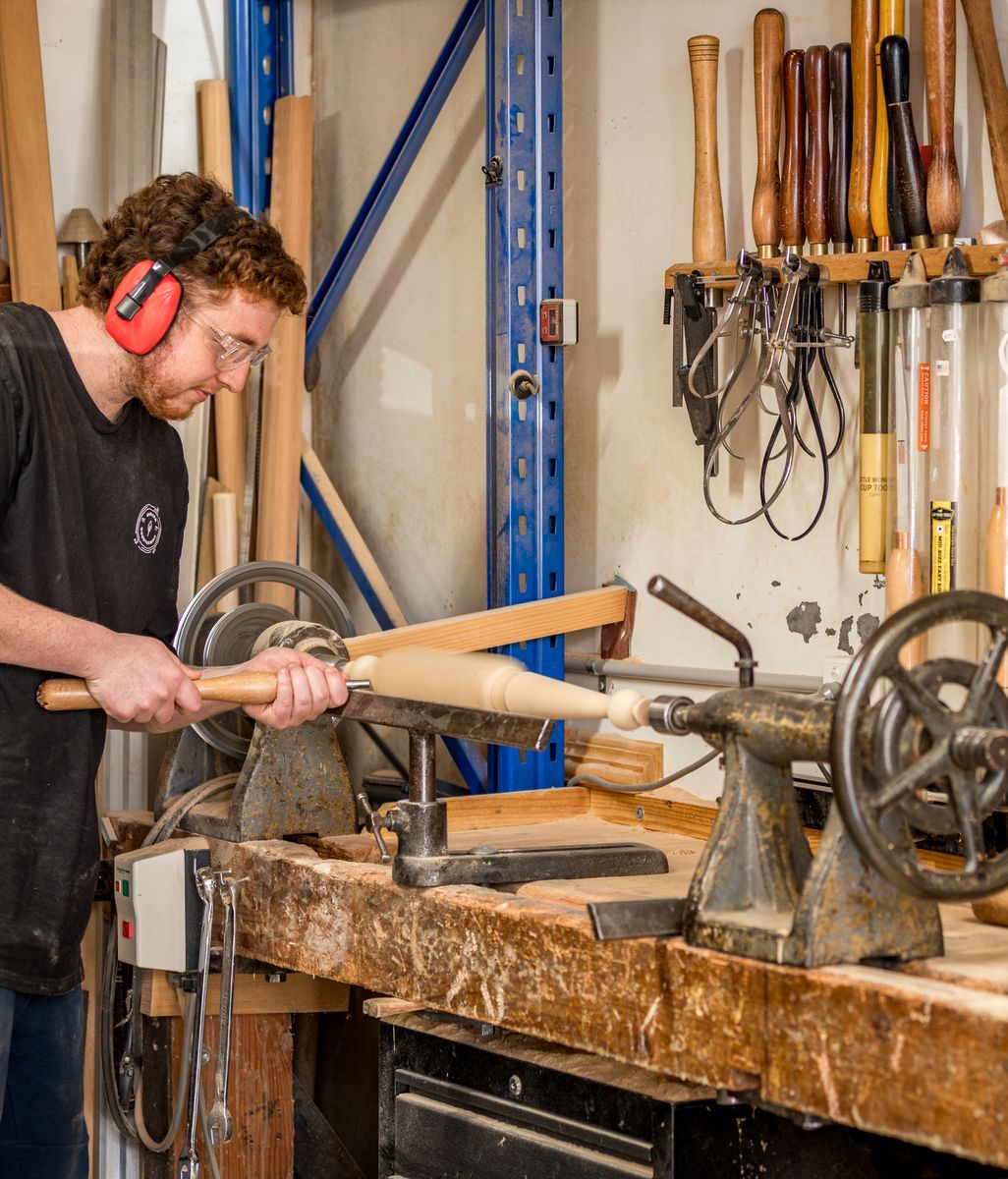
For Fabio Fanuli, preserving traditional furniture-making techniques remains fundamental to the quality of every piece.
"We're very proud that everything is still handmade," he says. "Every piece of fabric is individually cut because every fabric behaves differently. Some stretch more than others, and those small adjustments make an enormous difference once the sofa is upholstered."
It's the kind of detail most homeowners never see.
Yet it shapes everything they experience.
Unlike mass production, where dozens of fabric layers may be cut simultaneously by machine, Fanuli's Australian-made furniture is individually measured and cut before moving through a carefully considered production process.
Hardwood frames replace particleboard or lightweight plywood. Long-sag steel springs provide support instead of basic webbing. High-density foams are combined with feather cushioning to create comfort without sacrificing durability. Even the internal seams are finished with the same care as the visible surfaces.


"Each of those steps seems small on its own," Fabio says. "But when they all come together, that's what creates the finished product. You sit on it, and it simply feels different."
Perhaps the greatest challenge isn't maintaining those standards.
It's finding the people capable of delivering them.
Across Australia, skilled furniture makers have become increasingly difficult to recruit as manufacturing continues to contract and fewer young people enter traditional trades.
"The craftspeople we work with genuinely love what they do," Fabio says. "It's not something you can simply teach someone in a few weeks. They need to have pride in making something with their hands."
That passion is becoming one of Australian manufacturing's greatest assets.
While global production often prioritises efficiency, local makers continue to value precision, experience and individual judgement. Qualities that can't easily be replicated through automation.
"We're fortunate that we've found really talented people," Marco adds. "They'll be with us for many years, but finding those people has become much harder."
That challenge reflects a broader shift occurring throughout the furniture industry.
As production costs continue to rise, many manufacturers have moved offshore, creating a widening gap between inexpensive imported furniture and highly exclusive European brands.


Fanuli believes Australian manufacturing fills an increasingly important middle ground.
"I think it'll become rarer," Marco says. "You'll probably continue seeing lower-priced imported furniture and then very high-end European furniture, but we want to keep offering something that's beautifully made, highly customisable and accessible to people who genuinely value quality."
For homeowners, that value isn't always immediately obvious. It's found in the way a sofa supports you after years of daily use. The way upholstery continues to hold its shape. The confidence that a dining table can be refinished rather than replaced. Or simply the feeling of sitting in a piece of furniture where every layer has been carefully considered.

"We often say that when you sit on one of our sofas, you're not sitting on it. You're sitting into it," Fabio explains. "The springs, the cushioning and the feather fill all work together. It feels like the sofa is almost embracing you."
It's an emotional response born from technical precision. Many clients may never understand exactly why a handcrafted sofa feels different. They simply know that it does.
That quiet understanding perhaps best explains why Fanuli continues investing in Australian manufacturing despite the challenges. It's not nostalgia. It's a belief that quality is built through people, not production lines.
As Australia's manufacturing landscape continues to evolve, that philosophy feels increasingly important.
Because while materials, technology and design will continue to change, craftsmanship still begins the same way it always has… with skilled hands, careful judgement and people who genuinely care about making something that lasts.
Explore Fanuli's Australian-made collection on ArchiPro, browse their complete range of Italian and locally crafted furniture, or discover the architects, interior designers and residential projects specifying Fanuli pieces to see how thoughtful craftsmanship continues to shape Australian homes.