Why the right architect matters before you start building

Written by

16 June 2026

 • 

6 min read

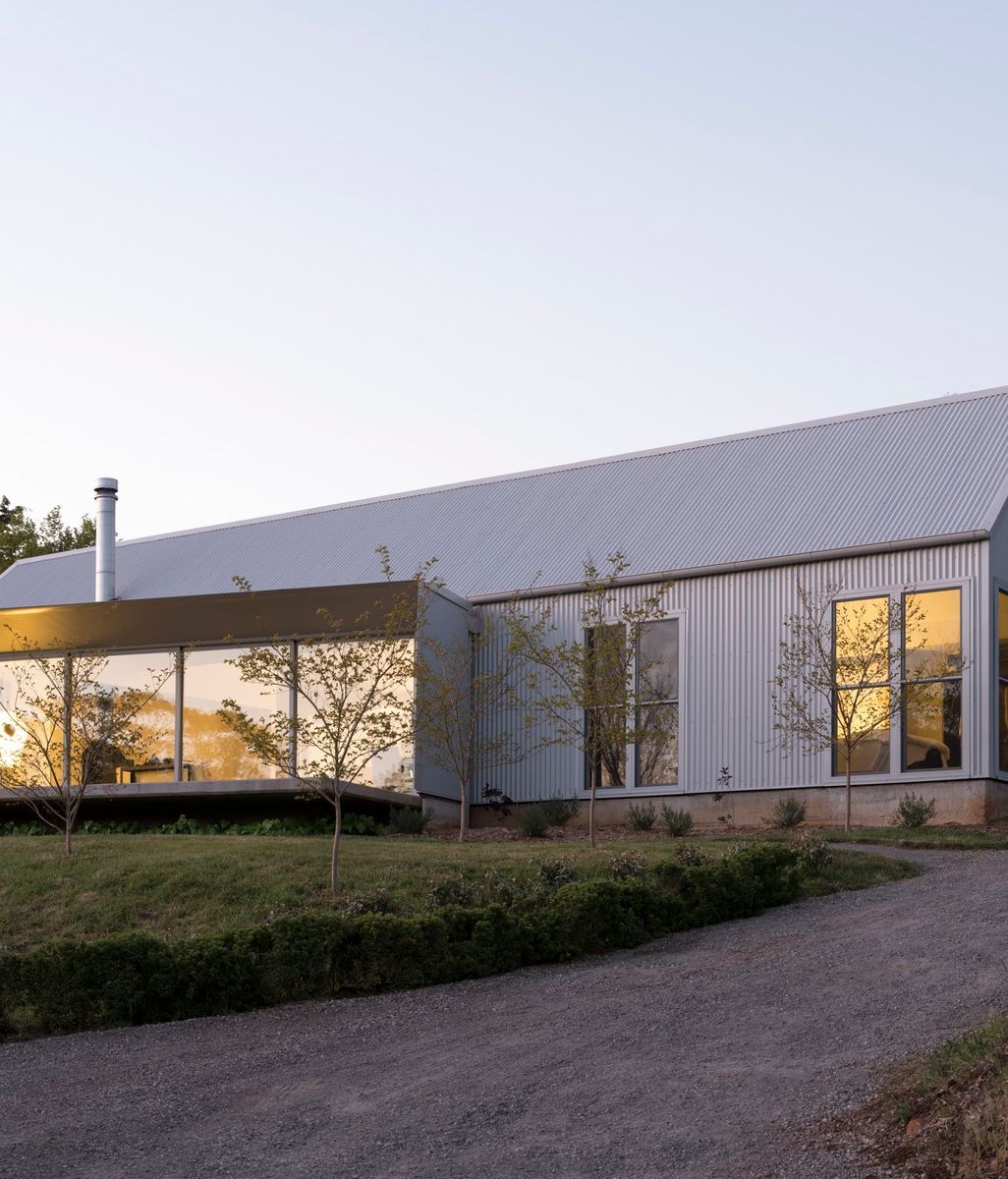
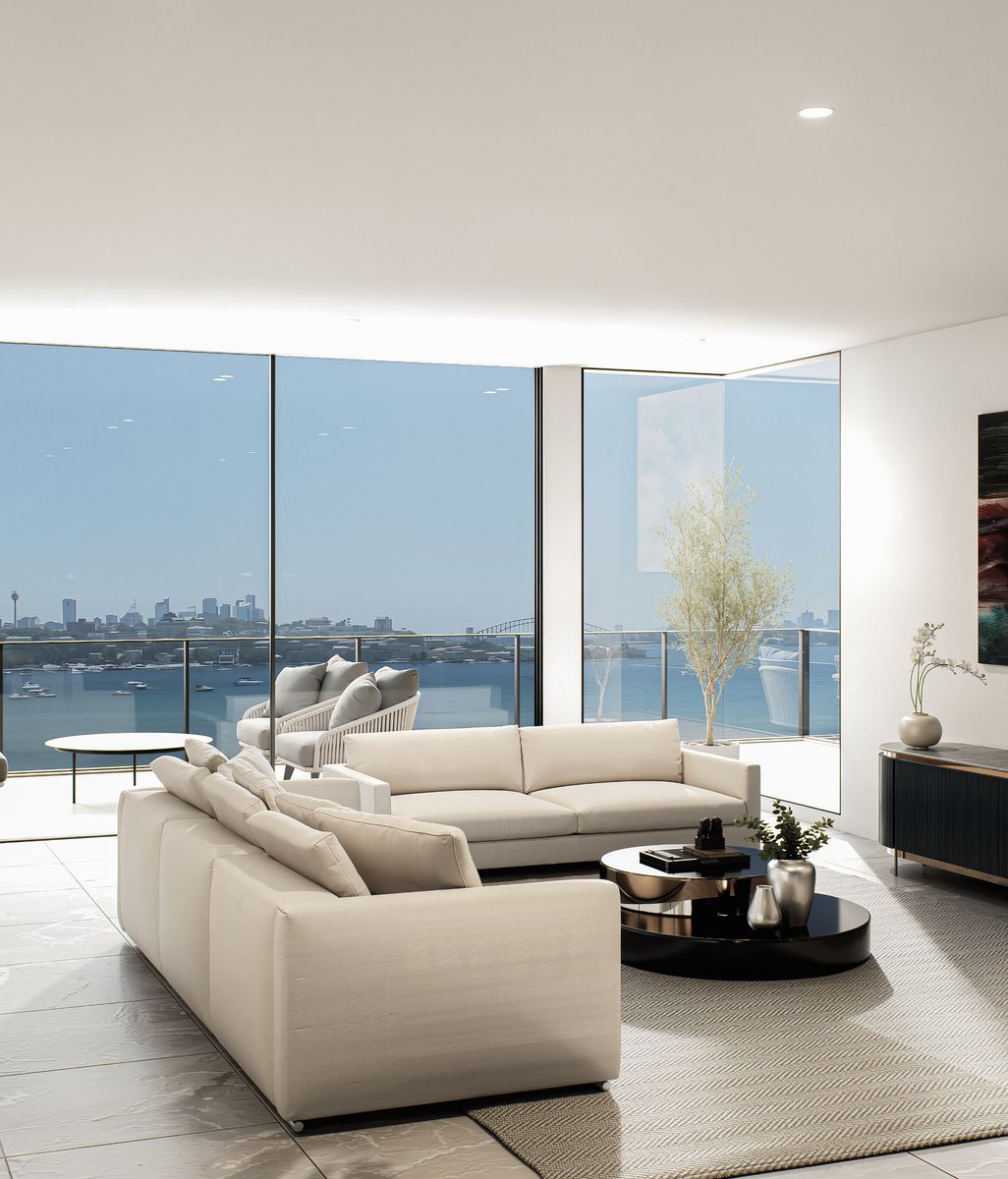
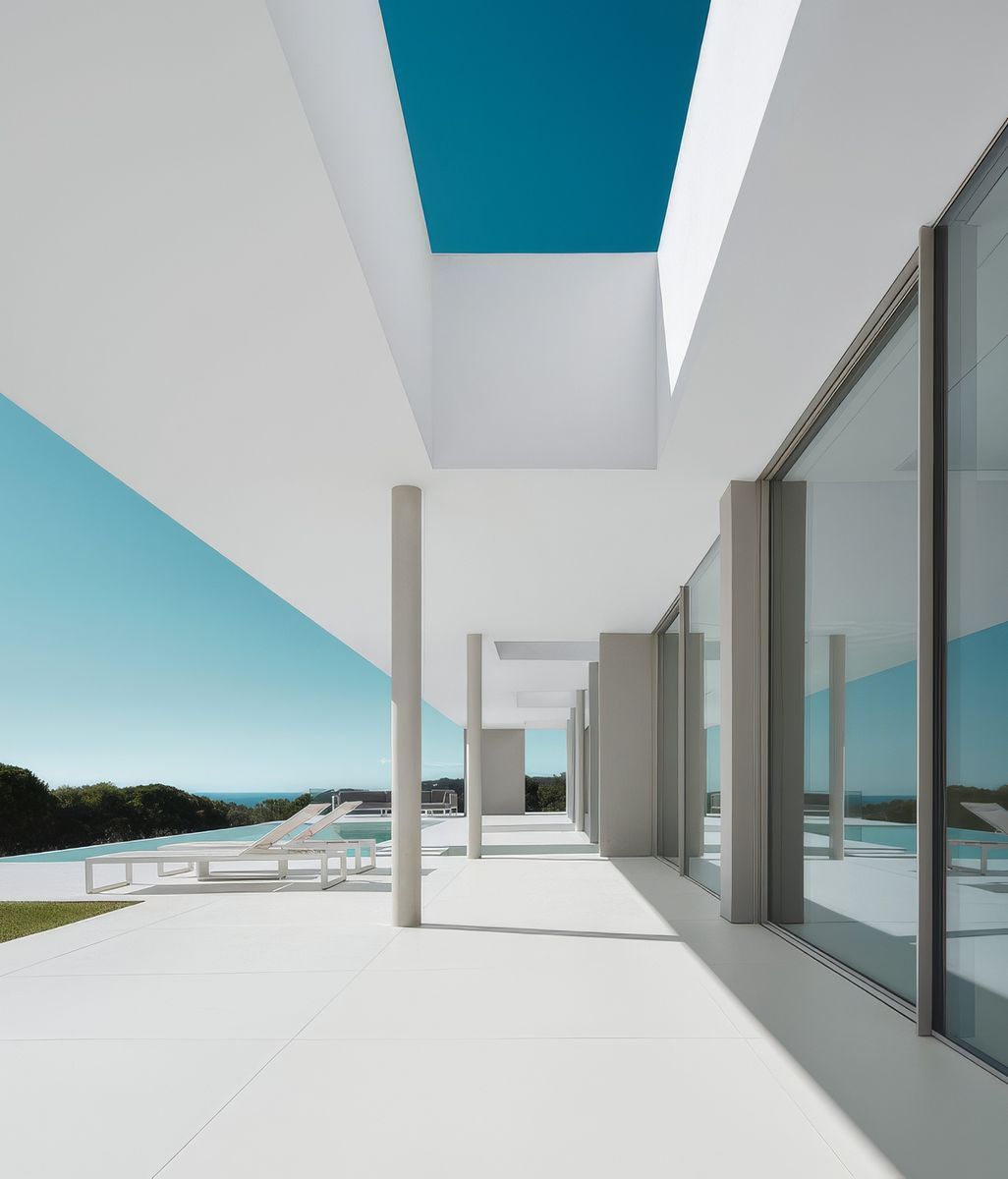
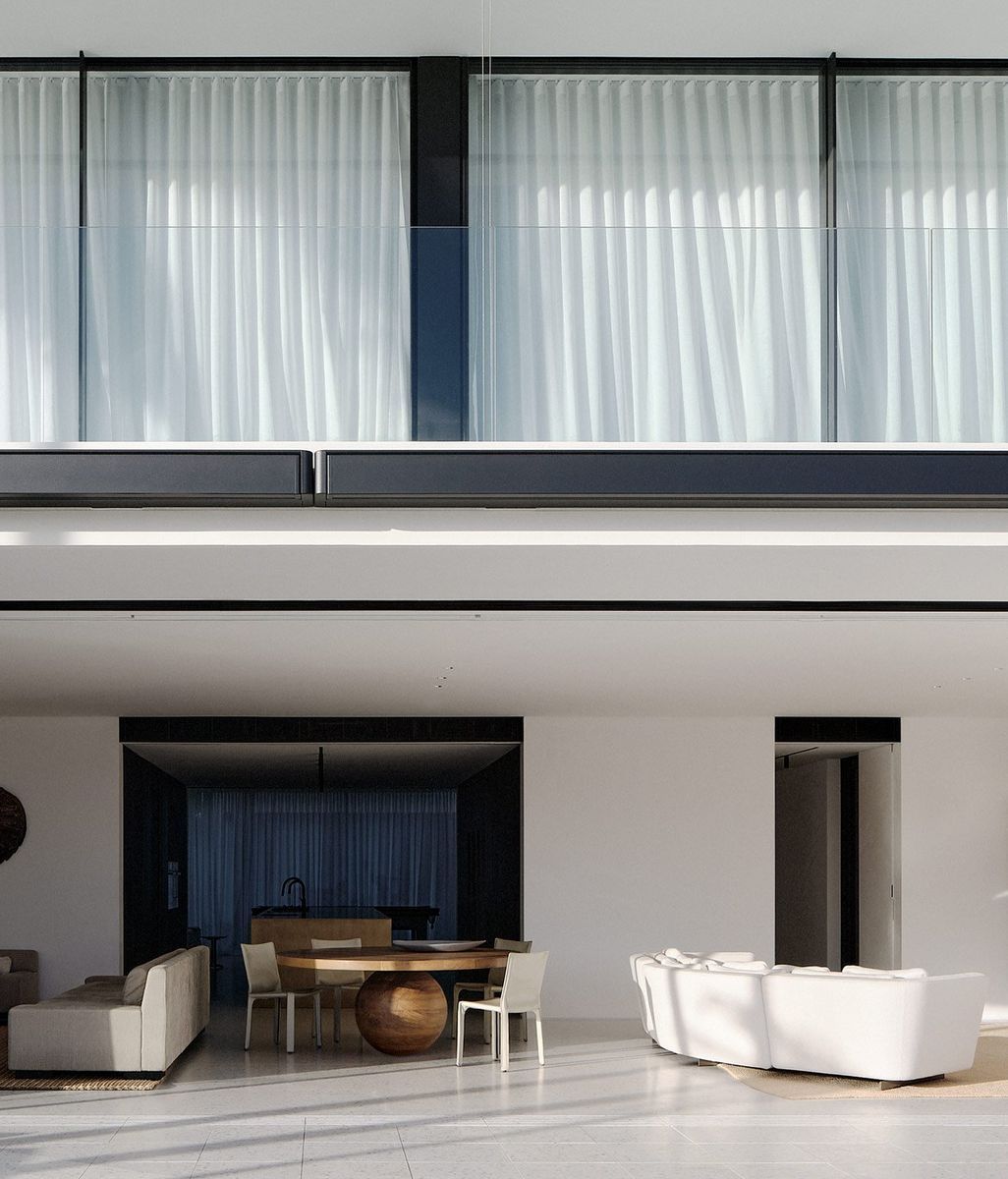
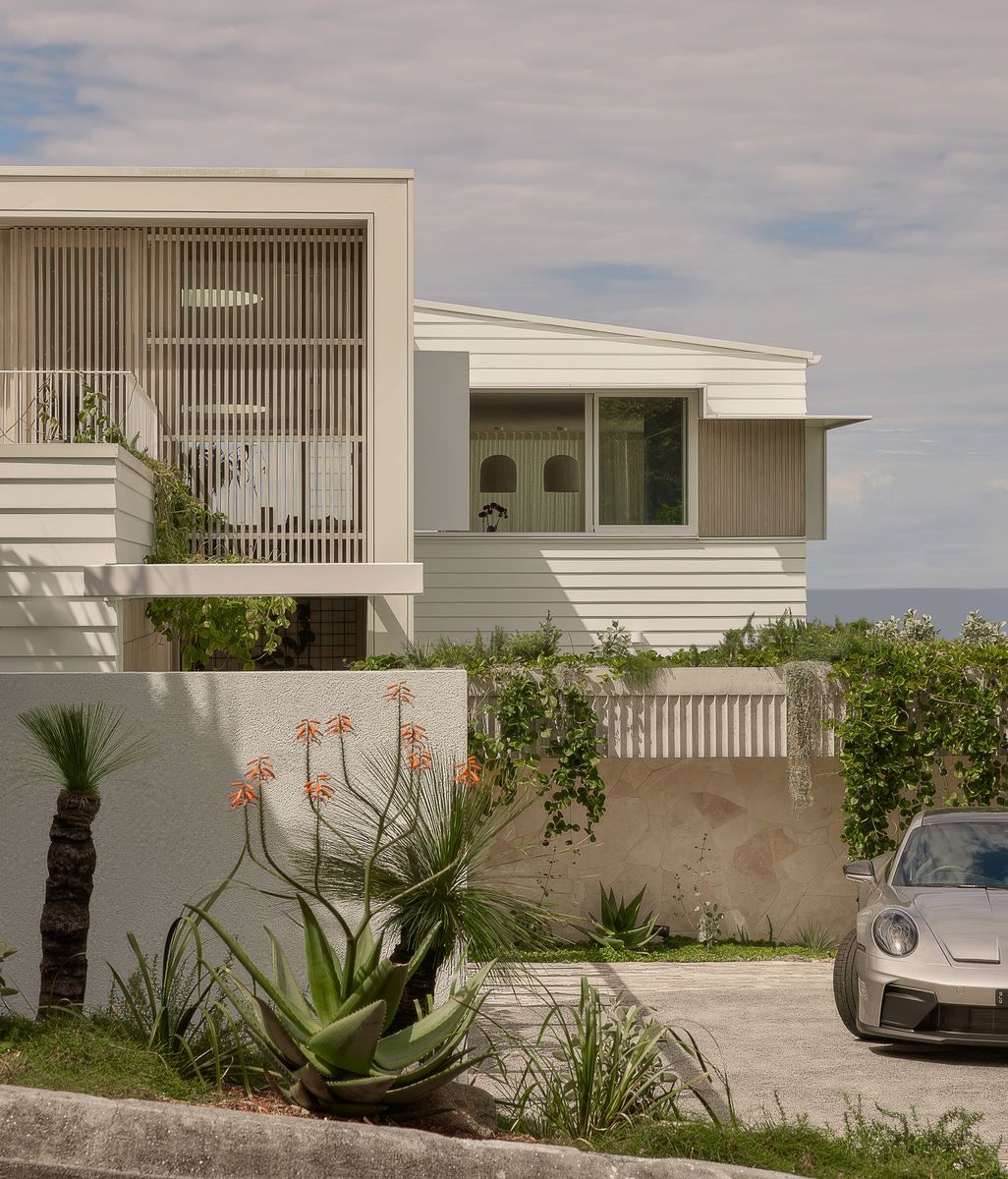
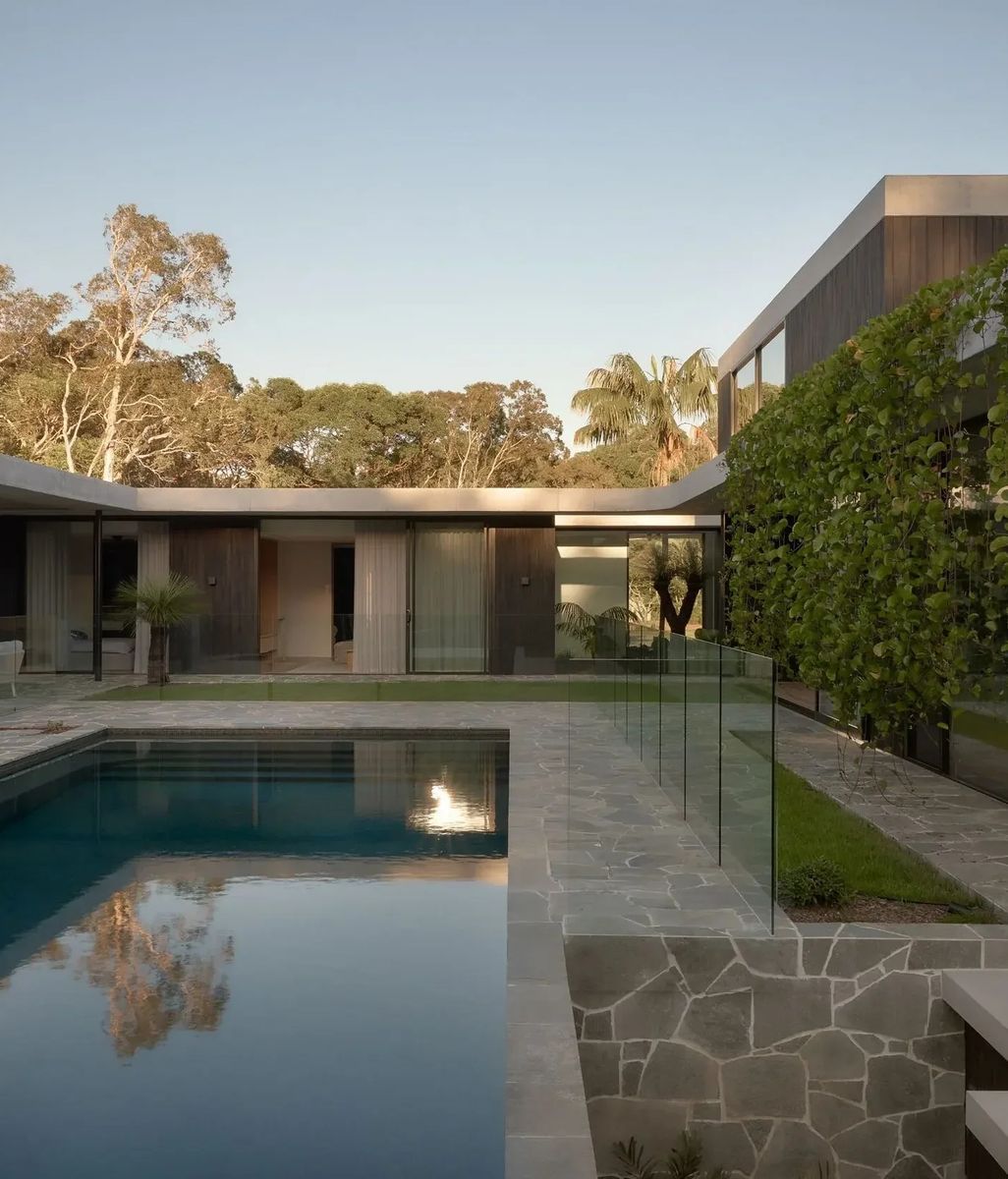
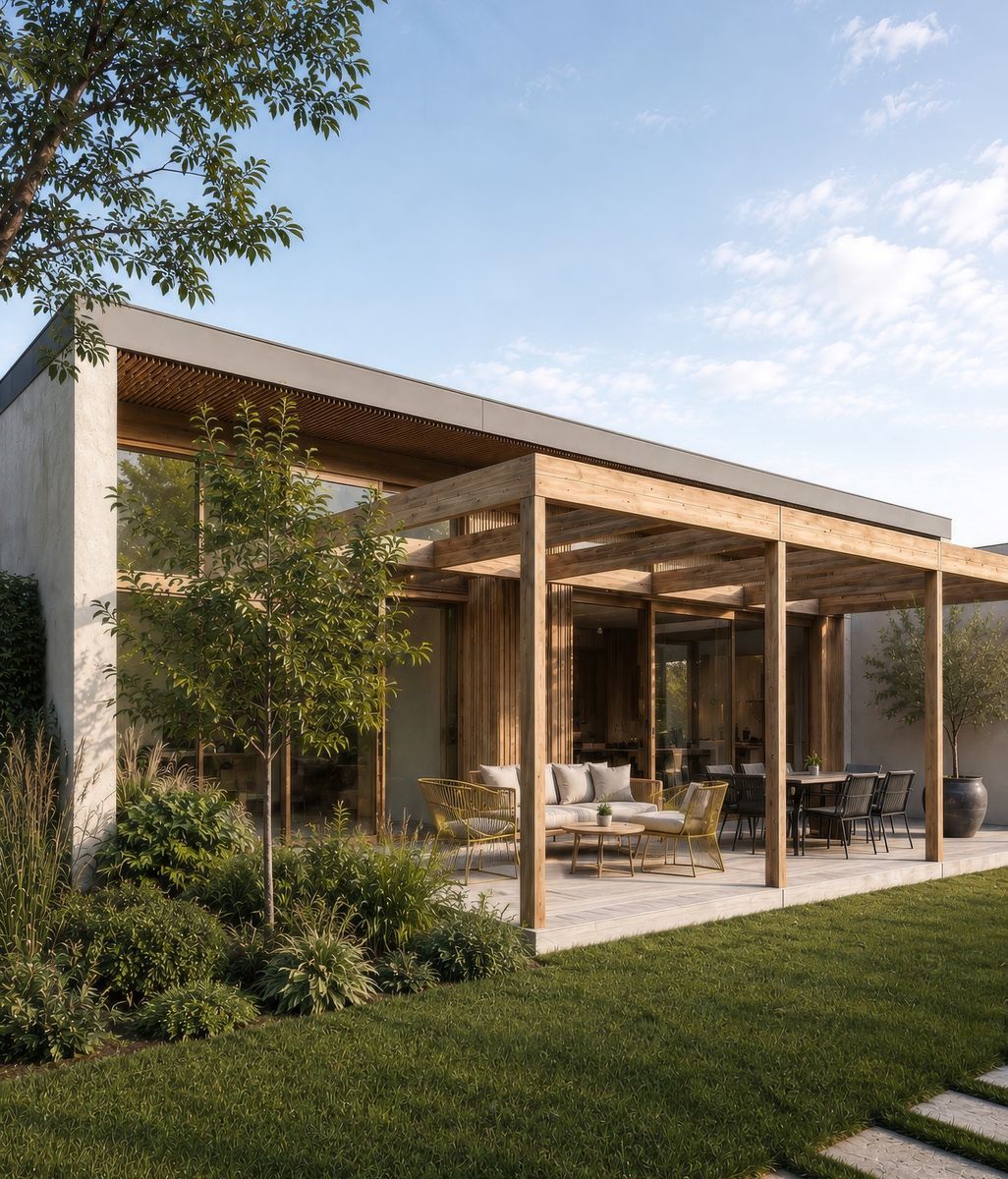
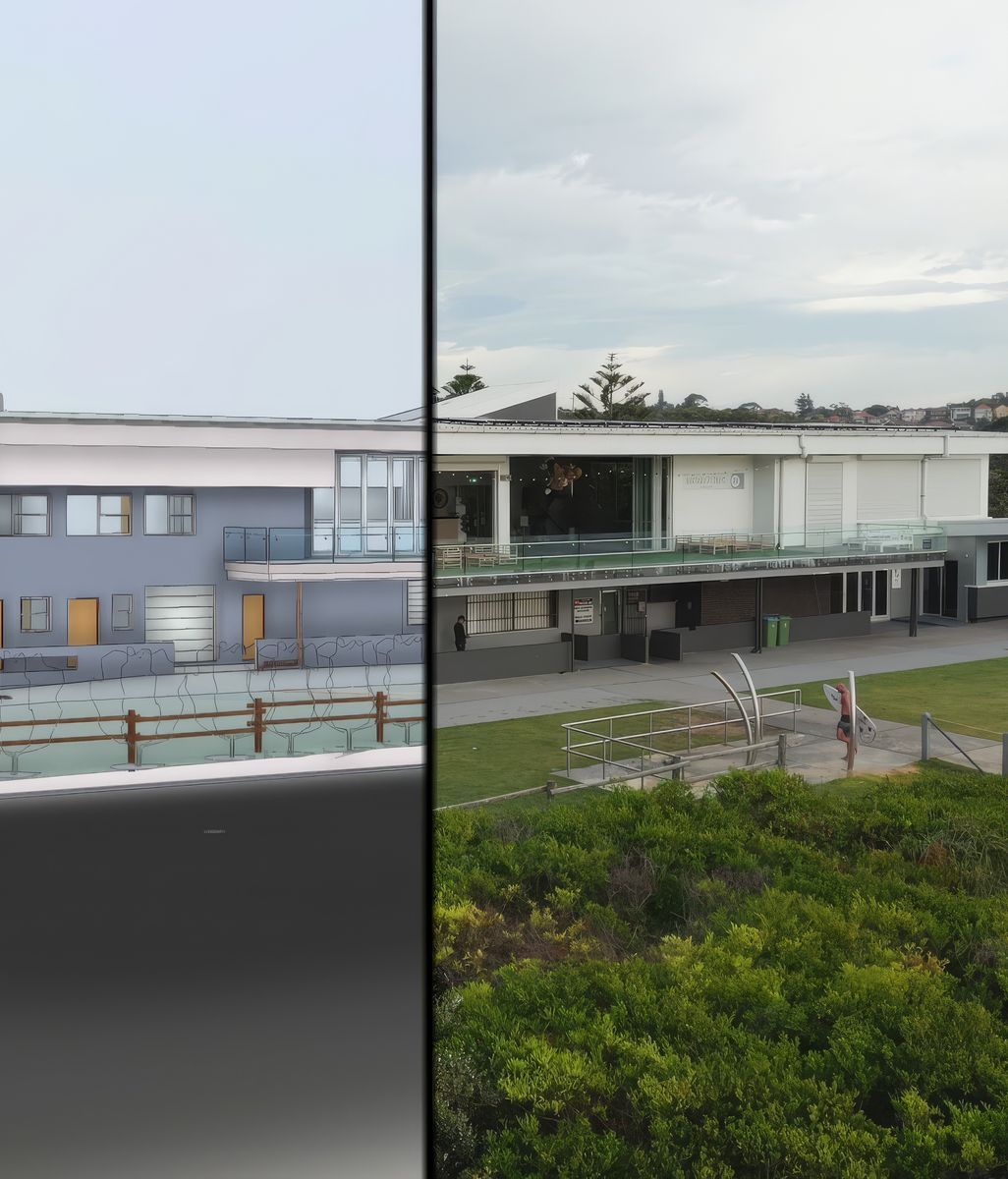
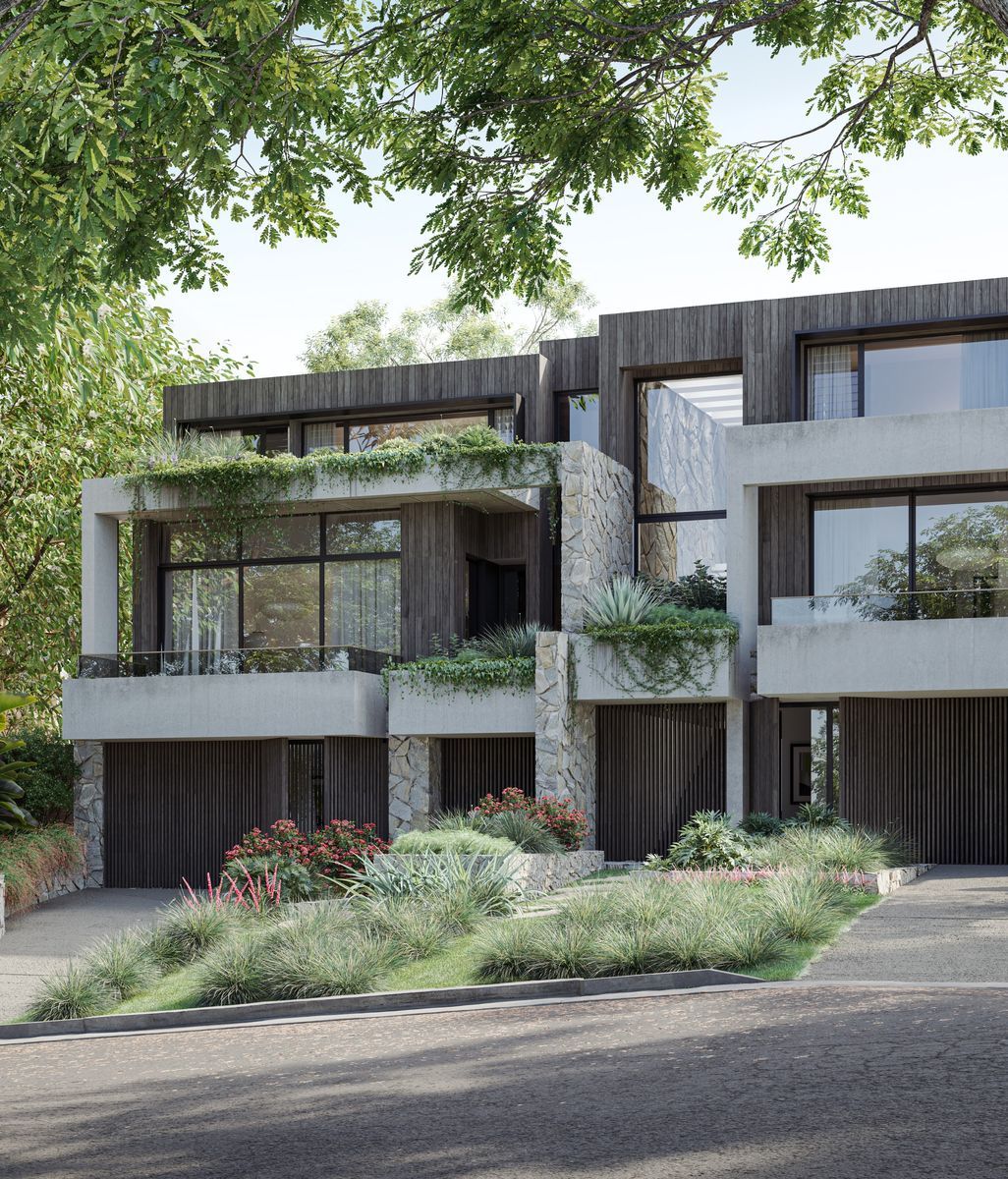
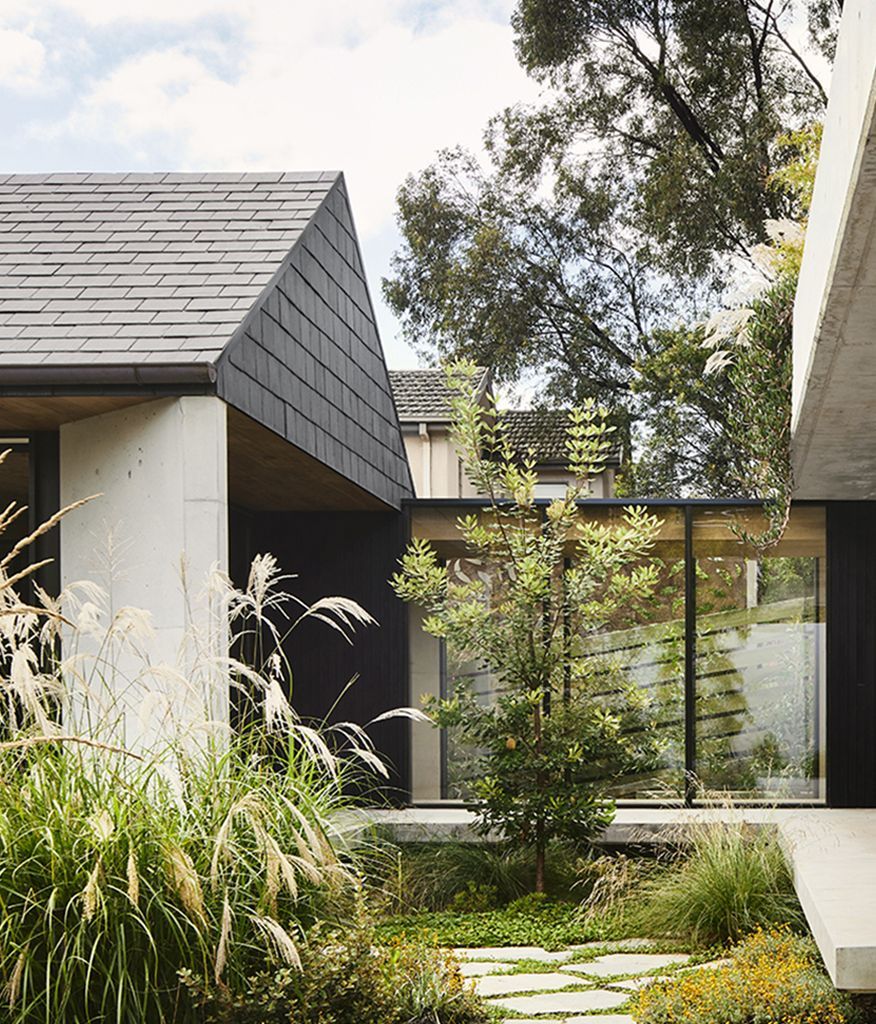
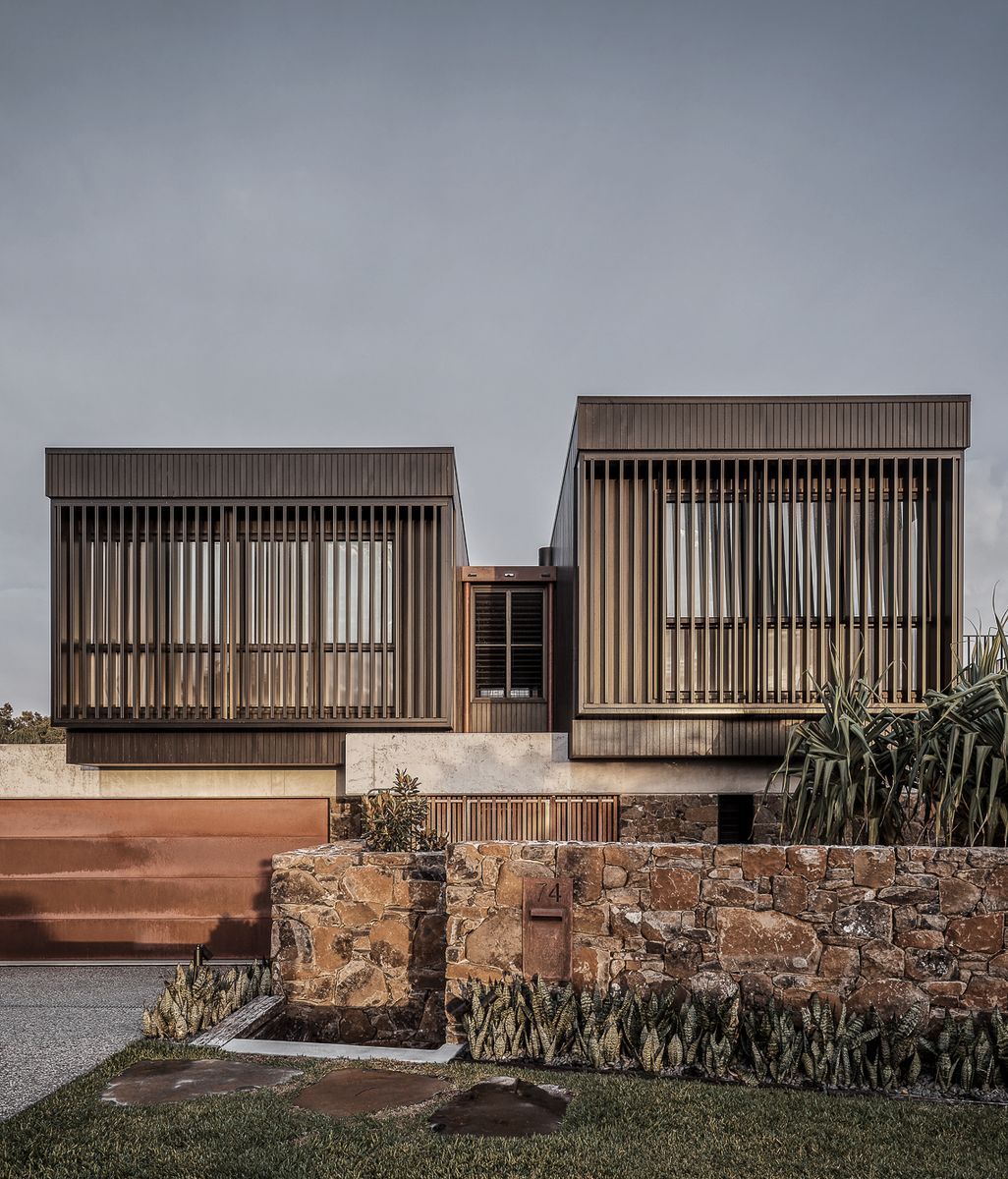
Takapuna Beach House shows how an architect can turn a complex brief into a resolved whole, balancing scale, privacy, light and coastal outlook within one of Auckland’s most active urban settings.
For many homeowners, the beginning of a new build is defined by the visible decisions… the floor plan, the kitchen, the view, the materials, the rooms they have always imagined.

But according to Daniel Marshall of Daniel Marshall Architects, some of the most important decisions happen before the design is fully formed.

A successful home does not begin with a drawing. It begins with a clear brief, a careful reading of the site, a realistic understanding of budget and the right professional guidance around the table from the start. For Marshall, engaging an architect early is not simply about aesthetics. It is about giving the project the best possible chance of reaching completion with its ambition intact.

“There are so many trucks coming out of side streets,” he says of the building process. The analogy is simple, but apt. Even well-planned projects encounter unexpected moments. Budget pressure, construction complexity, site conditions, value management, changing requirements or technical decisions that become more consequential than first expected. The role of an experienced architect is not to pretend those moments will never happen, but to help clients navigate them when they do.

That guidance begins with the brief.

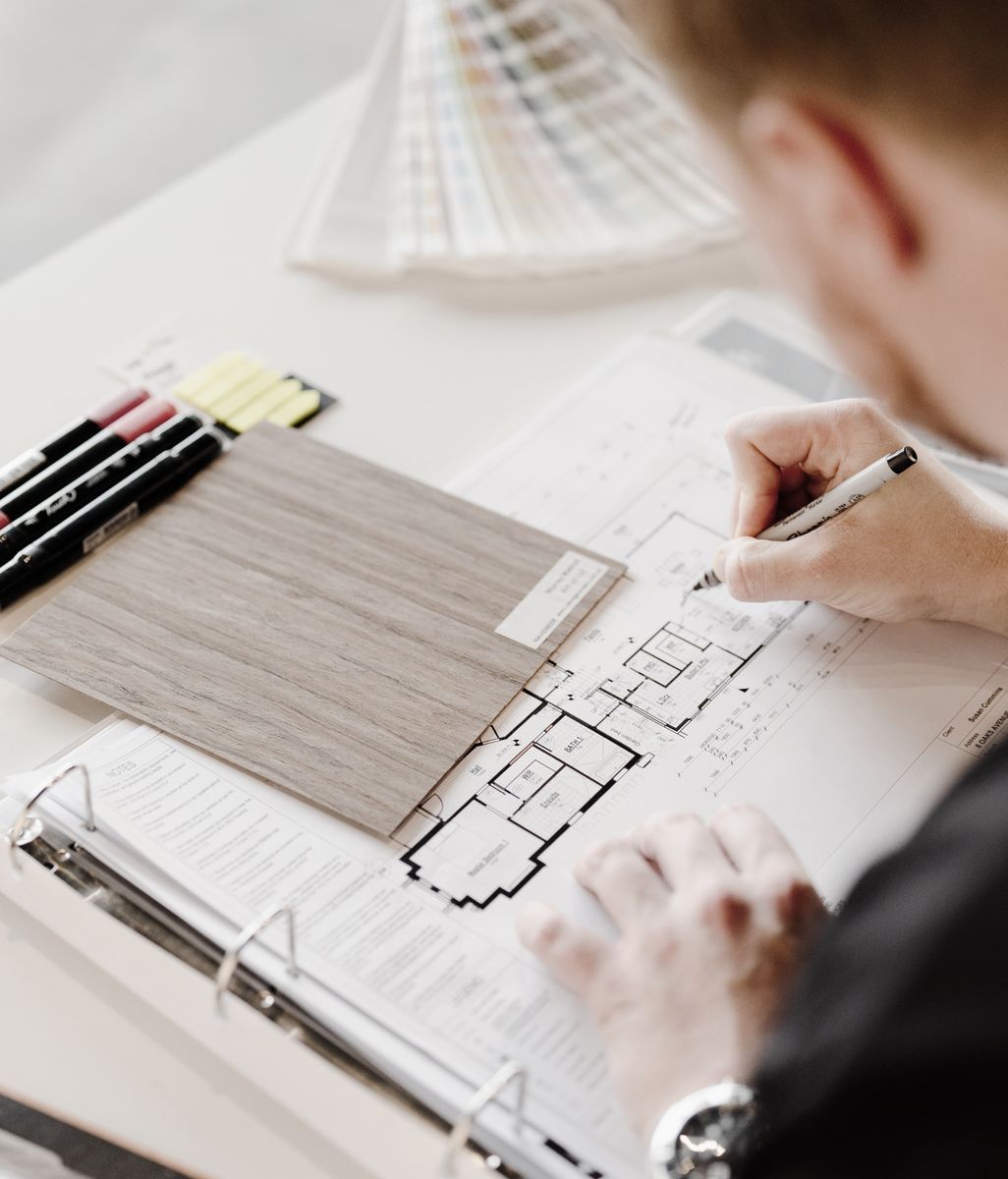
Most clients arrive with a sense of what they want, but not always a complete understanding of what the project requires. They might know how many bedrooms they need, or that they want a strong connection to the landscape, or that they want the house to feel calm, generous or private. But translating those desires into architecture takes interrogation. How do the occupants live each day? Where do they gather? Where do they retreat? What matters now, and what will matter in ten years?

For Daniel Marshall Architects, the brief is not simply taken at face value. It is drawn out, tested and shaped. The architect’s role is to understand not only what the client asks for, but what will make the home work over time.

Site is the second crucial layer. A steep section, a compact suburban site, a coastal outlook, a close neighbour or a difficult access point can all shape the way a house should be planned. These are not problems to be solved after the design is drawn. They are design drivers from the beginning.

On some sites, the house needs to open itself to landscape. On others, it needs to turn inward to create privacy and calm. Often, it needs to do both. A good architect understands how to read those competing conditions and use them to create a more intelligent response.

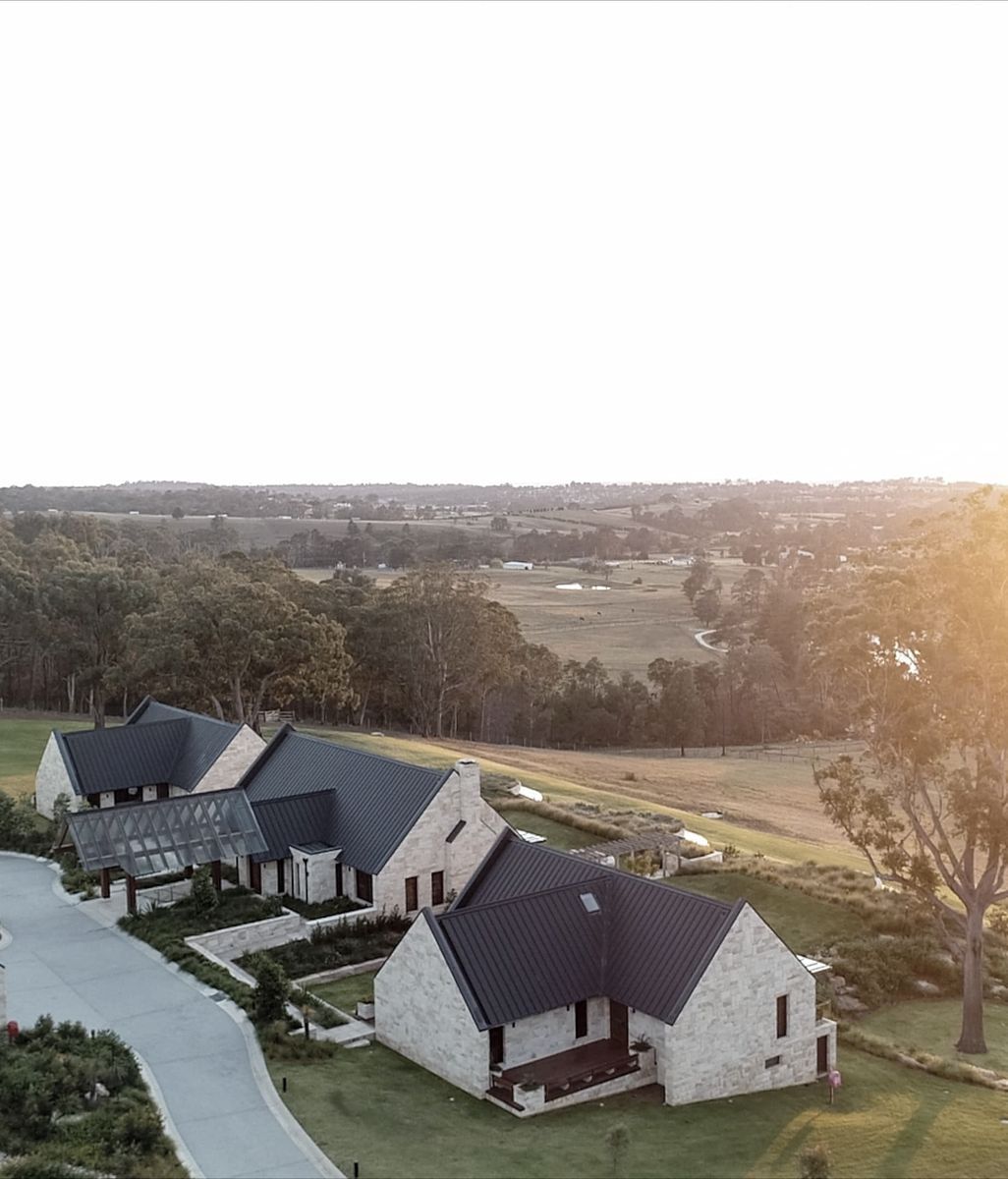
Budget is another area where early advice matters. Homeowners often think about budget as a number attached to the finished house, but in reality it affects almost every decision along the way. Scale, structure, materials, construction methodology, performance systems, detailing and programme. When the brief and budget are not aligned, the project can quickly become strained.

Marshall is clear that scale needs purpose. A larger house is not automatically a better house, and an ambitious home does not need to be excessive. What matters is whether the size of the house is matched to the way people actually live, and whether the budget supports the level of complexity being asked of the architecture.

This is where an architect’s experience becomes particularly valuable. They can help clients understand the relationship between ambition and cost before the project is too far down the line. They can also help protect the essence of the design when value management becomes necessary, distinguishing between what can be adjusted and what should not be compromised.

Increasingly, performance also needs to be part of the earliest conversations. Marshall points to a growing issue in residential design: homes are becoming more insulated and airtight, but without the right ventilation and environmental systems, they can create new problems. Warmth alone is not the same as comfort. A house also needs to manage air movement, moisture, condensation and overheating.

For homeowners, this is an important distinction. Building performance is not something to retrofit into a design at the end. It affects orientation, construction systems, glazing, insulation, ventilation and the overall comfort of the home. In more complex projects, specialist input from environmental engineers may be required to ensure the home performs as intended.

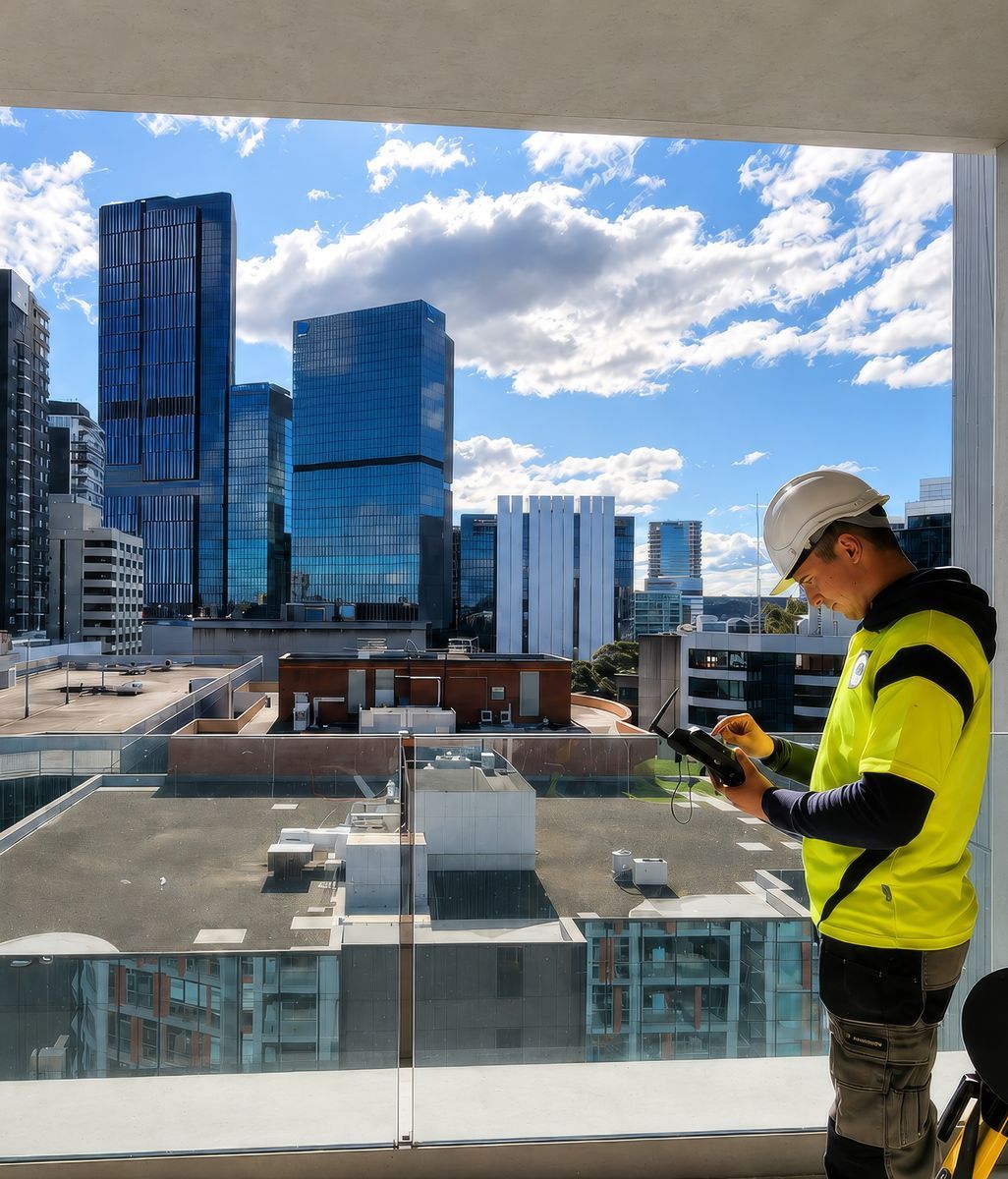
The construction phase is another reason to involve an architect throughout the process. A design does not become architecture until it is built, and the decisions made on site can have a significant impact on the final outcome. For Marshall, the building stage is one of the most rewarding parts of the work. The problem-solving, the collaboration, the constant refinement required to bring an idea into physical form.

When an architect remains involved during construction, they help keep the project aligned with the original intent. They can respond to site questions, work through unexpected conditions, coordinate with the wider team and help ensure practical decisions do not slowly erode the quality of the design.

Choosing the right architect, then, is not only about liking the look of their previous work, although Marshall believes that matters too. It is about choosing someone whose way of thinking aligns with the kind of home you want to create. A client who wants a classical house is unlikely to get the best result from an architect whose work is deeply contemporary. Likewise, a client seeking a highly resolved architectural home needs to be open to the process that creates one.

The relationship matters because building a home is rarely linear. It requires trust, clarity and a willingness to make decisions together. The best outcomes come when the client, architect and site are working in alignment, each informing the other.

For homeowners about to build, the advice is straightforward: bring the right professional in early, be honest about your budget, take the time to shape the brief properly, and understand the site before locking in the plan.

The more thinking that happens at the beginning, the fewer surprises there are later. And when surprises do appear, the right architect is there to help keep the project moving, not just towards completion, but towards a home that feels considered, resilient and genuinely resolved.

For those beginning the process of building or renovating, ArchiPro brings together the people, products and knowledge that shape better homes. Explore expert advice, discover leading New Zealand architects, and find the products that can help turn early ideas into a more considered build.