Timber ceiling lights
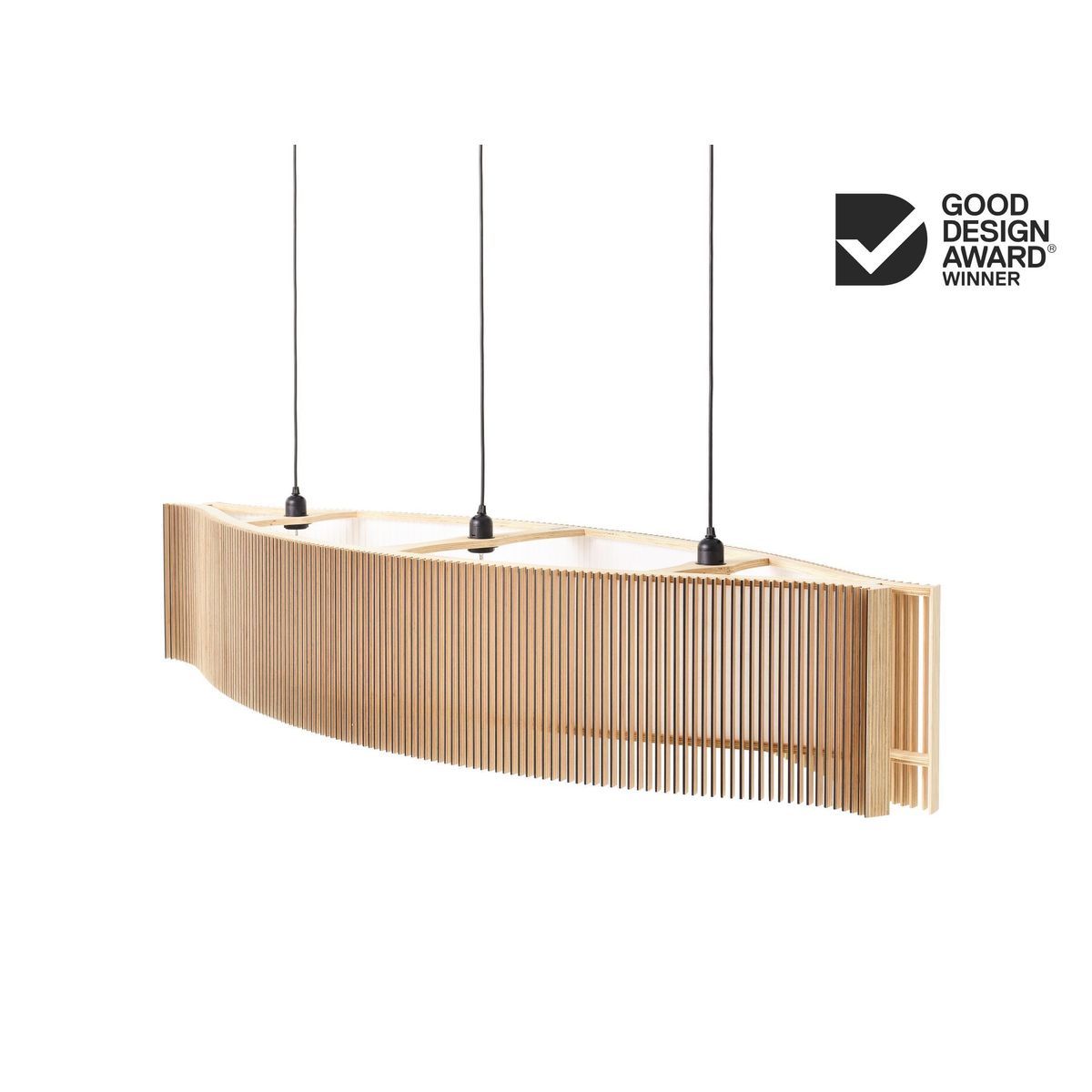
- Timber ceiling lights bring warmth, texture and a natural focal point to Australian homes and commercial interiors. Explore ceiling lights made from solid timber, veneer, timber-look finishes and mixed materials for kitchens, living rooms, bedrooms, hospitality spaces and offices. Compare pendant lights, flush mounts, chandeliers, downlights and linear lighting from trusted suppliers, with options for soft ambient light, task lighting and statement design. If you are also comparing a timber ceiling fan with light, consider the ceiling height, light output and control options before choosing.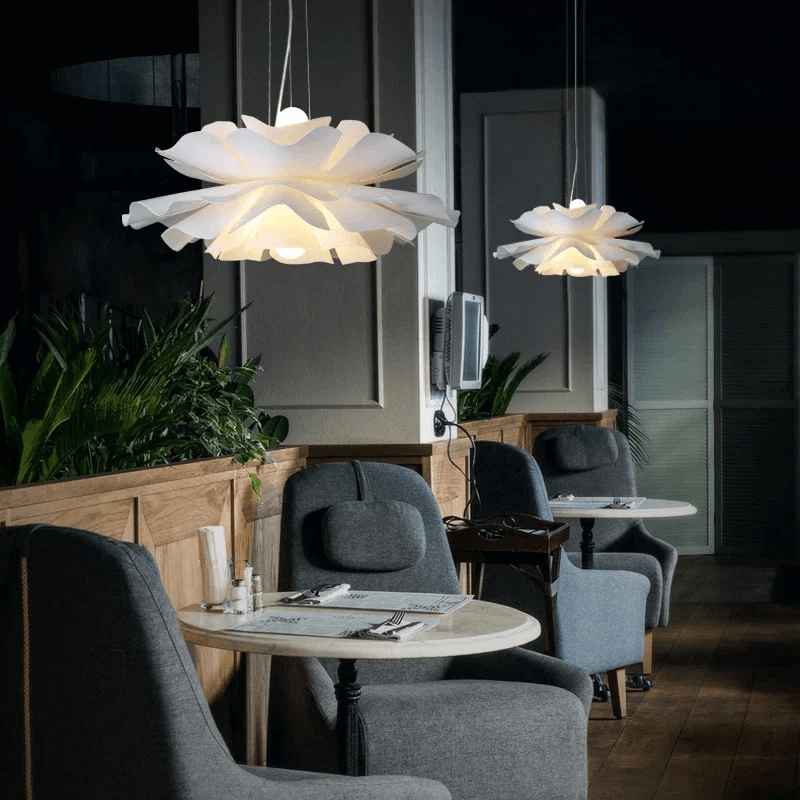
More to discover
Explore all product categories
- Building Supplies
- Car Parking Solutions
- Cladding & Facades
- Construction 4.0
- Construction Equipment and Supplies
- Electrical
- Insulation
- Interior Wall Lining
- Plumbing Supplies
- Prefabricated Buildings
- Roofing
- Structural & Framing
- Stairs, Lifts & Access
- Windows & Doors
- Security & Access
- Water Management & Filtration
Timber ceiling lights suit interiors where the lighting needs to feel warm, considered and connected to the architecture. The material can soften a clean white ceiling, add contrast to concrete or brick, or tie in with timber flooring, cabinetry and furniture. On ArchiPro, you can compare timber ceiling lights as part of a wider lighting plan, from a single pendant over a dining table to a coordinated set of ceiling lights across a whole project.
Choosing timber ceiling lights in Australia
Start with the room and the role of the light. A decorative timber shade may be perfect above a kitchen island, while a lower-profile timber ceiling light can work better in a hallway or bedroom. In open-plan homes, timber is useful because it adds visual warmth without needing a heavy fitting. For commercial spaces, timber lights can help create a more relaxed atmosphere in reception areas, restaurants, wellness spaces and boutique accommodation.
Timber material and finish
Not all timber ceiling lights are made the same way. Some use solid timber, while others use veneer, plywood, engineered timber or a timber-look finish over metal or polymer. Each has a different price point, weight and maintenance profile. Solid timber has natural variation, which many buyers want. Veneer and plywood can allow finer forms, curved shades and lighter fittings. Timber-look ceiling lights can be useful where moisture, budget or weight is a concern.
Check the finish before you buy. A clear finish will keep the grain visible. A stained finish can match floors or joinery. Blackened, smoked or whitewashed timber gives a more architectural look. For bathrooms, laundries, covered outdoor areas and coastal homes, ask the supplier whether the fitting is suitable for that location and whether the timber has the right protection for humidity.
Match the light type to the space
The best timber ceiling light is not only about the shade. It also needs the right spread, colour temperature and installation height. Warm white light is often used in living areas and bedrooms. Neutral white may suit kitchens, studies and work areas. Dimmable fittings give more control, especially in dining rooms and open-plan spaces.
- Pendant lights work well over dining tables, kitchen islands, bedside zones and stair voids.
- Downlights can provide discreet general lighting, with timber accents used elsewhere for character.
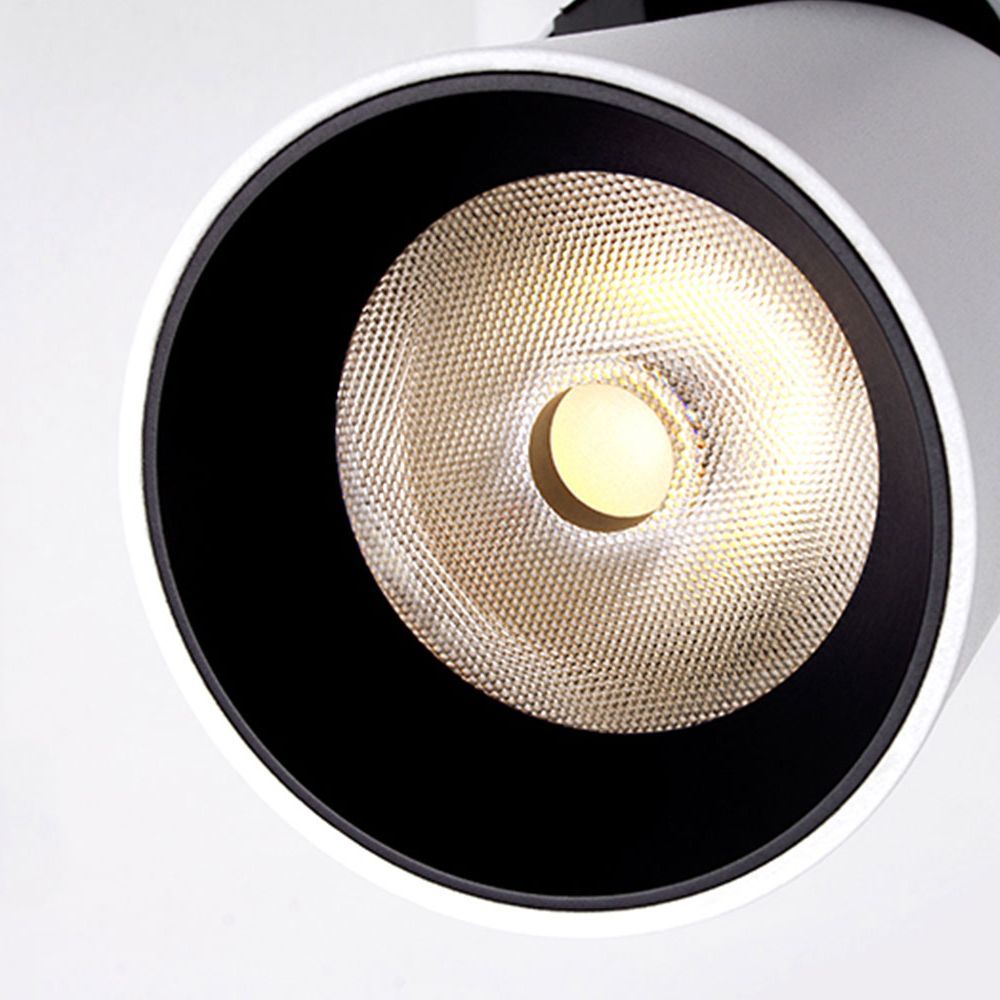
- Track lights suit galleries, retail spaces and flexible rooms where lighting direction may change.
- Spotlights can highlight artwork, shelving, stone, joinery or textured wall finishes.
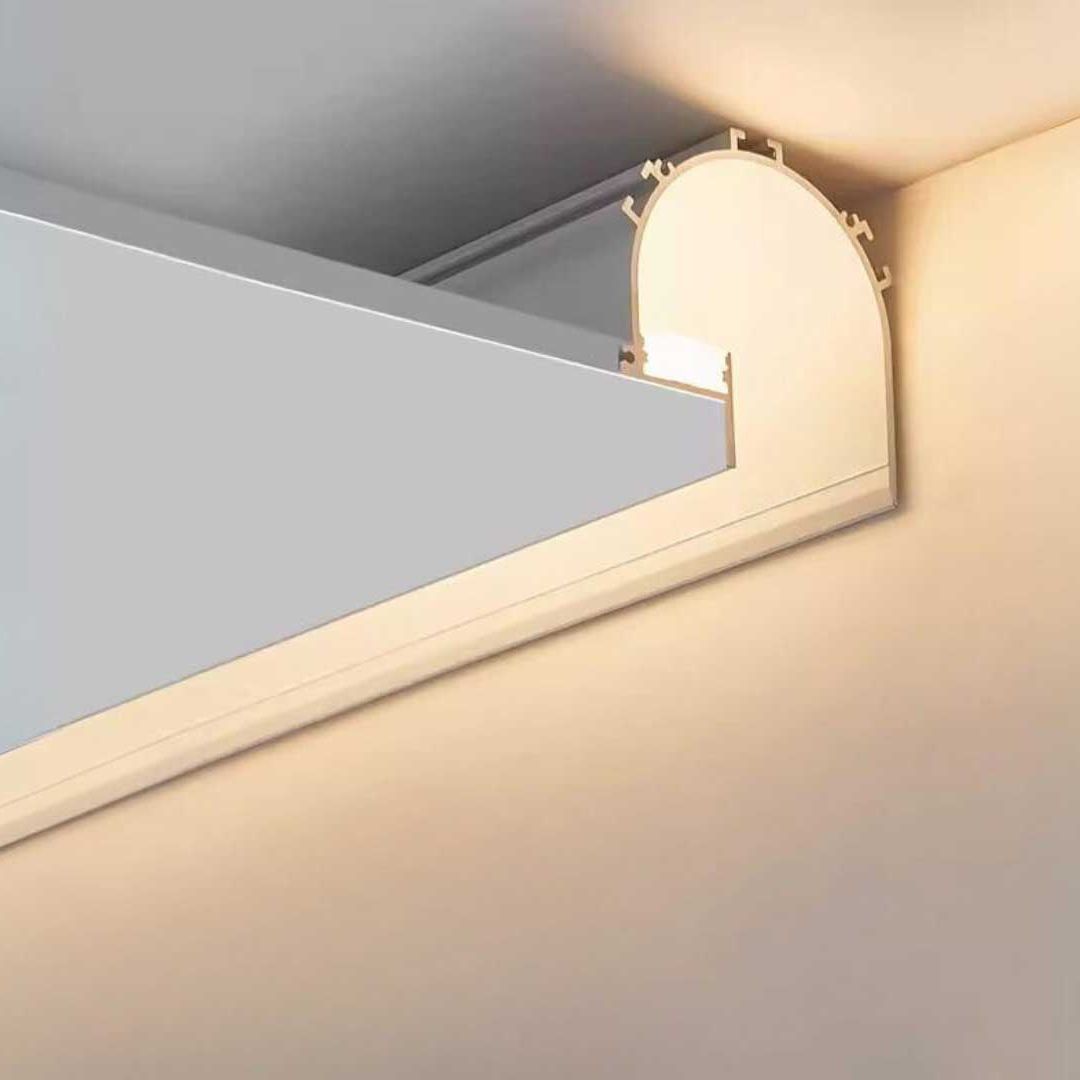
- Linear lighting is useful above benches, boardroom tables and long circulation spaces.
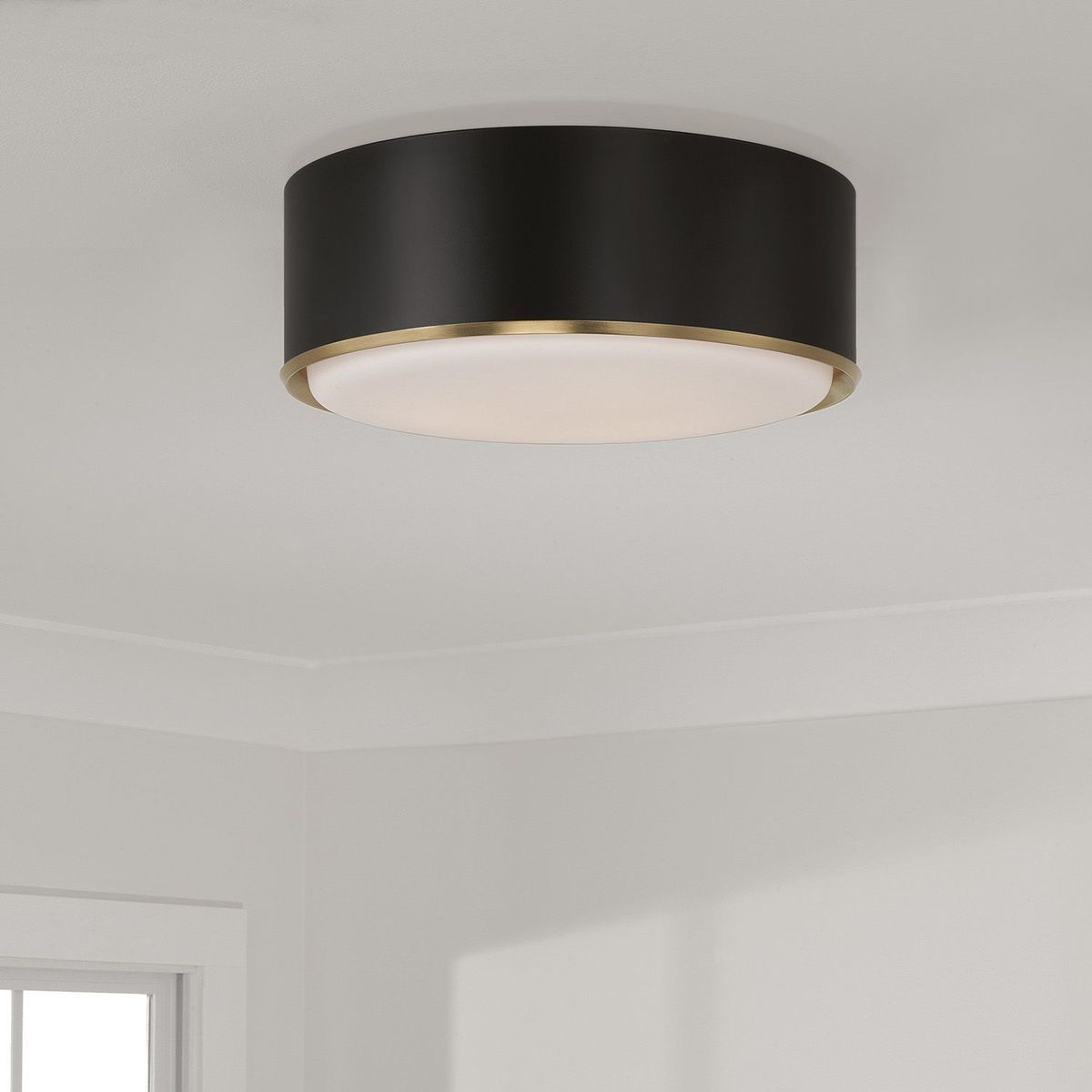
- Flush mount lights are a practical choice for lower ceilings, hallways and bedrooms.
- Trunking light systems suit commercial and architectural projects that need adaptable runs of light.
- High bay lights are made for warehouses, workshops and high commercial ceilings.
- Chandeliers bring timber into larger rooms, entries and hospitality spaces where the fitting is a focal point.
Ceiling height, scale and placement
Scale matters. A small timber ceiling light can look lost in a large open-plan room, while an oversized pendant can crowd a low ceiling. Measure the ceiling height, table width, island length and walking paths before choosing. For a long island, several smaller timber pendants may give better balance than one large shade. For a stair void or double-height entry, a longer drop or clustered pendant can make better use of the vertical space.
If you are researching a timber ceiling fan with light, check blade sweep, motor quality, remote control options and whether the light has enough output for the room. Search terms such as timber ceiling fan with light and remote, timber look ceiling fan with light and timber ceiling fan with light Australia usually point to buyers who want air movement and lighting in one fitting. That can be a smart choice for bedrooms and living rooms, but it will not replace a layered lighting plan in every space.
Installation and compliance
Ceiling lights should be installed by a licensed electrician in Australia. Before ordering, confirm the fitting weight, ceiling support requirements, driver location, dimmer compatibility and globe type. For LED ceiling lights, check whether the LED is integrated or replaceable. Integrated LEDs can look cleaner, but the supplier should explain the expected lifespan and replacement options.
For timber shades, also consider heat. LED lamps are usually preferred because they run cooler and use less energy than older lamp types. If the light sits close to the ceiling, make sure there is enough ventilation around the fitting and that the manufacturer permits the globe or LED module you plan to use.
What to compare before buying
- Material: solid timber, veneer, plywood, engineered timber or timber-look finish.
- Light output: lumens, beam angle and whether the fitting is for task or ambient light.
- Colour temperature: warm white for relaxed spaces, neutral white for work zones.
- Controls: dimming, smart control, wall switch, remote or fan-light combination.
- Location rating: suitability for kitchens, bathrooms, covered outdoor areas or commercial use.
- Supplier support: warranty, lead times, installation notes and spare parts.
Timber ceiling lights work best when they are chosen with the whole room in mind. Compare the material, scale, light quality and installation details before you decide, then speak with suppliers about the right option for your project.