5 architect tricks for making the most of outdoor living, year-round

Written by
17 December 2025

 • 

4 min read

banner
From disappearing walls to climate-responsive design, architect Wayne Greenland reveals how to create outdoor spaces you can live in all year.
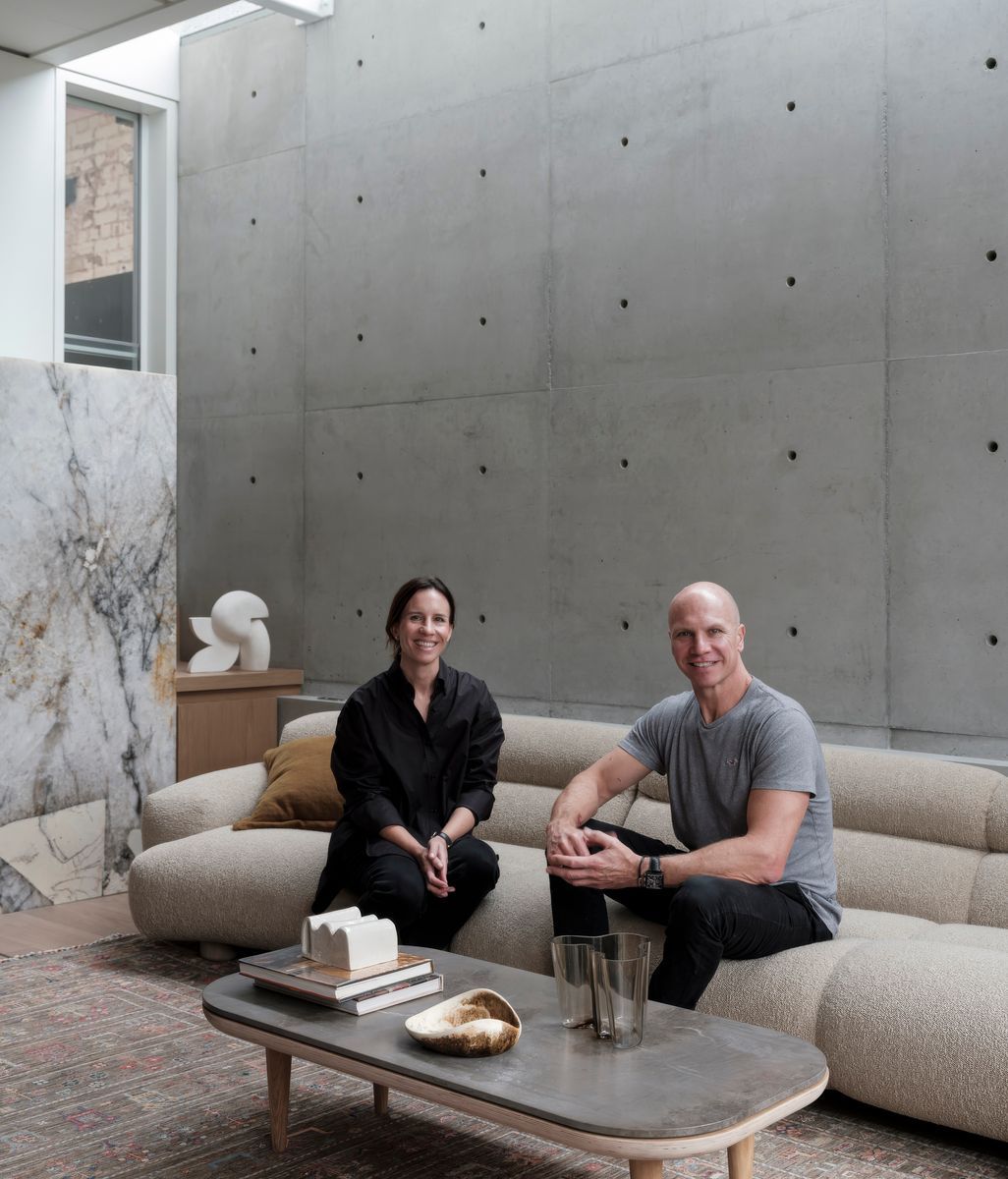
Habitat Studio Architects principal architect Wayne Greenland.

For Habitat Studio Architects principal Wayne Greenland, designing for outdoor living isn’t just a stylistic choice, it’s fundamental to how people feel and function in their homes. 

“Having a connection to the outdoors throughout the year is just a really healthy way to live,” he shares. “And being able to inhabit outdoor spaces year-round can really support your wellbeing.”

With a practice based in Queensland, where benign temperatures and blue-sky days make open-air living accessible most of the year, Greenland has refined a suite of strategies that dissolve the threshold between inside and out. 

But while his local climate means indoor-outdoor living is inevitable, there are some design moves he returns to again and again, regardless of the location of the home. Here are his top five design tricks for maintaining a connection with the outdoors. 

When you can't see the doors, it gives a feeling of blurring thresholds.

1. Disappear the wall


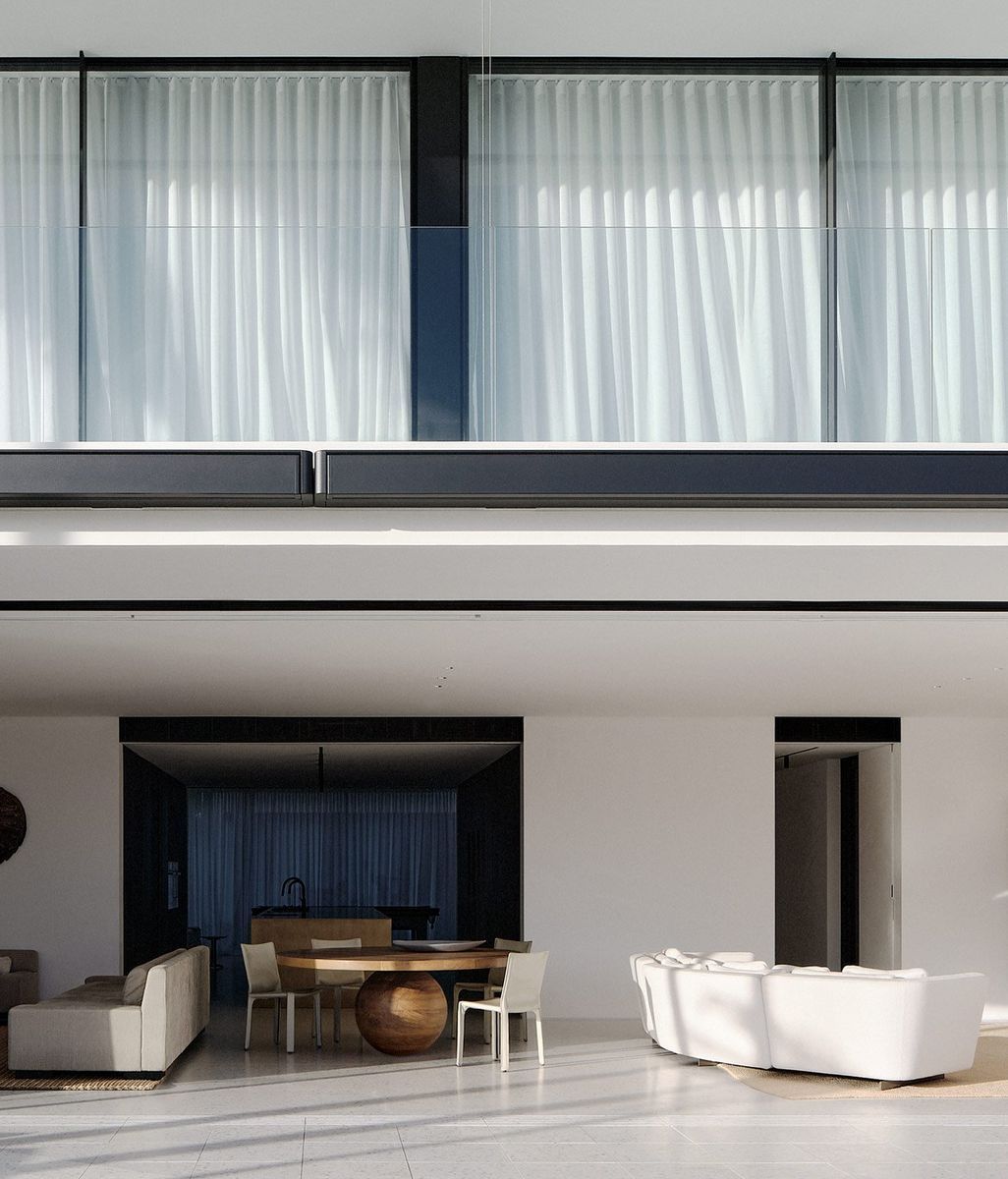
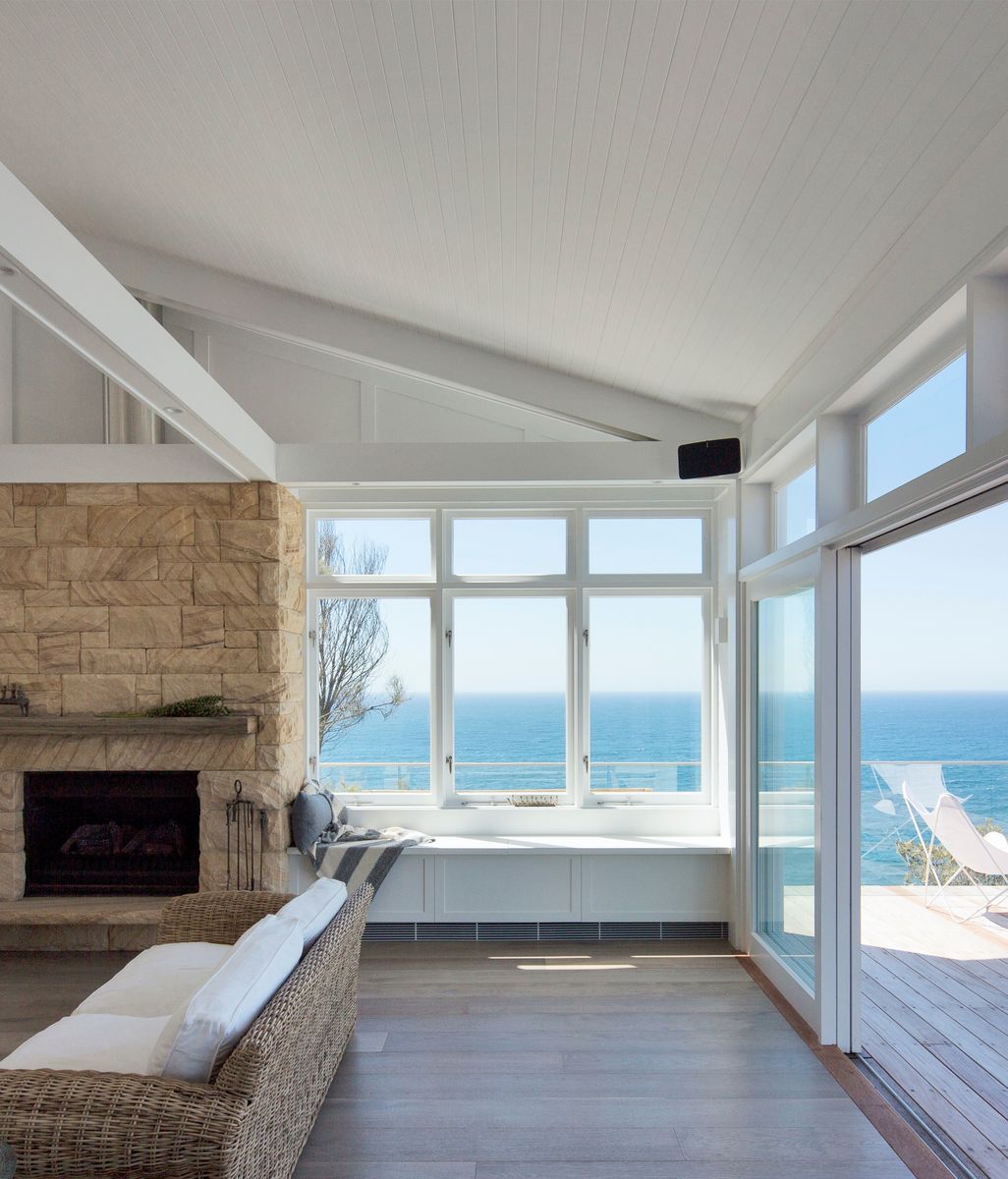
The most transformative gesture in any indoor–outdoor scheme is removing the physical barrier between the two zones. Greenland says that while many homes rely on standard sliders, real fluidity comes from systems that erase the threshold entirely.

One simple tactic is rethinking how sliding doors stack. Instead of letting fixed glass panels remain visible, his team designs deep wall cavities that swallow the entire door assembly. 

“This means when the doors are open, there’s literally nothing there at all,” he explains.

The result is a living space that reads as one continuous environment: no visible break, no intuitive cue that tells you you’ve stepped from ‘inside’ to ‘outside’.


2. Seamless integration of materials


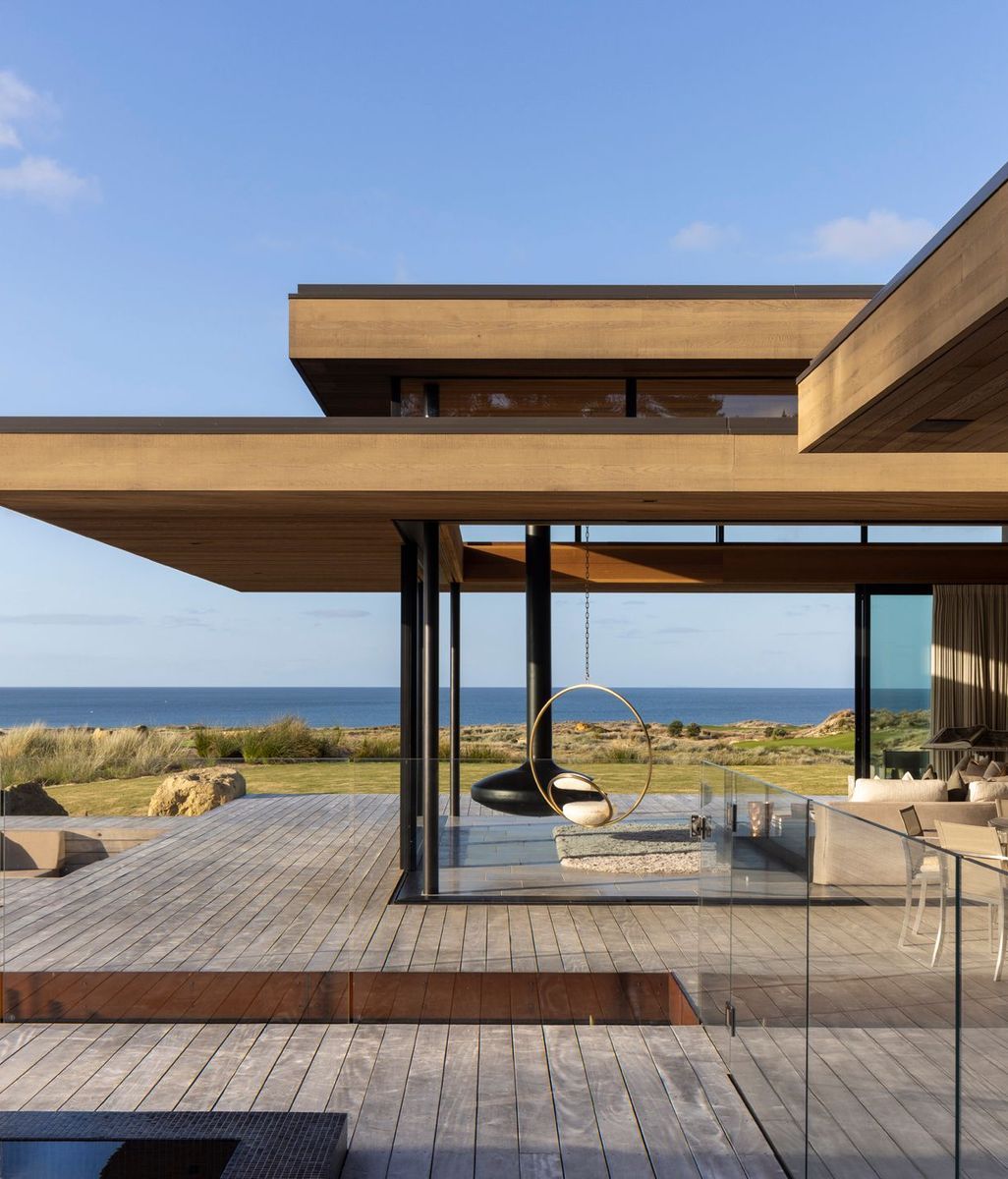
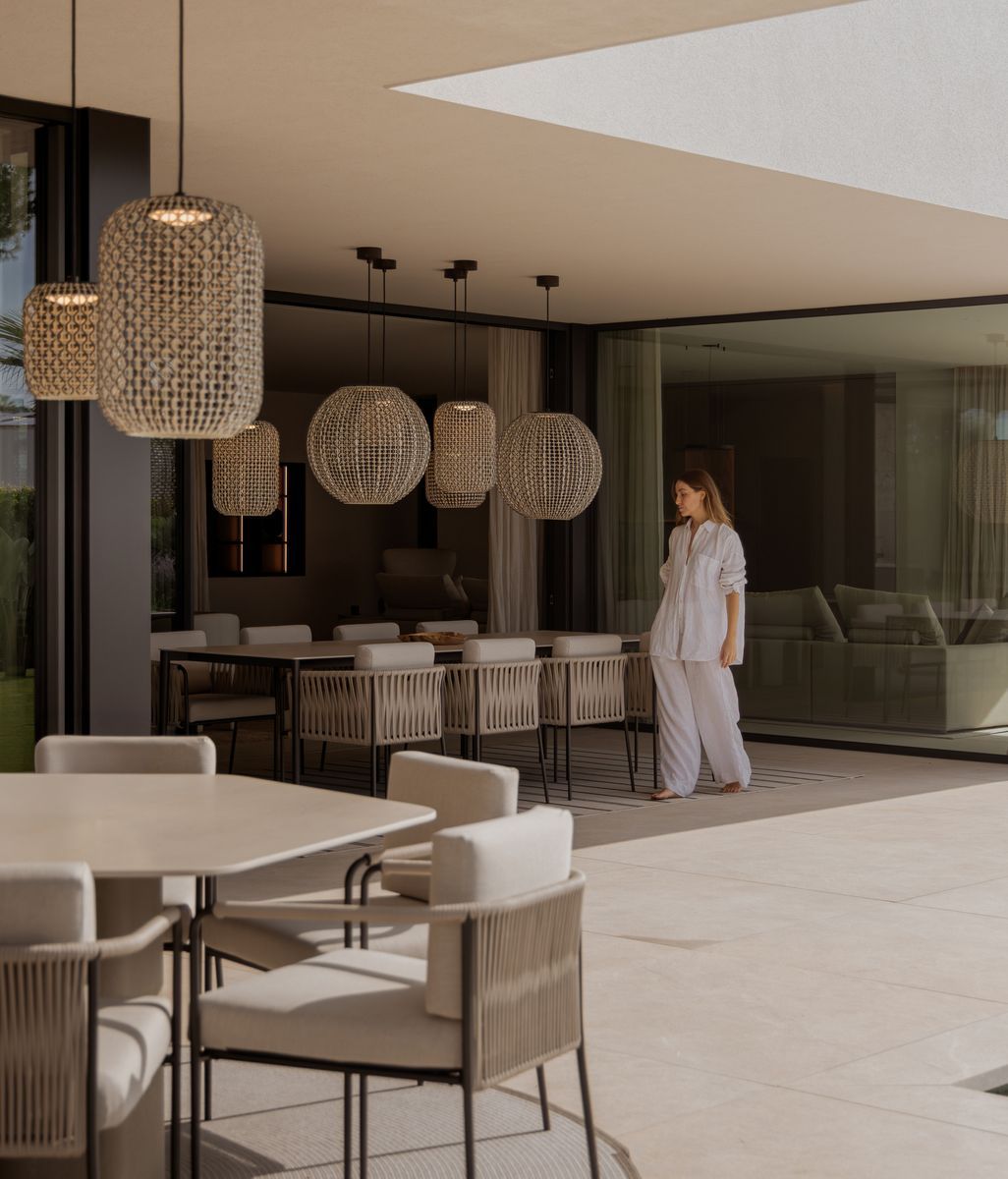
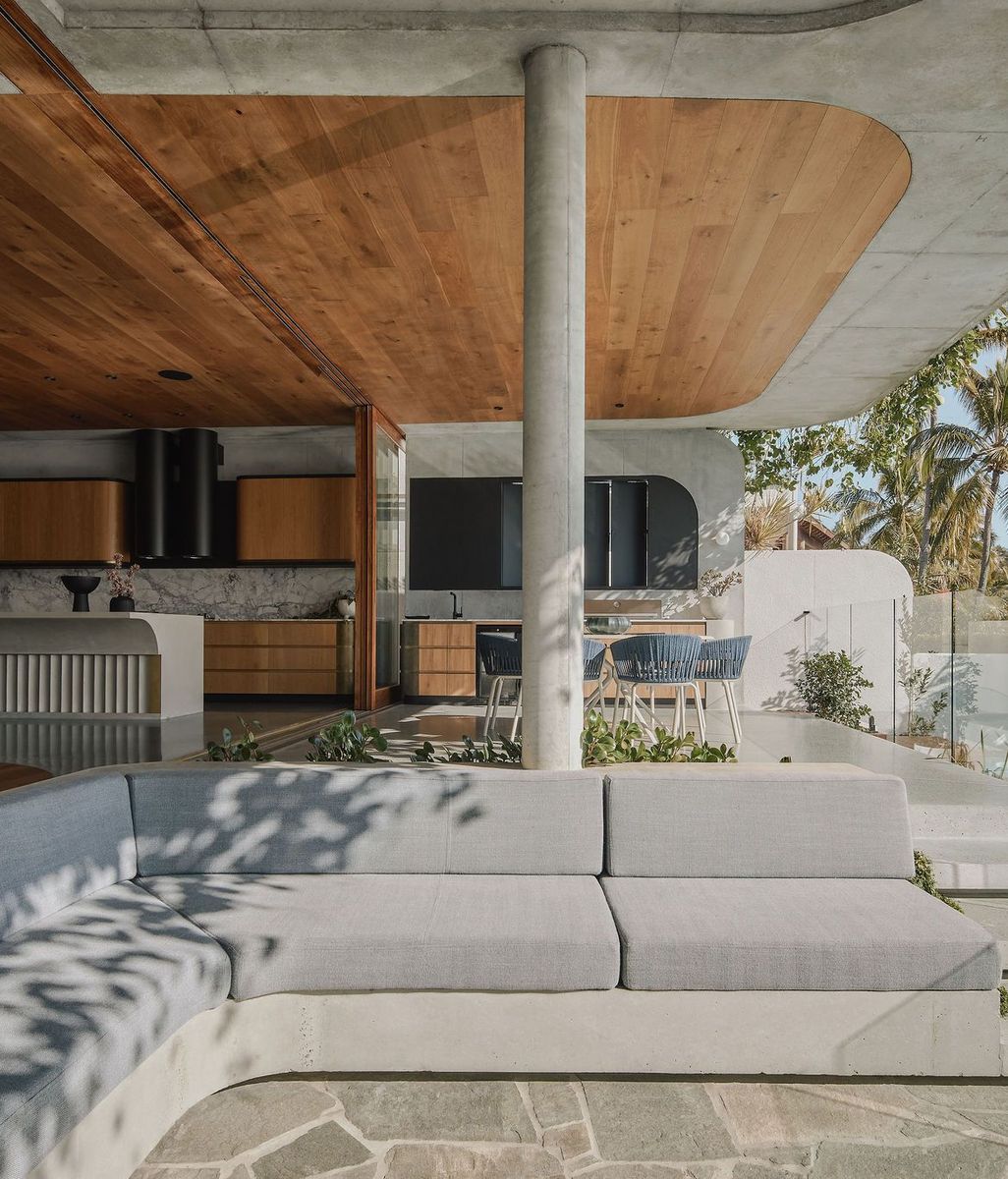
Even when the walls open up, materials do a lot of the psychological heavy lifting. Continuity underfoot, on the walls and overhead helps the mind read multiple zones as a single, shared space.

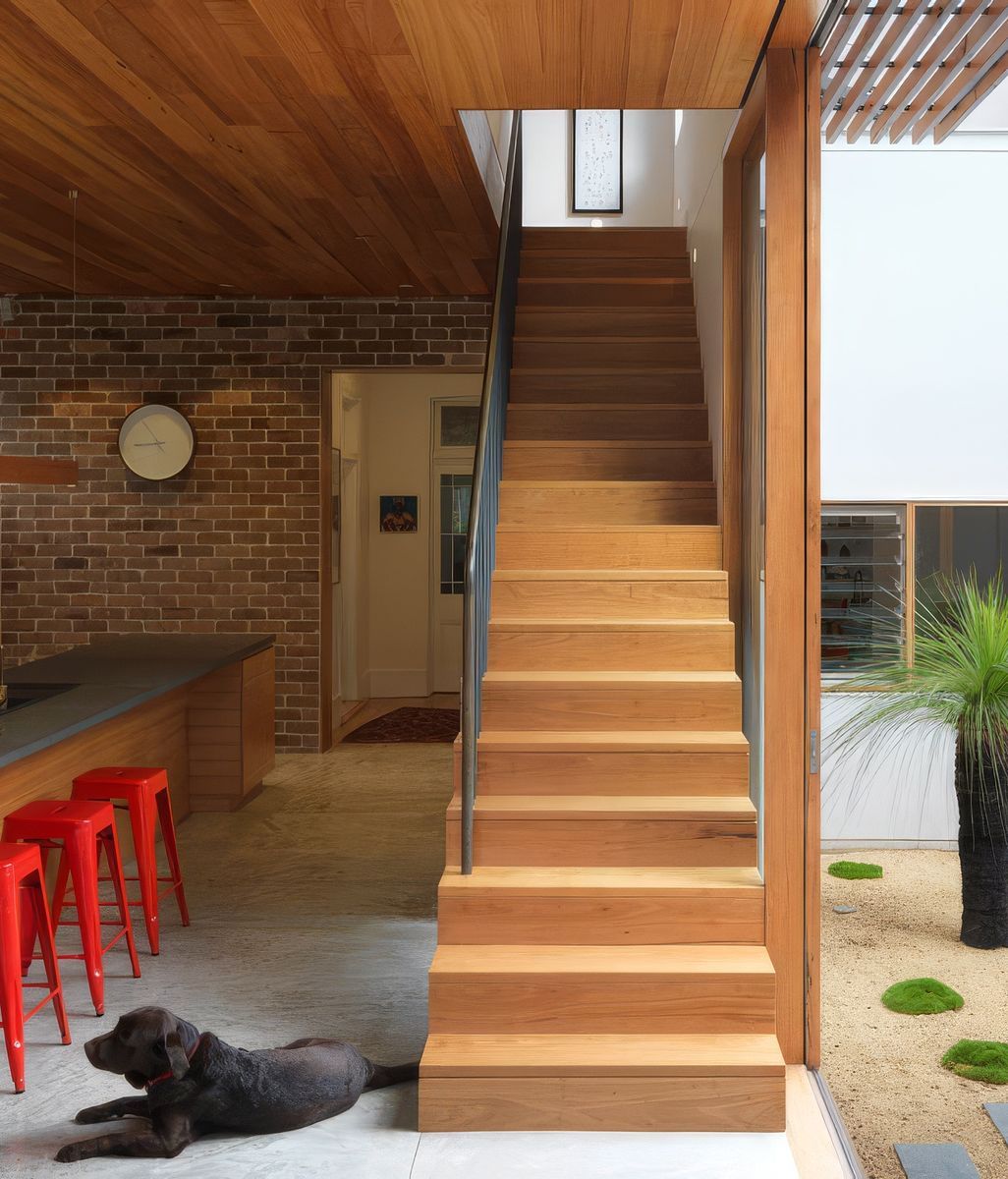
Greenland frequently extends flooring materials such as stone, tiles or concrete, from the exterior straight into the living areas. The same goes for ceilings and claddings. Timber soffits, concrete walls, or textured surfaces often wrap from outside to inside without interruption.

“It just gets rid of all those barriers that you would normally pick up on just intuitively that make you immediately feel like you’re stepping outside.”

Erase the visual cues and the space feels bigger, calmer and more connected.

Using a seamless colour palette from indoors to outdoors blurs the line between inside and out.

3. Design for the climate you’re actually in


Outdoor living isn’t one-size-fits-all because it’s always tied to climate. What works in Queensland won’t function the same way in Melbourne or Sydney.

“We design completely differently for those climates than what we do here,” Greenland says. In warm, humid areas, shade, airflow and protection from summer heat and rains dominate the brief. In cooler climates, the priority flips to bringing in shelter, warmth and light. 

The goal is always the same: to create inviting outdoor spaces. But the design moves change with the temperature.


4. Make outdoor rooms functional in every season


A great outdoor living zone works on still summer evenings, drizzly winter afternoons and everything in between. Operable elements such as retractable insect screens and louvres ensure the space can be used, regardless of the conditions. 

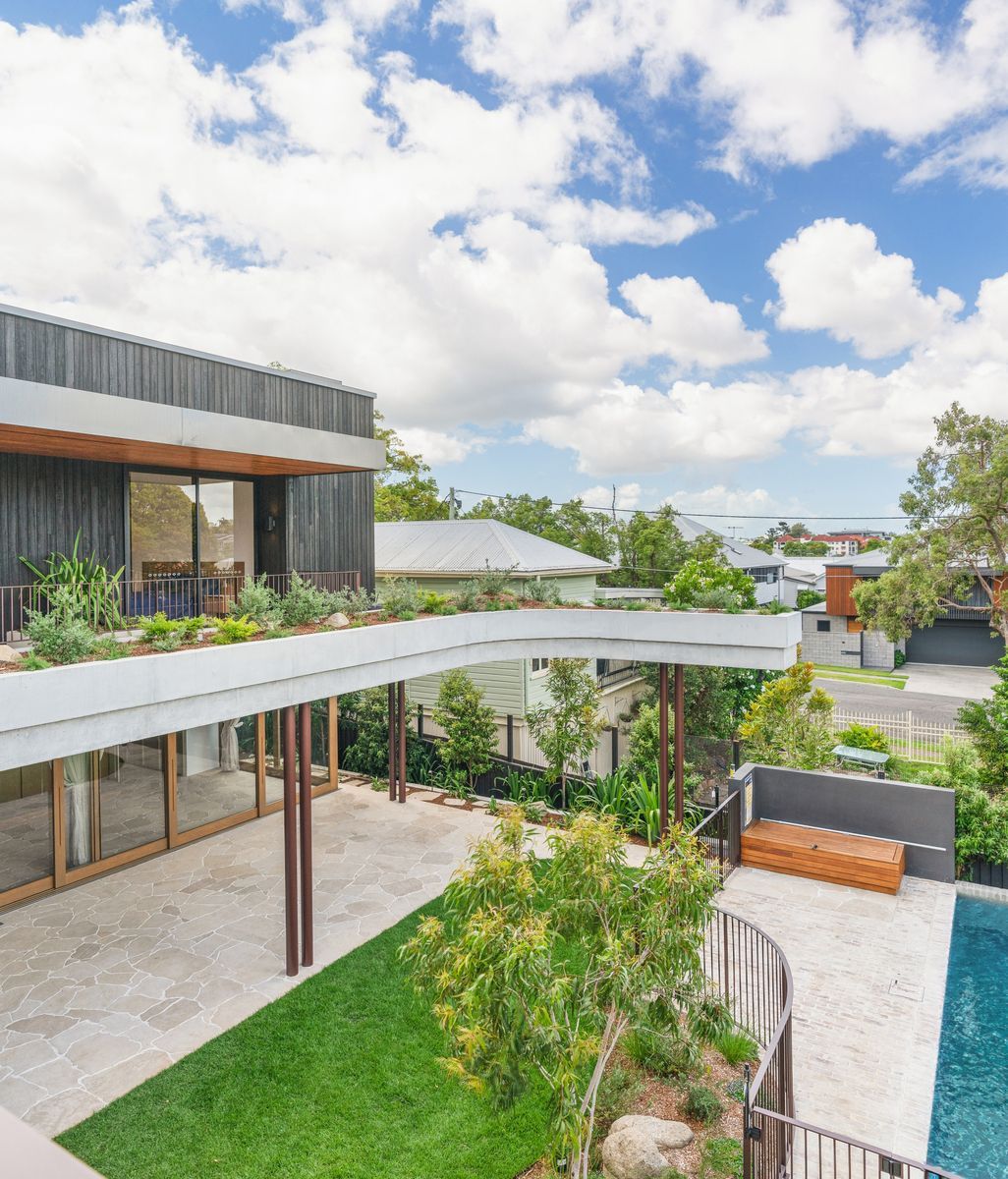
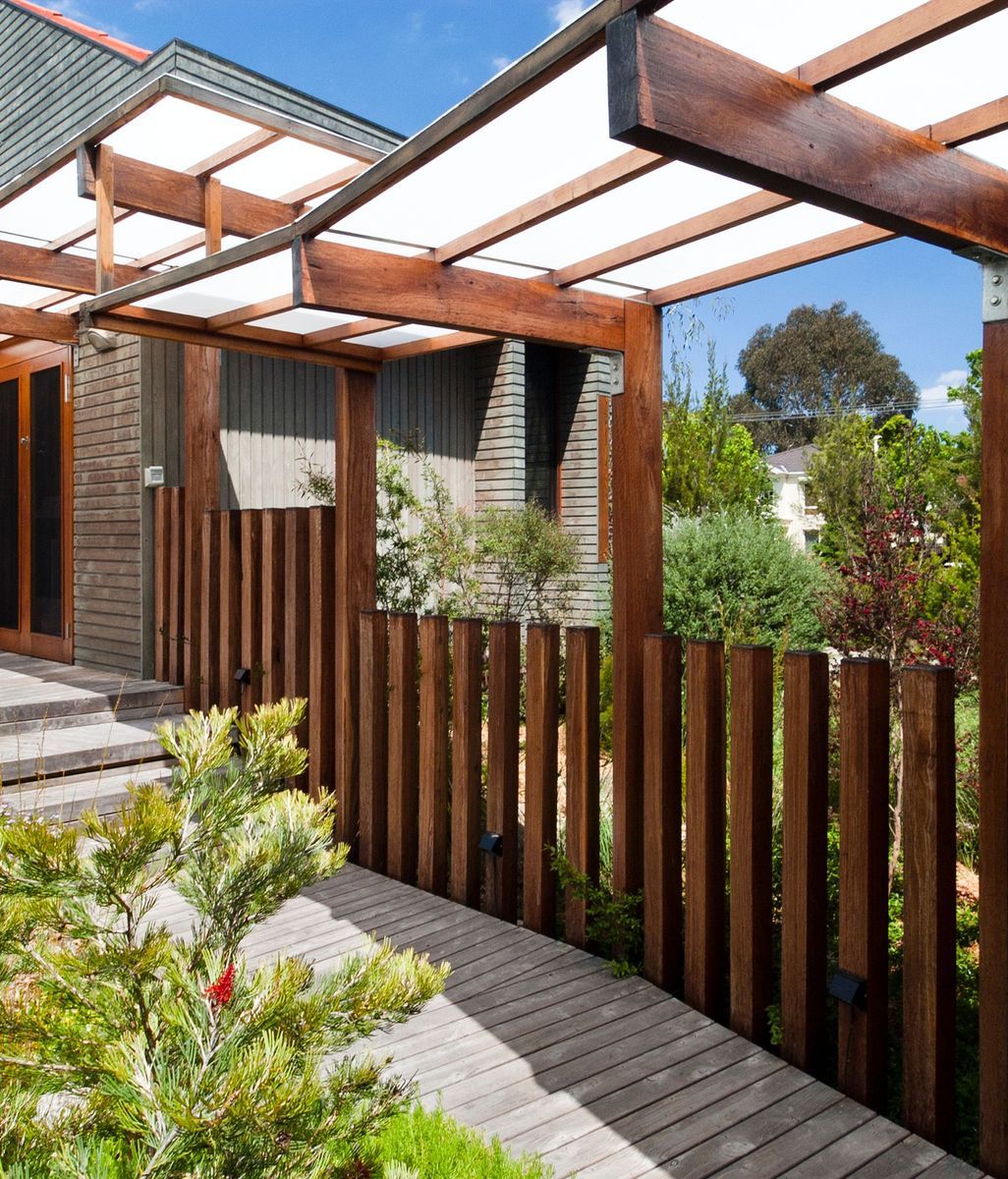
Habitat Studio’s Vespa House is a prime example. “We used operable louvres in the roof pergola system in the outdoor area, so in wintertime, when you want to get a little bit of sun into the outdoor living area, you can crack them open, but then when you get rain or weather you can shut them down,” he explains.

And with fully retractable insect screens concealed within the walls, the spaces can be thrown wide open or sealed off without disrupting the architecture.

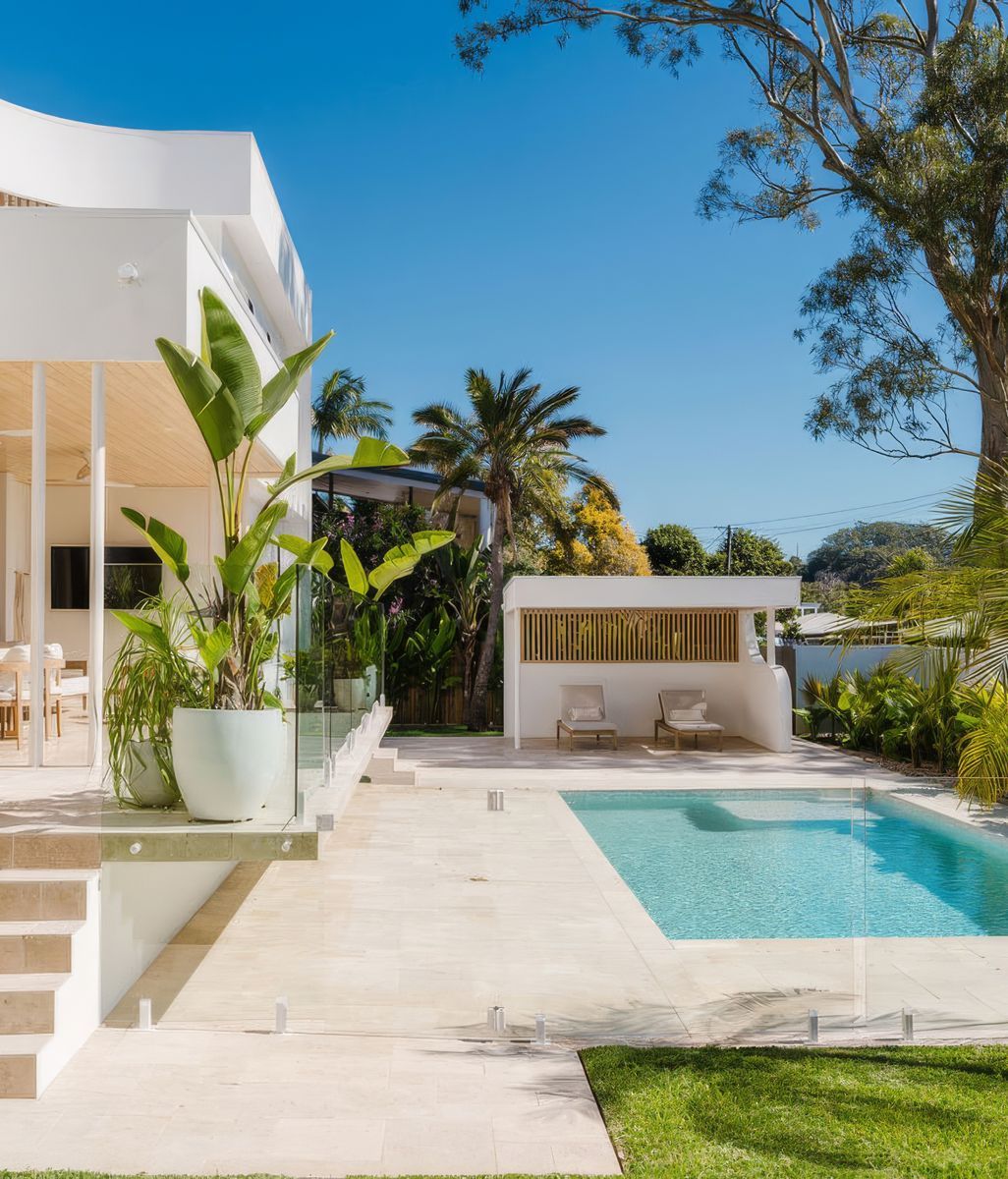
Vespa House: The seamless flow of materials from indoors to out connects the homes internal and external spaces.

5. Treat landscape design as architecture


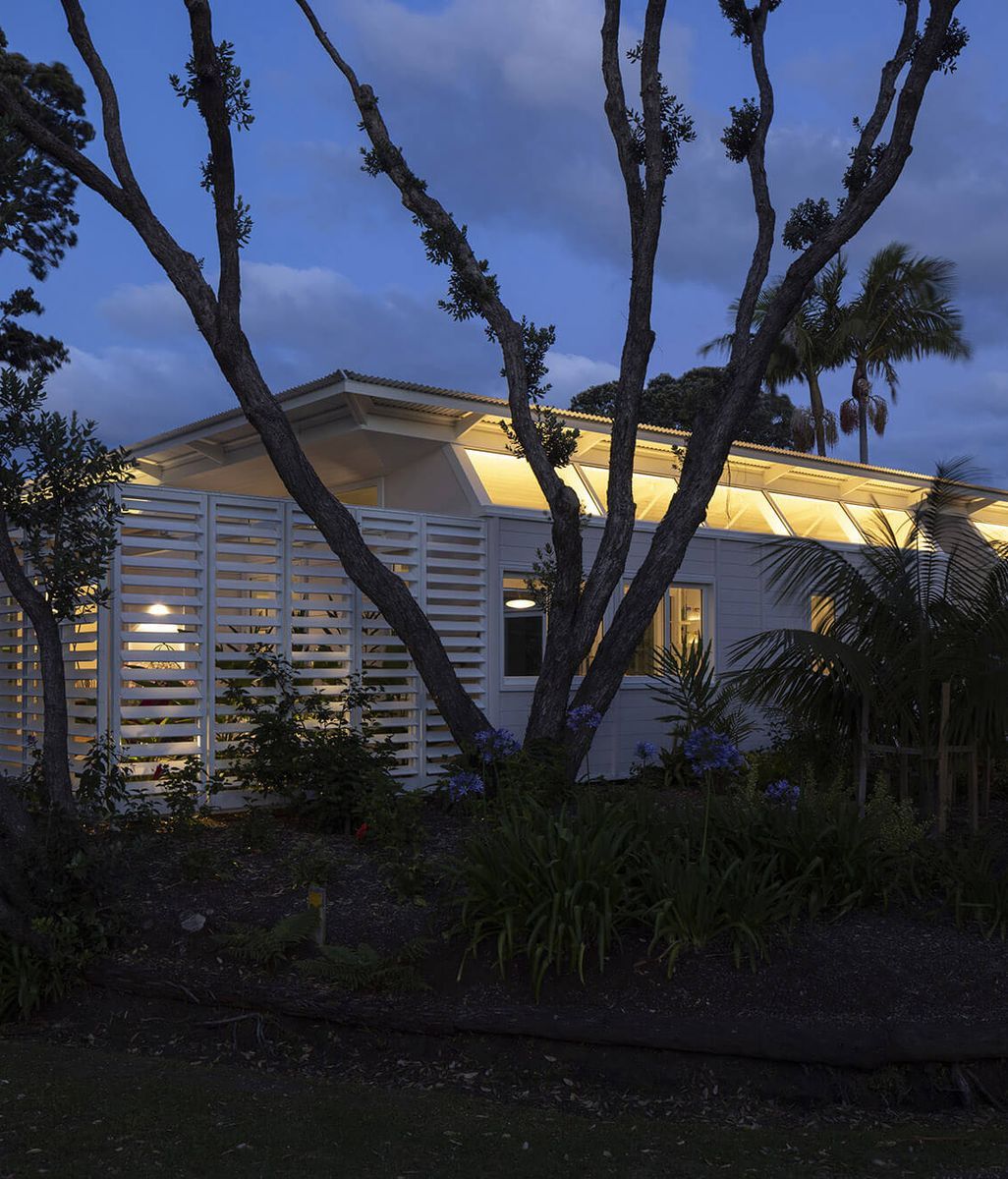
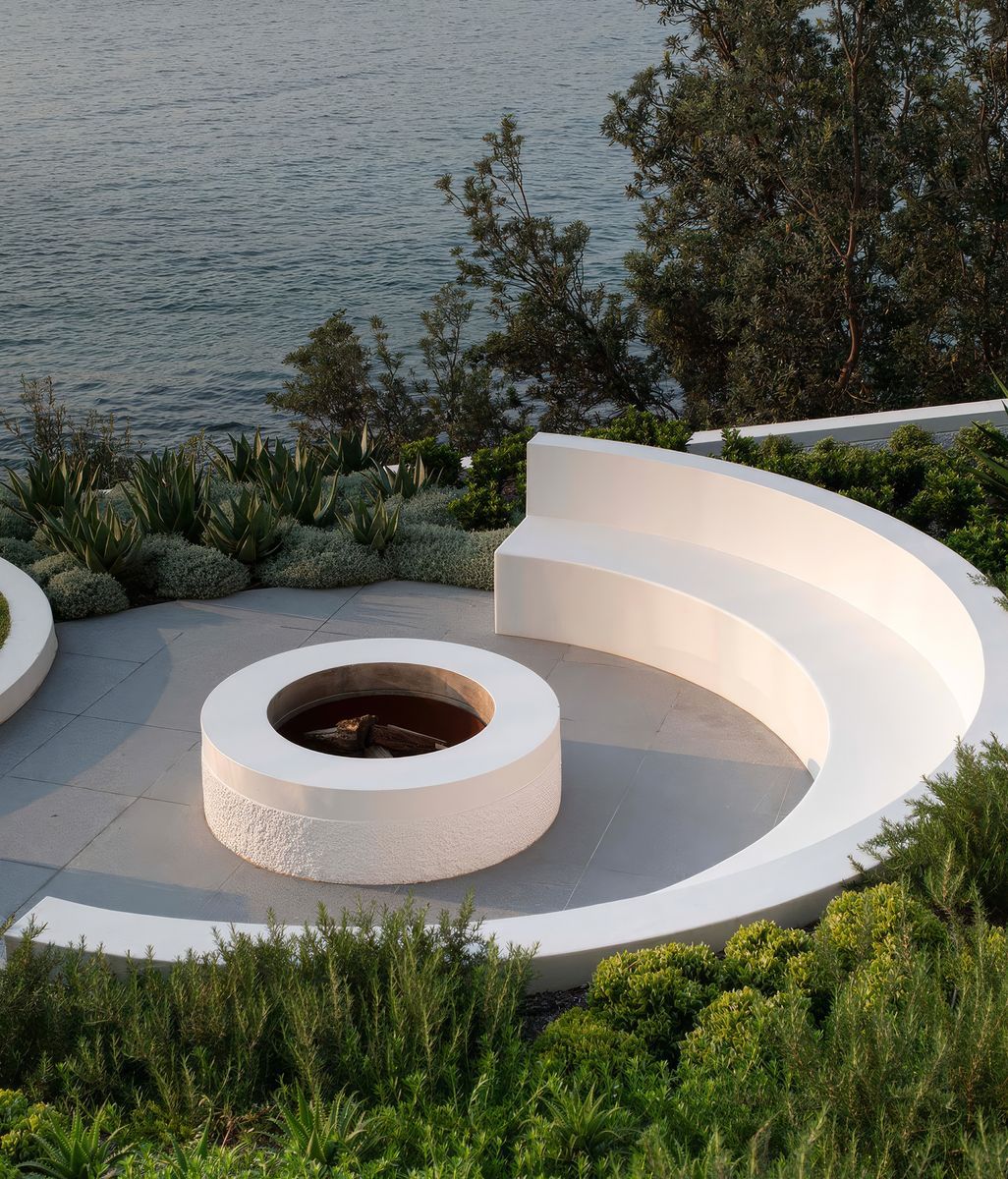
Finally, landscape is never an afterthought. From concept phase onward, planting, pathways and outdoor ‘rooms’ are integral to the spatial story.

The Habitat Studio team sketches landscape concepts even in early floor plans. Elements such as green corridors, framed garden views, and sheltered pockets of planting are all considered at the outset. Greenland suggests getting advice from landscape architects or designers to refine species selection, shade performance and character before starting on the garden.

“Whether you choose lush subtropical planting, native schemes or sculptural desert palettes, the landscape becomes the connective element that makes inside-outside living feel complete.”