A Designer’s Guide to Specifying Skirting Boards and Architraves

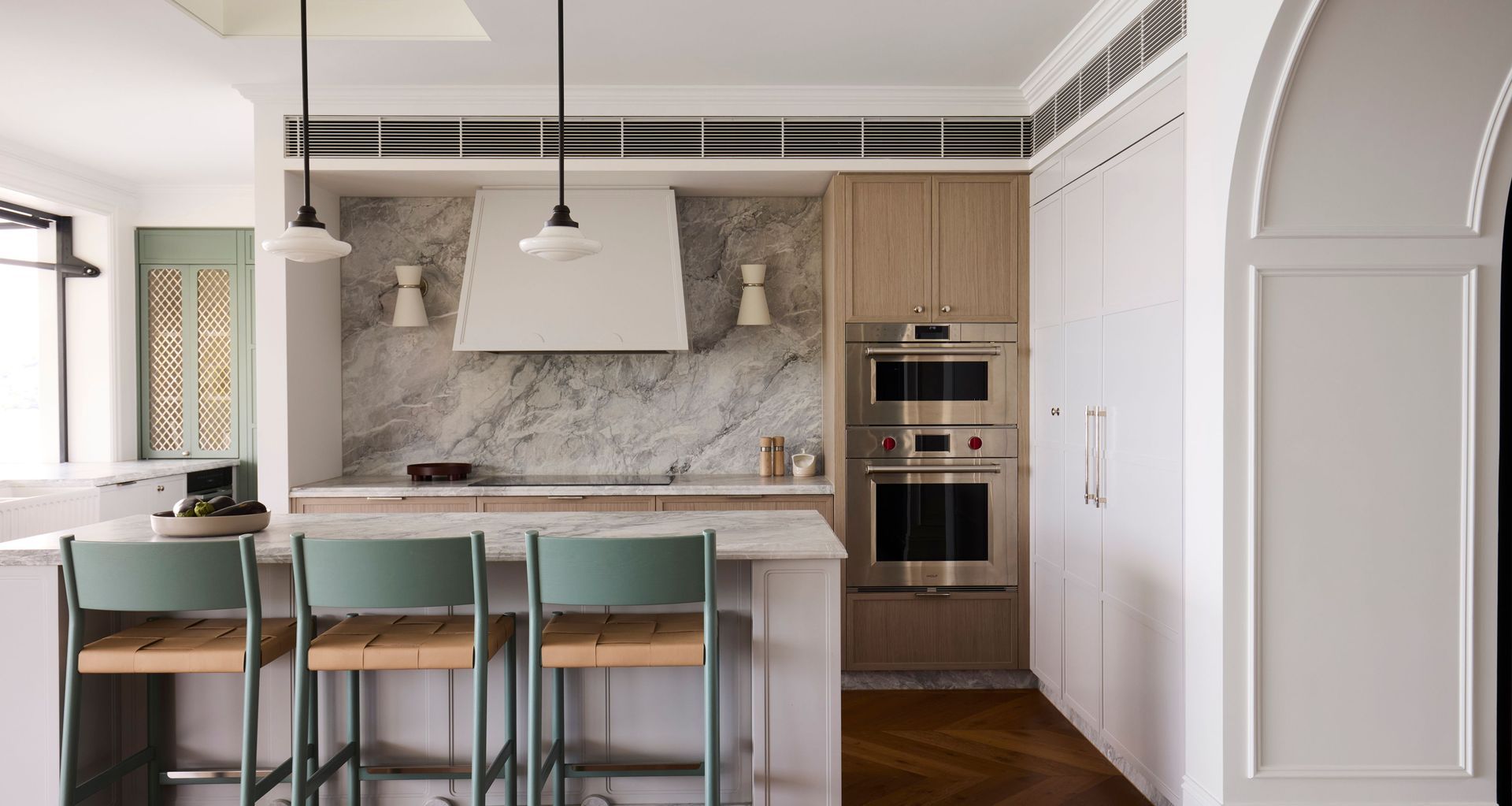
Why These Profiles Matter in Design Framework
Skirting Boards
Skirting visually grounds a room and protects the lower wall. They help establish the base proportion and can be used to subtly enhance scale, anchor strong colour palettes, or reinforce period styles.
Architraves
Architraves define openings and transitions. Their profile, width, and thickness play a major role in how doorways and windows work within an interior. Together they form the linework that underpins the entire interior design scheme.
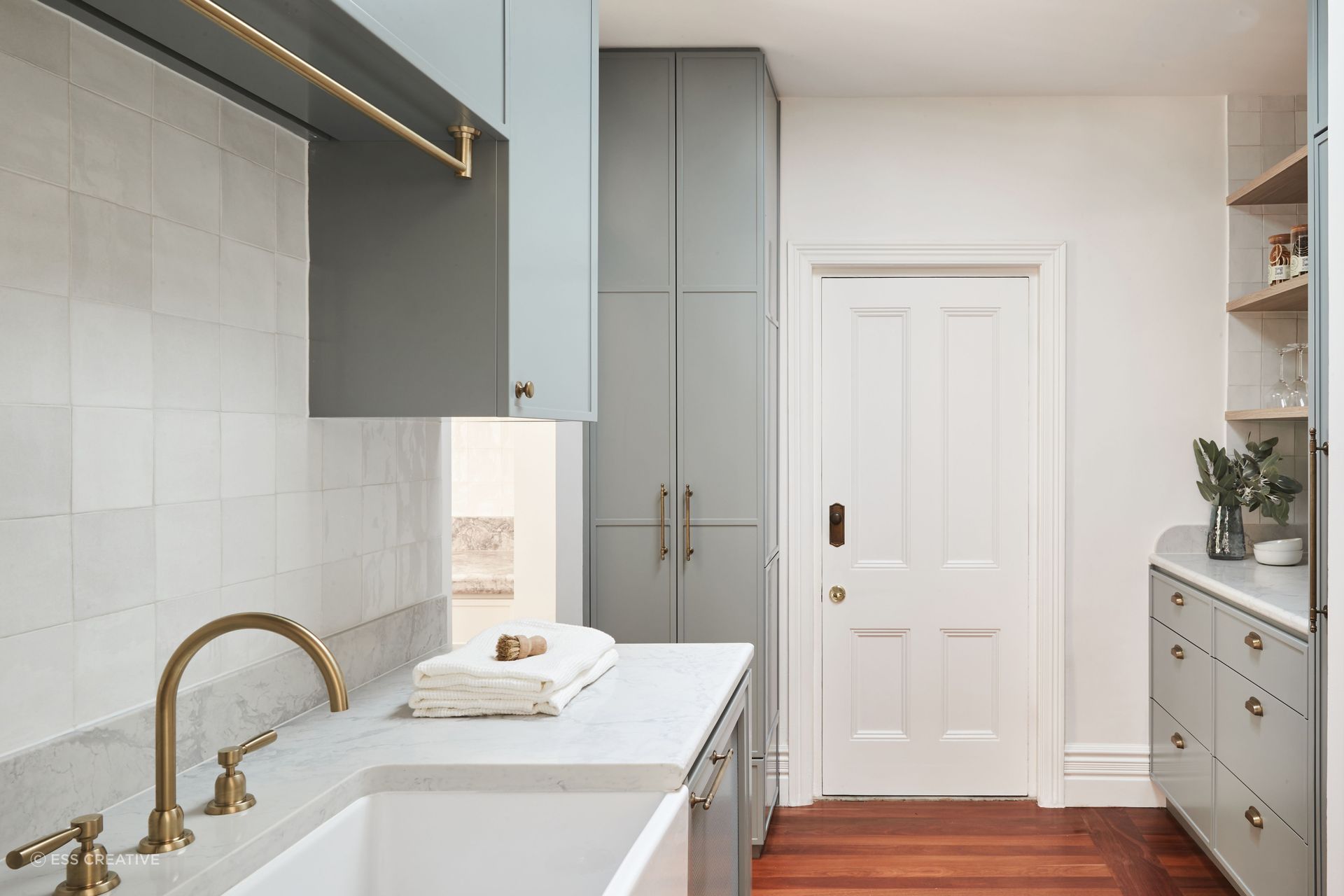
Key Considerations When Specifying Mouldings
Interior Design Style
Heritage-inspired interiors typically benefit from coordinated moulding profiles. Contemporary schemes, by contrast, benefit from leaner, simplified profiles or integrated solutions such as Shadowline systems where the goal is clean, uninterrupted geometry.
Proportion and Scale
Moulding selections should reinforce the room’s vertical proportion. As a guide:
- Standard ceilings (up to 2.7m): 90mm architraves with 135 – 185mm skirting
- Mid-height ceilings (2.7m – 3m): 115mm architraves with 230mm skirting
- Large-volume spaces (>3m): 115mm architraves with 285mm skirting
This helps maintain balance so the mouldings feel measured and intentional.
Note: The above primarily applies to traditional or classic interiors – modern homes typically feature slimmer skirting boards and architraves that are scaled down to suit contemporary ceiling heights.
Materiality and Durability
Consider taller, more robust skirting boards in high-traffic areas to protect walls and maintain finishes.
Colour Strategy
Skirting boards and architraves can be painted in to blend into the wall plane or contrasted to highlight interior detailing. Colour decisions influence how openings, junctions, and transitions read.

Should You Match or Mix Profiles?
There is no one correct approach. The decision depends on the design direction, and any choice should support the project’s aesthetic.
When Matching Works Well
- You want a unified interior design language across the home
- The project relies on symmetry and order
- You are honouring a period style or architectural reference
When Mixing Profiles Works Better
- Especially prominent in heritage, Georgian, and Victorian interiors, mixing profiles often involves pairing a tall, simple skirting board with a more detailed, thicker architrave.
- The most common approach is to use straightforward skirting and a decorative, substantial architrave – this creates a subtle hierarchy while respecting period character.
- Typically, the architrave is thicker than the skirting, or a skirting block is introduced to maintain visual clarity at junctions.
If mixing, keep thicknesses consistent and select profiles whose proportions complement one another. Transitional elements, such as skirting blocks, can help maintain clarity. And if you’re unsure book a design consult for design assistance on your project.
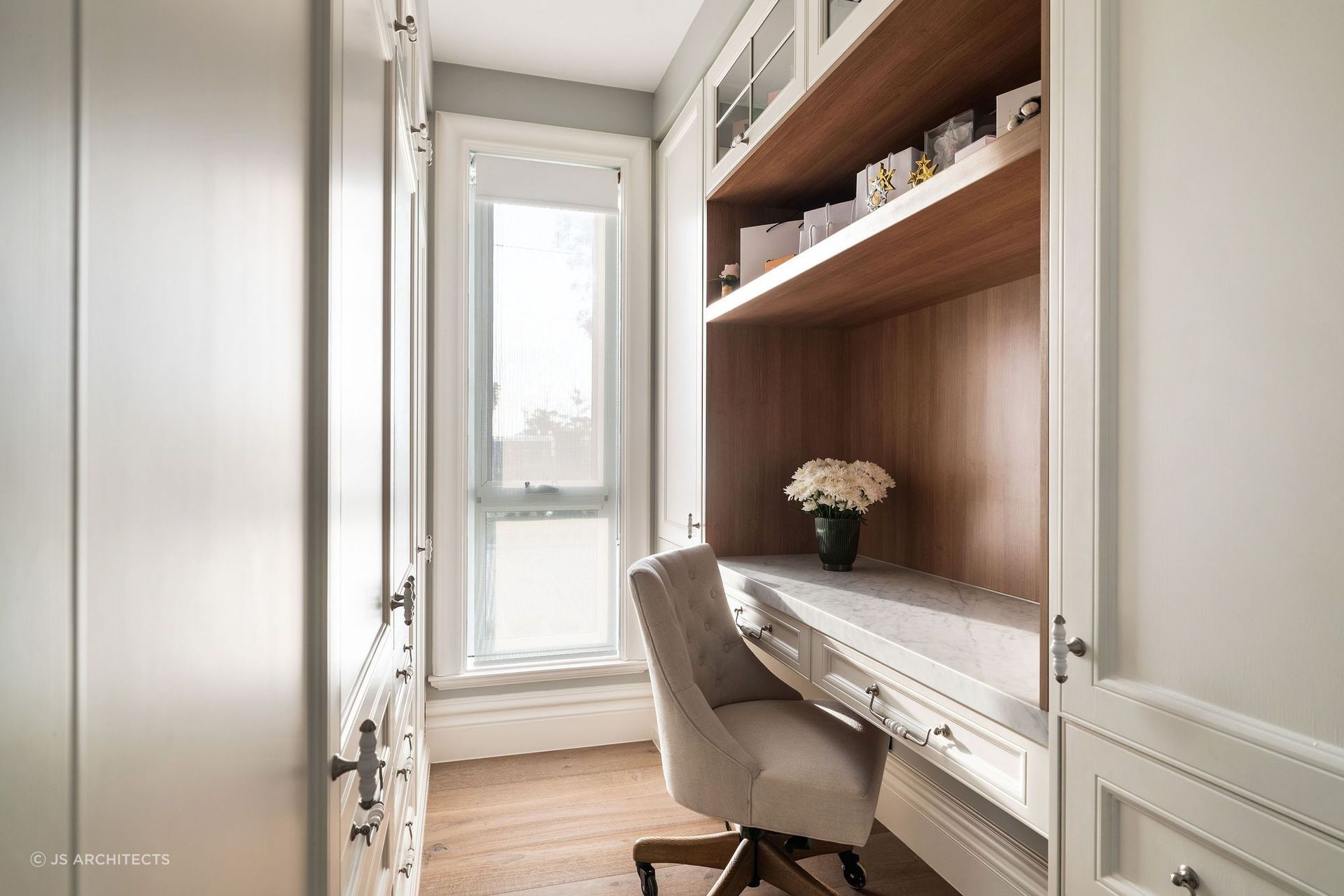
Specification Tips for Interior Designers
- Finalise interior mouldings early to align cabinetry, door schedules, and wall panelling.
- Use samples to compare different profiles and depth.
- Coordinate skirting and architraves with cornices, wainscoting mouldings, and other architectural elements for a cohesive finish.
Final Thoughts
Skirting boards and architraves do not need to match to achieve a refined interior. What matters is how they support the architectural intent and design direction. Whether coordinated or intentionally varied, well-considered architectural mouldings create clarity, balance, and sophistication in an interior.
Explore the flexibility of the Intrim range for your next project. Browse our most popular skirting, architraves, and mouldings profiles, request a free sample, or book a design consult with our specifications team.