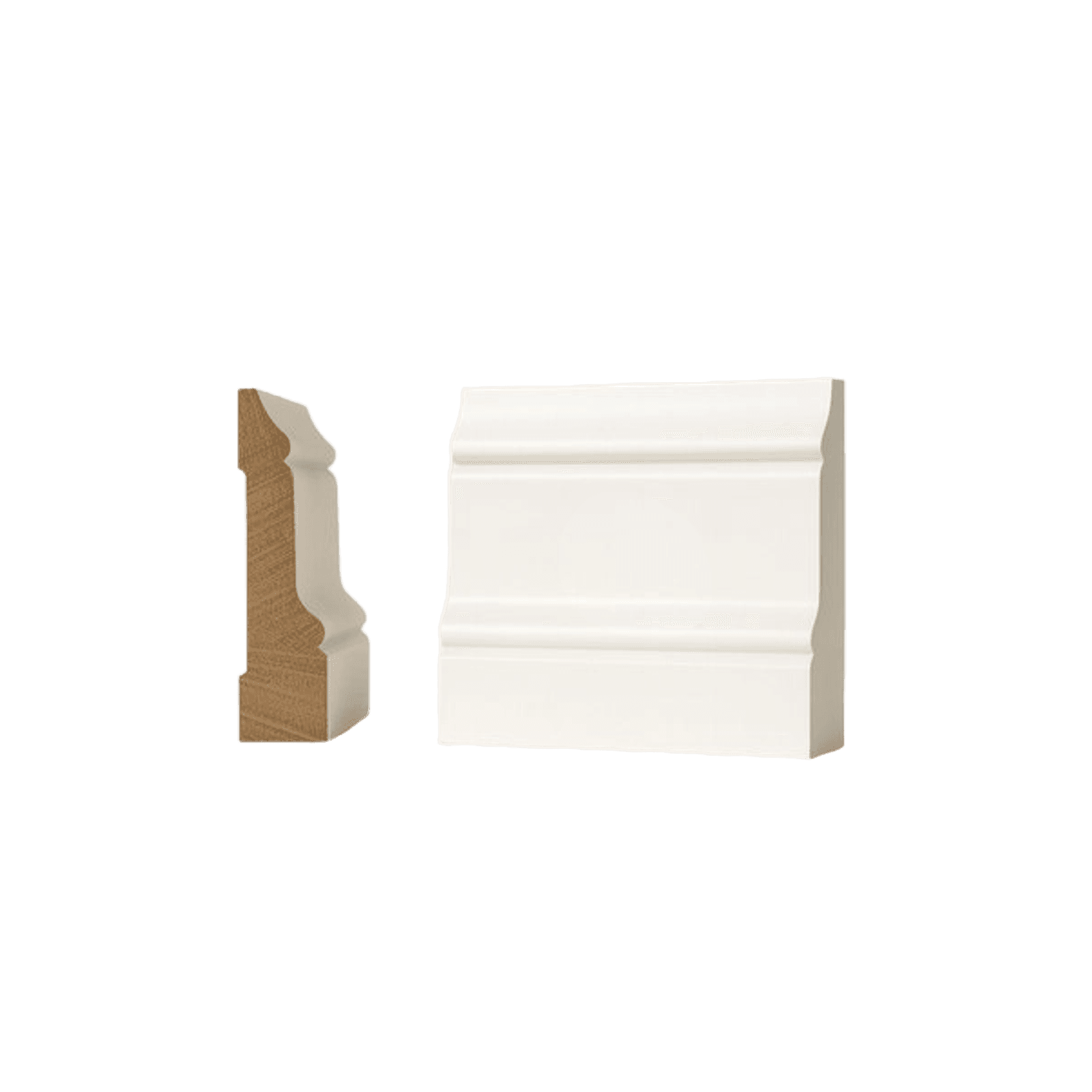
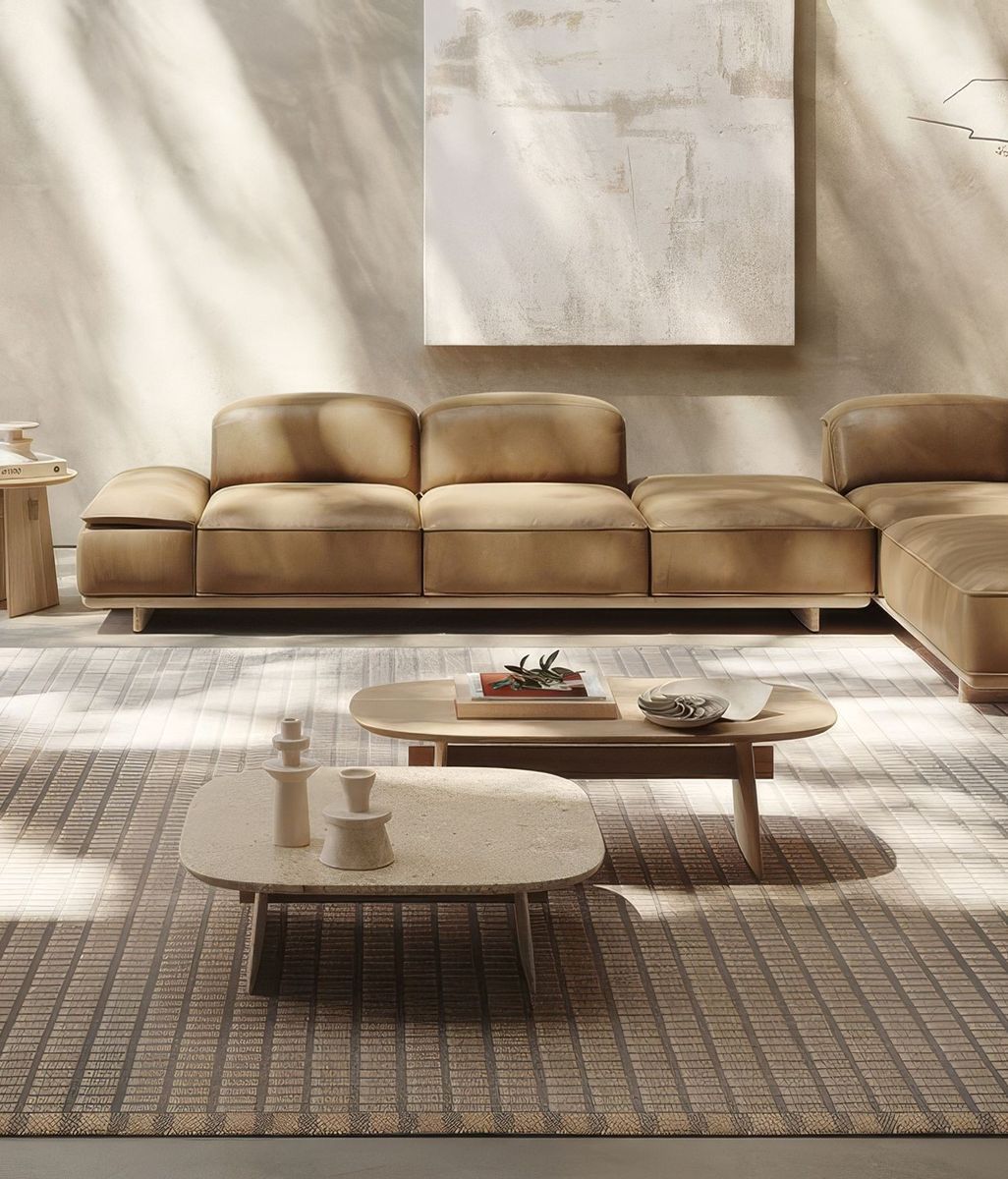
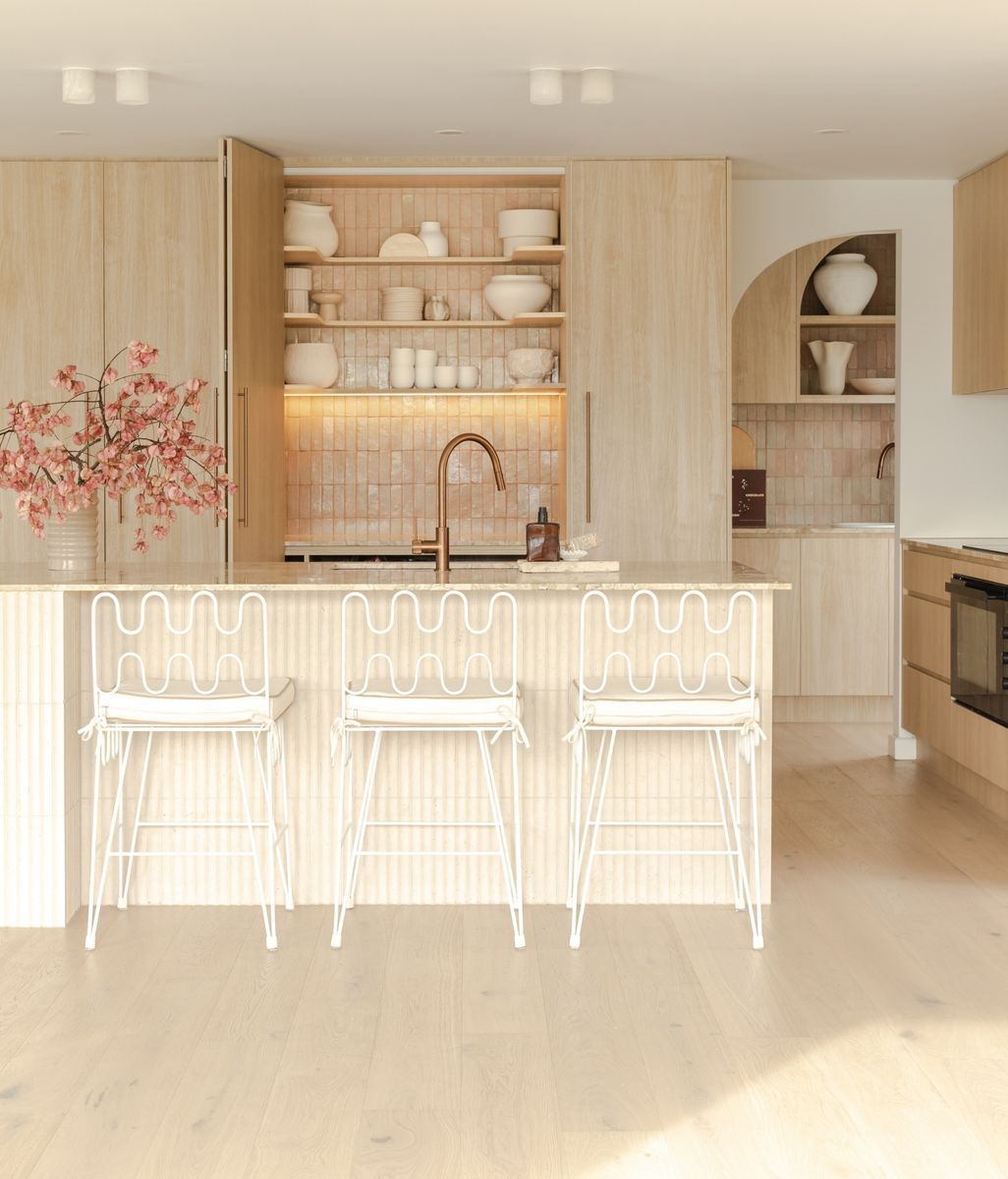
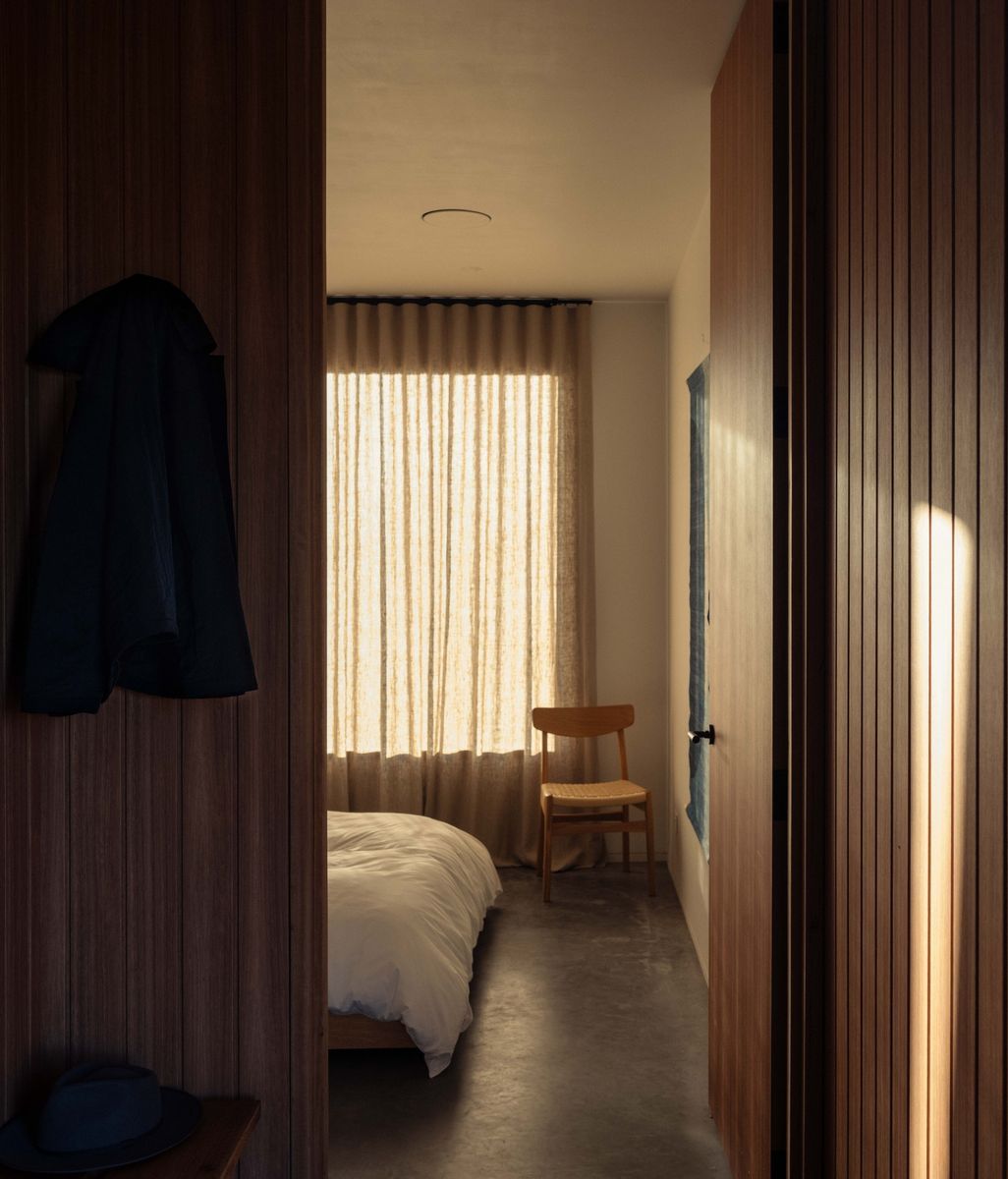
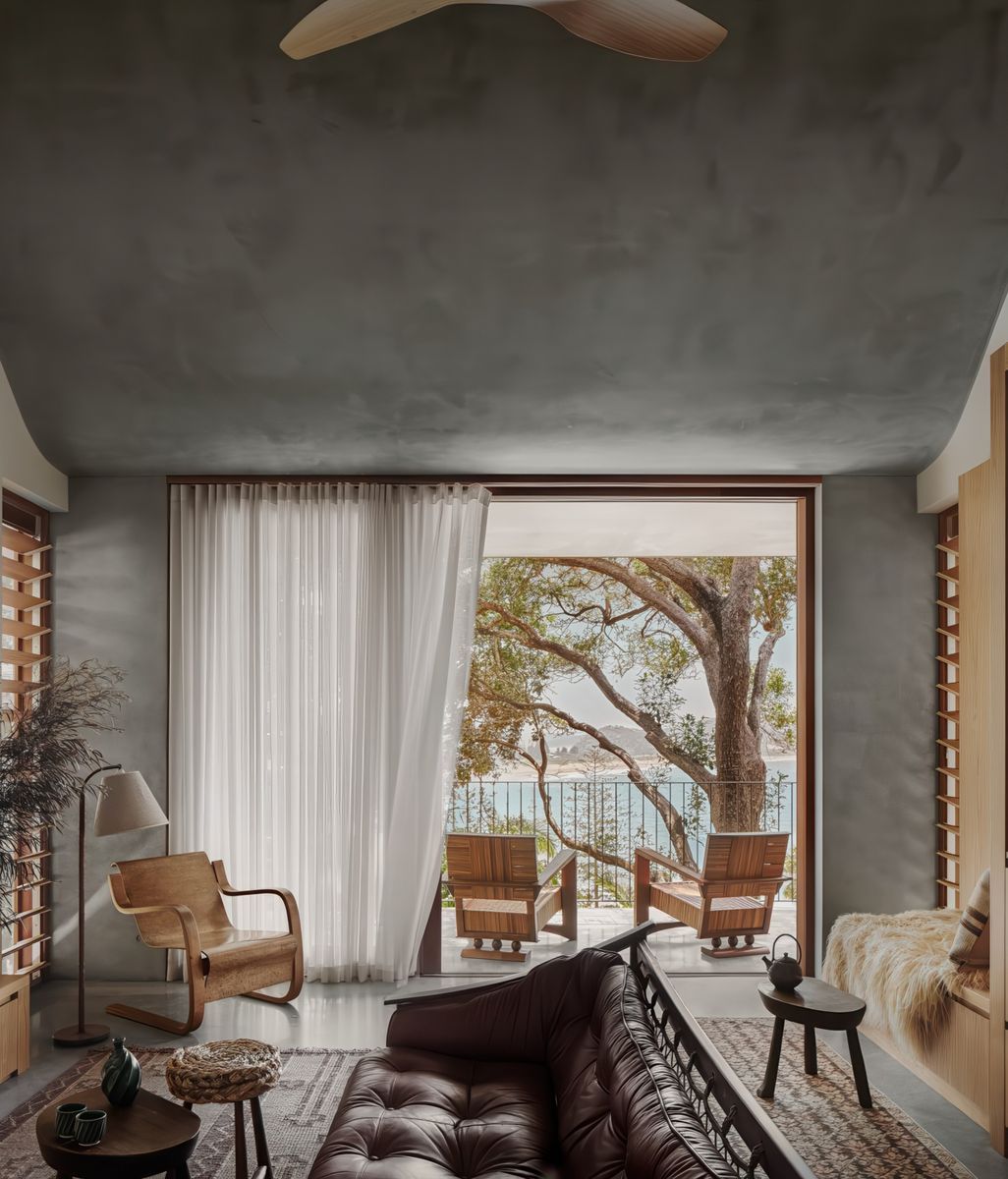
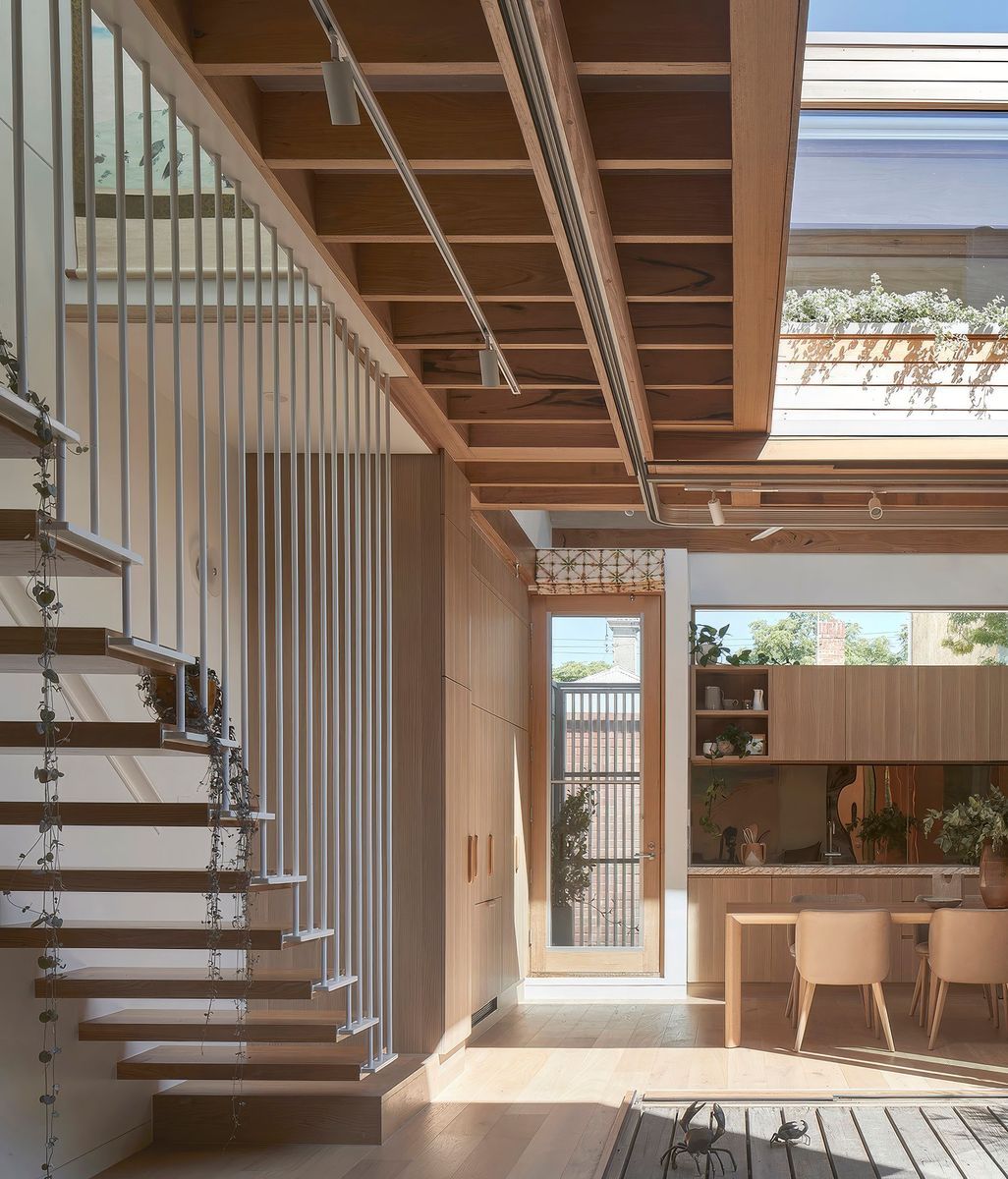
Wainscoting is more than a decorative wall finish — it is a design language that brings proportion, structure, and craftsmanship into interior spaces. Traditionally associated with classic architecture, wainscoting has evolved into a highly versatile architectural feature, equally at home in modern, coastal, and luxury residential projects. The examples shown throughout this project demonstrate how carefully designed wainscoting can elevate hallways, living areas, and feature walls by introducing rhythm, depth, and a sense of permanence.
Defining Space Through Proportion and Detail
One of the defining strengths of wainscoting is its ability to articulate long walls and transitional spaces. In hallways and corridors — as shown in the images — panelled walls break up expanses of plasterboard, adding scale and visual interest without overwhelming the space.
Balanced panel proportions, consistent reveals, and aligned horizontal rails create an ordered composition that naturally guides movement through the home. When paired with ceiling cornices and column detailing, wainscoting becomes part of a cohesive architectural framework rather than a surface-level embellishment.
Seamless Integration with Modern Living
Contemporary wainscoting is no longer limited to formal rooms. The featured TV wall installations show how panelled walls can be seamlessly integrated with modern technology, cabinetry, and lighting.
By framing recessed television zones and concealing services within the panel layout, wainscoting provides a refined backdrop that feels intentional and uncluttered. Subtle shadow lines and stepped profiles ensure the wall remains visually engaging, even when finished in a single, soft neutral tone.
Hallways That Make an Impression
Hallways are often overlooked, yet they are among the most frequently experienced spaces in a home. The showcased projects highlight how wainscoting transforms corridors into architectural moments — using repetition, alignment, and vertical emphasis to create a sense of flow and elegance.
In narrower spaces, lower-height wainscoting keeps walls light while still delivering texture. In wider hallways, full-height or extended panel layouts introduce grandeur, particularly when combined with timber flooring and controlled natural light.
Craftsmanship, Materials, and Finish
What sets high-quality wainscoting apart is precision. Clean mitres, crisp internal corners, and consistent spacing are essential to achieving a refined result. The examples illustrate how careful detailing around doors, corners, bulkheads, and columns ensures continuity throughout the space.
Paint-finished wainscoting offers timeless appeal, while the introduction of timber accents — such as natural trims or mouldings — adds warmth and contrast. The flexibility of profiles allows designers to tailor the level of detail, from minimalist stepped panels to more traditional framed layouts.
A Versatile Architectural Tool
Wainscoting adapts effortlessly across design styles:
Classic & Hamptons interiors – formal symmetry and traditional proportions
Contemporary homes – simplified profiles with clean lines
Coastal designs – light tones, timber floors, and relaxed elegance
Luxury residences – layered detailing and architectural scale
Whether used to frame a feature wall, line a hallway, or articulate an open-plan living space, wainscoting adds lasting architectural value.
Designing with Intent
The projects shown reinforce a simple truth: well-designed wainscoting is not decoration — it is architecture. When planned alongside ceiling profiles, flooring, and joinery, it becomes an integral part of the home’s structure and identity.
For architects and designers seeking to create interiors with depth, balance, and timeless appeal, wainscoting remains one of the most powerful wall treatments available.