Botanical Plant Names: The Hidden Language of Landscape Design


I always thought learning Latin at school was a waste of time. After all, when would I ever need to know how to say “Matella is lying horizontal in the hall?” (Matella ponit horizontaleum in aula). Yet, as it turns out, I now use Latin every day in my work — not to speak it, but to understand plants.
In landscape design, knowing a plant’s Latin or botanical name can reveal more than just its scientific classification. It tells you what the plant looks like, where it comes from, and even how it behaves in the garden.
Why Botanical Names Matter
Every plant has a unique botanical name that distinguishes it from all others. While common names can vary — not only between countries but even within regions — the scientific name ensures accuracy. It tells you exactly what you’re growing and how to care for it.
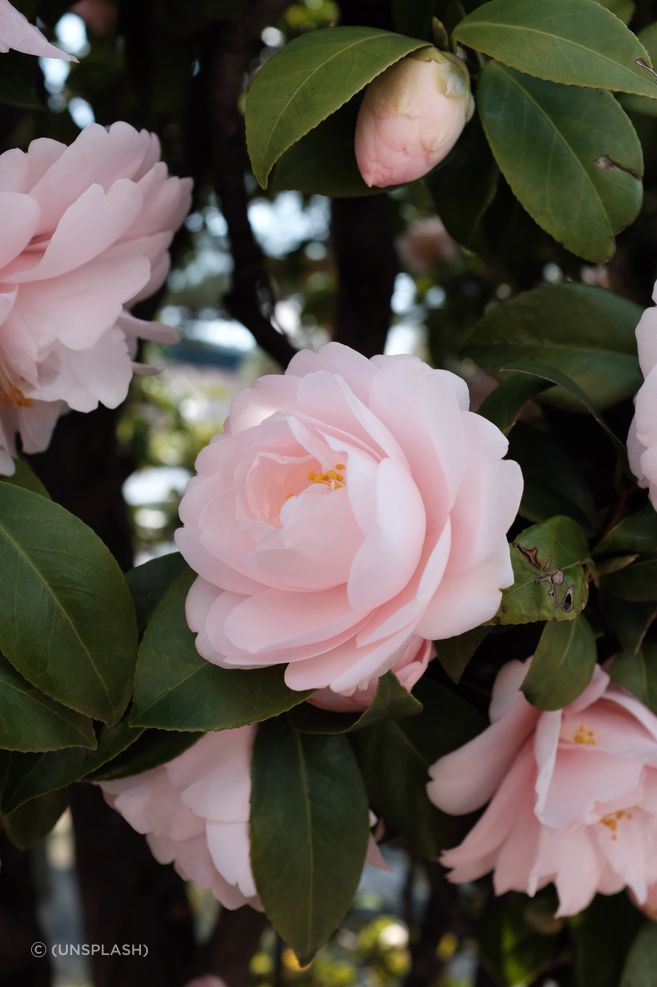
For example, Camellia japonica belongs to the Camellia genus and, as its name suggests, originates from Japan. That single word japonica already gives away its origin and climate preference.
This naming system helps both horticulturists and landscape designers choose plants suited to specific environments, ensuring gardens are not only beautiful but also resilient and well adapted to local conditions.

The Structure of a Botanical Name
A botanical name has two parts - the genus and the species. The genus identifies the broader family the plant belongs to, while the species describes its specific traits.
Genus: Indicates the plant’s general characteristics such as flower form, leaf type, or growth habit.
- Camellia comes from the Latin phrase meaning “Helper to the priest,” named after the 17th-century botanist Geirg Joseph Kamel.
- Banksia, a native Australian plant family, was named after Sir Joseph Banks, who first took Banksia samples to Europe in 1770.
- Podocarpus draws from Greek roots, meaning “foot fruit,” describing the plant’s cone-like seeds.
Species: Provides the finer details - where the plant is from, how it grows, or what it looks like.
- Australis, japonica, and chinensis describe geographic origins.
- Aurea refers to golden tones, alba to white, purpurea to purple, and coccinea to red.
- Grandiflora hints at large flowers, while horizontalis describes a ground-hugging form.
When you start recognising these patterns, the Latin names stop feeling intimidating and start becoming descriptive.
What Latin Names Tell You About Plant Habits
Latin terminology also reveals how plants grow or behave:
- Fastigiatus — upright, with branches growing nearly parallel.
- Prostratus — lying flat or spreading, common in groundcovers.
- Nana — dwarf, used to describe smaller varieties of a larger plant.
- Tomentosum — downy or hairy leaves.
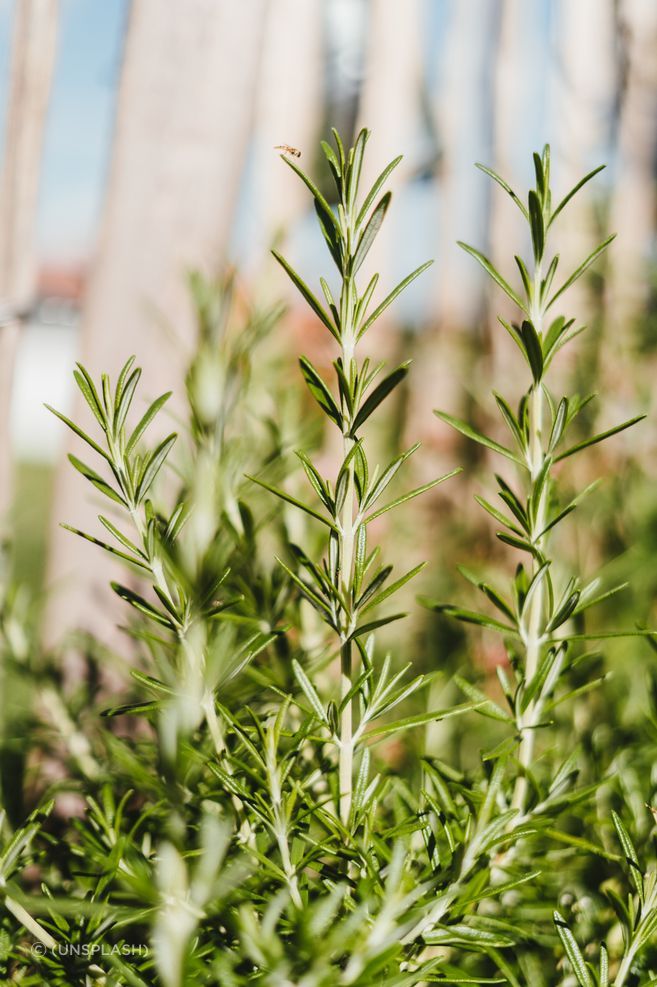
- Odorata — fragrant foliage or flowers.
These clues can help predict the structure and behaviour of a plant before it’s even in the ground - knowledge that’s invaluable in landscape design where form and function must work together.
Cultivars: Breeding and Naming New Varieties
Beyond genus and species, plants can also have cultivar names. A cultivar is a specially bred variation of a plant with unique features that don’t occur naturally.
You can spot a cultivar by its capitalised name in quotation marks. For example, Banksia spinulosa ‘Birthday Candles’ is a compact native with distinctive golden flower spikes. Cultivars allow designers to select plants with precise growth habits, colours, or resilience for specific site conditions.
To find out more about Australian plants, visit Australian Sydney Wildflower Nursery – Best Australian Native Plants
The Designer’s Advantage
For landscape designers, understanding botanical plant names is more than academic, it’s practical. It allows us to:
- Predict a plant’s form, scale, and colour before sourcing.
- Choose species that complement each other in texture and habit.
- Design gardens that thrive naturally in their environment.
What once seemed like an outdated language now feels like a universal design tool, one that links centuries of botany to modern landscape practice.
Learning Latin may not have seemed useful in school, but in the world of gardens and design, it’s a constant companion. Each botanical name tells a story of place, form, and evolution. And when used thoughtfully, it becomes a bridge between science and creativity.
Contact Inspired Exteriors to explore how our understanding of plants and design can bring clarity, balance, and life to your garden.