Creating calm through architecture
Written by
02 December 2025
•
4 min read


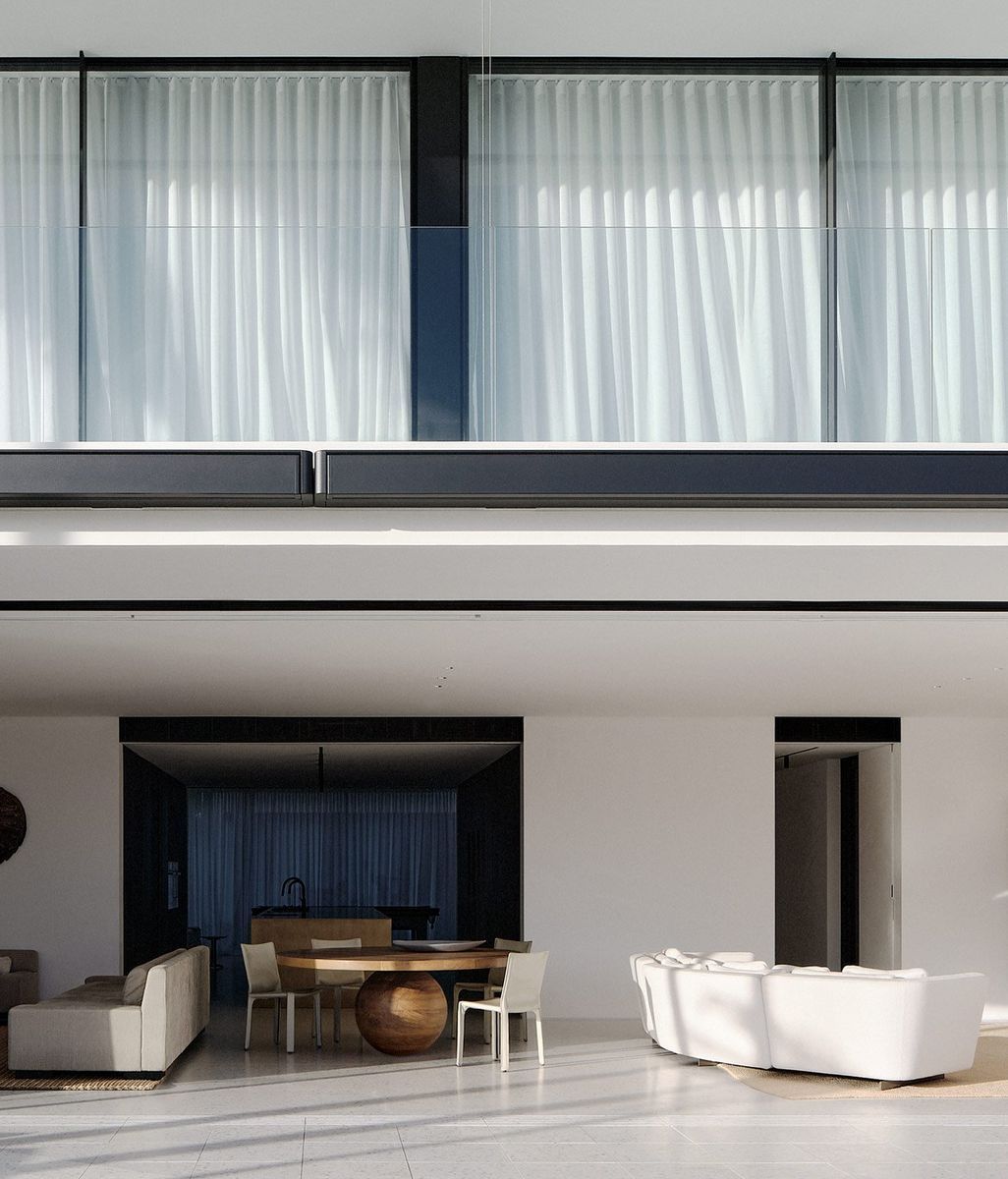
Calm in architecture is less about what you see and more about what you feel. It’s the soft lighting that you don’t notice, the tactile surfaces that invite touch and colours that uplift without dominating the space. For Rezen Studio’s Zenifa and Rhys Bowring, calm is not an aesthetic but a condition that’s cultivated through restraint and intuition.
“My first question about a project is how does it feel?” shares Zenifa. “Not what does it look like, but how does it feel when you’re in it. Because I think that tells you everything.”
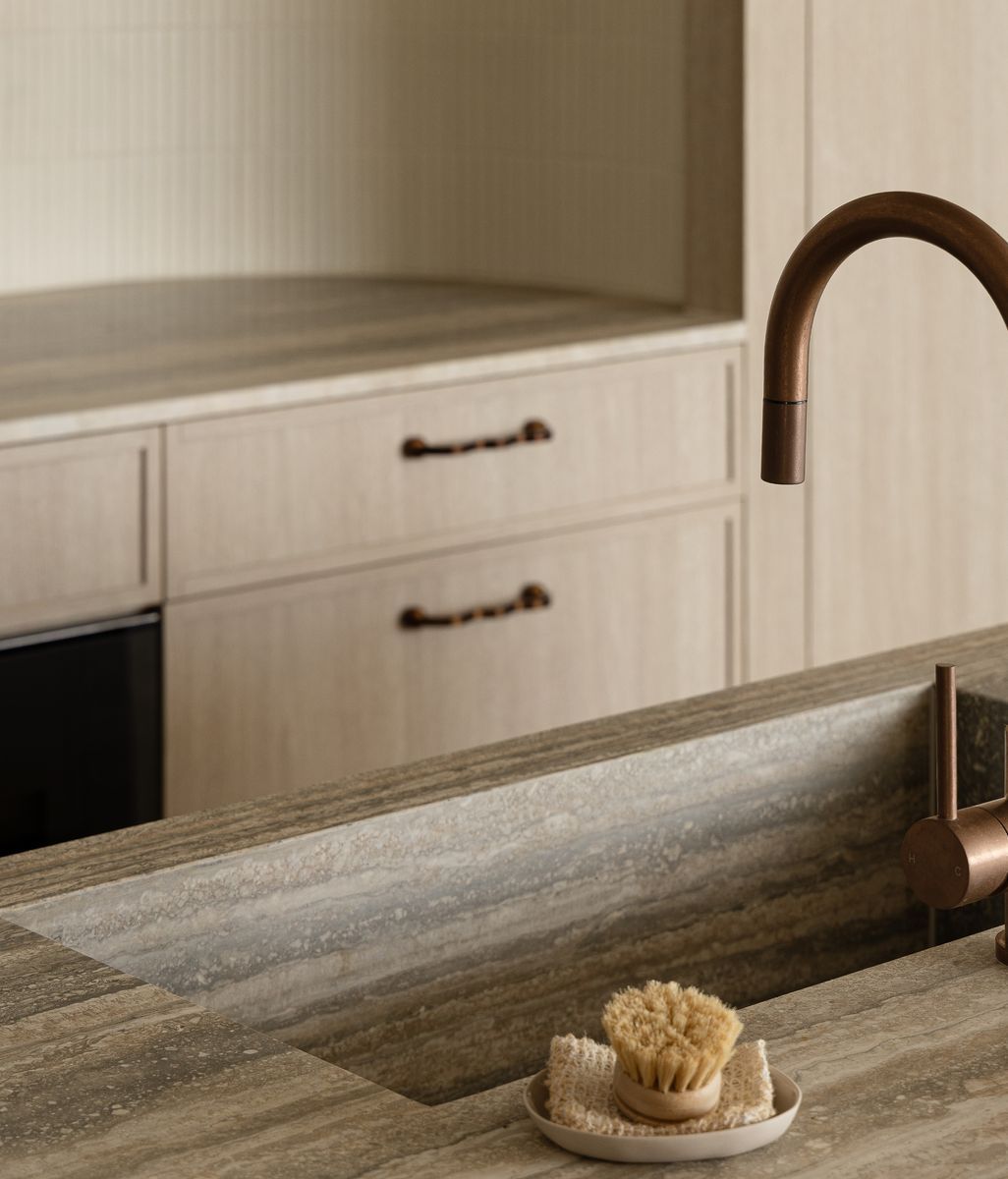
This question sits at the heart of Rezen’s process. Whether they’re designing a restaurant, a residence or a wellness retreat, their work begins with clarity of intent. “The more you can be clear about your intentions early,” says Rhys, “and then remove the things that aren’t adding to that main idea, the more selective you can be. Sometimes, the more work you put in, the simpler it becomes.”
In their projects, calm isn’t achieved through minimalism, but through precision. It’s an editing process: a layering up and then a careful pulling back until the essential remains. They describe it as a balance between holding on and letting go, and knowing which elements belong and which are simply taking up space.

Using materials to create calm
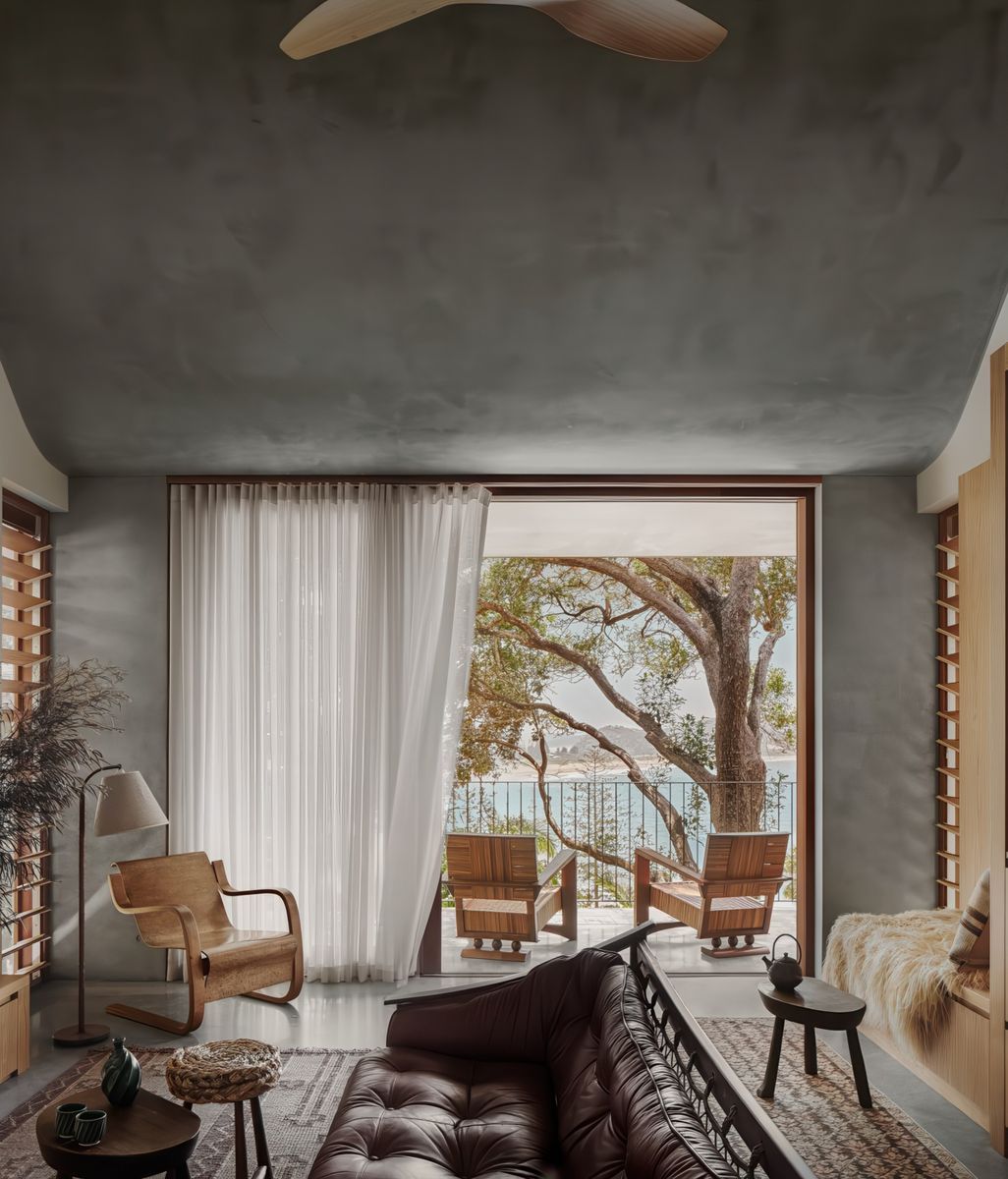
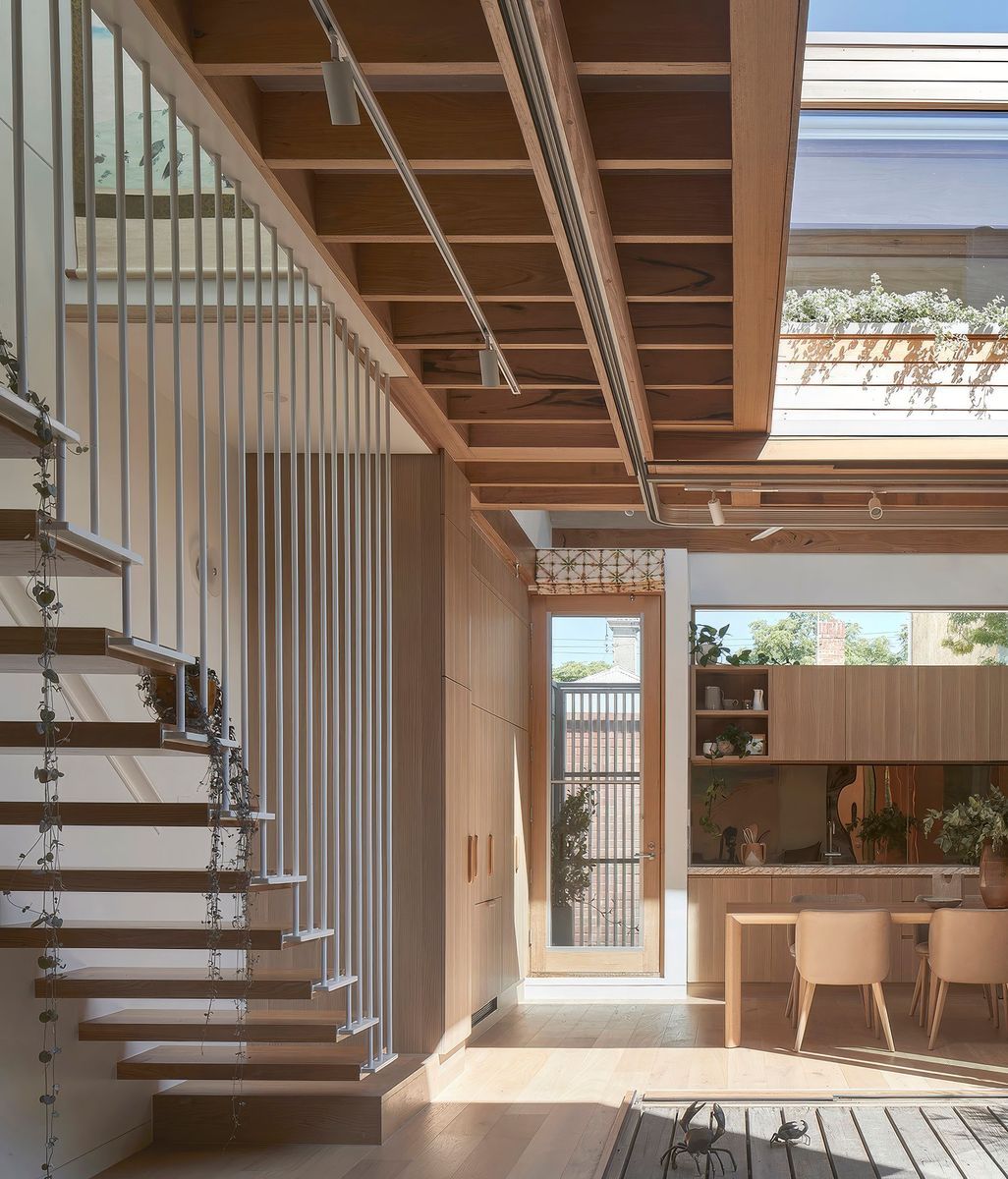
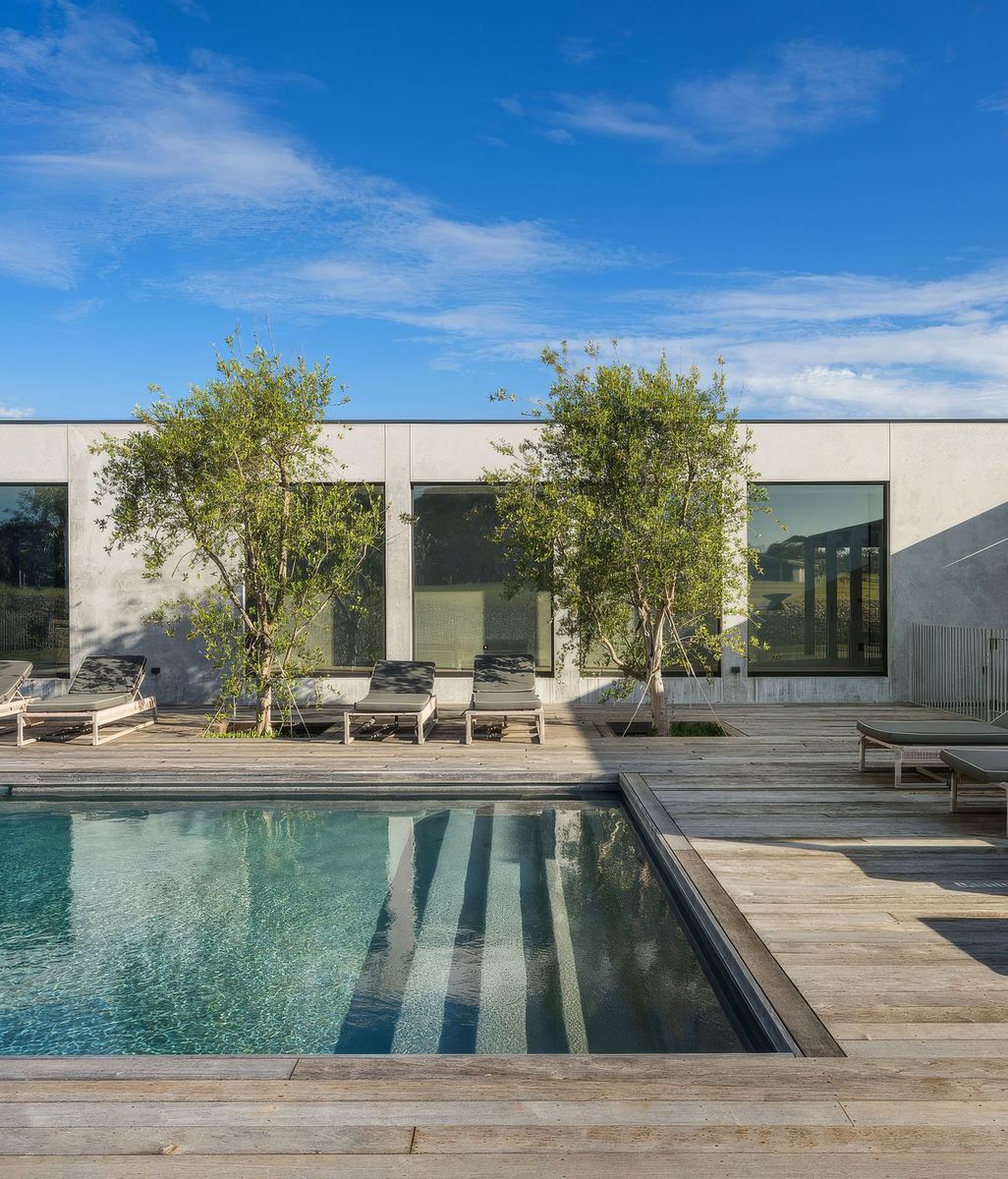
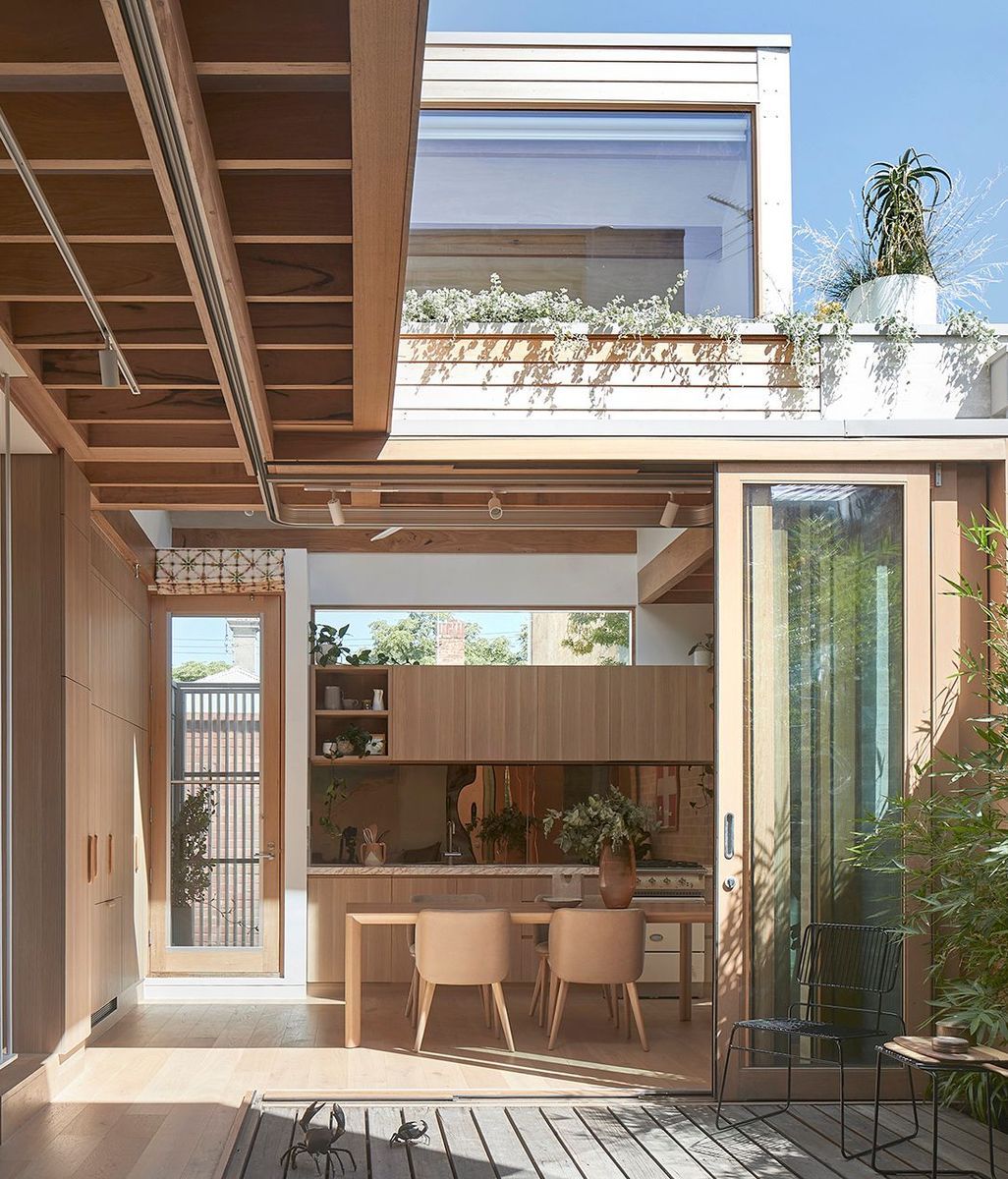
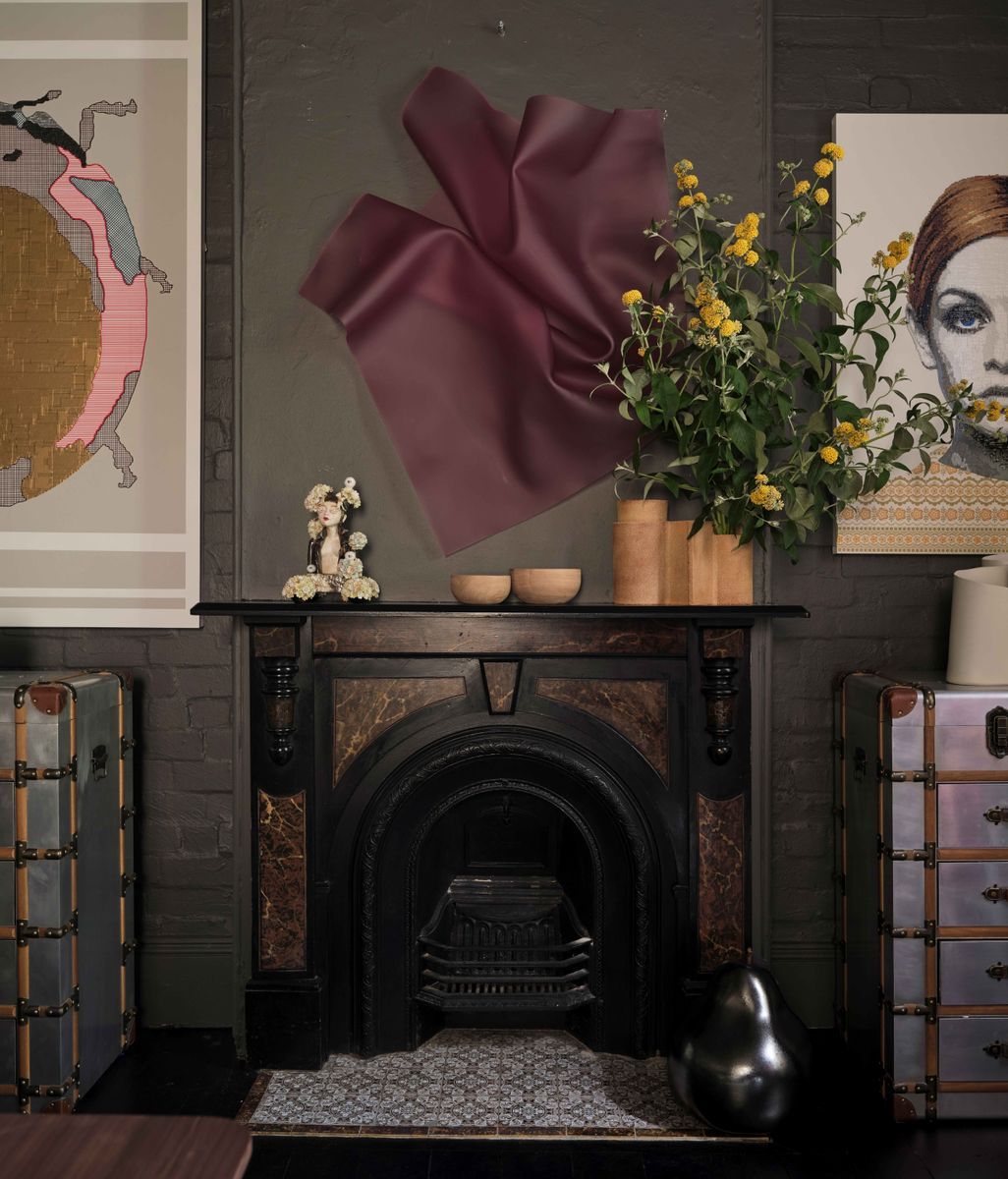
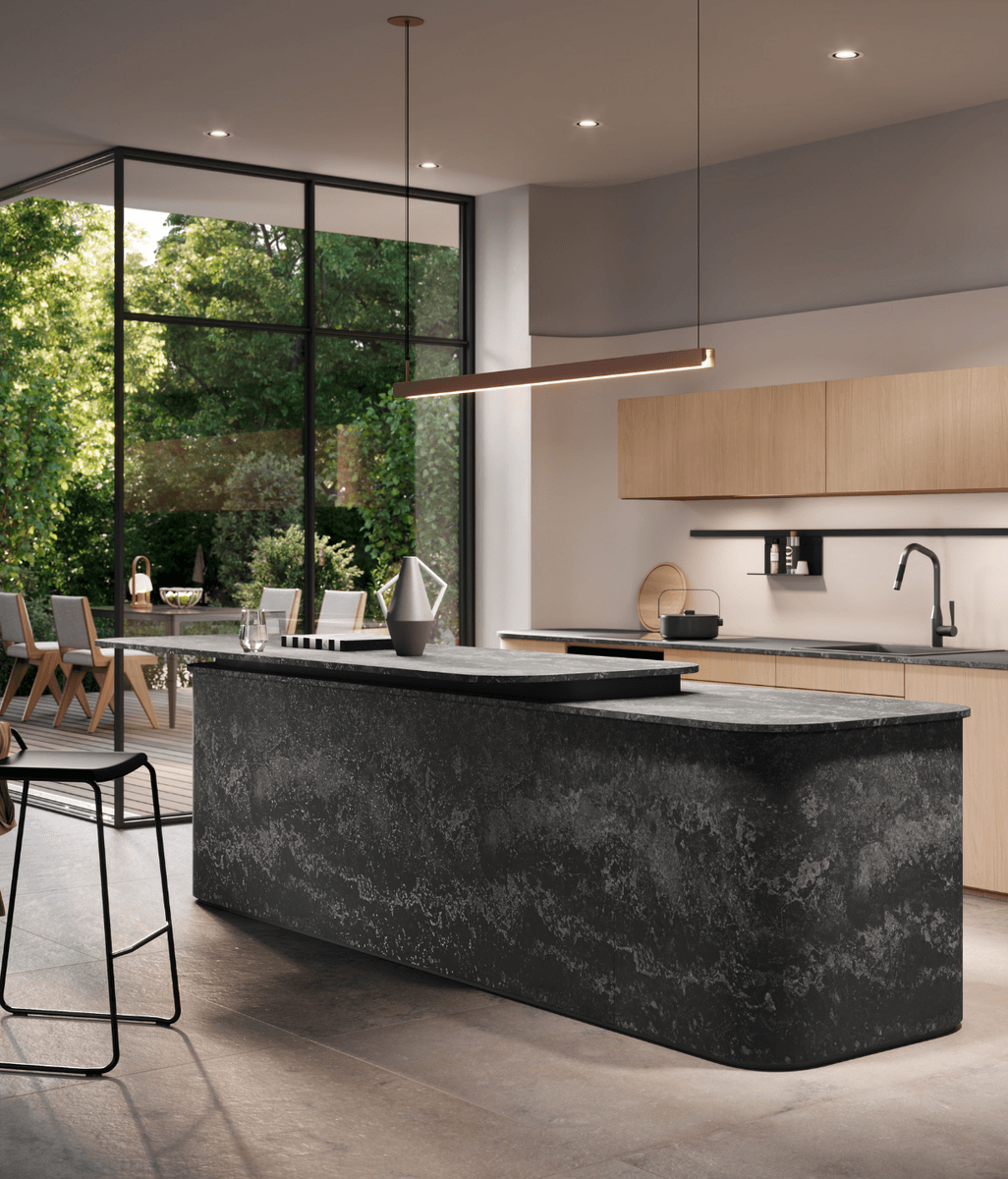
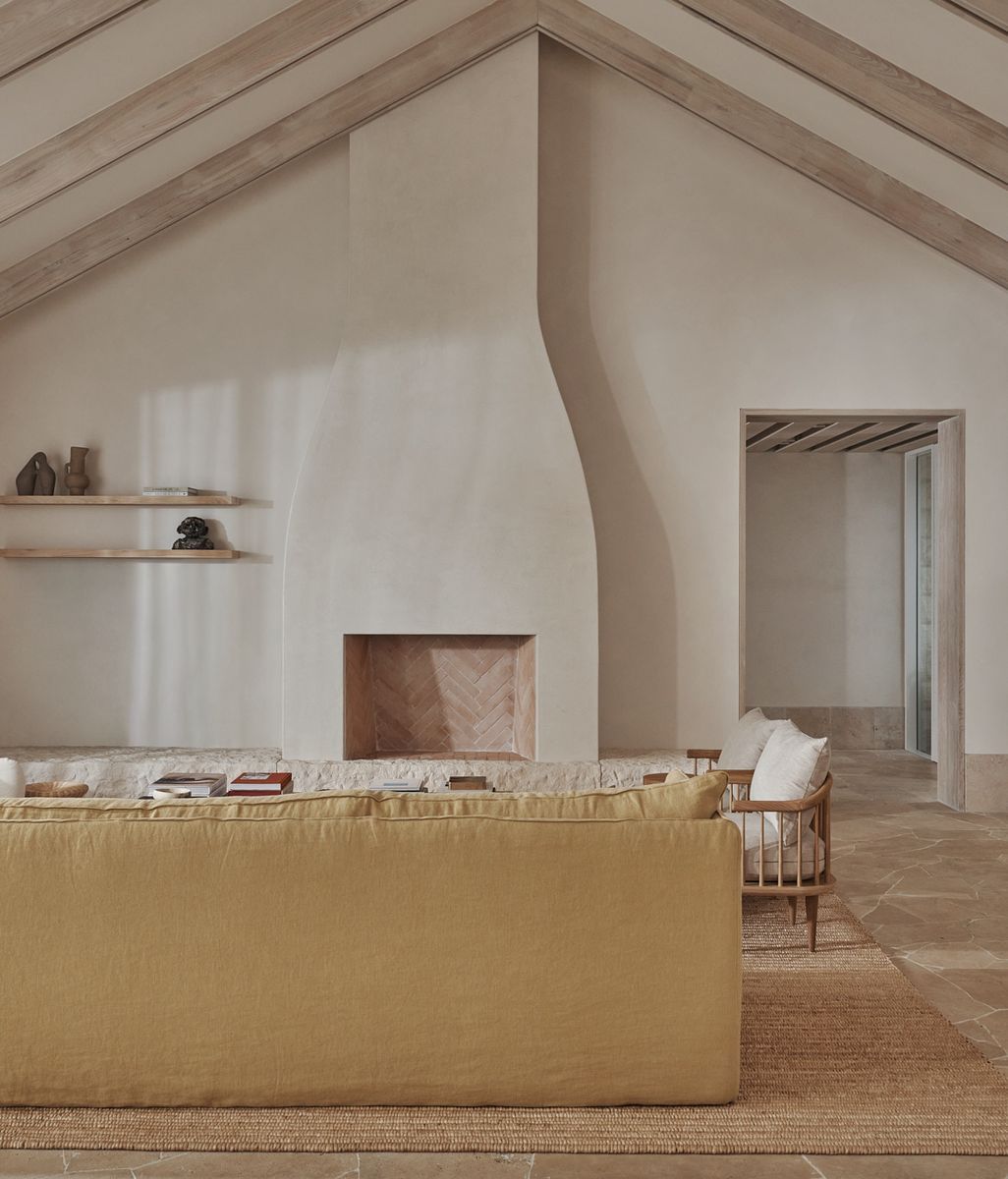
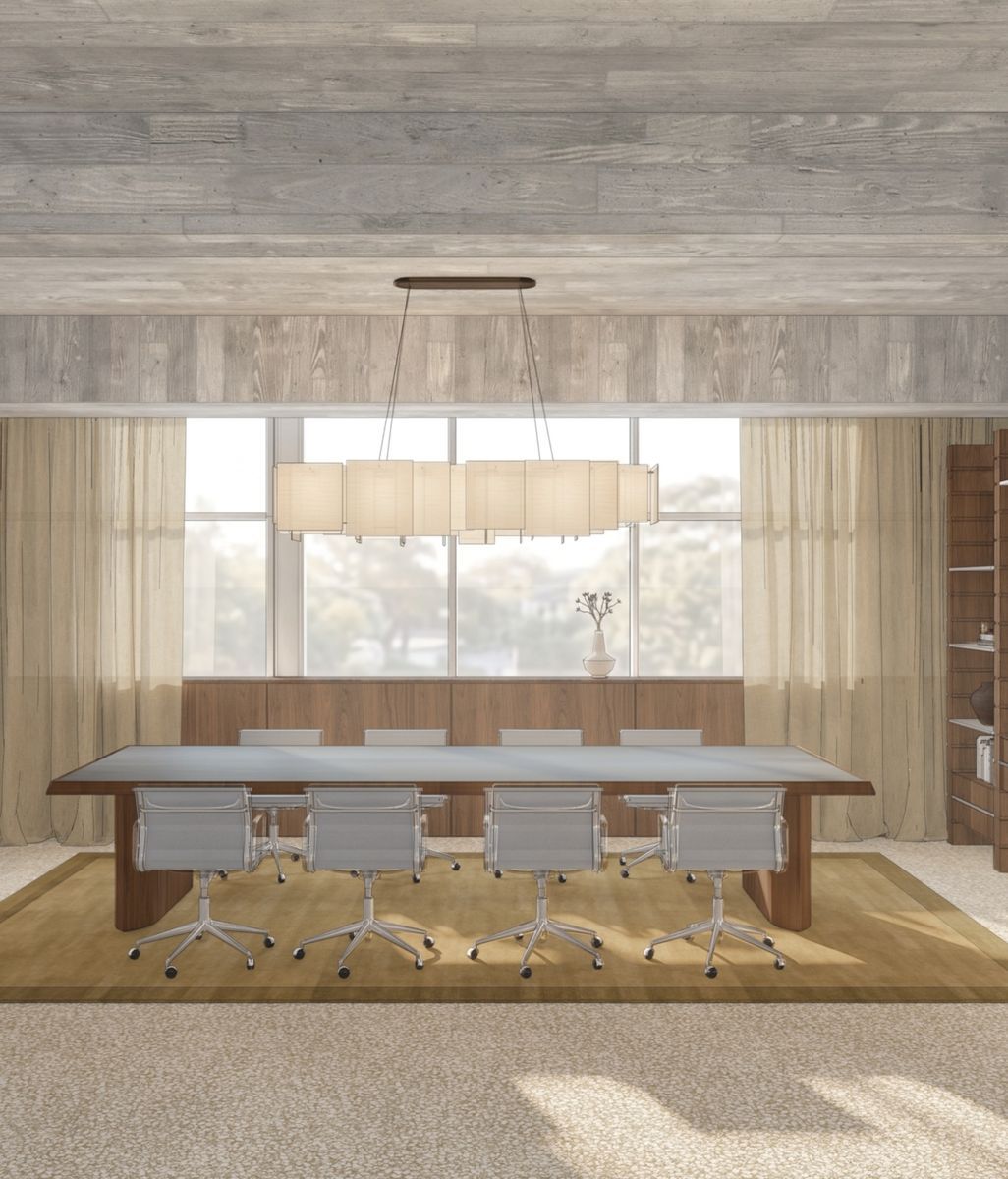
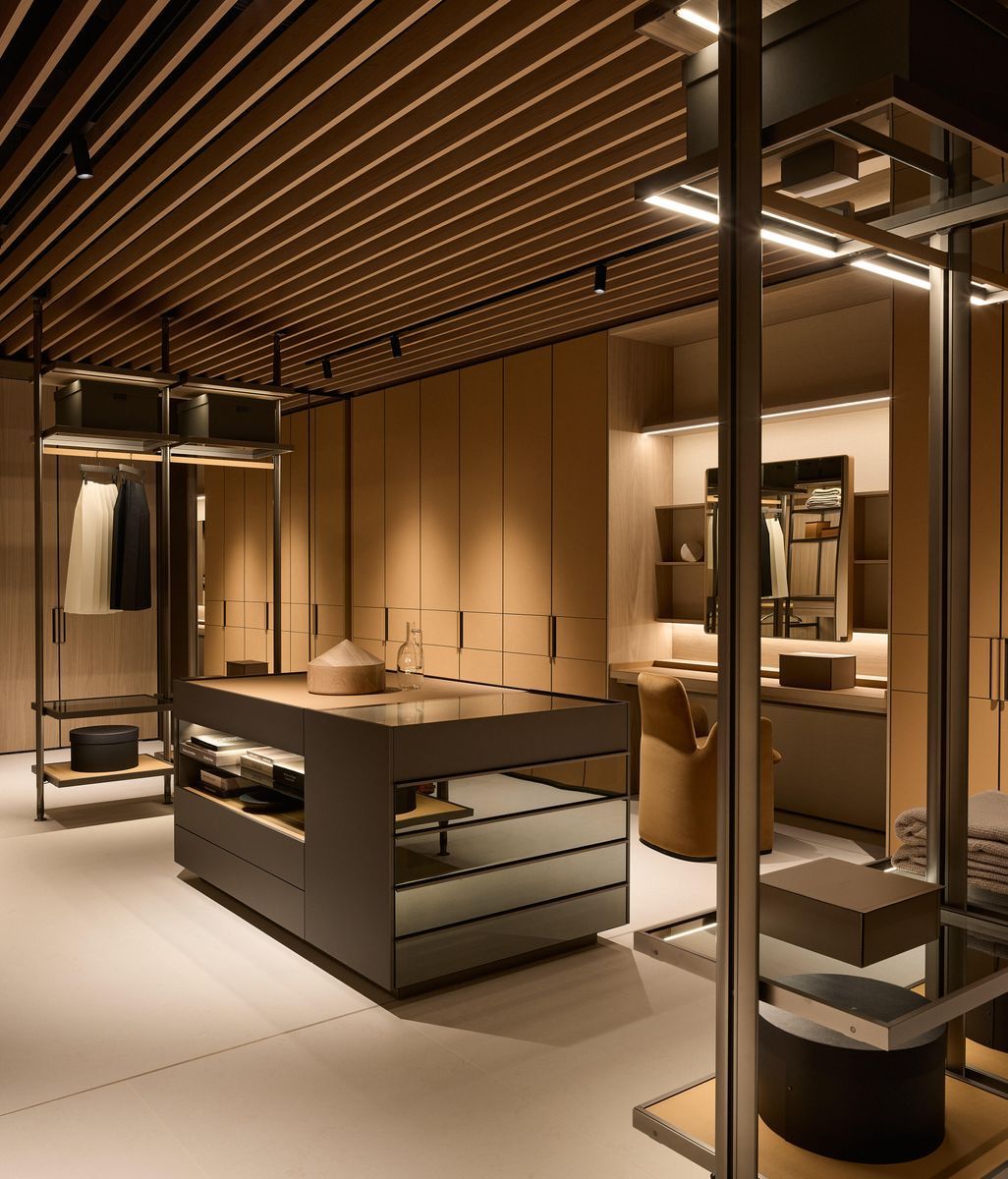
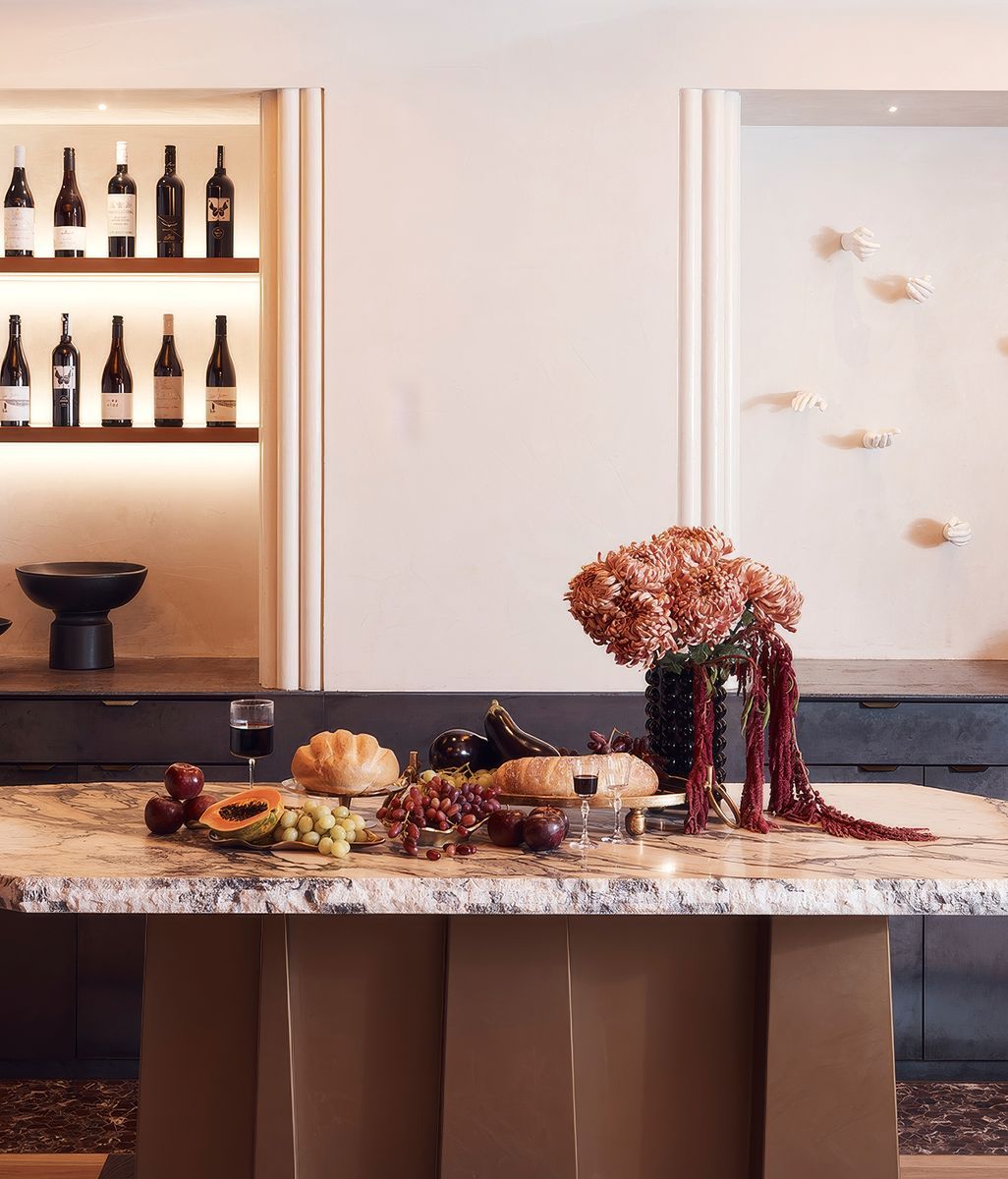
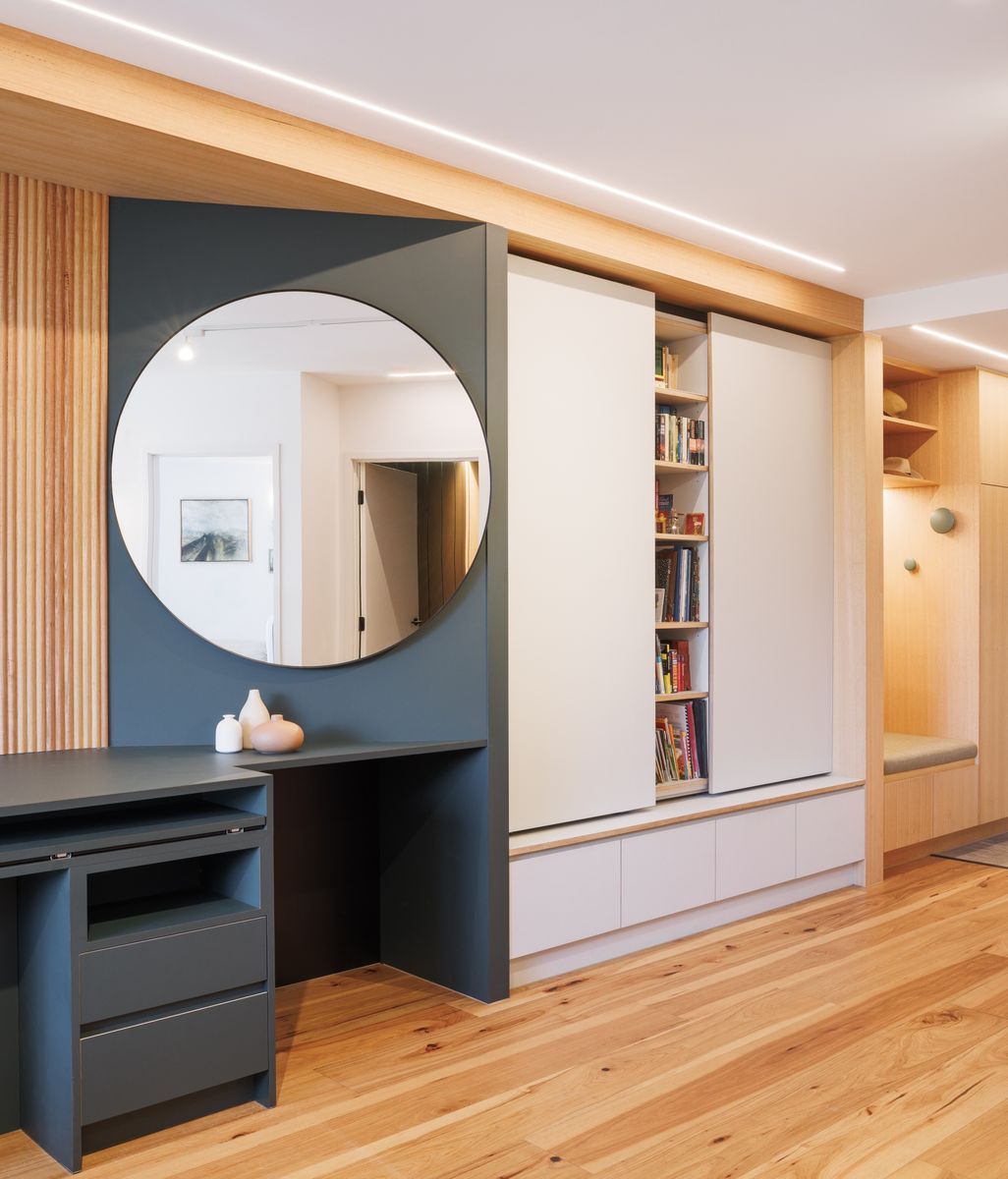
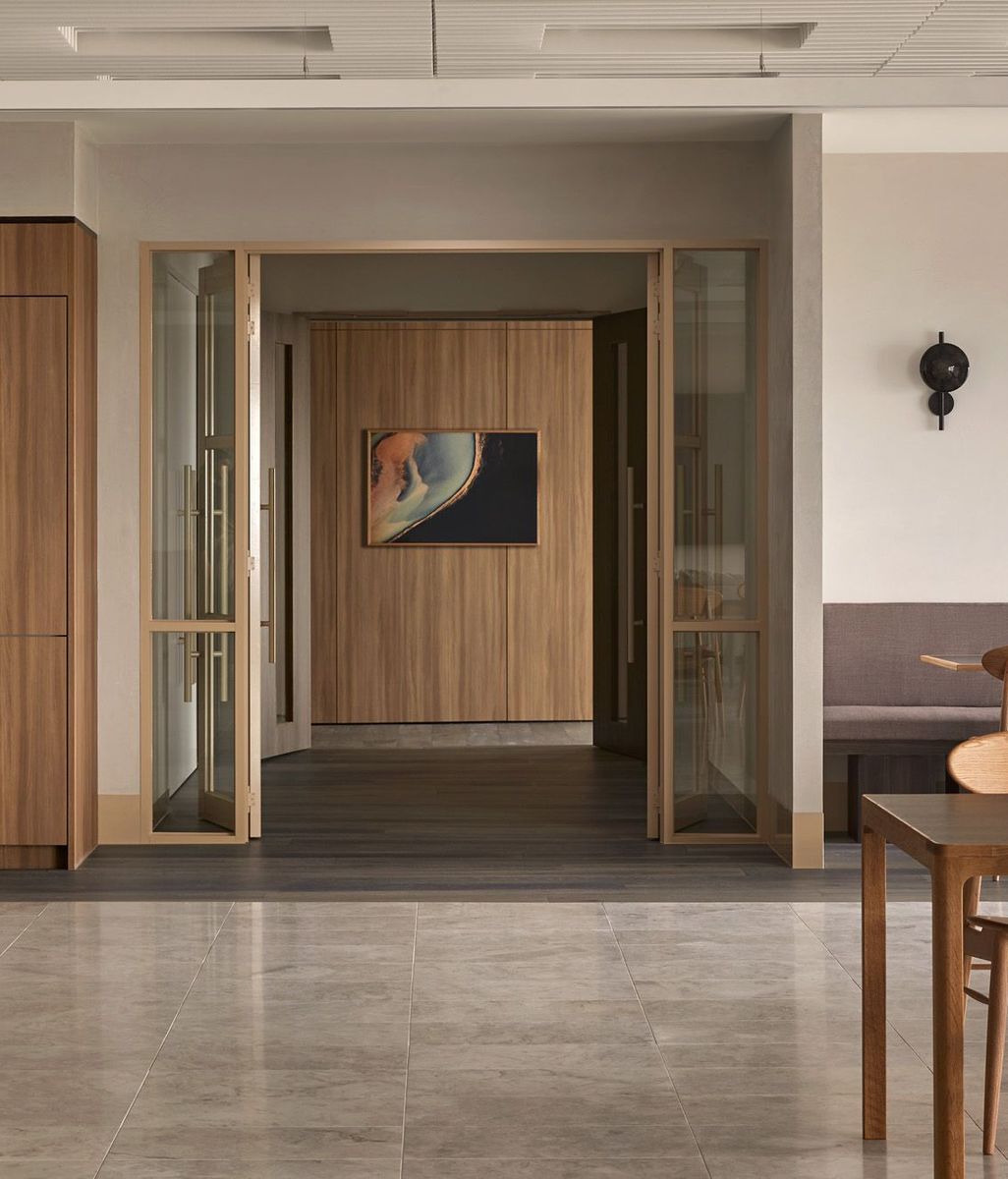
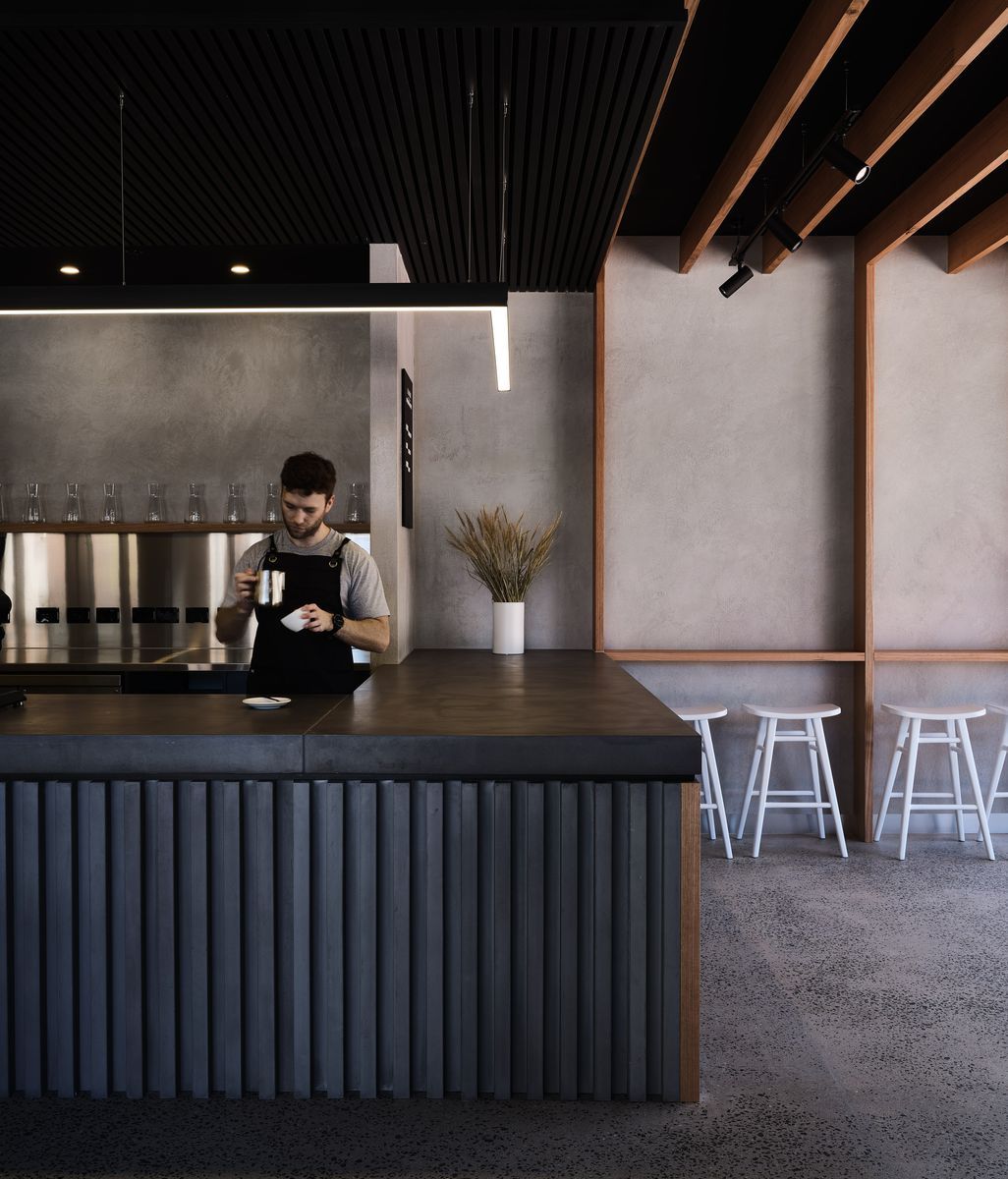
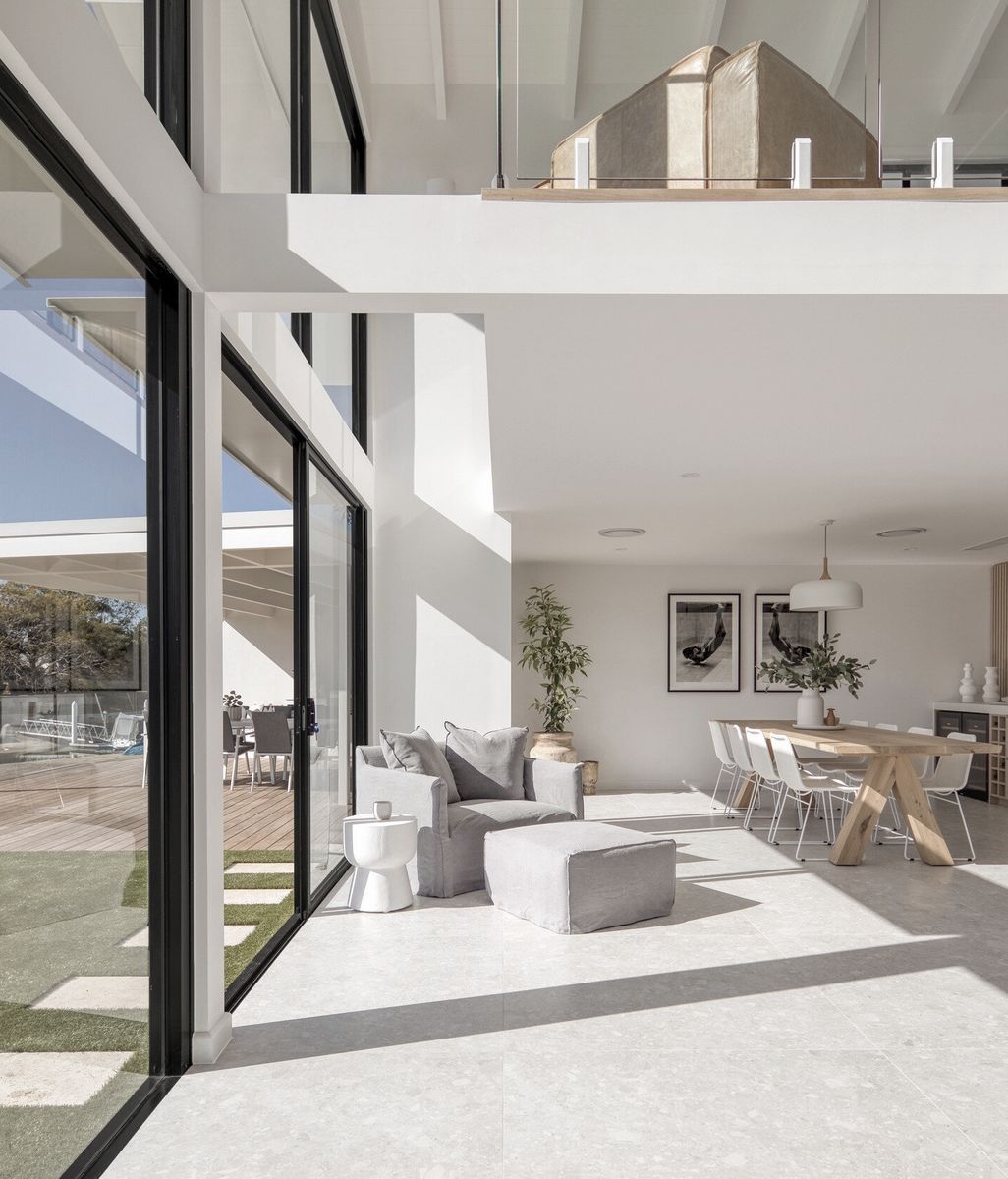
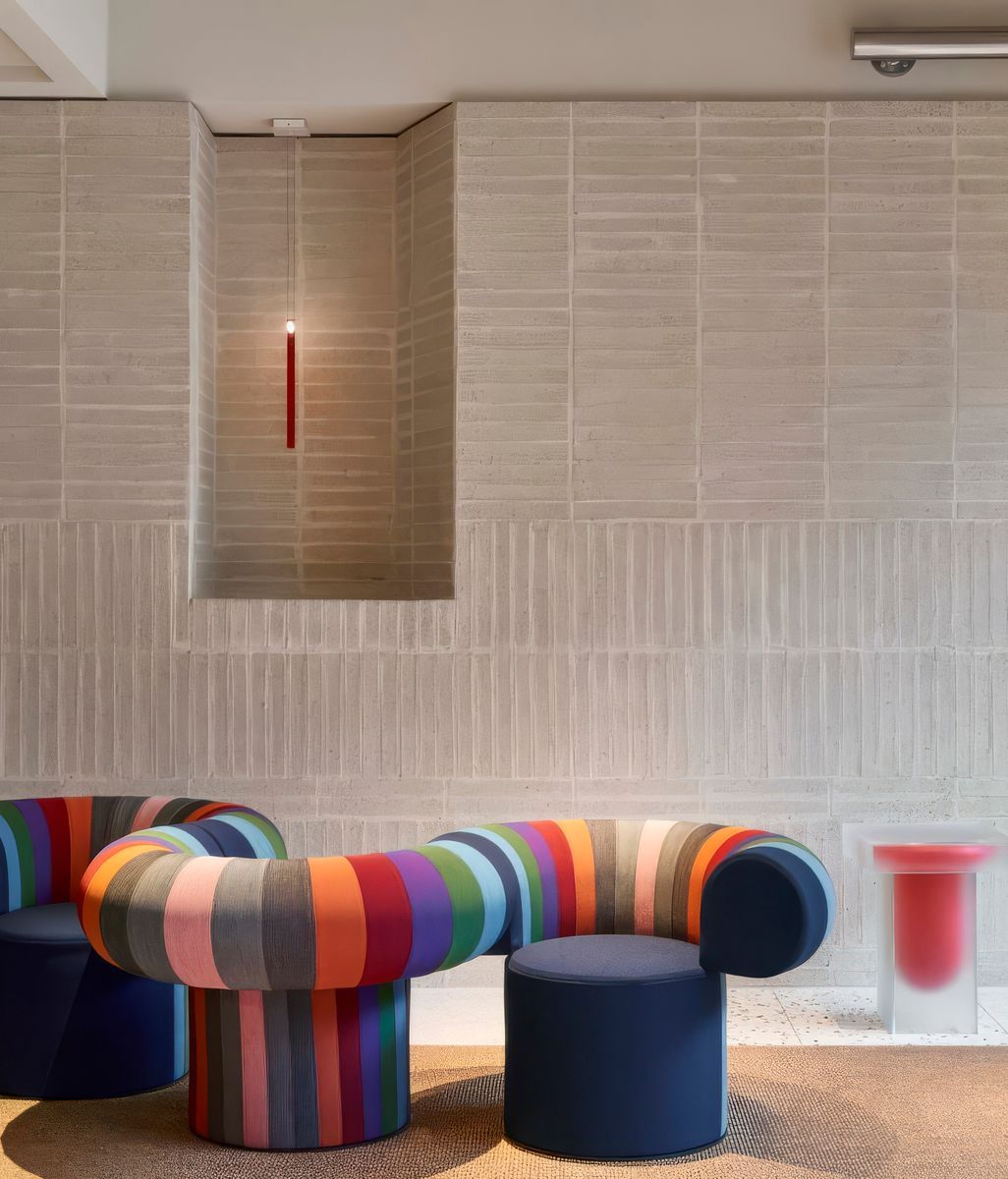
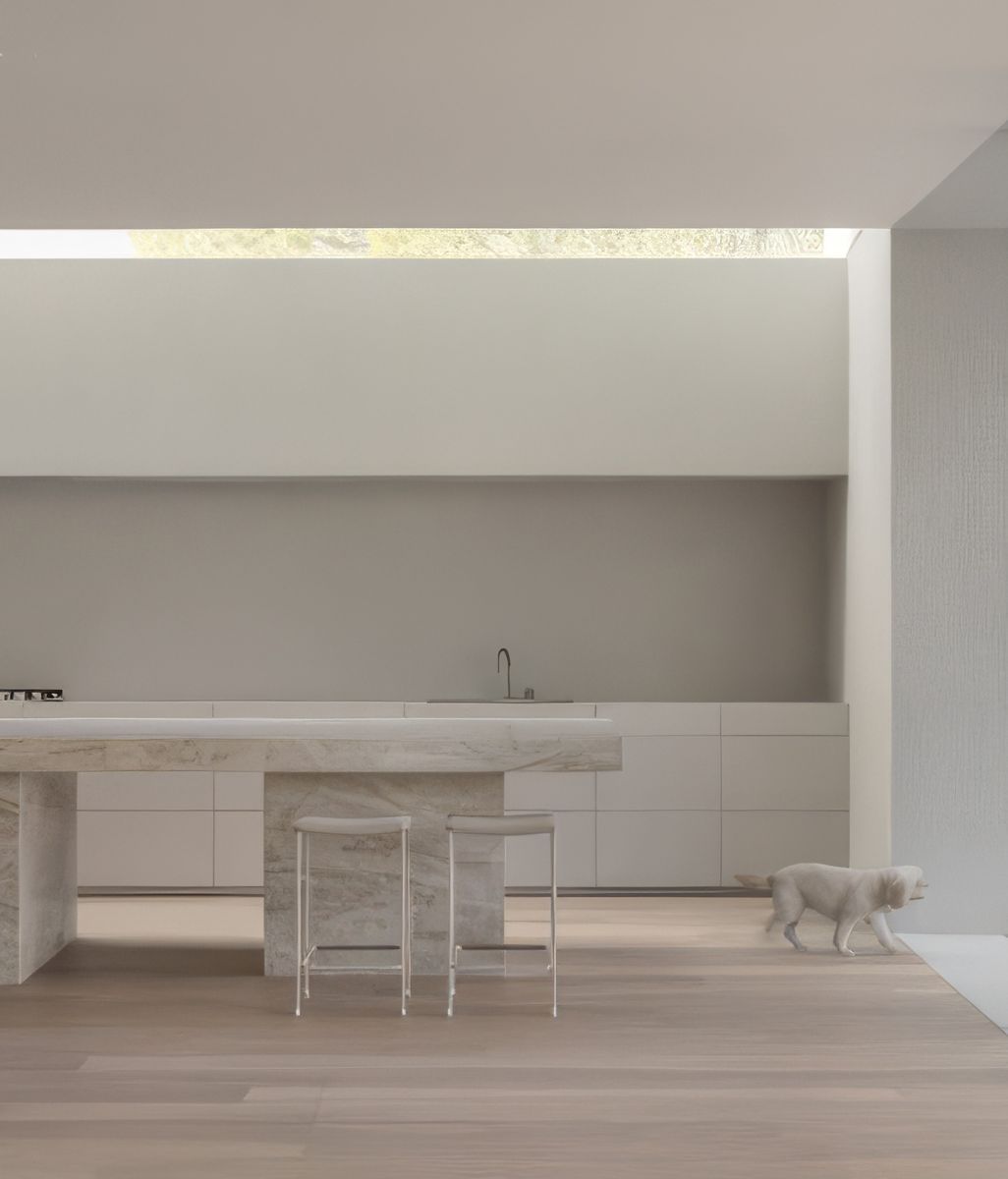
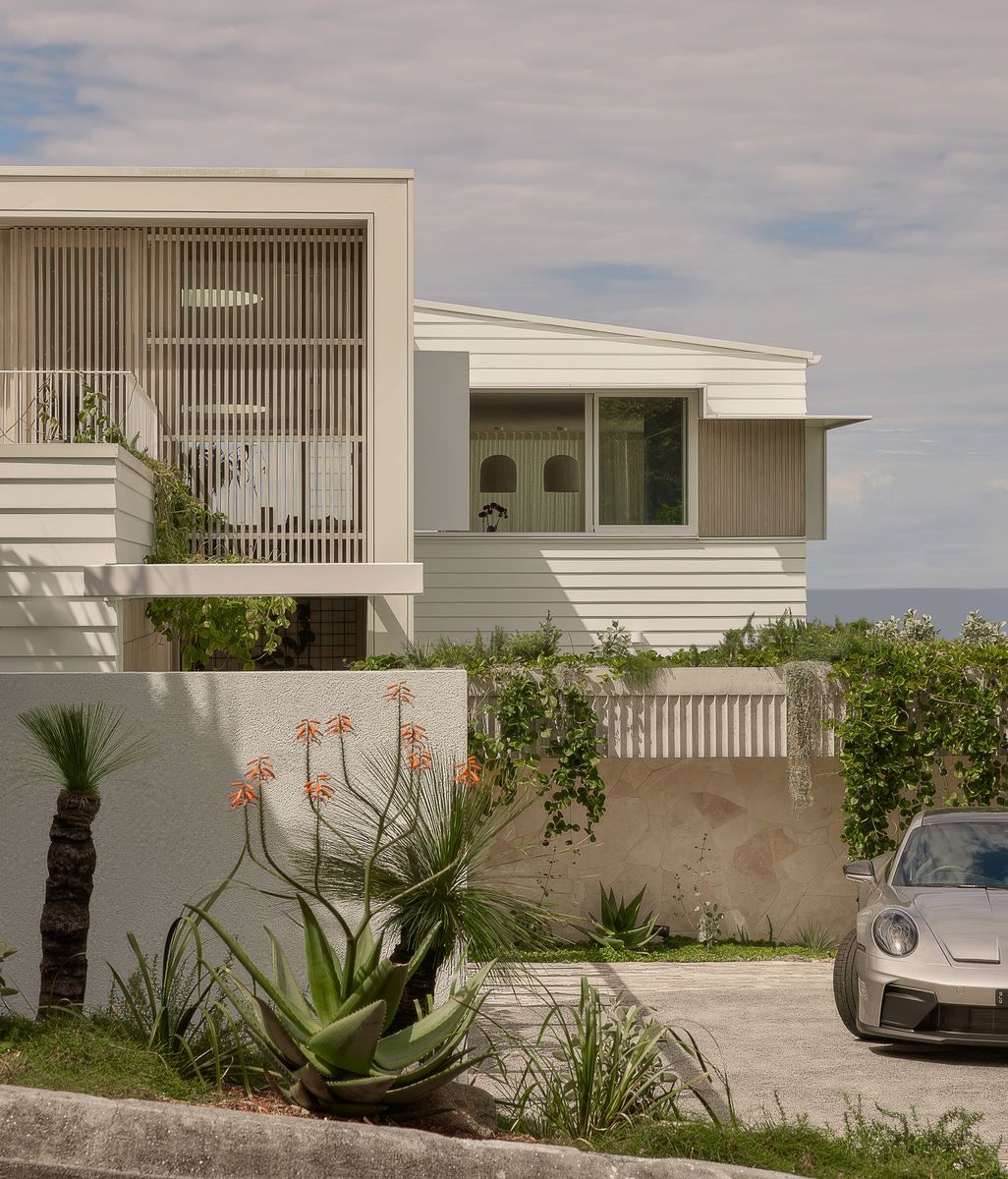
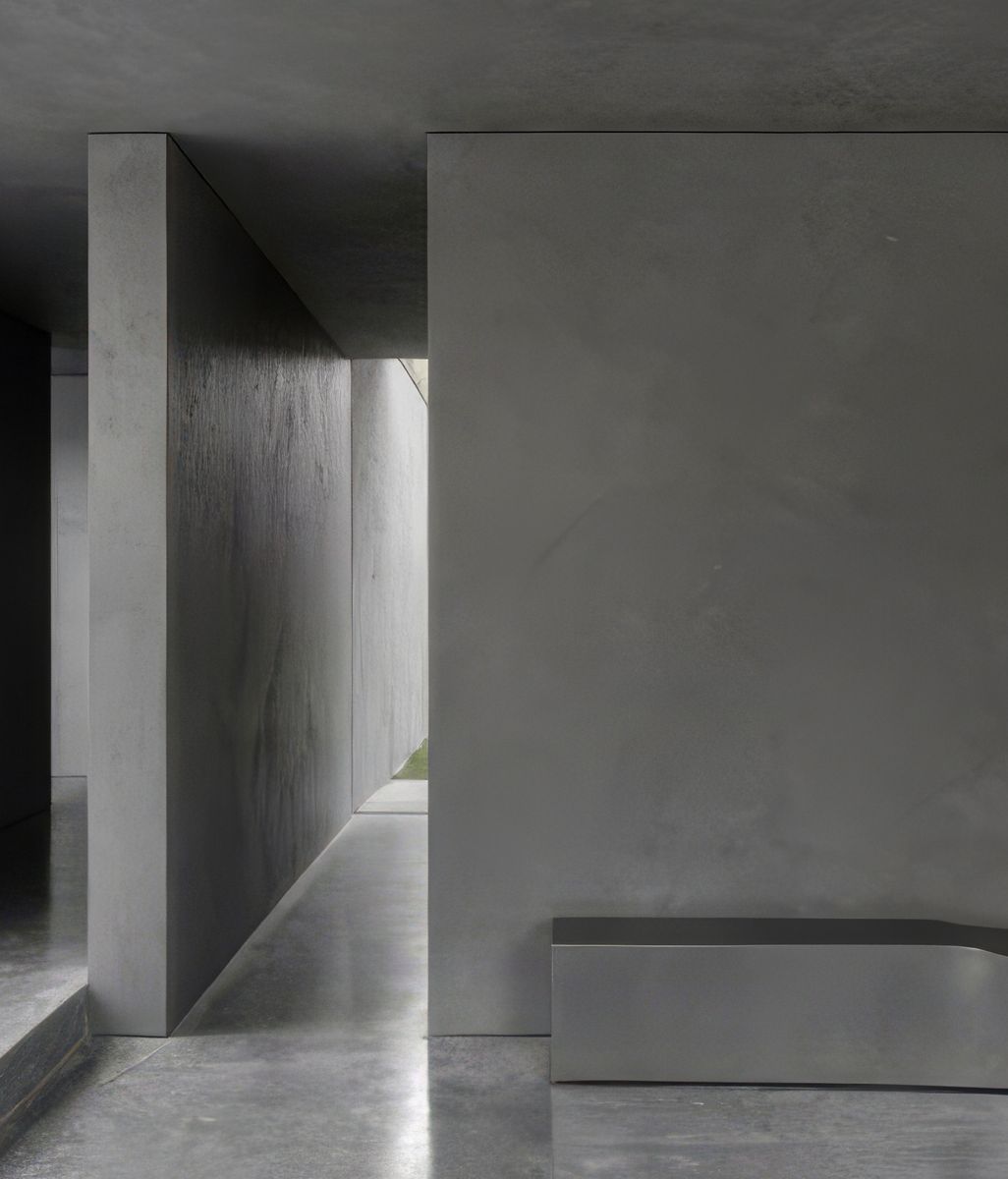
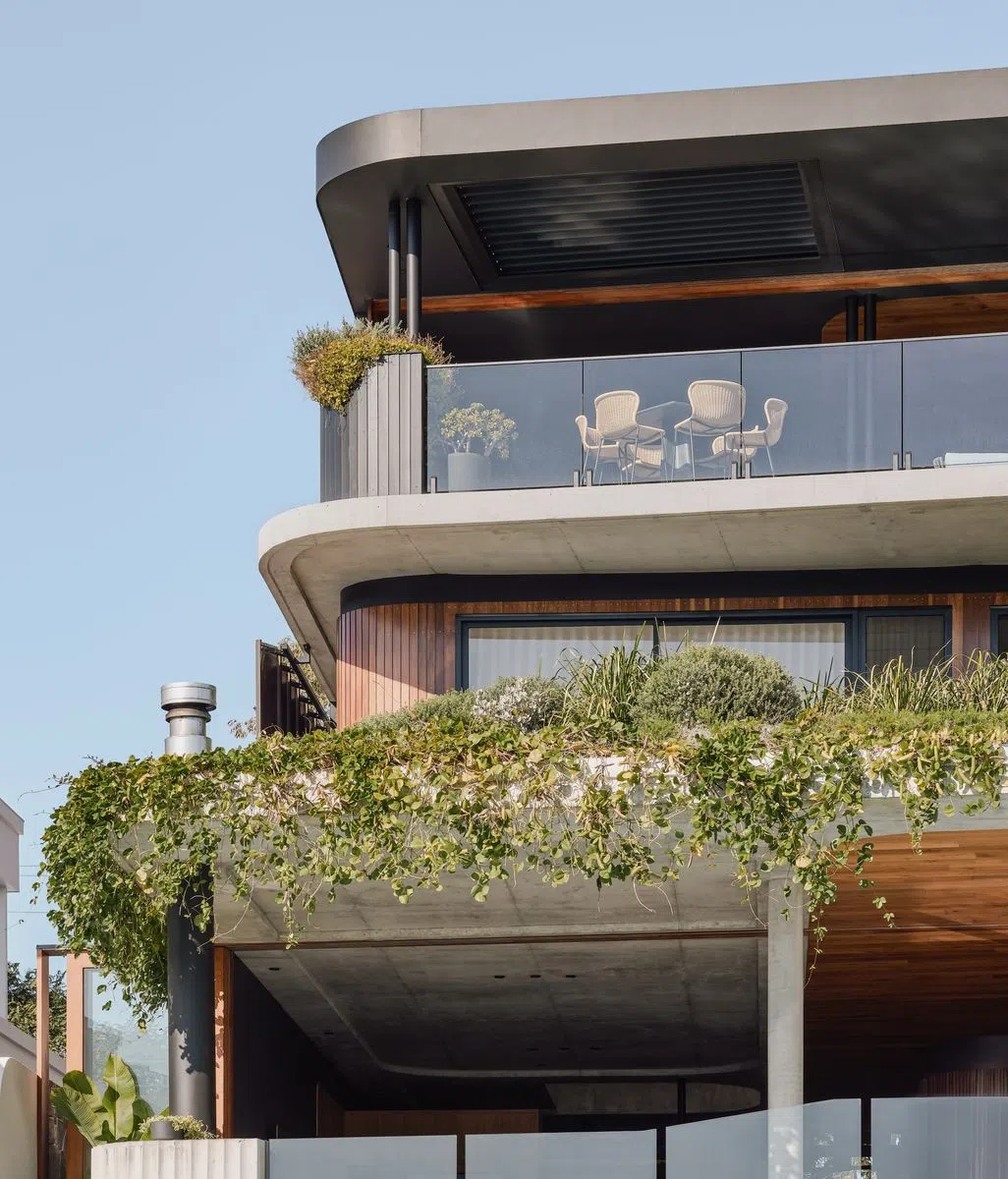
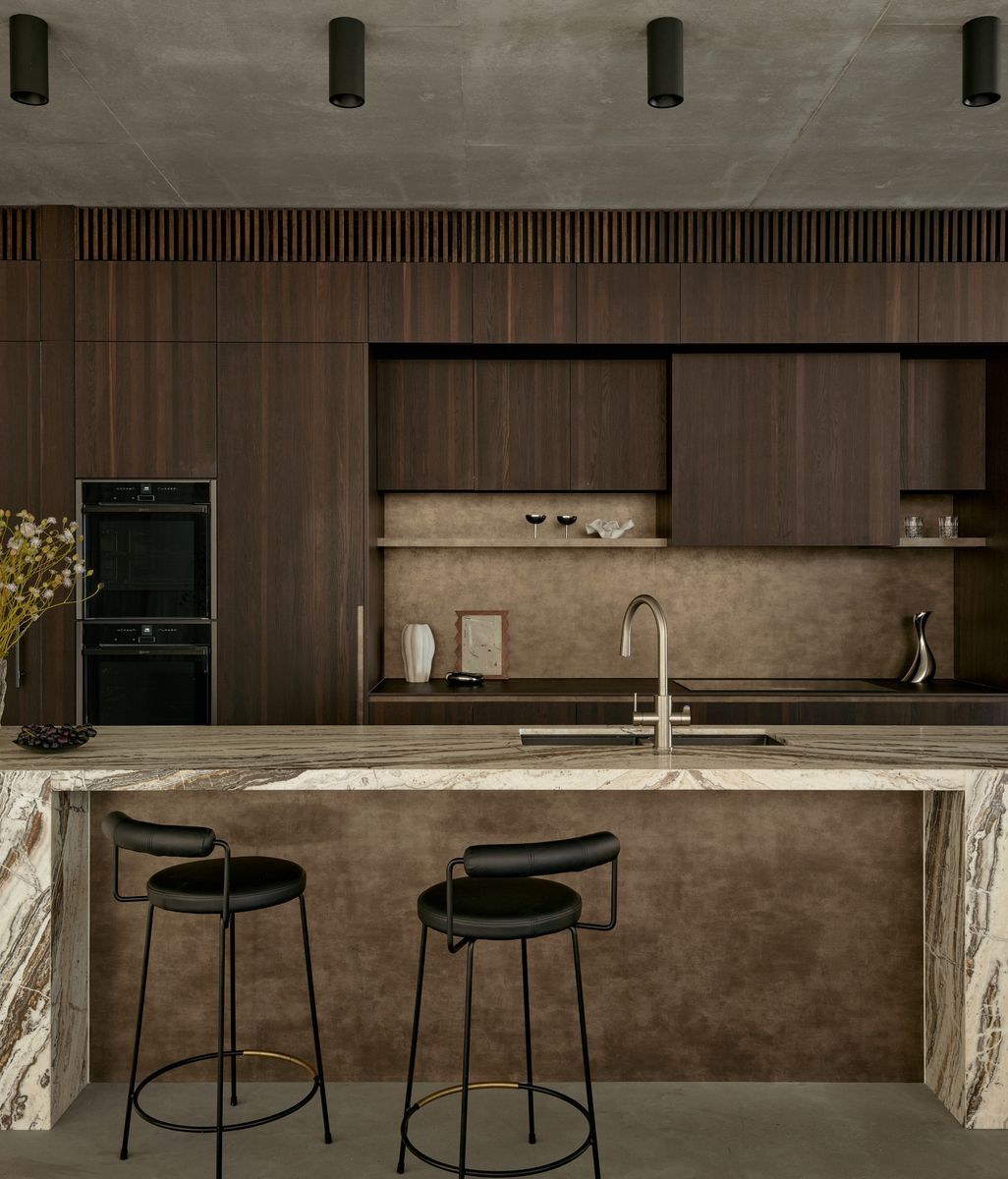
For Rezen, materiality is one of the most immediate ways a building fosters calm, which is why their approach prioritises natural materials (timber, stone, textured plaster) and finishes that show the hand of the maker.
“When we can use materials that bring their own personalities to a project, they add a level of authenticity and warmth that you can’t just conjure up. There’s a sense of balance that’s created through those things,” says Rhys.
In this way, calm becomes tactile. The grain of timber under your hand, the coolness of stone beneath your feet, the subtle irregularities of a handmade tile, each offers a sensory grounding that synthetic surfaces rarely achieve. These are what Rhys calls “touchpoints”, small but powerful moments that ground people in the space.
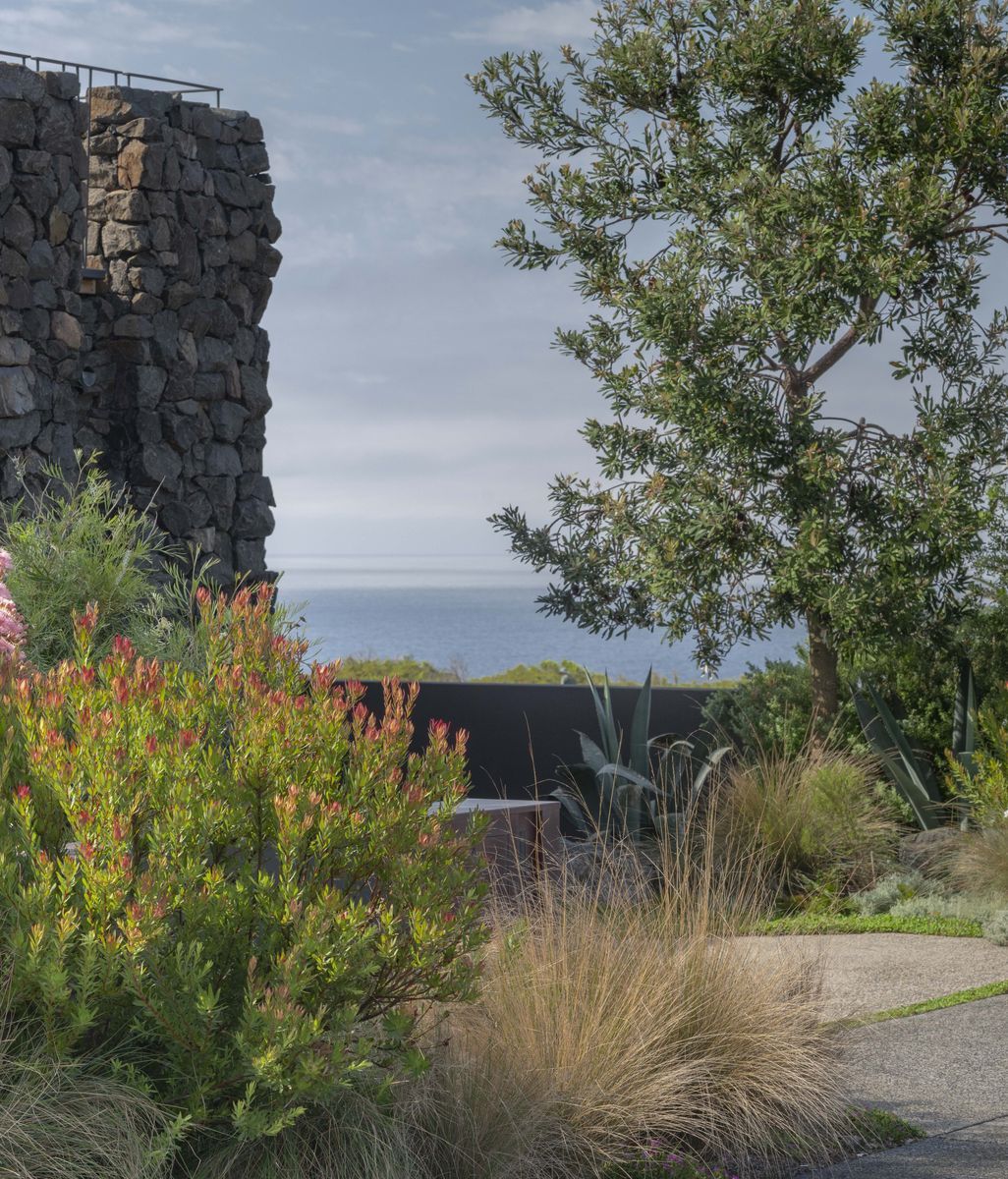
Zenifa describes this as bringing nature in, but in a structured way. Materials don’t compete for attention. Instead, they work together, tonally and texturally, to create spaces that feel coherent. It’s an instinctive approach, and one that relies on sensitivity to balance and proportion.


The impact of colour, light & acoustics
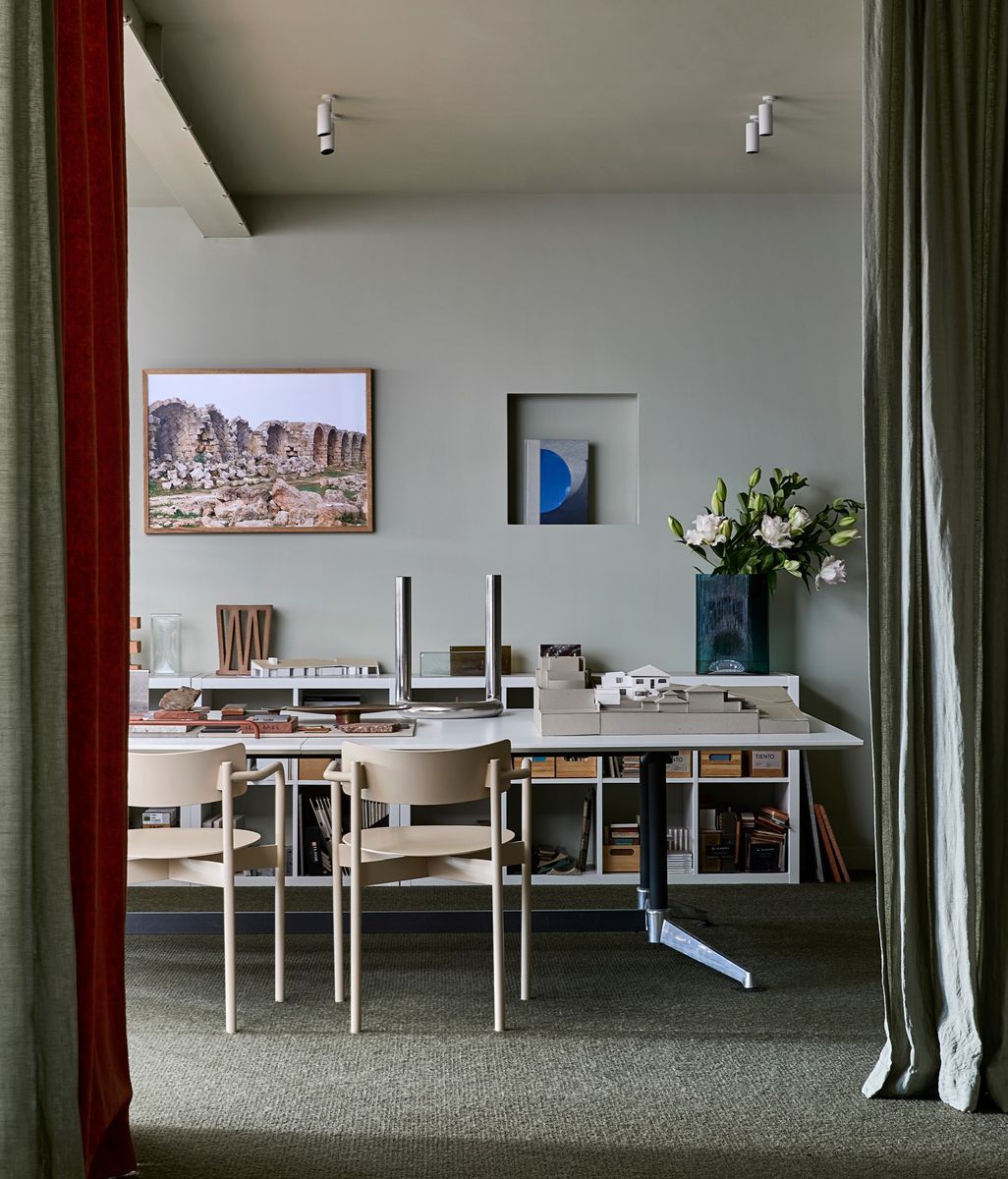
Colour and lighting are also considered with the same instinctive approach, and both are utilised with a softness in Rezen’s work.
“We tend towards a softer, creamier white,” shares Zenifa. “We find it creates softness, but it’s also important to consider how it interacts with the light, whether it’s daylight or artificial.”
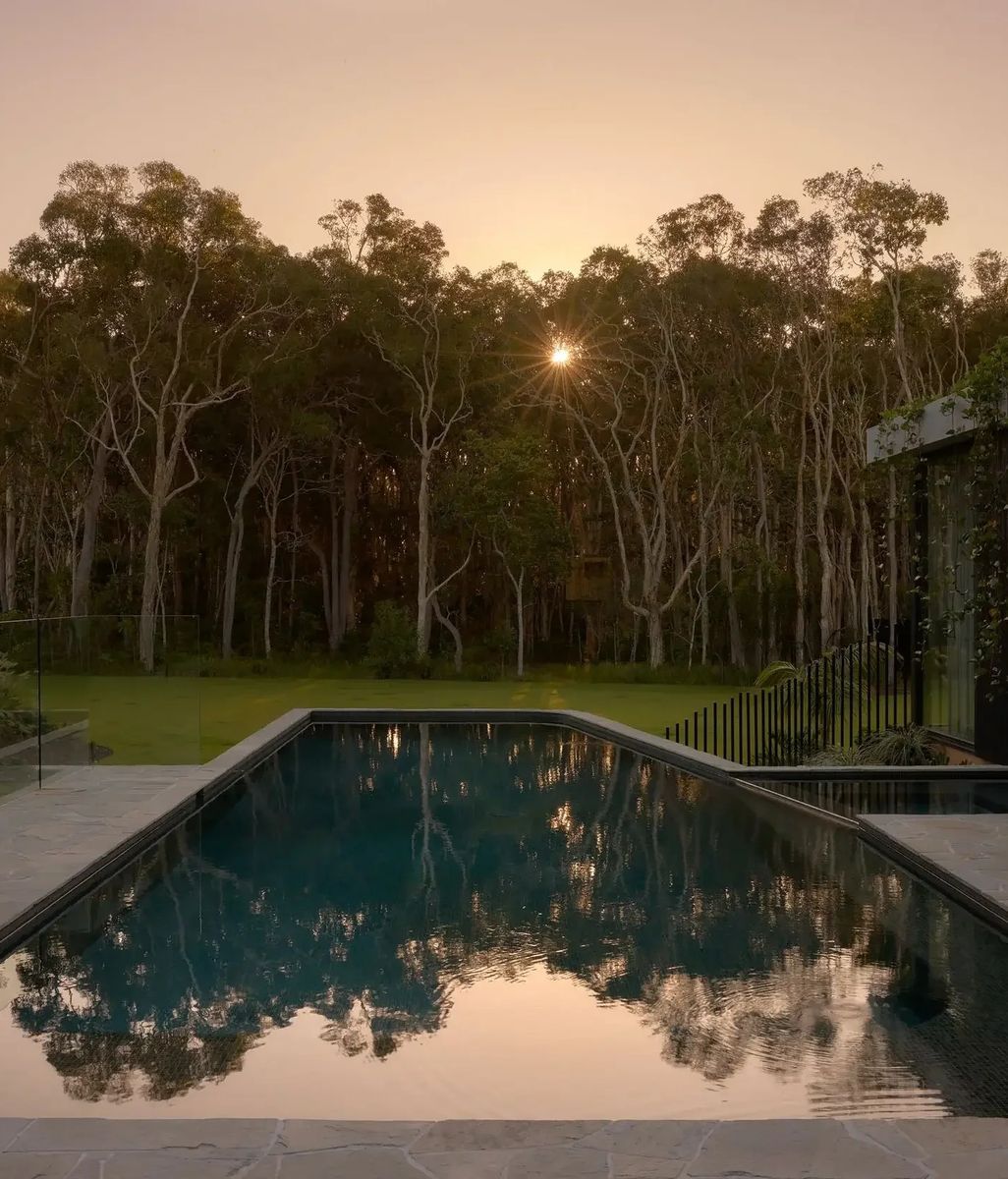
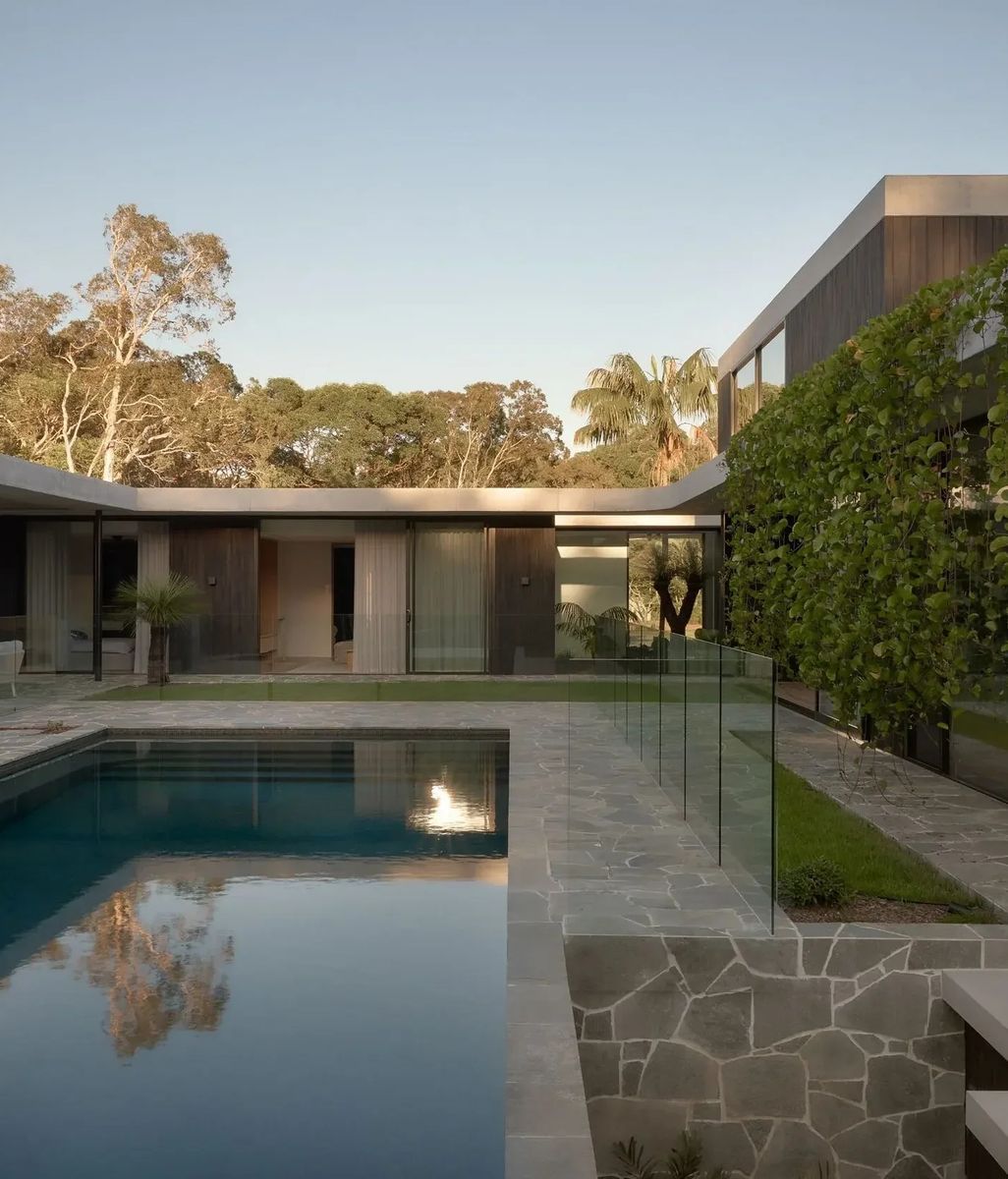
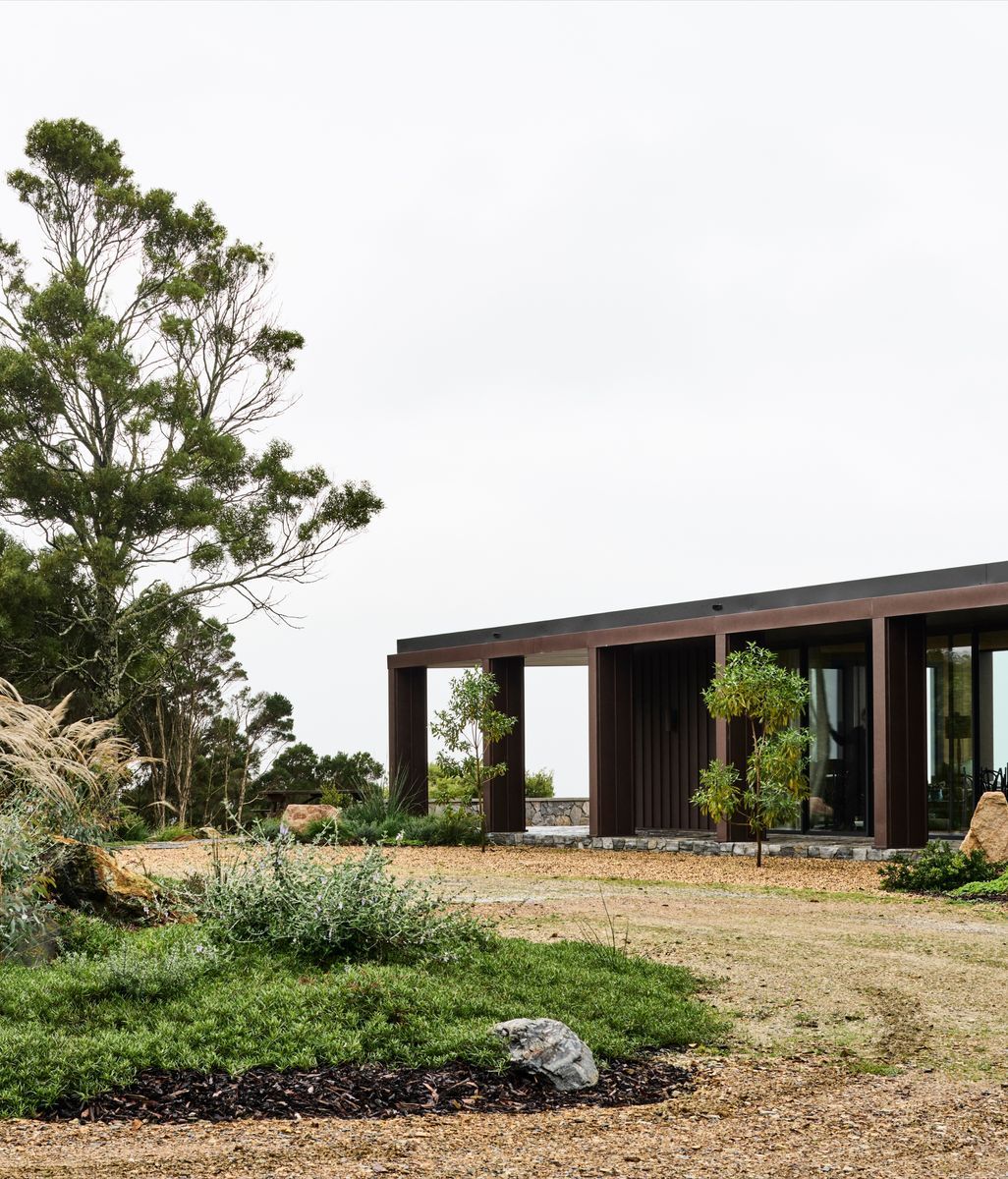
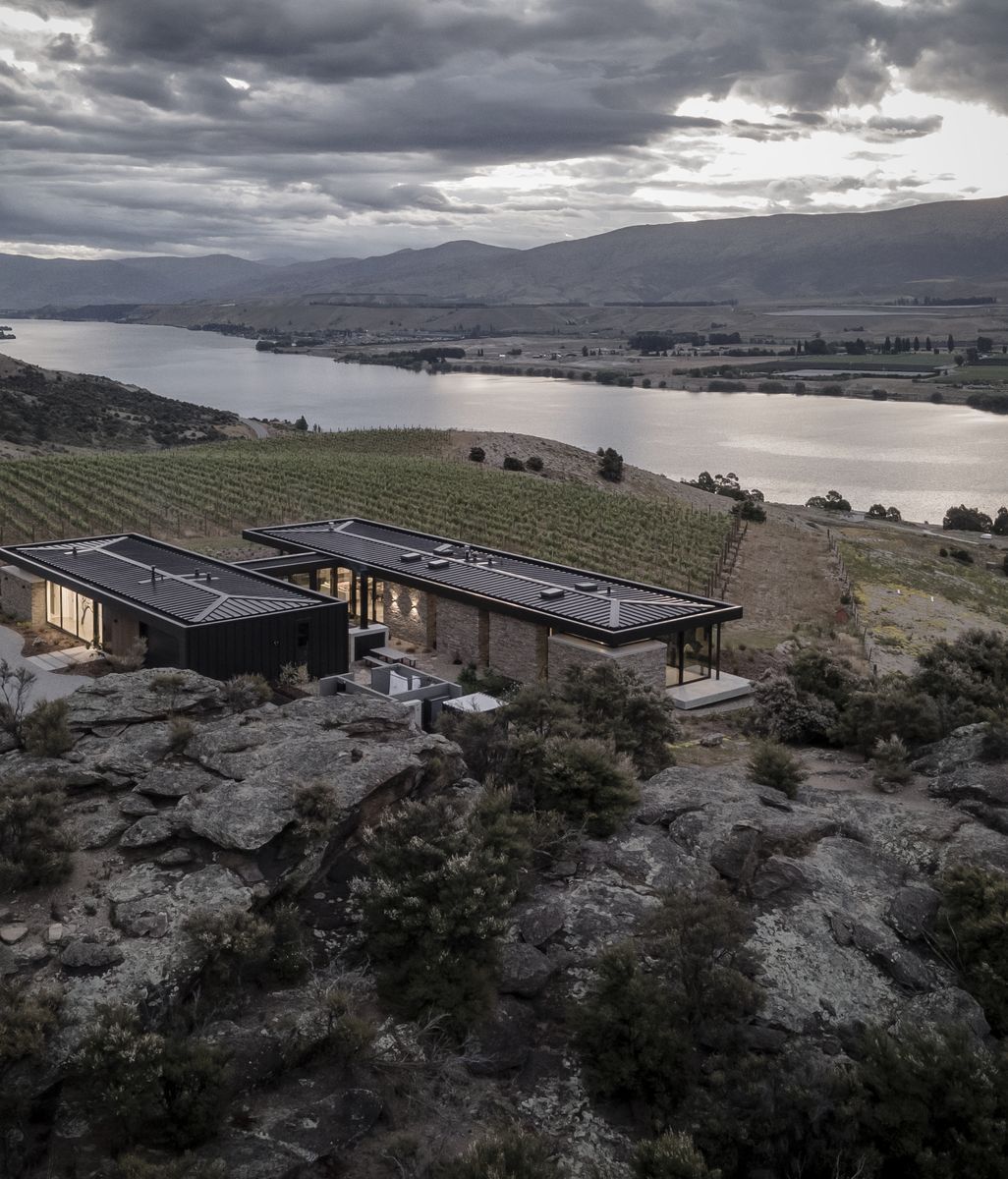
In Perth, where Rezen Studio is based, light is its own architectural force. Summers are sharp and glaring, while winters are low and muted. Designing for both is an act of mediation. “In winter you want to get that direct sun,” says Rhys, “and in the summer months you’re finding ways to really mitigate that intensity.”
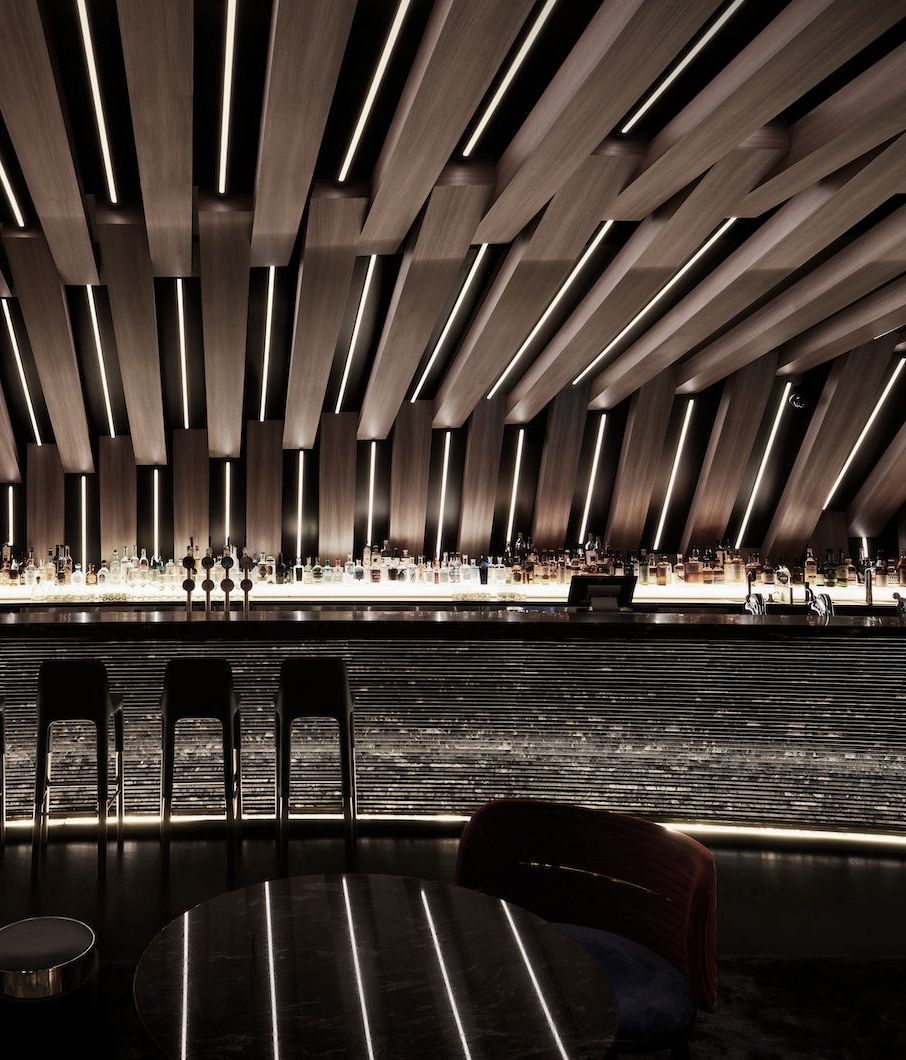
Acoustics, too, play a subtle but critical role in creating calm. A room that’s too loud can feel chaotic; too quiet, and it becomes self-conscious. The balance lies somewhere in between, where conversation carries easily but never competes with the environment.
“Comfortable acoustics are super important,” says Rhys. “You don’t want to deaden the sound to the point where you feel everyone can hear you, but you also don’t want that tinny, harsh quality that makes you want to leave.”
In hospitality projects, that equilibrium can be difficult to achieve. Sound should have presence, but not dominance. In wellness or residential settings, a gentler acoustic landscape is often required. Zenifa says getting it right can be as much about feeling as engineering.
“It’s actually really hard to get that mix right,” she says. “When a space is uncomfortable — with glare or with intense acoustics, you don’t stay as long.”
For Rezen, prioritising comfort, while creating a calming visual atmosphere, is about designing with emotion in mind, but not sentimentality. They imagine how a space will feel long before it’s built, and when the project is complete, that imagined feeling often aligns with reality.
“We know that space intimately in our head before it’s built,” says Zenifa. “When you walk through it at the end of the day, most of the time it’s exactly how we hoped it might feel.”