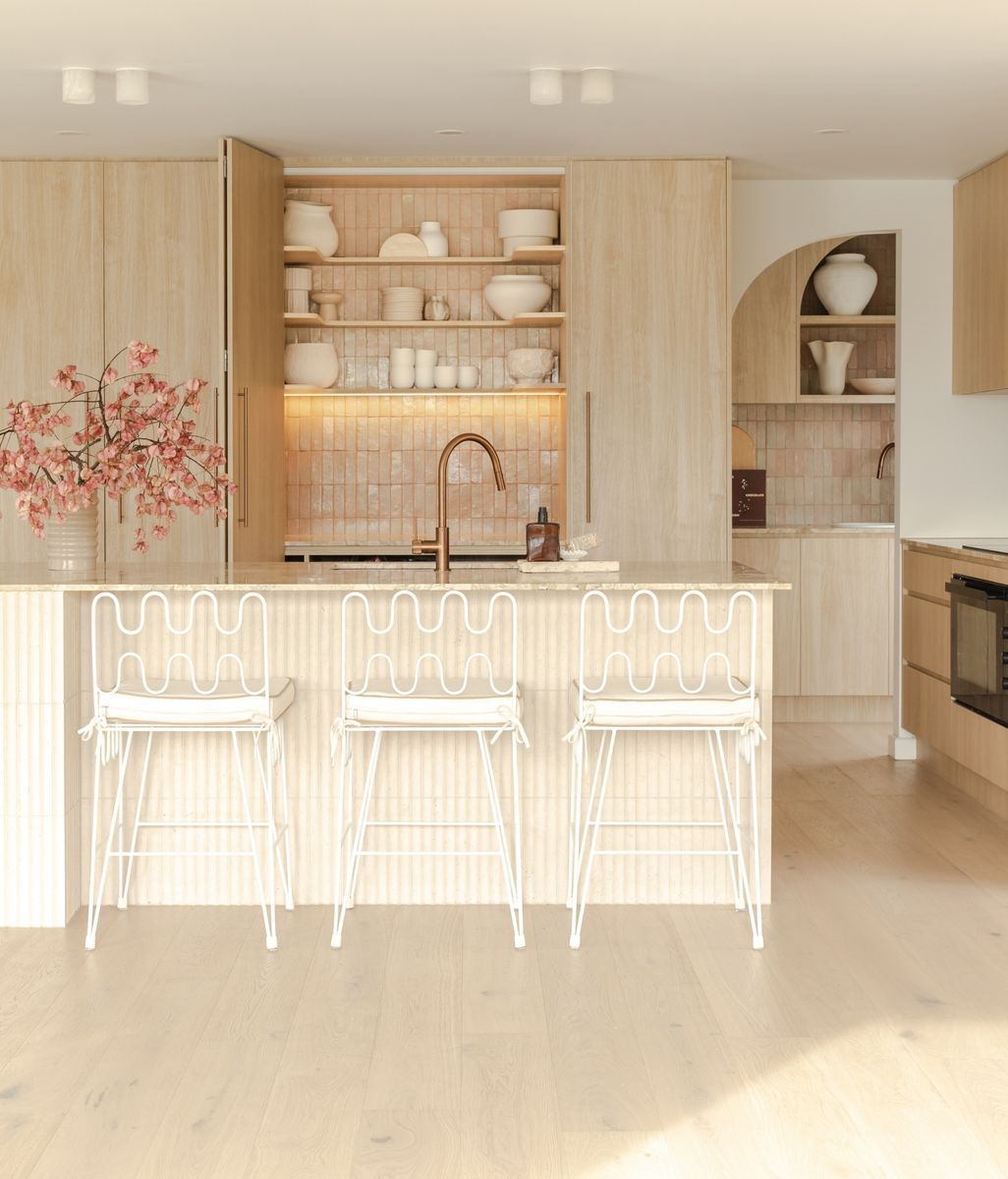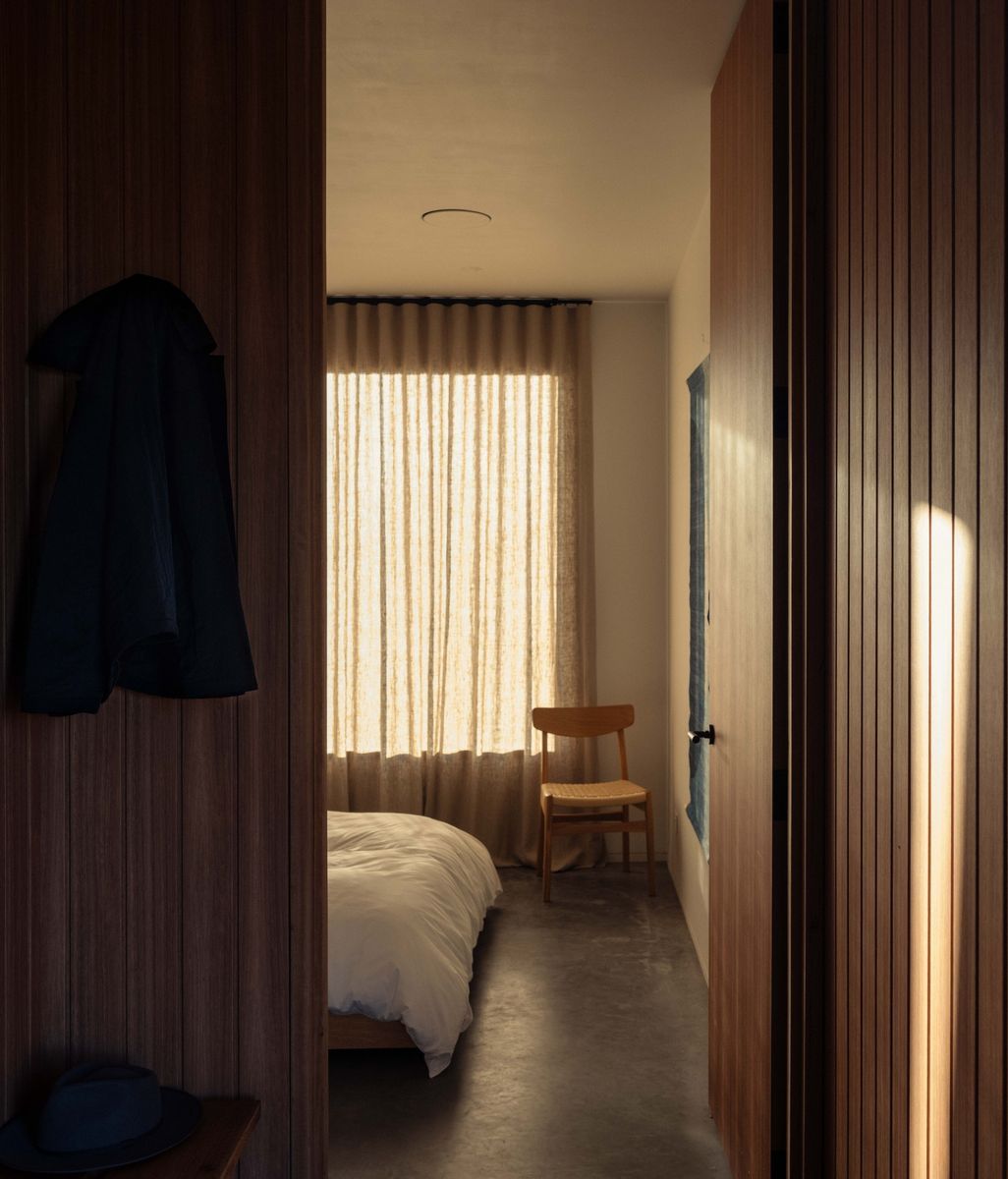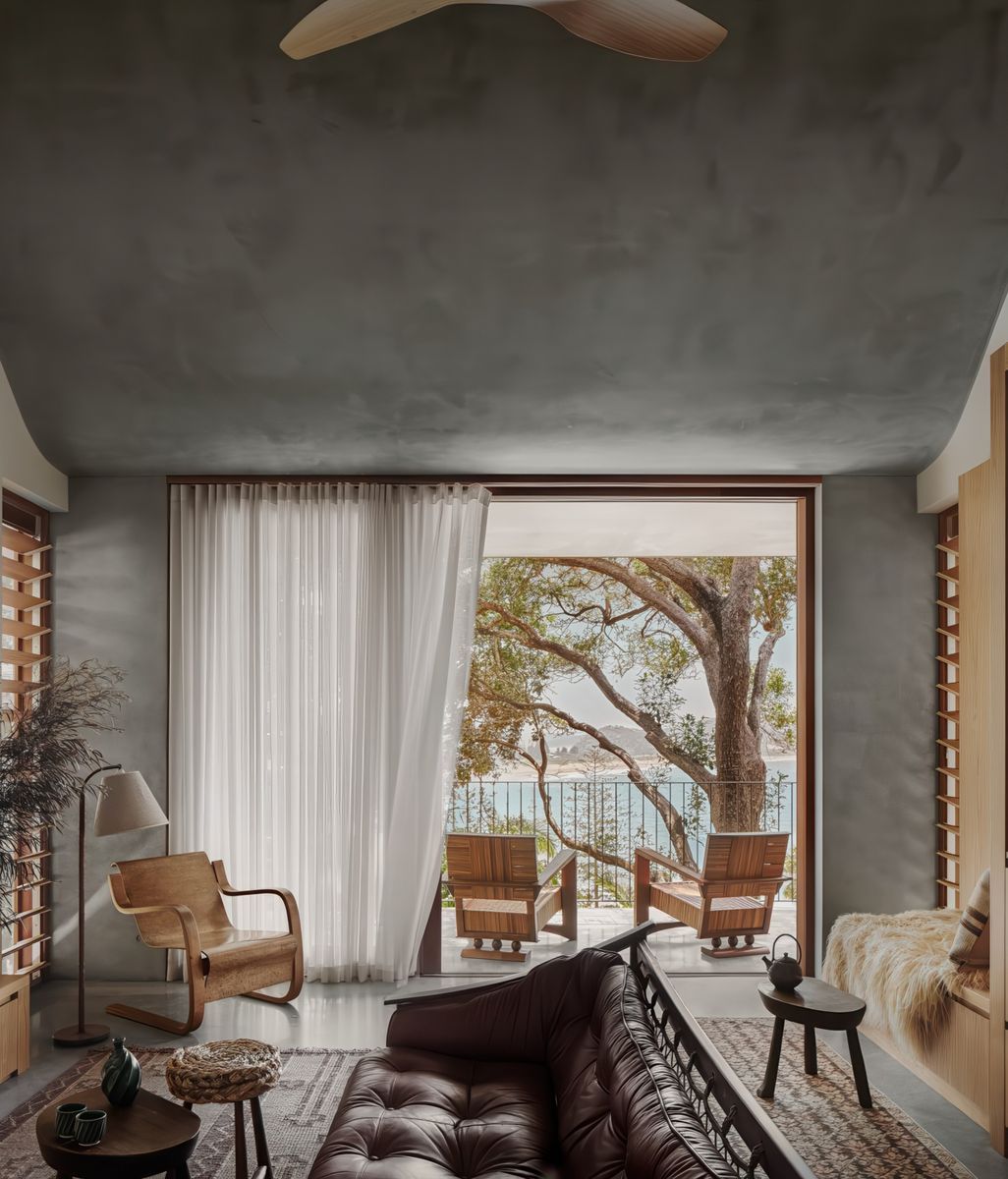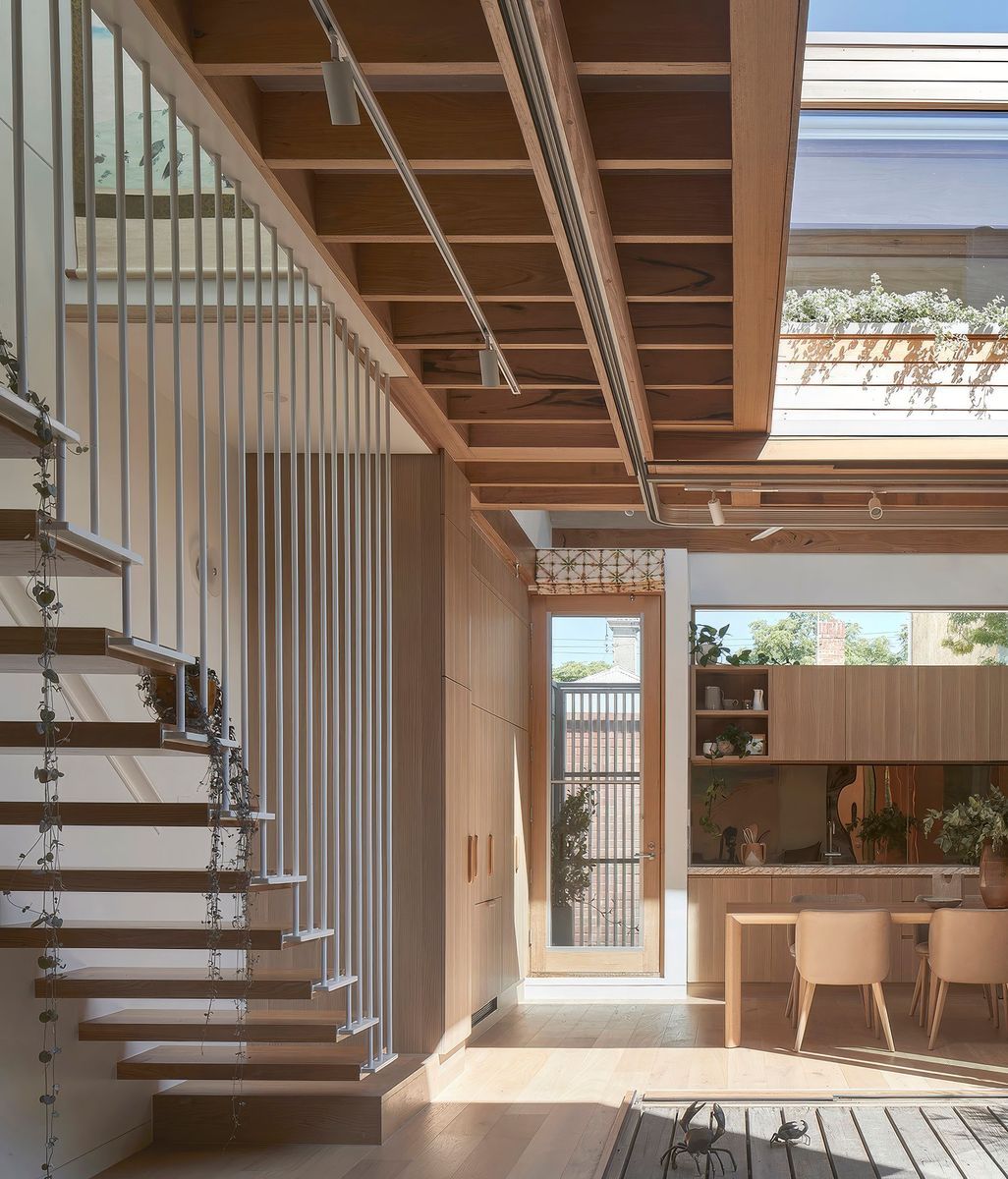
Designing for Neurodiversity: Creating Inclusive Spaces for All
At the recent Altro Neurodiversity Forum 2025, architects, designers, and built environment professionals gathered to explore how we can create inclusive spaces for all individuals, regardless of their neurological makeup. Hosted on 26 March at the Manly Pacific Hotel in Sydney, the forum featured expert talks, hands-on workshops, and a chance for industry leaders to come together and share ideas.
One of the standout presentations came from Jo Vinney, Principal and Founder of Brinnie T Designs, who discussed four key design principles that can significantly impact neurodivergent individuals. These principles focus on understanding sensory sensitivities, designing for flexibility, ensuring predictability and structure, and embracing inclusivity and personalisation. Here are some of the key takeaways from her insightful talk.
Sensory Sensitivity
Neurodivergent individuals often experience sensory sensitivities that can make everyday spaces uncomfortable or overwhelming. Lighting, acoustics, textures, colours and nature play a crucial role in creating a calming environment but can also contribute to sensory overload.
Here’s how to address these factors:
- Lighting: Use soft, warm lighting that can be dimmed for greater flexibility. Avoid fluorescent lights that can flicker and cause discomfort.
- Acoustics: Incorporate carpets, vinyls, acoustic panels, and other soft furnishings to reduce noise levels and create quiet zones in open spaces. Altro Orchestra and Altro Wood Adhesive-Free flooring provides high design options, with comfort under foot and noise reducing properties.
- Textures & Materials: Opt for fabrics and materials that are not irritating to the skin. Offer a variety of smooth and textured surfaces to accommodate different sensory needs.
- Colour Psychology: Understand how colours affect mood and ensure that the colour scheme is soothing rather than overstimulating. Cool tones like blues and greens tend to be calming, while high-contrast patterns may create stress for some users. Altro Whiterock Satins’ new colour range features muted, on-trend tones designed to create a calming, rather than overwhelming, environment.
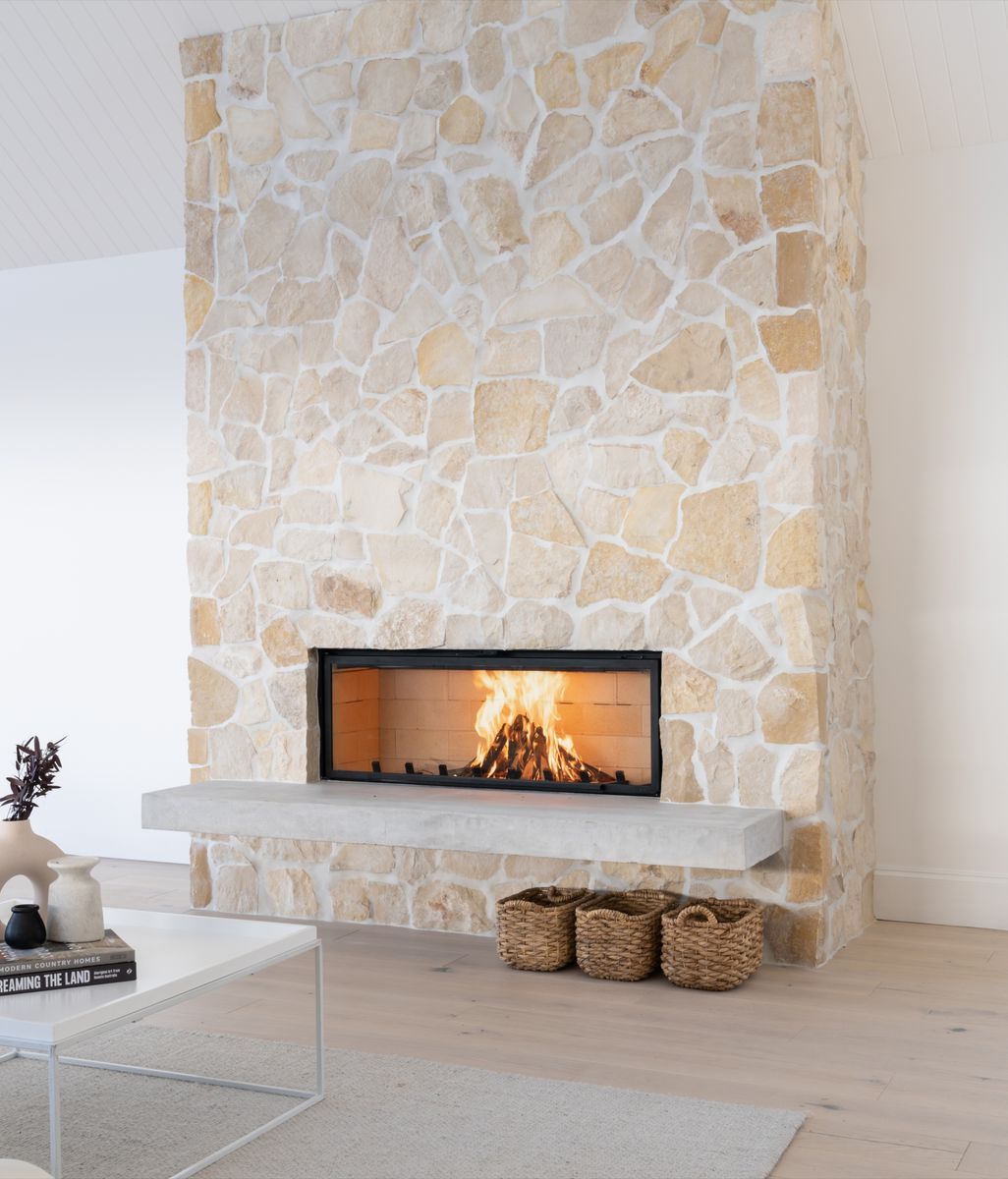
- Biophilic Design: biophilic design can play a powerful role in creating calm, supportive spaces. Altro Whiterock wall designs build on this approach by incorporating biophilic elements through natural wood, metal, stone, and linen finishes—bringing elegance to interior walls while maintaining the durability expected from Altro Whiterock.
Flexibility in Design
A space designed for just one use often fails to accommodate diverse needs. Flexibility is key to creating inclusive environments. By allowing spaces to adapt to different needs, designers can ensure they work for everyone.
- Modular Furniture: Use furniture that can be moved or adjusted to suit the user. Height-adjustable desks, flexible seating, and movable partitions can all help tailor the space to individual needs.
- Multi-Use Spaces: Create spaces that can serve multiple functions throughout the day. A room designed to host a workshop in the morning could transform into a quiet retreat in the afternoon.
- Personal Control: Allowing individuals to personalize their environment can reduce sensory overload. Features like blockout blinds, adjustable lighting, and temperature control allow people to create a space that works for them.
Predictability & Structure
Confusing, inconsistent signage and poor wayfinding can quickly overwhelm neurodivergent individuals, creating a sense of disorientation. Ensuring that spaces are logically designed and easy to navigate can reduce cognitive load and make the environment more user-friendly.
- Wayfinding & Signage: Use simple, consistent navigation to make spaces easy to navigate and reduce anxiety. Altro Digiclad offers a bespoke solution that lets designers print custom imagery directly into Altro Whiterock, seamlessly combining hygiene, durable wall protection, and personalised design.
- Defined Zones: Visual clutter can be as overwhelming as auditory noise. Streamlining layouts and clearly defining spaces helps avoid confusion and stress.
Inclusivity & Personalisation
The final principle focuses on inclusivity and personalisation—ensuring that spaces are designed with individual needs in mind and can accommodate different sensory and functional preferences.
- User-Centered Design: Including neurodivergent individuals in the design process from the beginning ensures that their needs are understood and met, making spaces more functional for everyone.
- Diverse Sensory Options: Provide spaces with a variety of textures and materials, giving users choices and ensuring that the environment is welcoming to all.
- Emotional Connection: Design should foster a sense of ownership, allowing users to express their personalities and feel connected to the space. Altro Orchestra Custom allows you to personalise vinyl flooring with custom designs, helping you create a unique space that’s tailored to how it will be used and by who.
The Altro Neurodiversity Forum 2025 was a powerful reminder of the importance of designing spaces that are inclusive, flexible, and responsive to the needs of all individuals. As the conversation around neurodiversity continues to grow, it is crucial that architects and designers incorporate principles that address sensory sensitivities, promote adaptability, and ensure clarity and structure in the built environment. By embracing these approaches, we can create spaces that not only meet the needs of neurodivergent individuals but also enrich the experience of everyone who interacts with them.
Designing with neurodiversity in mind isn’t just about creating functional spaces—it’s about creating spaces that are truly inclusive, where everyone can thrive.
Interested in learning more about inclusive design? Express your interest in attending Altro’s next Neurodiversity Forum here.