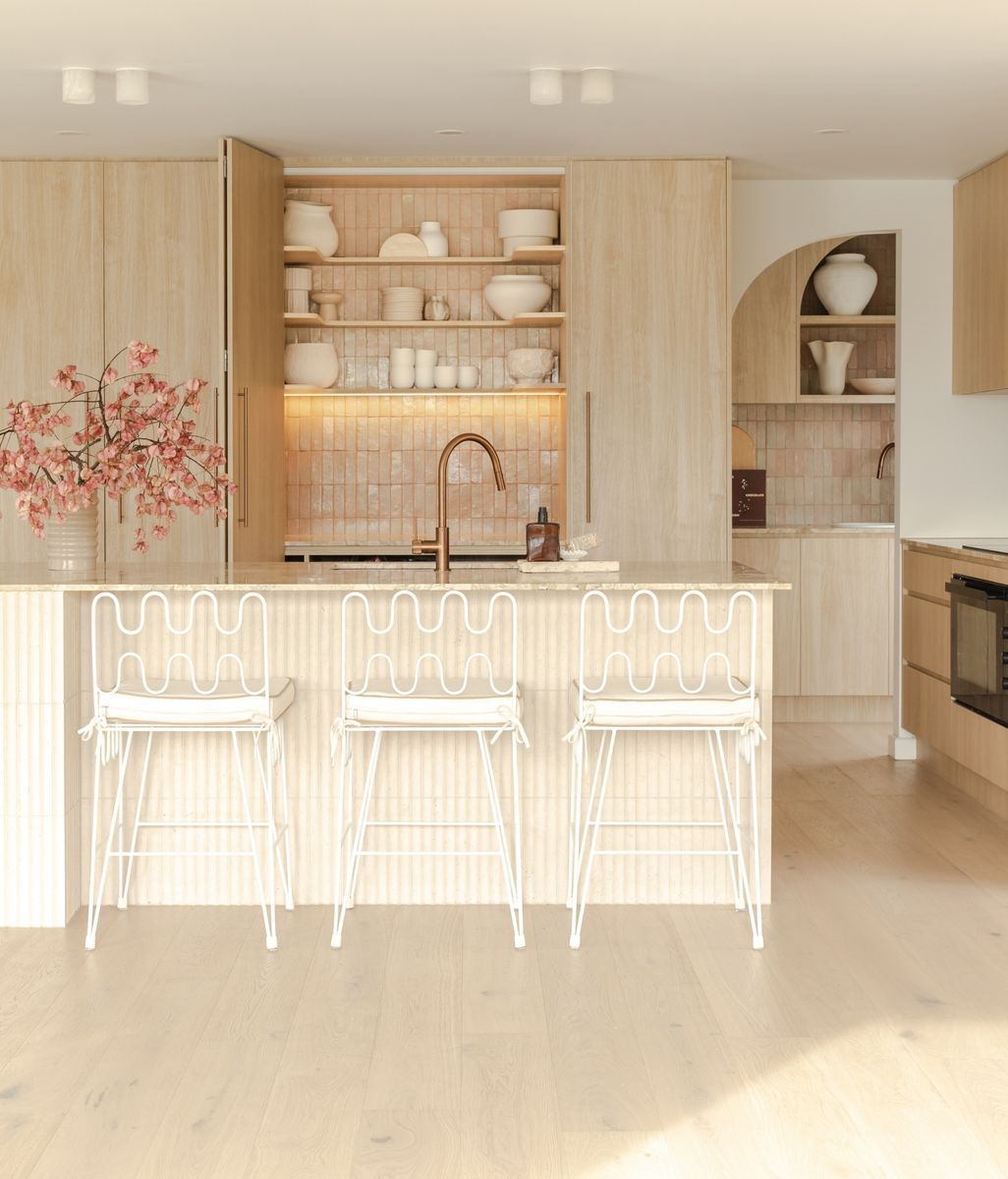
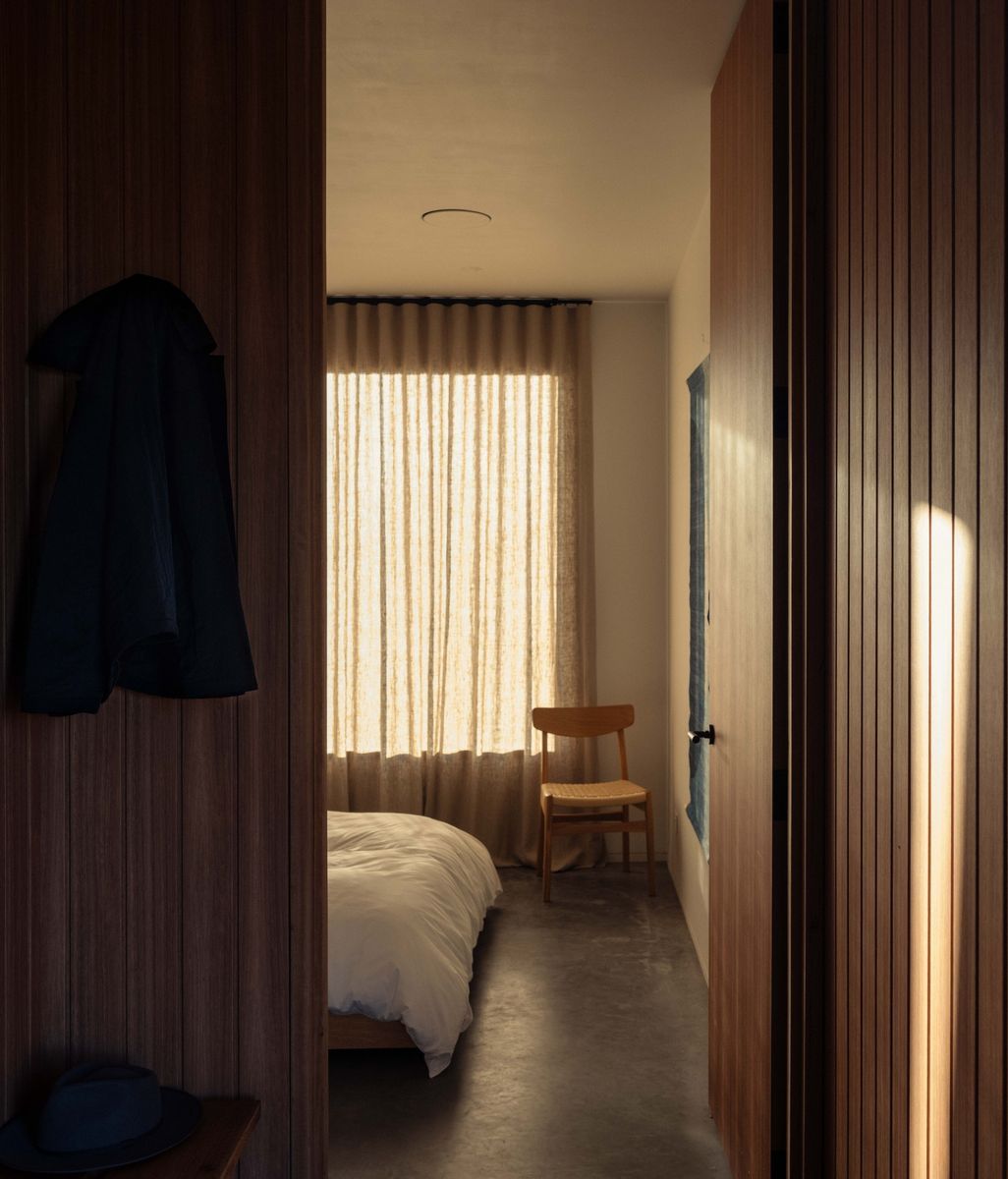
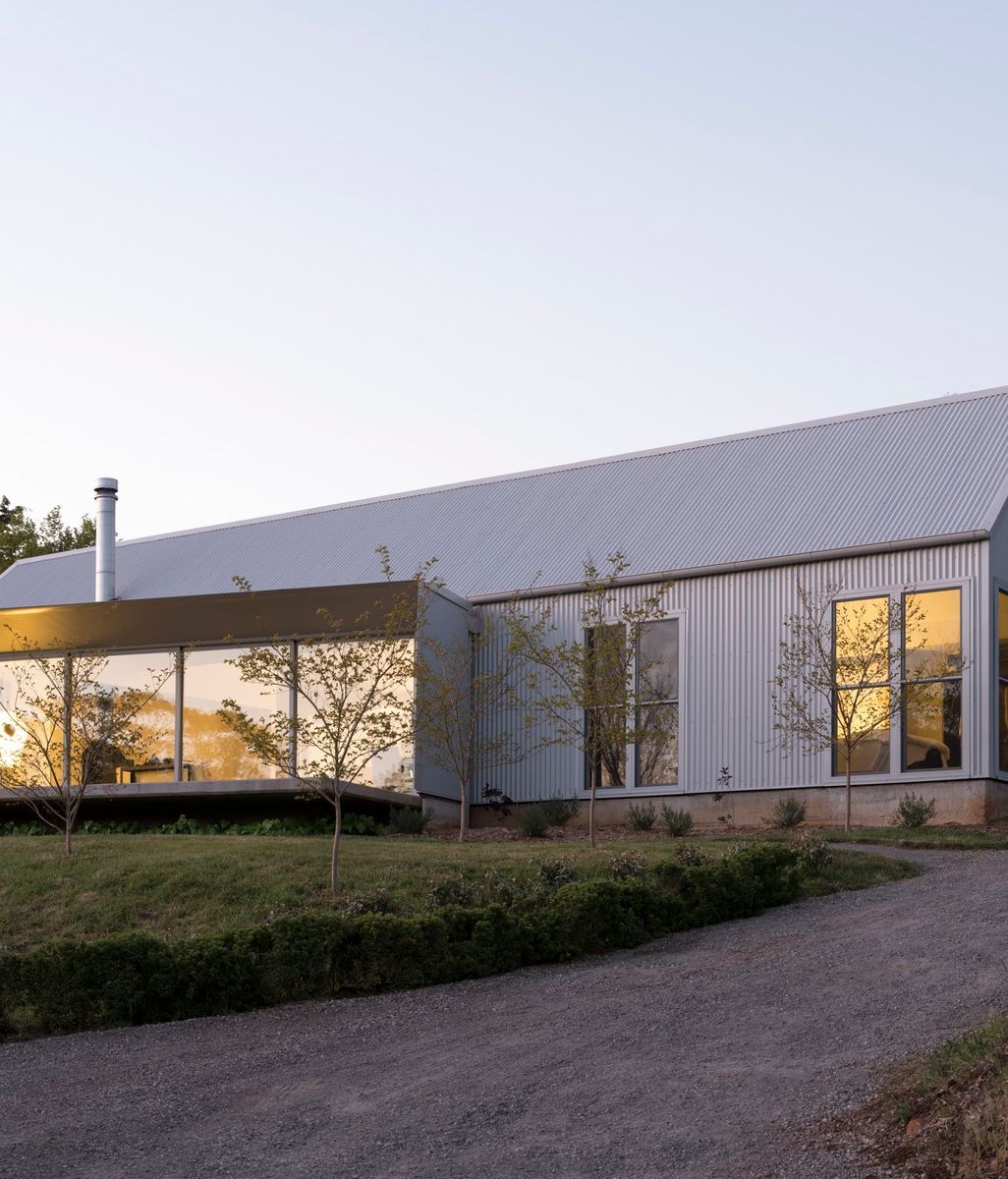
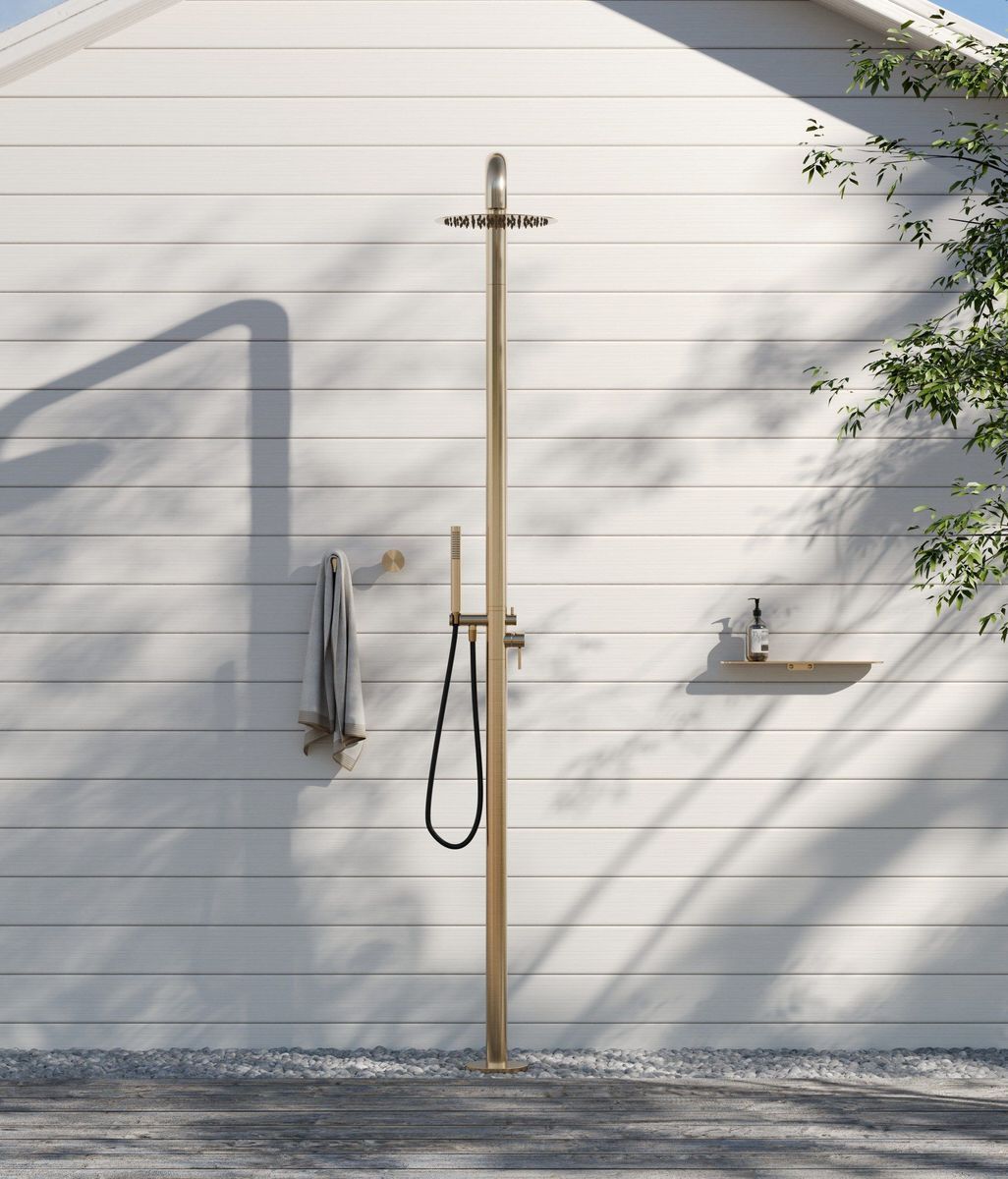
How architects are using lightweight stone to push design boundaries
Written by
13 October 2025
•
4 min read

What is lightweight stone?
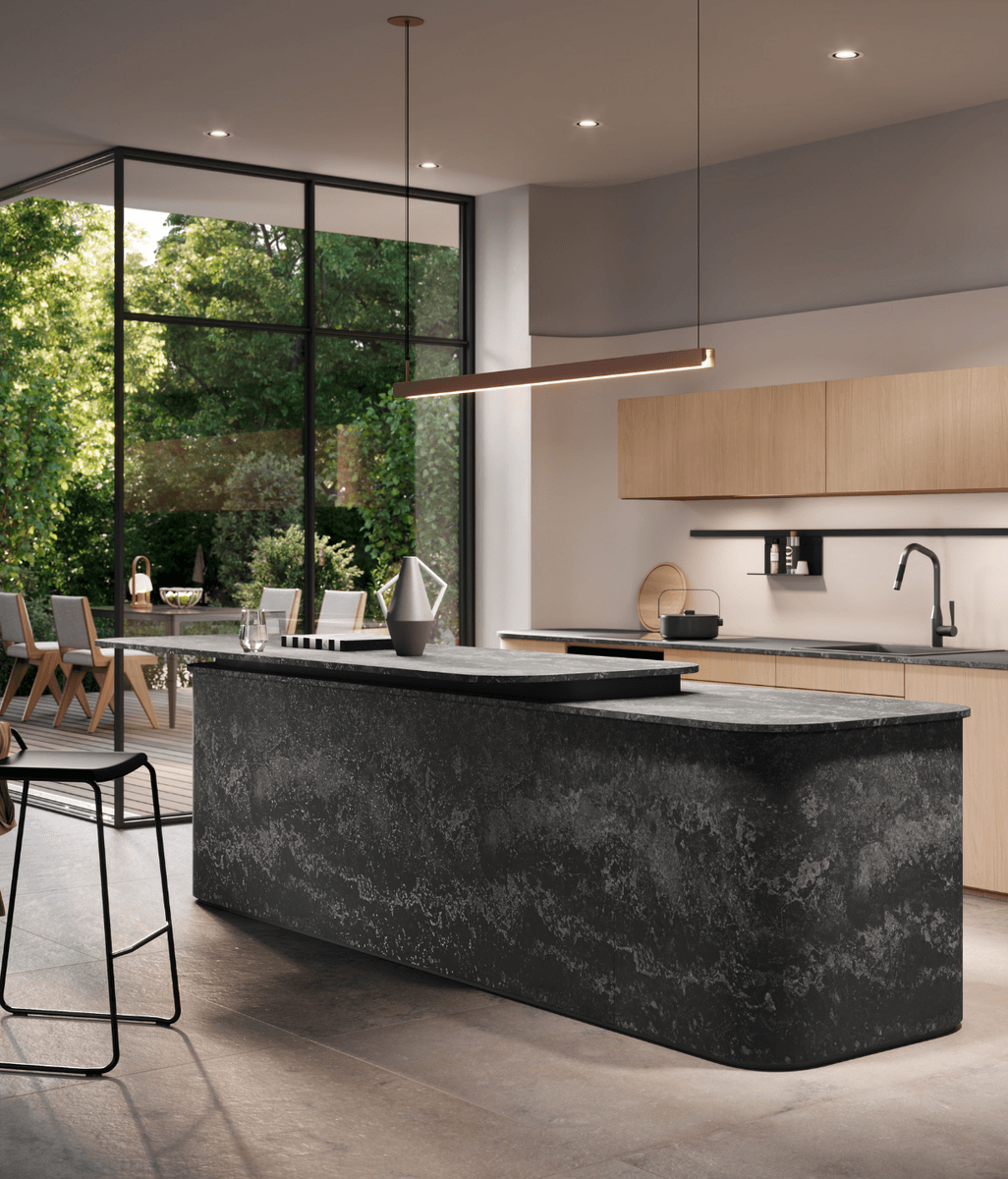
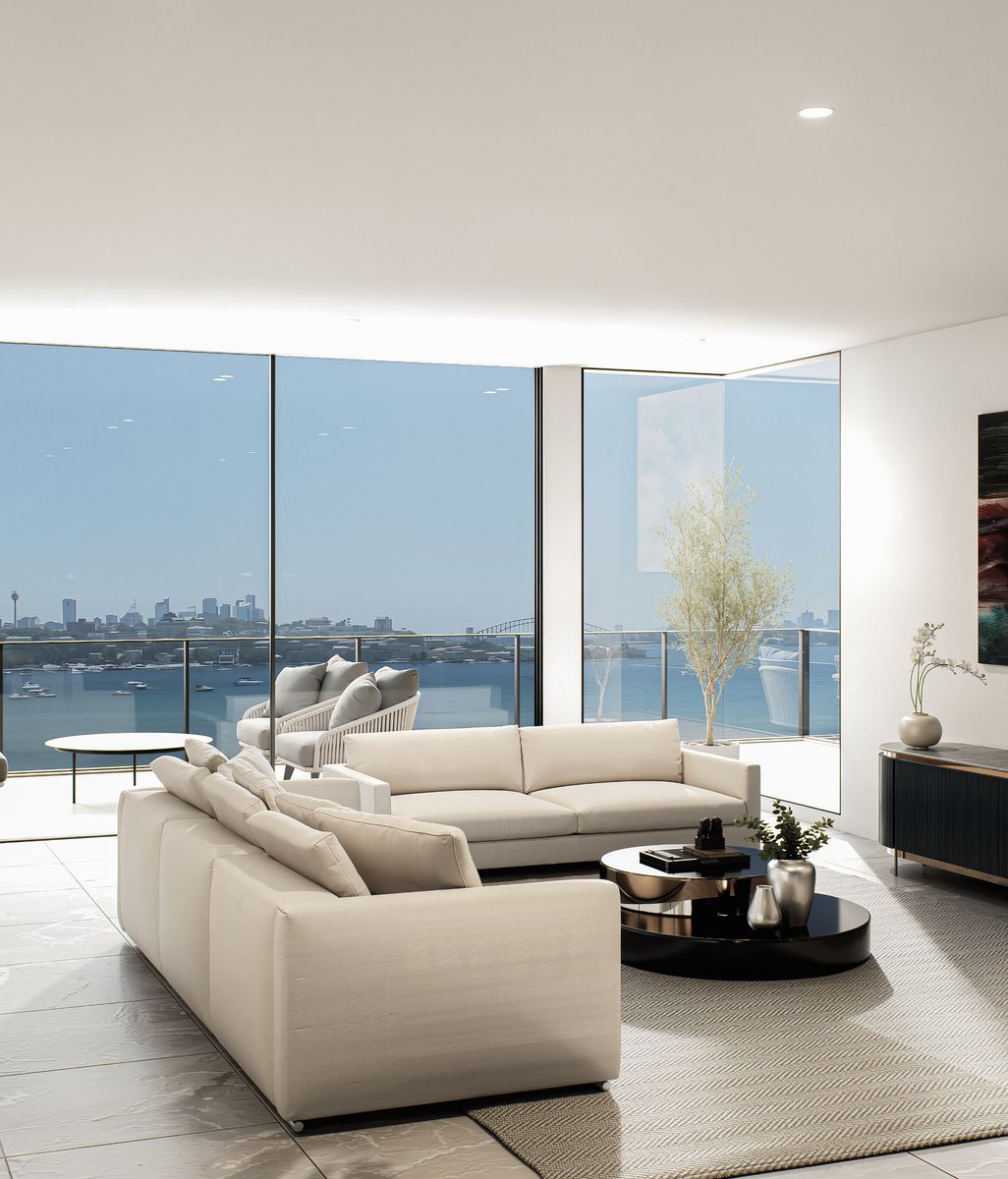
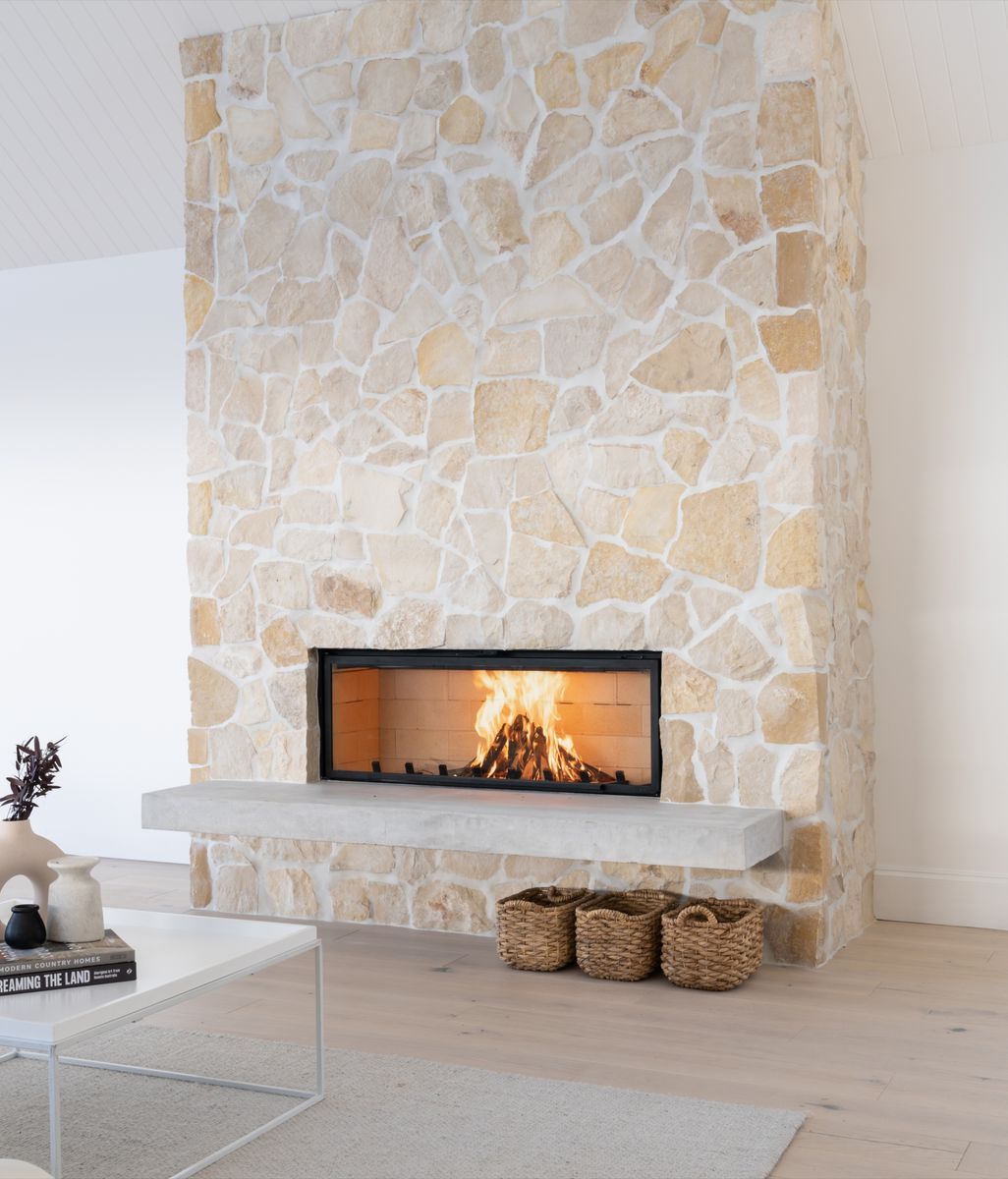
The use of stone in design is often seen as a symbol of longevity, luxury and timeless style. But it’s also synonymous with weight; imposing structural and logistical limitations on architects and builders.
“Lamina Stone offers a significantly lighter alternative to traditional thick slabs by slicing natural marble into thin layers (typically between 5–9 millimetres) and reinforcing them with lightweight backing,” explains Sinan Hoke, Managing Director of Lamina Stone Australia and New Zealand.
“This technological approach dramatically reduces the weight per square metre, making the material easier to transport, install with simpler adhesives, and manufacture in larger formats.”
And the benefits?
- Up to 80 per cent lighter than traditional stone slabs
- Reduces structural load, ideal for renovations and retrofits
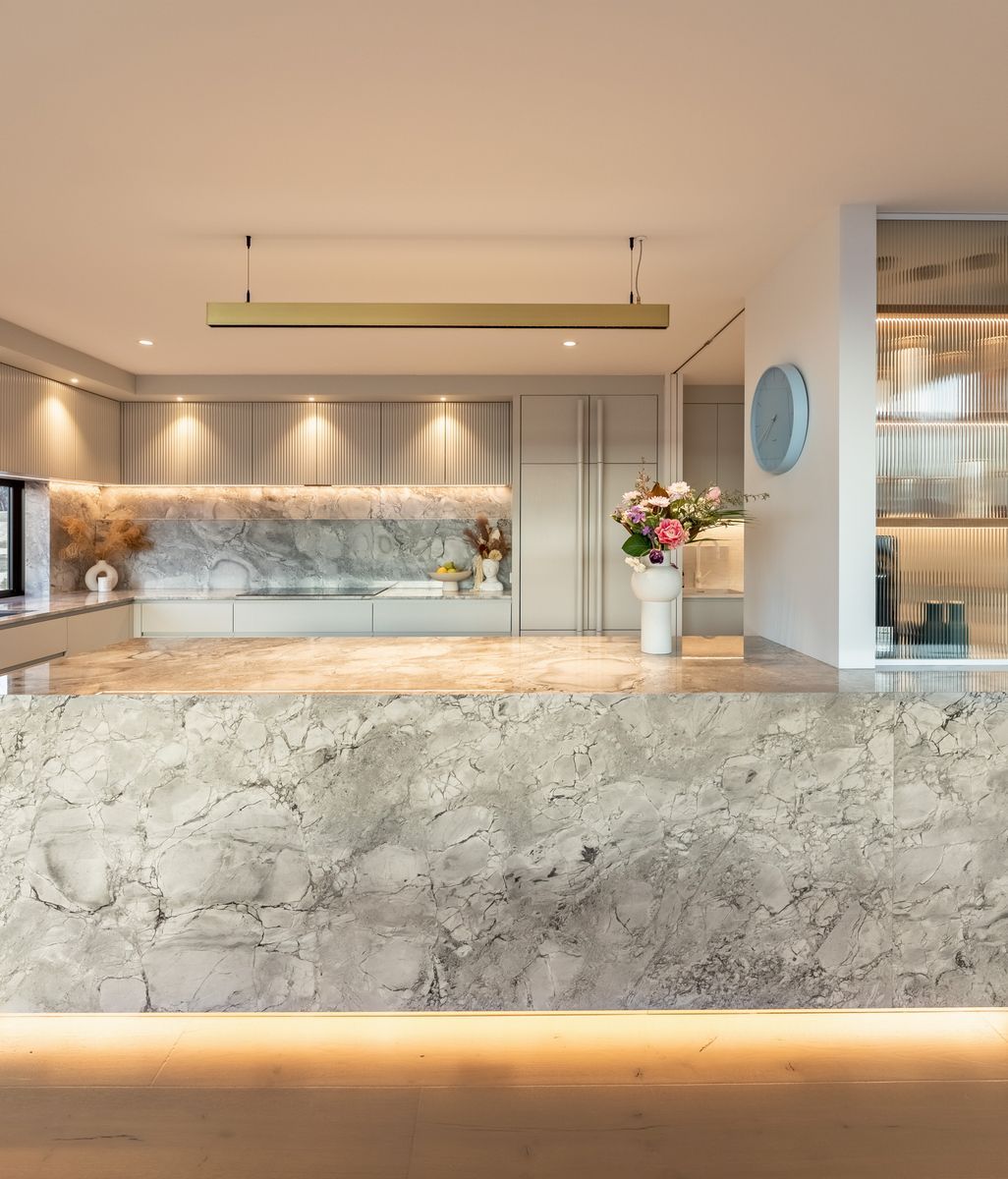
- Large-format slabs allow seamless, dramatic surfaces
- Faster installation, less labour-intensive
- Environmentally friendly, with reduced emissions and waste
- Perfect for interiors, exteriors, furniture, and even ceilings


From feature stone walls to suspended ceilings
The shift to lightweight stone began as a practical solution: how to reduce construction weight without sacrificing the elegance and authenticity of natural stone. But it quickly evolved into a design revolution. Innovations like ultra-thin stone slicing, advanced resin technologies, and precise surface treatments have turned stone from a structural burden into a versatile design tool.
“By removing weight restrictions, it allows architects to use full-size slabs, seamless surfaces, cantilevered stone elements, furniture–stone integrations, and natural stone in renovations,” says Sinan.
In addition to offering design flexibility, lightweight stone appeals to a growing emphasis on sustainability and performance in architecture. “Less raw material is used, its light weight reduces transport emissions, and less waste is generated during processing. This reduces the carbon footprint of projects.”
Yet it doesn’t compromise on durability. “It’s much more durable than conventional marble,” says Sinan. “Its thin form allows for large slabs, book match surfaces, and in some cases curved applications.” According to Sinan, this flexibility extends beyond design and into construction. “The lighter slabs allow for faster, safer installations and are compatible with modern adhesives and fixing systems.”
In building exteriors, Lamina Stone also performs well under environmental conditions. “With proper selection and application, the natural stone surface is long-lasting. It can be easily integrated with thermal insulation systems, and while not an acoustic solution on its own, it contributes mass to wall systems for added sound insulation.”
Trends in lightweight stone applications
Architects are quickly embracing the creative freedom this material affords with current trends including:
- Large-format bookmatch walls
- Use of stone in doors, cabinetry, and furniture
- Renovation-friendly façade claddings with minimal structural impact
- Stone-metal-glass combinations in contemporary design
- Yacht and ship interiors where weight is a premium consideration
- Suspended and decorative ceiling applications
- Elevator cabins and narrow-space coverings
- Modular slabs for easy maintenance and replacement
Sinan notes, “We’re seeing a rise in energy-saving slim-profile applications, especially in commercial spaces like hotels and showrooms, where fast installation and easy disassembly are major advantages.”
What to consider when specifying Lightweight stone:
- Type of stone and spatial conditions
- Appropriate slab sizes
- Installation techniques (including adhesives and mechanical fixings)
- Maintenance and impregnation for porous stones
- Transport logistics
- Supplier’s technical support
“Application must be done on a flat and clean surface. Proper adhesives should be used, and for façades, mechanical fixing may be required. Also, expansion joints are critical, and impregnation should be applied to protect porous stones.”
Lamina Stone has already been featured in luxury villas, high-end residential projects, hotels, and showrooms across Europe, the U.S., and the Middle East. “Large-format bookmatch walls and specially textured slabs are among the prominent applications.” As demand grows, the company is seeing architects and designers increasingly turn to these materials for bold and imaginative designs.
“Lightweight natural stone preserves all the aesthetics of traditional stone while removing limitations of weight, cost and application,” says Sinan. “When applied correctly, it offers architects much greater design freedom and takes the beauty of natural stone to a new dimension.”
For more information, visit their website or contact Lamina Stone on ArchiPro today.