Important factors for choosing a garage door in windy Wellington

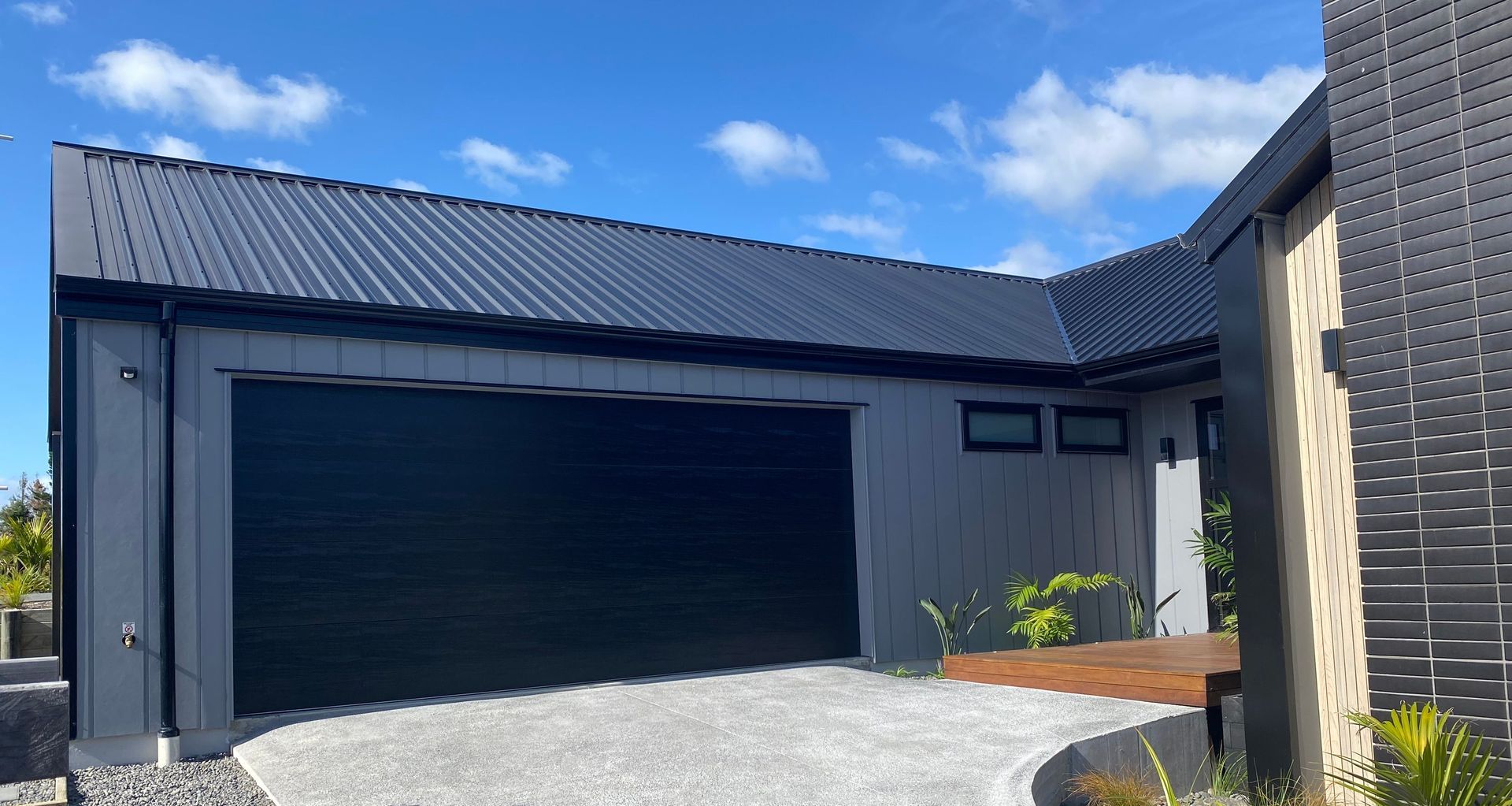
Your garage door is one of the largest openings in your home's exterior, so getting this decision right matters more here than in most other cities.
Don't throw caution to the wind! Follow our 6-step guide to choosing the right garage door for Wellington's unique conditions.
Why Wellington's winds are different (and why your garage door needs to be too)
Wellington is known for having some of the most consistently high wind speeds in New Zealand. The conditions are shaped by the city's location on the Cook Strait, where winds funnel through the passage between the North Island and South Island.
The Tararua and Marlborough mountain ranges create a natural wind tunnel effect, which means Wellington experiences regular strong gusts throughout the year. Spring is particularly known for powerful winds that can affect exposed properties.
Wind puts pressure on garage doors, especially those not designed with Wellington's conditions in mind. In stronger weather, doors without adequate wind resistance may not perform as reliably as they should.
This is why wind-rated garage doors matter in Wellington. A door that works well in calmer conditions might not be the best fit here.
Factor #1: Wind load rating - The non-negotiable number you must know
Wind load ratings tell you how much wind a door can handle. Wellington sits in higher wind zones under the New Zealand Building Code, so this matters here.
Your property's exposure depends on where you are. Elevated or coastal properties face different conditions than sheltered spots. Check with your local council about your wind zone, or talk to a building professional if your site is exposed.
Ask suppliers about wind ratings when you're shopping around. How do their doors perform in Wellington conditions? This information helps you make the right choice.
Factor #2: Material matters - Steel vs. aluminium vs. timber in high winds
The wind resistance of a garage door depends on more than just the material it's made of. It also depends on its frame design and bracing, panel thickness, the end stile and track system and its pressure-tested capacity.
While Timber Garage Doors can be wind-rated, timber requires more maintenance in high-wind areas and can be affected by moisture and weather over time. Aluminium Garage Doors can be wind-rated beyond Wellington's extra high zones, and it's also a more suitable material than steel in coastal areas due to its natural corrosion resistance.
However, aluminium can dent more easily than steel, particularly thicker 22-28 gauge steel, which is recommended for wind-rated doors.
Factor #3: Panel design - Sectional vs. Roller Doors in gale-force winds
When designed correctly and reinforced with wind-load-rated components, both sectional garage doors and roller garage doors are effective in withstanding high winds. Therefore, it's not so much about the type of garage door that you choose but how well it's constructed that determines how well it copes under constant pressure.
As well as being designed and tested to meet local wind load requirements, regular maintenance and professional servicing help ensure the garage door performs well under high wind conditions.
Factor #4: Heavy-duty tracks and hardware
Wind doesn't just push on a garage door; it also pulls and twists. The tracks, hinges, rollers and brackets help the door stay attached to the building, so they are just as important as the door material and panels in determining its strength.
Positive pressure pushes the door, negative pressure pulls the door, and, as it flexes, the load is transferred into the tracks and other hardware.
Doors with lighter-weight components may not perform as well under Wellington's wind conditions, which is why many manufacturers use reinforced hardware for wind-rated models.
Factor #5: Installation quality - Why DIY isn't worth the risk in Wellington
New garage doors should be professionally installed as this helps ensure the door is mounted and sealed correctly, and meets the manufacturer's specifications for wind performance.
Many installers can also conduct wind testing after installation to verify compliance with local requirements.
Factor #6: Motor systems that handle Wellington's wind pressure
Wind-rated garage doors can be heavier than regular garage doors, so they need a motor with decent power.
It's worth checking the weight of your specific door with your manufacturer to help you select an opener with suitable specifications.
Beyond wind resistance: Other factors for Wellington garage doors
Wind's a big deal in Wellington, but it's not the only thing on your checklist.
If you live near the sea salt spray can be brutal on garage doors. It's one of those things that sneaks up on you, so choosing the right materials make a real difference here.
If your place is a character home, it is best to talk with the council first. Heritage rules can be surprisingly strict about what you can change. It is better to find out now than after you've fallen in love with a door you can't actually install.
Smart tech is everywhere these days - being able to open your garage door from your phone or give access to someone when you're not home just makes life easier.
Insulation's the other big one. A well-insulated door can actually help with the noise when it's blowing a gale outside.
Your next steps: Choosing the right garage door for your Wellington home
Here are a few simple steps to help you choose the right garage door for your Wellington home.
- Evaluate your specific location's wind exposure to determine the wind rating that would work best for your property. It's worth checking with local authorities about any approvals you might need.
- Draw up a budget and weigh up the initial cost vs the long-term value for money.
- Shop around to find a reputable local supplier.
- Ask questions about the different styles available, materials used on insulated doors, different finishes and profiles to ensure your door matches your aesthetic and energy efficiency requirements.
- Ask for information on lead times, installation and what's included in the quote.
- Don't forget to verify the pressure rating on doors and compliance with standards.
Red flags when shopping for a garage door for your Wellington home:
- Unrealistically low prices
- Vague warranties
- Hidden fees (a written quote should include the cost of supply and installation)
- Low-quality or imported materials, or no information on the source of materials
- High-pressure sales tactics
- No mention of wind rating
Windsor Doors makes choosing a sturdy door a breeze
Wellington's unique environmental factors require a garage door of superior strength. It needs to be wind-rated for your specific zone, made of thick-gauge steel or reinforced aluminium, and correctly maintained. It should also feature heavy-duty hardware, a strong motor and be installed by a professional. Lastly, choose a local supplier with short lead times and a strong warranty that can provide you with service when you need it.
Windsor Doors has a strong reputation for providing homeowners with sturdy garage doors for Wellington homes. If you’d like tailored advice for your home and wind zone, our team can help.
FAQs
What makes a garage door wind-rated?
A wind-rated garage door has been designed, reinforced and tested to effectively withstand the expected wind pressure at its installation site.
What to know before buying a garage door?
The first step when buying a new garage door is to consider the environment in which you live and the factors that it needs to withstand. For example, strong winds, rust from salt spray or extreme UV rays. Knowing this can help inform your decision about which materials and door types are best for you.
How to reinforce a garage door for wind?
A wind-rated garage door combines design, reinforcement, and proper installation. Therefore, reinforcing an existing garage door may not be the most sensible or cost-effective method to protect your home in high-wind environments.
How does weather affect the garage door?
Weather conditions can affect garage doors in different ways. For example, high winds can cause misalignment, UV rays can lead to fading, and moisture can cause corrosion.