Inside CTRL Space: The storytelling approach transforming commercial interiors

Written by

27 January 2026

 • 

4 min read

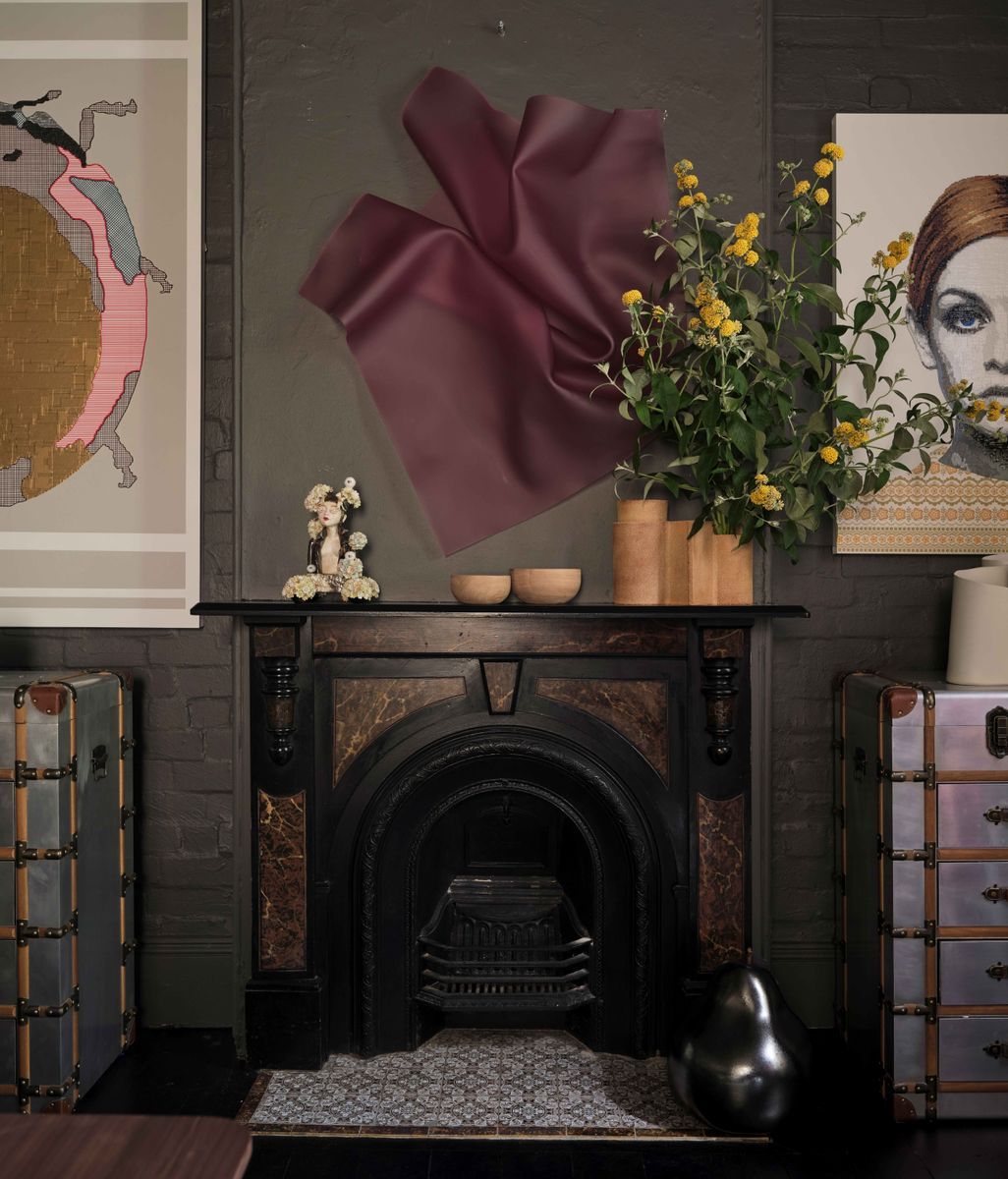
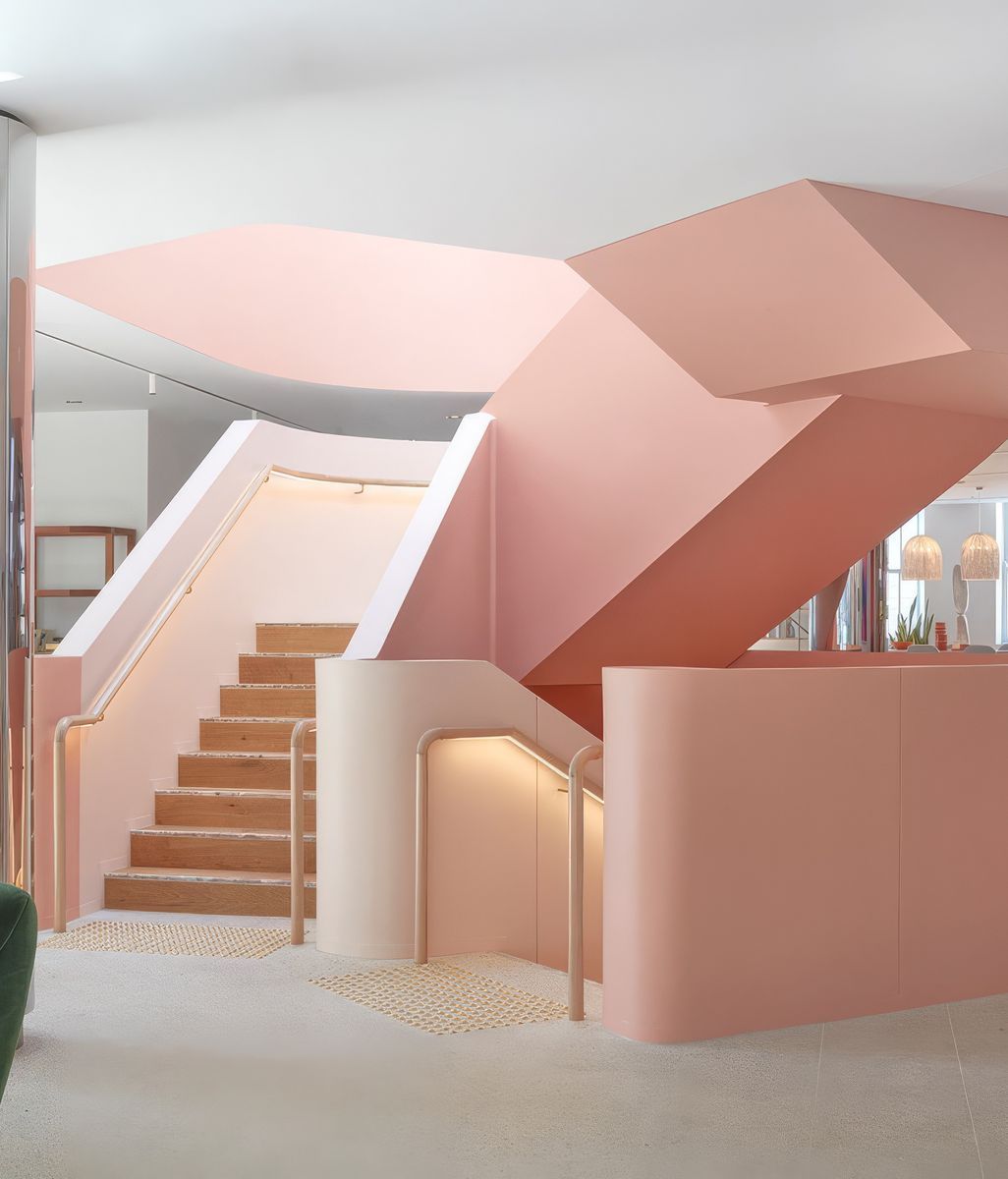
Hotel Ponsonby by CTRL Space. Image credit: Parker
How a Kiwi studio is shaping world-class hospitality design by turning human connection and story into cutting-edge commercial interiors.
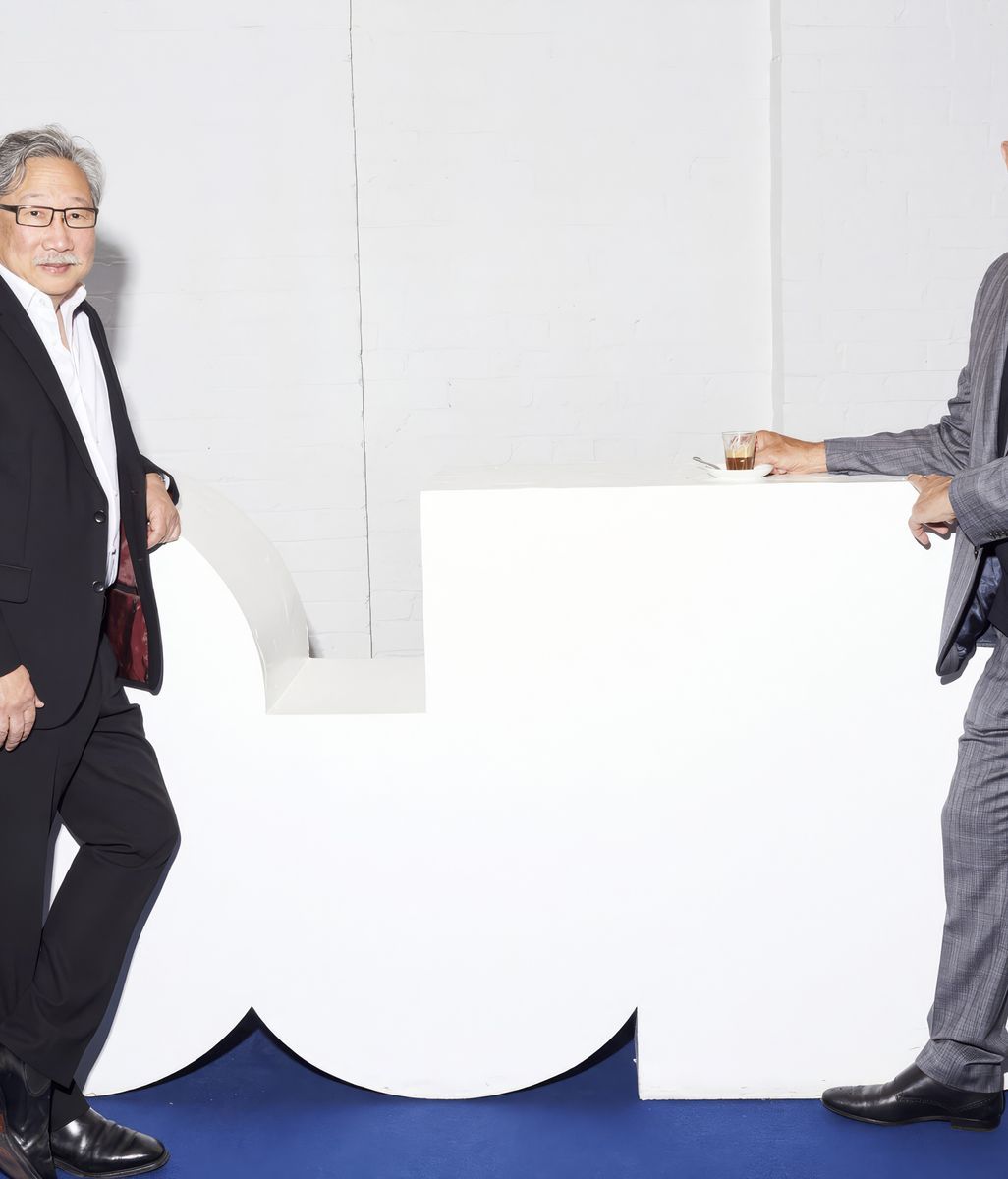
CTRL Space creative director Sam Griffin.

Hospitality has always been one of the constants of human connection. Even as life moves further online and the digital world redefines how we work and socialise, the desire to meet in person remains.  

“The idea of going down to have a meal and a drink with a friend or a family member will be something that's always intrinsically important to so many people,” shares CTRL Space Creative Director Sam Griffin. 

It is this belief in the value of shared social space that sits at the heart of the studio’s work and at the centre of their ambition to have New Zealand recognised for world-class commercial interiors. 

“Our philosophy is being true to what people want out of a hospitality experience, and then pairing that with a really strong drive of trying to compete internationally with our design outcomes,” shares Sam. “We want New Zealand to be perceived as a place that you would travel to to experience great design and hospitality.”

Working with clients from established operators to emerging business owners, large-scale venues and boutique businesses, Sam says he loves working with entrepreneurs to help them realise their vision.

Where the design process begins


The ability to balance a brand’s identity with the customer’s expectations is central to CTRL Space’s approach. They read the room figuratively and literally, creating environments that work commercially while creating meaningful experiences for the people who walk through the door.

Every project starts with a conversation, and early meetings are part strategy session and part counselling. 

“It’s about understanding their business and their creative and financial goals in terms of where they want to take this thing that they're working on,” Sam shares.

From there, the team begins absorbing everything from operational aims to customer behaviour. And while clients often have a strong aesthetic vision, keeping the end customer in mind is key, says Sam.

 “As commercial designers, we pride ourselves on being flexible and constantly employing new approaches, new styles, new avenues that you can take a design down that will hit right for whatever the product is.”

Translating story into space


At times, the work leans deeply into narrative translation. One example of this is Metita, the Auckland restaurant created with chef Michael Meredith. Its success, Sam says, came from understanding the heart of the story. 

“There was a really genuine connection with the client, and a really valued understanding of his background, his story, and what he wanted to create.”

Metita went on to win Best Restaurant for the Oceania region at the International Design Awards, a moment Griffin describes as a realisation of their ambitions to compete globally. 

Beyond the accolades, he says the financial success of Metita in itself is rewarding and proof of a thoughtfully conceived design.

“There was a lot of emphasis around care and understanding of what we were creating together,” shares Sam. “Then, of course, there's the part of hitting it right with the demographic and the market, which it absolutely does, and that's proven now because of its sucess.”

Beyond bars & pubs


CTRL Space has evolved far beyond its hospitality origins. While founder Chris Stevens began the studio with a focus on bars and restaurants, the practice now spans large mixed-use precincts, boutique workplaces and hotel design.

“It’s not just small bars and pubs anymore, we’ve become a pretty dynamic studio and we service a lot of facets of the industry,” shares Sam. 

This expansion reflects both the diversity of clients and the maturity of New Zealand’s commercial design sector. Looking to the future, Sam is energised by the next wave of entrepreneurs entering the market. 

“There’s a pretty cool evolution of new business owners and entrepreneurs and new people to market, including young people who have been previously working in jobs and are now coming into the industry with fresh ideas.”

One recent example is Waterboy, a venue created for a young group of founders. These clients bring a willingness to try new things and embrace ideas that challenge established norms. For a dynamic design studio, this is fertile ground. 

“They're so open-minded and they hit it with good energy,” says Sam. “There’s an opportunity to do stuff that is genuinely authentic, fresh and vibrant.”

In the hands of CTRL Space, every project becomes proof that New Zealand design isn’t just keeping pace globally, it’s setting the benchmark for what authentic, human-centred interiors can be.