Inside Rama Architects’ process for designing a home
Written by
10 February 2026
•
6 min read


Architecture is often perceived as calm and controlled, but the reality of designing a building from scratch can be anything but. Consents can stall, costs shift, and delayed decisions have a knock-on effect. But often, the biggest disruptions have nothing to do with design at all, shares architect Thomas Martin from Rama Architects.
He recalls a recent project where all the floor tiles for an entire house were delayed when a ship was docked overseas for six weeks.
“Because the house was fully tiled, the delay had a knock-on effect across almost every trade. Plastering, joinery, painting, and final finishes were all pushed back. By the end of the project, dozens of trades were on site trying to meet a deadline that had already slipped, while the clients were forced to extend their rental.”
Situations like this, he explains, are part of the reality of architectural practice. Building a home is stressful, particularly when time and cost come under pressure, and much of an architect’s role sits in managing that tension.
This reality has shaped how Rama approaches the client relationship and the experience of creating a house together. Rather than trying to create complete clarity from the outset, the Northern Beaches-based practice approaches architecture as a sequence of conversations, tests, and revisions that allow the most appropriate solution to emerge over time, making the experience of designing and building a house far smoother and more enjoyable for all parties.

The pre-concept stage
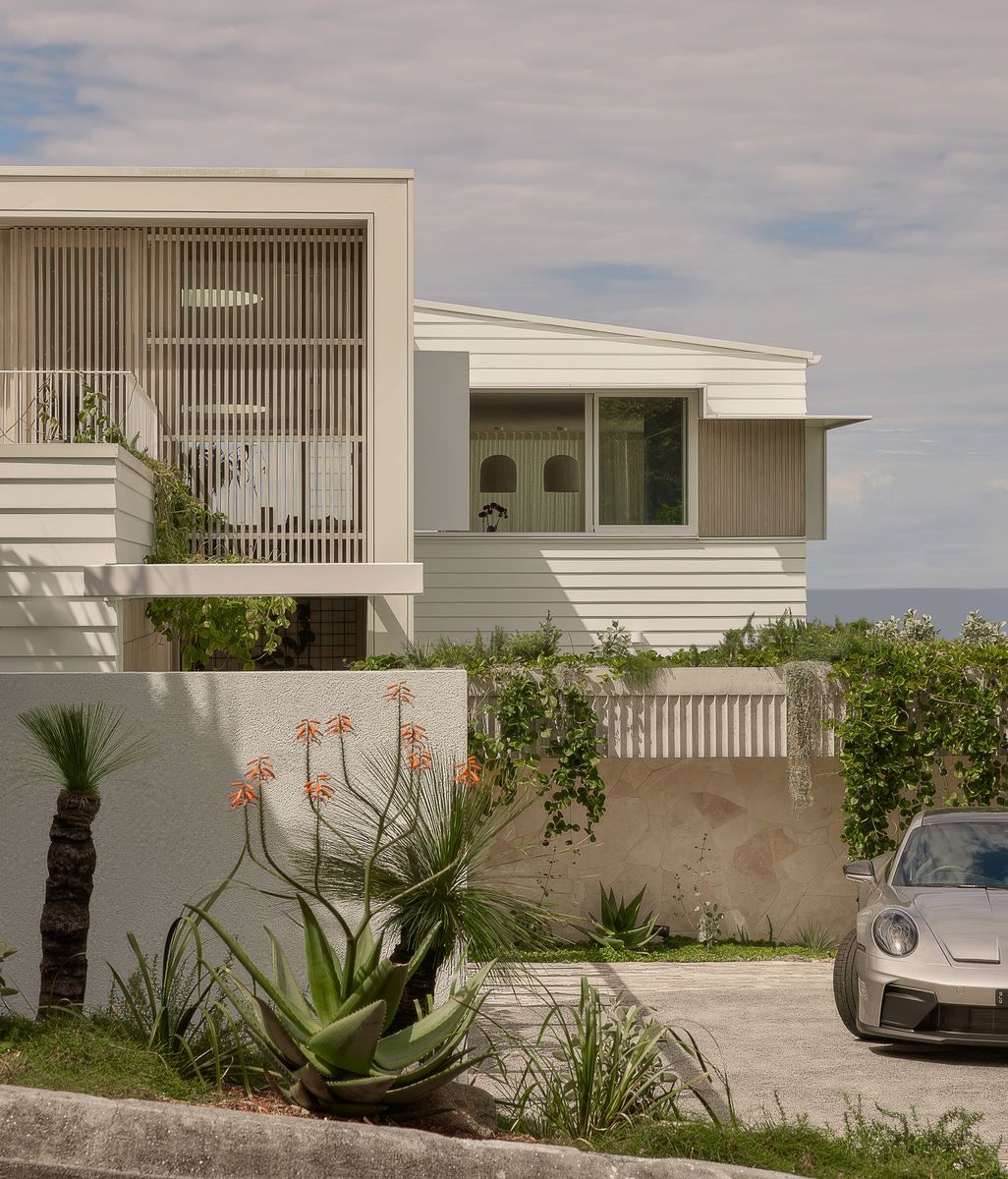
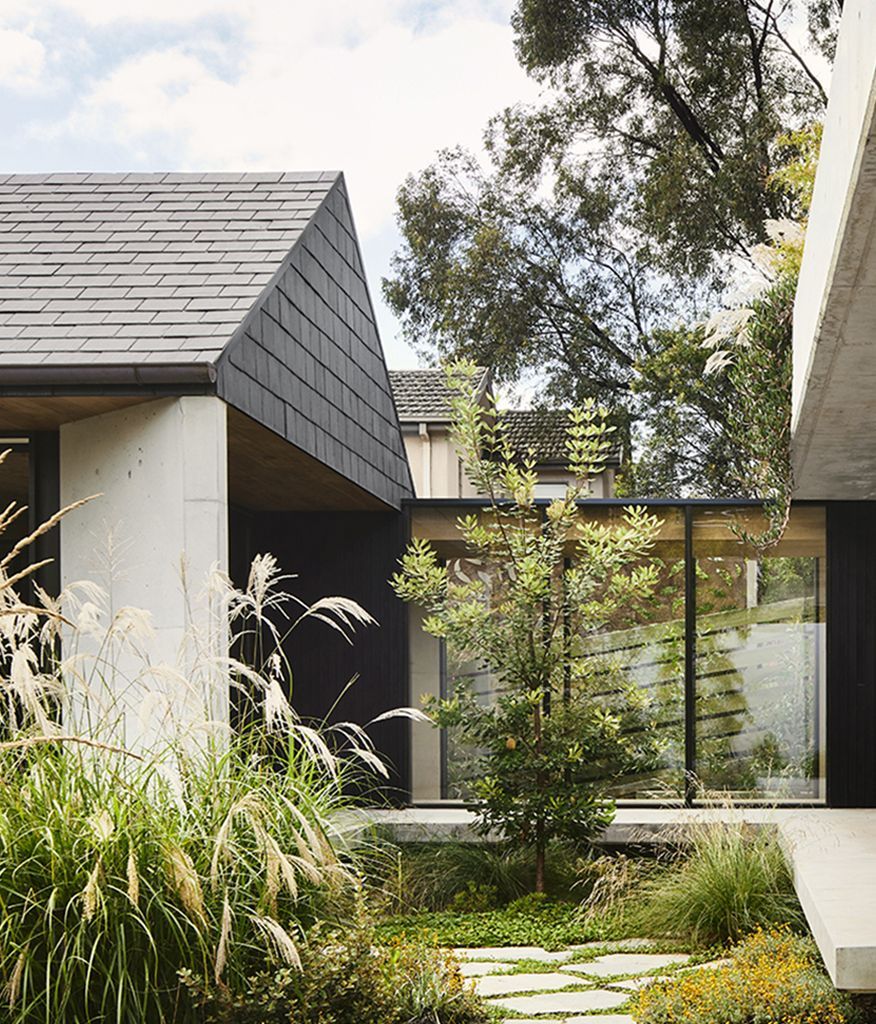
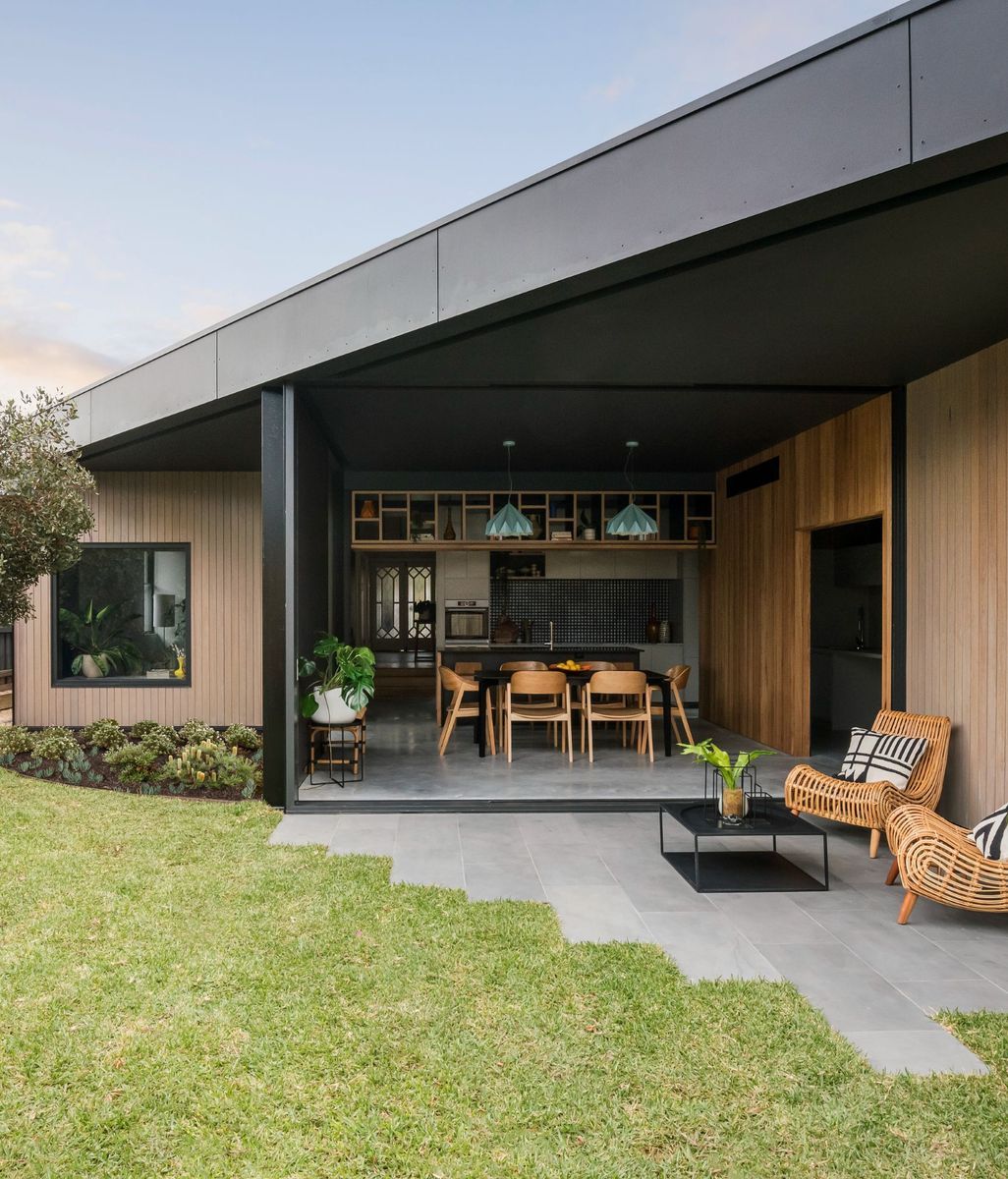
Founded in 2011, Rama Architects has grown from a small partnership into a seven-person studio of architects and interior designers working across residential, hospitality, and international projects. Under the direction of Thomas Martin, the practice has developed a body of work that sits comfortably within its surroundings, particularly in residential contexts where landscape plays a central role. What is less immediately visible is the process behind these projects, which is intentionally open-ended and resistant to the idea of a fixed or perfect concept.
“We know we’re never going to nail it in the first presentation,” Martin says. “And that’s okay.”
That acceptance shapes how Rama begins every project. Instead of presenting a single resolved scheme, the studio starts with a pre-concept presentation that sets the tone for the rest of the collaboration. Martin describes this stage as one of the most important moments in the project, because it establishes a shared understanding between architect and client before any one idea becomes dominant.
Clients are typically shown several design options at this point. The first is a straightforward response to the brief and budget, offering a clear and pragmatic baseline. The second option explores alternative ways of organising the house or responding to the site. The third is more speculative, pushing the project beyond familiar territory in order to test its limits.
“This is where we start asking questions,” Martin explains. “What happens if we push it in this direction, or rethink the way the building sits on the site. There isn’t a correct answer at that stage.”


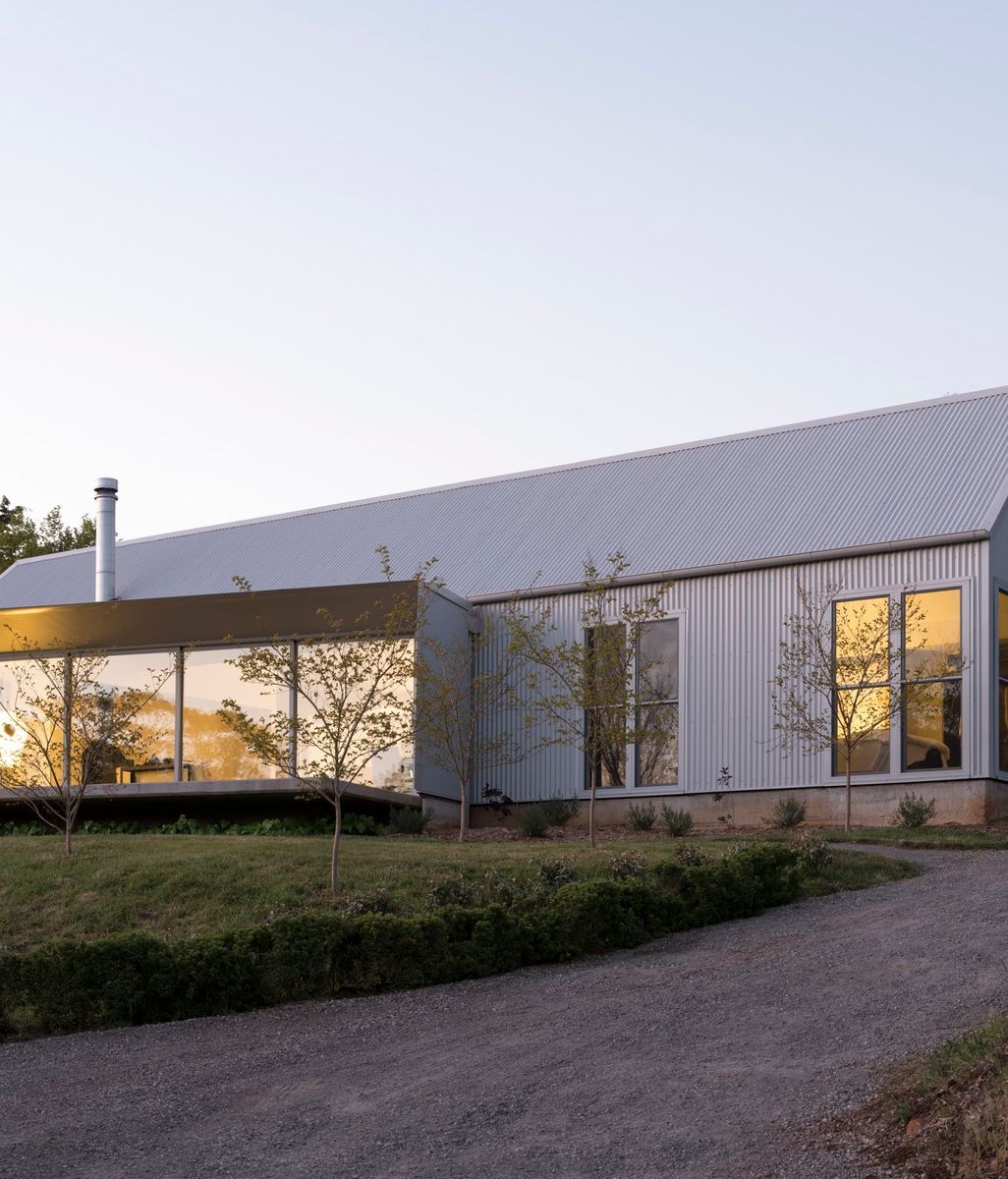
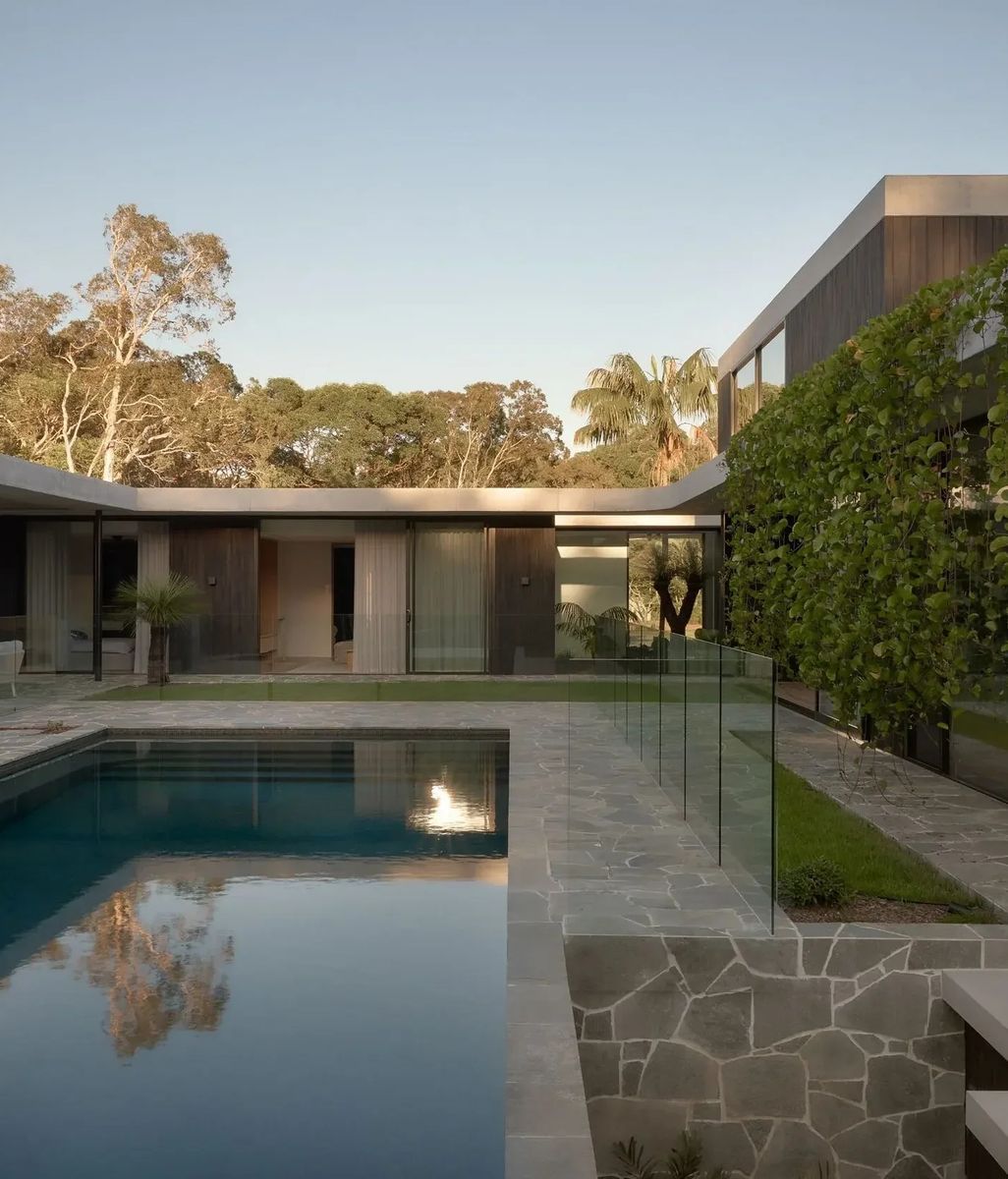
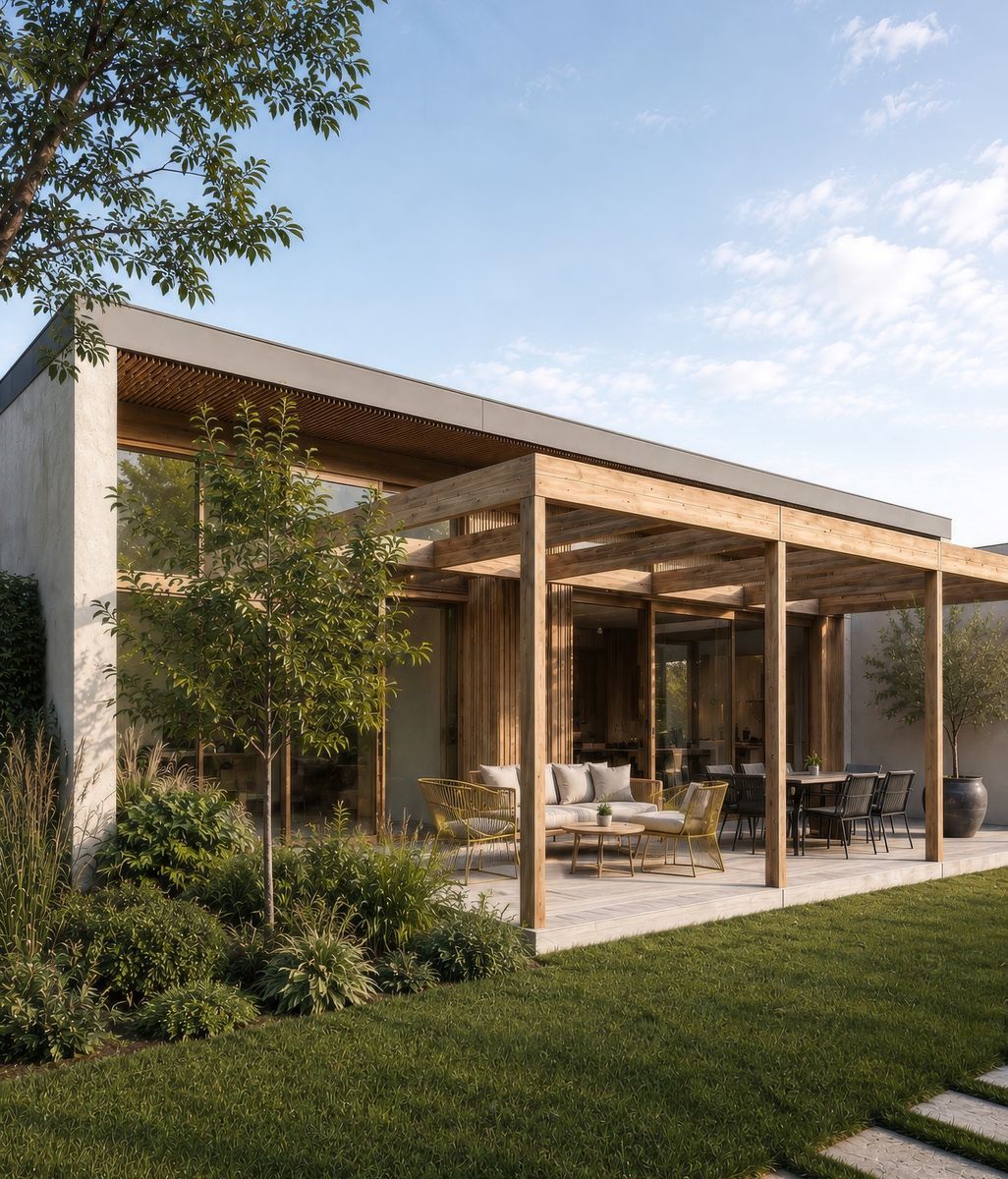
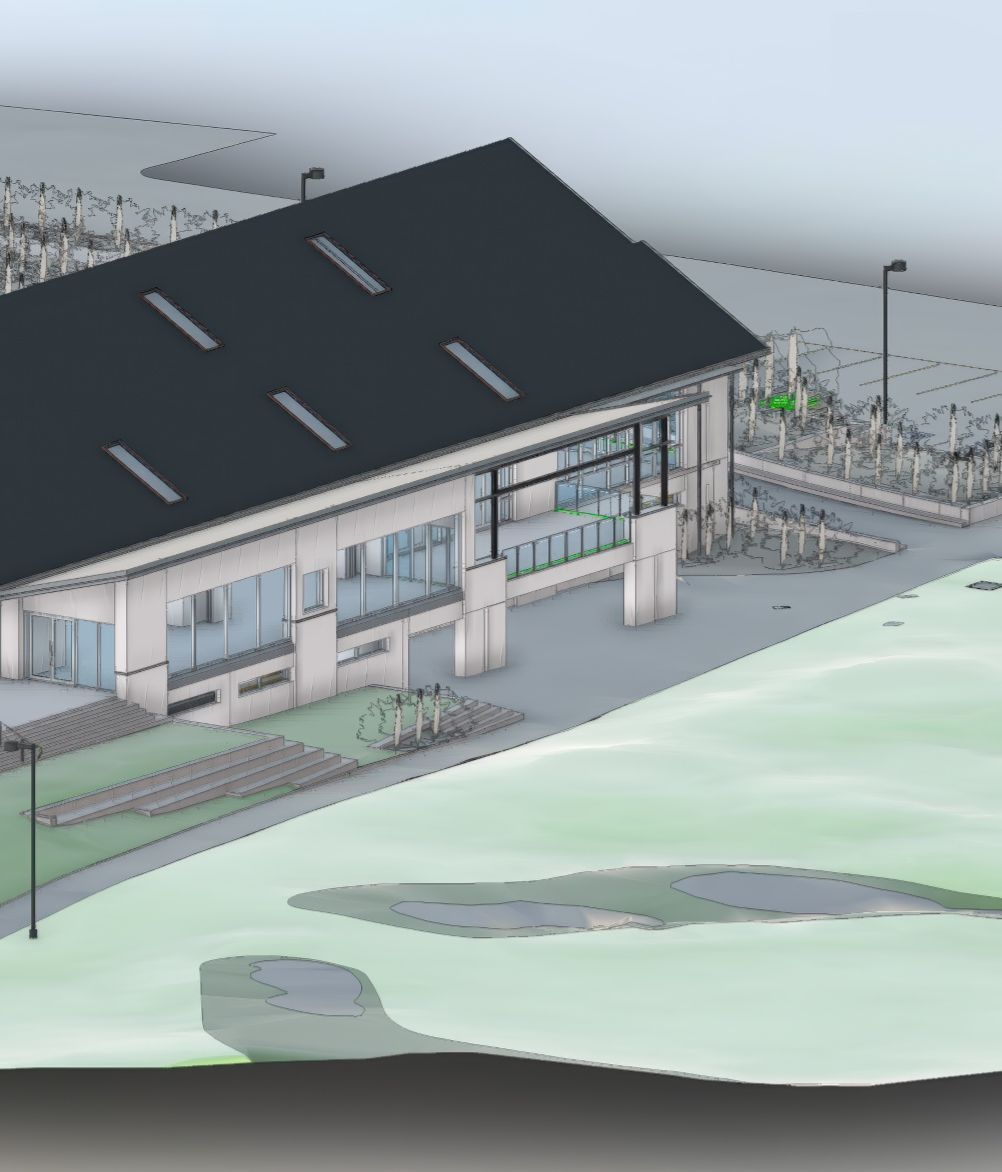
On a recent project in the Byron Bay hinterland, where the site was free from neighbouring constraints, this approach led to the exploration of a bold L-shaped form. While the client had initially imagined a much simpler plan, the more ambitious option prompted a broader conversation about how the building could engage with the landscape and accommodate daily life. That option ultimately became the basis for the final design.
The value of this process lies in its ability to reveal preferences that are not always obvious at the outset. Rather than asking clients to articulate what they want in abstract terms, Rama allows those priorities to surface through comparison. Elements from different options are often combined, with the planning of one scheme informing the form of another, until a cohesive design begins to take shape.
“You don’t always know what you respond to until you see it,” Martin says. “The process helps clarify that.”
This emphasis on clarity extends to discussions around cost, which Rama addresses earlier than many practices. Once a concept has reached a general level of agreement, the studio seeks input from a builder or quantity surveyor to establish a realistic cost range. If the estimate exceeds expectations, the design is adjusted accordingly. If it aligns with the brief, the project can proceed with greater confidence.
“There’s no benefit in avoiding that conversation,” Martin says. “It’s better to deal with it upfront.”
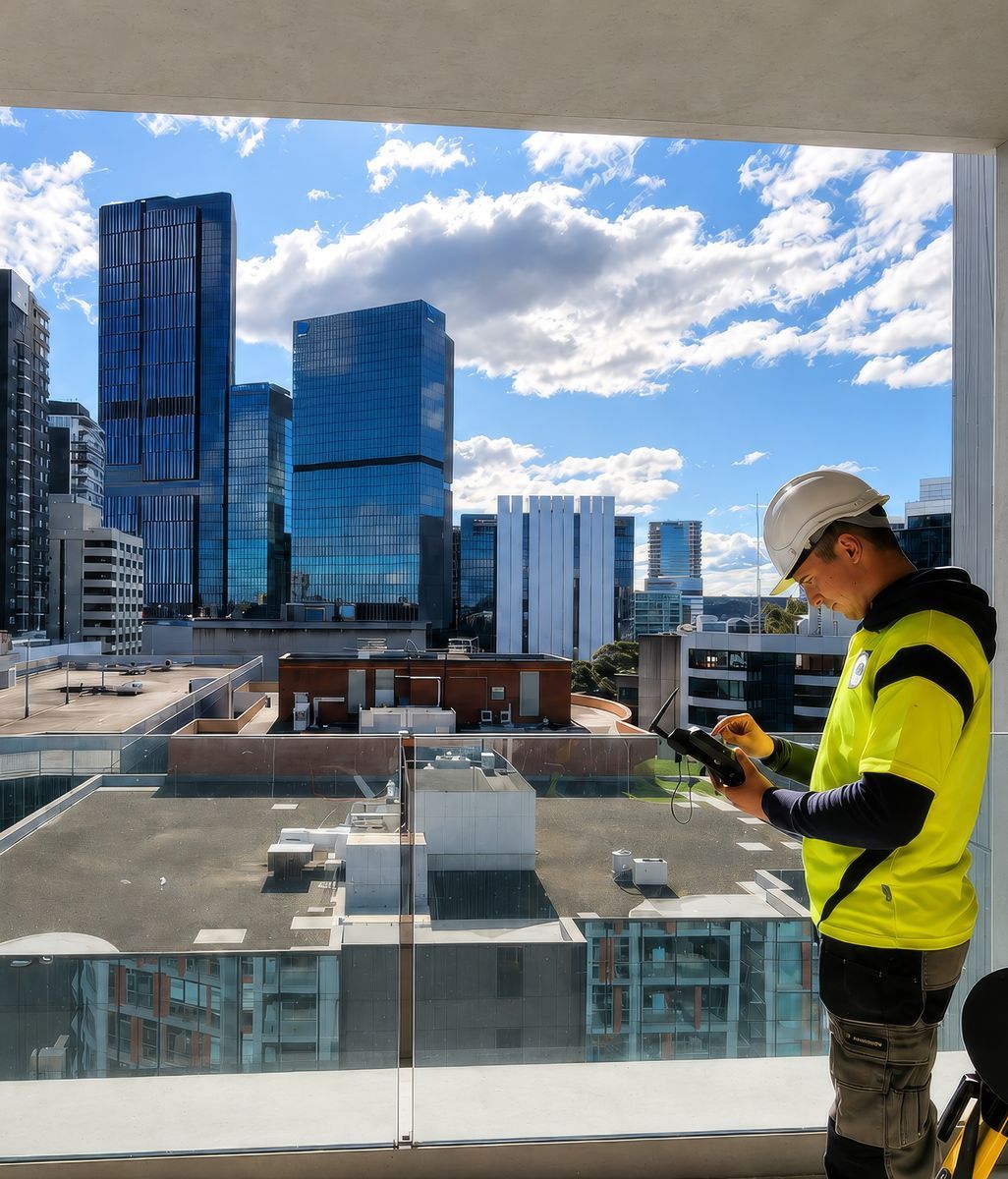
From there, the project moves into the approval phase, where consultants are engaged and applications are prepared for councils or certifiers. While this stage is often slower and less visible, Martin sees it as an essential part of turning ideas into built form. It is also a period that requires patience, particularly for clients unfamiliar with planning processes.


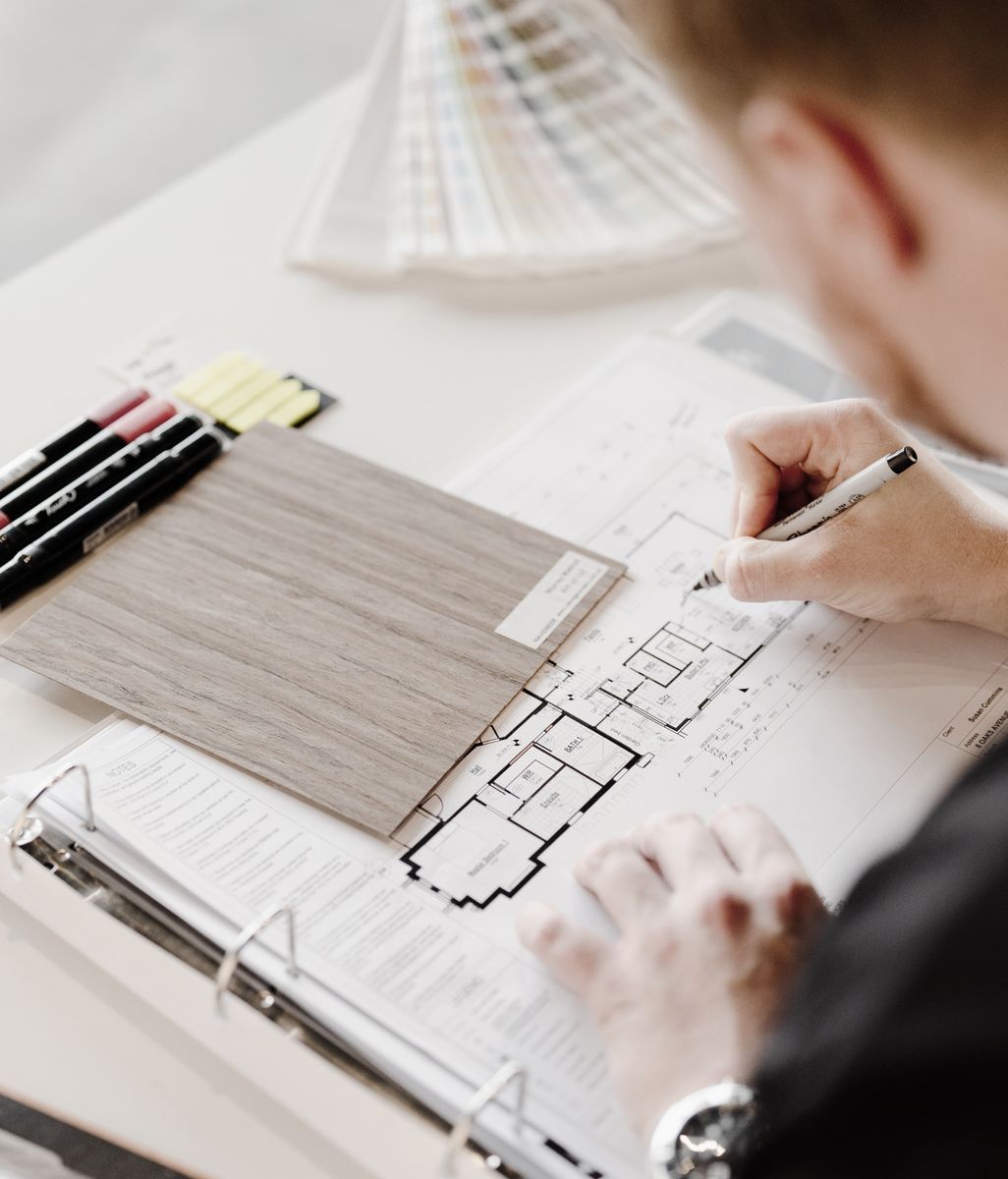
The momentum returns during construction documentation and interior design, when the project becomes more tangible. Structural engineers refine the building’s framework, while Rama focuses on how spaces will function and feel on a daily basis. Decisions around joinery, finishes, and materials are made in detail, often with clients visiting showrooms to see and touch materials in person.
At the same time, the realities of construction introduce a new set of challenges. Delays related to supply chains and scheduling have become increasingly common, and Martin is candid about the impact these issues can have. For that project where a delayed shipment of tiles disrupted multiple trades and extended the construction timeline, creating stress for everyone involved.
“No one had done anything wrong,” he says. “But the effects still had to be managed.”
In these moments, Martin sees the architect’s role as extending beyond design. Alongside technical coordination, there is a need to support clients through what can be a demanding and emotional process. His advice remains consistent: make decisions early where possible, understand that changes carry consequences, and accept that some level of uncertainty is unavoidable.
Despite the pressures, Martin says the final outcome makes the process worthwhile.
“Seeing a client move into that home and say, ‘We love it, our friends visited and they are amazed by it’ —that really is the best part of all.”