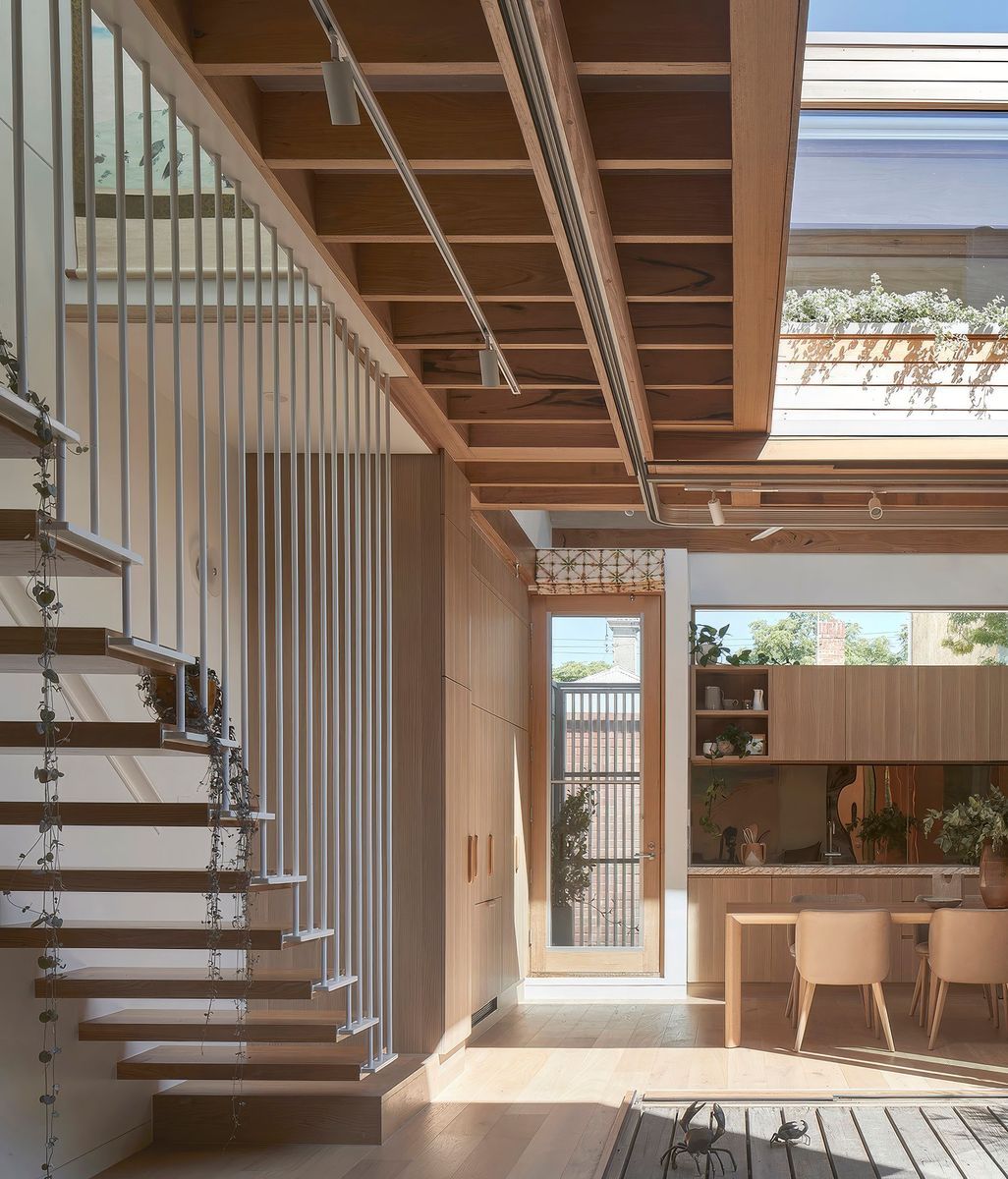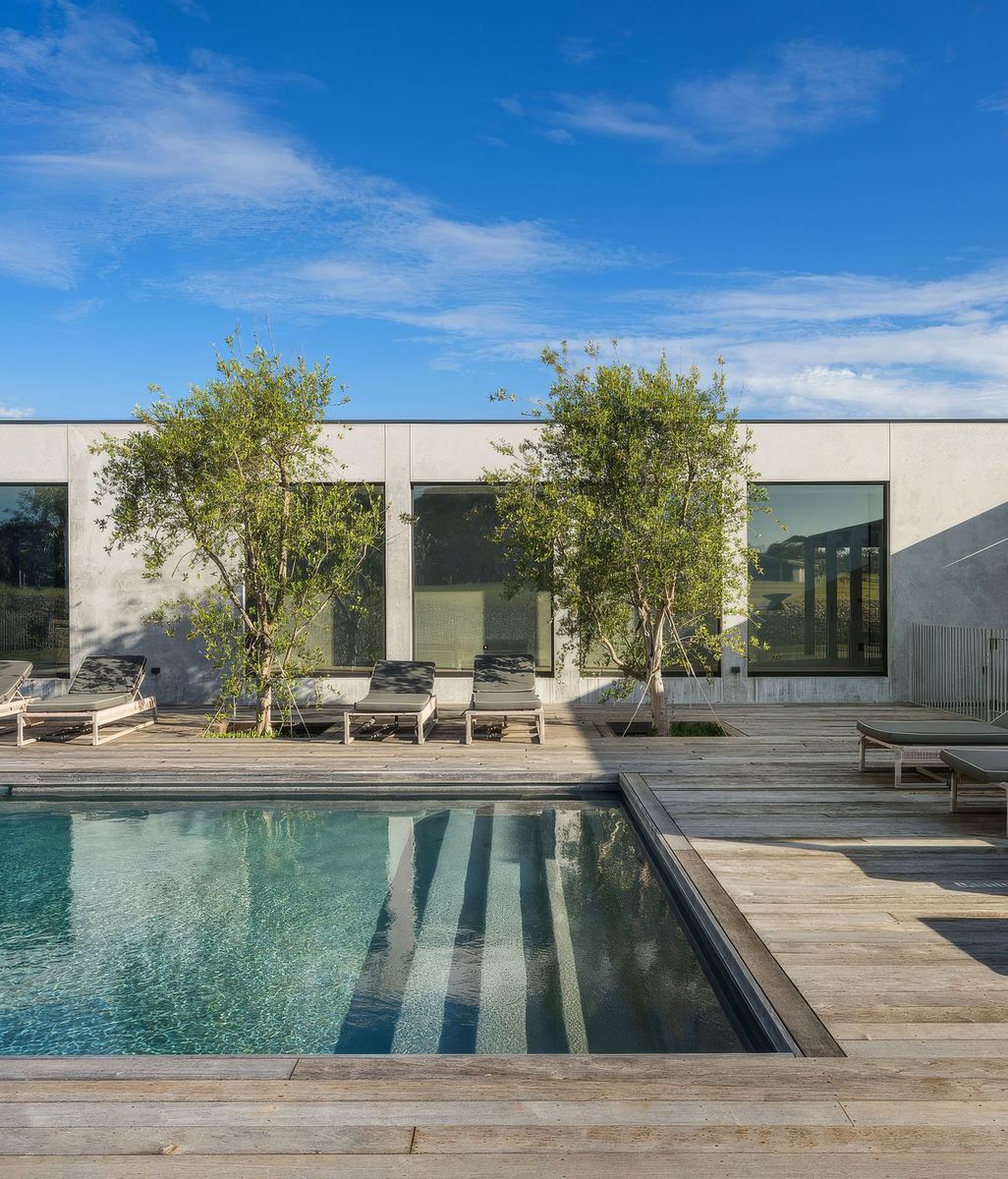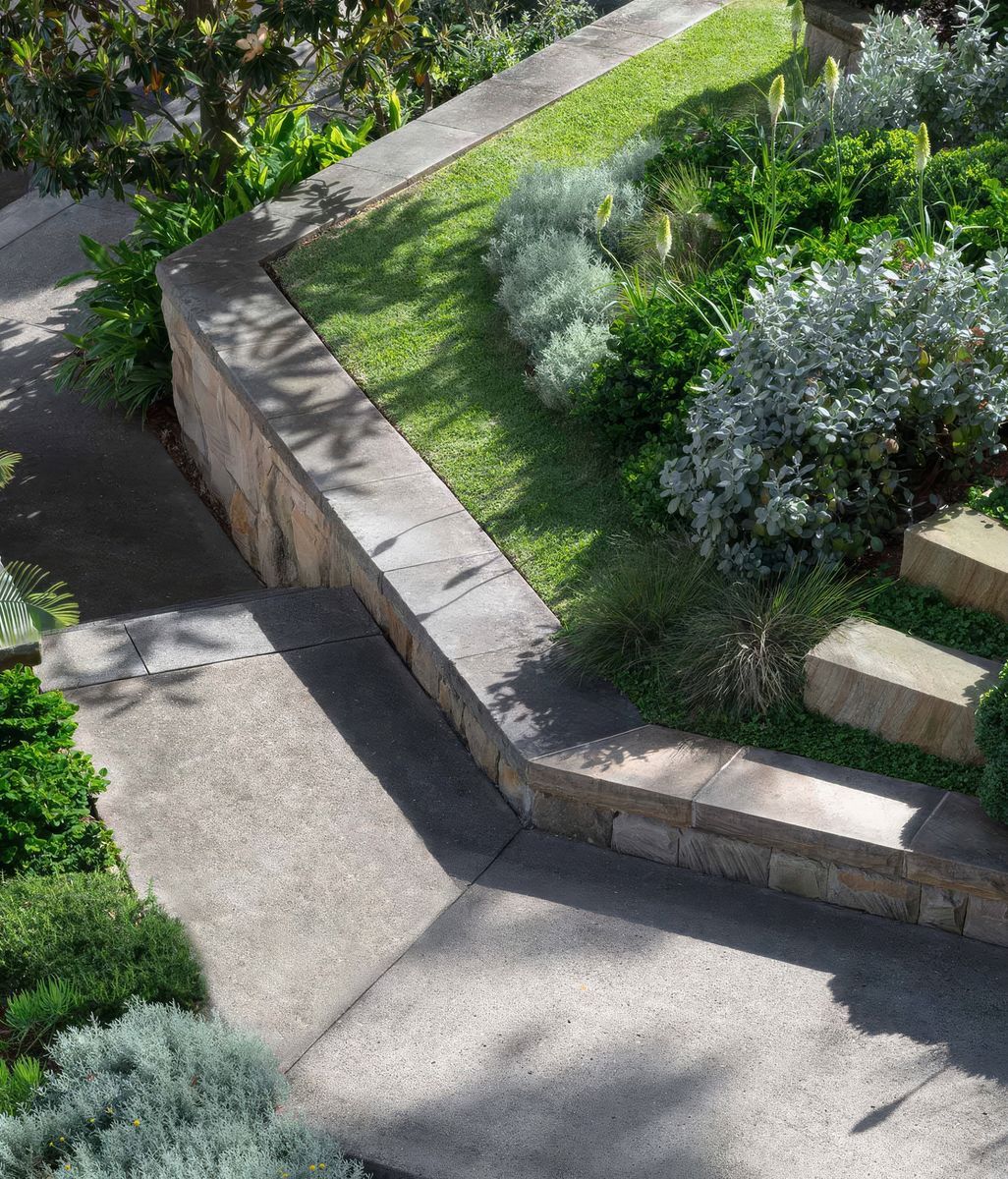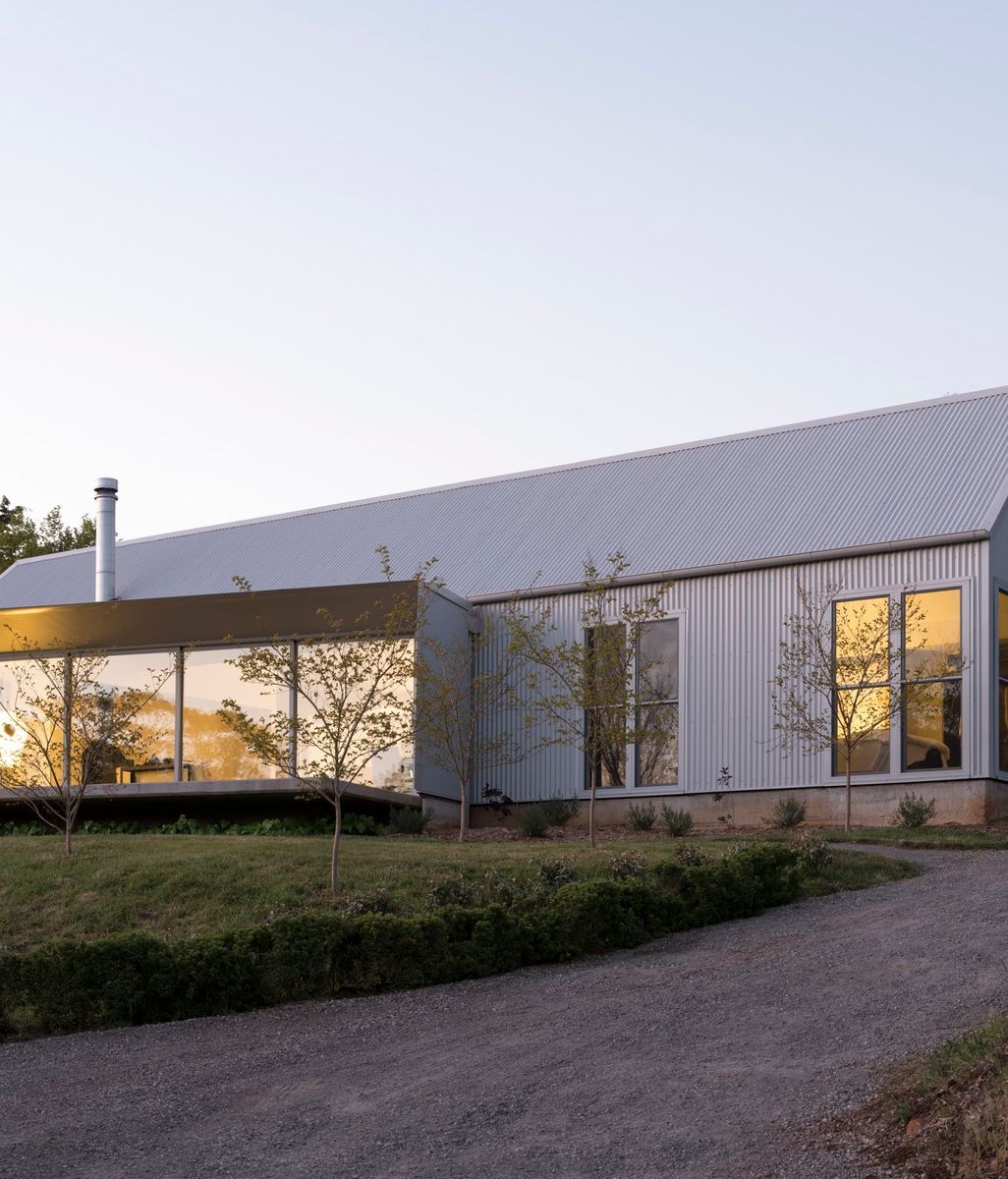
Photography – a document of your completed project, not a render of your concept

featuring Andy Spain Photography

Andy Spain Photography logo
  • 30.1K profile views
  • 4 saves

Why commission professional photography of a completed project?

Visit Website

A view out the window, washing drying on the line & afternoon tea.

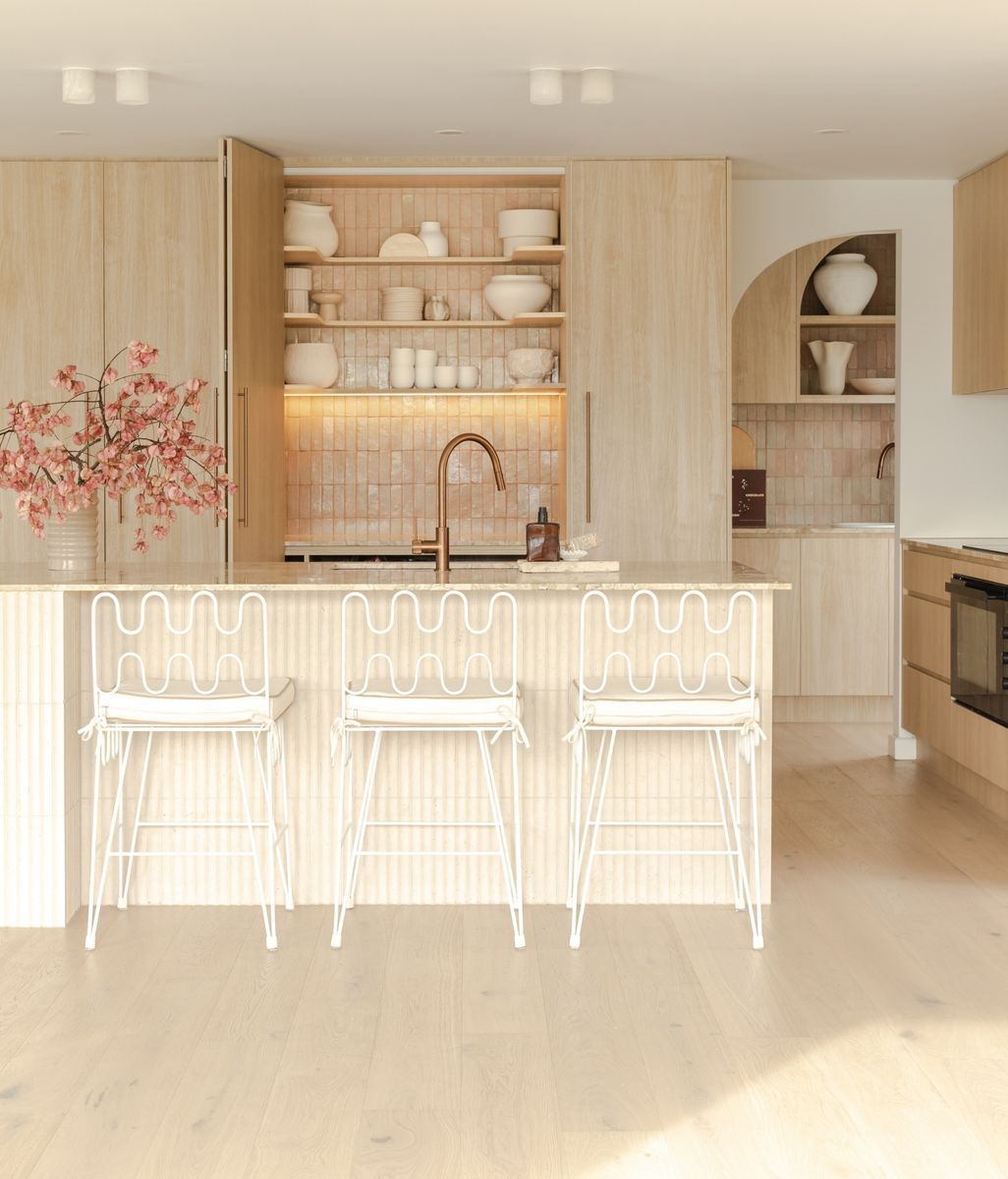
There are plenty of practical reasons. Images for your website, future tenders and bids, NZIA awards entries, social media, LinkedIn and editorial coverage. Good photography helps communicate what you do and, importantly, helps win new work.

But I think there's another reason that's often overlooked.

Photography is a document of what you actually built, not what you originally imagined.

Buildings evolve. Budgets change, materials are substituted, decisions are made on site and compromises happen. The finished building is the result of hundreds of decisions by many different people. Surely that's something worth celebrating?

In a world of AI perfection, the need for authentic imagery has never been more important.

Yes, we can adjust the light, correct the colour balance, crop an image and perhaps remove a distracting bin. But I believe architectural photography should show a space as it feels, how it works and how people actually use it.

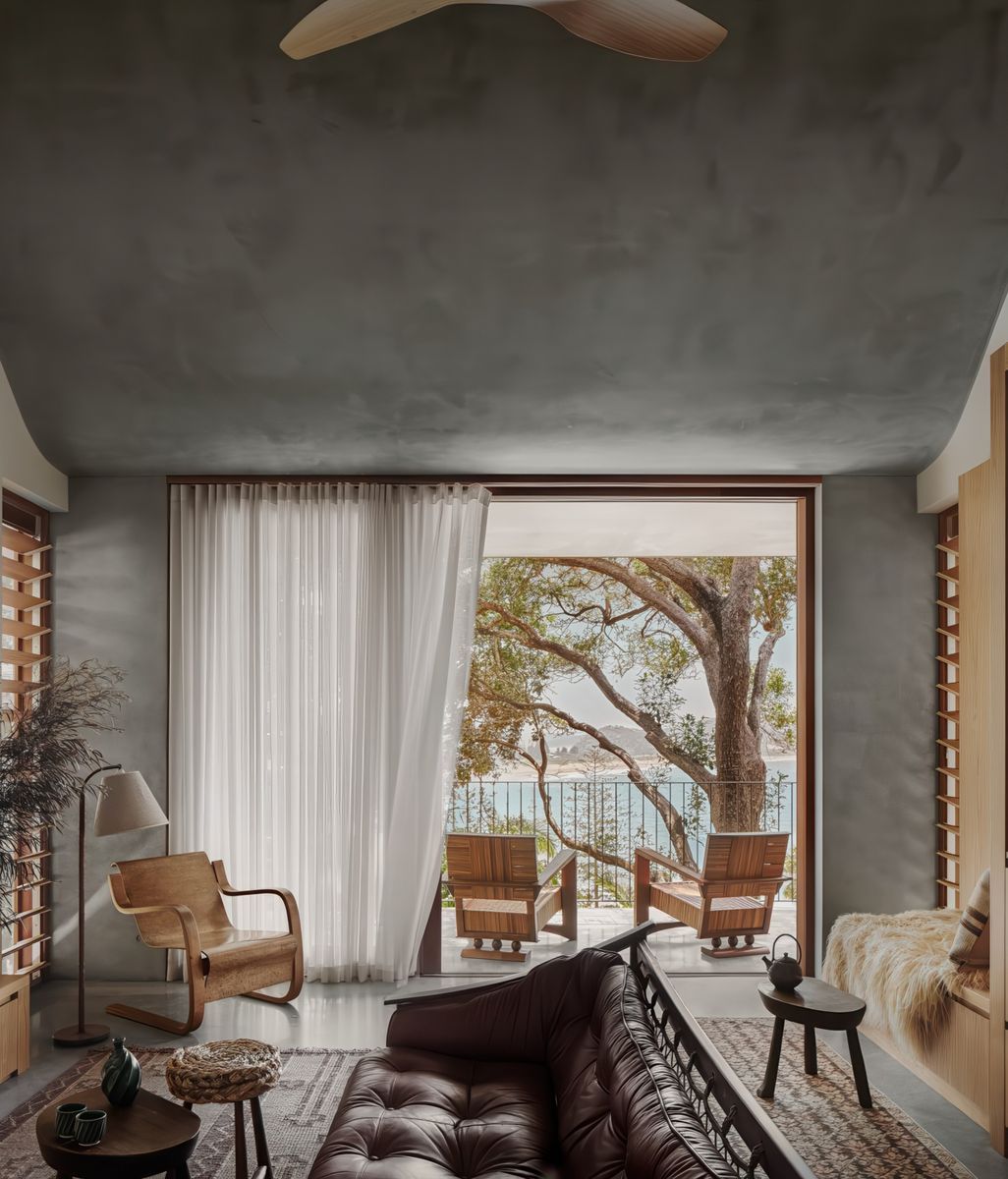
I'm particularly interested in the relationship between buildings, people and place.

Architecture doesn't exist in isolation. It's part of a street, a landscape, a community. People occupy it, adapt it and sometimes use it in ways the architect never imagined.

And those things can make a photograph far more interesting than another immaculate, empty room.

There's also a danger that architectural photography becomes too formulaic. Perfect blue skies, spotless interiors, no people and every surface looking as though it was finished yesterday. If every project is photographed in the same way, aren't we losing something of what makes each building different?

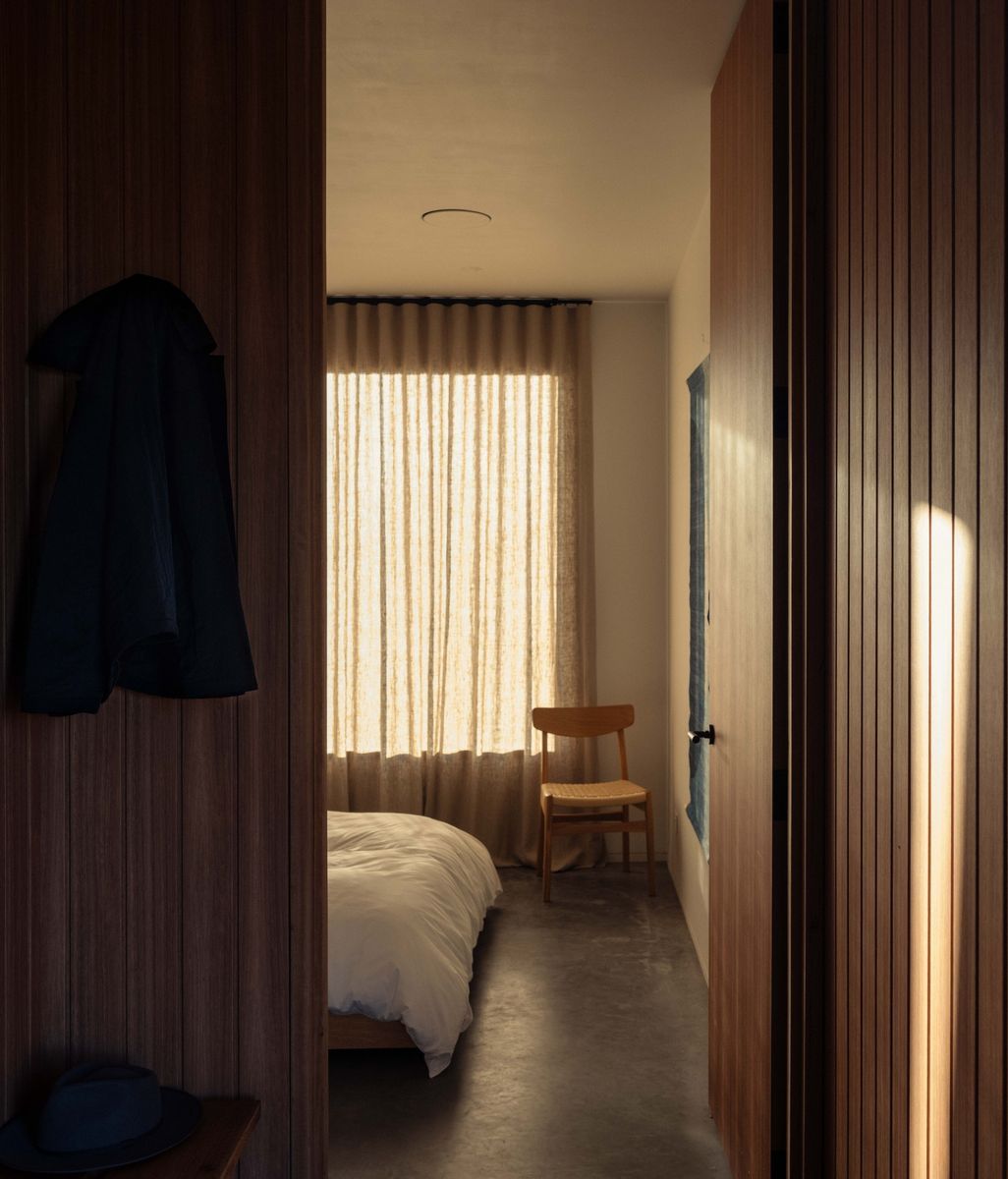
The skill of the architectural photographer is to bring order to a space through light, timing and composition. To find the qualities that make a project distinctive, not simply recreate the render that existed before construction began.

There's a commercial value too. A completed project represents the work of architects, contractors, interior designers, landscape architects, engineers and suppliers. Good photography can be useful to all of them, particularly when they collaborate on commissioning it.

Ultimately, good architectural photography should do more than make a building look beautiful. It should also help us understand what was built, why it matters and what it feels like to be there, even with the washing on the line.

And if those photographs help you win your next project, all the better.

Nestled in a remote Whanganui valley, this beautifully crafted straw bale home embodies resilience, sustainability, and a deep connection to the land. Designed to Passive House standards, it seamlessly integrates natural materials like straw, timber, and clay to create a timeless, low-carbon dwelling. The client’s vision of a home that feels like ‘it has always been there’ is realised through handcrafted details and locally sourced materials. Off-grid systems and universal accessibility ensure long-term resilience, making this home a standout example of sustainable living in Aotearoa.

Black Pine Architects and Energy Architects.

Discover More Readingin Misc.