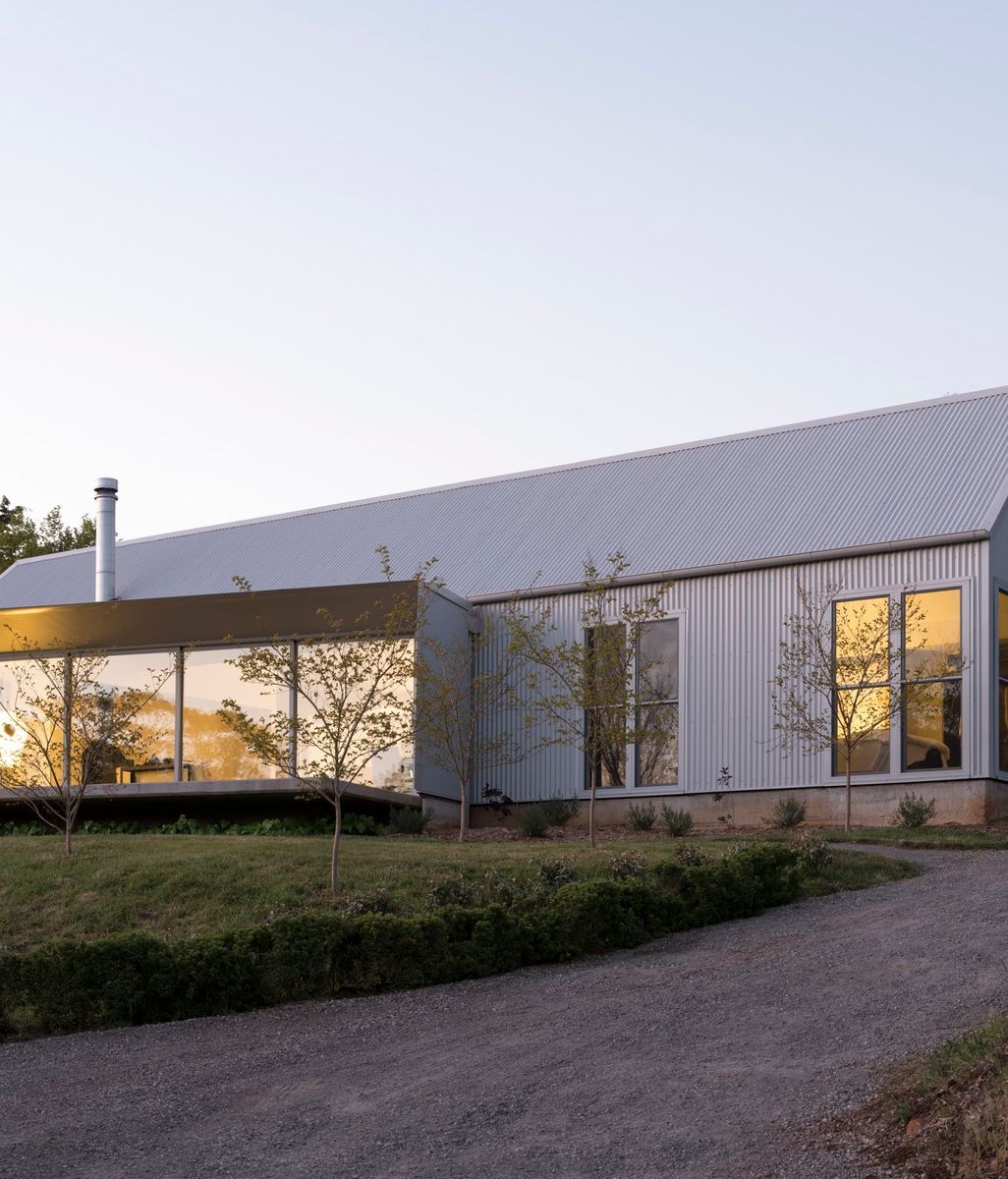
Tax changes: how they’re changing architecture

What do your clients need to know about the tax changes?
The advantages of building new
Not only are there lending and tax advantages for your clients who are building new, but there are other benefits too.
For rental properties, baches and homes, the improved rentability of new builds is well known, whether that is to short-term stays or to long-term tenants.
In much the same way, the saleability of new builds is far better than for older homes, so for anyone who needs to have flexibility in their property portfolio, new builds are the way to go.
The maintenance that is required for new builds is another major benefit. Not only is there unlikely to be any maintenance required in the first decade of home ownership, but the cost savings of doing negligible maintenance compared to an older home means there are tangible monetary advantages.
The changing face of New Zealand architecture
The raft of regulatory changes aimed at increasing housing supply over the past five or so years means there has been a major shift in New Zealanders’ thinking around building new.
Not so long ago, building new was for the mega-wealthy, but now architecturally designed homes are something that many homeowners consider, particularly as people want to design the life they want to live, rather than be dictated to or negotiate with the designs of the past.
We can see this change in our local landscape; in Auckland the Unitary Plan opened up the city to higher density living and new build infill housing; and in all the other main centres a move to increase housing supply means new builds are popping up, whether in city centres or in new subdivisions or towns.
Interestingly, in 2018, the number of building consents issued in Auckland was only equal to the average number being issued in the 1970s, when the population of the city was only 700,000.
But with the added impetus of the latest tax changes, we’re likely to continue to see those consent numbers rise and correspondingly, for the architectural landscape to represent something far more contemporary.