The art of framing the landscape
Written by
04 February 2026
•
4 min read

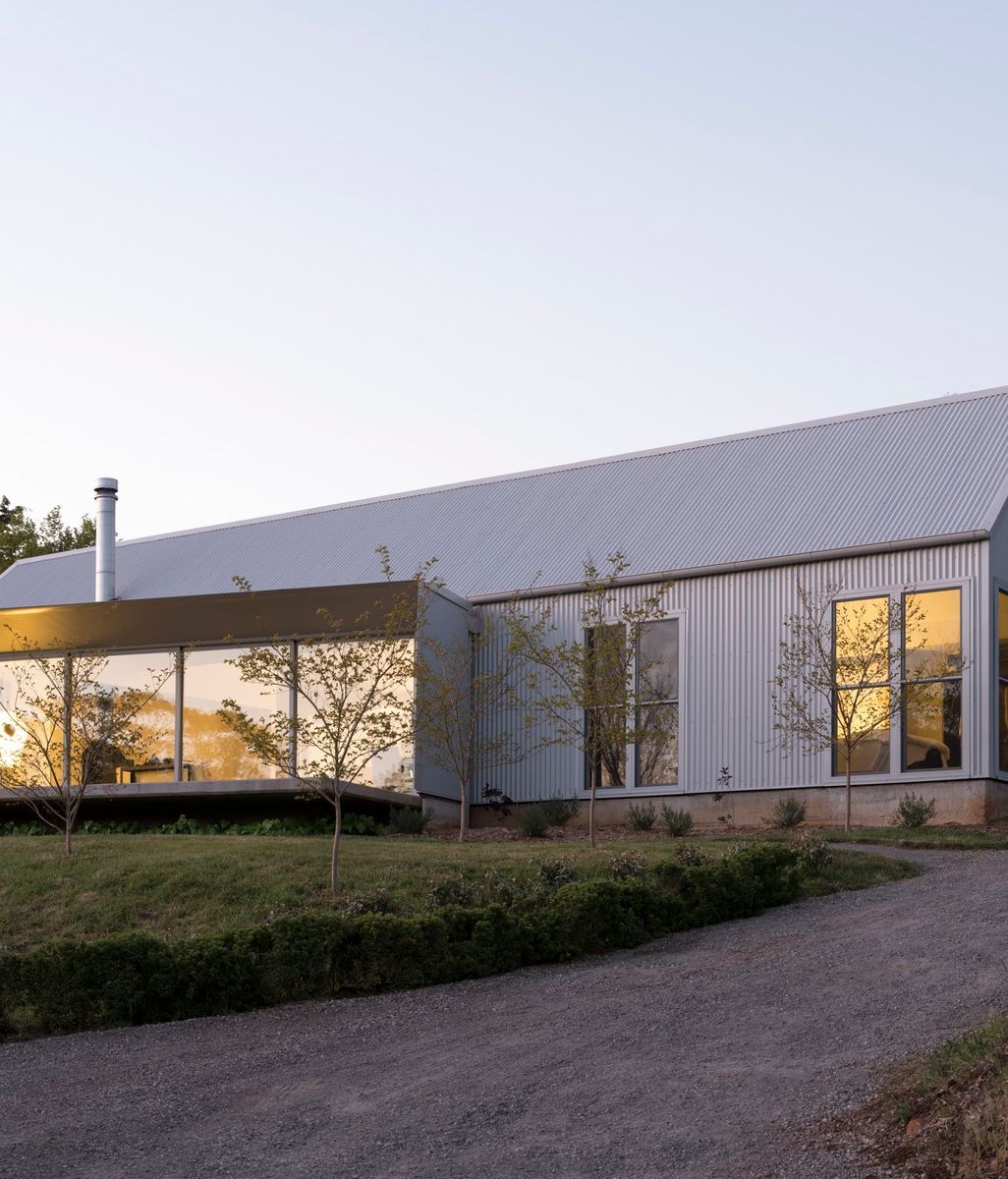
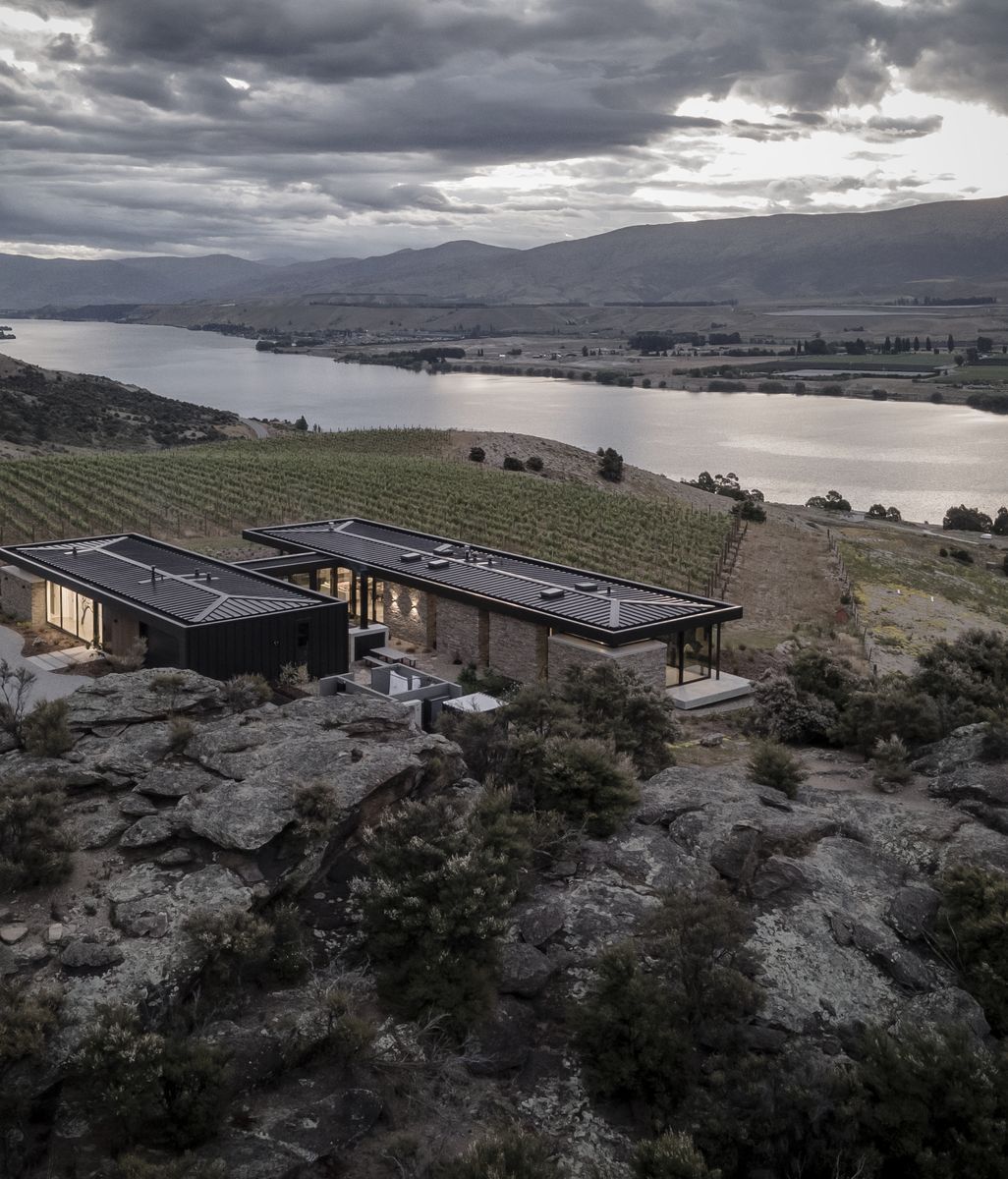
Set within an extraordinary alpine landscape in Wānaka, Mountain View Retreat occupies a site with a rare 360-degree outlook. Snow-covered peaks to the north, vineyard views to the south and shifting light throughout the day shape a home designed to follow the sun, inviting the landscape deep into its interior.
Rather than prioritising a single outlook, the home was designed to embrace every aspect of the site, allowing occupants to move with the day from morning light in the bedrooms to evening sun by the indoor pool.

Achieving this degree of openness in a southern alpine climate, however, presented a clear technical challenge. Expansive glazing can be at odds with thermal performance, particularly in regions with cold winters and hot, dry summers, but here, that tension was resolved through a highly integrated building envelope and bespoke joinery systems from E13 Performance Windows.
“The building envelope needed to be as high-spec as possible, but the client also wanted a lot of glass,” explains Michael Brenssell, Director of E13 Performance Windows. “That’s usually seen as contradictory, because the more aluminium and glass you introduce, the harder it is to maintain performance. We went the opposite way and used the glass to its maximum potential, because we knew the system would support it.”


Triple-glazed, thermally broken units were pushed to their allowable limits, reducing the amount of aluminium framing while maximising uninterrupted panes. Combined with a warm roof system, high insulation values and generous eaves that moderate seasonal solar gain, the home achieves a level of comfort that belies its openness.

Early collaboration between E13 and Johnston Architects was critical to the success of the project. Rather than attempting to fit joinery into a design, E13 calculated the maximum possible door, window and panel sizes and used those dimensions as the basis for the architecture.
“It's really important here in Wānaka to deal with the thermal performance of the building envelope and these enormous sliding doors allow us to completely open up the exterior facade of the building,” shares architect Matt Jeffery. “They’re pushed to the absolute limit of the size constraints that we can achieve, they're thermally broken and triple glazed, so they're almost like another wall of the building that you can see through, or you can have completely open.”


Pushing the limits is most evident in the indoor pool enclosure, which is glazed to the maximum possible heights and widths so that the pool captures both morning and evening sun, while remaining protected during the middle of the day.
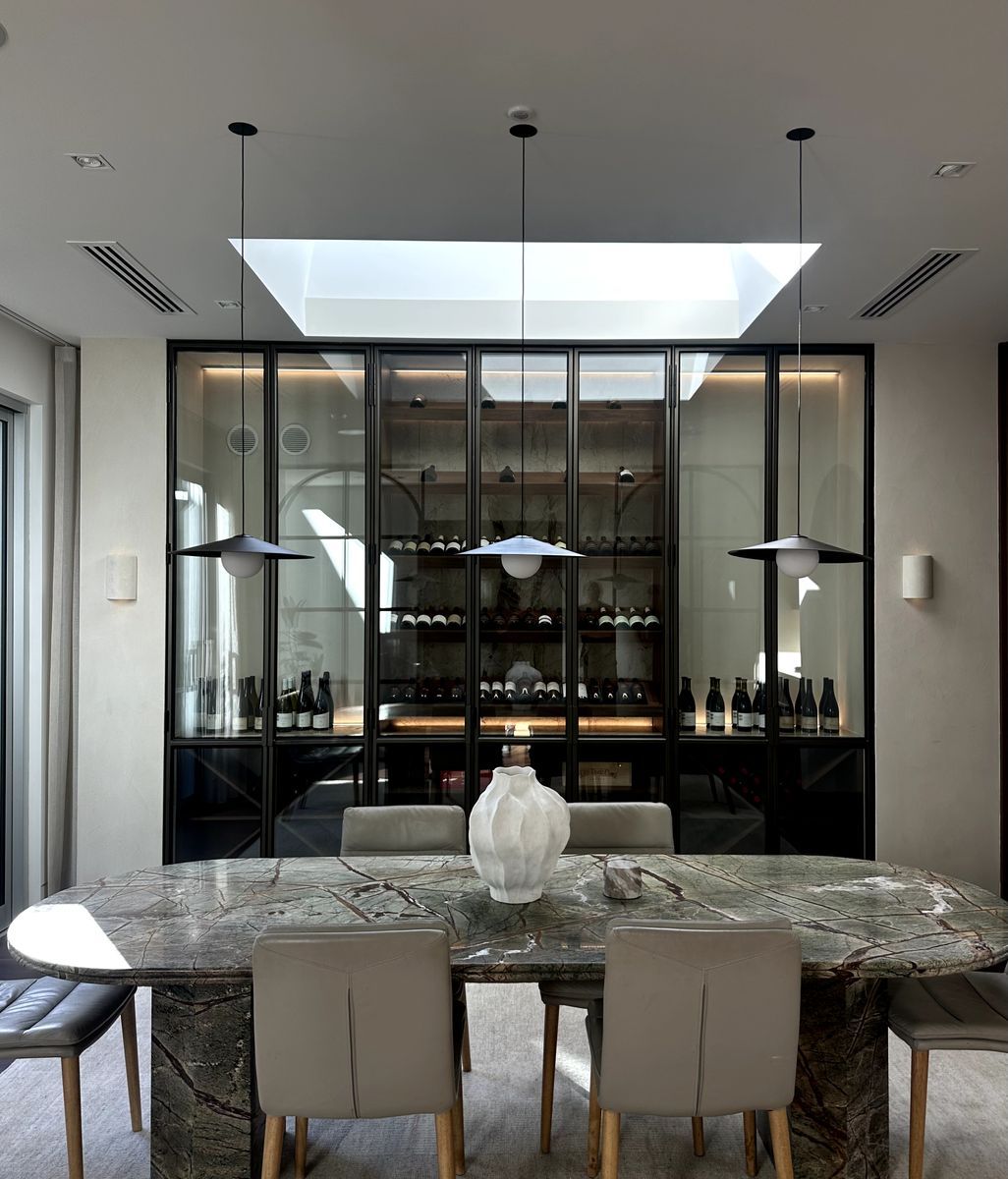
Above, a glazed roof introduces light while carefully controlling glare. E13 had the glazier print ceramic fritting (printed dots like you see on windshields) within the triple-glazed units, softening the intensity of sunlight without obscuring views of cloud movement or surrounding trees.
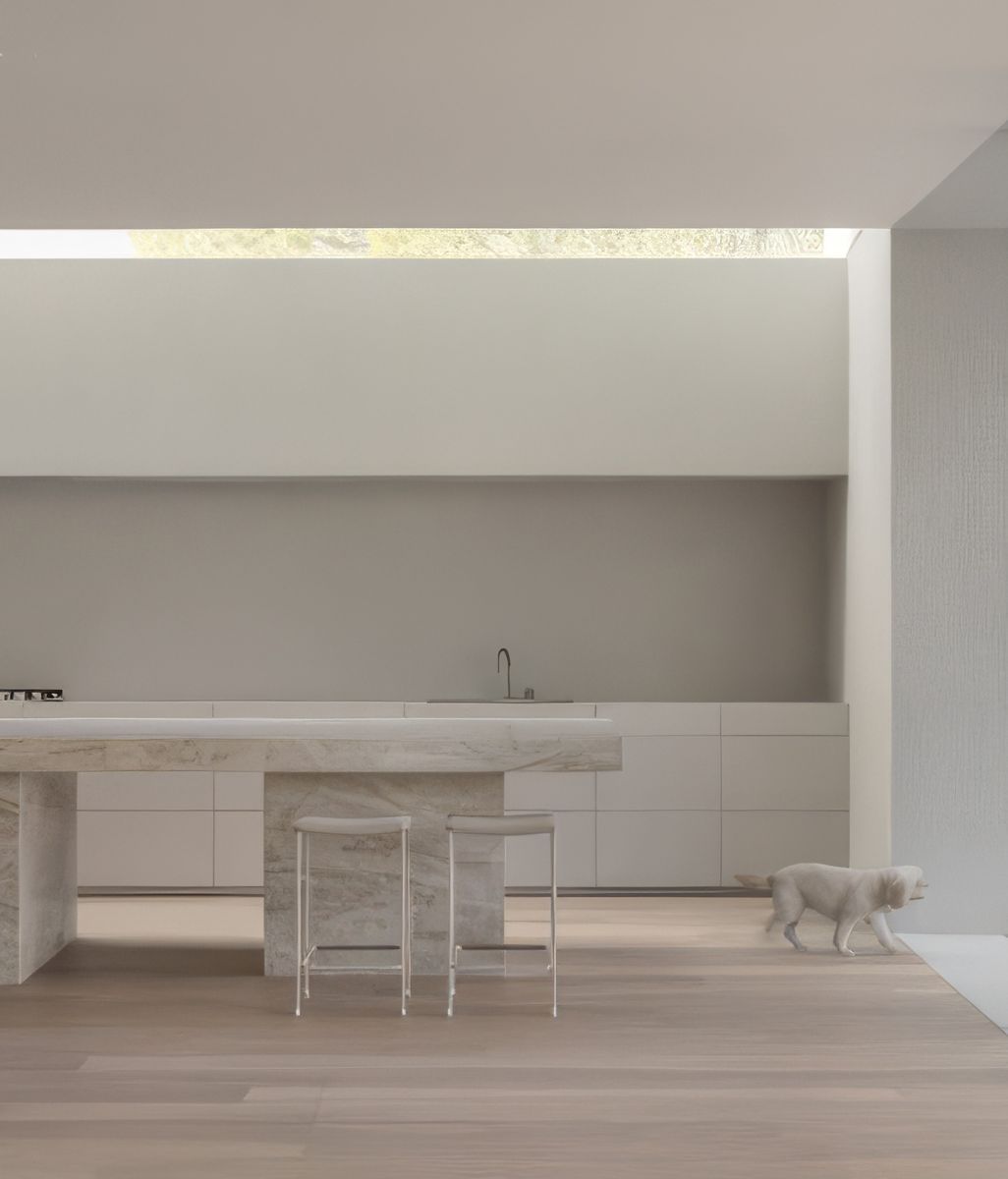
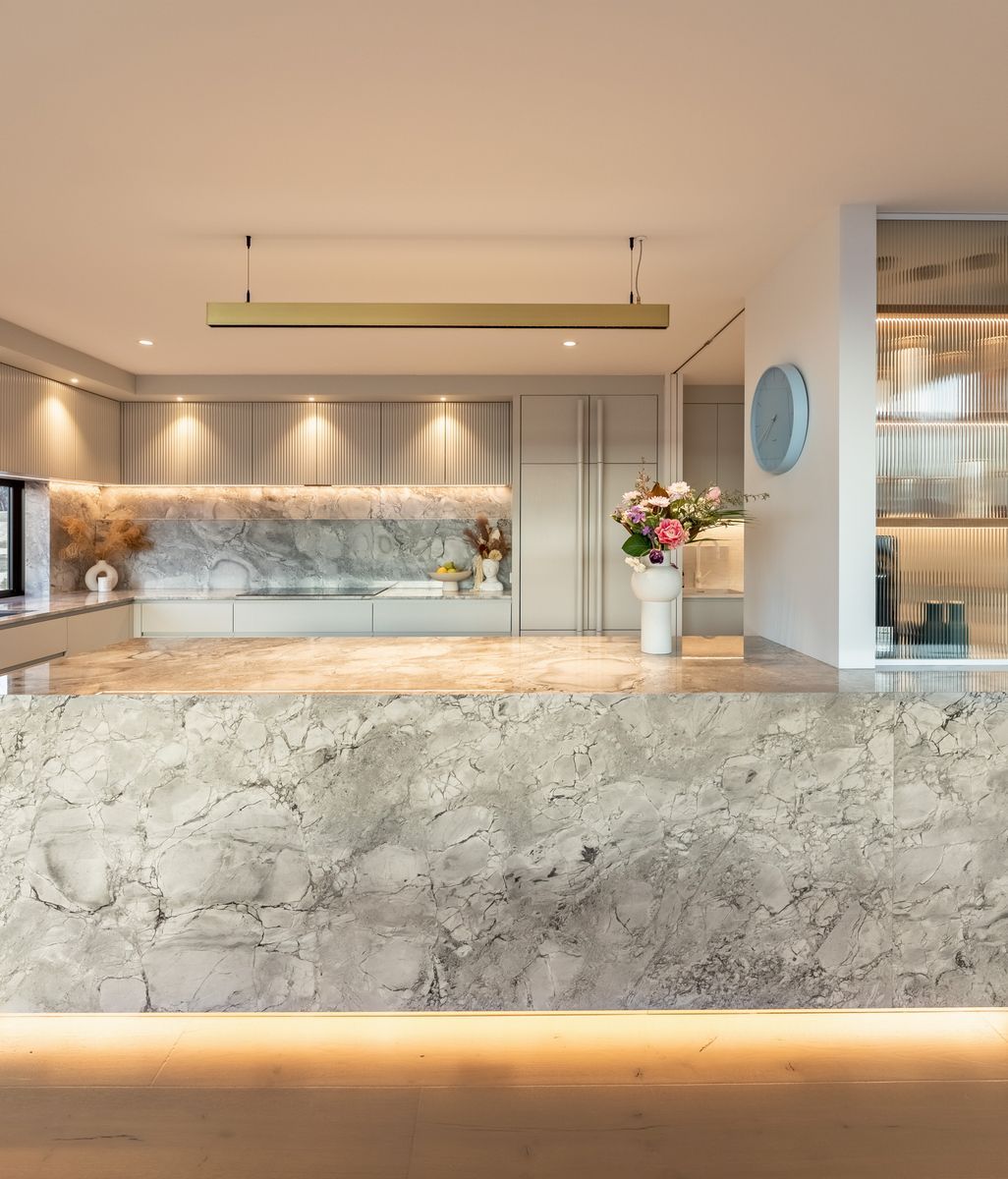
Throughout the home, moments of glazing are used with restraint as well as generosity. A glazed rooflight above the kitchen bench brings soft daylight into the heart of the plan, animating the space. Elsewhere, technically demanding joinery solutions support the architecture without drawing attention.


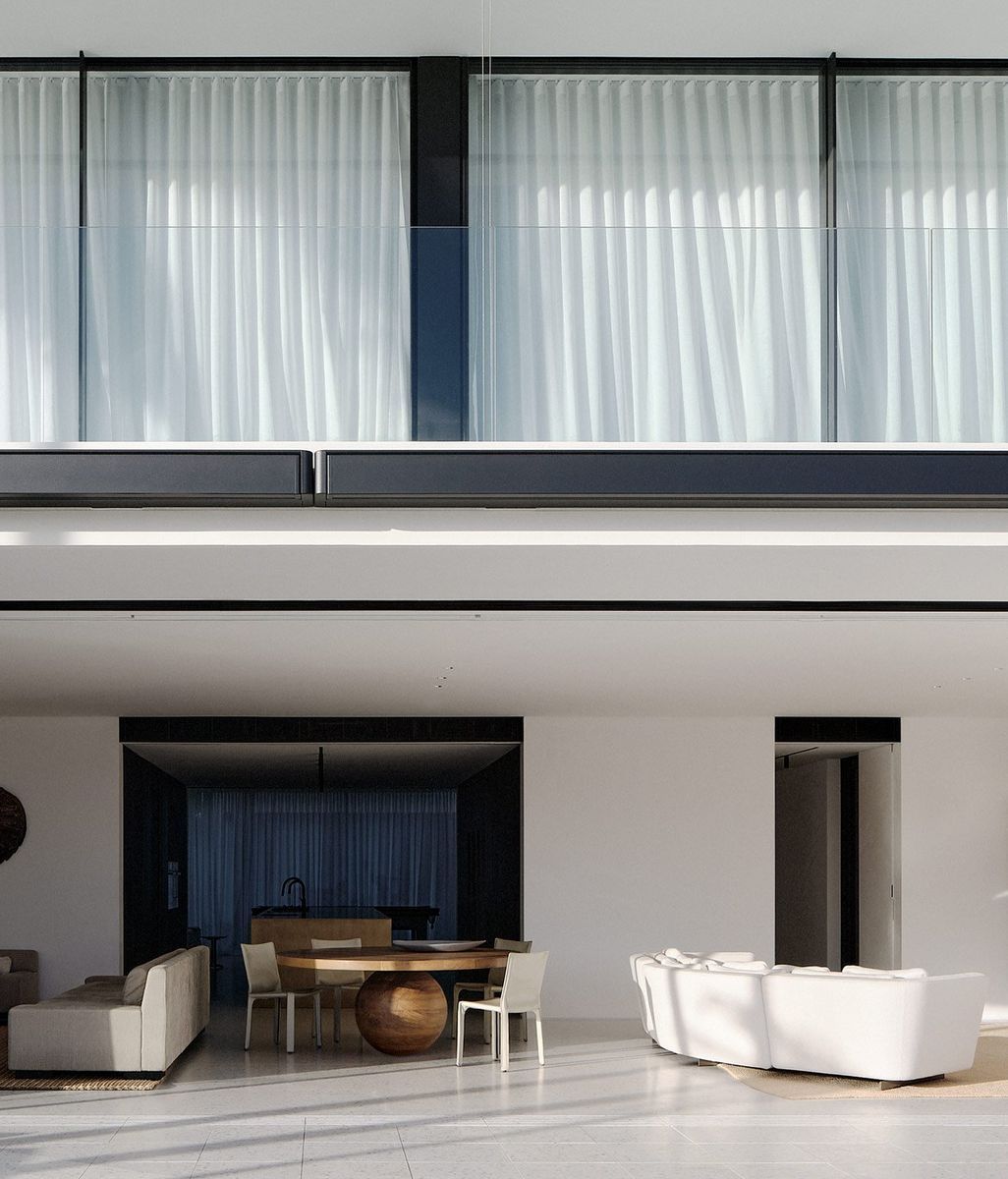
The media room (which is essentially an outdoor room) required large sliding doors that disappear past the corner of the external wall, allowing the space to open entirely to the outdoors while maintaining acoustic and thermal performance when closed.
“From a technical perspective, the doors had to integrate into paving, soffits and external walls,” says Brenssell. “It’s one of those details where a lot of the work disappears, but it’s doing a huge amount behind the scenes.”
That philosophy extends to the seamless thresholds found throughout the house. Hidden external gutters and carefully coordinated detailing allow tile flooring to flow uninterrupted from inside to out, avoiding the visual clutter of exposed drainage channels.

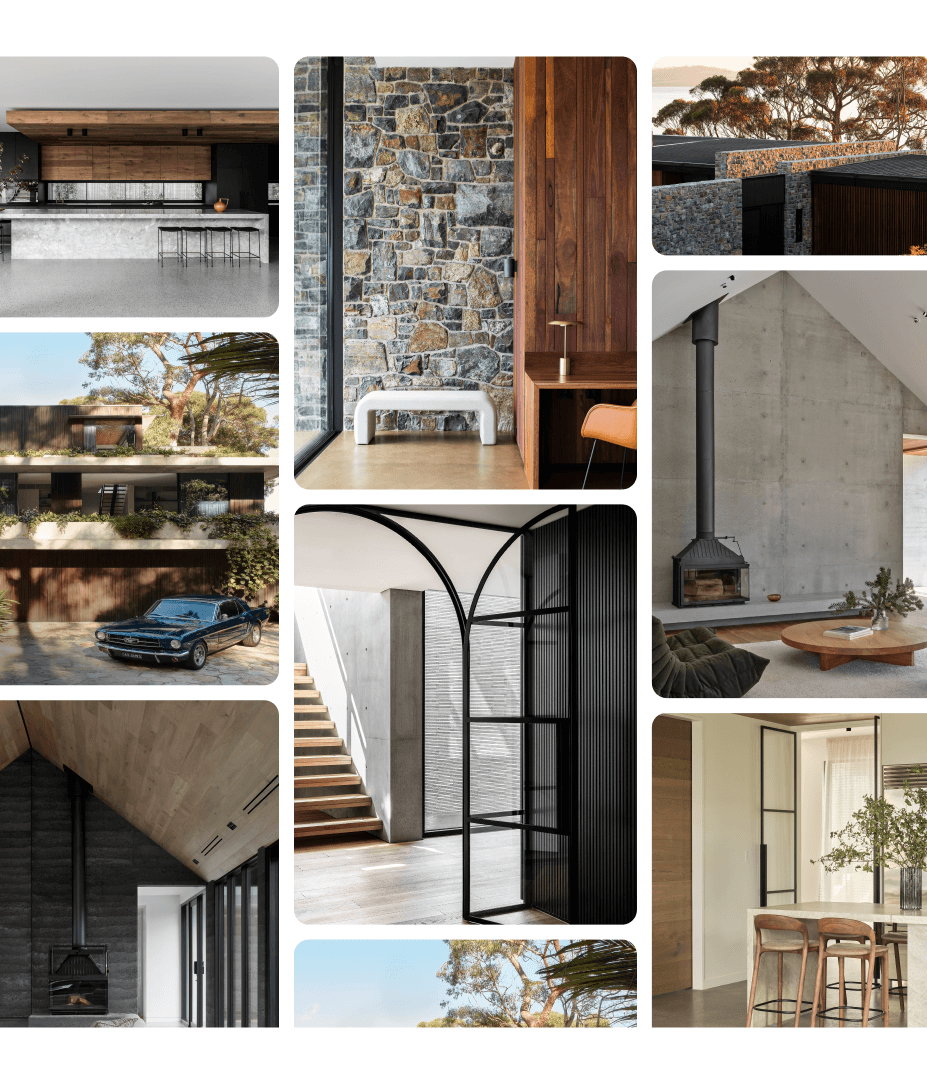
The final and most expressive example of oversized joinery appears in the car gallery, a space inspired by modernist hillside homes in Los Angeles. Conceived as a display gallery rather than a traditional garage, the glazing here is over-height and over-width, assembled on site due to transport limitations.
“Everything about this house was millimetre-perfect,” Brenssell reflects. “There was no tolerance anywhere: finished floor to finished ceiling, finished wall to finished wall. These oversized, highly specialised systems are what we do every day. It’s where we’ve found our niche, working with architects to push boundaries rather than asking them to pull their ideas back.”
That collaborative precision has resulted in a home that feels effortless but is anything but simple; it’s a meticulous example of how performance-led joinery can expand architectural possibility and home comfort, without demanding attention for itself.
Explore more high performance solutions from E13 Performance Windows